Artwork
Nasturtiums
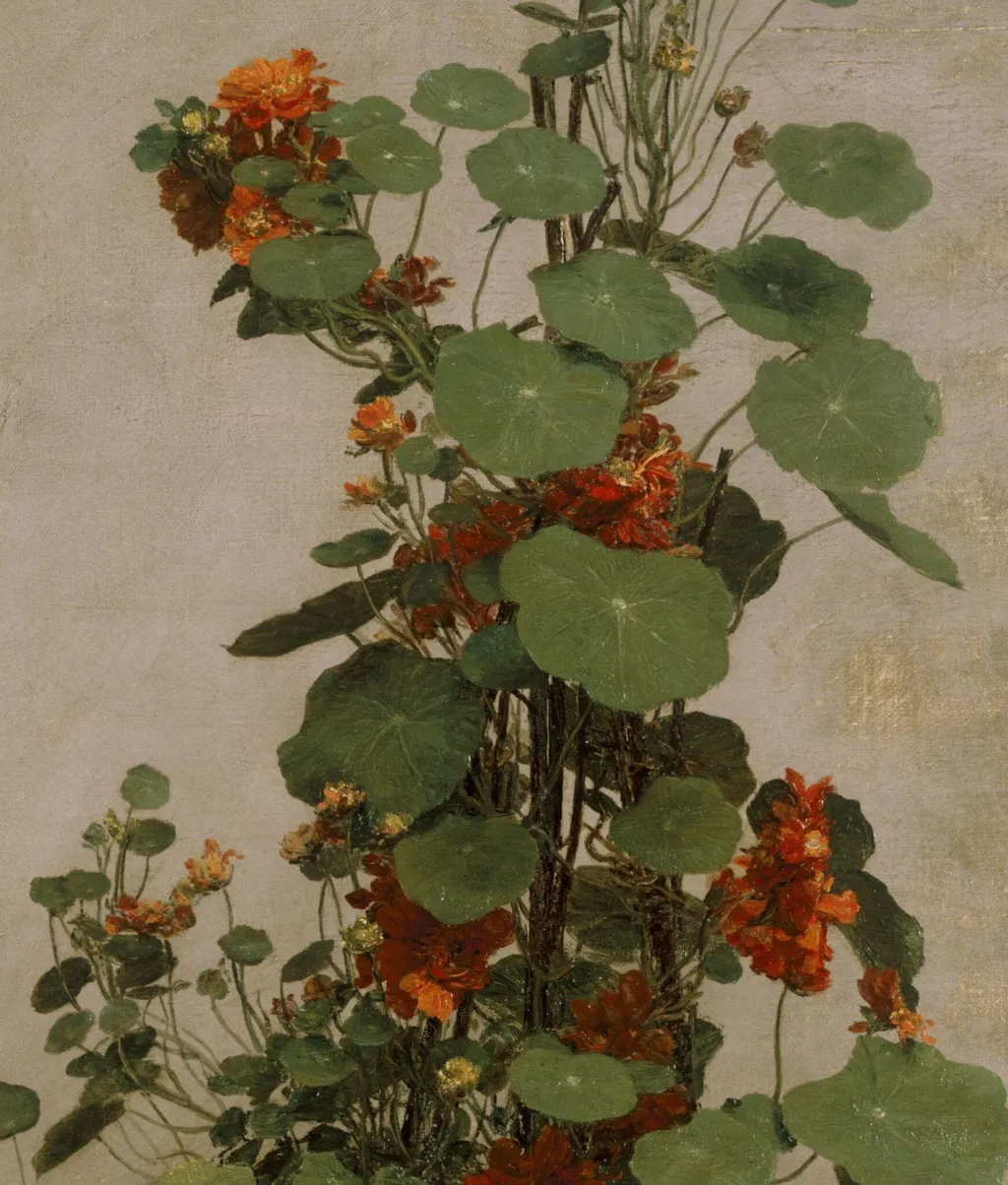
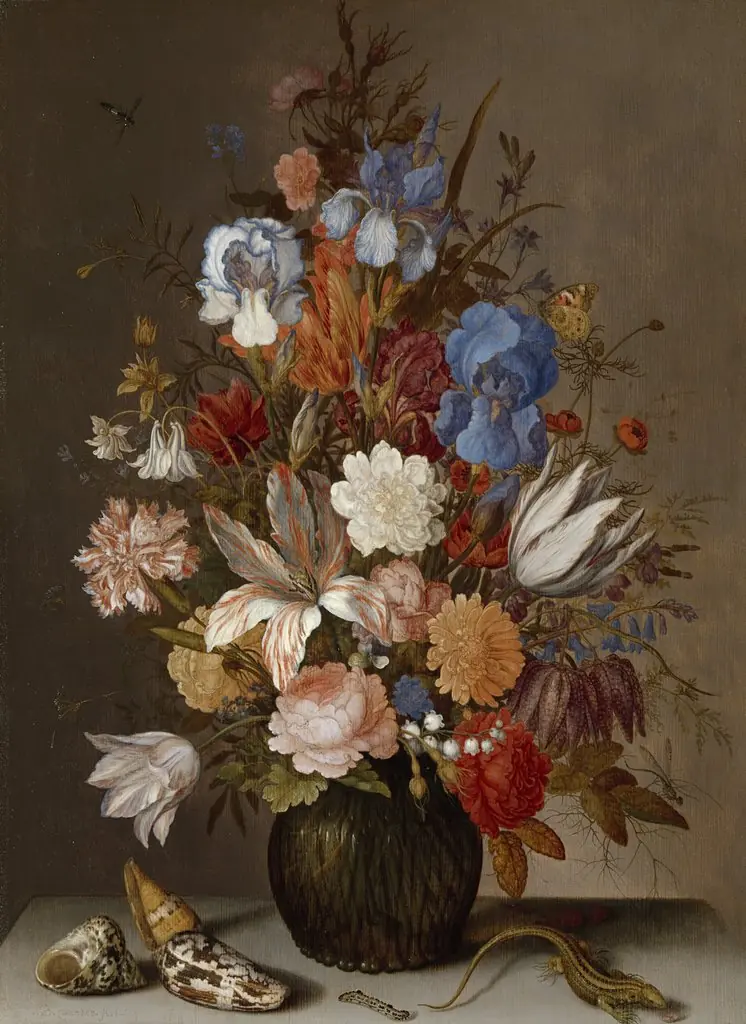
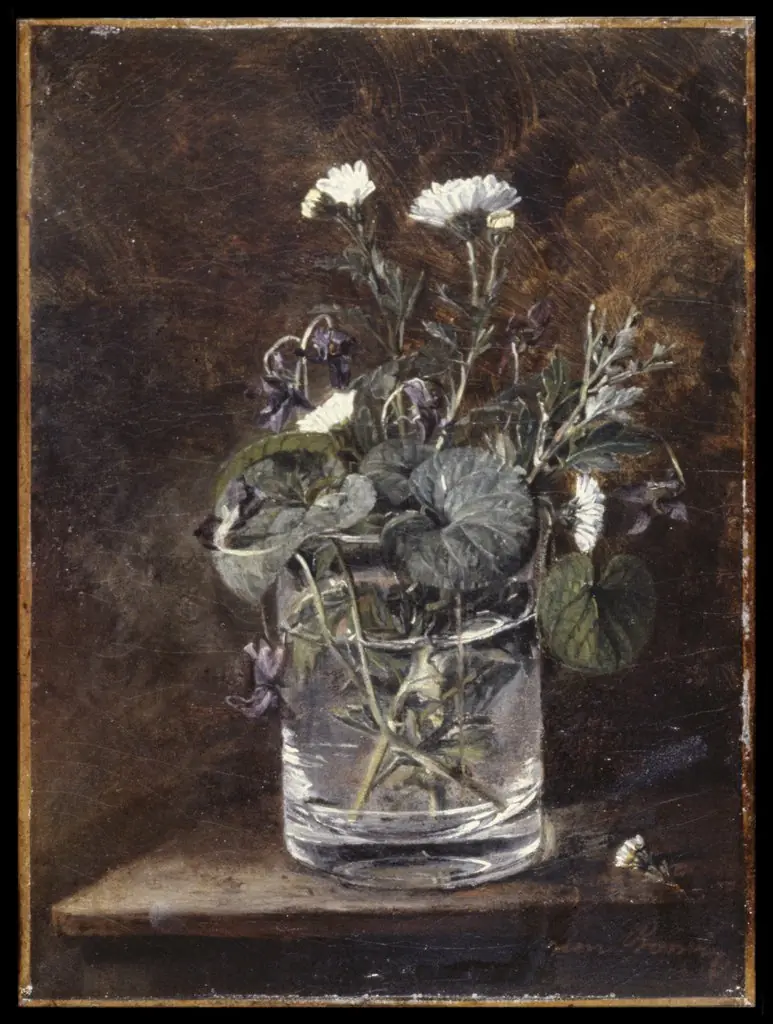
Nasturtiums is an oil painting by the Impressionist artist Henri Fantin-Latour. It dates from 1880 and is held in the collection of the Victoria and Albert Museum.
About this work
Overview
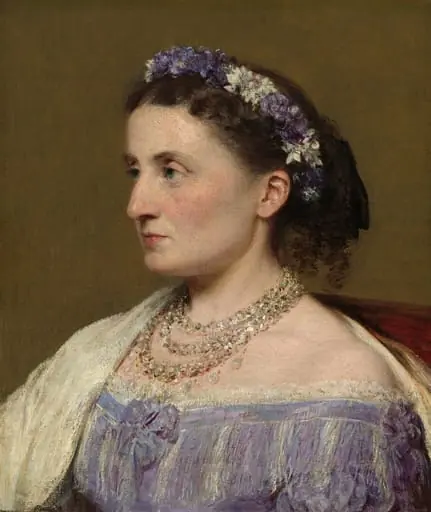
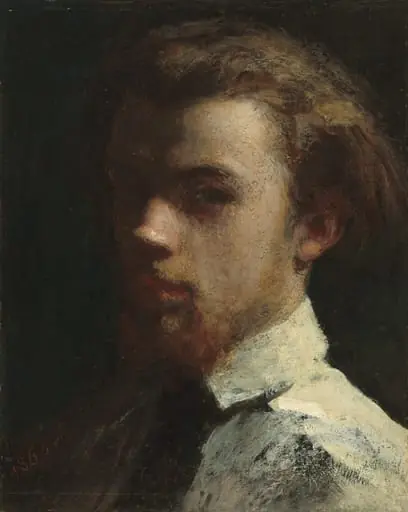
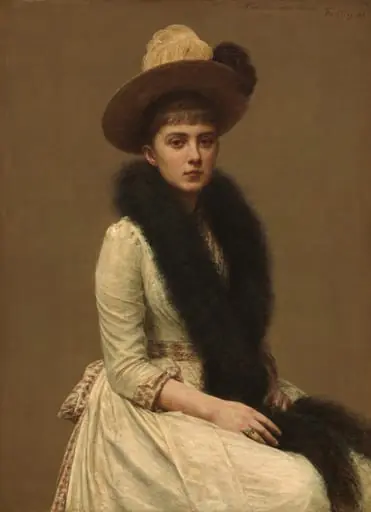
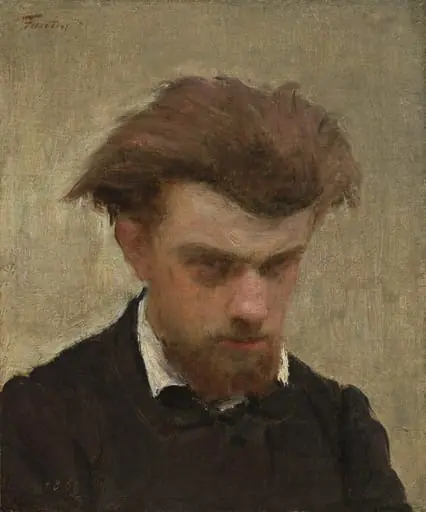
Though initially engaged in portraiture, he increasingly devoted his practice to flowers, producing nearly five hundred such works.
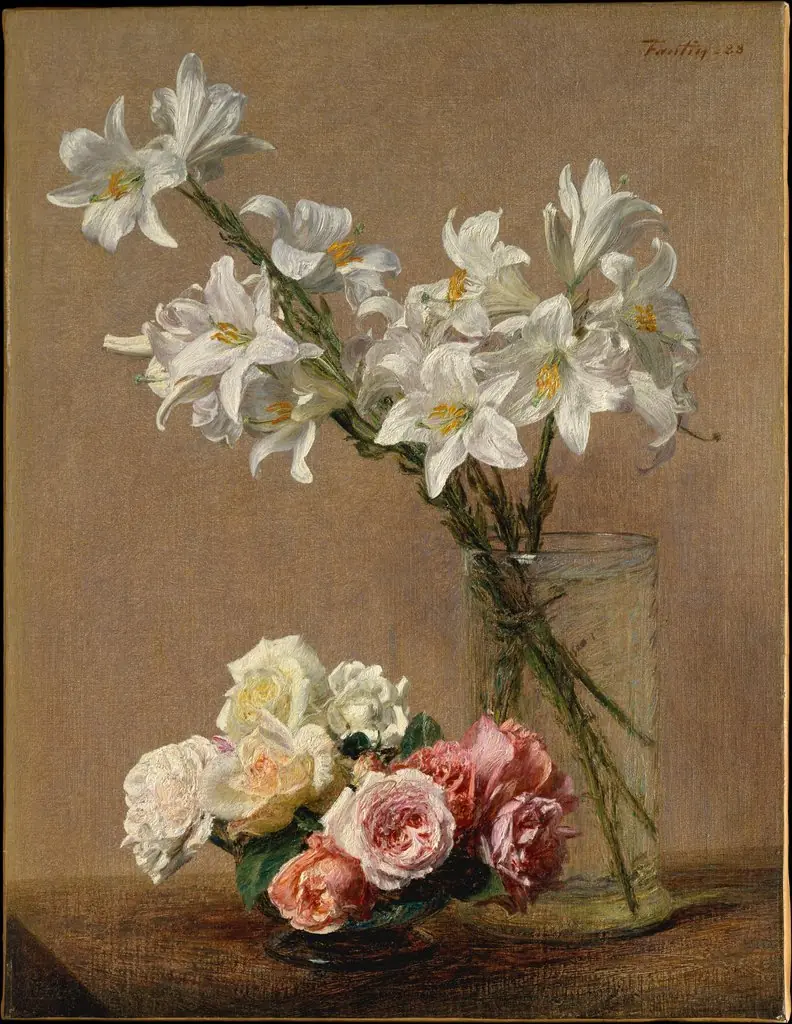
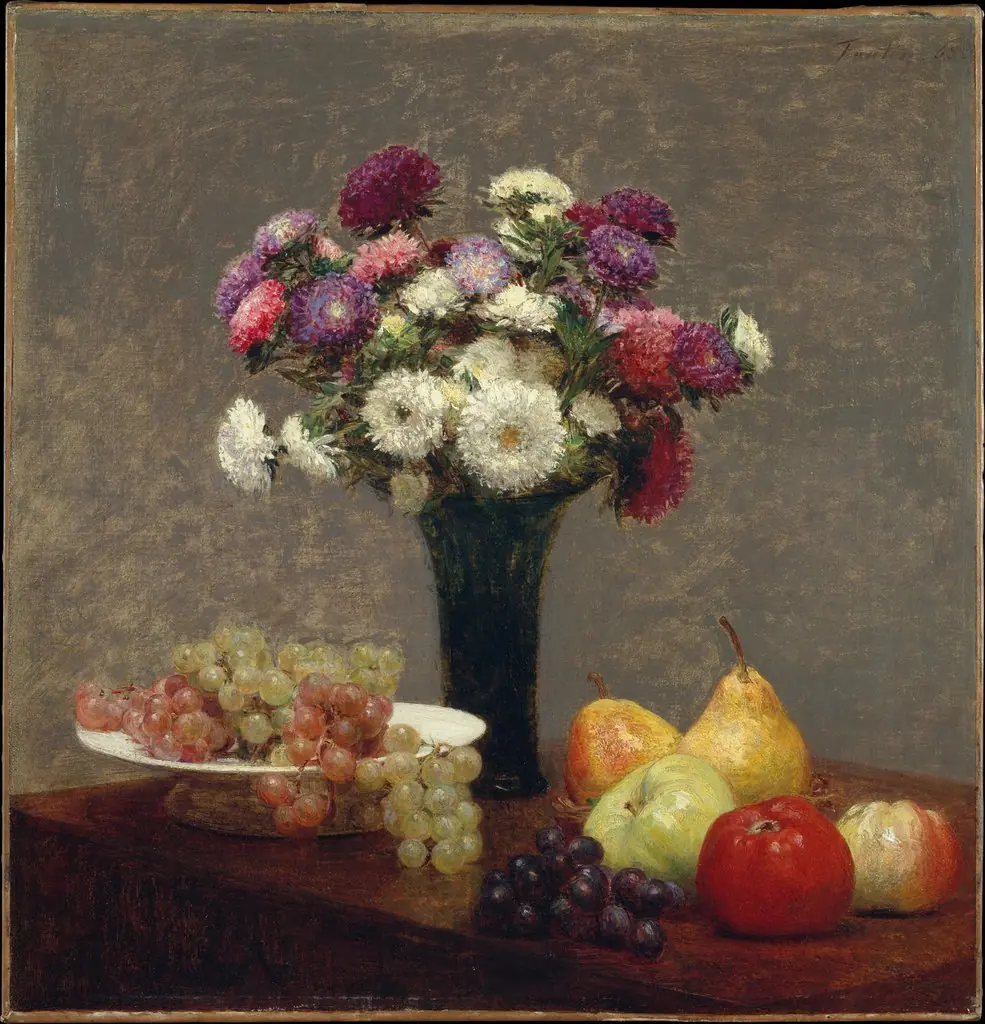
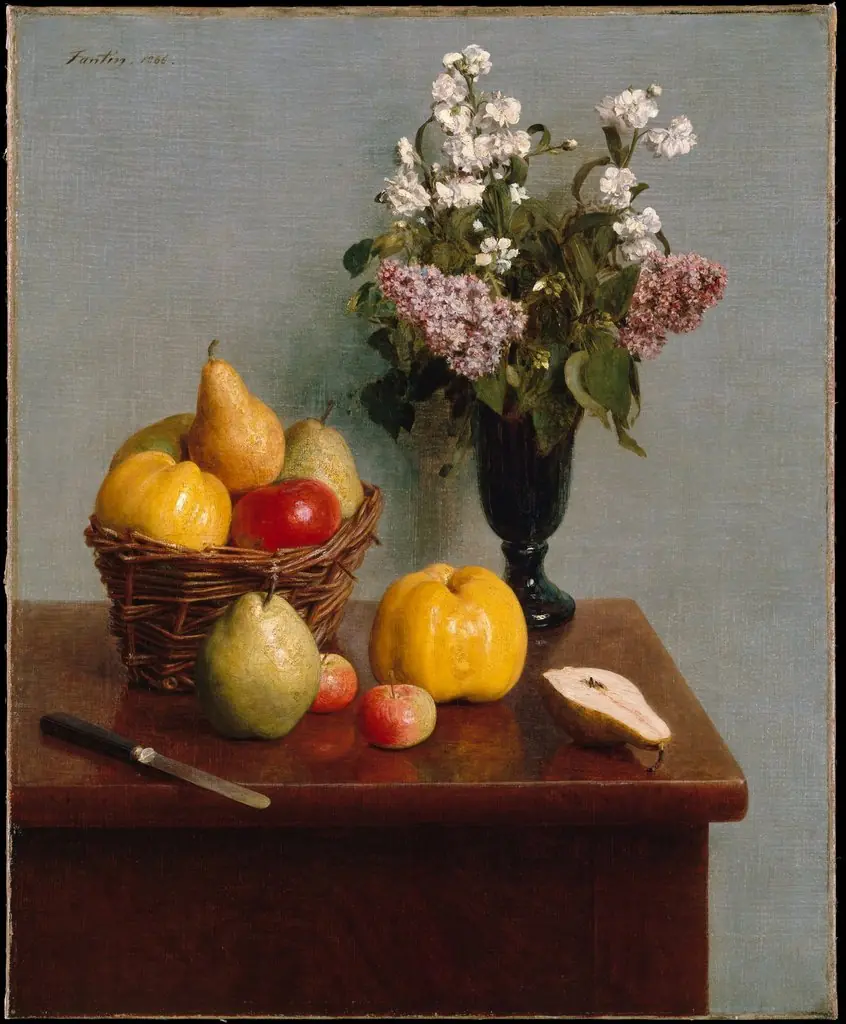
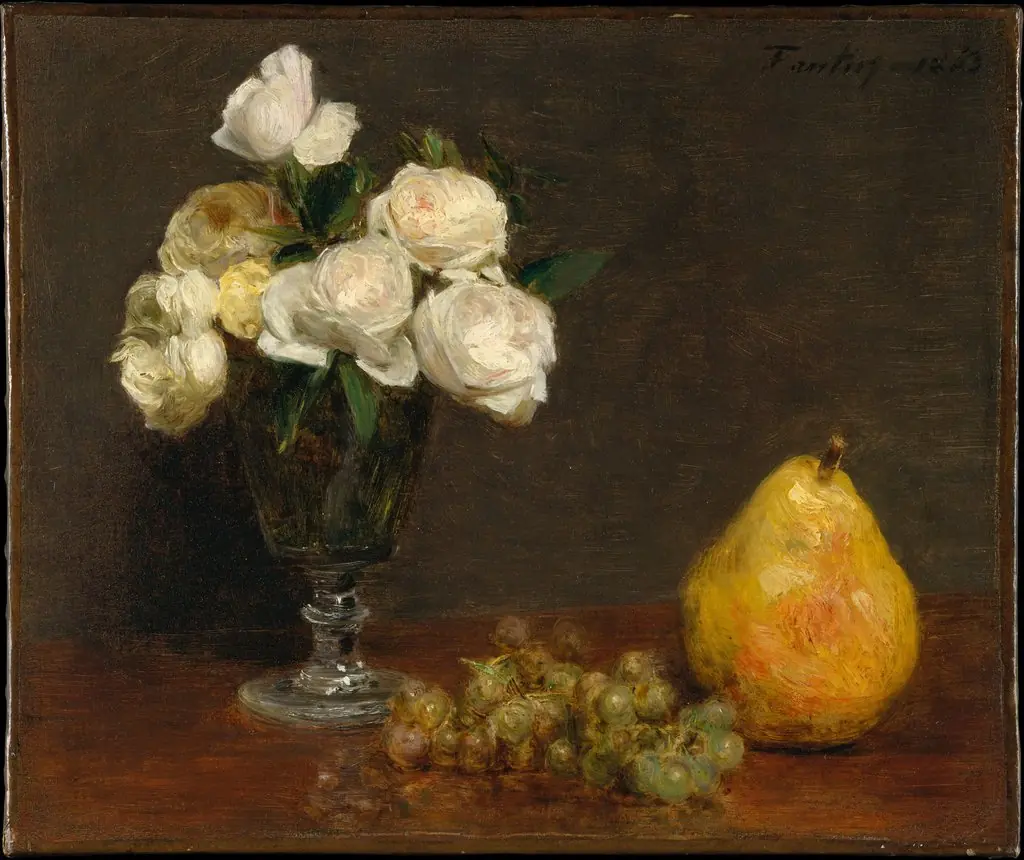
Henri Fantin-Latour, born in Grenoble in 1836, received early artistic training in Paris before developing a distinctive focus on still-life floral compositions. Though initially engaged in portraiture, he increasingly devoted his practice to flowers, producing nearly five hundred such works. His quiet, meticulously rendered arrangements found particular resonance with British collectors, a connection strengthened by his friendship with James McNeill Whistler and regular exhibitions at the Royal Academy from the 1860s onward.
Subject & Meaning
The painting depicts a simple glass vase filled with double nasturtiums, their vibrant orange blooms contrasting against a muted grey backdrop. The choice of subject reflects a deliberate turn away from narrative or symbolism toward the quiet observation of natural form. The flowers are presented without ornament or context, emphasizing their intrinsic beauty and the artist’s interest in transient, everyday beauty rather than grand themes.
Technique & Style
Fantin-Latour applied oil paint with precise, controlled brushwork, capturing the delicate texture of petals and the subtle play of light across their surfaces. Side lighting creates soft shadows and highlights, enhancing the three-dimensionality of the blooms without dramatic contrast. The palette remains restrained, with color serving observation rather than expression, aligning with a naturalistic approach that prioritized fidelity to visual experience over emotional intensity.
History & Provenance
The painting emerged during a period when Fantin-Latour was refining his floral style, following his early training under Lecocq de Boisbaudran and a brief stint in Courbet’s studio. His growing reputation among British patrons, facilitated by Whistler’s influence, led to consistent sales and exhibition opportunities in London. These works were often acquired by collectors who appreciated their calm precision and departure from the more radical trends emerging in French art at the time.
Context
In mid-to-late 19th-century France, Fantin-Latour’s floral still lifes stood apart from both academic traditions and the emerging Impressionist movement. While his attention to light and color foreshadowed some Impressionist concerns, his method remained rooted in careful observation and controlled execution. His work occupied a middle ground—respectful of tradition yet attentive to the nuances of natural appearance, appealing to audiences seeking stability amid artistic upheaval.
Legacy
Fantin-Latour’s floral paintings continue to be held in major collections, including the Victoria and Albert Museum, where their quiet intensity is still appreciated. Though overshadowed in popular memory by more avant-garde contemporaries, his contributions helped sustain the still-life tradition through a period of radical change. His approach influenced later artists interested in the poetic potential of ordinary subjects rendered with disciplined care.
Artist & collection
Artist
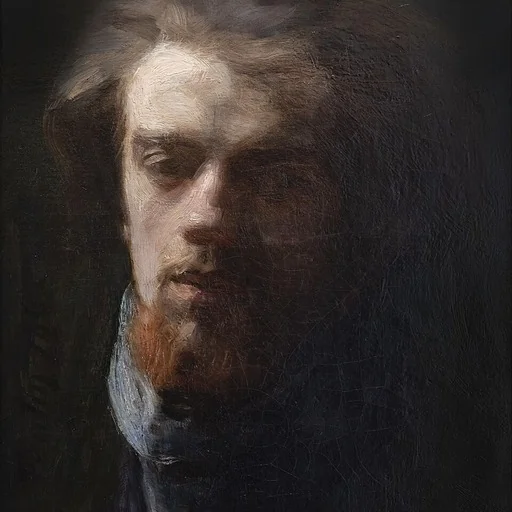
Ignace Henri Jean Theodore Fantin-Latour (French pronunciation: ; 14 January 1836 – 25 August 1904) was a French painter and lithographer best known for his flower paintings and group portraits of Parisian artists and writers.