Artwork
Road to Eaux-Chaudes, Pyrenees (recto); Eaux-Chaudes, Pyrenees (verso)
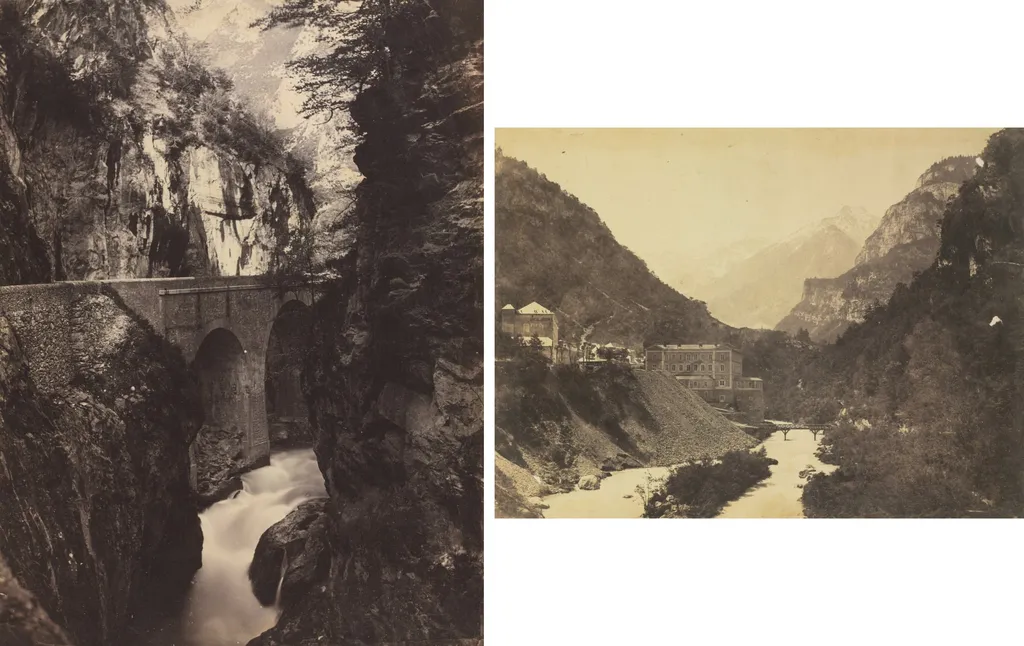
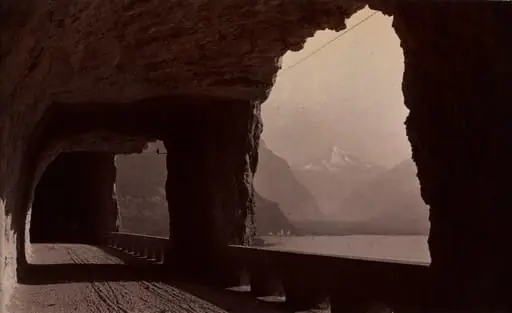
Road to Eaux-Chaudes, Pyrenees (recto); Eaux-Chaudes, Pyrenees (verso) is a photography by the Impressionist artist Farnham Maxwell Lyte. It dates from 1855 and is held in the collection of the Cleveland Museum of Art.
About this work
Overview
This mid-19th-century work by Farnham Maxwell Lyte consists of two photographic studies on a single sheet, depicting landscapes in the Pyrenees.
This mid-19th-century work by Farnham Maxwell Lyte consists of two photographic studies on a single sheet, depicting landscapes in the Pyrenees. The recto presents a winding road leading toward the village of Eaux-Chaudes, while the verso offers a complementary view of the same region. Executed around 1855, the images reflect early photographic techniques used to document remote mountainous terrain.
Subject & Meaning
The photographs capture the rugged beauty of the Pyrenees, focusing on the passage into Eaux-Chaudes, a village known for its thermal springs. The winding road serves as a visual conduit, guiding the viewer through the landscape while emphasizing the isolation and grandeur of the mountains. The images may have been intended to evoke both the physical journey and the timeless character of the region.
Technique & Style
Lyte employed early photographic methods, likely salted paper prints or calotypes, which allowed for subtle tonal variations and a soft, atmospheric quality. The composition relies on natural light and shadow to define depth, with the road acting as a central axis. The muted palette and lack of human figures direct attention to the land itself, aligning with the aesthetic principles of mid-19th-century landscape photography.
History & Provenance
Created circa 1855, these images form part of a broader effort by Lyte to document European landscapes. The work entered the collection of The Cleveland Museum of Art, where it remains as an example of early photographic exploration. Little is recorded about its immediate reception, but its survival offers insight into the technical and artistic challenges of the period.
Context
The mid-1800s marked a period of growing interest in photography as both a scientific tool and an artistic medium. Lyte’s images reflect the era’s fascination with remote and picturesque locales, which were increasingly accessible to travelers and artists. The Pyrenees, with their dramatic topography, became a subject of particular appeal, capturing the intersection of natural beauty and human curiosity.
Legacy
Though not widely celebrated in its time, this work contributes to the understanding of early photographic practices and the documentation of European landscapes. It exemplifies the transition from painted to photographic representations of nature, offering a glimpse into how 19th-century artists engaged with light, form, and spatial composition. Its inclusion in museum collections underscores its historical significance.
Artist & collection

Artist
Farnham Maxwell-Lyte FRSC was an English chemist and the pioneer of a number of techniques in photographic processing. As a photographer he is known for his views of the French Pyrenees.

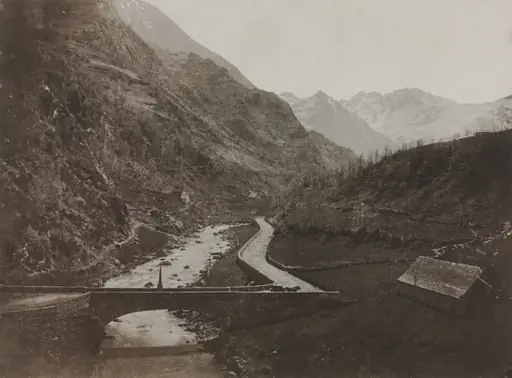 View Along the Route to Luz, Portugal
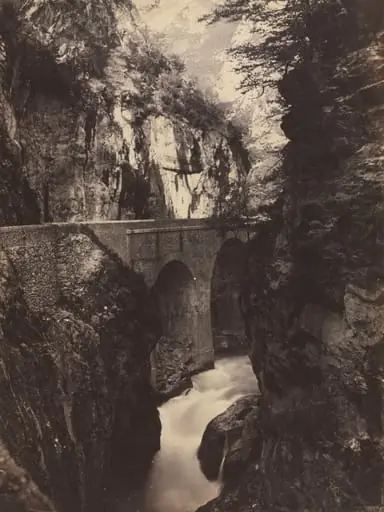
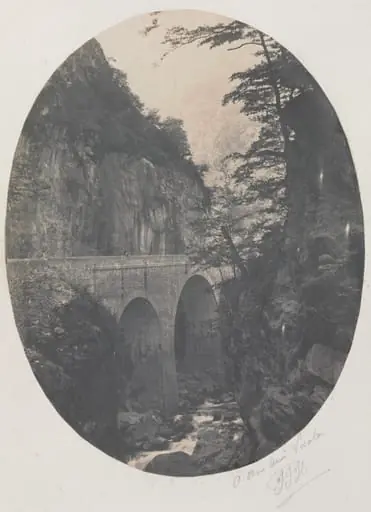 Gorge at Eaux Chaudes, Pyrenees
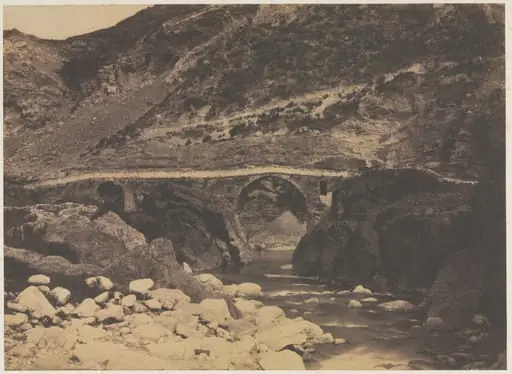 The Bridge of Palalda (near Amelieles-Bains)
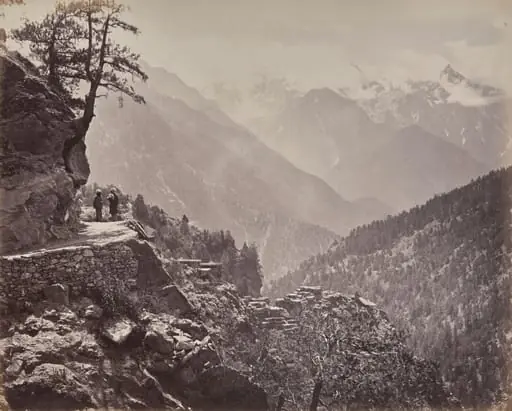 The Upper Himmalayahs. View on the New Road between India and China. Mt. Pangi with the Snowy Peaks of China in the Distance
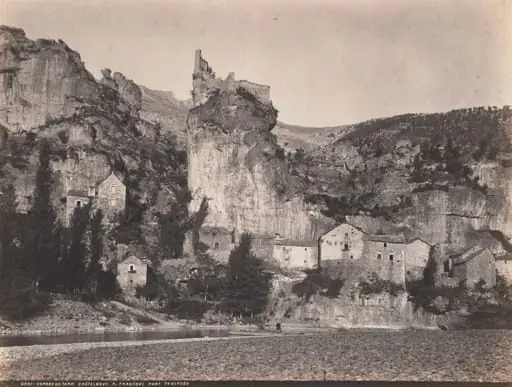 Gorges Du Tarn Castelbouc
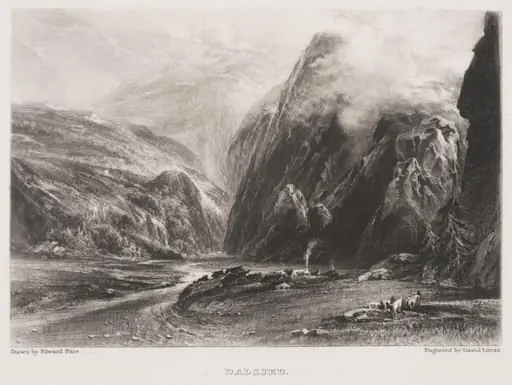 Dalsjed
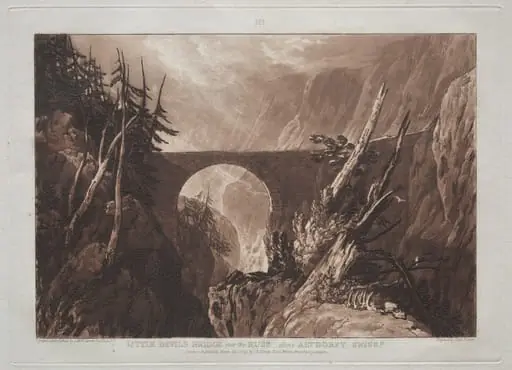 Liber Studiorum: Little Devil's Bridge over the Russ, above Altdorft, Swiss
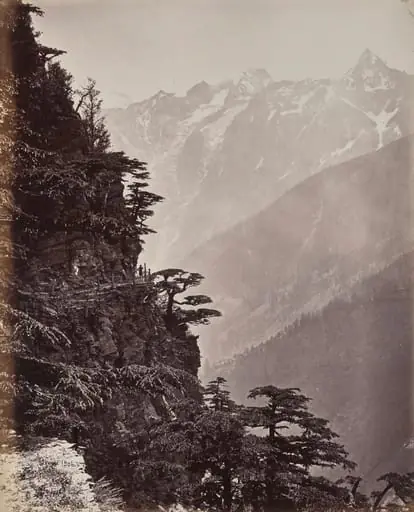 The Upper Himmalayahs. View on the New Road Near Rogi
 Untitled (Rocky Arcade)