Artwork
El pintor Vicente Poleró
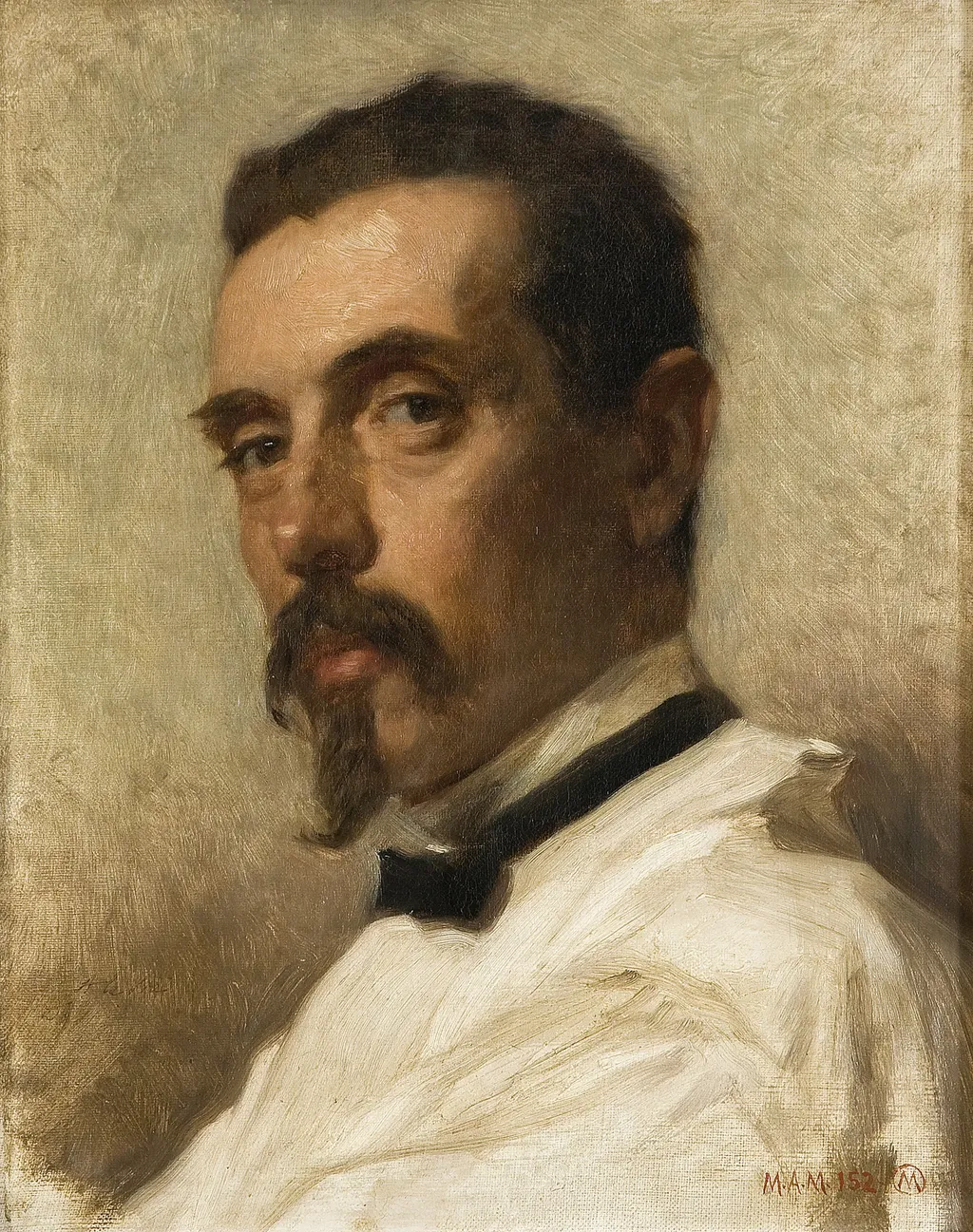
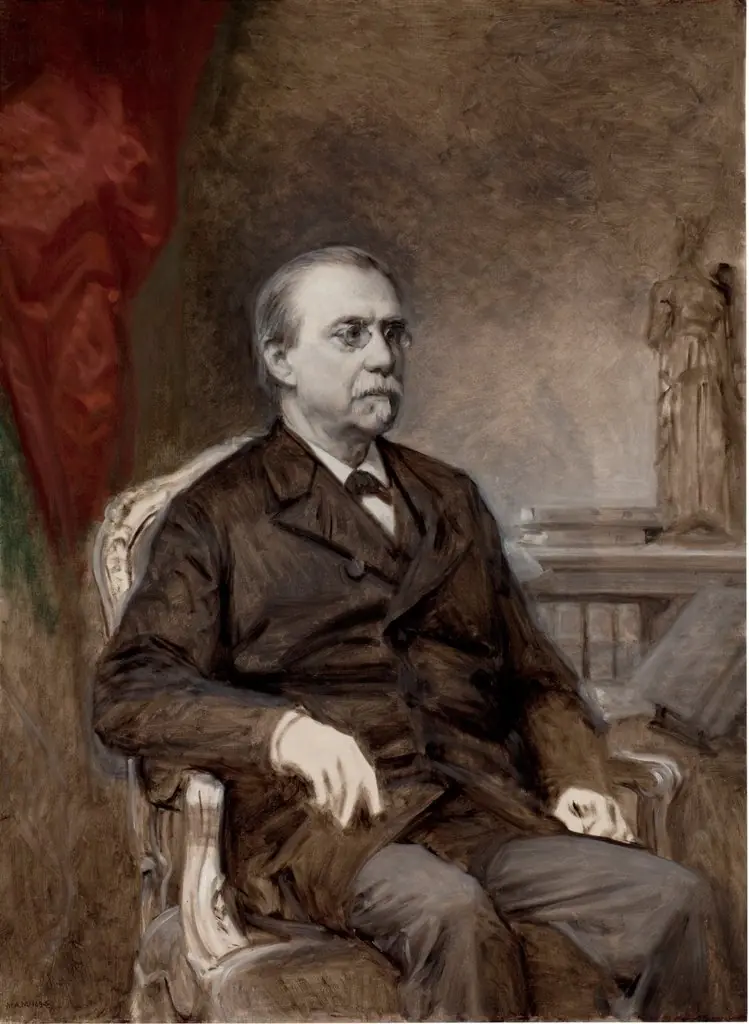
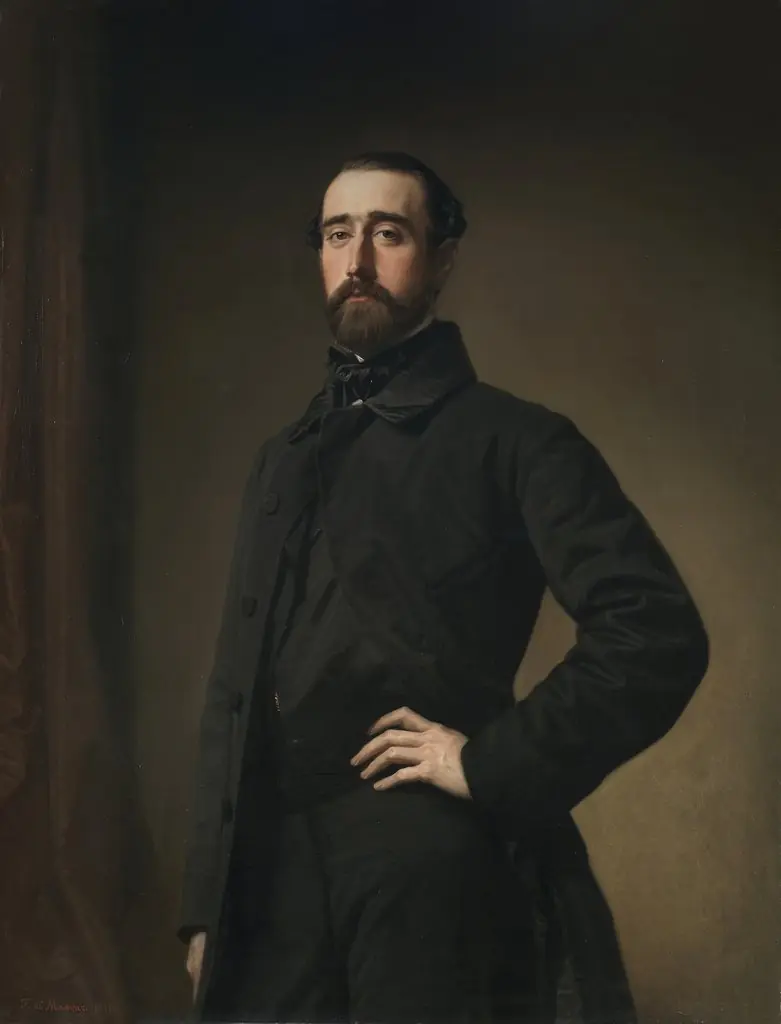
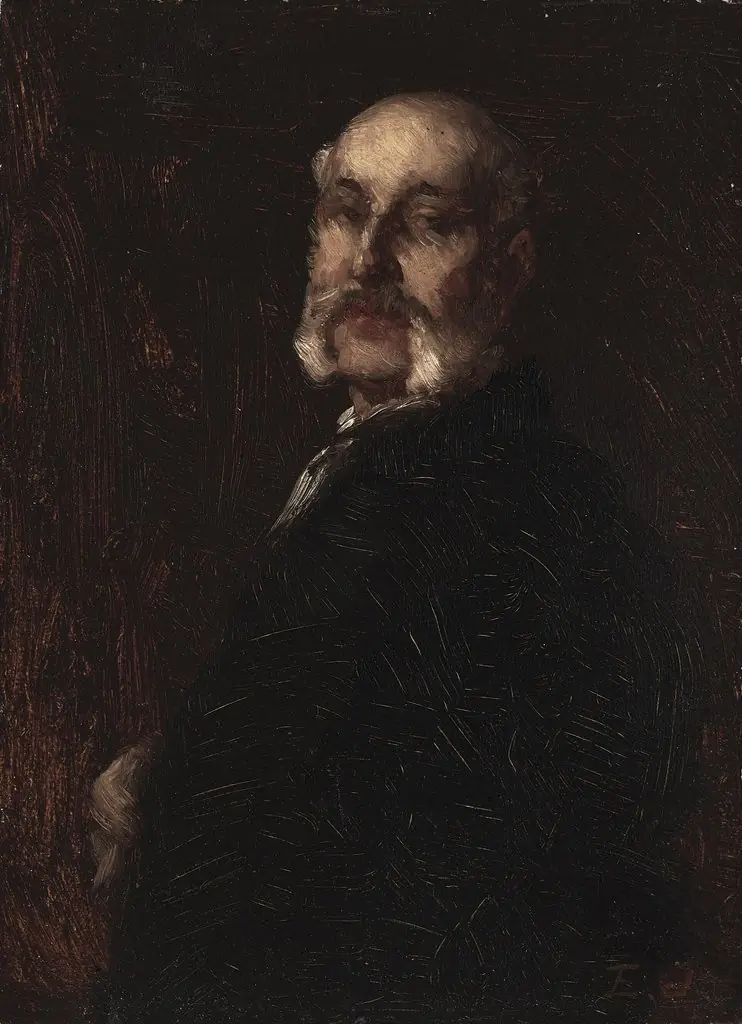
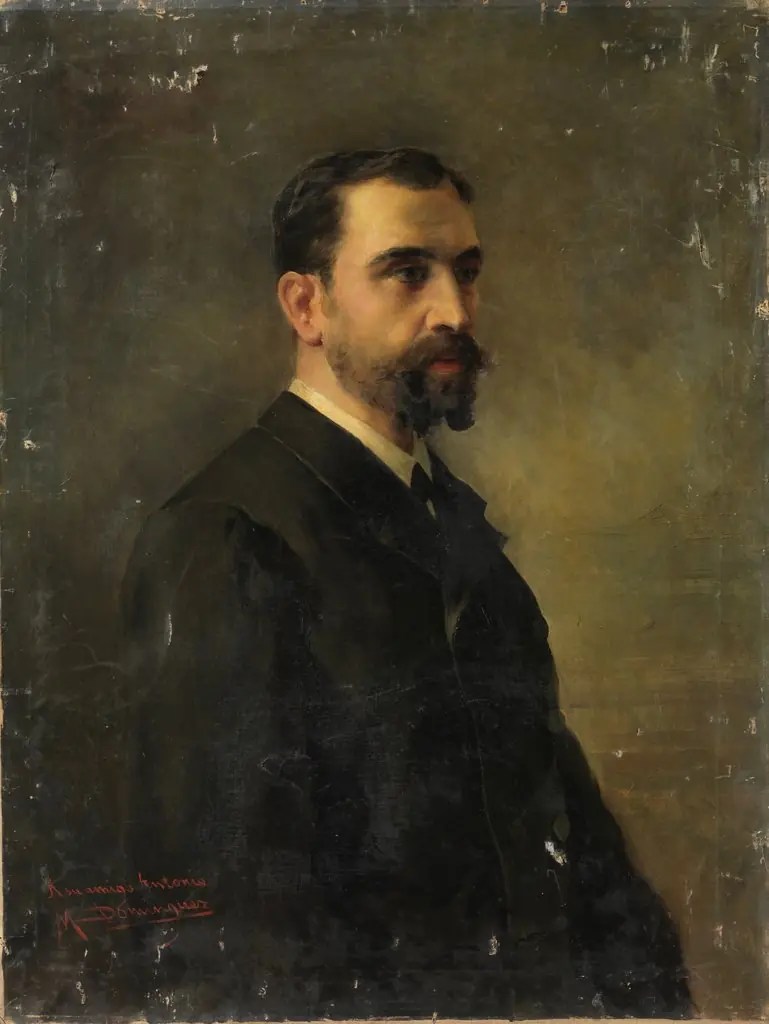
El pintor Vicente Poleró is an oil painting by the Impressionist artist Federico de Madrazo y Kuntz. It dates from 1873 and is held in the collection of the Museo del Prado.
About this work
Overview
Rendered with careful attention to light and form, the portrait presents its subject in a restrained, intimate setting, emphasizing presence over narrative.
Painted in 1873 by Federico de Madrazo y Kuntz, this oil portrait captures Vicente Poleró, a Spanish painter and engraver. The work resides in the Museo del Prado in Madrid. Rendered with careful attention to light and form, the portrait presents its subject in a restrained, intimate setting, emphasizing presence over narrative. The composition avoids ornamentation, focusing instead on the sitter’s demeanor and the subtlety of his attire.
Subject & Meaning
Vicente Poleró, depicted in formal attire, appears as a man of professional distinction. His direct gaze and composed expression convey quiet authority rather than theatricality. The absence of symbolic objects or elaborate surroundings suggests an emphasis on character over status. The portrait functions as a personal record, reflecting the cultural value placed on individual identity among 19th-century Spanish artists.
Technique & Style
Madrazo employs chiaroscuro to model Poleró’s face and clothing, lending volume and realism through controlled contrasts of light and shadow. The brushwork is precise yet unobtrusive, particularly in the rendering of fabric and skin. The warm, neutral background isolates the figure, enhancing focus on his features. This restrained approach aligns with academic traditions of portraiture, prioritizing clarity and psychological presence.
History & Provenance
The painting entered the Museo del Prado’s collection following its creation in 1873. It was likely acquired as part of the museum’s broader effort to document Spanish artistic figures of the period. No significant changes in ownership are recorded, and it has remained in public custody since its completion, serving as a reference for studies of 19th-century Spanish portraiture.
Context
In the 1870s, Spanish art institutions increasingly valued portraiture as a means of preserving the likenesses of cultural contributors. Madrazo, a leading academic painter, often depicted artists, writers, and intellectuals. This portrait reflects a broader trend: the elevation of the artist’s self-image within a national artistic canon, where individual identity was tied to professional contribution.
Legacy
The portrait endures as a representative example of Madrazo’s skill in capturing quiet dignity. While not widely exhibited outside Spain, it remains a key reference in studies of Spanish academic portraiture. Its restrained aesthetic and technical precision continue to inform analyses of how 19th-century artists portrayed their peers with understated gravitas.
Own this work as a print
Artist & collection
Artist
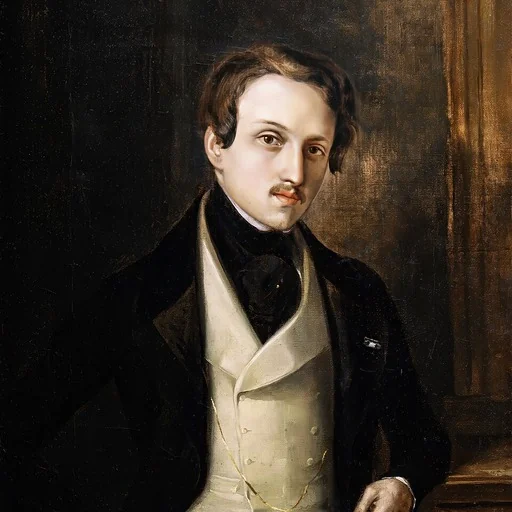
Federico de Madrazo y Kuntz (1815–1894) was an artist, born in Spain.