Artwork
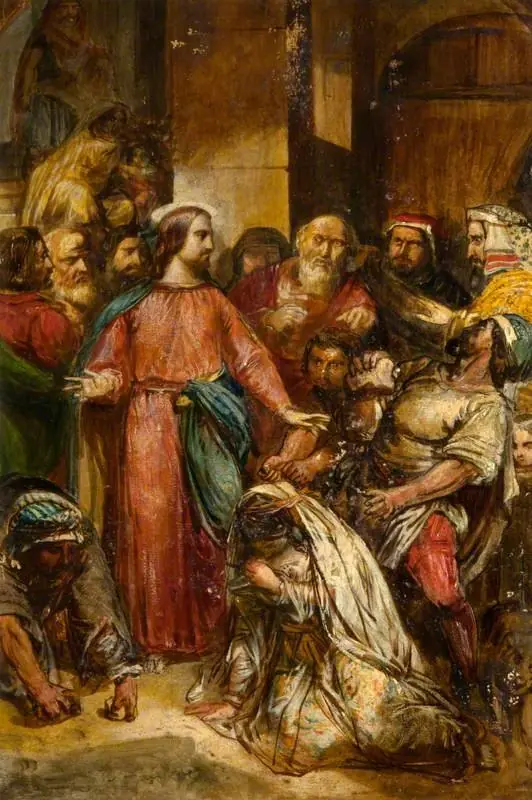
Christ Leaving the Temple
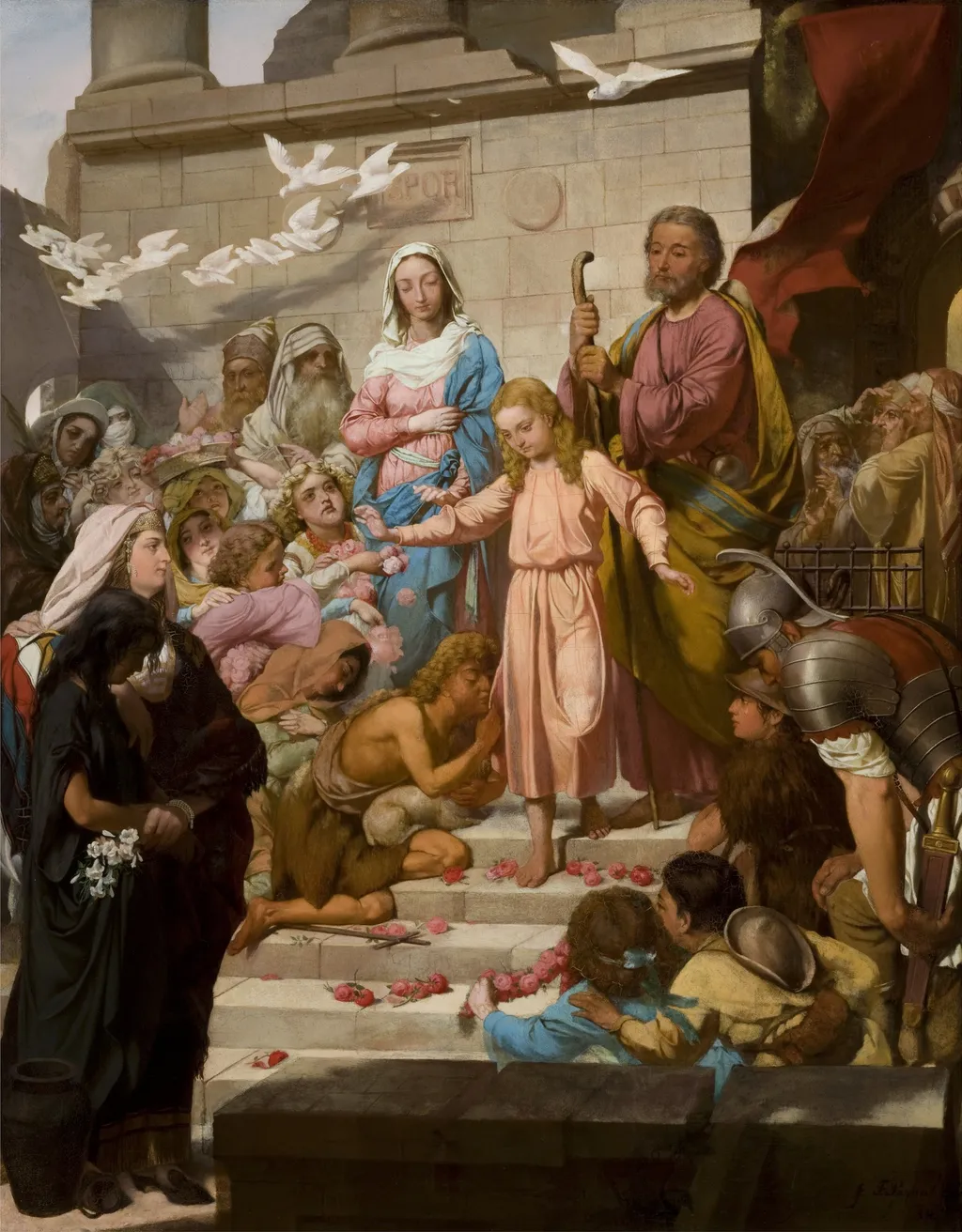
Christ Leaving the Temple is an oil painting by Feliks Szynalewski. It dates from 1868 and is held in the collection of the National Museum in Kraków.
About this work
Overview
The painting is part of the permanent collection at the National Museum in Kraków, where it remains one of the few documented religious works by the artist.
Painted around 1868 by Feliks Szynalewski, this oil on canvas work portrays a moment from the Gospel narrative in which the young Jesus departs the Temple in Jerusalem. The painting is part of the permanent collection at the National Museum in Kraków, where it remains one of the few documented religious works by the artist. Its composition centers on a quiet, solemn departure rather than a dramatic event.
Subject & Meaning
The scene captures Christ, depicted as a young boy in a pink robe, being led away by an older male figure, likely a guardian or priest. A woman in blue observes from the side, while a varied crowd gathers in quiet attention. The Latin inscription 'TEMPLE' above the stone architecture anchors the setting in sacred space. The moment suggests contemplation, not conflict, emphasizing reverence for the child’s presence and the weight of his divine role.
Technique & Style
Szynalewski employs chiaroscuro to model forms and direct focus toward the central figures, enhancing the emotional gravity of the scene. The figures are rendered with careful attention to gesture and drapery, while the background architecture is simplified to avoid distraction. The palette is muted, with soft contrasts between the boy’s pink garment and the cooler tones of the crowd and stone, reinforcing the painting’s quiet solemnity.
History & Provenance
The painting entered the collection of the National Museum in Kraków in the late 19th century, likely acquired shortly after its completion. Little is documented about its early exhibition history or private ownership. Szynalewski, primarily known for portraits and genre scenes, produced few religious works, making this piece a rare example of his engagement with biblical themes.
Context
Created during a period of heightened national and religious sentiment in partitioned Poland, the painting reflects a broader 19th-century European interest in biblical narratives as vehicles for moral and cultural reflection. While not aligned with academic grandeur, its intimate scale and restrained emotion align with emerging trends in Polish religious art that favored personal devotion over theatrical spectacle.
Legacy
Though not widely reproduced or studied outside Poland, the painting remains a significant example of regional religious art from the late 19th century. It contributes to the understanding of how Polish artists interpreted biblical subjects with psychological nuance rather than doctrinal grandeur. Its presence in Kraków’s national collection ensures continued access for scholarly and public engagement.
Own this work as a print
Artist & collection

 L'era cristiana
 Christus and the woman in adultery
 Lasset die Kindlein zu mir kommen
 Benediction
 Christus und die Frauen
 Radbot, Graf von Habsburg zeigt seinem Bruder Bischof Werner seine bewaffneten Getreuen
 The Adoration of the Magi
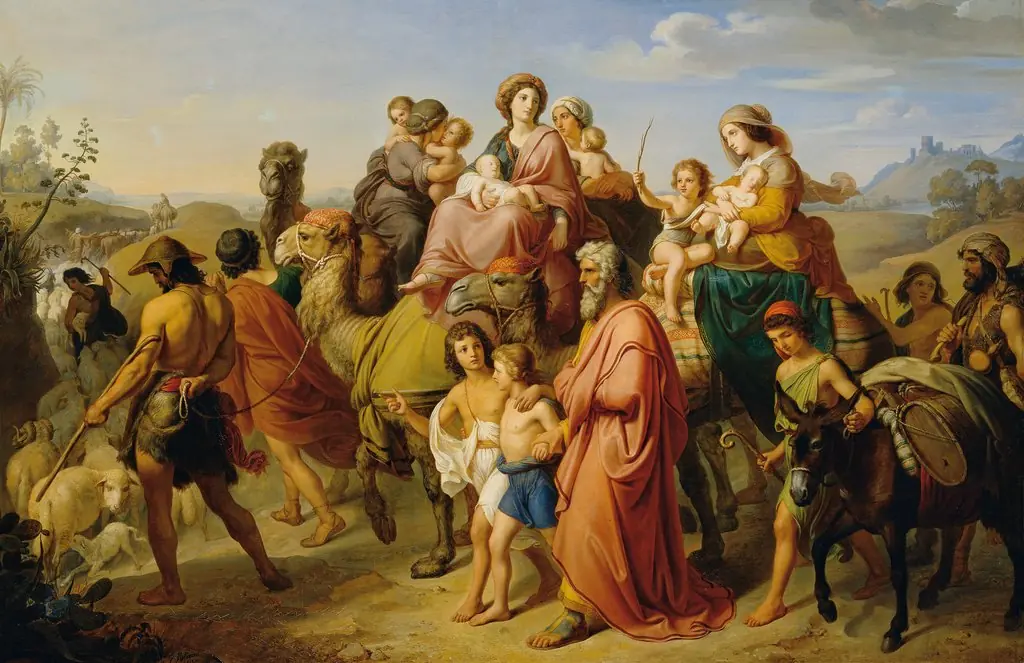 Jacob's homecoming
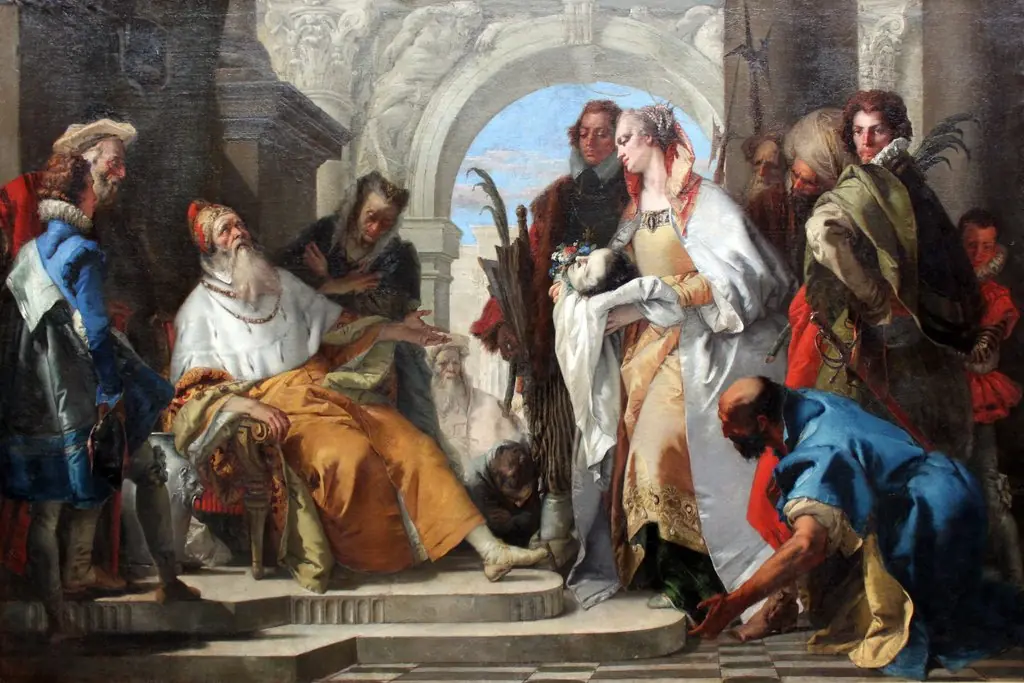 The Patron Saints of the Crotta Family
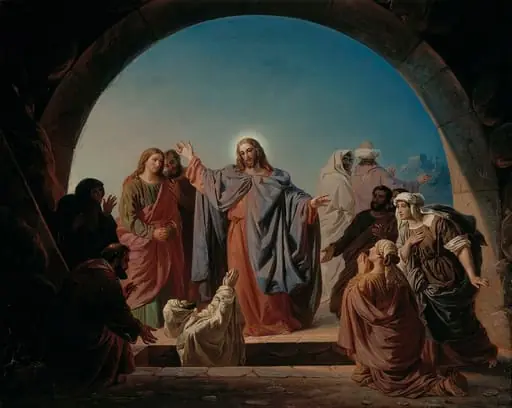 Jeesus herättää Lasaruksen, repliikki Turun Tuomiokirkon freskomaalauksesta
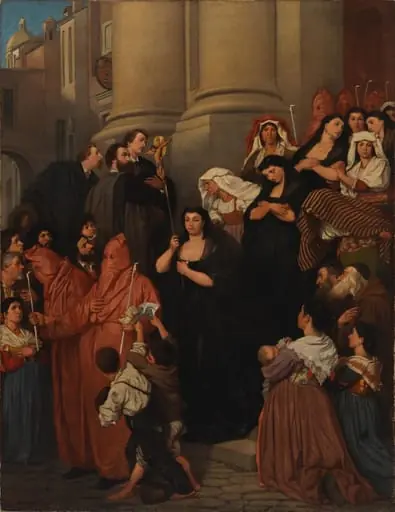 Juhlakulkue Roomassa
 Christ and the Woman Taken in Adultery