Artwork
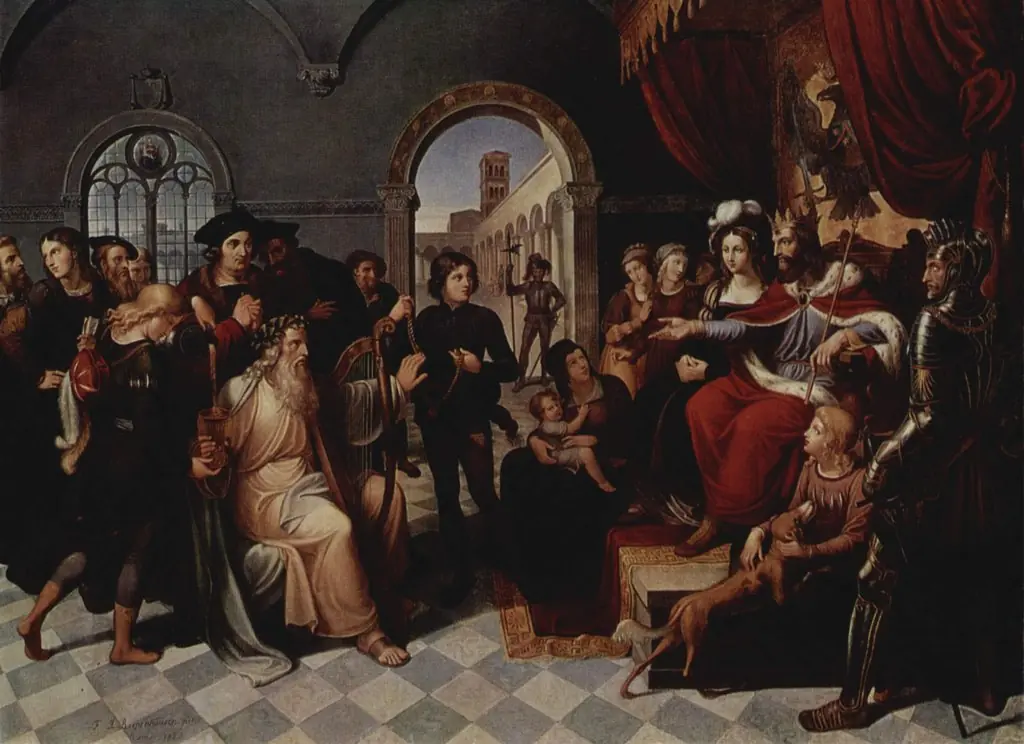
Radbot, Graf von Habsburg zeigt seinem Bruder Bischof Werner seine bewaffneten Getreuen
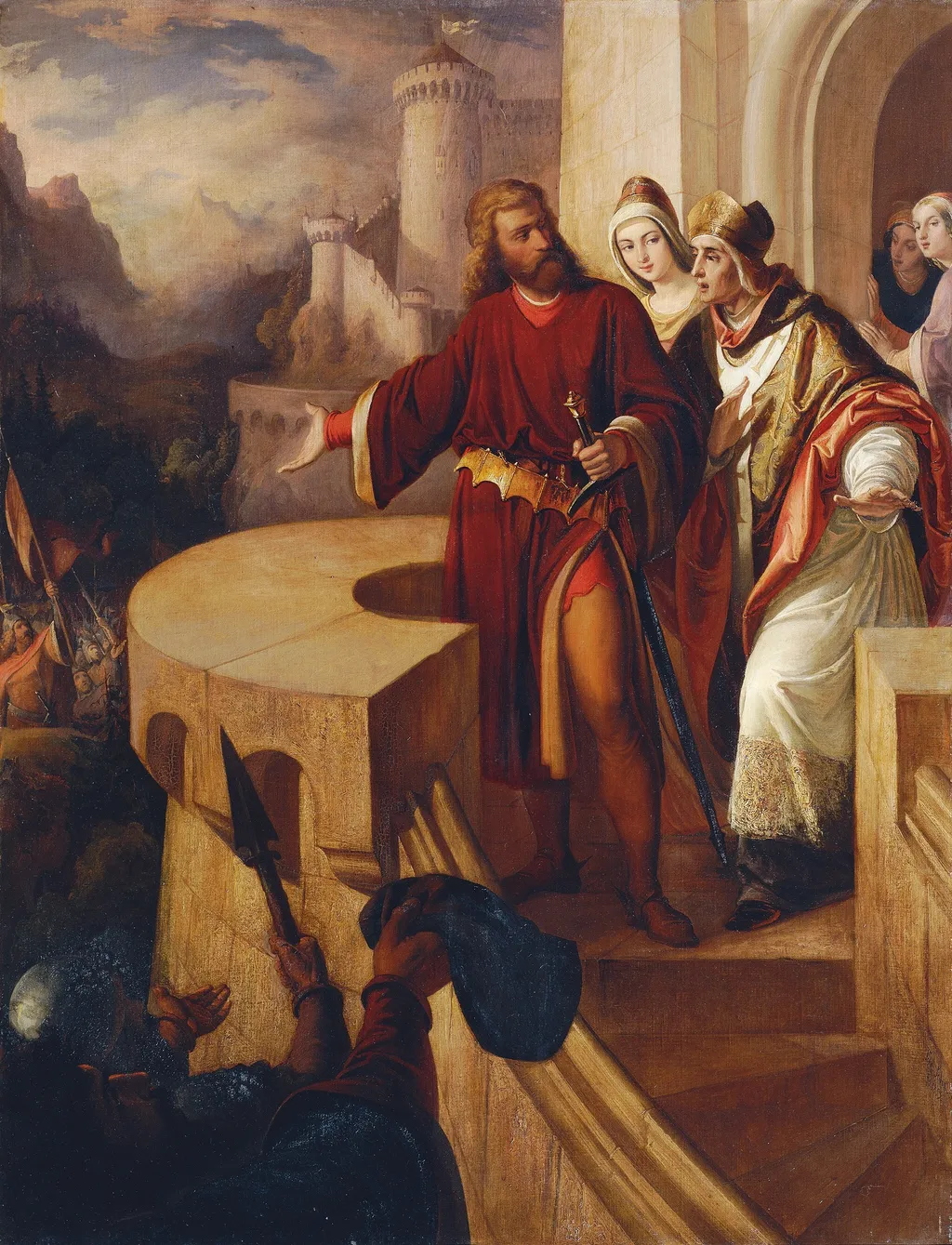
Radbot, Graf von Habsburg zeigt seinem Bruder Bischof Werner seine bewaffneten Getreuen is an oil painting by the Biedermeier artist Ferdinand Schubert. It dates from 1853 and is held in the collection of the Kunsthistorisches Museum.
About this work
Overview
Ferdinand Schubert’s 1853 oil on canvas, titled *Radbot, Graf von Habsburg zeigt seinem Bruder Bischof Werner seine bewaffneten Getreuen*, is part of the Kunsthistorisches Museum’s collection. The work portrays a medieval tableau in which Count Radbot of Habsburg presents his armed followers to his brother, Bishop Werner, creating a narrative moment of familial and political display.
Subject & Meaning
The composition centers on a nobleman in a red mantle, positioned on a balcony and gesturing toward the bishop below while brandishing a sword. Flanked by two women—one veiled in white—the scene emphasizes the transmission of military power and loyalty within the Habsburg lineage, highlighting the intertwining of secular authority and ecclesiastical influence.
Technique & Style
Schubert employs a restrained palette of deep reds, muted earth tones, and cool blues to delineate figures against a distant castle and mountainous horizon. The chiaroscuro modeling of the central figure and the careful placement of spears and swords generate a palpable tension, while the balanced arrangement of foreground and background elements guides the viewer’s eye through the narrative.
History & Provenance
Completed in the mid‑19th century, the painting entered the holdings of Vienna’s Kunsthistorisches Museum, where it remains on display. Its acquisition reflects the museum’s broader mission to preserve works that illustrate Austrian dynastic history and 19th‑century historicist painting.
Context
Created during a period of renewed interest in medieval themes, the work aligns with the historicist trend that sought to romanticize Austria’s feudal past. Schubert’s choice of the Habsburg founders as subjects underscores contemporary nationalist sentiments and the desire to trace modern authority back to legendary ancestors.
Own this work as a print
Artist & collection

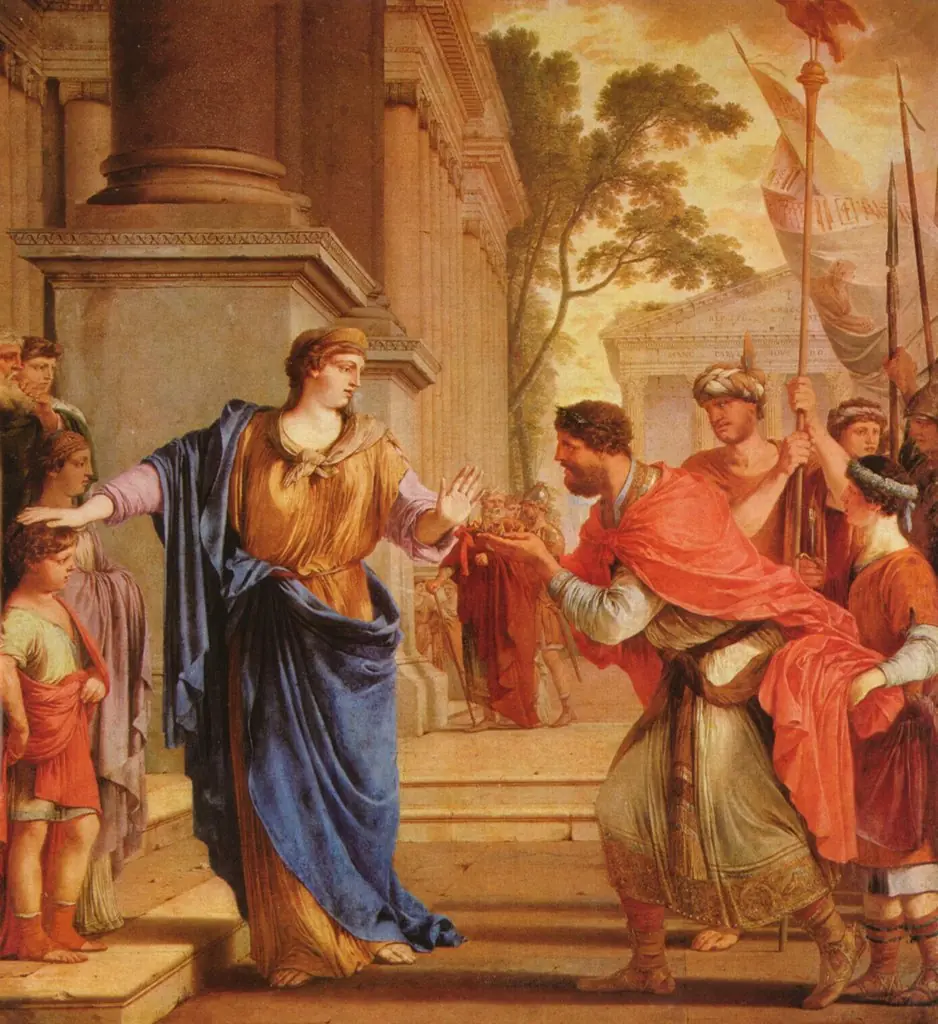 Cornelia rejects the crown of the Ptolemies
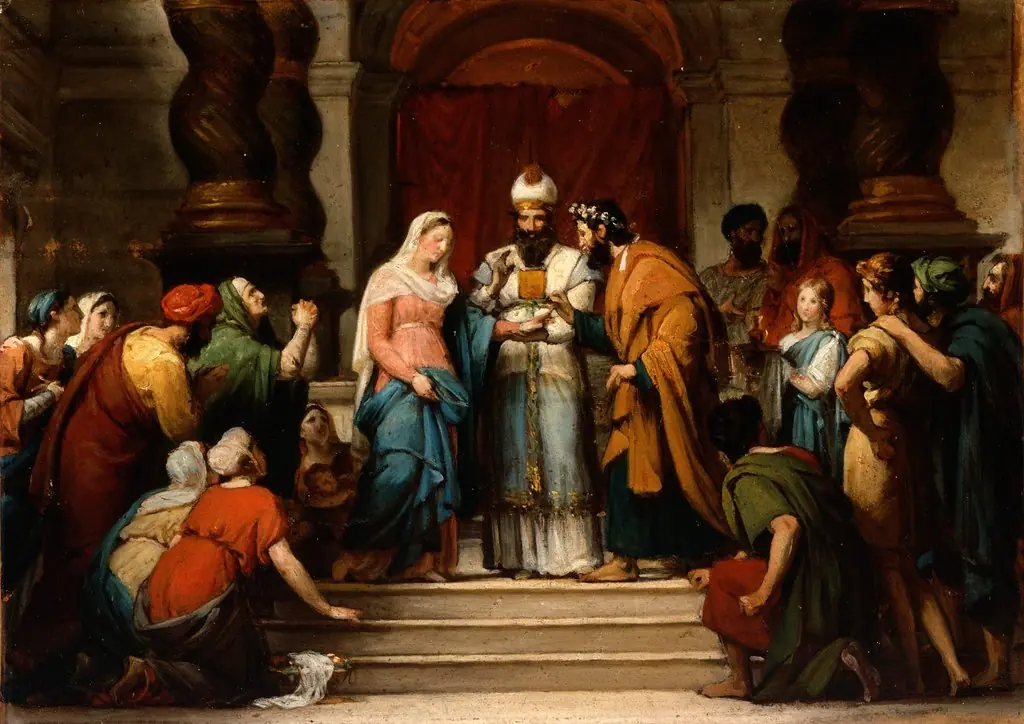 The Marriage of the Virgin
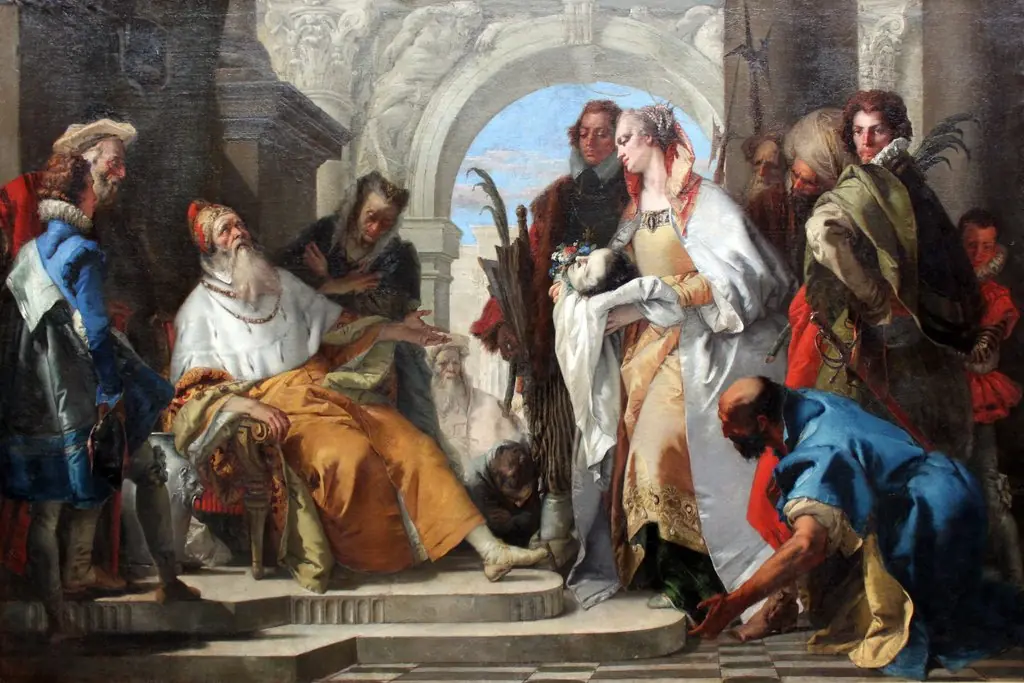 The Patron Saints of the Crotta Family
 The Magnanimity of Scipio Africanus
 David Meeting Abigail
 Queen Philippa Interceding for the Lives of the Burghers of Calais
 Rebecca and the Wounded Ivanhoe
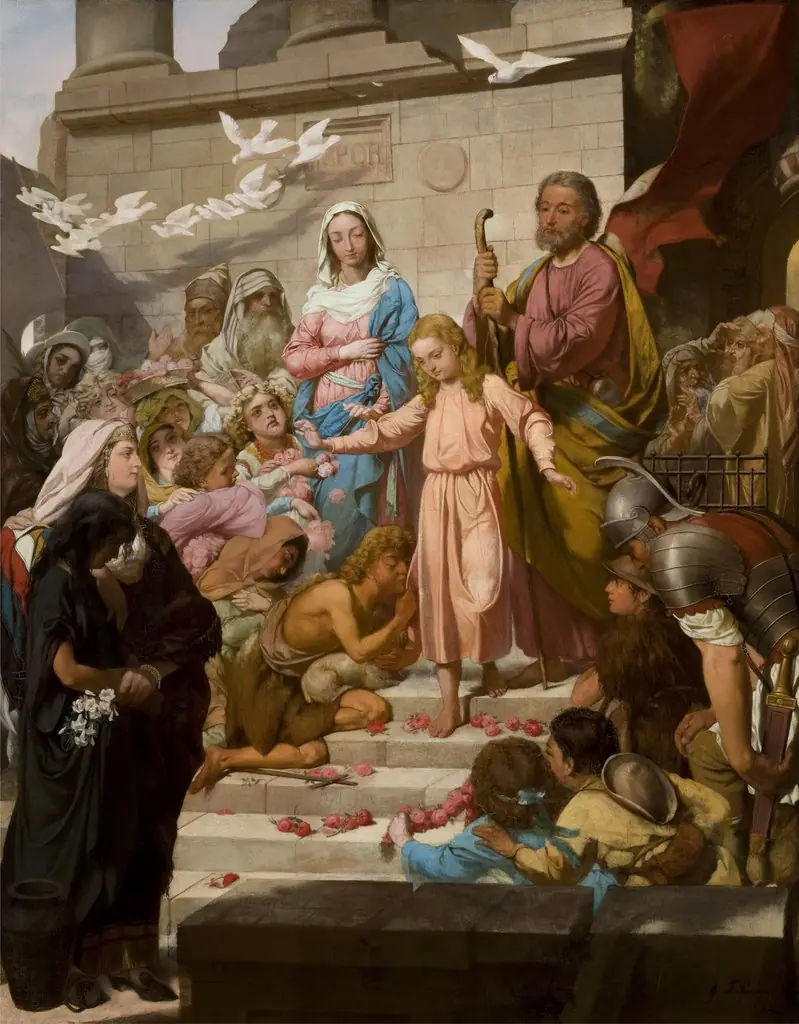 Christ Leaving the Temple
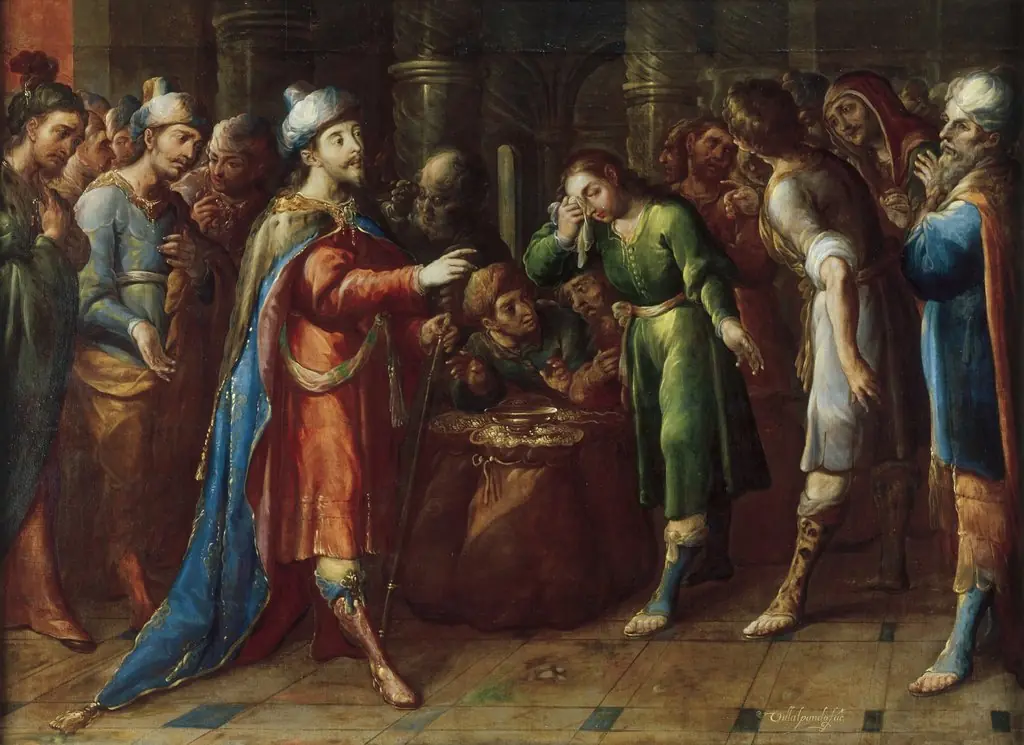 Joseph Claims Benjamin as his Slave
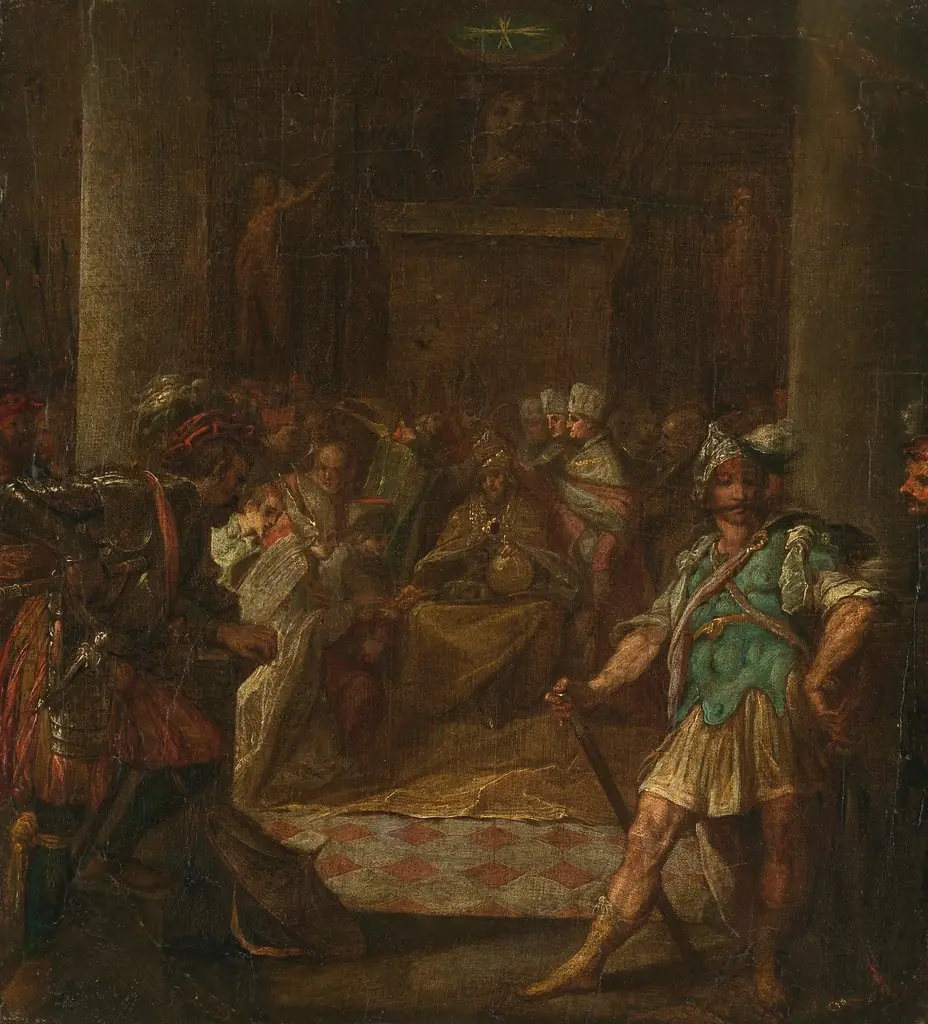 Imperial Coronation
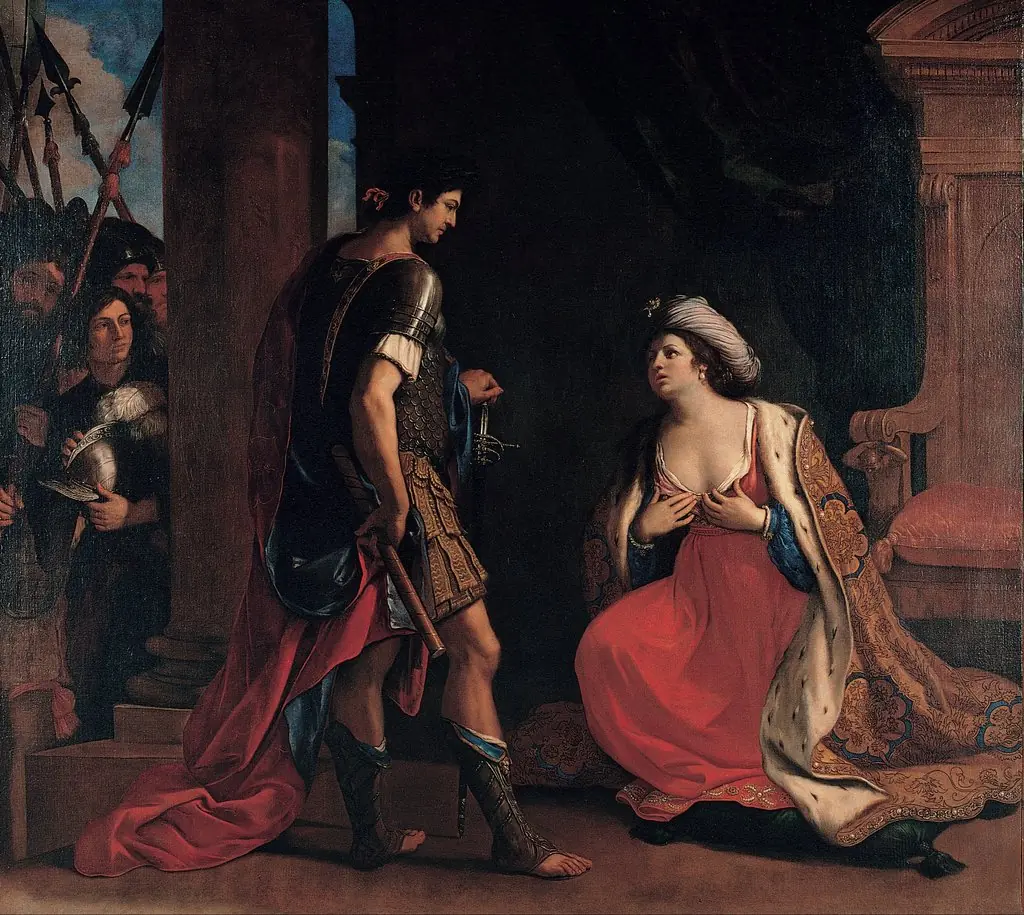 Cleopatra and Octavian
 Singer