Artwork
Coborârea lui Christos în mormânt (Coborârea de pe Cruce)
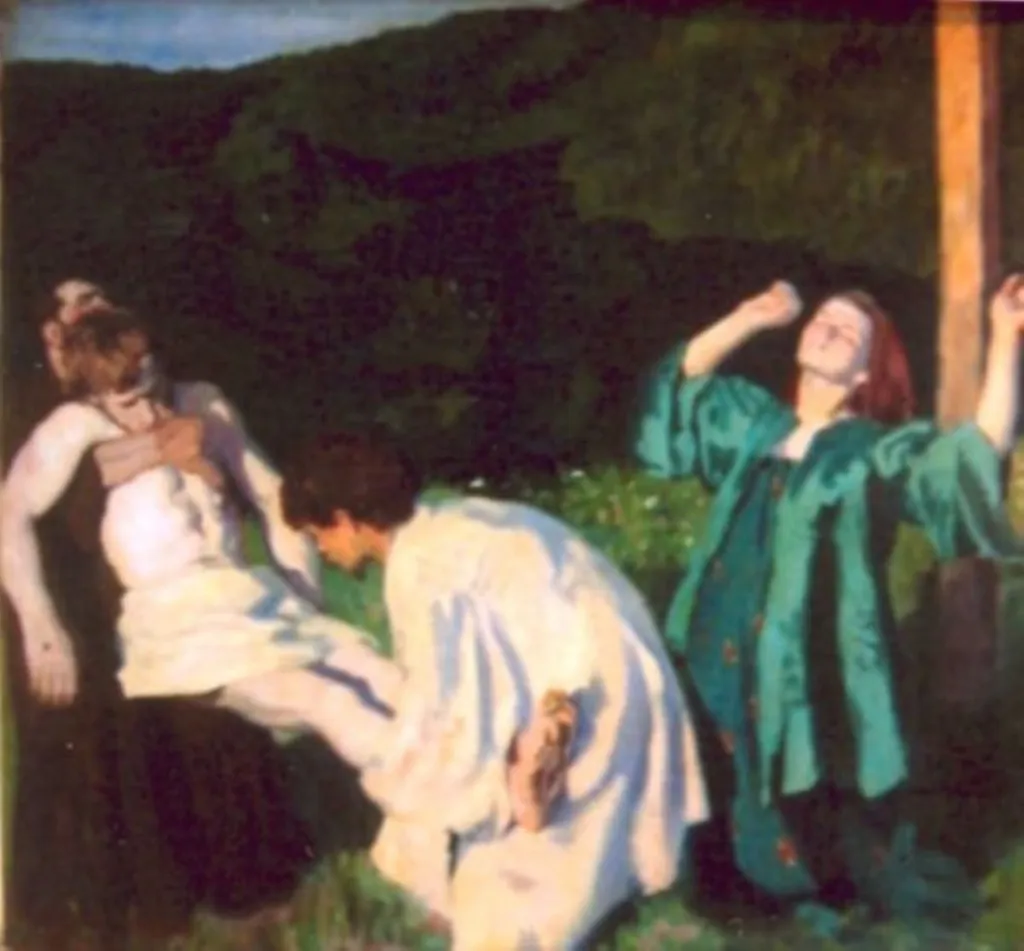
Coborârea lui Christos în mormânt (Coborârea de pe Cruce) is an unspecified painting by the Art Nouveau artist Károly Ferenczy. It dates from 1903 and is held in the collection of the Mureș County Museum - Art Museum.
About this work
Overview
Coborârea lui Christos în mormânt (Descent from the Cross), created by Hungarian artist Károly Ferenczy in 1903, is a seminal work reflecting his post-impressionist evolution. It is part of the Museum of Ethnography's collection.
Subject & Meaning
The painting depicts the biblical scene of Christ's descent from the cross. Three figures are central: one in a white robe (Christ) being supported, and another in green with arms raised, set against a natural backdrop.
Technique & Style
Executed in a realistic post-impressionist style, the work emphasizes detailed textures and a nuanced color palette. The interplay of light and color creates a profound sense of depth and emotional resonance.
History & Provenance
Painted in 1903, the work is associated with the Nagybánya artists' colony, which Ferenczy co-founded in 1896. It is now held in the Museum of Ethnography's collection.
Context
Emerging from Ferenczy's studies under Simon Hollósy in Munich, this piece reflects his role in modernizing Hungarian art through the adoption of Art Nouveau and post-impressionist techniques.
Legacy
As a key figure in Hungarian impressionism and post-impressionism, Ferenczy's *Coborârea lui Christos în mormânt* contributes to the broader legacy of European modernist movements at the turn of the 20th century.
Artist & collection
Artist
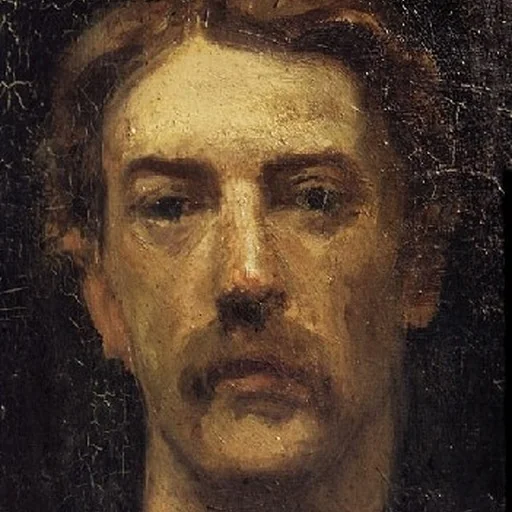
Károly Ferenczy (February 8, 1862 – March 18, 1917) was a Hungarian painter and leading member of the Nagybánya artists' colony.
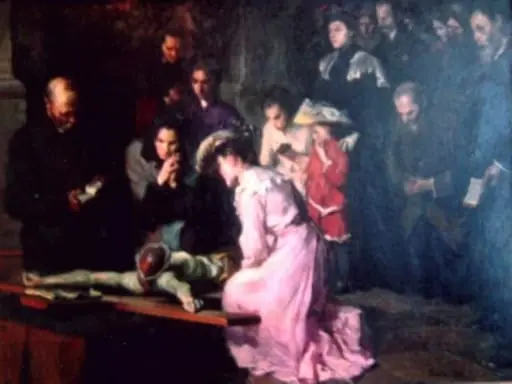 Vinerea mare
 Pictorul și modelul
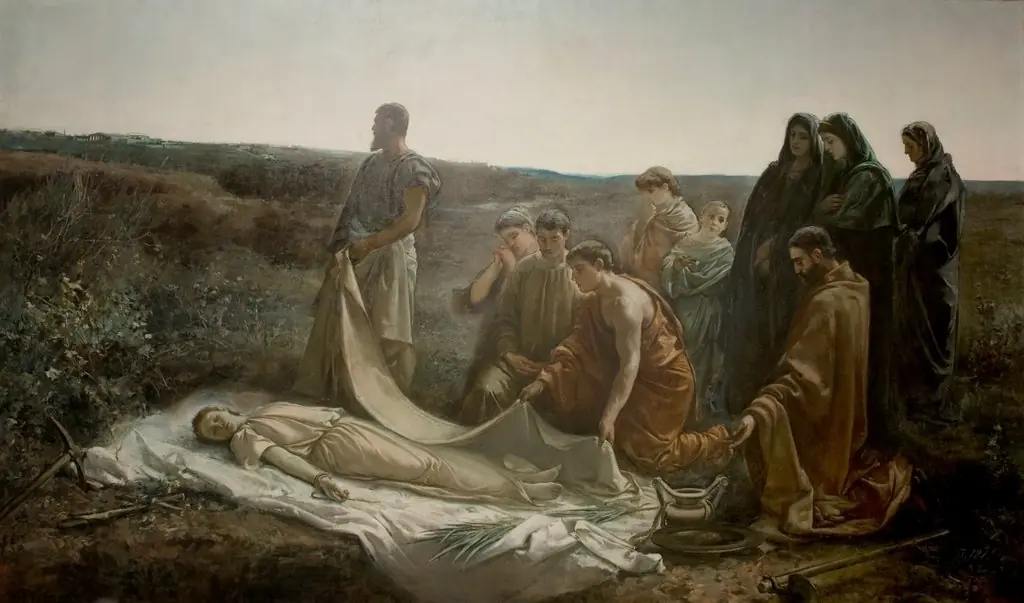 Burial of Santa Leocadia
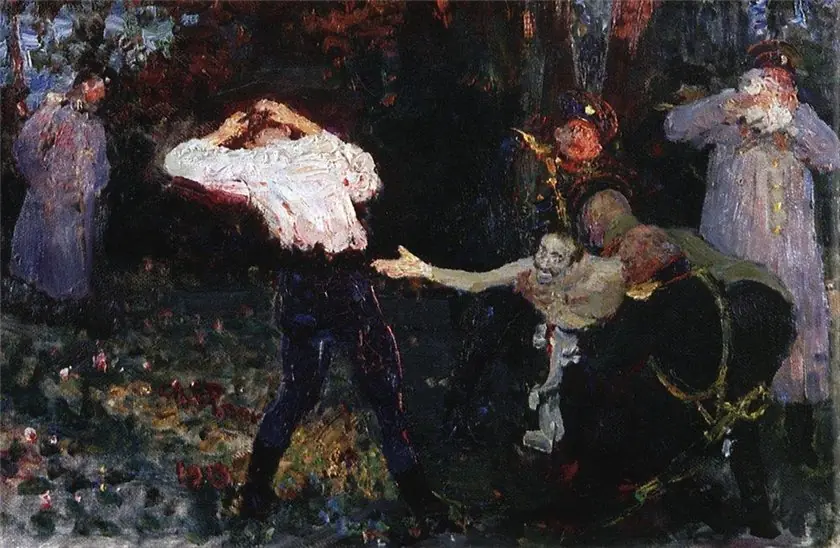 Дуэль. Эскиз
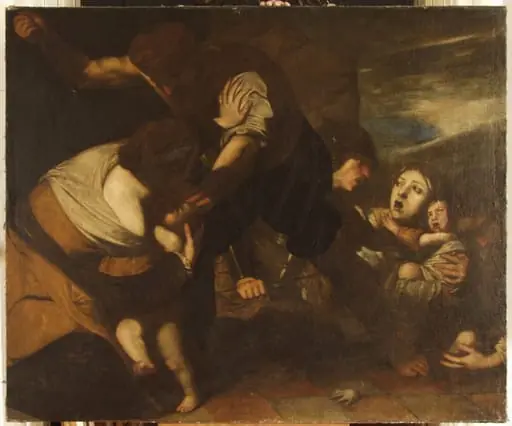 Uciderea pruncilor din Bethlehem (în Reg. inv.: Uciderea pruncilor din Bethleem)
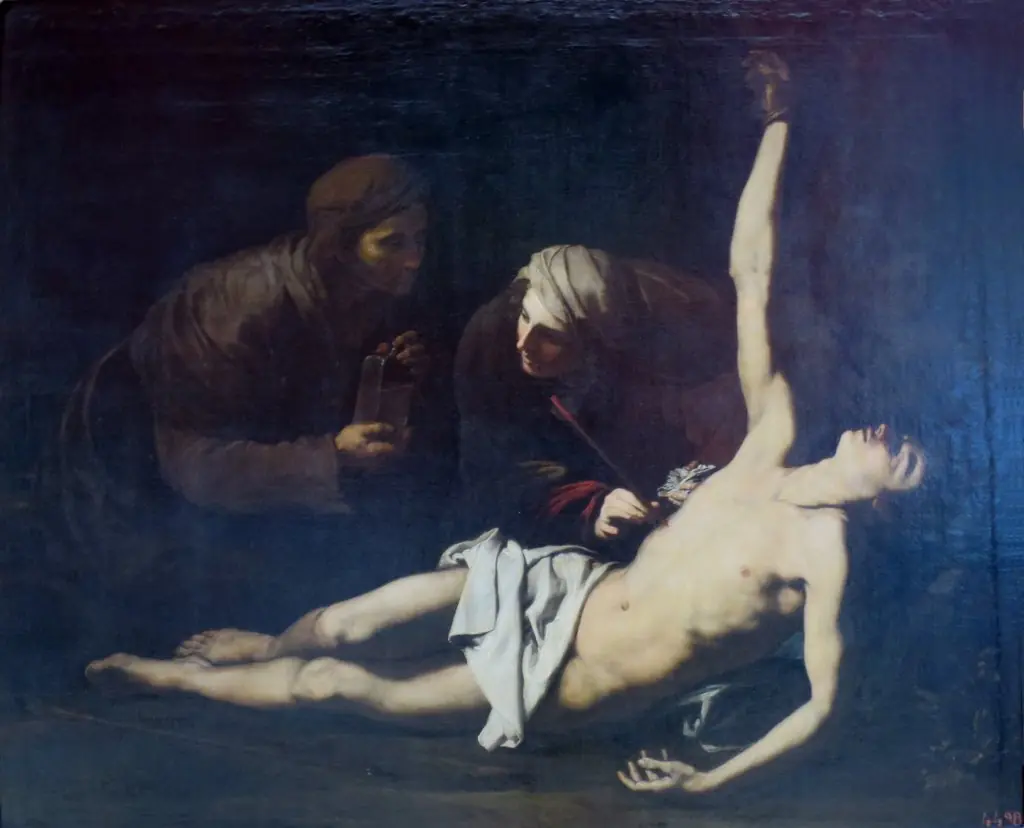 St Sebastian Cured by St Irene
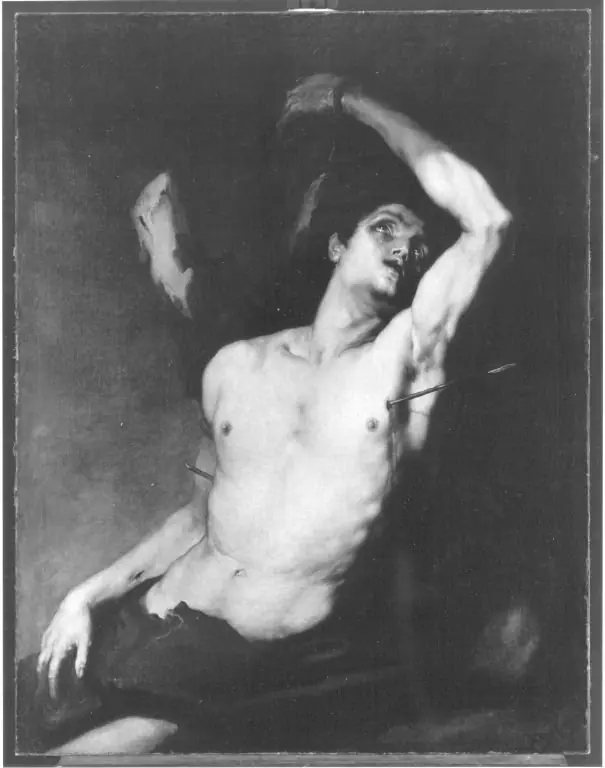 Marter des hl. Sebastian
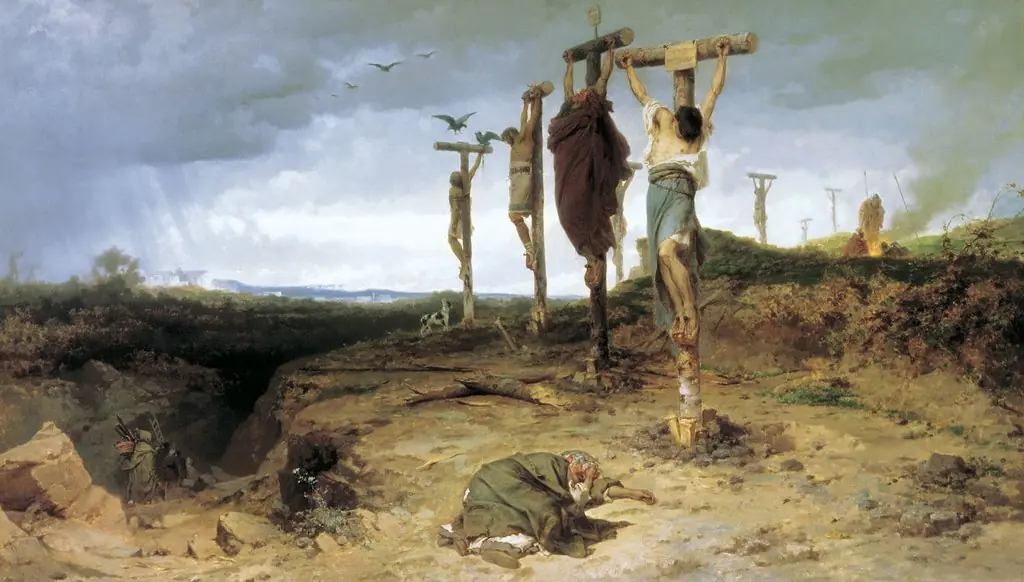 The damned box. Place of execution in ancient Rome. The crucified slaves. the year 1878.
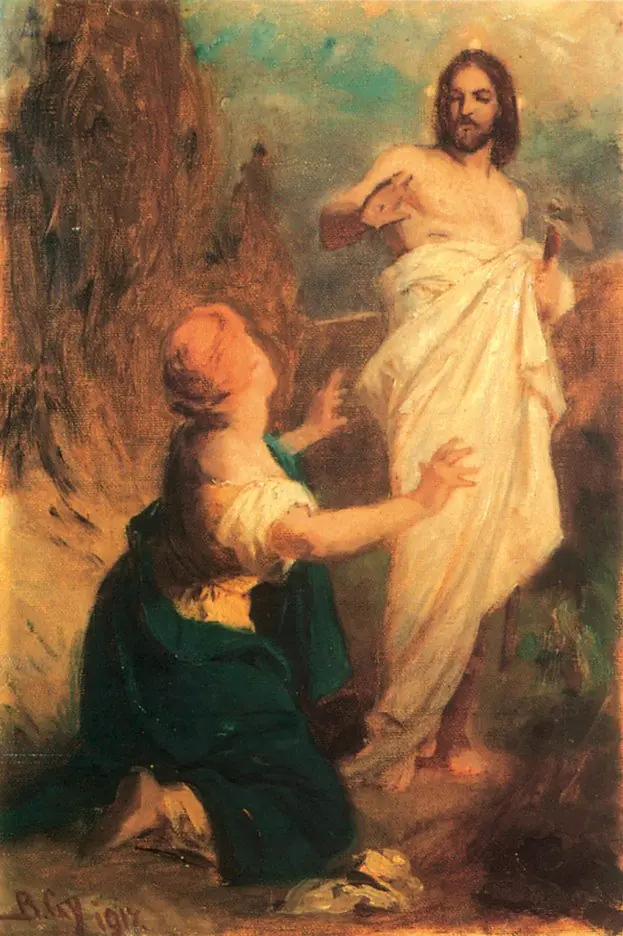 Noli me tangere
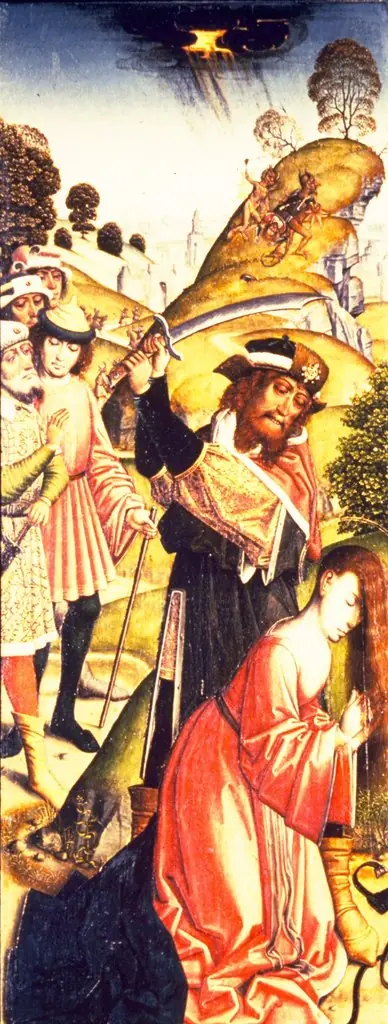 The Martyrdom of St. Barbara
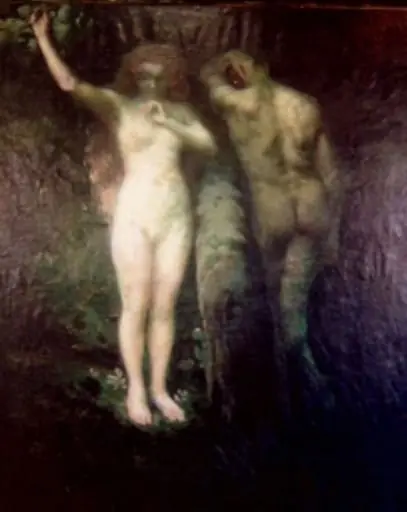 Adam și Eva
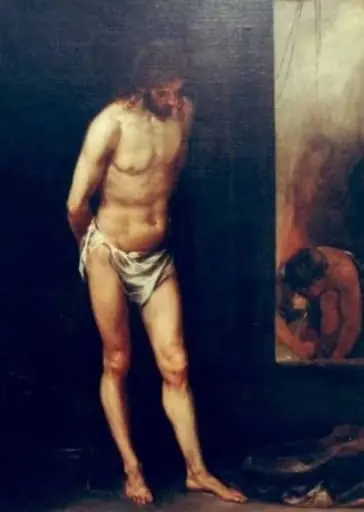 Hristos la stâlp