Artwork
Al solcito
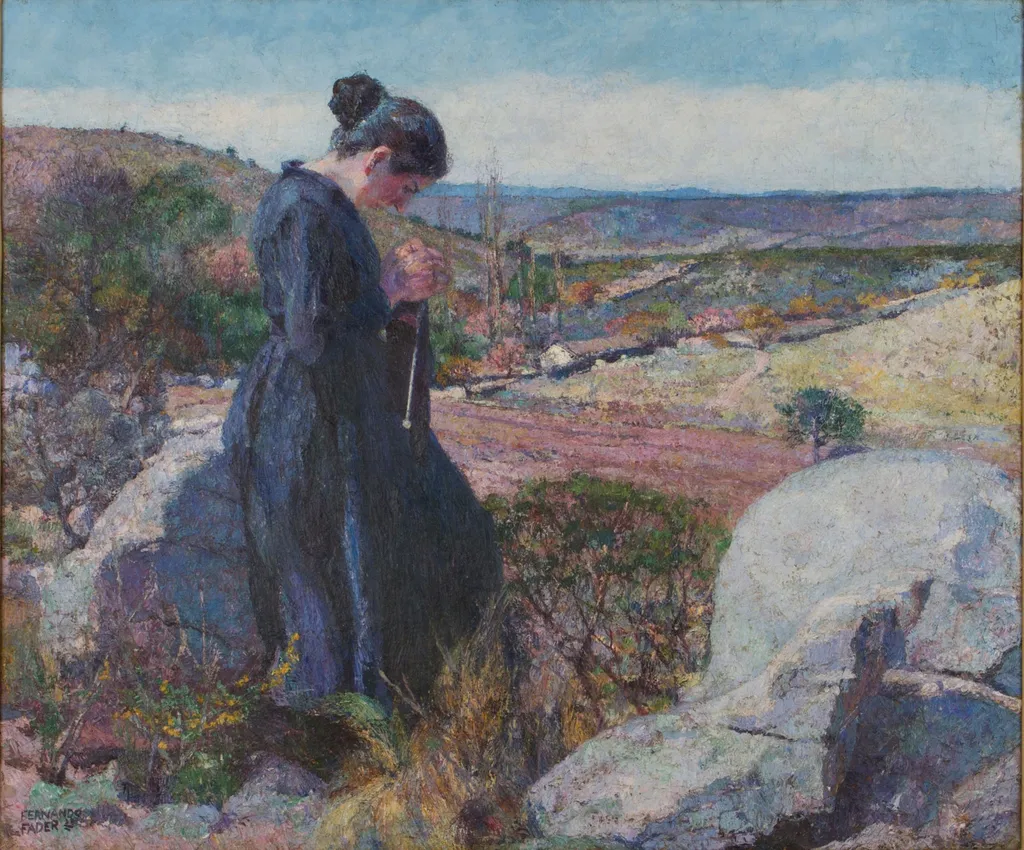
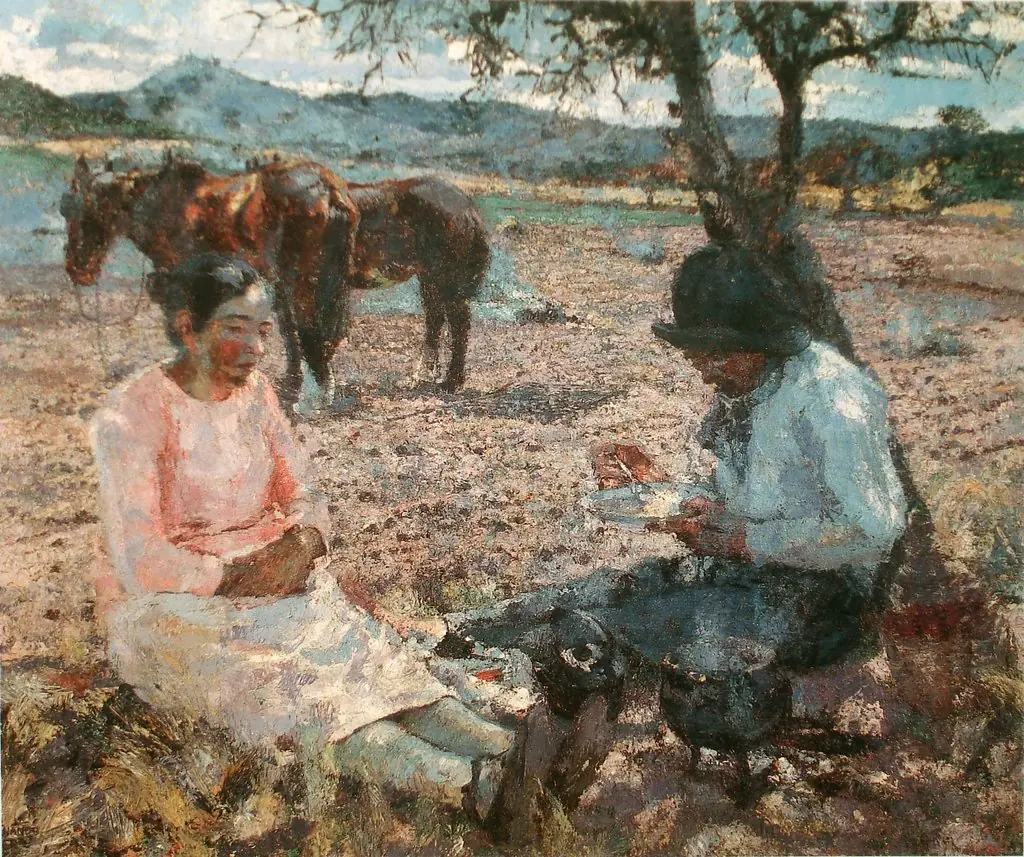
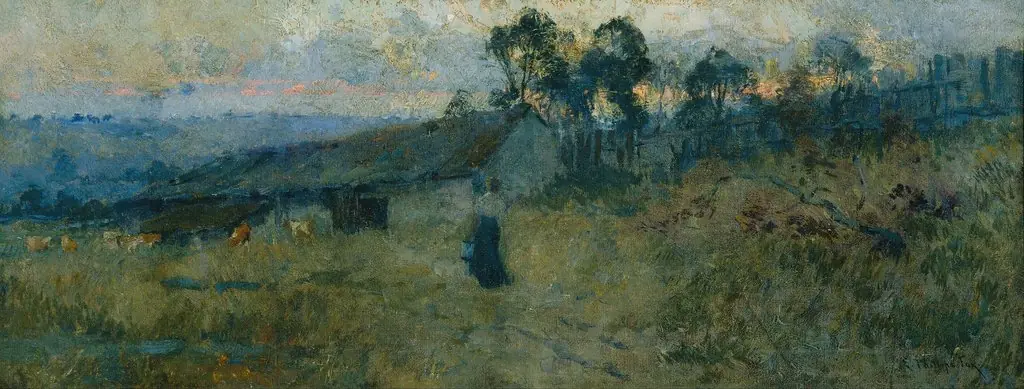
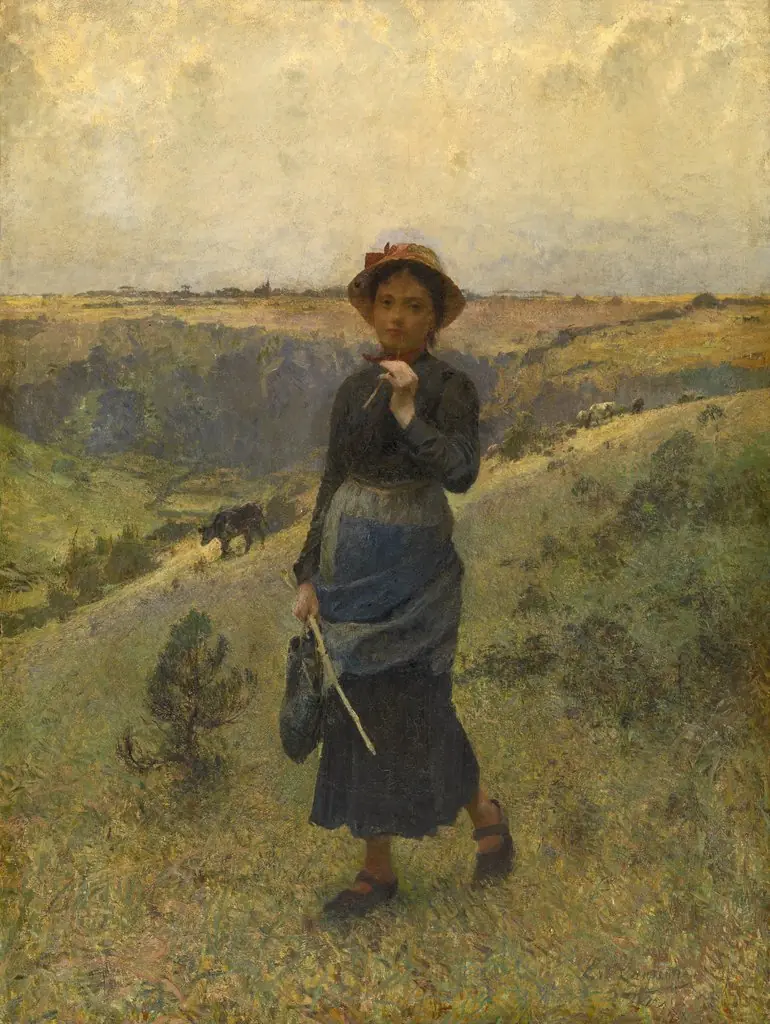
Al solcito is an oil painting by the Impressionist artist Fernando Fader. It dates from 1922 and is held in the collection of the National Museum of Fine Arts, Argentina.
About this work
Overview
Al solcito is a 1922 oil painting by Argentine artist Fernando Fader, currently held in the collection of the National Museum of Fine Arts in Buenos Aires.
Al solcito is a 1922 oil painting by Argentine artist Fernando Fader, currently held in the collection of the National Museum of Fine Arts in Buenos Aires. The work presents a solitary female figure in a rural landscape, rendered with deliberate texture and restrained color. Fader’s approach prioritizes atmospheric mood over narrative detail, capturing a quiet moment of stillness within the natural environment.
Subject & Meaning
The woman stands on a rocky outcrop, hands clasped before her, her gaze lowered. Her modest attire and still posture suggest introspection, possibly prayer, though no religious symbols are present. The absence of explicit narrative invites interpretation rooted in personal solitude rather than doctrinal reference, aligning the figure with broader themes of quiet devotion and human contemplation in nature.
Technique & Style
Fader employs visible, textured brushwork to convey the roughness of terrain and the weight of fabric. The palette is muted—deep blues, earthy browns, and soft grays—creating a harmonious, subdued tone. Light is diffused and gentle, casting no sharp shadows, which enhances the painting’s tranquil atmosphere. The brushwork avoids polish, favoring tactile immediacy over idealized form.
History & Provenance
Painted in 1922, the work entered the collection of the National Museum of Fine Arts in Buenos Aires shortly after its completion. Fader, a key figure in Argentine Post-Impressionism, produced this piece during a period of deep engagement with rural life and regional identity. Its preservation in a national institution reflects its recognized significance in Argentina’s early 20th-century art canon.
Context
Created in the aftermath of Argentina’s rapid modernization, Al solcito contrasts urban progress with enduring rural rhythms. Fader’s focus on a solitary woman in the landscape echoes broader cultural interests in national identity and the spiritual resonance of the pampas. The painting aligns with regionalist tendencies in Latin American art, valuing quiet dignity over spectacle.
Legacy
Though not widely reproduced, Al solcito remains a touchstone in Argentine art for its emotional restraint and technical sensitivity. It exemplifies Fader’s ability to merge personal introspection with landscape, influencing later generations of painters who sought to express national character through understated, atmospheric scenes.
Artist & collection


Museum
National Museum of Fine Arts, Argentina
Continue through works from the same source collection.