Artwork
El corral de las cabras
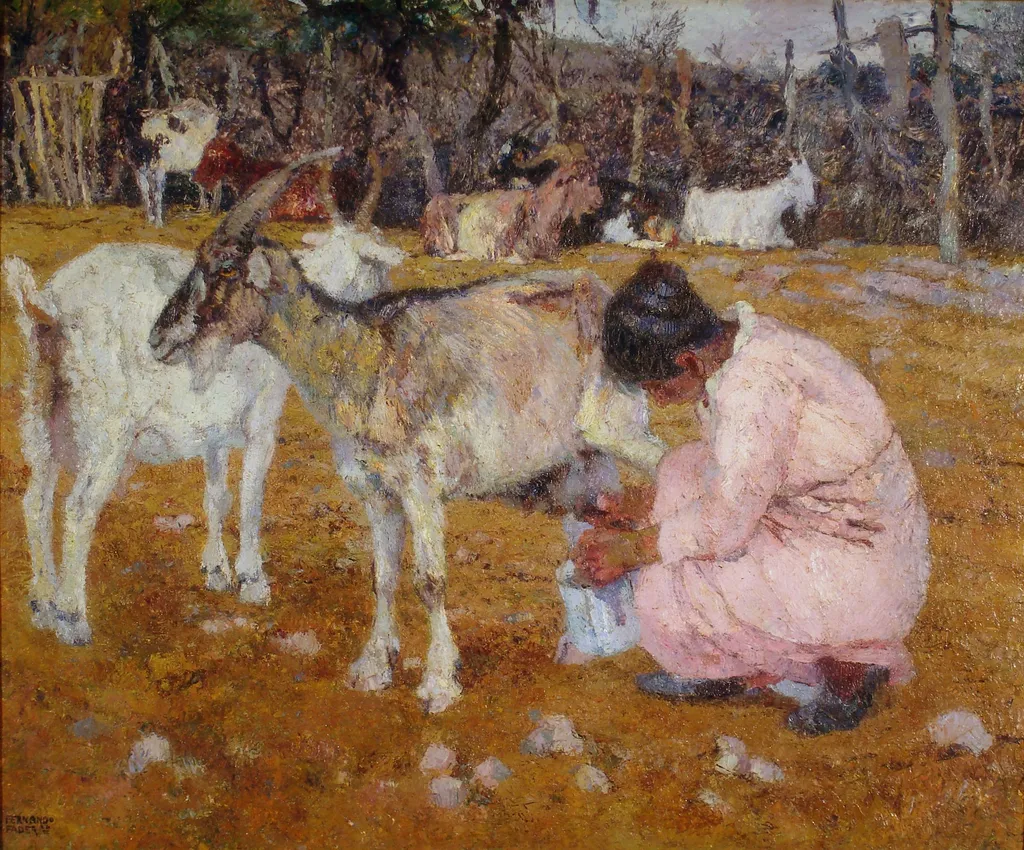
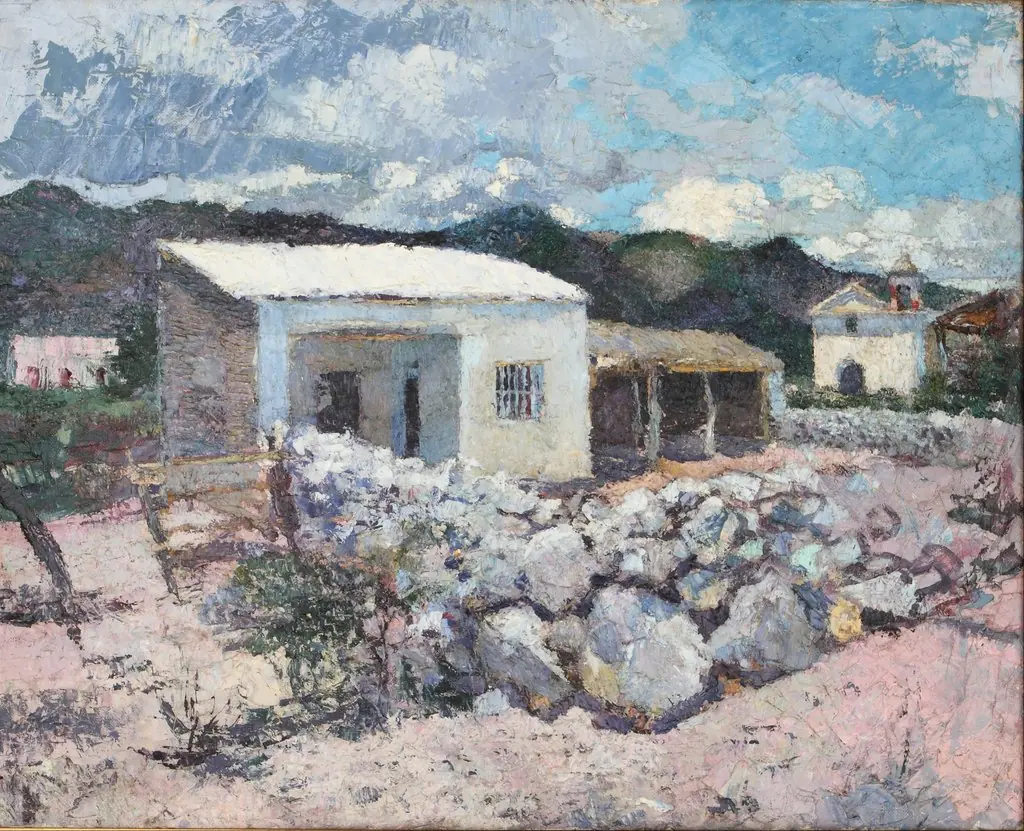
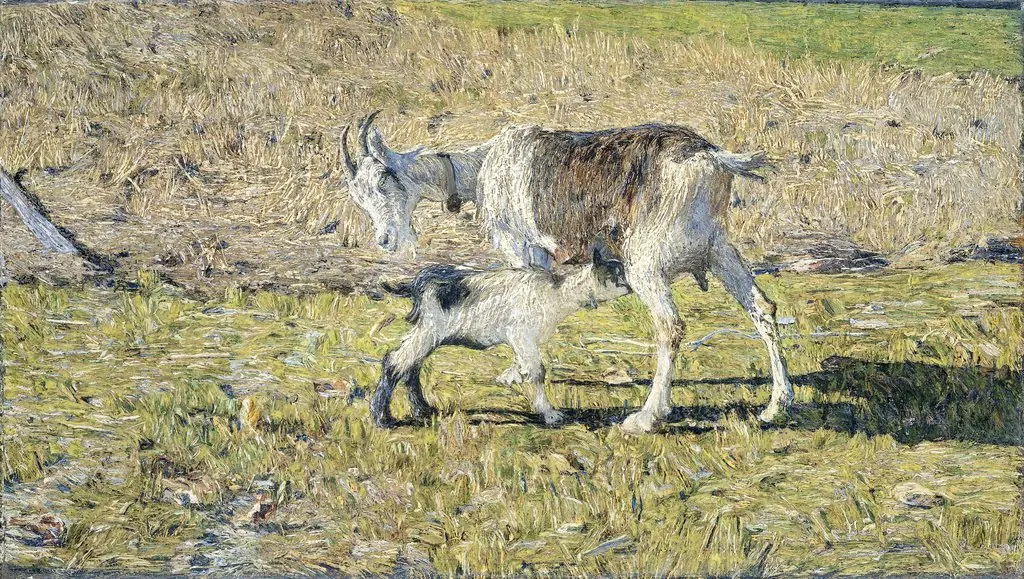
El corral de las cabras is an oil painting by the Impressionist artist Fernando Fader. It dates from 1926 and is held in the collection of the National Museum of Fine Arts, Argentina.
About this work
Overview
Its subdued palette and tactile brushwork reflect a shift toward introspective realism in his oeuvre.
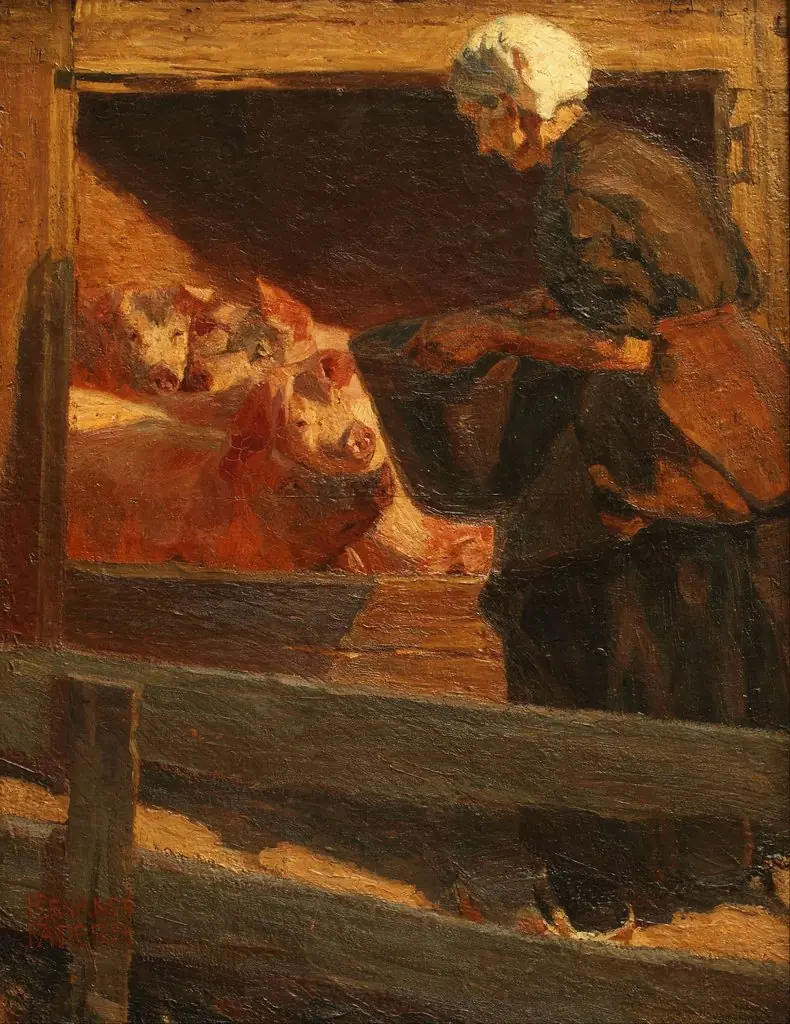
El corral de las cabras is an oil painting completed by Argentine artist Fernando Fader in 1926. It depicts a quiet rural scene centered on a woman milking a goat. The work is part of the permanent collection at the National Museum of Fine Arts in Buenos Aires, where it represents Fader’s later engagement with domestic and pastoral subjects. Its subdued palette and tactile brushwork reflect a shift toward introspective realism in his oeuvre.
Subject & Meaning
The painting portrays a solitary woman in a pink dress kneeling beside a white goat with brown markings, engaged in the daily act of milking. Other goats rest or stand in the background, suggesting a tranquil, unremarkable moment in rural life. There is no overt narrative or symbolism; the focus lies in the dignity of labor and the quiet rhythm of farm existence, rendered without idealization or drama.
Technique & Style
Fader applied oil paint with thick, visible brushstrokes, creating a textured surface that emphasizes the roughness of earth, wool, and fabric. The palette is restrained—dominated by earthy browns, beiges, and muted pinks—enhancing the sense of quiet realism. The impasto technique gives physical weight to the ground and animal forms, grounding the scene in tangible materiality rather than atmospheric illusion.
History & Provenance
Painted in 1926, El corral de las cabras entered the collection of the National Museum of Fine Arts in Buenos Aires shortly after its completion. It was among several works by Fader acquired during the museum’s efforts to document Argentine regional art in the early 20th century. The painting has remained in public custody since, with no documented private ownership or exhibition outside Argentina during the artist’s lifetime.
Context
Fader’s work in the 1920s moved away from earlier impressionist influences toward a more grounded, regional realism. This painting reflects broader cultural interests in Argentine rural identity during a period of urbanization. While not overtly political, its focus on peasant labor aligns with a national artistic trend that sought to affirm the value of provincial life against the backdrop of modernizing cities.
Legacy
El corral de las cabras remains a representative example of Fader’s mature style and his commitment to depicting everyday rural scenes with emotional restraint. Though not widely reproduced, it is cited in scholarly studies of Argentine regional painting. Its quiet presence in the museum collection continues to offer a counterpoint to more dramatic or stylized portrayals of rural life in 20th-century Argentine art.
Own this work as a print
Artist & collection

Museum
National Museum of Fine Arts, Argentina
Continue through works from the same source collection.