Artwork
In the Sand-pit
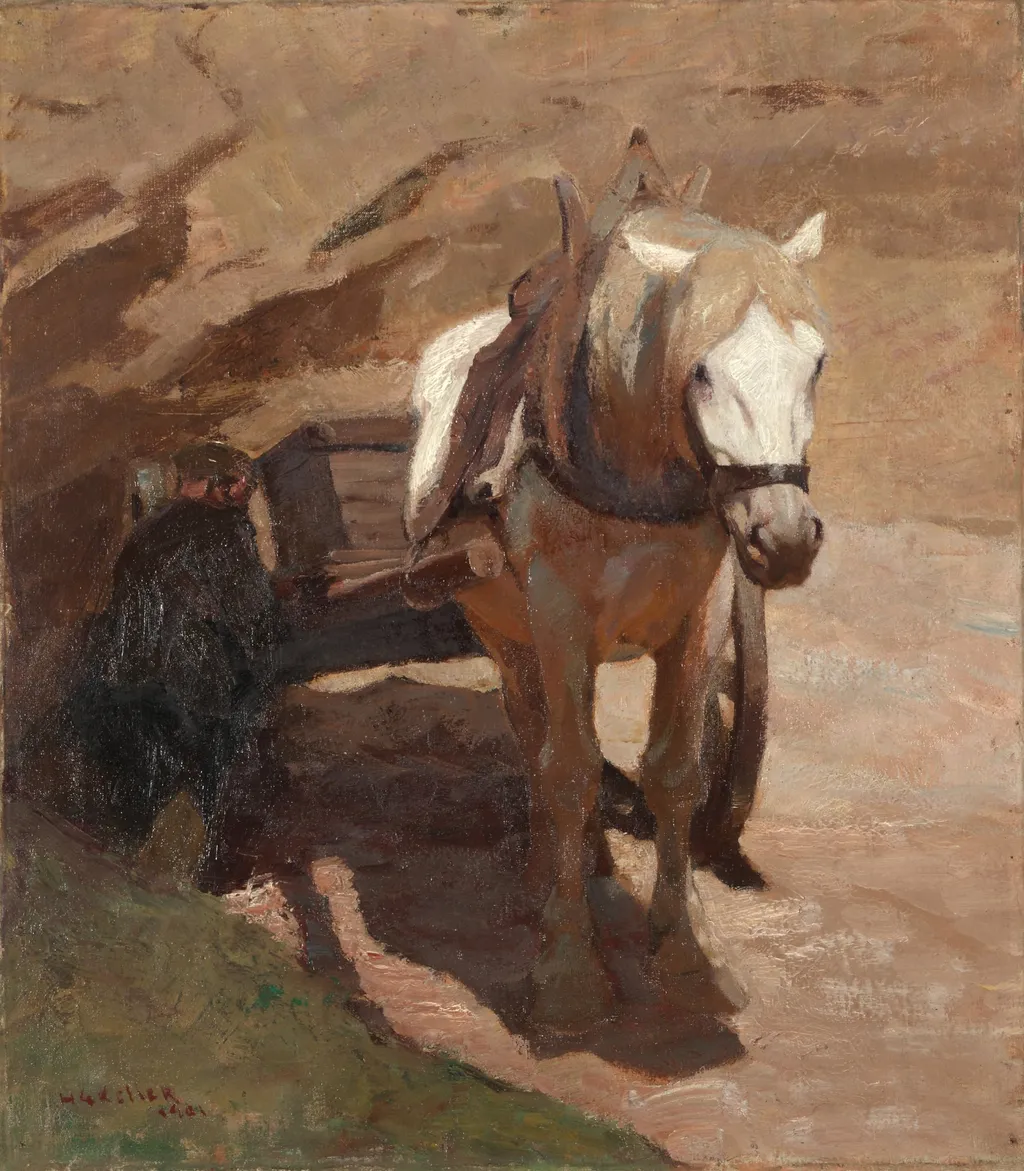
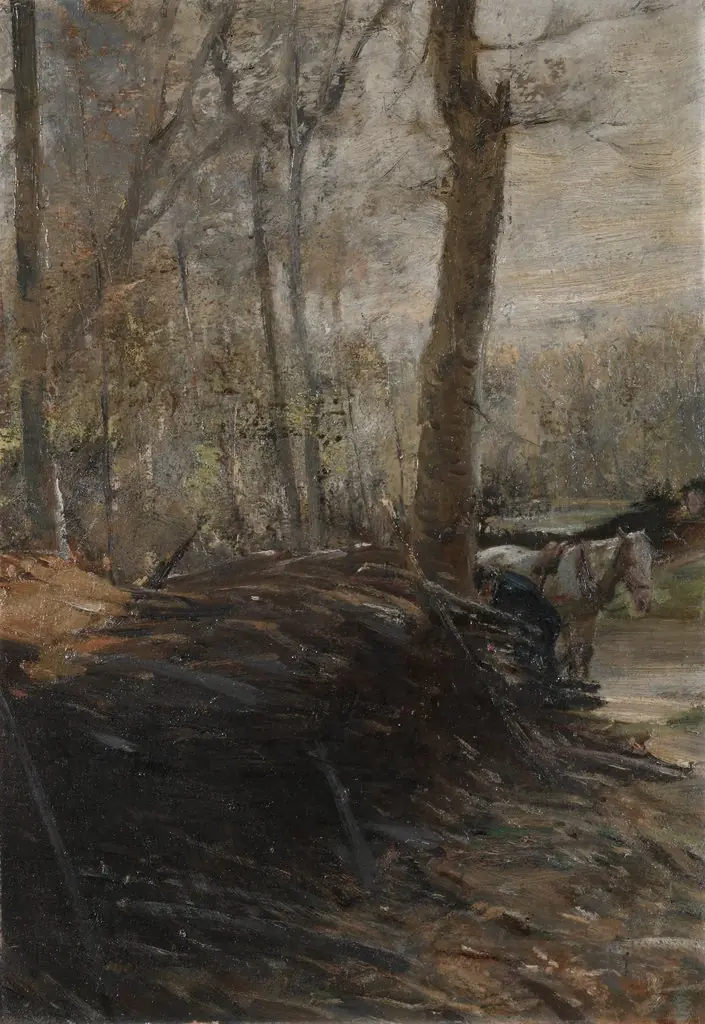
In the Sand-pit is an unspecified painting by the American Impressionist artist Henry Keller. It dates from 1901 and is held in the collection of the Cleveland Museum of Art.
About this work
Overview
Created in 1901, *In the Sand‑pit* is a watercolor by Henry Keller, an American painter of German birth. The work belongs to the American Impressionist tradition, employing a light‑filled palette and spontaneous brushwork to record a moment of everyday activity.
Subject & Meaning
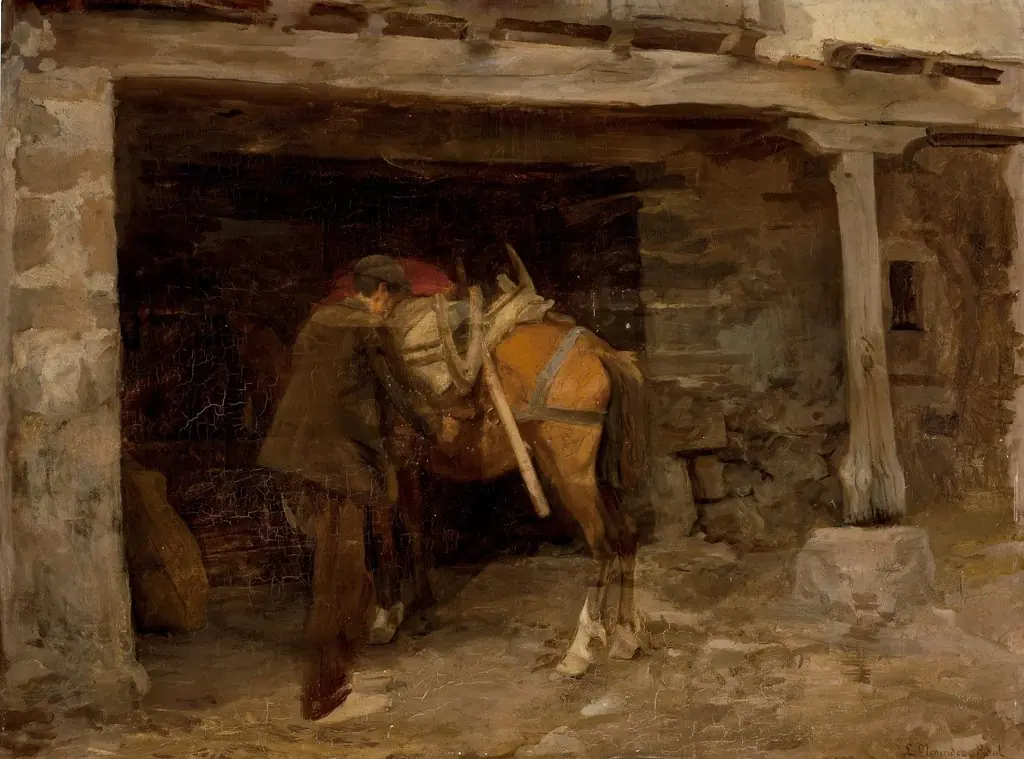
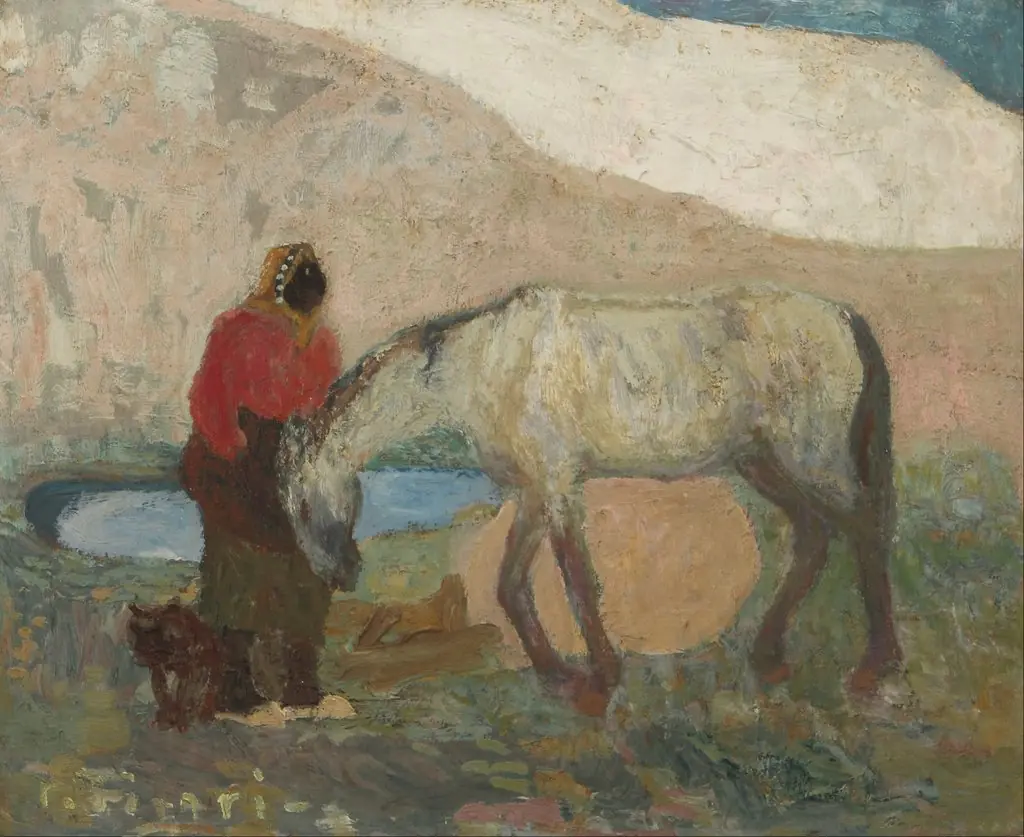
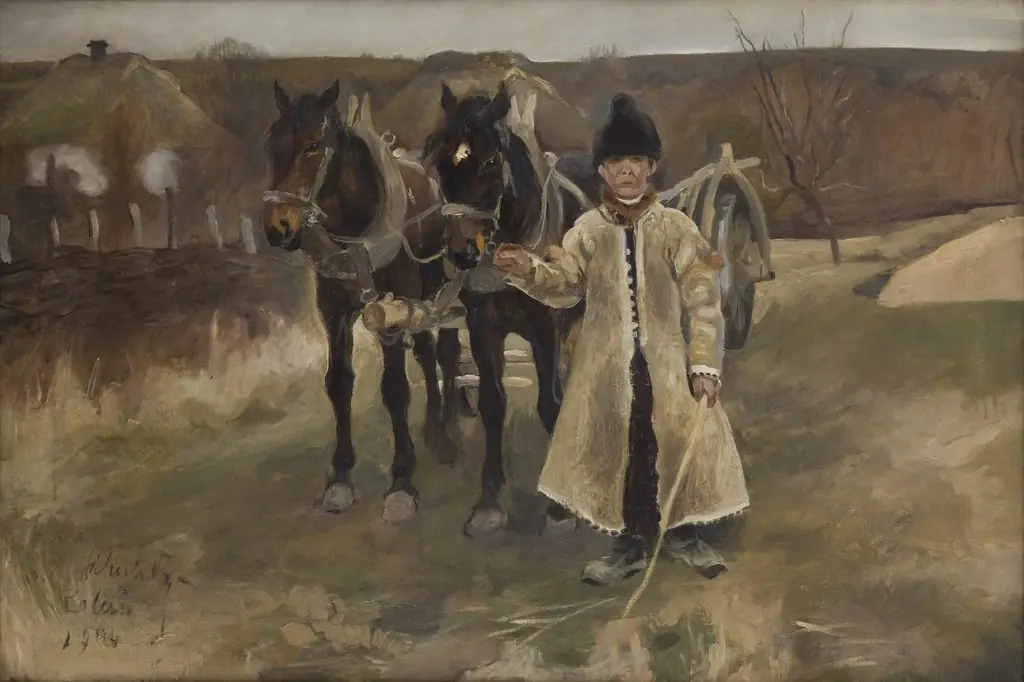
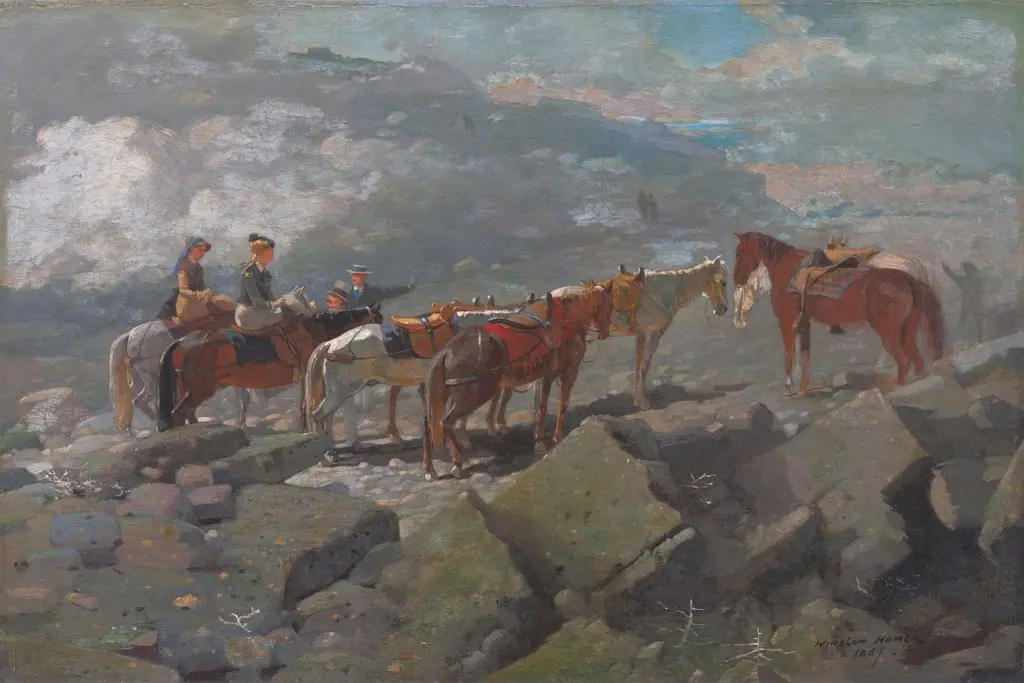
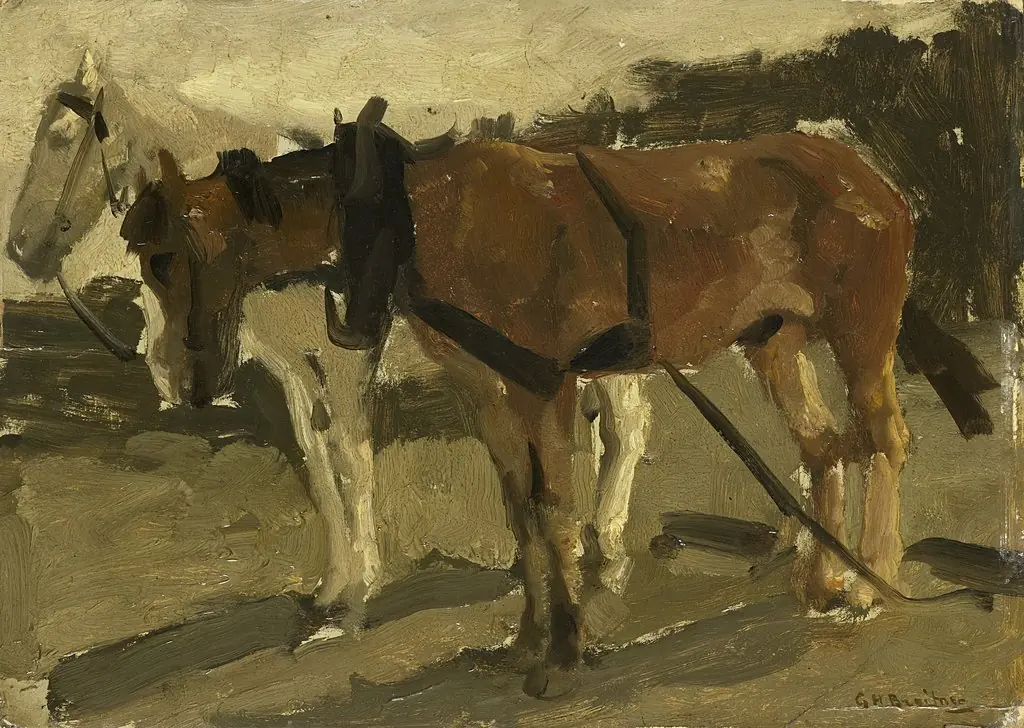
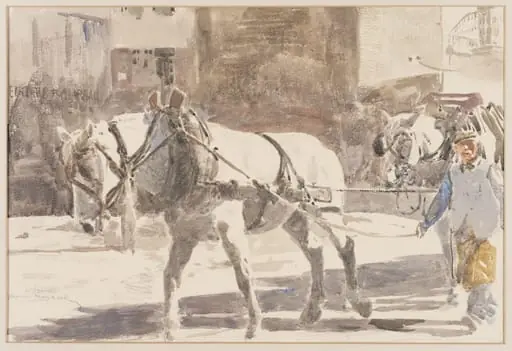
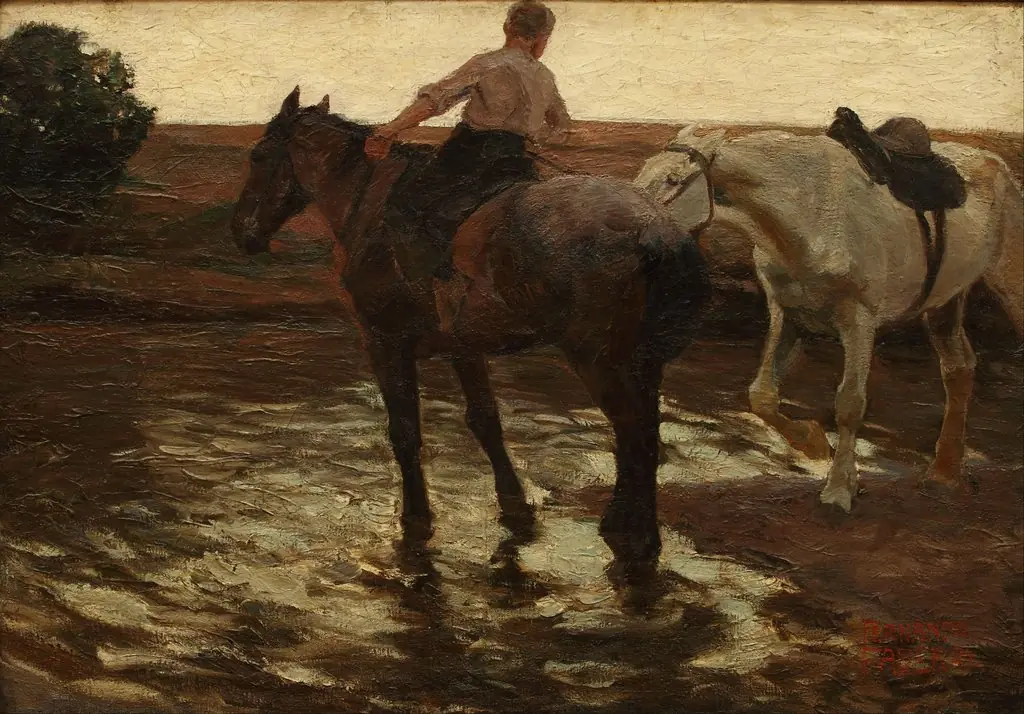
The composition centers on a sturdy brown horse marked by a white blaze, positioned in a sandy or earthen ground. A wagon with large wheels, drawn by an unseen rider, occupies the background, suggesting a rural labor scene that reflects ordinary life rather than heroic narrative.
Technique & Style
Keller applies thick, textured strokes that give the surface a near‑impasto quality, emphasizing the animal’s musculature and the wagon’s simple form. The background is rendered loosely, its details dissolved into muted browns and greens, allowing the bright white of the horse’s face to stand out.
History & Provenance
Born in 1869 in Germany, Keller emigrated to the United States and became a leading figure among Ohio watercolorists. He taught at the Cleveland School of Art and operated a summer school in Berlin Heights, influencing a generation of regional artists. The painting remains a representative example of his early output.
Context
During the turn of the twentieth century, American Impressionism adapted European techniques to local subjects. Keller’s work reflects this shift, applying the movement’s focus on light and atmosphere to a distinctly Midwestern, agrarian setting.
Own this work as a print
Artist & collection
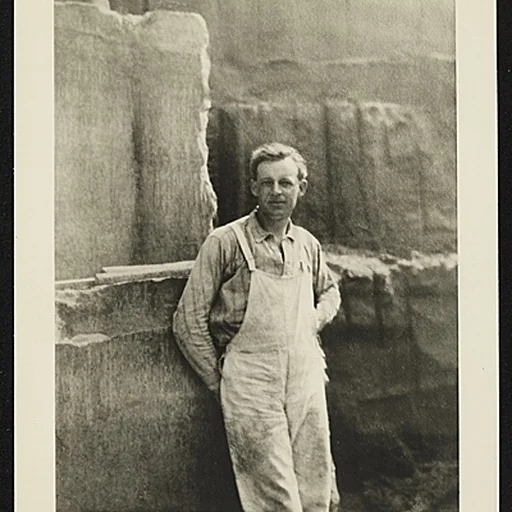
Artist
Henry George Keller (April 3, 1869 – August 3, 1949) was an American artist who led a generation of Ohio watercolor painters of the Cleveland School.