Artwork
Portrait of Doña Inés N. de Aldao
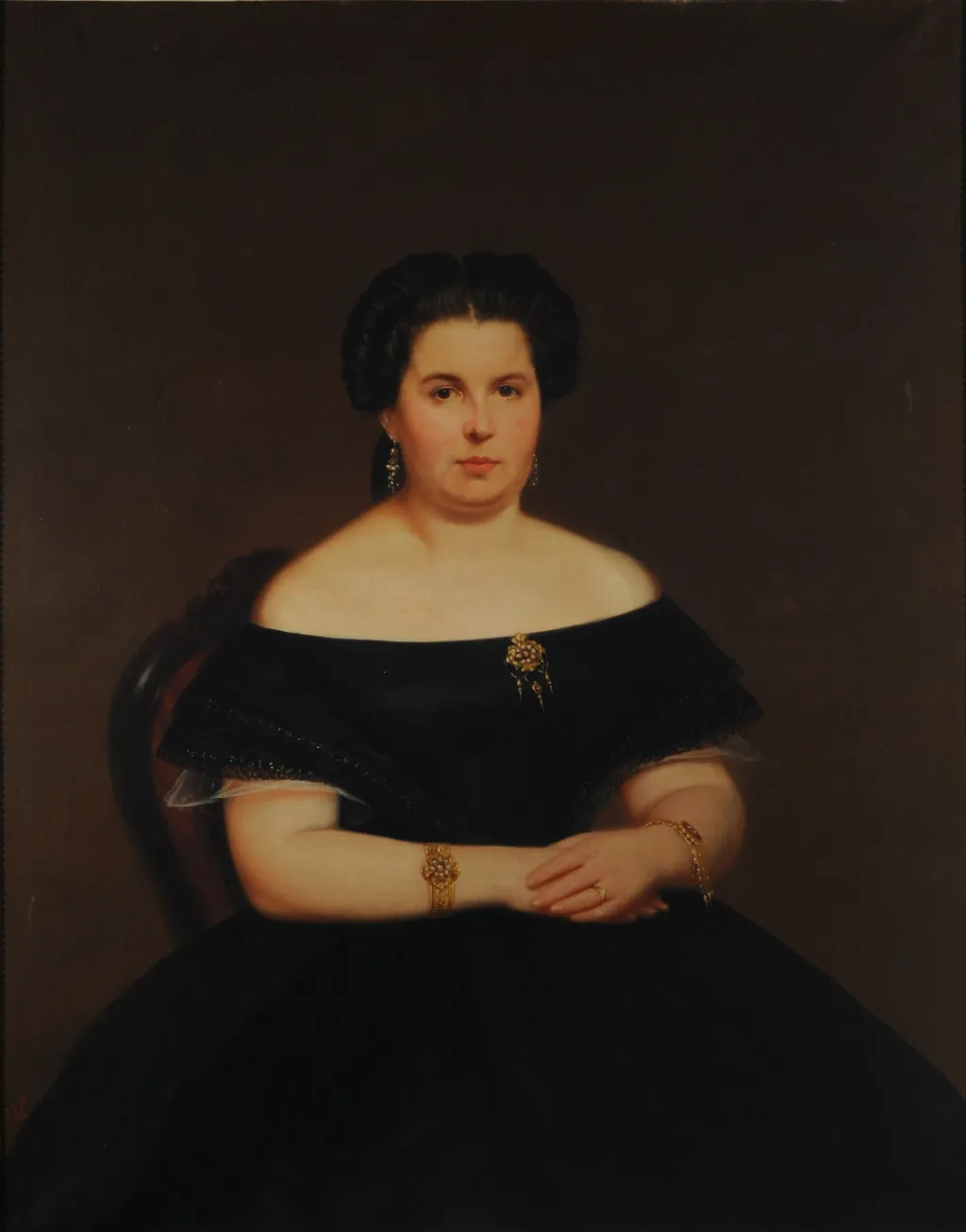
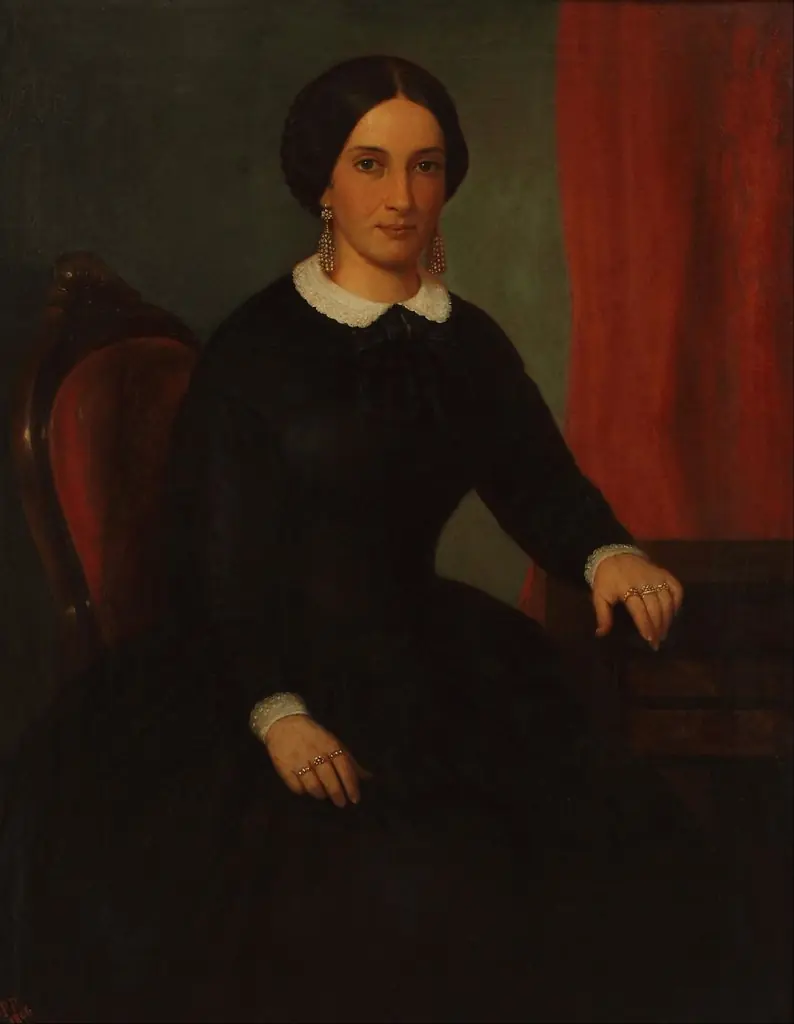
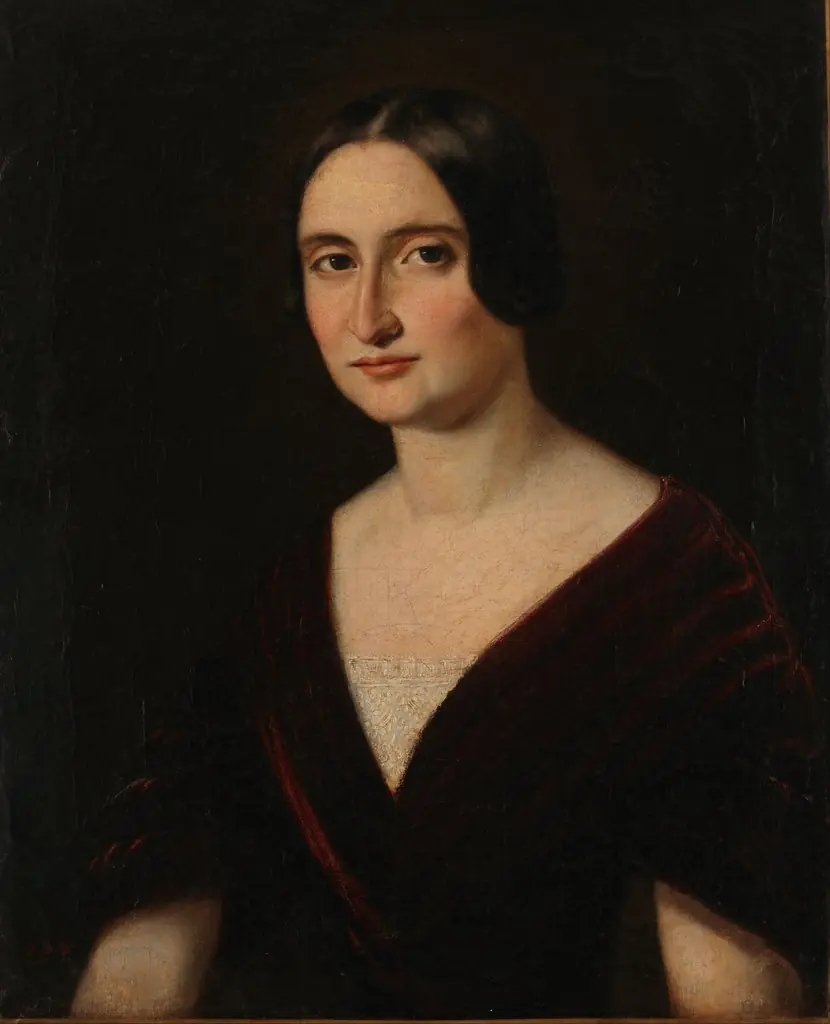
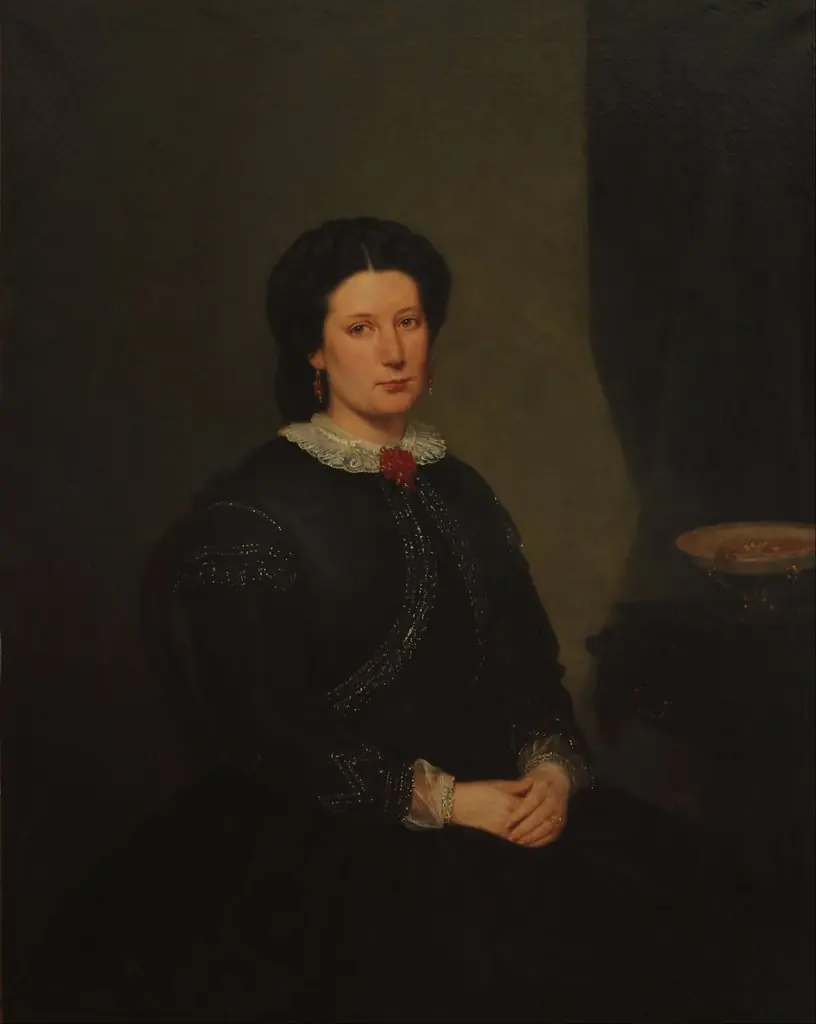
Portrait of Doña Inés N. de Aldao is an oil painting by Prilidiano Pueyrredón. It dates from 1865 and is held in the collection of the National Museum of Fine Arts, Argentina.
About this work
Overview
Pueyrredón, trained in both art and engineering, was among the first Argentine painters to gain recognition for his realistic depictions of local figures.
Painted in 1865 by Argentine artist Prilidiano Pueyrredón, this oil-on-canvas portrait depicts Doña Inés N. de Aldao, a member of Buenos Aires’ social elite. Pueyrredón, trained in both art and engineering, was among the first Argentine painters to gain recognition for his realistic depictions of local figures. The work is part of the National Museum of Fine Arts’ permanent collection in Buenos Aires, reflecting its cultural significance in Argentina’s artistic heritage.
Subject & Meaning
Doña Inés is portrayed with quiet composure, her direct gaze and still posture conveying dignity rather than ornamentation. Her attire—black dress, gold brooch, and modest jewelry—suggests both refinement and restraint, typical of upper-class women in mid-19th-century Argentina. The absence of symbolic props or elaborate settings shifts focus to her presence, emphasizing individual identity over social display, aligning with Pueyrredón’s interest in personal realism.
Technique & Style
Pueyrredón employs chiaroscuro to model the figure with subtle gradations of light and shadow, lending volume to the face, hands, and fabric. The brushwork is controlled yet fluid, particularly in the rendering of the lace trim and metallic accents. The solid brown background eliminates distraction, reinforcing the portrait’s intimacy. His approach blends European academic training with a local sensibility, avoiding theatricality in favor of quiet observation.
History & Provenance
Commissioned during a period of national consolidation in Argentina, the portrait was likely created for private collection before entering public hands. It was acquired by the National Museum of Fine Arts in Buenos Aires in the early 20th century, where it remains today. Its preservation reflects its value as an early example of Argentine portraiture, documenting the aesthetics and social norms of the era.
Context
In the 1860s, Argentina’s elite sought to align with European cultural norms, yet artists like Pueyrredón began asserting a distinct national identity through depictions of local subjects. This portrait, devoid of foreign motifs, presents an Argentine woman with unadorned realism. It stands apart from imported European styles, contributing to a growing visual language rooted in domestic life and personal character.
Legacy
Pueyrredón’s portrait of Doña Inés helped establish portraiture as a serious genre in Argentine art. Its restrained elegance and psychological presence influenced later generations of painters who sought to capture national identity through individual likeness. The work endures not as a symbol of wealth, but as a quiet testament to the dignity of everyday figures in a nation defining itself through its people.
Own this work as a print
Artist & collection
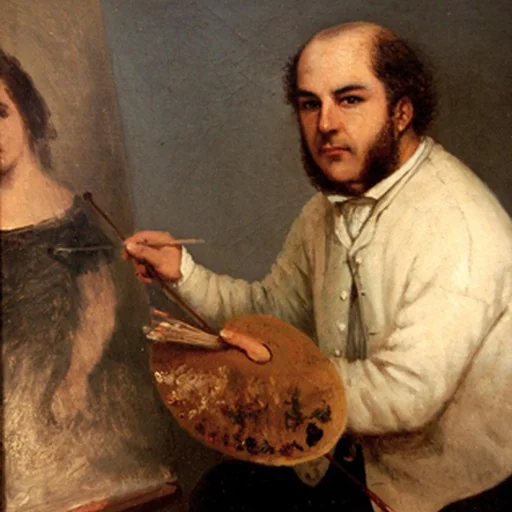
Artist
Prilidiano Pueyrredón (January 24, 1823 – November 3, 1870) was an Argentine painter, architect and engineer. One of the country's first prominent painters, he was known for his costumbrist sensibility and preference for everyday themes.

Museum
National Museum of Fine Arts, Argentina
Continue through works from the same source collection.