Artwork
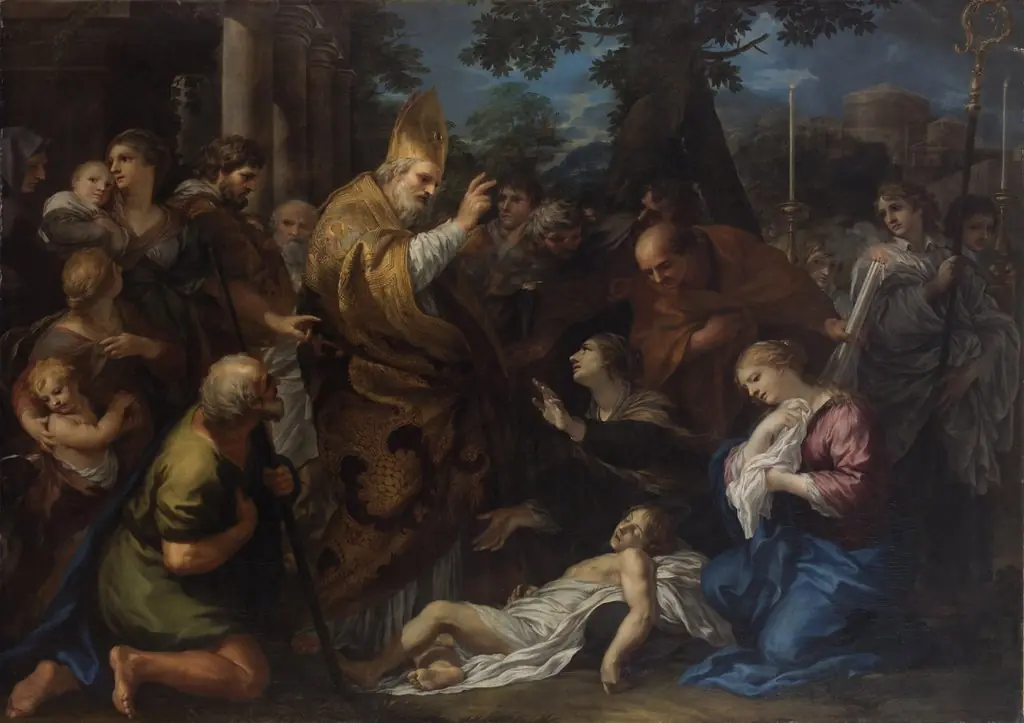
Saint Zenobius Resuscitating a Child
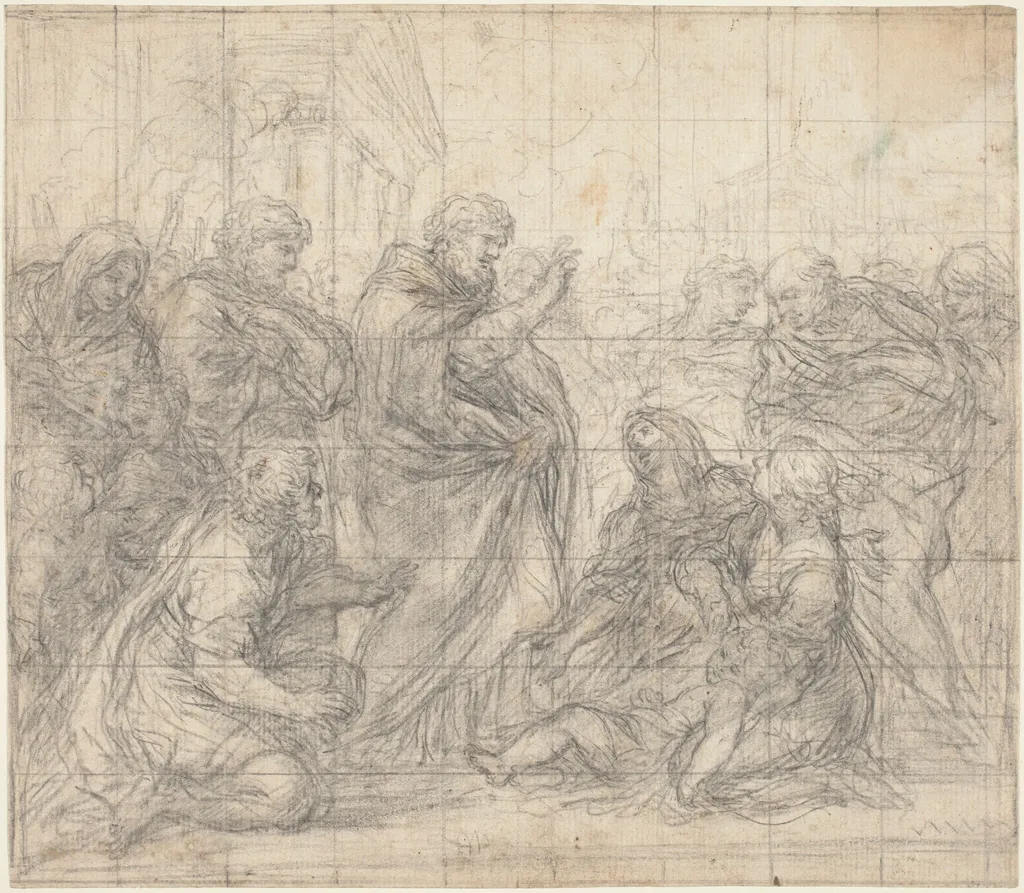
Saint Zenobius Resuscitating a Child is a chalk drawing by the Baroque artist Ciro Ferri. It dates from 1665 and is held in the collection of the National Gallery of Art. Created circa 1665, this black‑chalk drawing on laid paper portrays Saint Zenobius restoring life to a fallen child.
About this work
Overview
Created circa 1665, this black‑chalk drawing on laid paper portrays Saint Zenobius restoring life to a fallen child. The composition centers the saint, robed and poised, his right hand hovering over the child's head, while mournful onlookers surround the scene. The work is part of the National Gallery of Art’s collection in Washington.
Subject & Meaning
The image illustrates a hagiographic episode in which Saint Zenobius, a 5th‑century Florentine bishop, intervenes to revive a dead child. The gestures emphasize the saint’s intercessory power, and the surrounding figures convey communal grief and hope, reflecting the devotional narratives common in Counter‑Reformation art.
Technique & Style
Executed in black chalk, the drawing employs a grid transferred onto the paper, evident in the faint squared background. Ferri’s handling of chiaroscuro through varied line weight creates volume, while the rapid, expressive strokes impart kinetic energy, characteristic of the Italian Baroque aesthetic he absorbed from his master, Pietro da Cortona.
History & Provenance
The work is attributed to Ciro Ferri, a prominent pupil of Cortona and a leading figure in 17th‑century Italian painting and sculpture. It entered the National Gallery of Art’s holdings through acquisition, where it is catalogued as a representative example of Ferri’s preparatory drawings.
Artist & collection
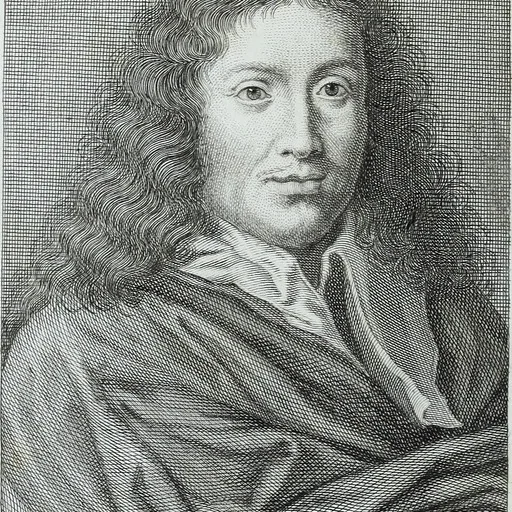
Artist
Ciro Ferri (1634 – 13 September 1689) was an Italian Baroque sculptor and painter, the chief pupil and successor of Pietro da Cortona.

![Joseph and His Brother in Egypt [verso], by Italian 17th Century](https://artifactworldgallery.com/img/italian-17th-century--joseph-and-his-brother-in-egypt-verso--86cfb4fbb2662a76-w320.webp) Joseph and His Brother in Egypt [verso]
Joseph and His Brother in Egypt [verso]![The Adoration of the Magi [recto], by Donato Creti](https://artifactworldgallery.com/img/donato-creti--the-adoration-of-the-magi-recto--2cfd5d76b55e821e-w320.webp) The Adoration of the Magi [recto]
The Adoration of the Magi [recto]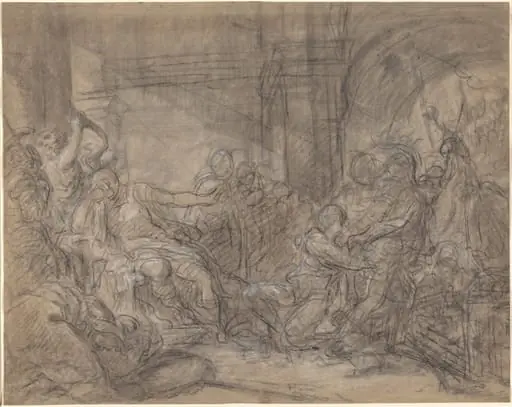 Brutus Condemning His Sons to Death
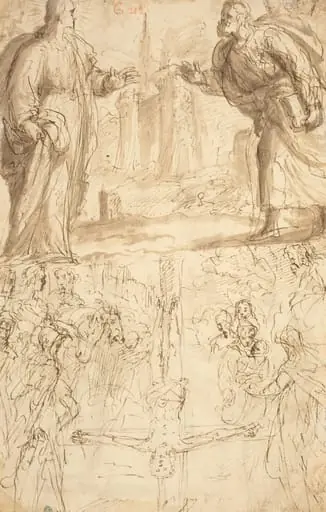 Crucifixion of Saint Peter
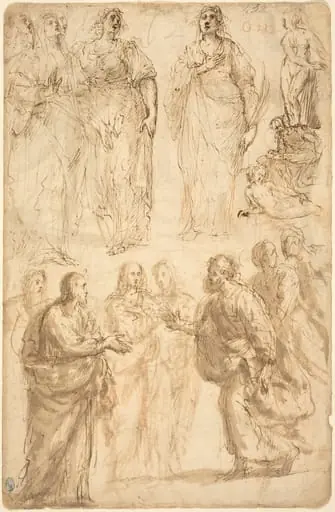 Scenes from the Life of Saint Peter
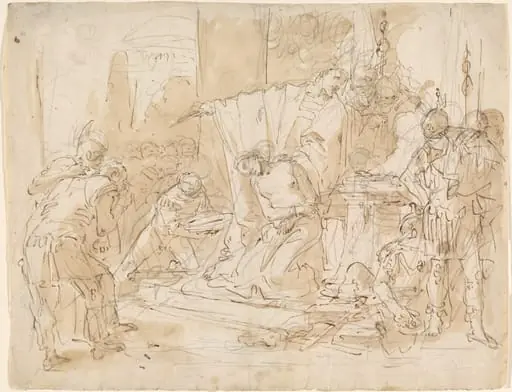 The Sacrifice of Iphigenia (recto) / Study of a Male Nude (verso)
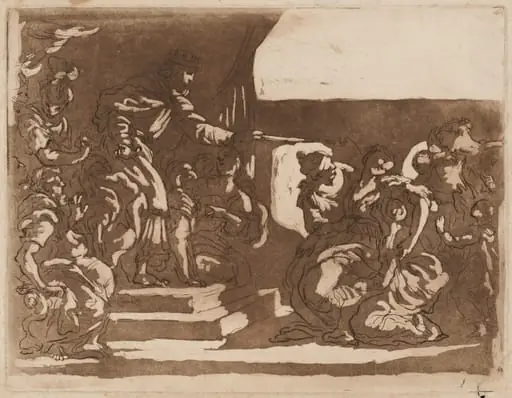 Esther before Ahasuerus
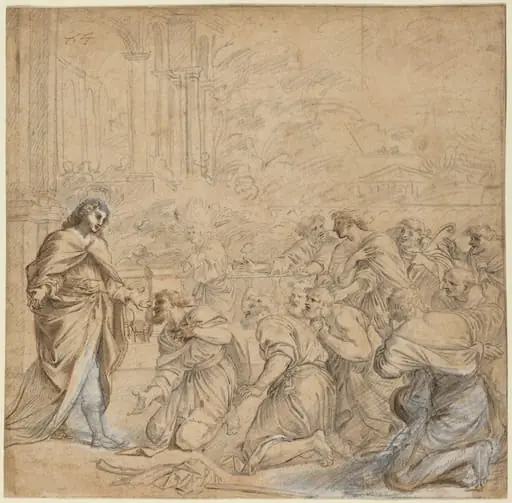 Joseph Revealing Himself to His Brothers in Egypt
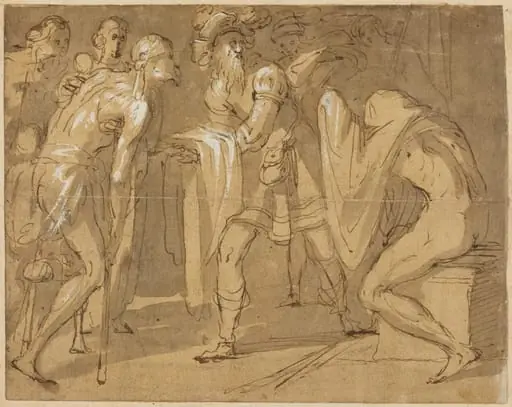 Saint Homobono
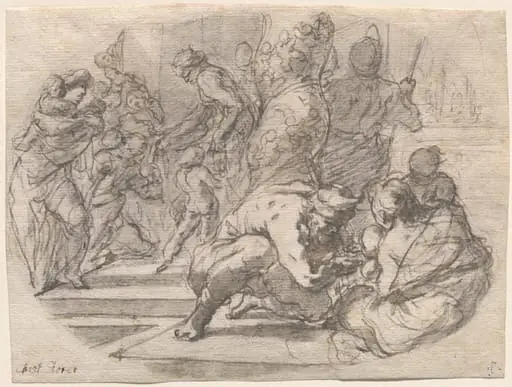 The Generosity of Empress Pulcheria
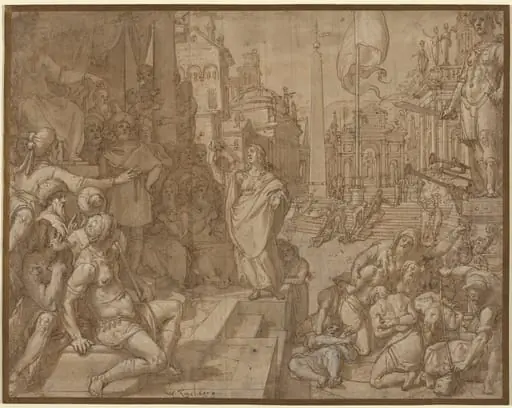 Disputation of Saint Catherine of Alexandria
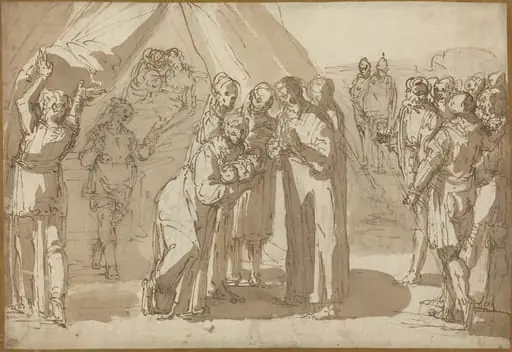 Birth Scene