Artwork
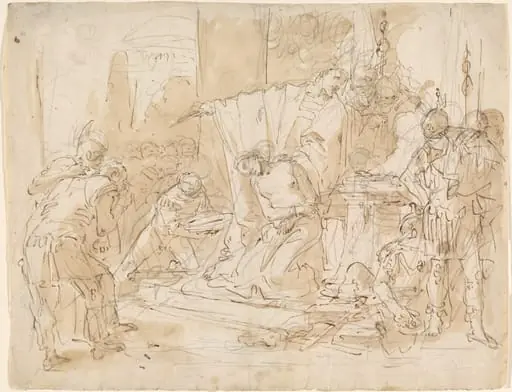
Brutus Condemning His Sons to Death
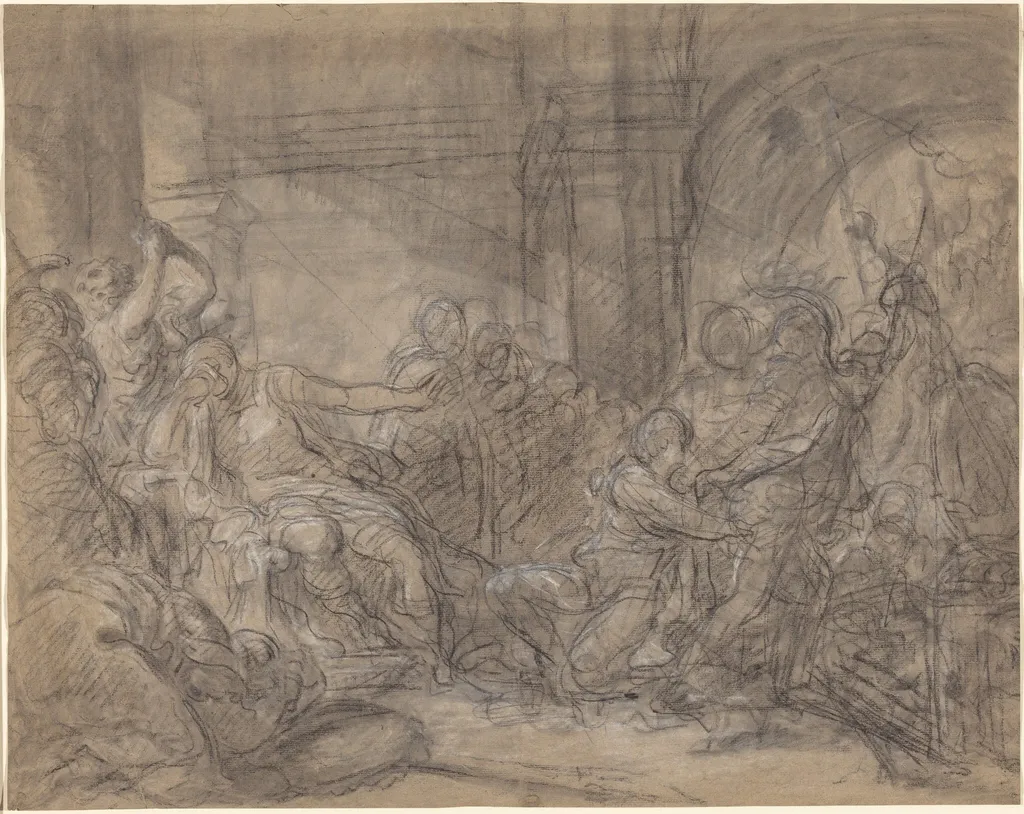
Brutus Condemning His Sons to Death is a chalk drawing by the Romanticist artist Gabriel François Doyen. It dates from 1760 and is held in the collection of the National Gallery of Art.
About this work
Overview
Executed in black and white chalk with stumping, the work captures the emotional gravity of Lucius Junius Brutus condemning his own sons for treason.
Created around 1760 by French artist Gabriel François Doyen, this drawing portrays a pivotal moment from Roman history. Executed in black and white chalk with stumping, the work captures the emotional gravity of Lucius Junius Brutus condemning his own sons for treason. The medium allows for subtle gradations of tone, emphasizing the psychological weight of the scene without color or elaborate detail.
Subject & Meaning
The scene illustrates the Roman consul Lucius Junius Brutus ordering the execution of his sons, who conspired to restore the monarchy after the fall of the kings. The act symbolizes the supremacy of civic duty over familial loyalty, a theme valued in Enlightenment-era political thought. Doyen presents the moment not as triumph but as solemn sacrifice, focusing on the father’s stoic resolve amid the sons’ despair.
Technique & Style
Doyen employed black and white chalk with stumping to achieve a range of tonal values, from deep shadows to delicate highlights. The soft blending of chalk creates a sculptural quality in the figures, enhancing their emotional presence. Strong contrasts between light and dark guide the viewer’s eye to the central confrontation, reinforcing the drama without theatrical exaggeration.
History & Provenance
The drawing was produced during Doyen’s early career, before his major historical paintings gained recognition. It likely served as a preparatory study or independent work reflecting contemporary interest in classical virtue. Its survival suggests it was valued by collectors drawn to moral narratives drawn from antiquity, though its specific early ownership remains undocumented.
Context
In mid-18th-century France, classical subjects were favored in academic art as vehicles for moral instruction. Doyen’s choice of Brutus aligns with Enlightenment ideals emphasizing reason, duty, and civic sacrifice. The drawing reflects a broader trend among artists to explore historical moments that tested personal ethics against public responsibility, often in response to political tensions of the era.
Legacy
Though Doyen is less known today than his contemporaries, this drawing exemplifies the enduring appeal of classical themes in French academic drawing. Its restrained emotion and technical precision influenced later artists studying historical narrative in graphic media. The work remains a quiet but potent example of how chalk drawings could convey complex moral dilemmas with clarity and gravity.
Artist & collection
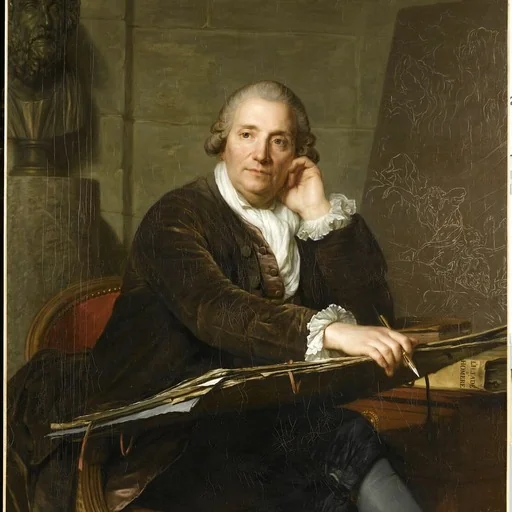
Artist
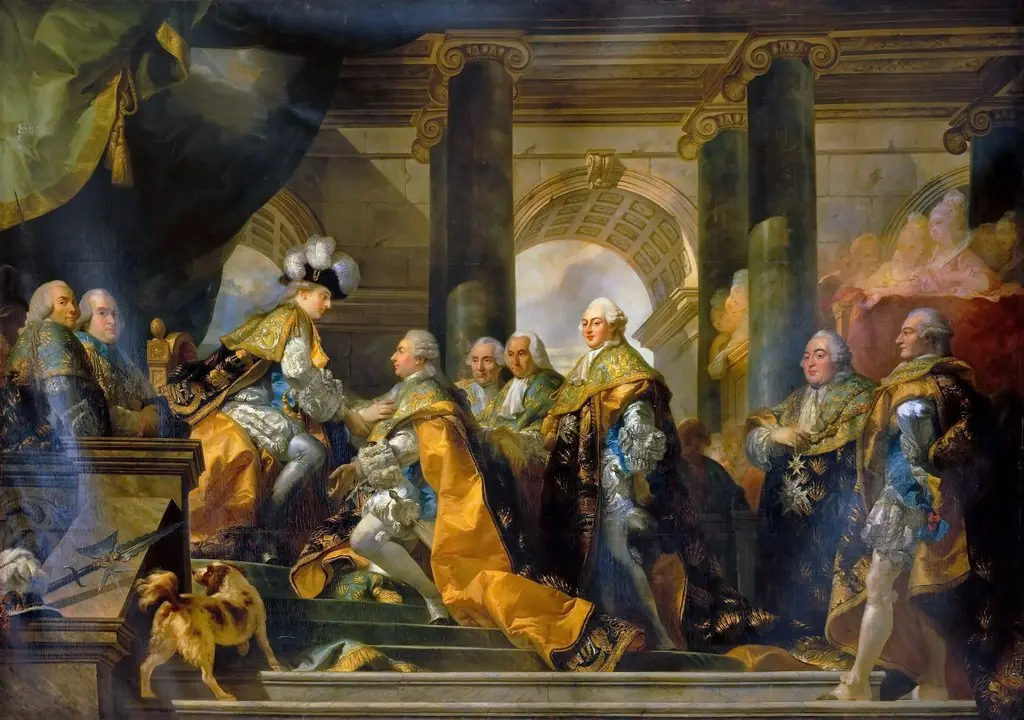
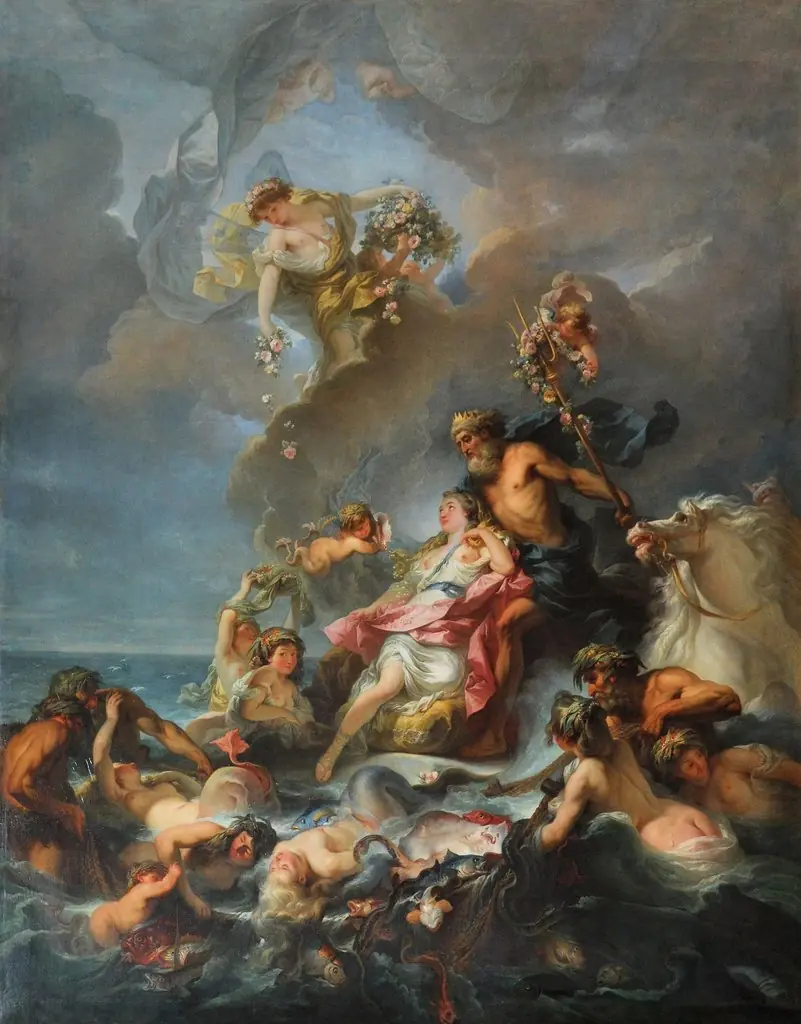
Gabriel François Doyen (French: ; 20 May 1726 – 13 March 1806) was a French painter of historical and mythological scenes.

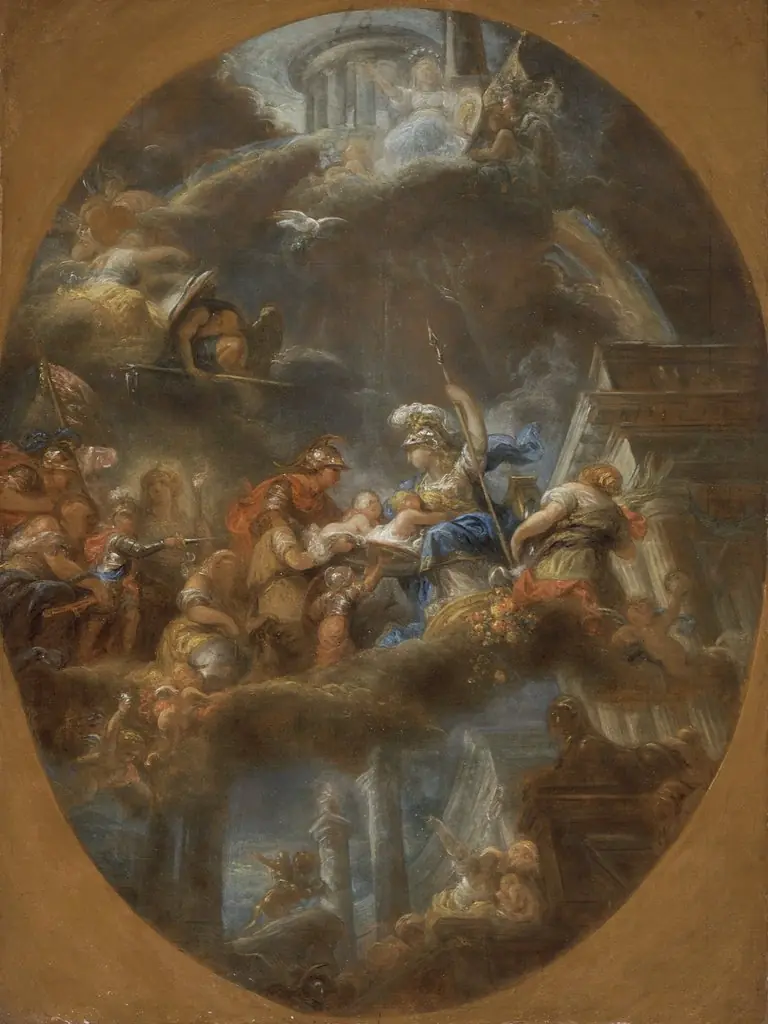
 The Sacrifice of Iphigenia (recto) / Study of a Male Nude (verso)
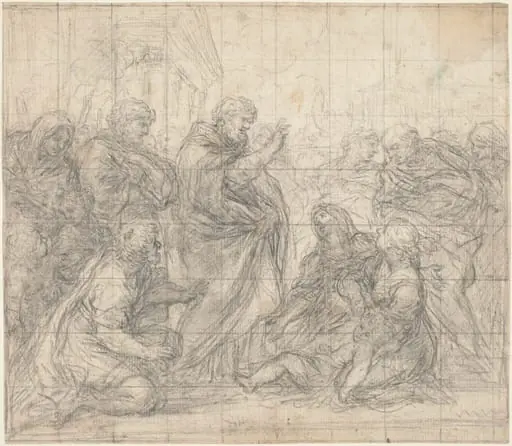 Saint Zenobius Resuscitating a Child
![The Adoration of the Magi [recto], by Donato Creti](https://artifactworldgallery.com/img/donato-creti--the-adoration-of-the-magi-recto--2cfd5d76b55e821e-w320.webp) The Adoration of the Magi [recto]
The Adoration of the Magi [recto]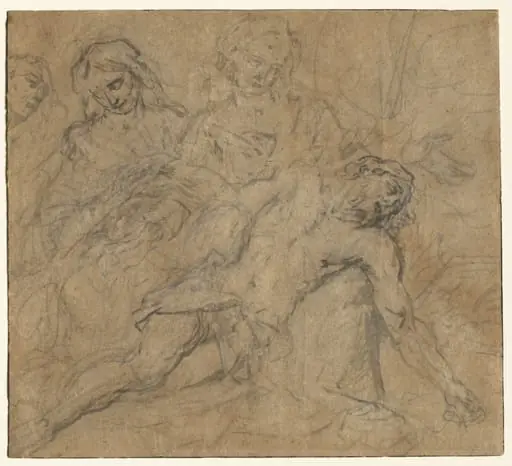 The Lamentation
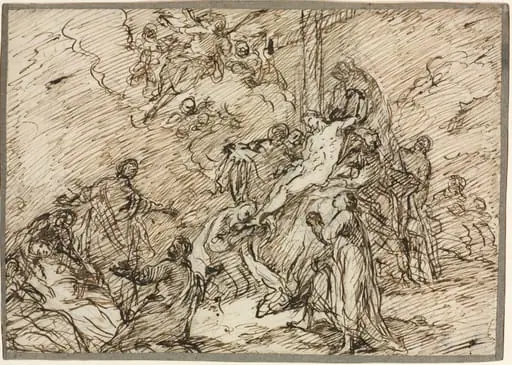 The Deposition (recto)
![A Young Woman Overcome by Love [recto], by Jean-Baptiste Deshays](https://artifactworldgallery.com/img/jean-baptiste-deshays--a-young-woman-overcome-by-love-recto--8f8b1d64ee16ec55-w320.webp) A Young Woman Overcome by Love [recto]
A Young Woman Overcome by Love [recto]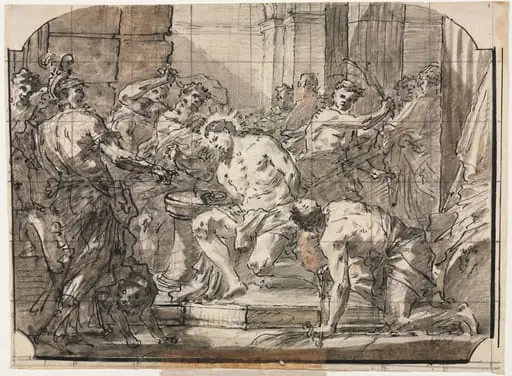 Flagellation of Christ
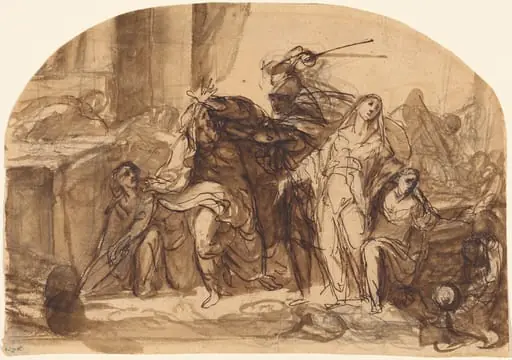 The Death of Priam
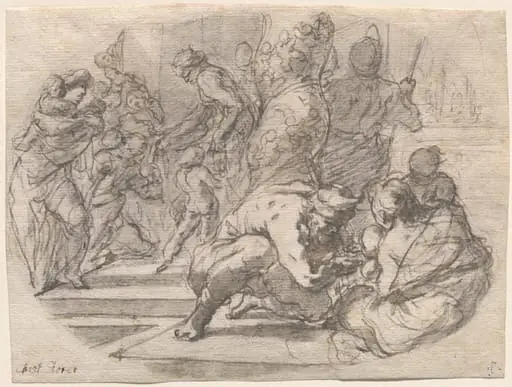 The Generosity of Empress Pulcheria
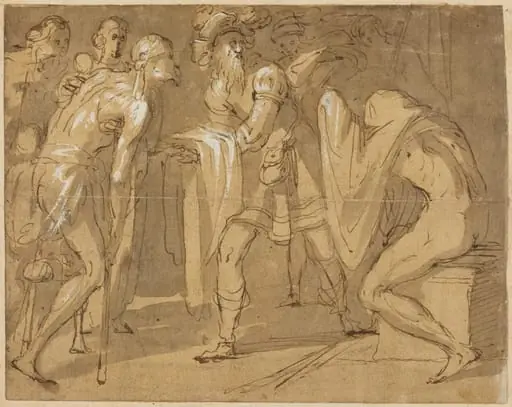 Saint Homobono
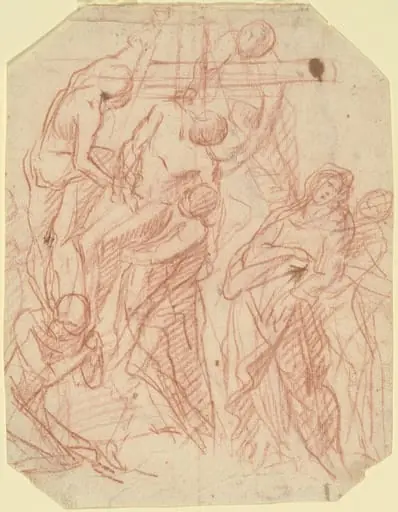 The Descent from the Cross (recto)
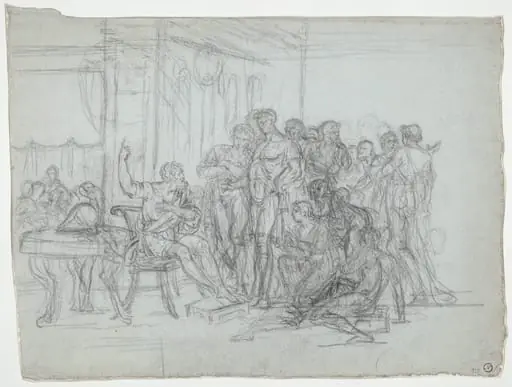 Timoleon Thanked by the Citizens of Syracuse