Artwork
Four Groups of Figures
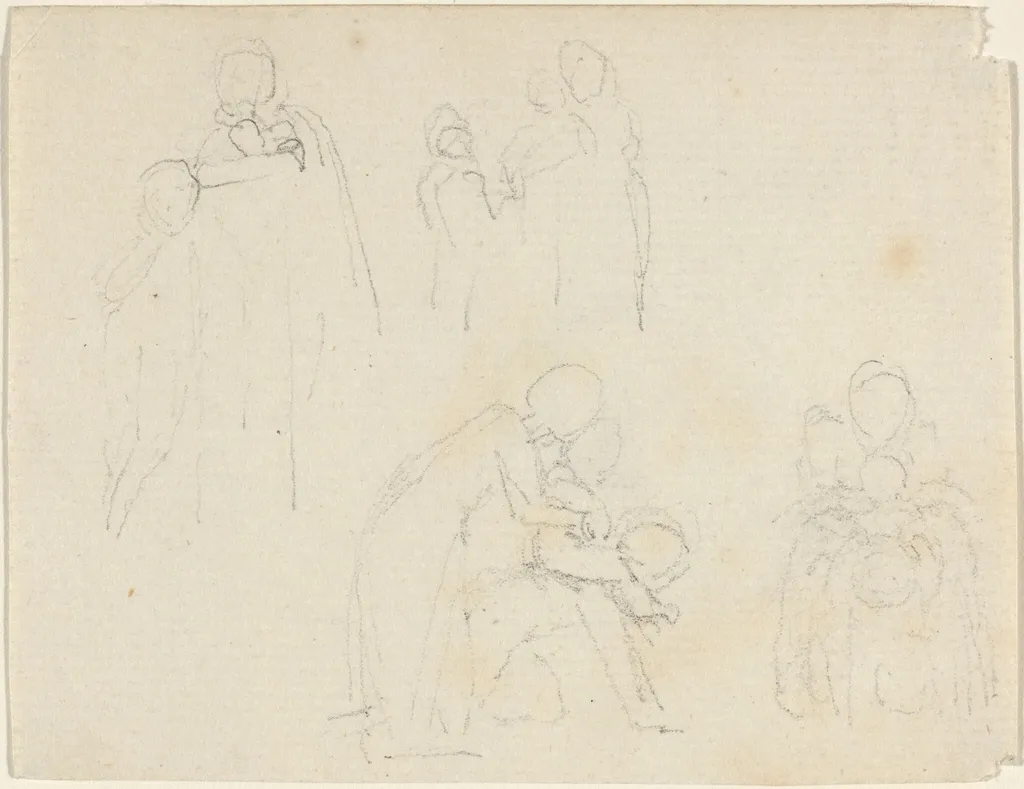
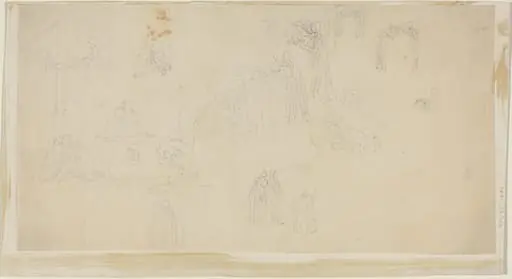
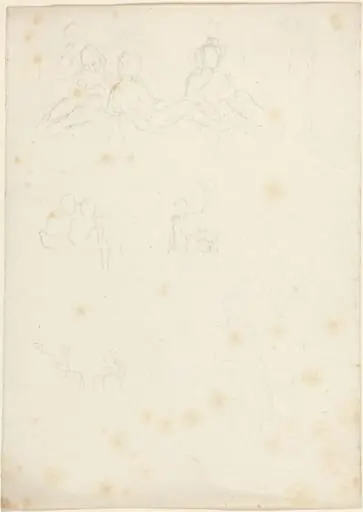
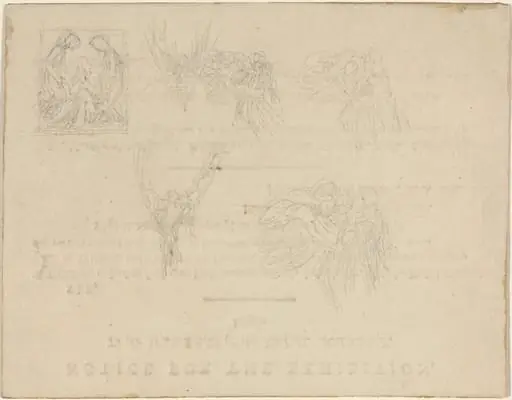
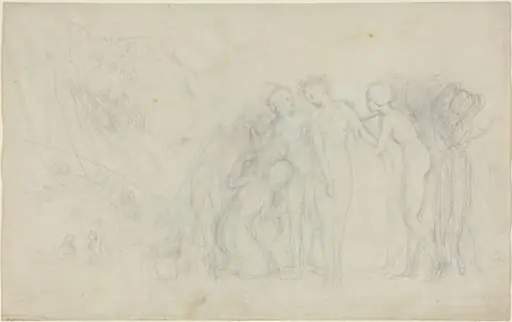
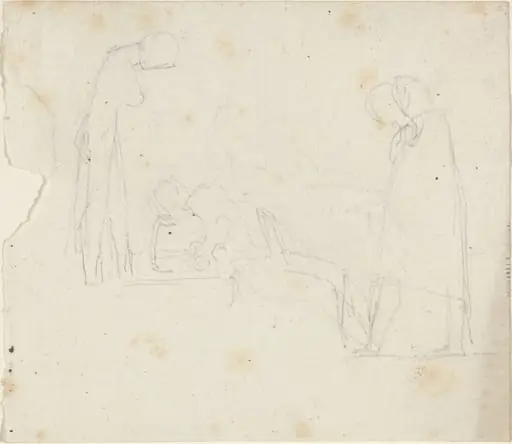
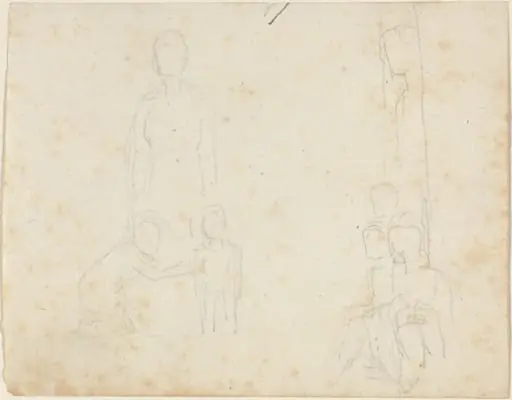
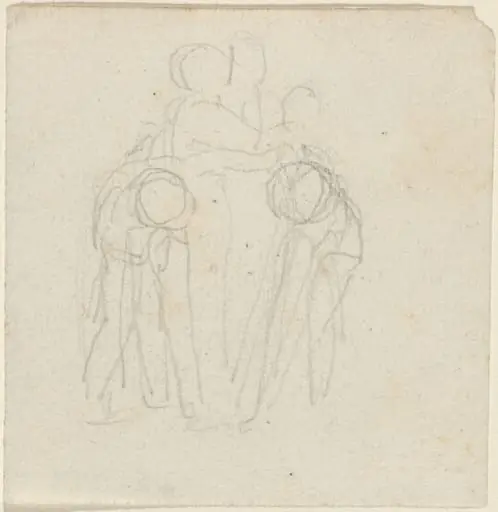
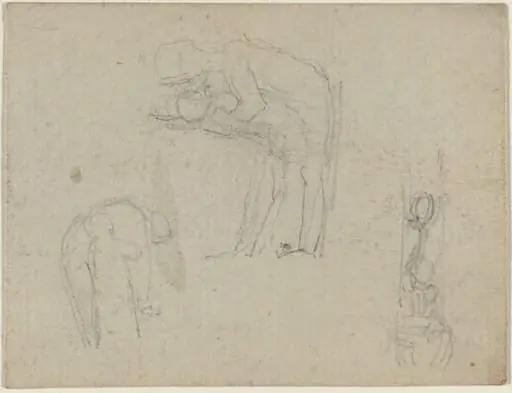
Four Groups of Figures is a graphite drawing by the Romanticist artist John Flaxman. It dates from 1790 and is held in the collection of the National Gallery of Art.
About this work
Overview
Four Groups of Figures is a graphite drawing created by John Flaxman in 1790. Characterized by clean, sharp lines and the absence of shading, the work depicts four distinct groups of figures, each posed differently.
Subject & Meaning
The drawing showcases Flaxman's adherence to Neoclassical principles, emphasizing classical forms and themes through its precise, linear execution. The varied poses of the four groups may suggest explorations of movement or narrative sequences.
Technique & Style
Executed solely in graphite, the drawing highlights Flaxman's mastery of line work, with sharp, unadorned lines defining the figures. The lack of shading or additional marks underscores a focus on form and outline, typical of his draughtsmanship.
History & Provenance
Created during Flaxman's mature period, following his formative years with Josiah Wedgwood and his influential time in Rome, Four Groups of Figures reflects the culmination of his Neoclassical style. Currently, the piece is part of the collection at the National Gallery of Art, Washington.
Artist & collection
Artist
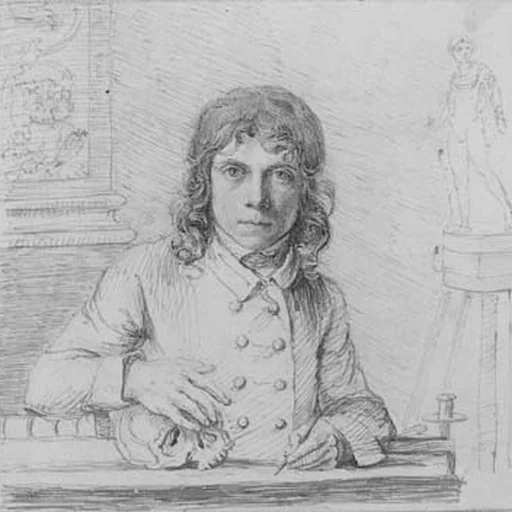
John Flaxman (6 July 1755 – 7 December 1826) was an English sculptor and draughtsman who was a leading figure in British and European Neoclassicism.