Artwork
Two Studies of Standing Figure and Child
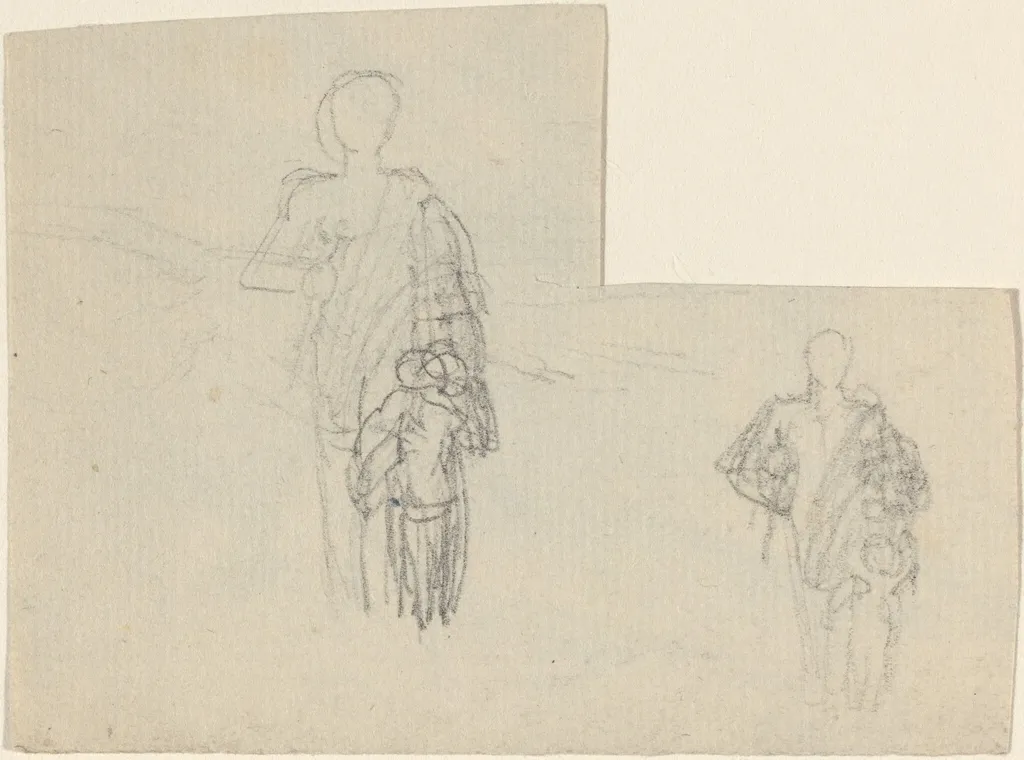
Two Studies of Standing Figure and Child is a graphite drawing by the Romanticist artist John Flaxman. It dates from 1790 and is held in the collection of the National Gallery of Art.
About this work
Overview
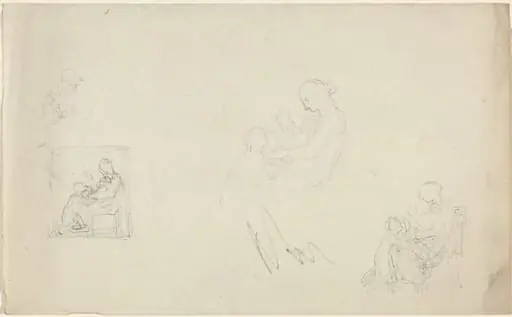
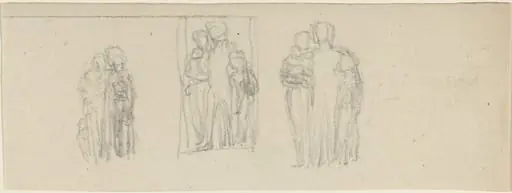
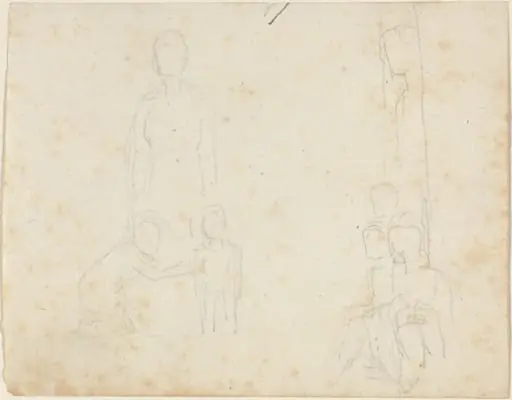
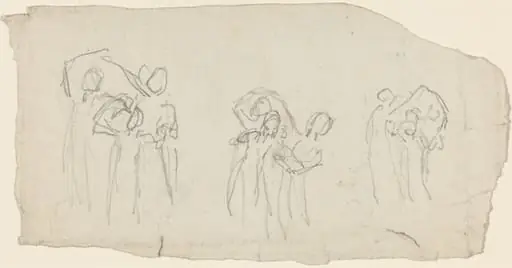
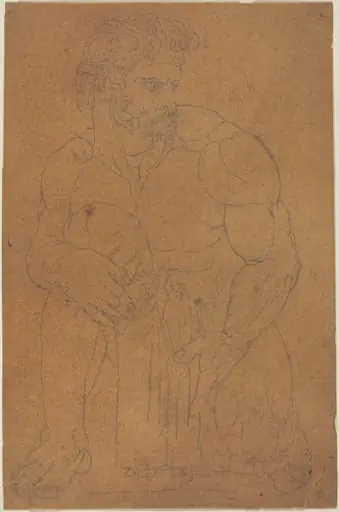
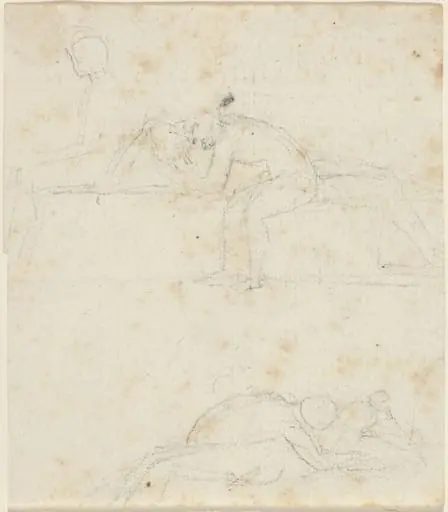
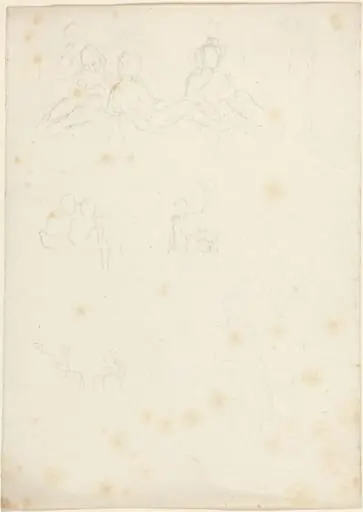
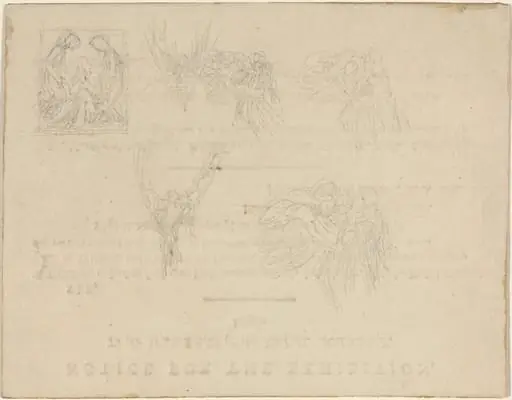
Created in 1790, *Two Studies of Standing Figure and Child* is a graphite drawing by John Flaxman, an English sculptor and draughtsman prominent in the Neoclassical movement. The work comprises two separate studies: one of a woman holding a child and another of a solitary standing man.
Subject & Meaning
The subject matter focuses on everyday human figures, potentially exploring themes of domesticity and solitude. The figures' simplicity may underscore a emphasis on universal, timeless qualities over specific individuality.
Technique & Style
Executed in graphite, the drawing features simple, rough lines with minimal detail, conveying a sense of movement. While often associated with Neoclassicism due to Flaxman's background, the expressive lines also touch on the emerging Romantic emphasis on spontaneity.
History & Provenance
Flaxman's career spanned from designing for Josiah Wedgwood's pottery to developing his style in Rome. This drawing reflects his Neoclassical influences, honed during his time in Italy.
Context
Emerging from the late 18th century, this work bridges Neoclassical restraint with hints of the expressive qualities of the impending Romantic movement, situating Flaxman at a stylistic crossroads.
Legacy
*Two Studies* contributes to Flaxman's legacy as a draughtsman who influenced both Neoclassical precision and the expressive potential of simple, evocative lines, impacting subsequent artistic movements.
Artist & collection
Artist
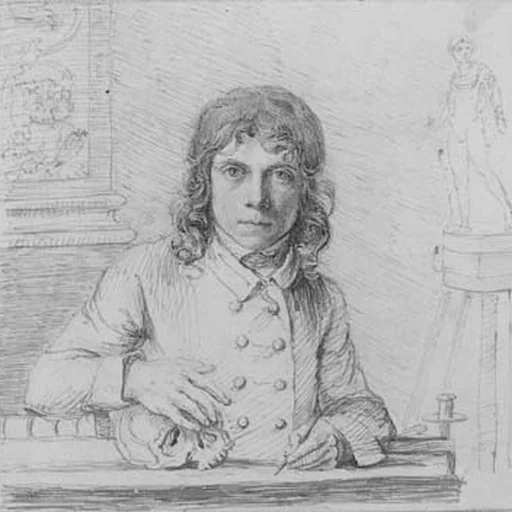
John Flaxman (6 July 1755 – 7 December 1826) was an English sculptor and draughtsman who was a leading figure in British and European Neoclassicism.

![Sheet of Studies [recto and verso], by John Flaxman](https://artifactworldgallery.com/img/john-flaxman--sheet-of-studies-recto-and-verso--e428fab422bf3286-w320.webp)