Artwork
Le bon samaritain (The Good Samaritan)
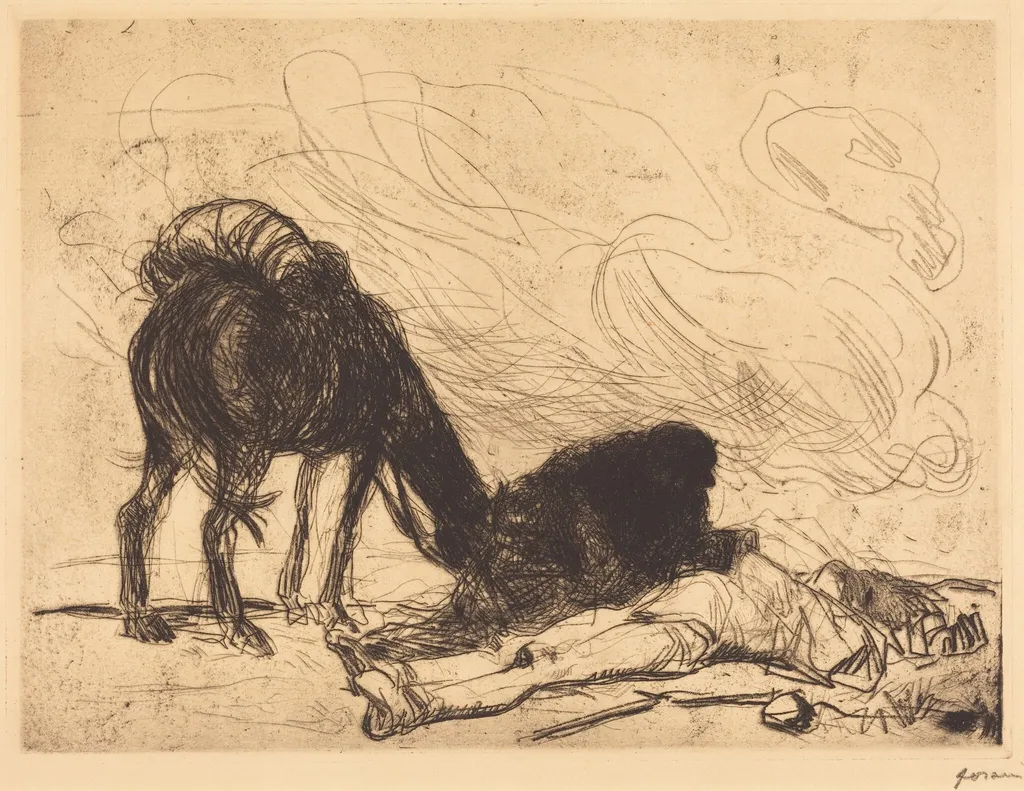
Le bon samaritain (The Good Samaritan) is an ink print by Jean-Louis Forain. It dates from 1909 and is held in the collection of the National Gallery of Art.
About this work
Overview
Jean-Louis Forain’s 1909 print *Le bon samaritien* is an etching executed on laid Van Gelder paper. The work illustrates the biblical parable of the Good Samaritan, presenting a horse‑and‑rider bent over a fallen figure. Rendered in Forain’s recognizable loose line work, the image conveys immediacy and motion through rapid, sketch‑like strokes.
Subject & Meaning
The composition captures the moment of assistance central to the parable: a rider leans forward to aid a prone traveler, while a bundle of sticks lies nearby, suggesting the victim’s recent mishap. By focusing on the physical act of help rather than overt religious symbolism, Forain emphasizes human compassion in a straightforward, narrative manner.
Technique & Style
Created through traditional etching, the artist incised the design with needles before applying acid to bite the lines into the copper plate. The resulting marks are loose, tangled, and gestural, especially evident in the horse’s mane and reins. This sketch‑like quality imparts a sense of urgency, as if the scene were captured in a fleeting observation rather than a polished illustration.
History & Provenance
Forain, a French painter and printmaker associated with the Impressionist circle, produced the etching during a period when his prints enjoyed considerable commercial success. Although his reputation has waned relative to some contemporaries, *Le bon samaritien* remains a representative example of his print output from the early twentieth century.
Artist & collection

Artist
Jean-Louis Forain (French pronunciation: ; 23 October 1852 – 11 July 1931) was a French Impressionist painter and printmaker, working in media including oils, watercolour, pastel, etching and lithograph.

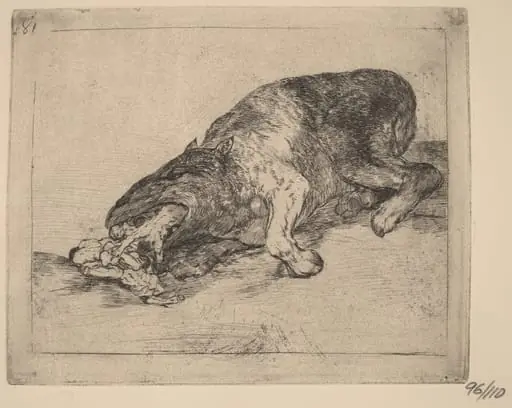 Fiero monstruo! (Fierce Monster!)
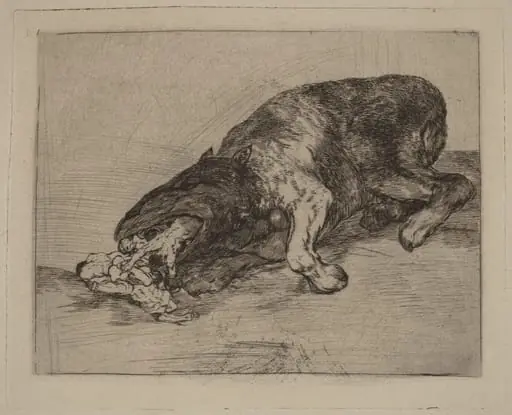 Fiero monstruo! (Fierce Monster!)
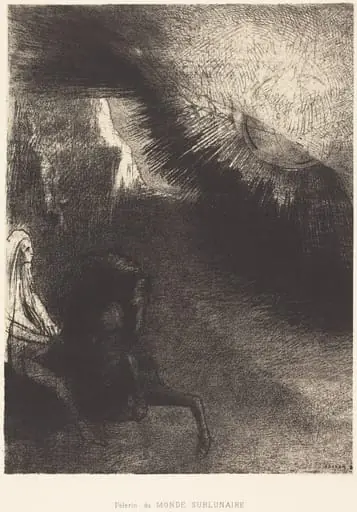 Pélerin du monde sublunaire (Pilgrim of the sublunary world)
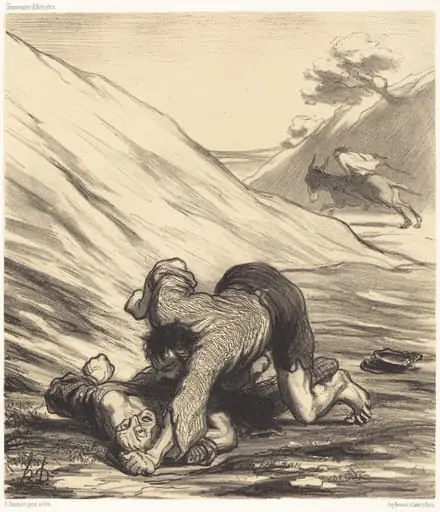 L'Ane et les deux voleurs
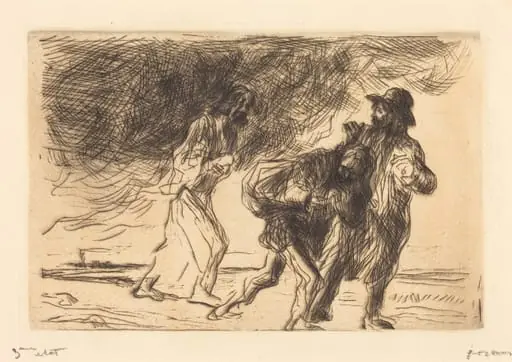 La route d'Emmaüs (1ère planche) (The Road to Emmaus) (first plate)
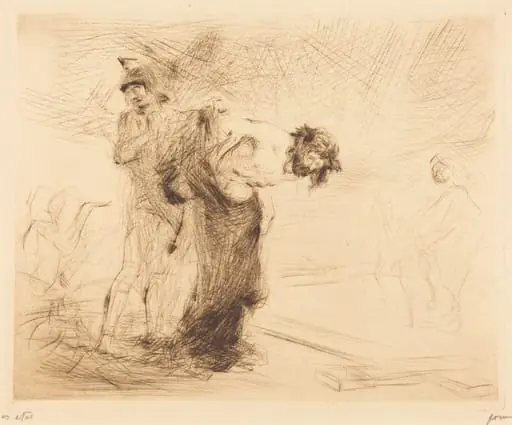 Le Christ dépouillé de ses vêtements (Christ Stripped of His Clothes)
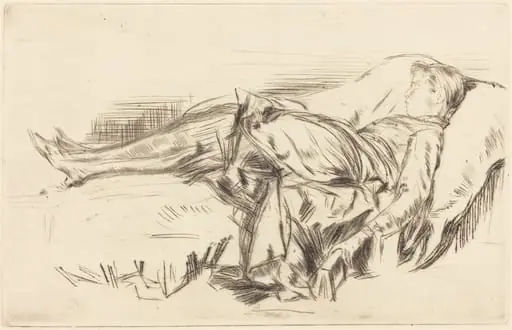 A Child on a Couch, No.2
 Joseph und Potiphars Weib I (Joseph and Potiphar's Wife I)
 Frauenräuber (Rape)
 The Dog on the Kennel