Artwork
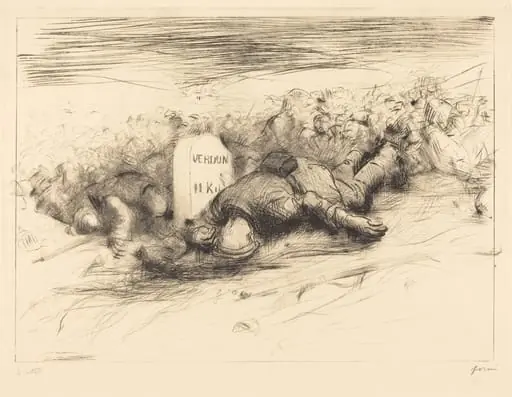
The End - Verdun
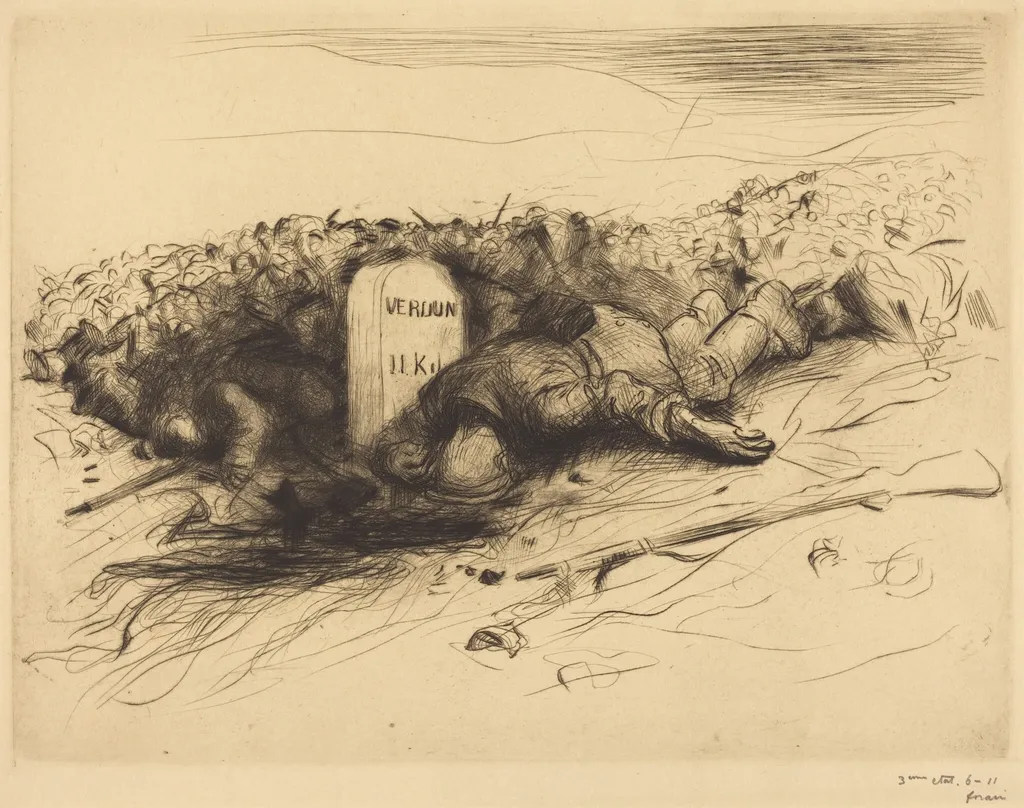
The End - Verdun is an ink print by Jean-Louis Forain. It dates from 1916 and is held in the collection of the National Gallery of Art.
About this work
Overview
The End - Verdun is a print created by French artist Jean-Louis Forain around 1916, utilizing drypoint and etching techniques on wove paper. Executed during World War I, the work reflects the artist's exploration of the medium alongside his established practice in other art forms.
Subject & Meaning
The print depicts a somber, war-torn scene, likely referencing the aftermath of conflict, specifically alluding to the Battle of Verdun. The composition conveys profound sadness and loss, encapsulating the melancholic mood prevalent during World War I.
Technique & Style
Forain employed drypoint and etching to achieve a palette of dark tones, complemented by simple, expressive lines. This technical approach effectively communicates the emotional weight and somberness of the subject matter.
History & Provenance
Created circa 1916, The End - Verdun marks one of Forain's works from a period when his focus began to include war-themed subjects, reflecting the broader artistic response to World War I. Specific provenance details are not provided.
Context
The piece is situated within the broader artistic movement responding to World War I, where many artists shifted their focus towards depicting the war's impact. Forain's use of drypoint, in particular, highlights the medium's suitability for conveying the era's somber mood.
Legacy
While specific legacy details of The End - Verdun are not outlined, the work contributes to the broader legacy of World War I-inspired art, influencing subsequent generations of artists in depicting conflict and its aftermath.
Own this work as a print
Artist & collection

Artist
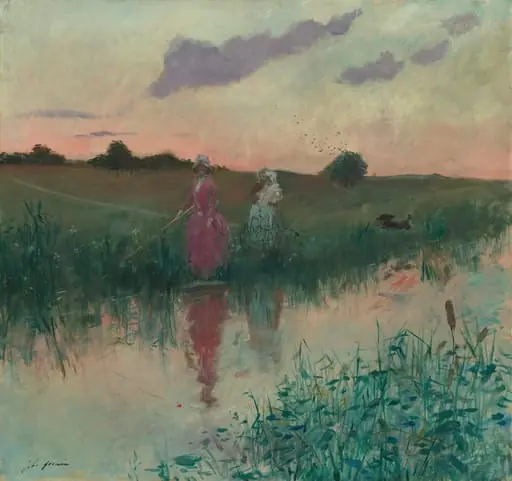
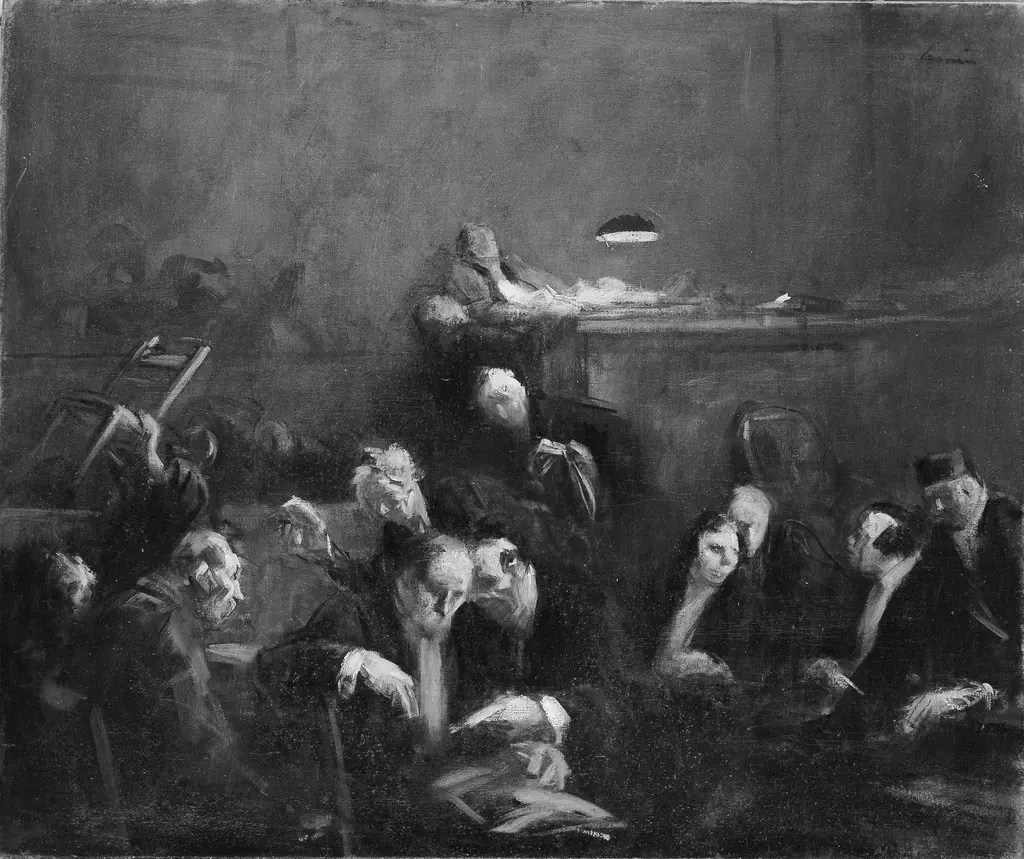
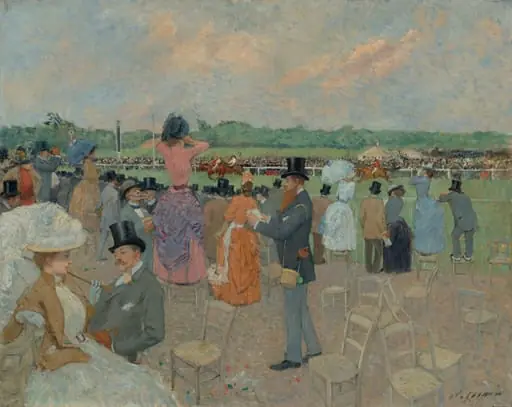
Jean-Louis Forain (French pronunciation: ; 23 October 1852 – 11 July 1931) was a French Impressionist painter and printmaker, working in media including oils, watercolour, pastel, etching and lithograph.

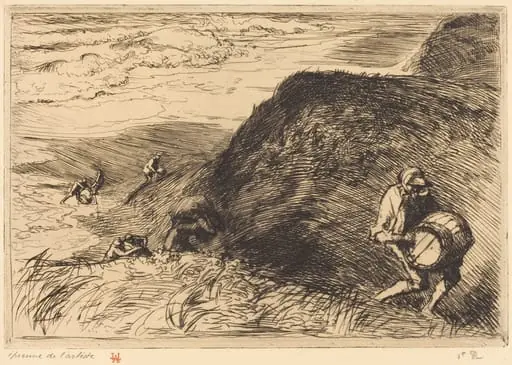 Wreckers, Saint-Jean-de-Monts (Pilleurs d'epaves, Saint-Jean-de-Monts)
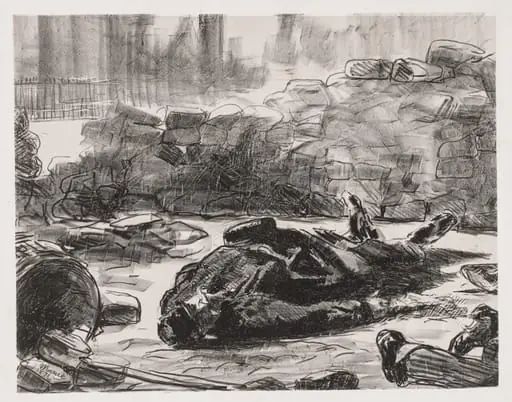 Civil War (Scene of the Commune of Paris)
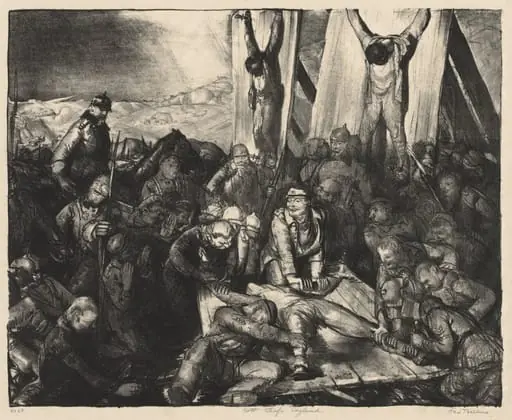 War Series: Gott Strafe, England
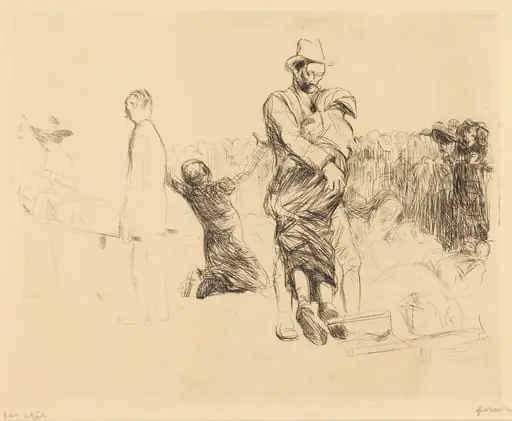 Lourdes, transport des paralysées (Lourdes, Transport of the Paralyzed)
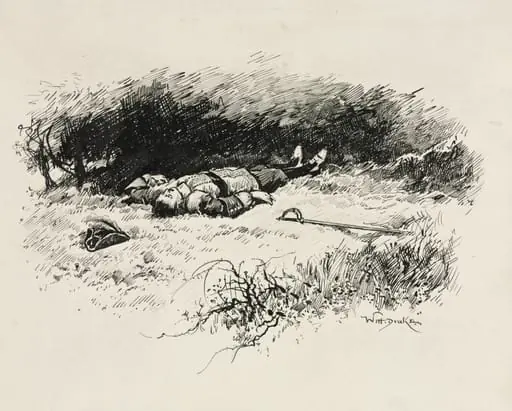 Tail Piece for Chapter XXI from "Lorna Doone"
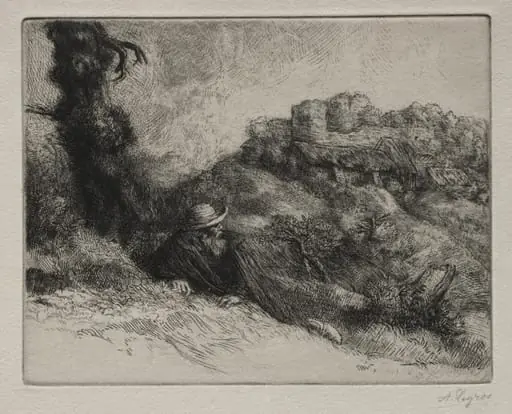 Le Châteaux des Revenants
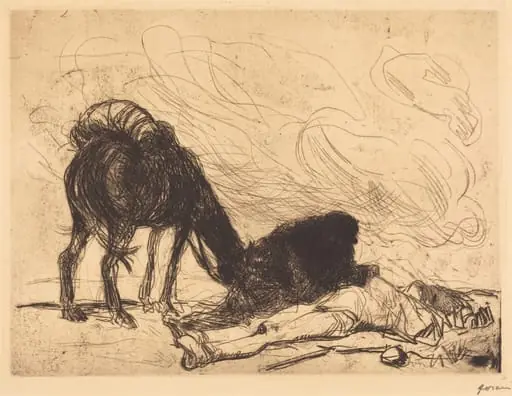 Le bon samaritain (The Good Samaritan)
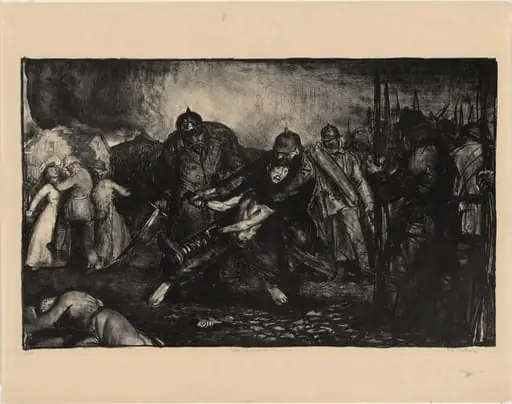 The Germans Arrive
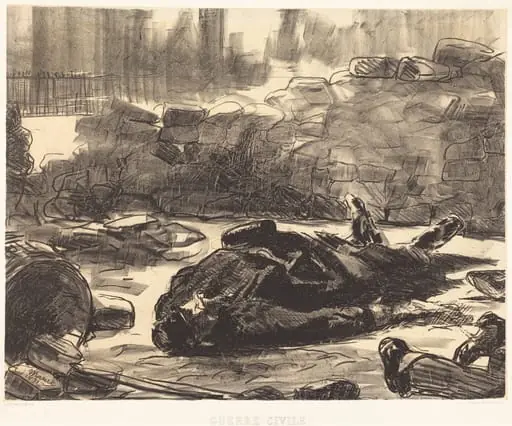 Civil War (Guerre civile)
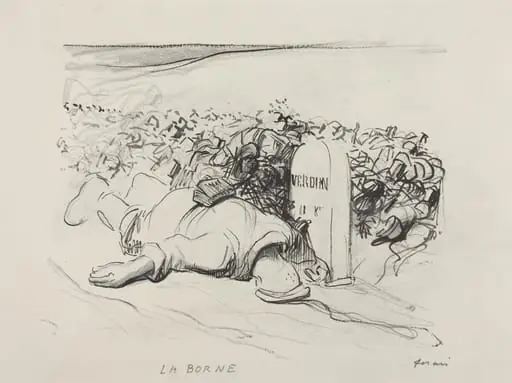 a) La Borne, Verdun (recto); b) Wounded Soldier and First-Aid Man (verso)
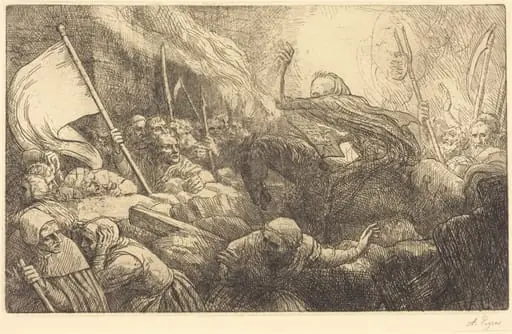 The Triumph of Death: Proclamation (Le triomphe de la mort: La proclamation)
 La Borne - Verdun (The End - Verdun)