Artwork
Artillerie du Diable (The Devil's Artillery)
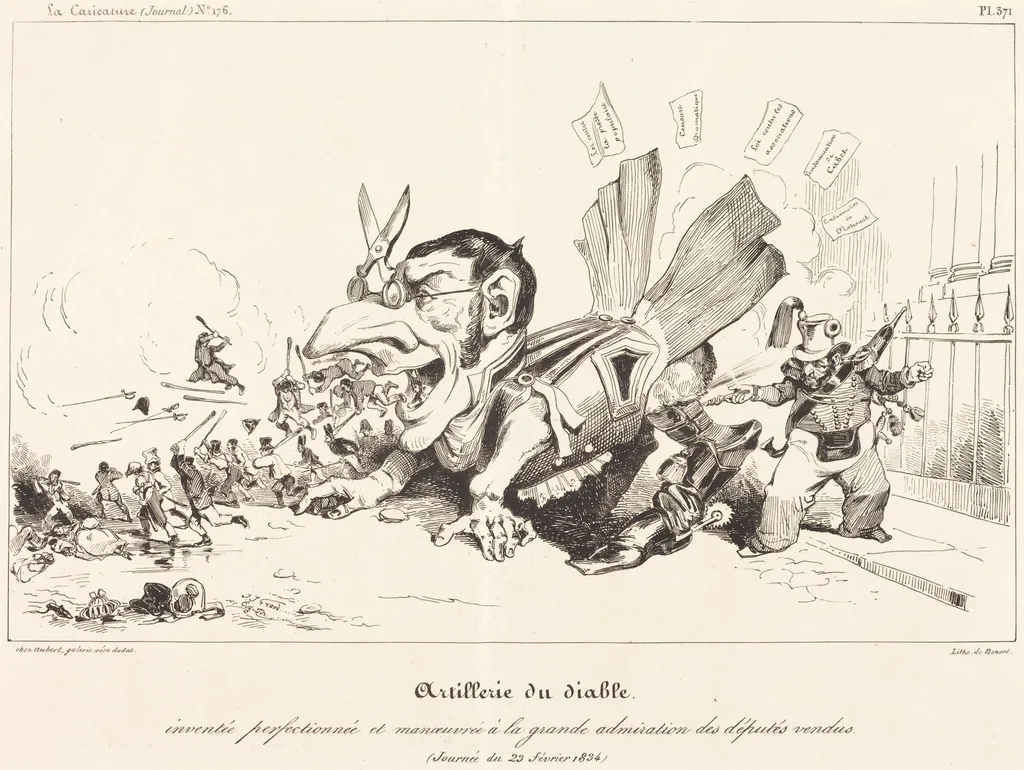
Artillerie du Diable (The Devil's Artillery) is an ink print by the Romanticist artist Eugène-Hippolyte Forest. It dates from 1834 and is held in the collection of the National Gallery of Art. Eugène‑Hippolyte Forest’s lithograph *Artillerie du Diable* dates from 1834.
About this work
Overview
” The composition is crowded with uniformed soldiers in various states of distress, while a diminutive top‑hat figure gestures toward the chaos.
Eugène‑Hippolyte Forest’s lithograph *Artillerie du Diable* dates from 1834. Executed on stone, the print presents a tumultuous tableau dominated by a grotesque central figure wielding oversized scissors and a banner emblazoned with the French terms “La censure” and “L’imagination.” The composition is crowded with uniformed soldiers in various states of distress, while a diminutive top‑hat figure gestures toward the chaos.
Subject & Meaning
The monstrous central character functions as an allegorical embodiment of oppressive forces, suggested by the title’s reference to “the Devil’s artillery.” The juxtaposition of censorship and imagination on the flag implies a critique of authoritarian control over creative expression, while the scattered troops convey the disorder such power engenders.
Technique & Style
Forest employs the lithographic process to achieve bold, fluid lines and stark contrasts. The drawing’s irregular contours and exaggerated facial features heighten its satirical tone, while the use of dense cross‑hatching creates a sense of movement and turmoil within the crowded scene.
History & Provenance
Created in the early 1830s, the print emerges from a period of heightened political agitation in France. Although specific ownership records are scarce, the work has been catalogued in several 19th‑century collections of political caricature, reflecting its contemporary relevance as a visual protest.
Context
The 1830s witnessed intense debates over press freedom and state censorship in post‑Napoleonic France. Forest’s image aligns with the broader tradition of French satirical prints that used allegory and grotesque imagery to comment on the tension between governmental authority and artistic liberty.
Legacy
*Artillerie du Devil* remains a representative example of early political lithography, illustrating how the medium could convey sharp social commentary. Its visual vocabulary of monstrous allegory and symbolic banners continues to inform studies of 19th‑century French protest art.
Artist & collection


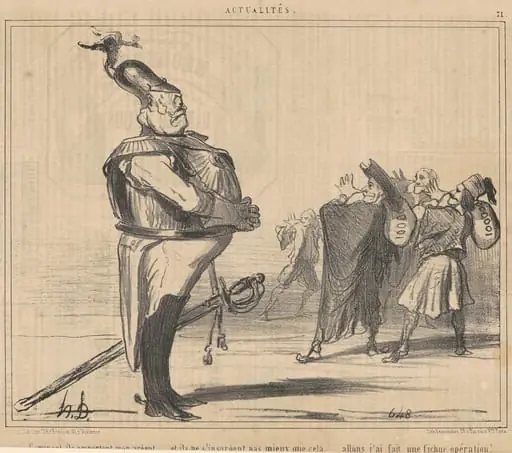 Comment, ils emportent mon argent ...
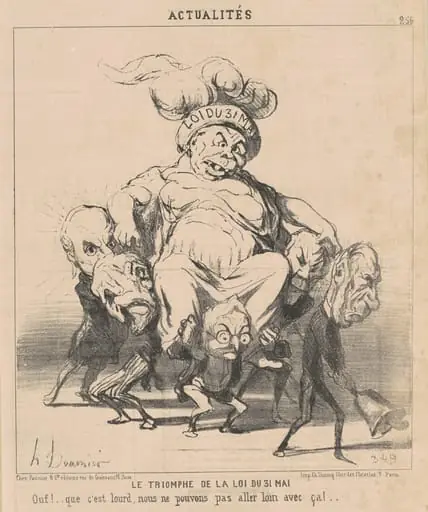 Le triomphe de la loi du 31 Mai
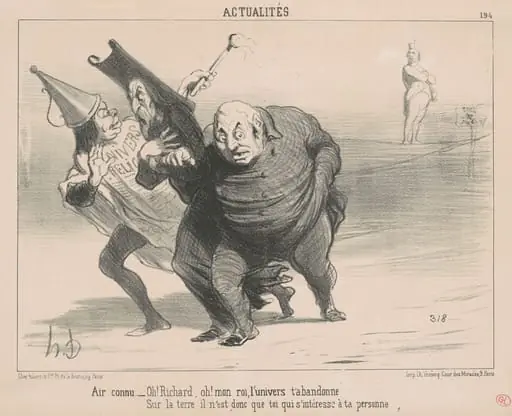 Air connu: Oh! Richard, Oh! Mon roi ...
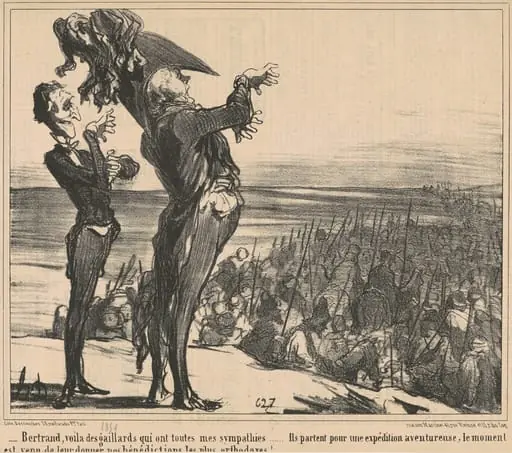 Bertrand, voila des gaillards ...
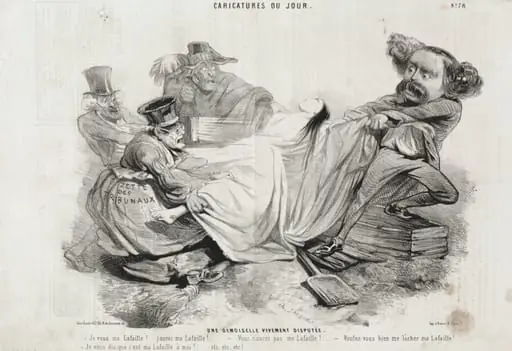 An Intensely Contested Young Woman
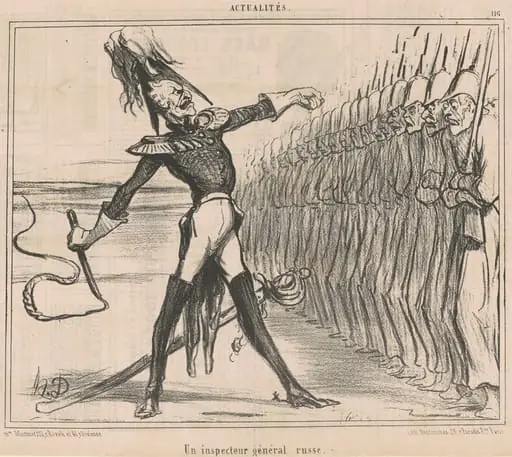 Un inspecteur général russe
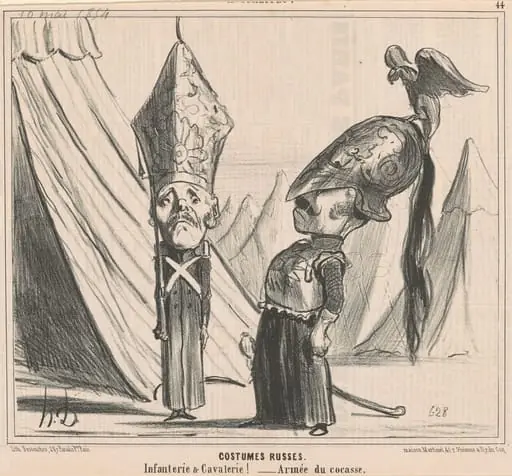 Costumes russes
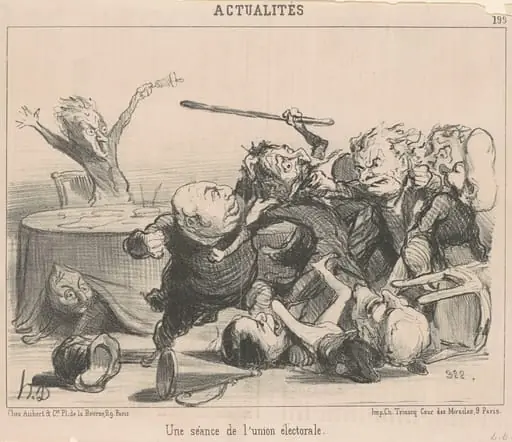 Une séance de l'union électorale
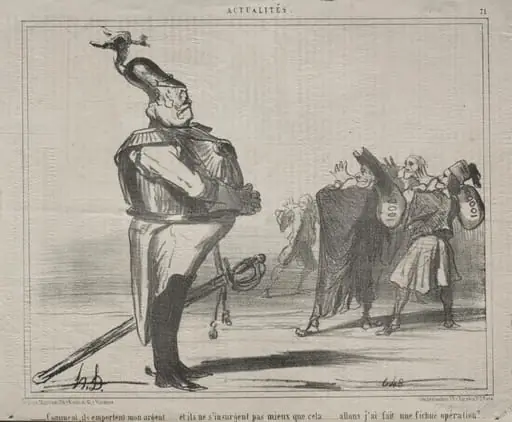 Why are they taking away my money...
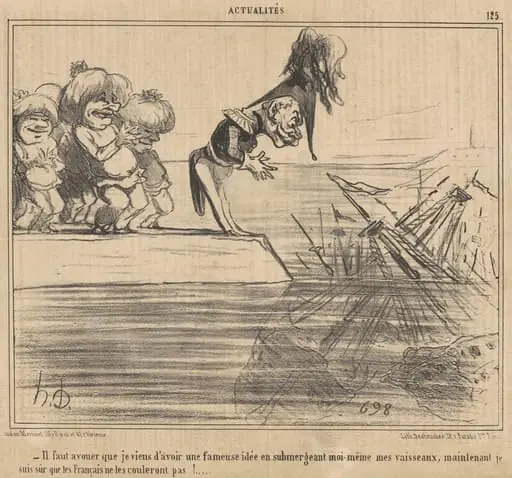 Il faut avouer que je viens d'avoir une ...
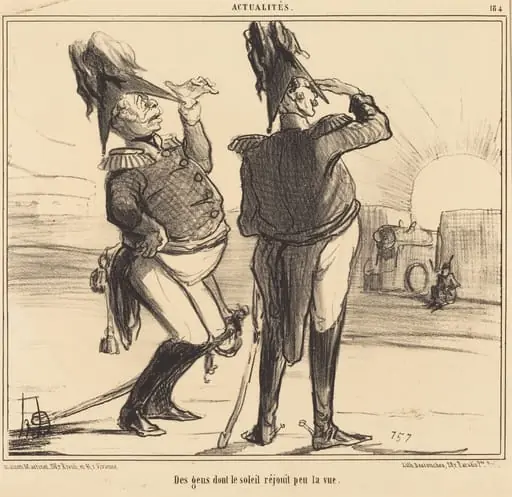 Des gens dont le soleil réjouit peu la vue
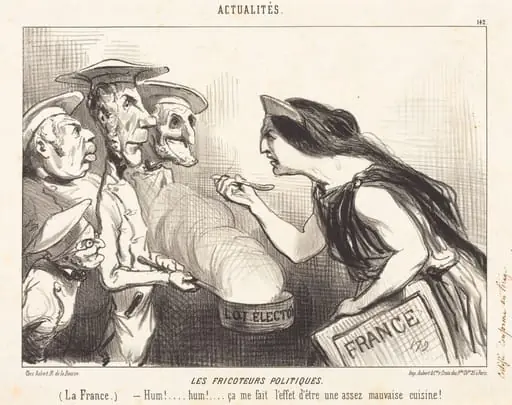 Les Fricoteurs politiques