Artwork
Thebaid
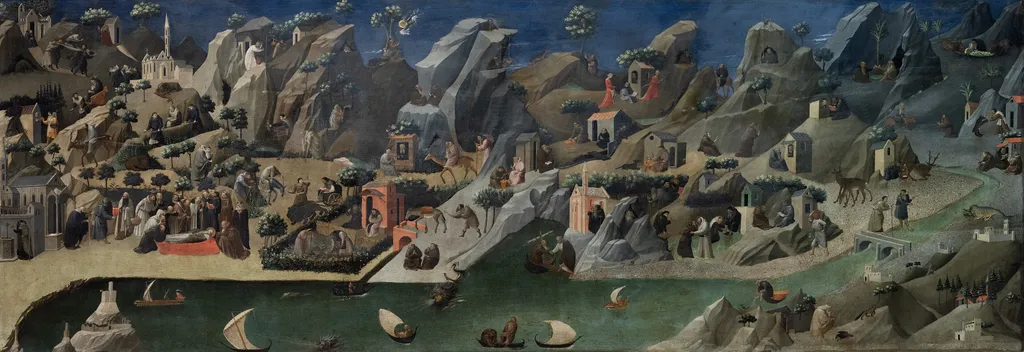
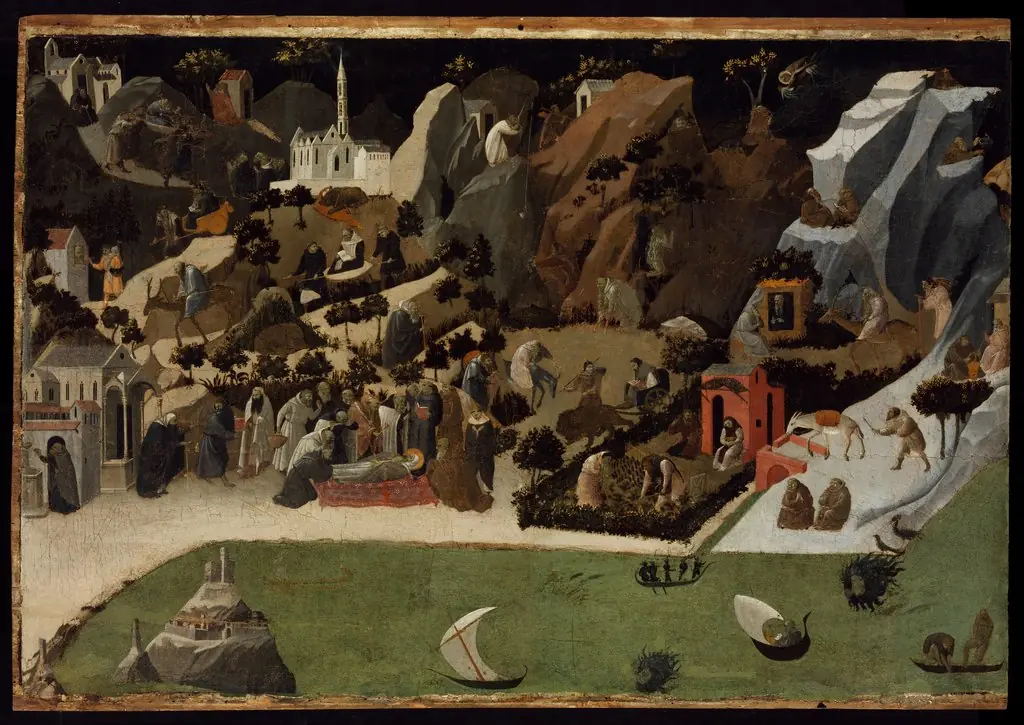
Thebaid is a tempera painting by the High Renaissance artist Fra Angelico. It dates from 1420 and is held in the collection of the Uffizi Gallery.
About this work
Overview
Though often associated with the early Renaissance, it predates the High Renaissance and belongs to the transitional phase of Florentine painting.
Created around 1420, *Thebaid* is a tempera painting by the Dominican friar Fra Angelico, reflecting his devotion to spiritual themes. Though often associated with the early Renaissance, it predates the High Renaissance and belongs to the transitional phase of Florentine painting. The work is part of the Uffizi Gallery’s collection, where it remains a quiet example of monastic artistic practice in 15th-century Italy.
Subject & Meaning
The painting illustrates scenes from the lives of early Christian hermits in the Egyptian desert, known as the Thebaid. It depicts ascetics in contemplation, prayer, and solitude amid rugged terrain, emphasizing withdrawal from worldly life. Small narrative episodes—such as a reclining figure or mounted travelers—suggest episodes from hagiographic texts, inviting meditative reflection rather than dramatic spectacle.
Technique & Style
Fra Angelico employed tempera on panel, a traditional medium that allowed for fine detail and luminous, muted tones. His composition arranges multiple vignettes across a panoramic landscape, blending naturalistic elements like trees and rivers with stylized architecture. The palette—dominated by earthy browns, grays, and greens—enhances the contemplative mood, with subtle accents of red and blue guiding the viewer’s eye.
History & Provenance
The painting likely originated as part of a devotional sequence for a Dominican community, possibly linked to the convent of San Marco in Florence. While its early ownership is undocumented, it entered the Uffizi collection in the 19th century, having been preserved through centuries of monastic and civic stewardship. Its survival reflects the enduring value placed on religious art within Florentine institutions.
Context
In early 15th-century Florence, religious painting served both liturgical and instructional purposes. Fra Angelico’s work emerged alongside the rise of humanist thought, yet retained medieval conventions of narrative sequencing and symbolic space. His patronage by the Medici family underscores the intersection of piety and political influence, as religious imagery reinforced moral ideals among the elite.
Legacy
Though less celebrated than his frescoes, *Thebaid* exemplifies Fra Angelico’s ability to convey spiritual depth through restrained composition. It influenced later monastic painters and remains a key reference for understanding how early Renaissance artists balanced narrative complexity with meditative stillness. Its preservation in the Uffizi ensures continued scholarly attention to devotional art of the period.
Own this work as a print
Artist & collection
Artist
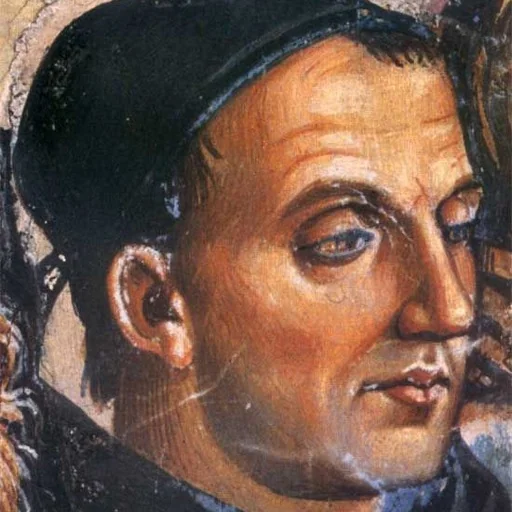
Fra Giovanni da Fiesole (born Guido di Pietro; c. 1395 – 18 February 1455), known posthumously as Fra Angelico ( FRAH an-JEL-ik-oh, Italian: ), was an Italian Dominican friar and painter active during the early…

 The Adventures of Ulysses
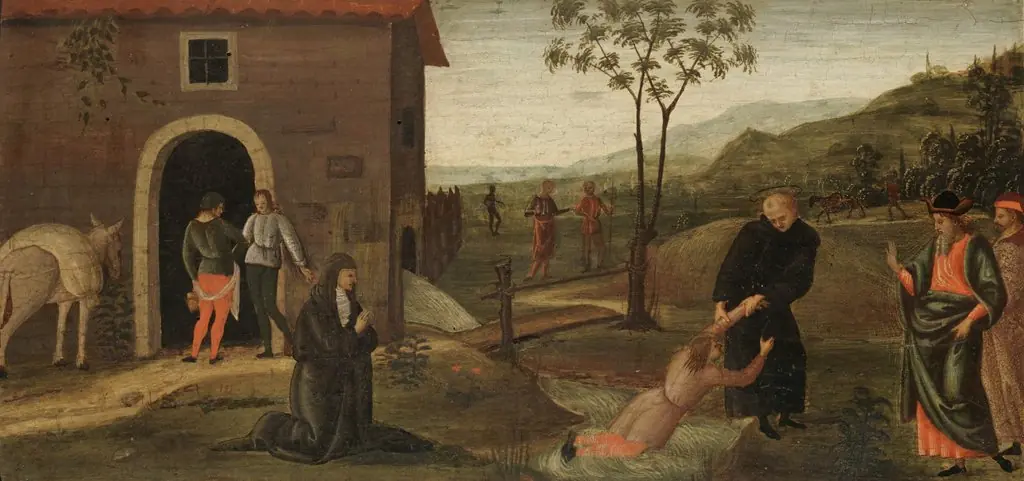 Saint Nicholas of Tolentino Rescuing a Boy from Drowning
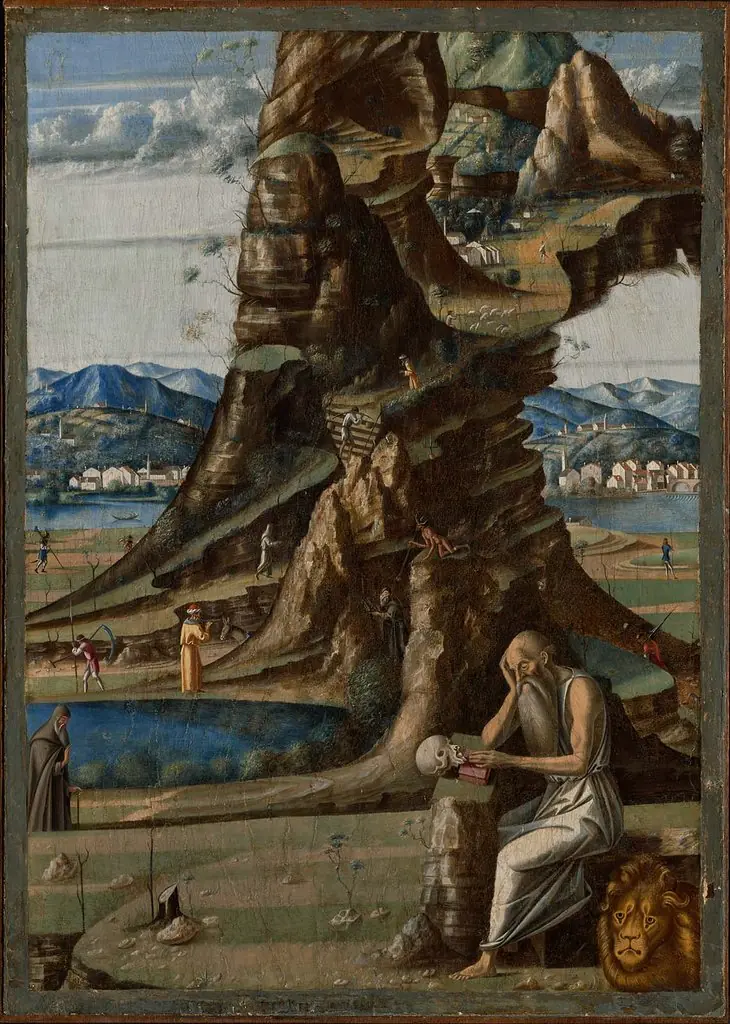 Saint Jerome in the Wilderness
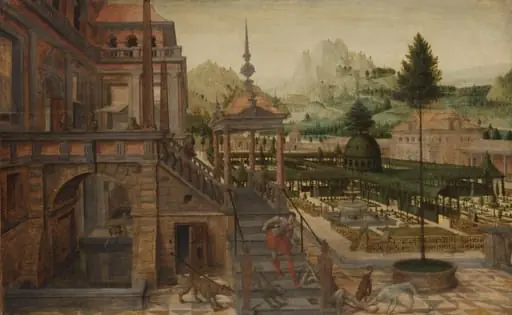 Palace Gardens with Poor Lazarus in the foreground
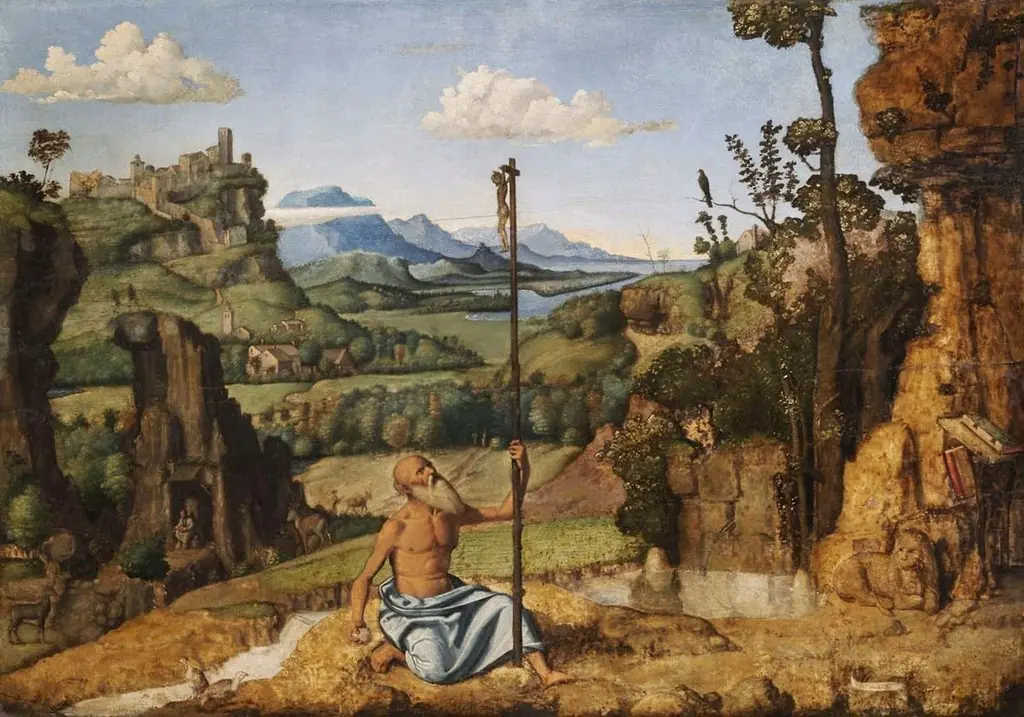 The Penitent St Jerome in the Wilderness
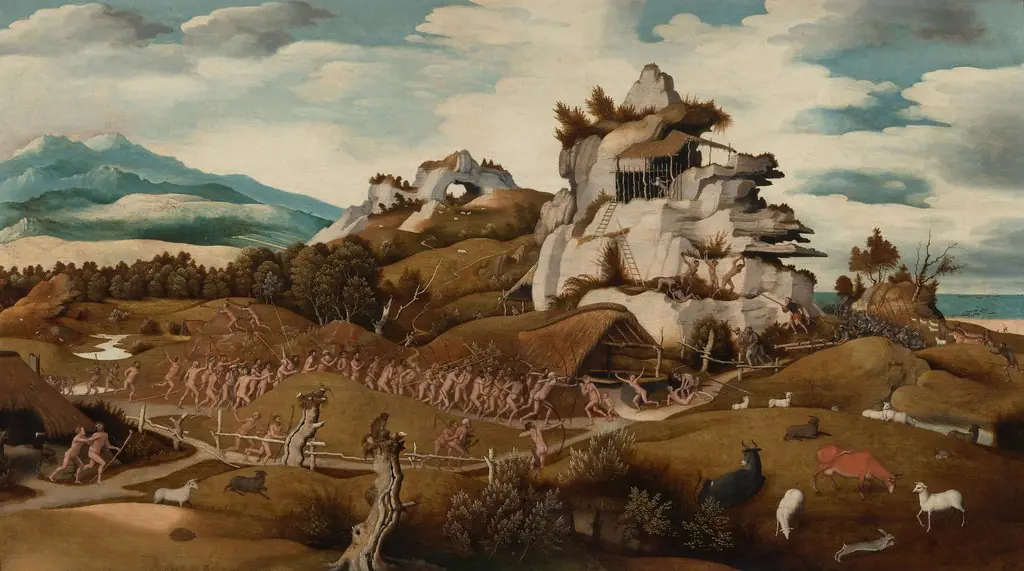 Landscape with a Scene of the Conquest of America
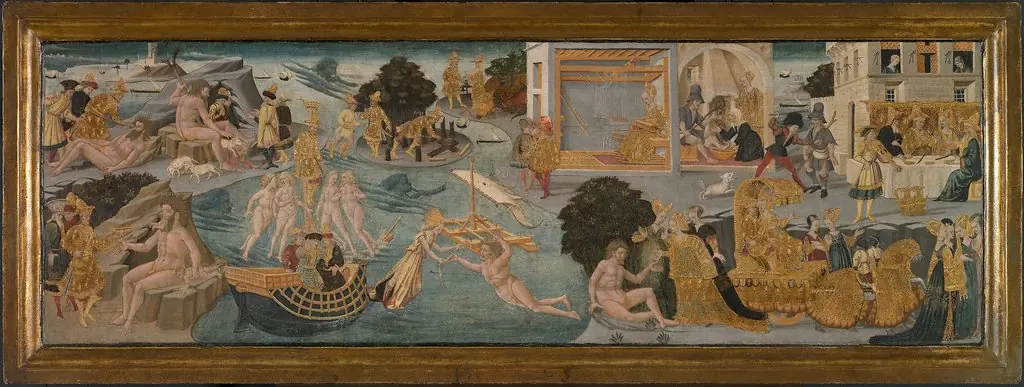 The Adventures of Ulysses
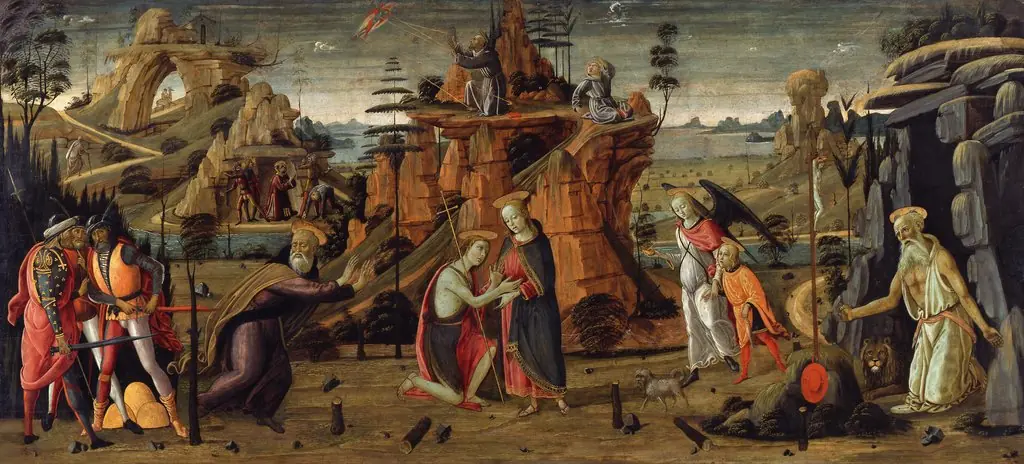 Landscape with biblical scenes and scenes from the legends of saints
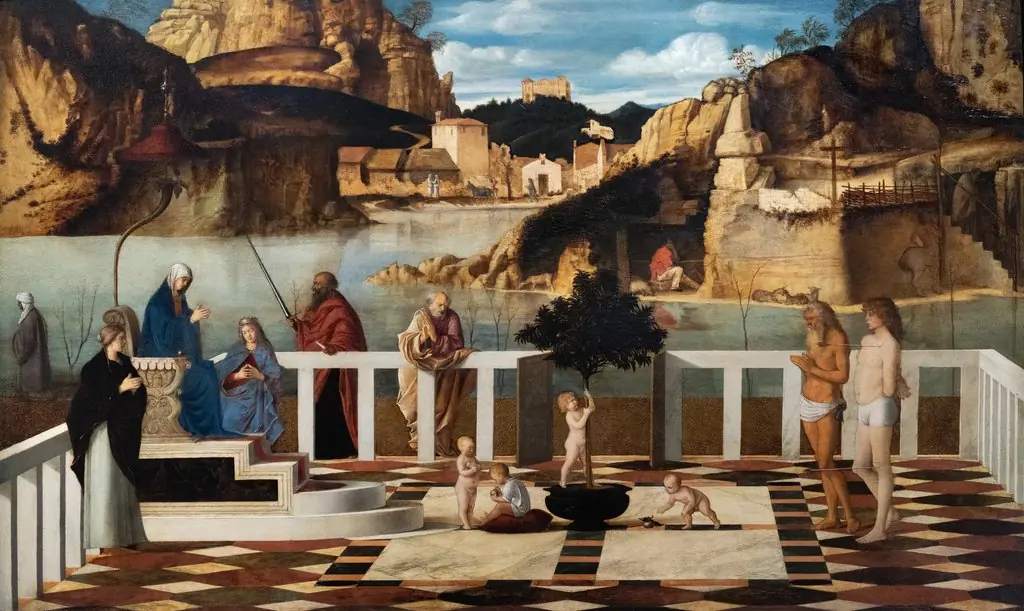 Holy Allegory
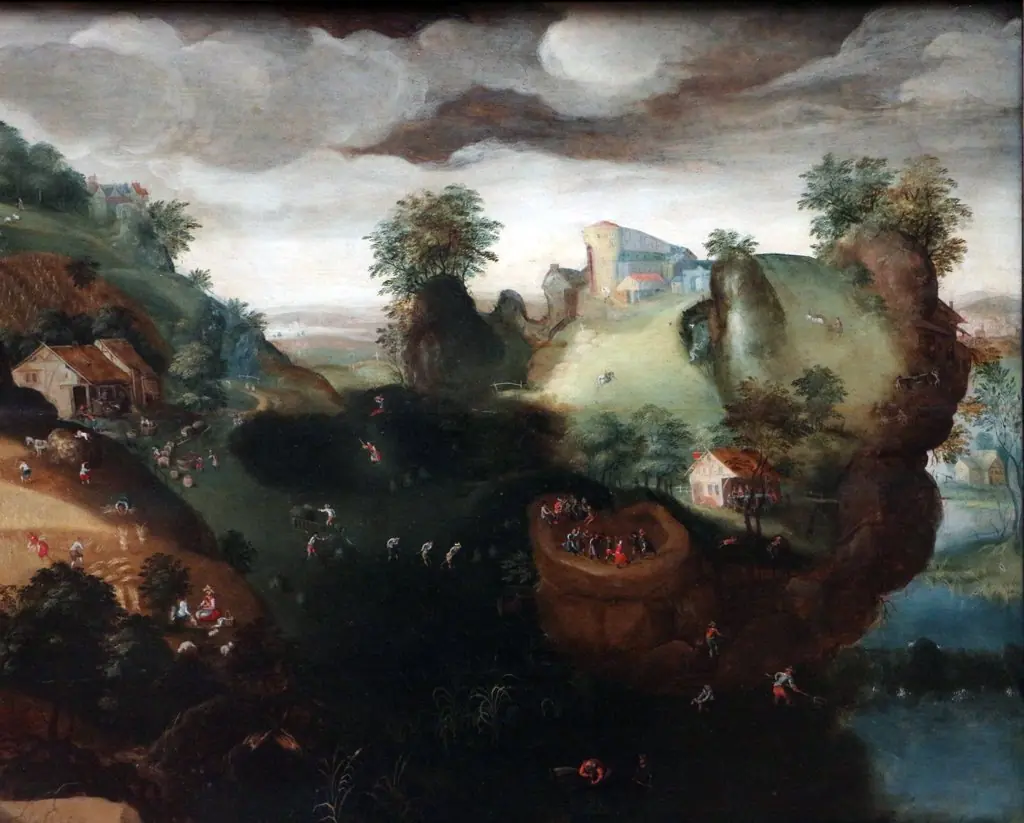 Antropomorf landschap - mannenportret
 The Stag Hunt of the Elector Frederic the Wise (1463-1525) of Saxony
 Scenes from the Lives of the Desert Fathers (Thebaid)