Artwork
Nature morte aux asperges
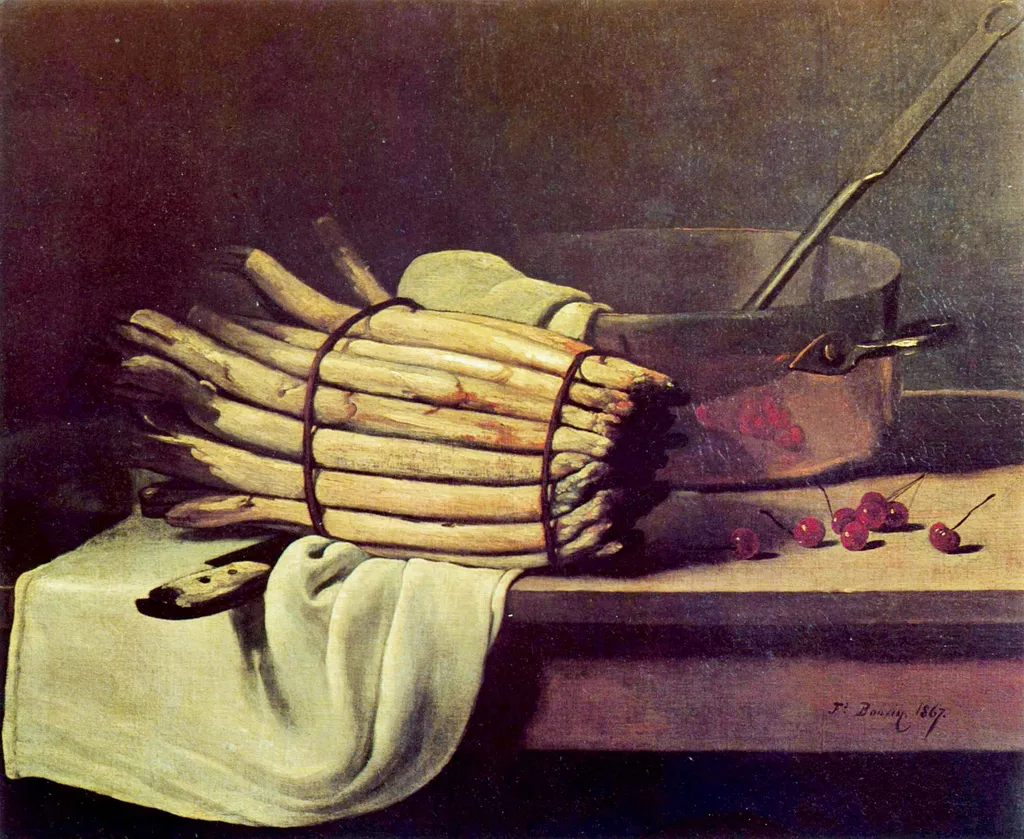
Nature morte aux asperges is an oil painting by the Realist artist François Bonvin. It dates from 1867 and is held in the collection of the Kröller-Müller Museum.
About this work
Overview
The work resides in the Kröller-Müller Museum, where it exemplifies Bonvin’s commitment to depicting ordinary domestic scenes with sincerity.
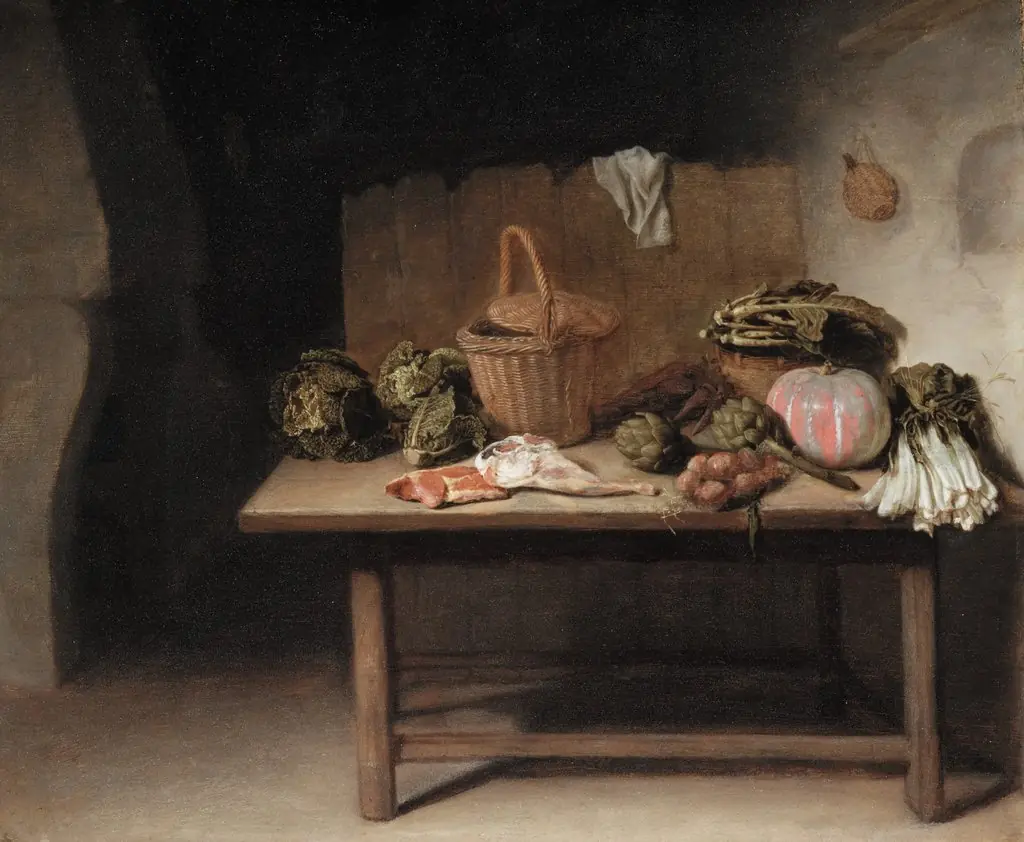
Painted in 1867, Nature morte aux asperges is an oil-on-canvas still life by French artist François Bonvin. It presents a modest arrangement of everyday objects: a bundle of asparagus, a copper vessel, cherries, a knife, and a draped cloth. The composition is restrained, avoiding theatricality in favor of quiet observation. The work resides in the Kröller-Müller Museum, where it exemplifies Bonvin’s commitment to depicting ordinary domestic scenes with sincerity.
Subject & Meaning
The painting centers on humble kitchen items—fresh asparagus, ripe cherries, a utilitarian pot, and a simple knife—arranged with no apparent narrative. These objects suggest the quiet rhythms of domestic life, possibly reflecting the artist’s interest in the labor and simplicity of the working class. The absence of grandeur or symbolism invites contemplation of the ordinary, elevating the mundane through careful attention rather than narrative drama.
Technique & Style
Bonvin employs chiaroscuro to model form and create spatial depth, with soft transitions between light and shadow. The asparagus and copper pot catch ambient light, their surfaces rendered with subtle texture—rough stalks, polished metal, glossy fruit. The white cloth folds naturally, hinting at weight and fabric. Brushwork is precise yet unobtrusive, avoiding flourish in favor of quiet realism that emphasizes tactile presence over decorative effect.
History & Provenance
Created in 1867, the painting remained in private hands until it entered the Kröller-Müller collection in the early 20th century. Helene Kröller-Müller, a discerning collector of 19th-century French art, acquired it as part of her broader interest in Realist and Naturalist painters. Its inclusion in the museum’s permanent holdings reflects its significance as a representative work of Bonvin’s mature style and the era’s shift toward intimate, unidealized subjects.
Context
In mid-19th-century France, artists increasingly turned from historical or mythological themes to scenes of everyday life. Bonvin, influenced by the Realist movement and contemporaries like Courbet, focused on the quiet dignity of common objects and settings. This painting aligns with a broader cultural interest in authenticity and the aesthetics of the ordinary, emerging alongside photography’s rise and changing attitudes toward art’s purpose.
Legacy
Nature morte aux asperges endures as a quiet testament to Bonvin’s skill in transforming the mundane into a subject worthy of sustained attention. While not widely known outside specialist circles, it exemplifies the quiet power of Realist still life—free from sentimentality, grounded in observation. Its presence in a major museum collection affirms its role in the evolution of modern still life painting toward psychological and sensory immediacy.
Own this work as a print
Artist & collection

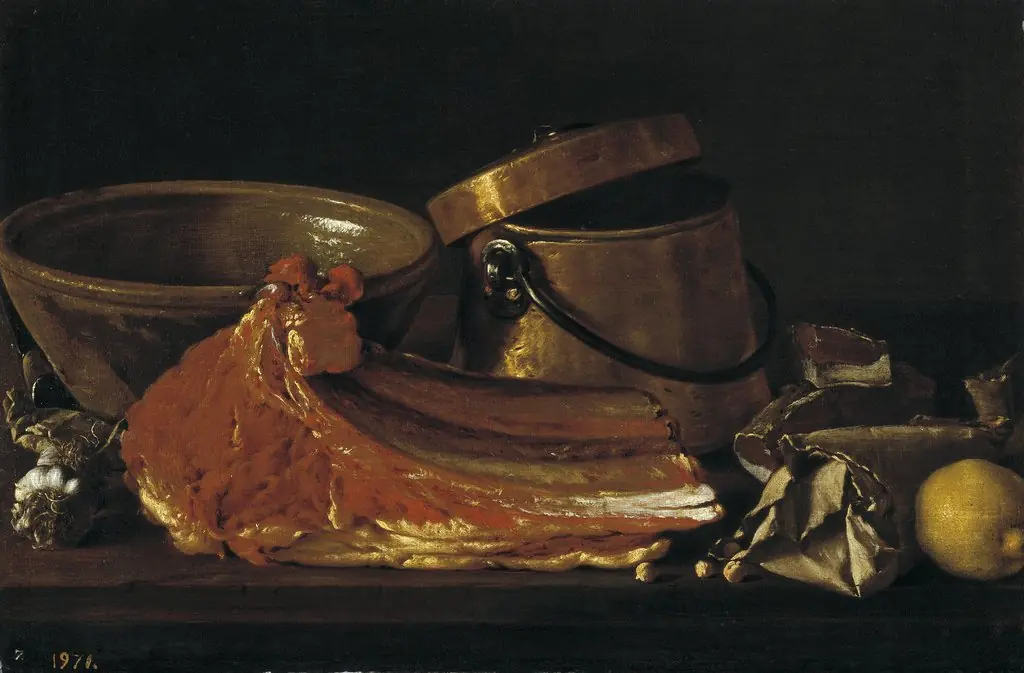 Bodegón con chuletón condimentos y recipientes
 Bodegones
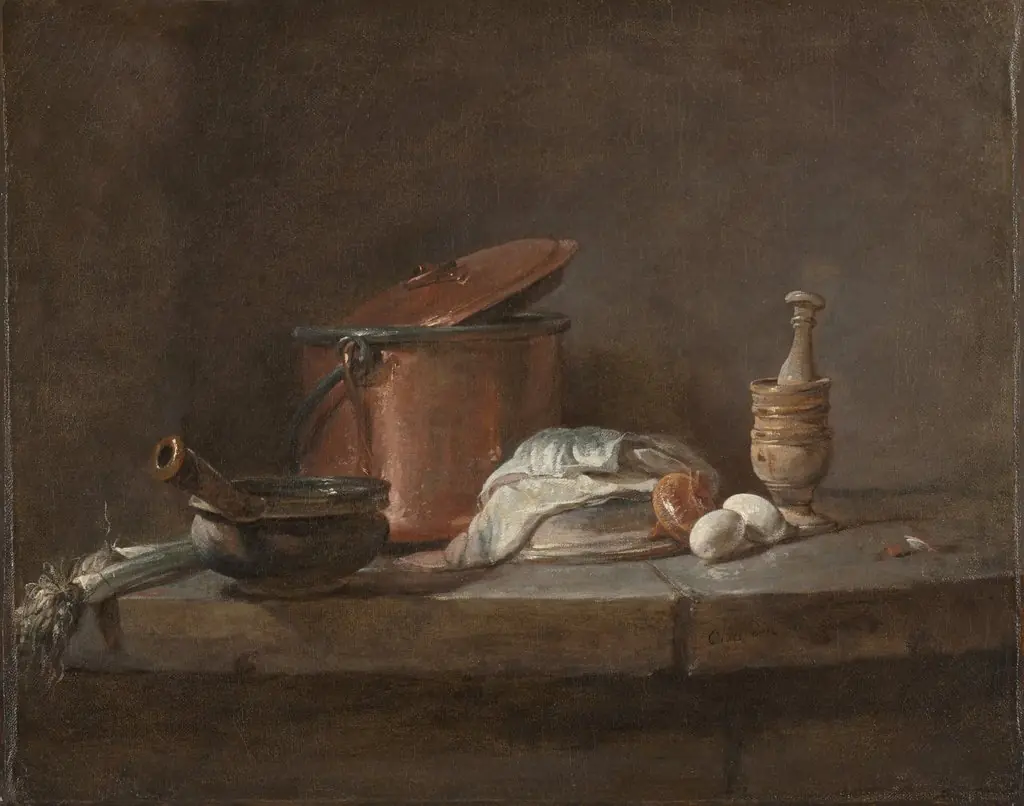 Kitchen Utensils with Leeks, Fish, and Eggs
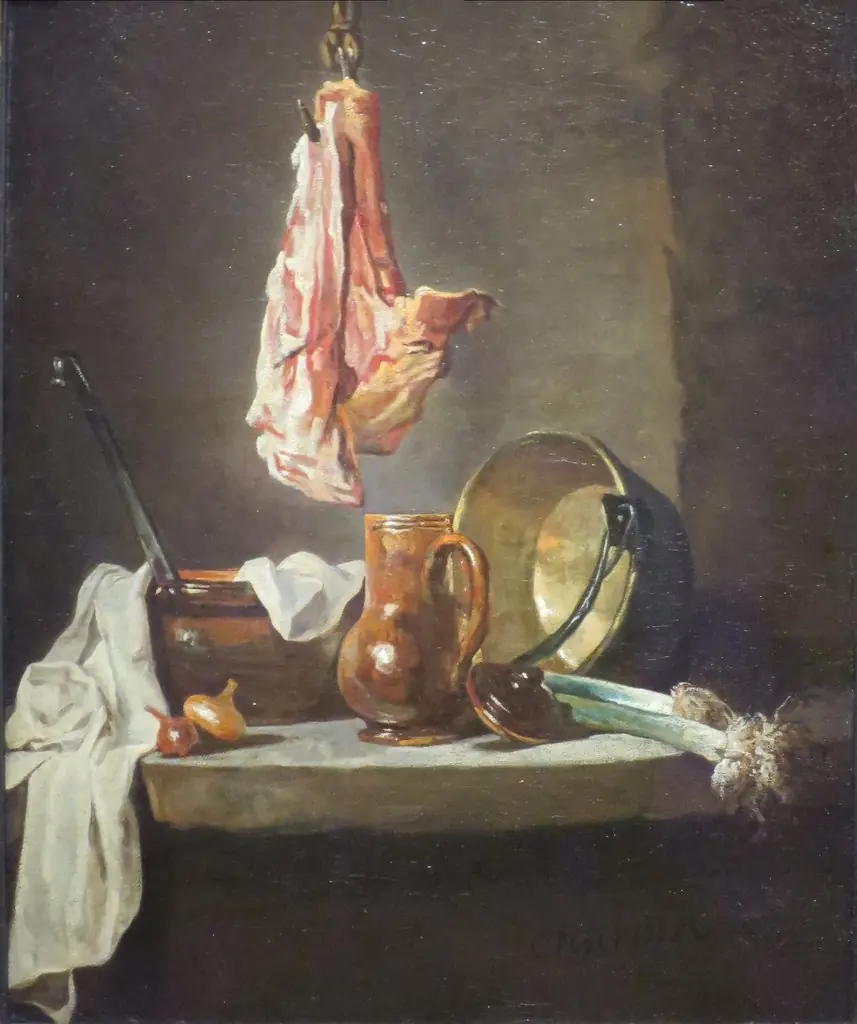 Still Life with Cooking Utensils
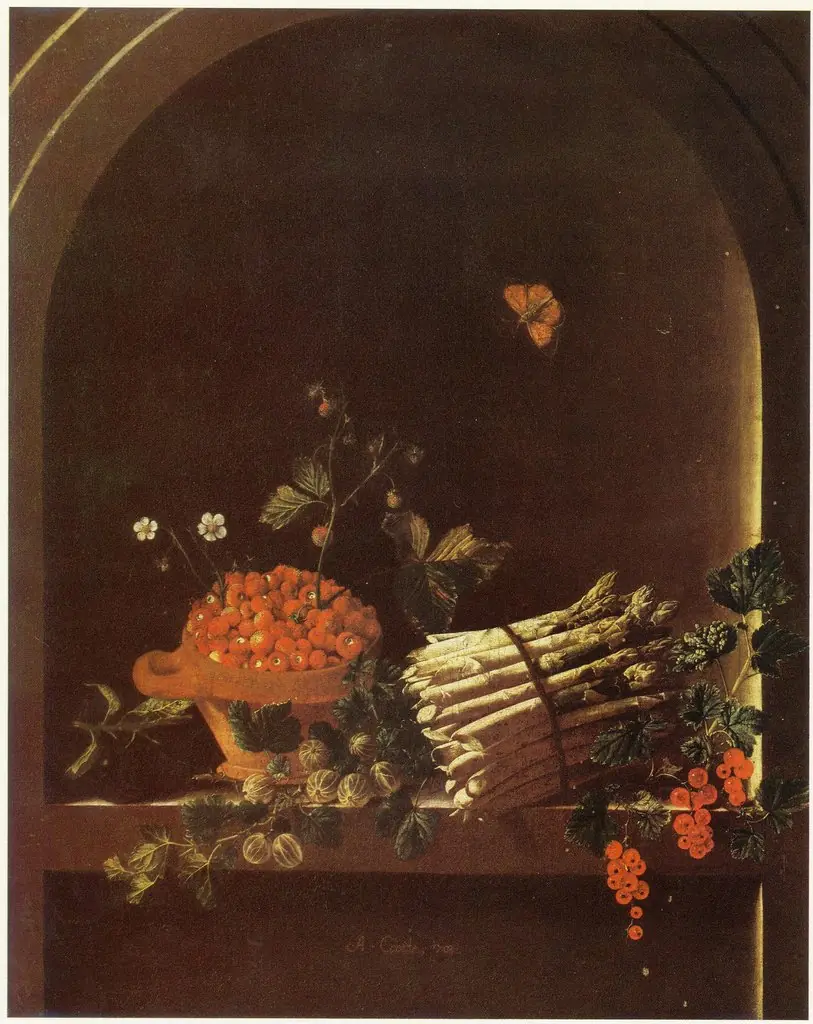 Still Life with Fruit and Asparagus
 Kitchen Utensils with Leeks, Fish, and Eggs
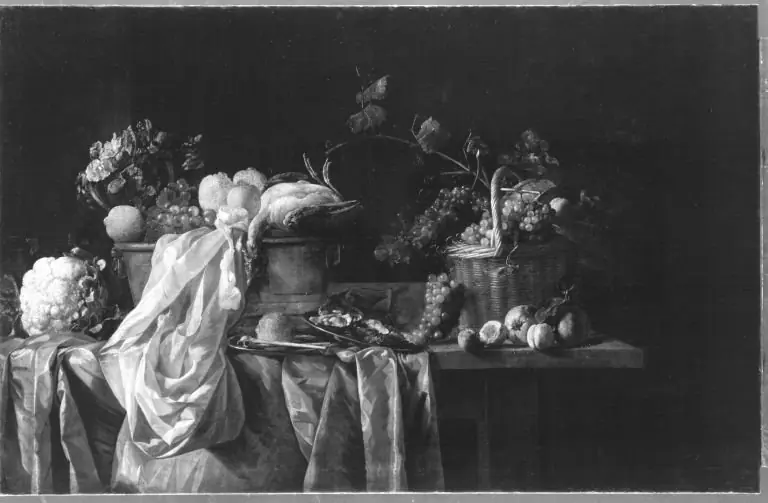 Früchtestück
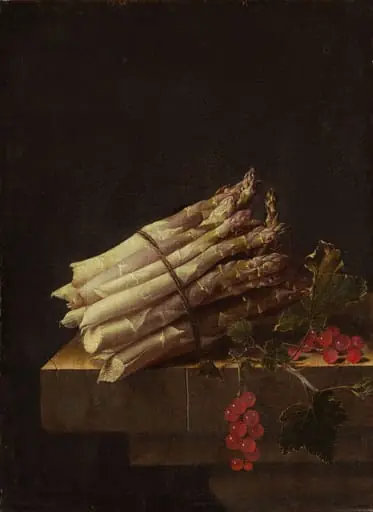 Still Life with Asparagus and Red Currants
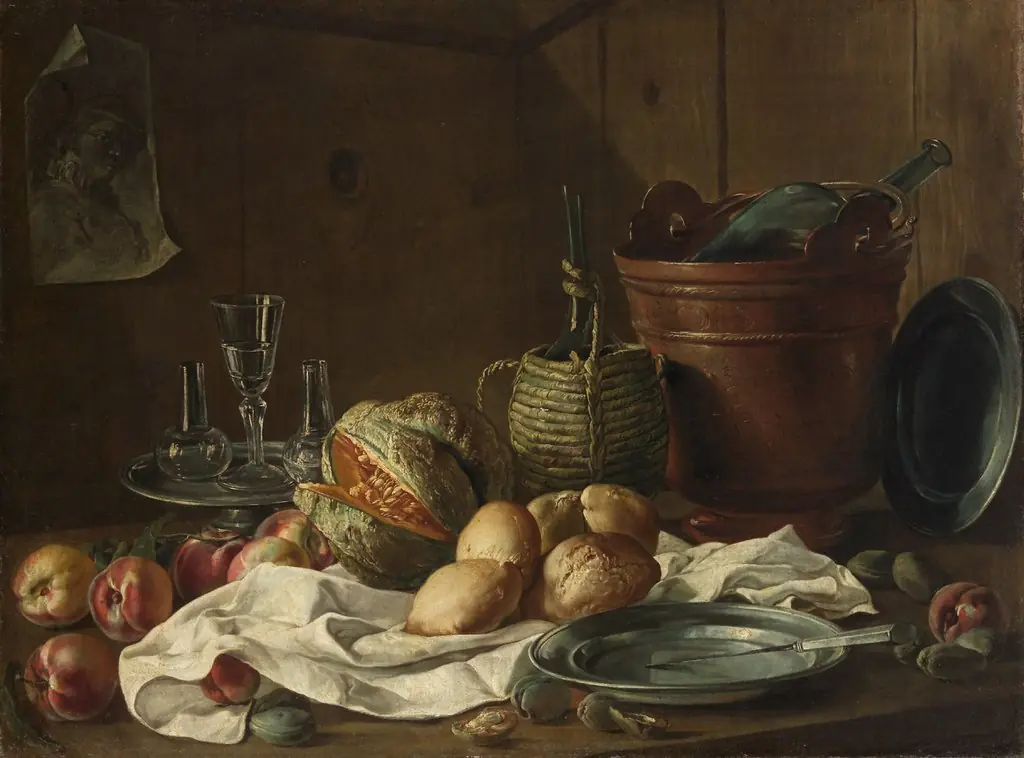 Früchtestilleben
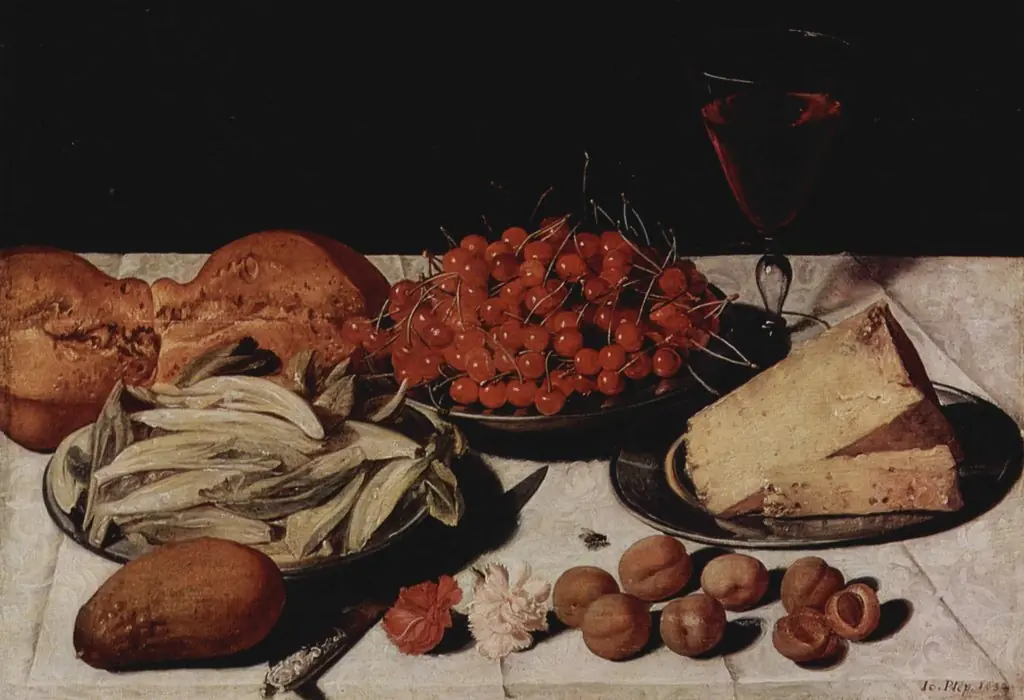 Still Life
 Interior with a Still Life on a Work Table