Artwork
The Cathedral of Seville
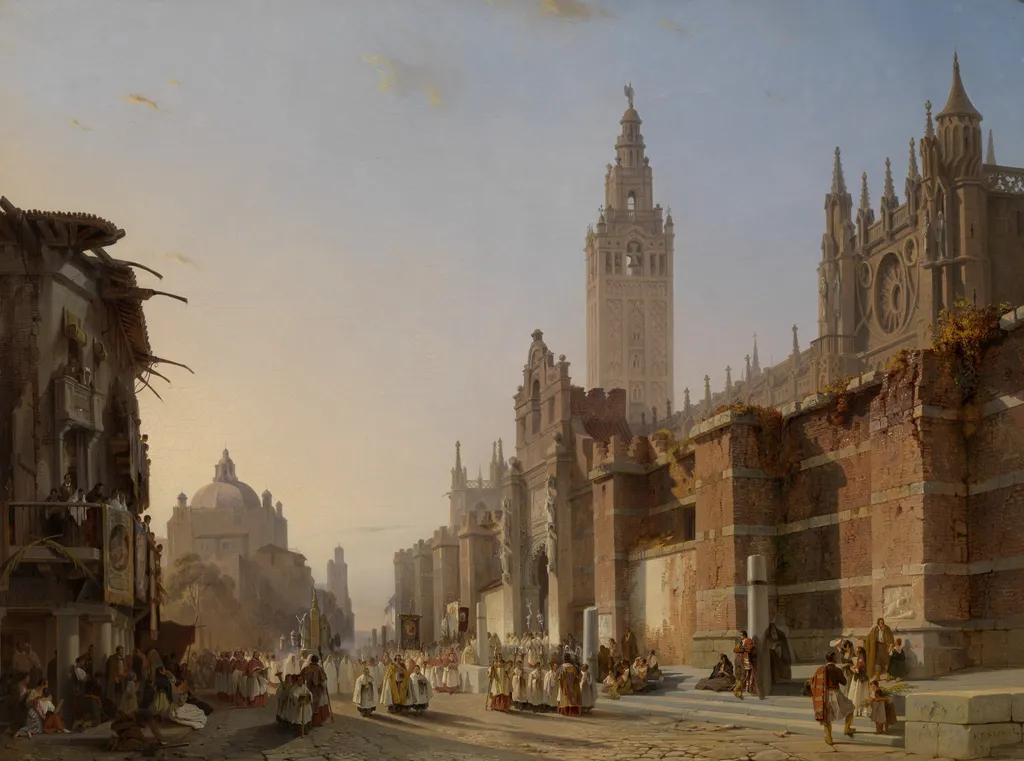
The Cathedral of Seville is an oil painting by François Bossuet. It dates from 1843 and is held in the collection of the Royal Museum of Fine Arts Antwerp.
About this work
Overview
It resides in the Royal Museum of Fine Arts Antwerp, part of a broader 19th-century European interest in sacred architecture as a subject of contemplative art.
Painted in 1843 by Belgian artist François Bossuet, this oil on canvas depicts the Cathedral of Seville as a solemn, monumental presence. Executed in the cityscape tradition, the work captures the cathedral not as a mere architectural study but as a focal point of human stillness and quiet devotion. It resides in the Royal Museum of Fine Arts Antwerp, part of a broader 19th-century European interest in sacred architecture as a subject of contemplative art.
Subject & Meaning
The painting centers on the cathedral’s façade, rendered with precision to emphasize its religious gravity. Figures in the foreground—standing, kneeling, or seated—suggest private prayer or quiet observation, reinforcing the sacred atmosphere. The surrounding buildings and clock face anchor the scene in daily life, contrasting the eternal presence of the cathedral with the passage of time. The composition invites reflection on faith, permanence, and human humility before the divine.
Technique & Style
Bossuet employed fine brushwork to articulate the cathedral’s ornate stonework, arches, and sculptural details, while softening the sky with hazy blues and delicate cloud formations. The foreground figures are rendered with subtle gestures rather than individualized features, prioritizing mood over narrative. Light is diffused evenly, avoiding dramatic contrasts, which enhances the painting’s tranquil tone and aligns it with the quiet realism of Belgian academic painting of the period.
History & Provenance
Created during Bossuet’s active years in Belgium, the painting entered the collection of the Royal Museum of Fine Arts Antwerp in the 19th century. Its acquisition reflects the museum’s interest in contemporary Belgian artists engaged with European architectural subjects. No record suggests it was exhibited widely beyond institutional circles, and it has remained in the museum’s holdings since, preserved as an example of regional academic practice.
Context
In the 1840s, European artists increasingly turned to historic religious sites as subjects, influenced by Romanticism’s reverence for the past and the rise of cultural nationalism. Bossuet’s depiction of Seville’s cathedral—though not his homeland—aligns with this trend, reflecting a broader fascination with Spain’s architectural heritage among Northern European painters. The work avoids exoticism, instead presenting the cathedral with restrained dignity.
Legacy
Though François Bossuet is not widely known today, this painting endures as a quiet testament to 19th-century Belgian academic sensibilities. It contributes to the understanding of how non-Spanish artists interpreted Spanish religious architecture with reverence rather than spectacle. The work remains a reference point for studies of cross-cultural artistic engagement and the role of sacred space in 19th-century visual culture.
Own this work as a print
Artist & collection
Artist
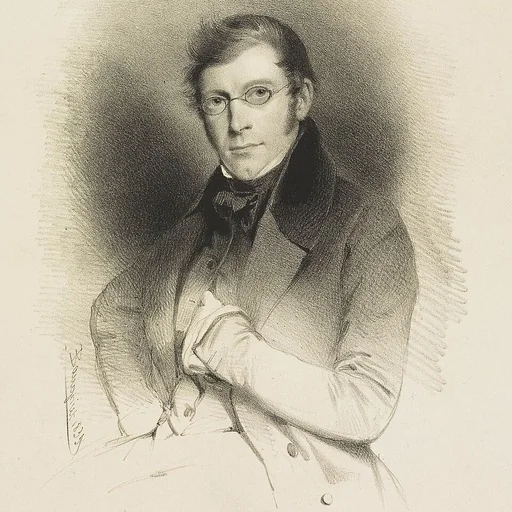
François-Antoine Bossuet (21 August 1798 Ypres – 28 September 1889 Saint-Josse-ten-Noode) was a painter and draughtsman of the Belgian school.

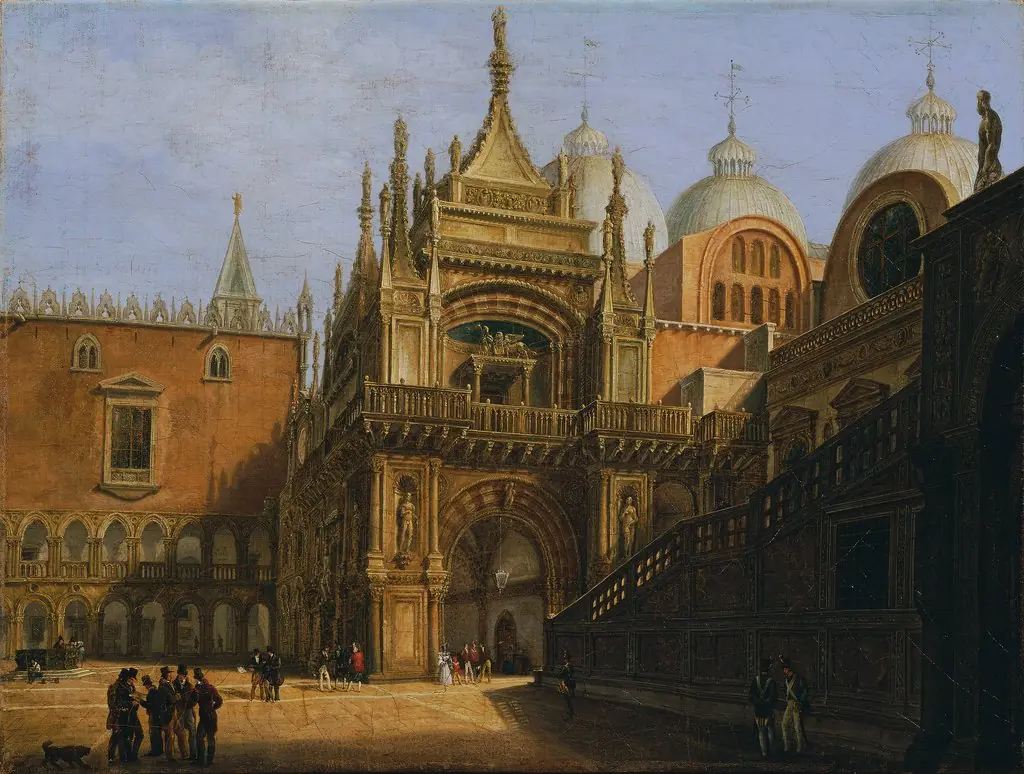 Der Hof des Dogenpalastes
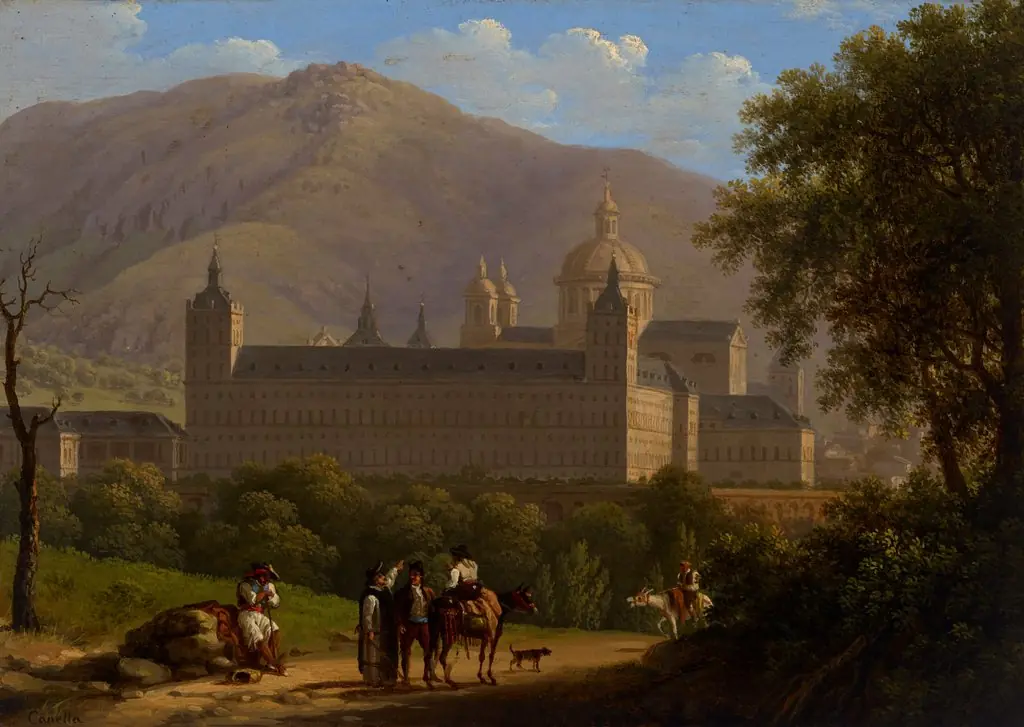 View of the Escorial (one of a pair)
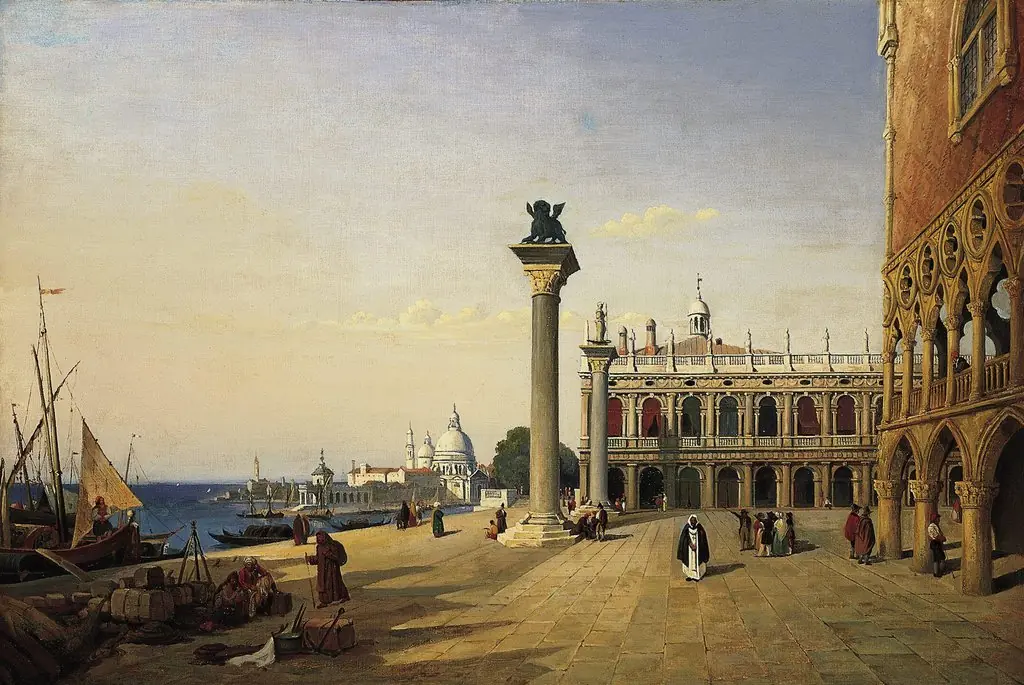 Venise, La Piazetta
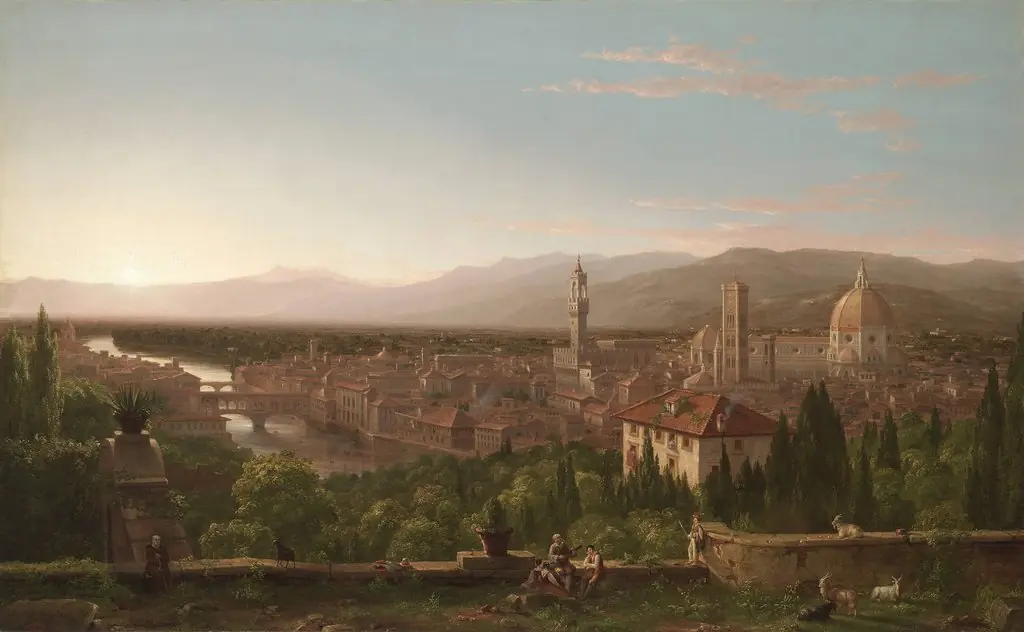 View of Florence
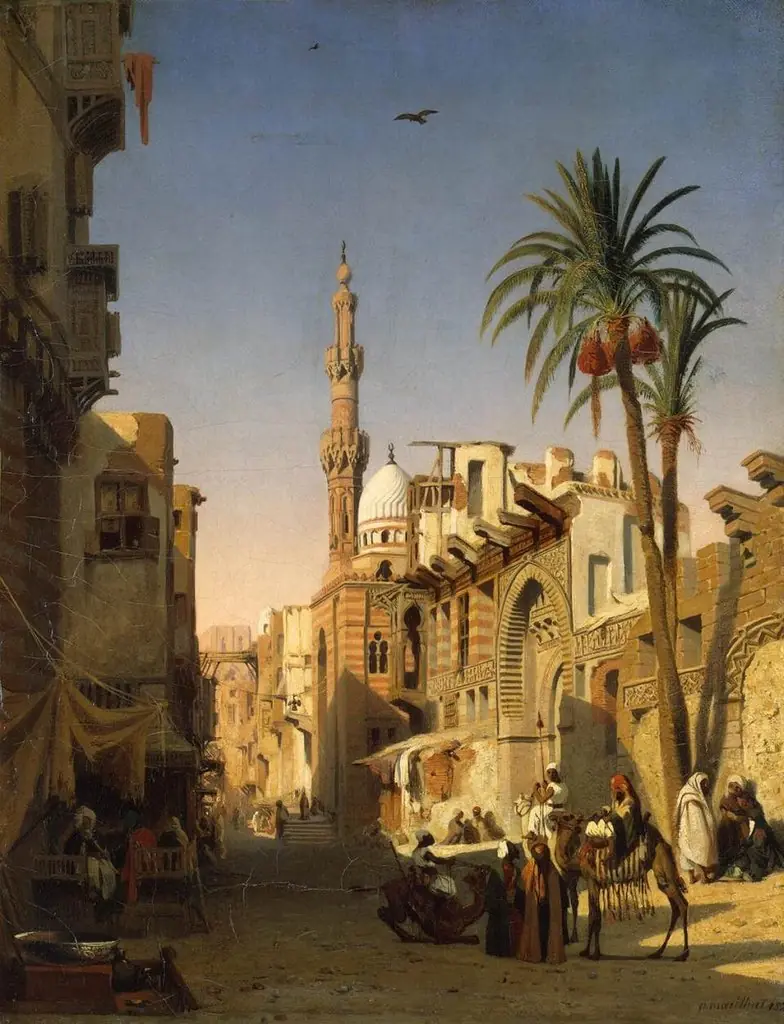 Ezbekiah Strieet in Cairo
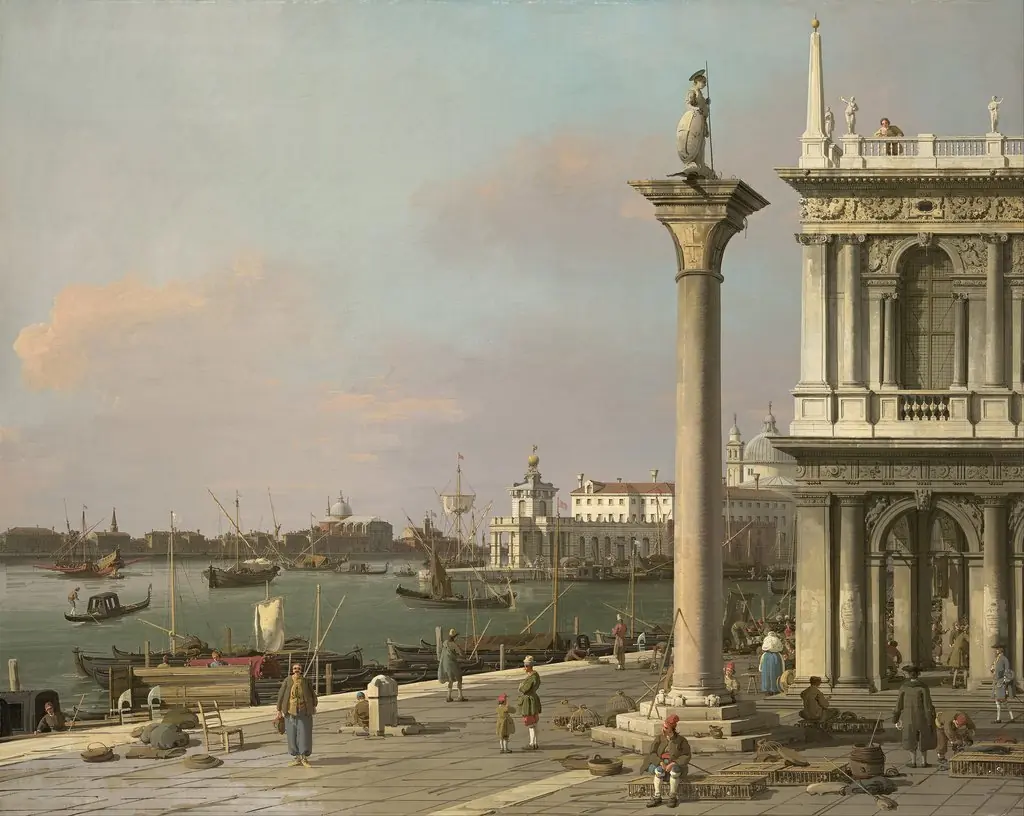 Bacino di San Marco from the Piazzetta
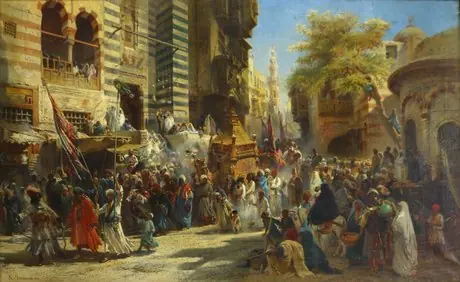 Muhammed's carpet moving from Mecca to Cairo
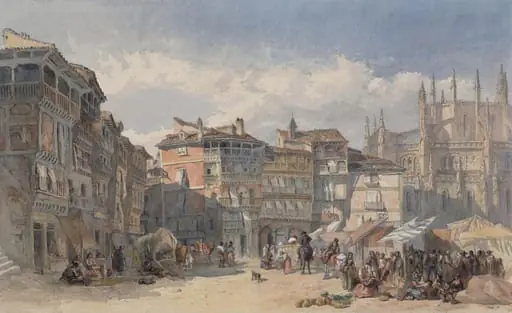 Segovia, Spain
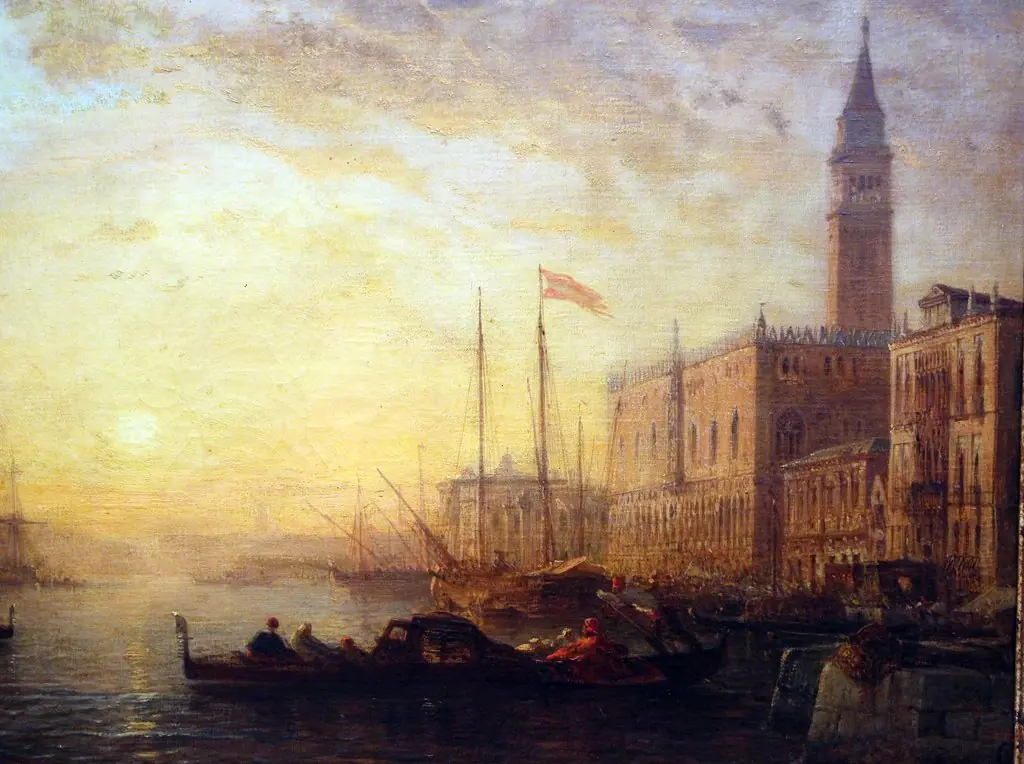 Grand Canal in Venice.
 Tekfur Saray in Konstantinopel
 Processie in Verona
 The Corpus Christi Procession in Seville