Artwork
Bacchus and Ariadne
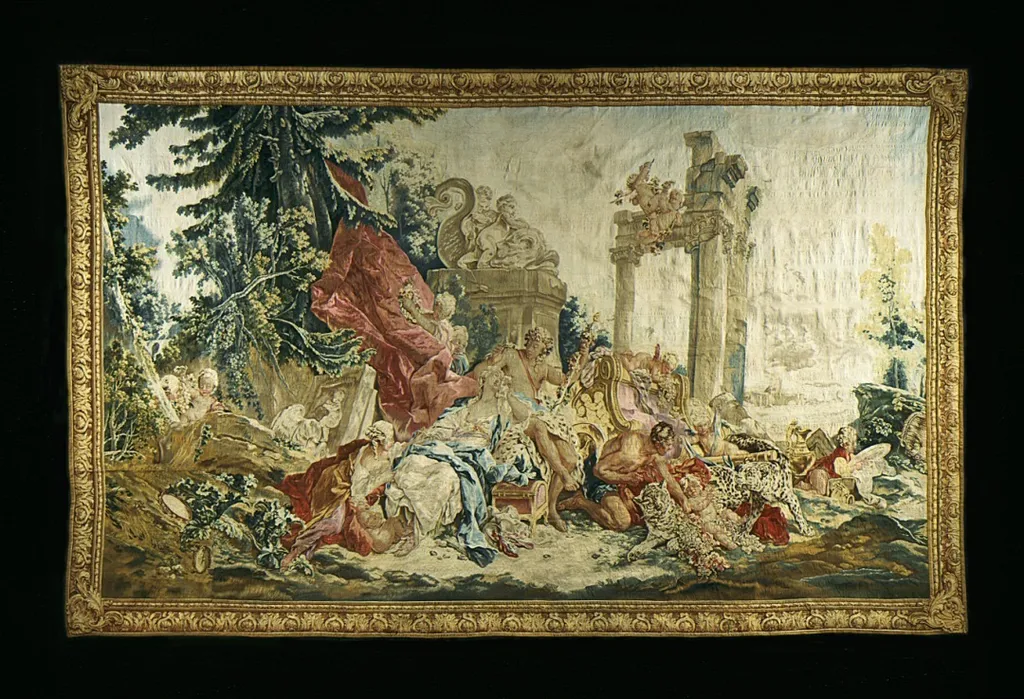
Bacchus and Ariadne is an unspecified painting by the Rococo painting artist François Boucher. It dates from 1750 and is held in the collection of the Los Angeles County Museum of Art.
About this work
Overview
François Boucher’s mid‑18th‑century canvas, titled Bacchus and Ariadne, depicts a mythological gathering and is part of the Los Angeles County Museum of Art’s collection. Executed around 1750, the work reflects the Rococo fascination with classical narratives rendered in a light, decorative manner.
Subject & Meaning
The composition centers on the god Bacchus and the mortal Ariadne seated together on a throne‑like chair. Bacchus is shown nude, while Ariadne wears a flowing, elongated gown. Their placement amid a festive crowd suggests the moment of their union, a celebrated episode from ancient myth.
Technique & Style
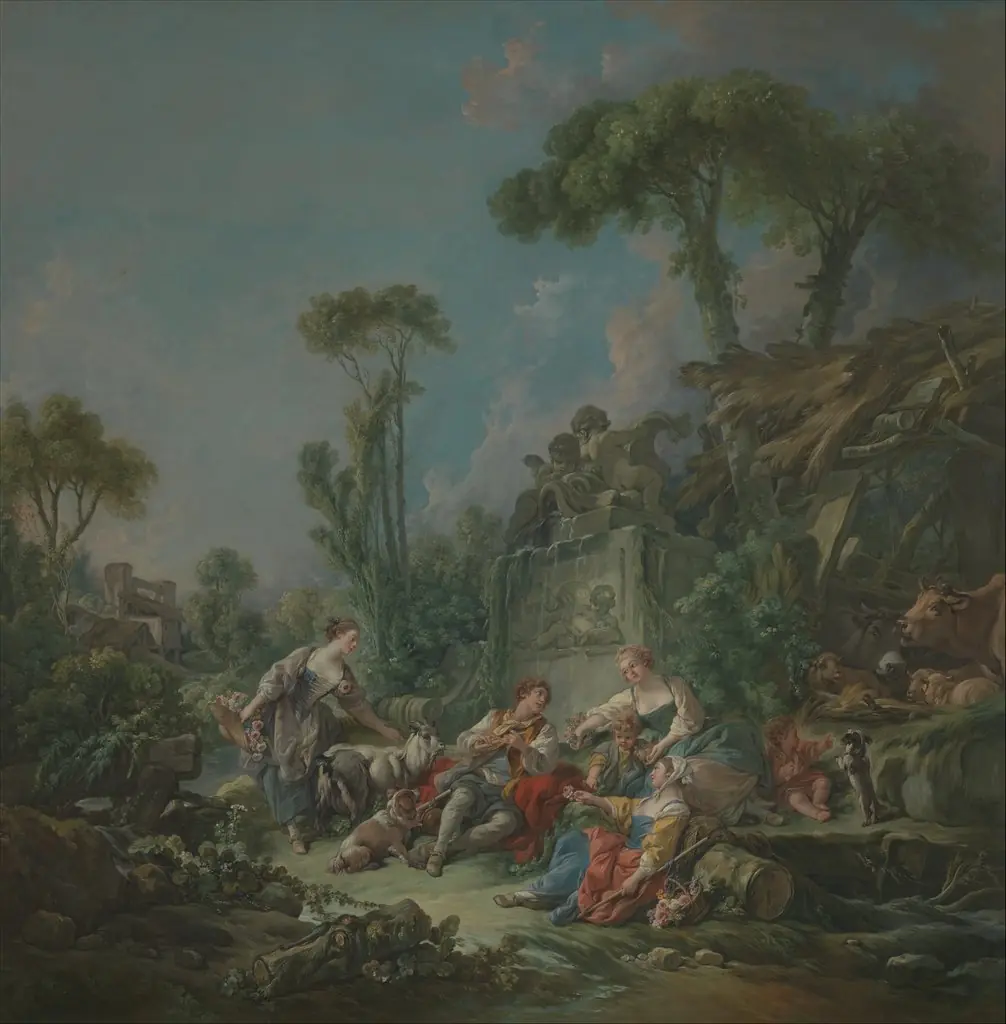
Boucher employs a vibrant palette dominated by verdant greens of foliage and a spectrum of hues in the figures’ garments. The scene unfolds in an open, park‑like setting with trees, rocks and classical columns, rendered with the fluid brushwork and ornamental detail characteristic of Rococo painting.
History & Provenance
Created circa 1750, the painting entered the Los Angeles County Museum of Art, where it remains on view. Its acquisition history beyond the museum’s holdings is not extensively documented, but it stands as a representative example of Boucher’s mythological oeuvre.
Context
Boucher’s work belongs to a period when French artists frequently revisited Greco‑Roman stories, translating them into elegant, courtly scenes. The depiction of Bacchus and Ariadne aligns with contemporary tastes for sensuality, movement, and decorative excess in aristocratic interiors.
Artist & collection
Artist
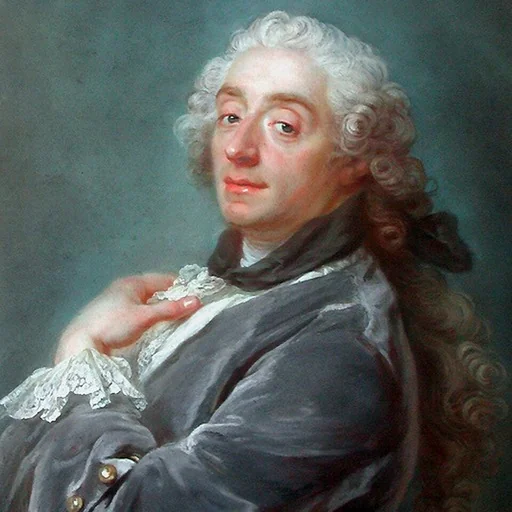
François Boucher was a French painter, draughtsman and etcher, who worked in the Rococo style.

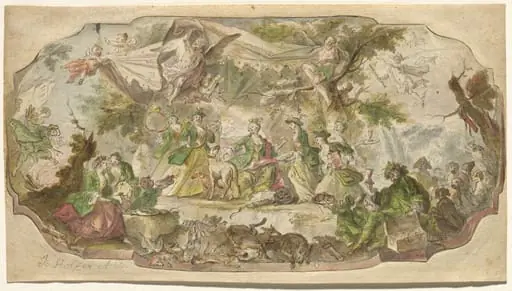 Diana Resting after the Hunt
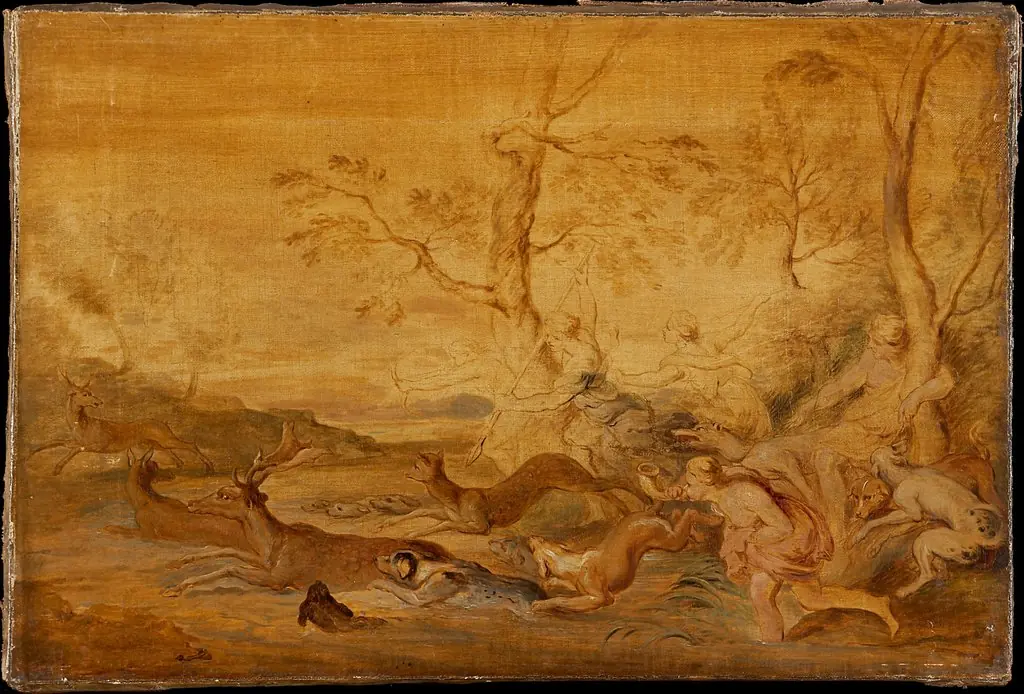 The Hunt of Diana
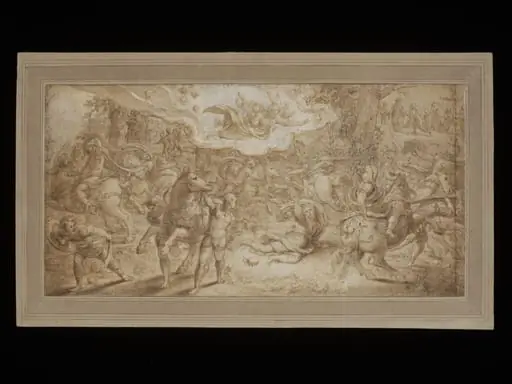 The Conversion of Saint Paul
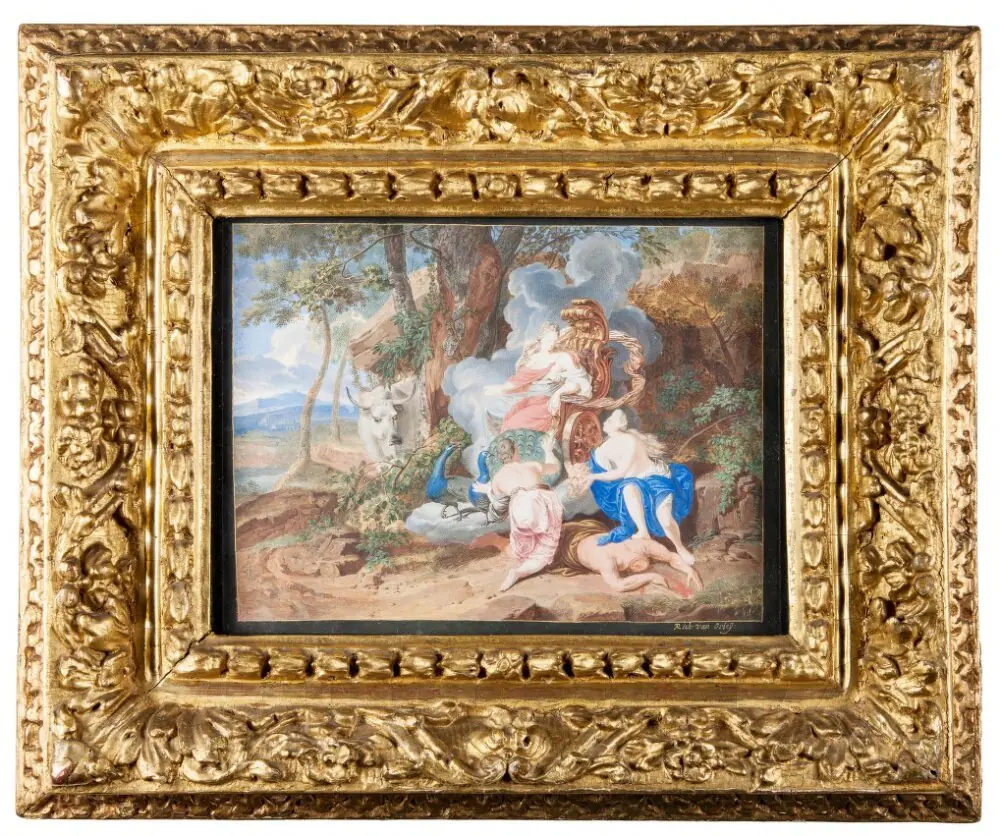 Juno and Argus
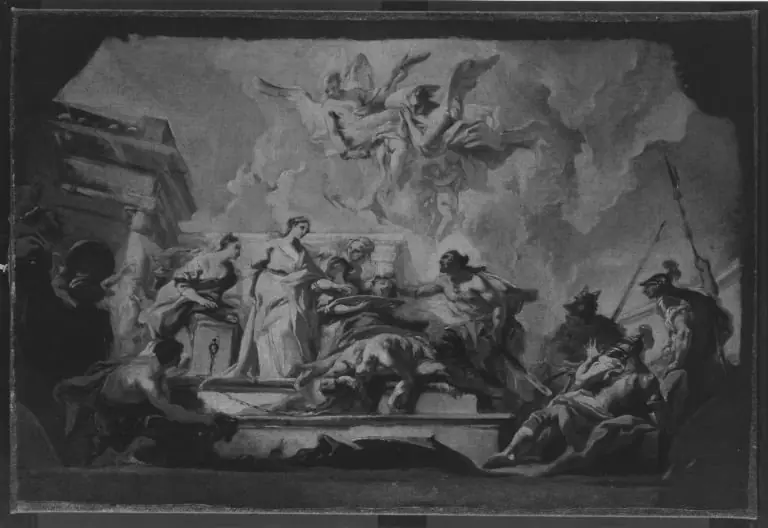 Enthauptung Johannes des Täufers
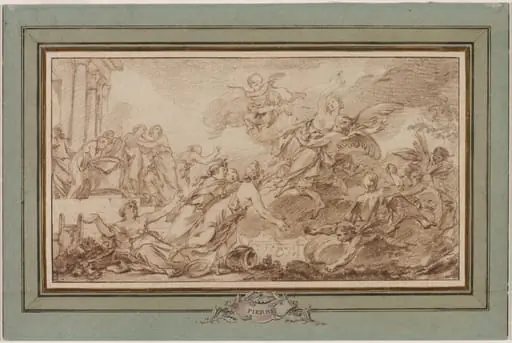 Boreas Abducting Oreithyia
![The Triumph of Julius Caesar [no.3 and 4 plus 2 columns], by Andrea Andreani](https://artifactworldgallery.com/img/andrea-andreani--the-triumph-of-julius-caesar-no-3-and-4-plus-2-columns--58c944449efc96df-w320.webp) The Triumph of Julius Caesar [no.3 and 4 plus 2 columns]
The Triumph of Julius Caesar [no.3 and 4 plus 2 columns]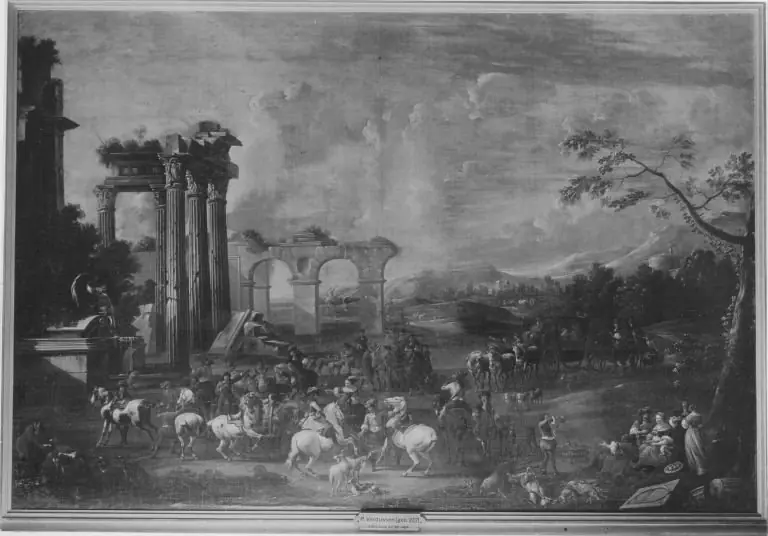 Erfrischung auf der Jagd
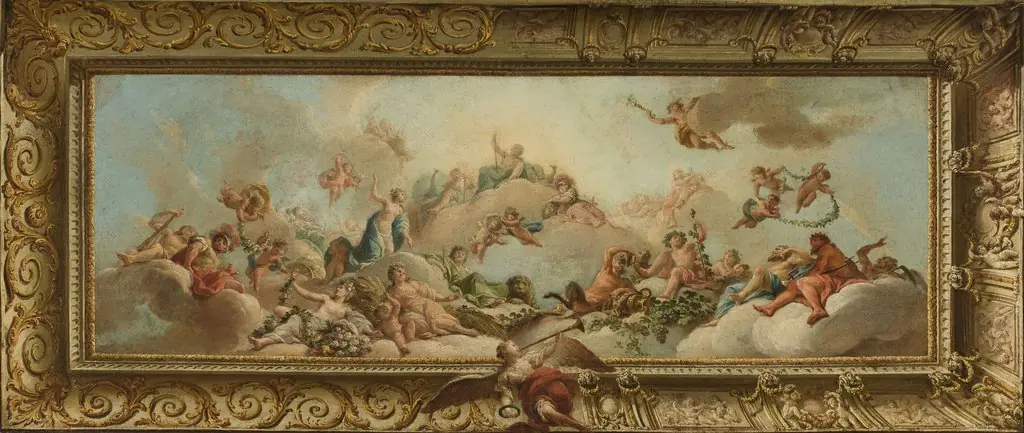 Greeting of Venus at Mount Olympus
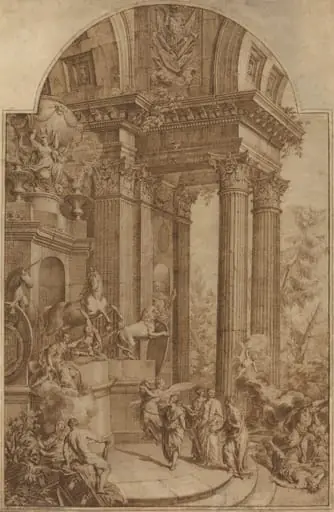 Monument to King George I
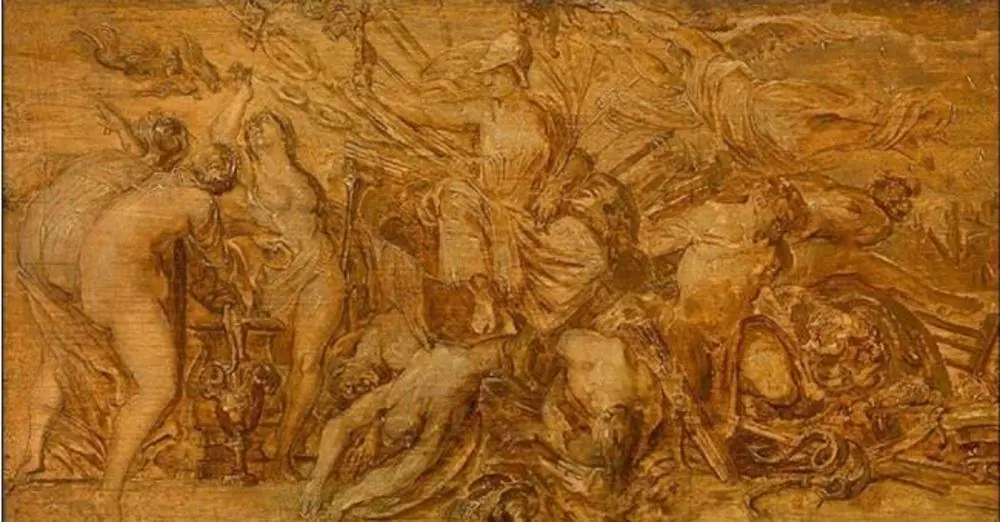 Bellona
 Großmut des Scipio