Artwork
Juno and Argus
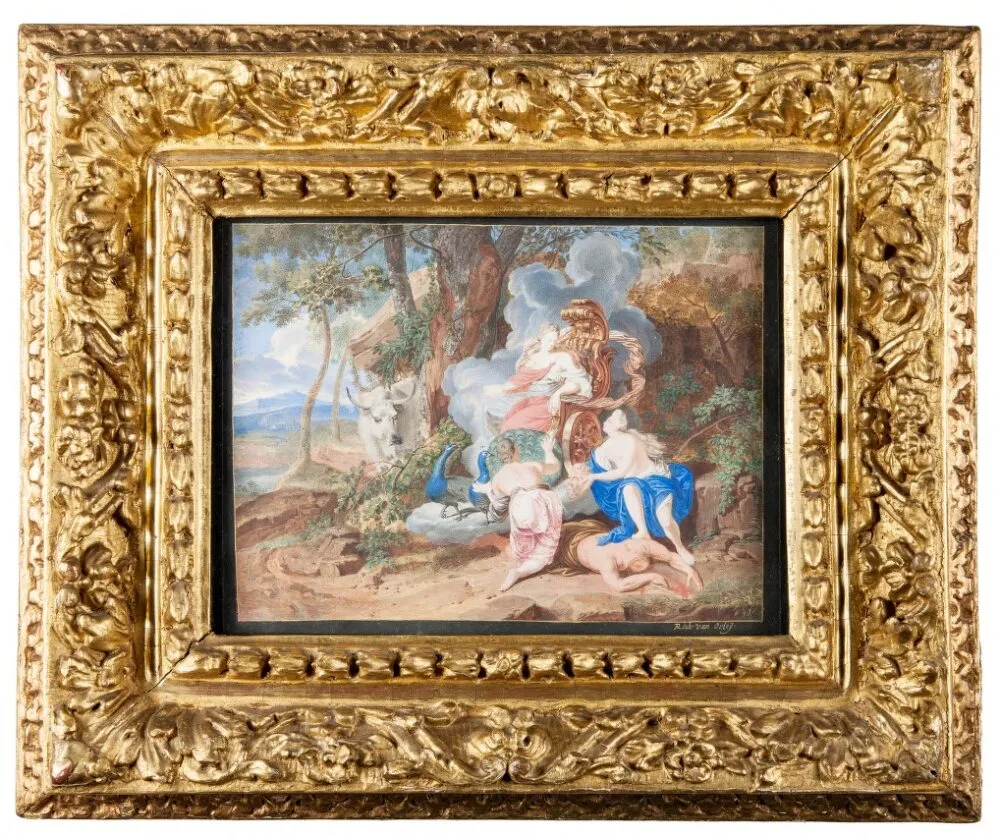
Juno and Argus is an unspecified painting by Richard van Orley. It dates from 1707 and is held in the collection of the Nationalmuseum.
About this work
Overview
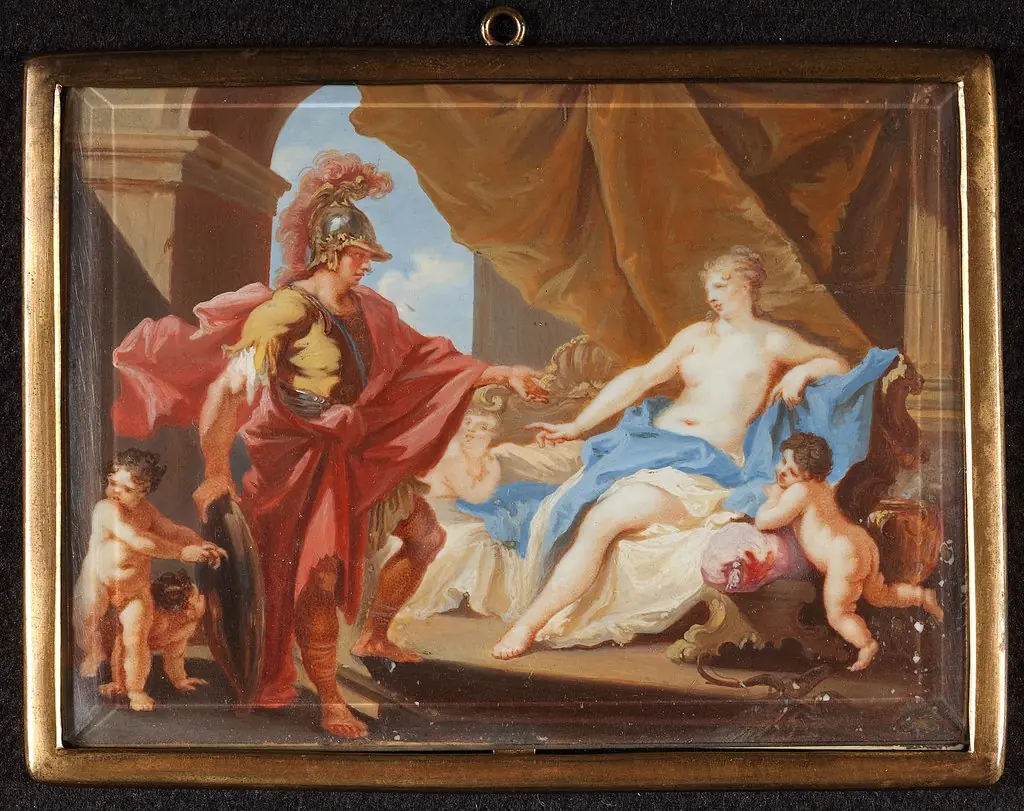
Created circa 1707, *Juno and Argus* is an oil painting by the Brussels‑based Flemish artist Richard van Orley. The work portrays the Roman goddess Juno amid a tranquil woodland setting, surrounded by figures in pastel and blue garments. It is part of the Nationalmuseum’s collection, offering a glimpse into early‑18th‑century mythological painting in the Southern Netherlands.
Subject & Meaning
The composition draws on the classical tale of Juno and the hundred‑eyed giant Argus, a story from Ovid’s *Metamorphoses* that explores themes of vigilance and divine jealousy. In the painting, Juno appears central and serene, her red robe contrasting with the softer hues of the surrounding figures, suggesting her authority while the natural backdrop underscores the myth’s pastoral dimension.
Technique & Style
Van Orley employs a balanced palette of reds, blues and pinks, arranging the figures to lead the eye toward the goddess. Subtle chiaroscuro models the forms, giving the foliage and drapery a three‑dimensional presence. The brushwork is smooth, typical of Flemish academic practice of the period, and the composition reflects a harmonious integration of figure and landscape.
History & Provenance
Richard van Orley, known primarily for his engravings, produced this canvas during the later phase of his career, when he turned more frequently to large‑scale painted narratives. The painting entered the Nationalmuseum’s holdings in the 20th century, though the exact acquisition path remains undocumented, reflecting the broader movement of Flemish works into Swedish public collections.
Artist & collection
Artist
Richard van Orley or Richard van Orley II (16 July 1663, in Brussels – 20 June 1732, in Brussels) was a Flemish painter, draughtsman, printmaker.

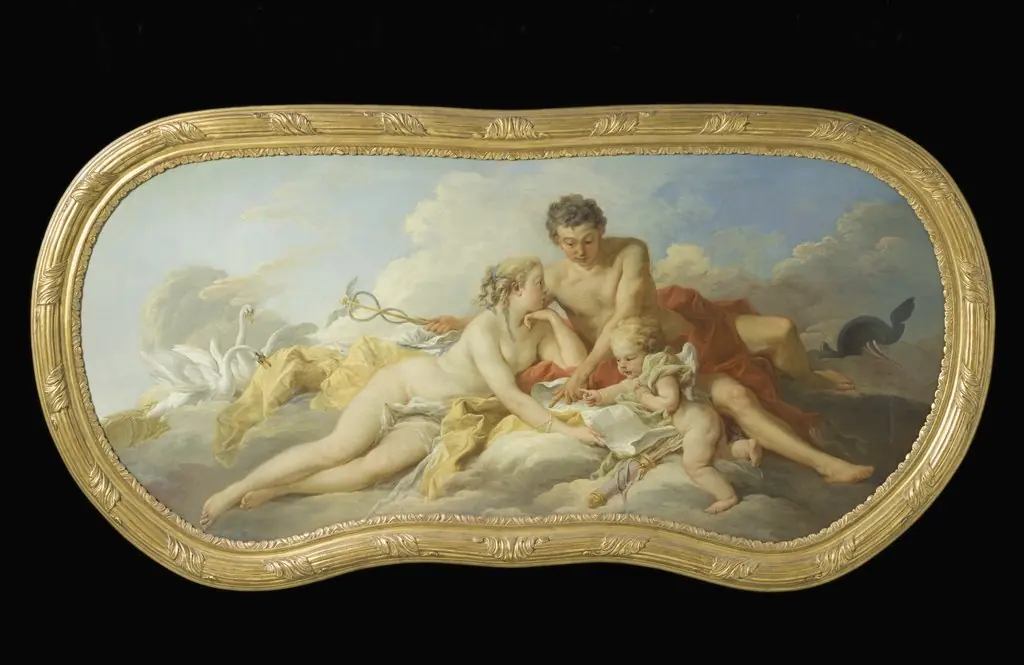 Venus and Mercury Instructing Cupid
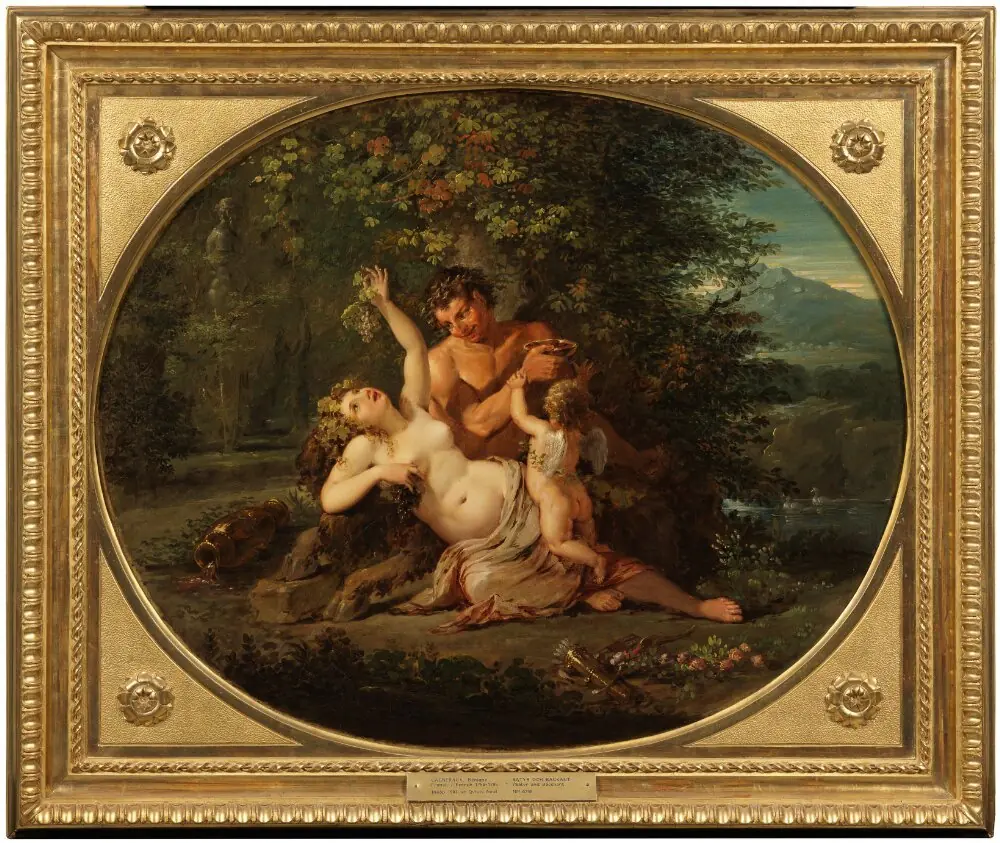 Satyr and Bacchante
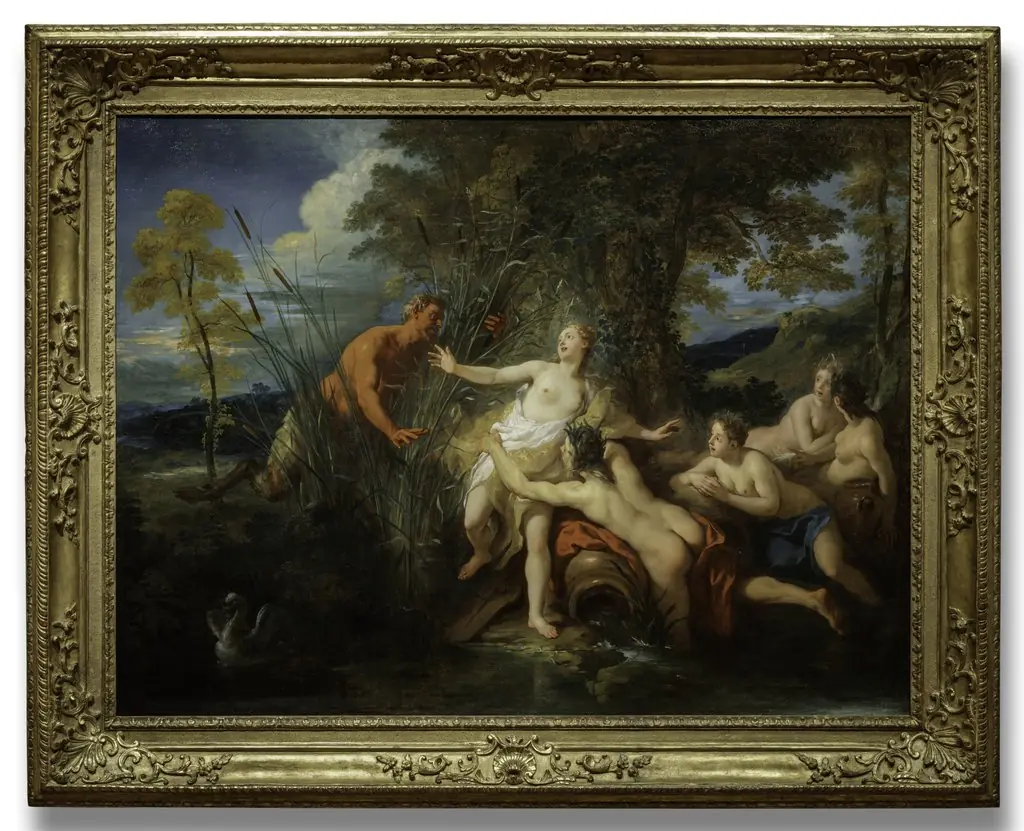 Pan and Syrinx
 The Stone Bridge
 Ezeldrijvers
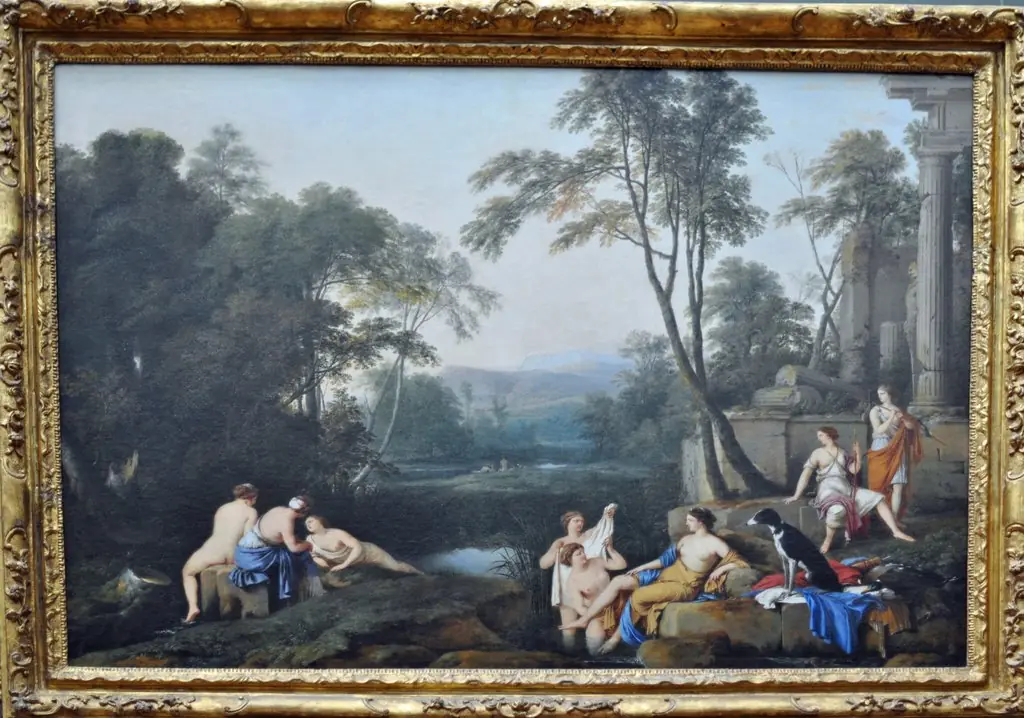 Diana and Her Nymphs in a Landscape
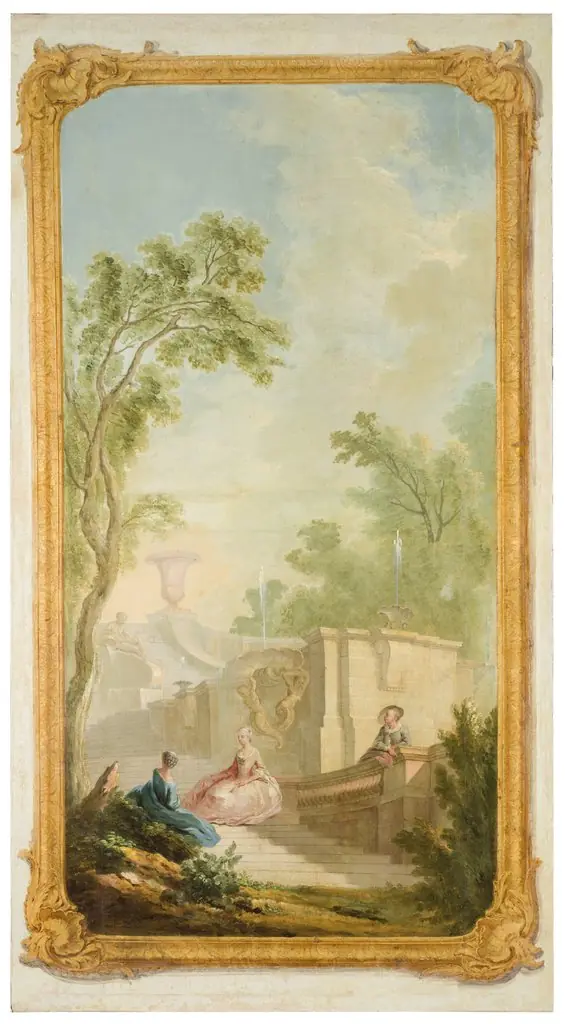 Park Landscape with Figures beside a Fountain. Decorative Painting for a Private Residence.
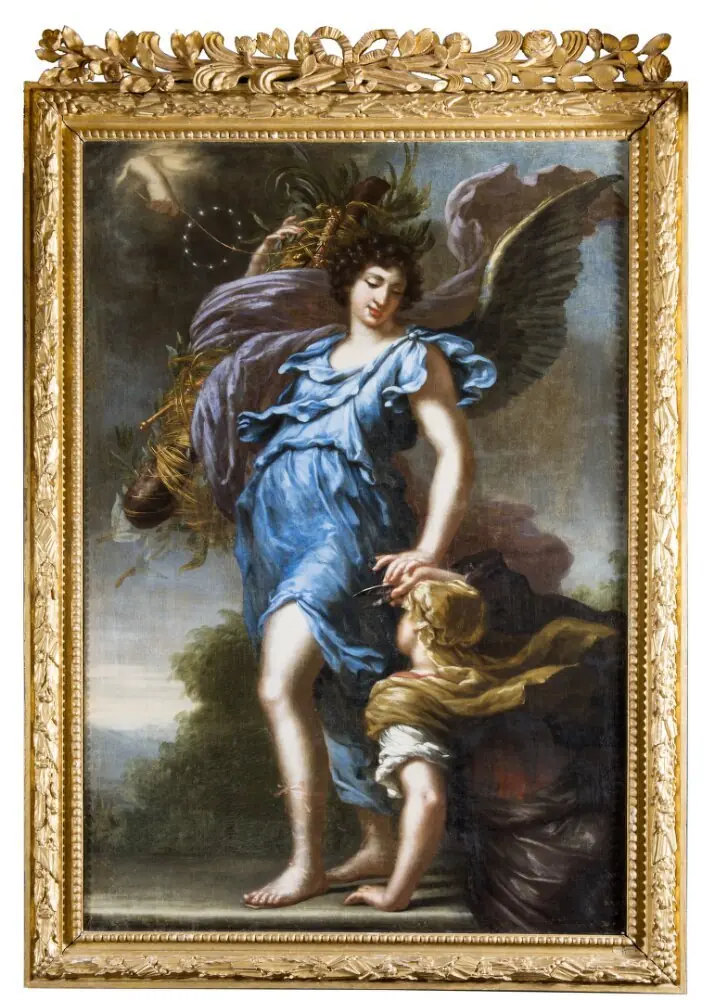 Konung Karl XI:s skyddsängel. Allegori
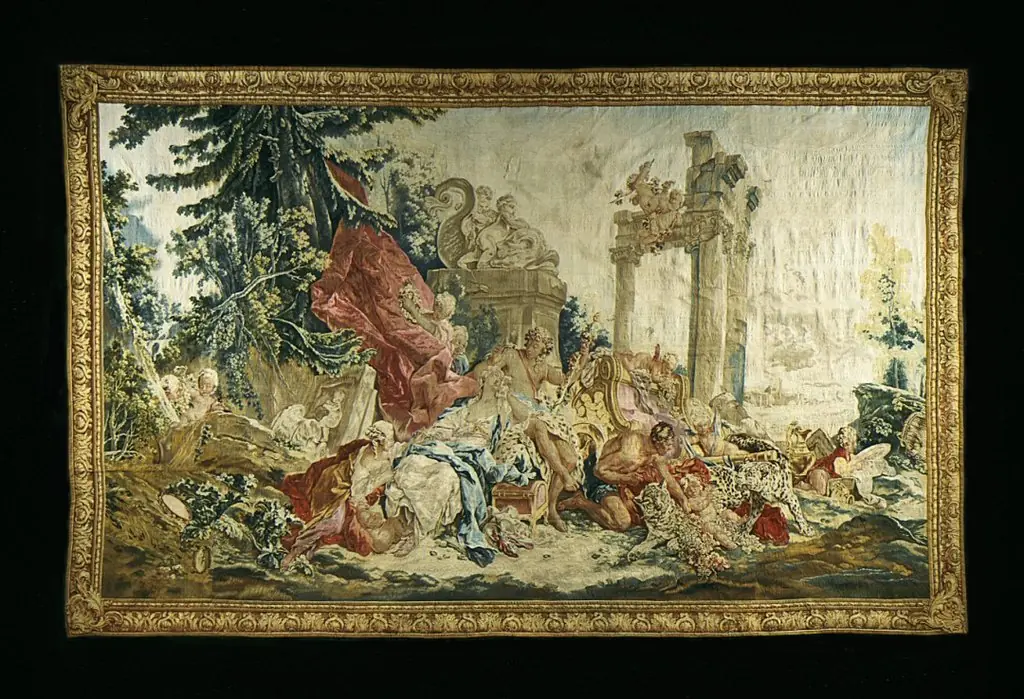 Bacchus and Ariadne
 Mars and Venus
 The Mill