Artwork
Juno Asking Aeolus to Release the Winds
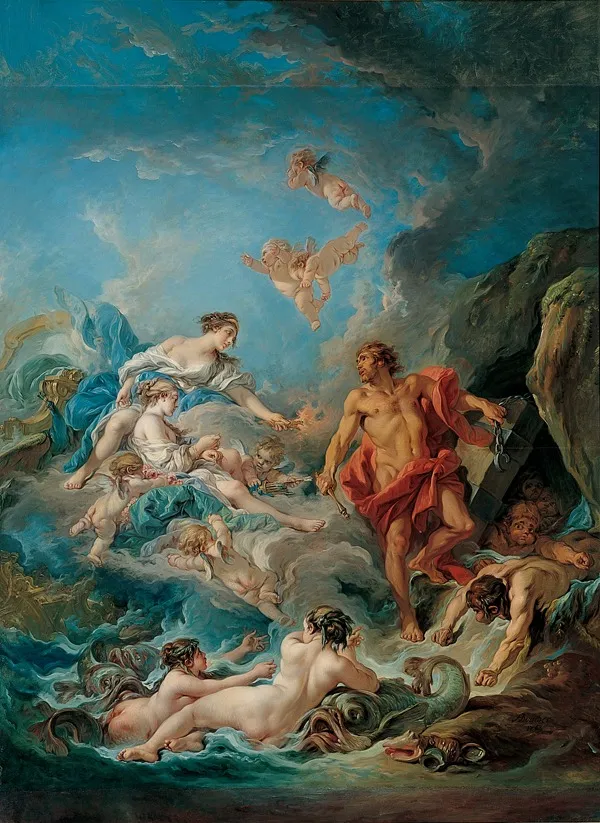
Juno Asking Aeolus to Release the Winds is an oil painting by the Rococo painting artist François Boucher. It dates from 1769 and is held in the collection of the Kimbell Art Museum.
About this work
Overview
It resides in the Kimbell Art Museum’s collection, where it stands as a refined example of 18th-century French mythological painting.
Painted in 1769 by François Boucher, this oil work illustrates a moment from classical mythology in which Juno, queen of the gods, implores Aeolus, keeper of the winds, to unleash a storm. The scene is rendered with theatrical grace, characteristic of Boucher’s Rococo style. It resides in the Kimbell Art Museum’s collection, where it stands as a refined example of 18th-century French mythological painting.
Subject & Meaning
Juno, depicted in flowing white and blue robes, gestures urgently toward Aeolus, who clutches a sealed sack containing the storm winds. The narrative draws from Virgil’s Aeneid, where Juno seeks to thwart Aeneas’s voyage. The presence of putti and seashells suggests divine intervention in nature, while the tension in Juno’s posture underscores her resolve. The scene is less a literal moment than an allegory of power, manipulation, and elemental force.
Technique & Style
Boucher employs soft modeling and delicate brushwork to render fabric and skin, typical of Rococo aesthetics. Chiaroscuro is used subtly to define form and direct attention to the figures’ interaction, though without the dramatic intensity of Baroque predecessors. The sky is rendered in pale blues and wisps of cloud, contrasting with the darker cliffside. Putti and shells add ornamental detail, enhancing the scene’s lyrical, almost dreamlike quality.
History & Provenance
Commissioned during Boucher’s peak years as a court painter to Louis XV, the work reflects the aristocratic taste for mythological subjects with sensual elegance. It entered the Kimbell Art Museum’s collection in the 20th century, having passed through private European collections after its creation. Its preservation has allowed continued study of Boucher’s late style and his reinterpretation of classical themes for an Enlightenment-era audience.
Context
In mid-18th-century France, mythological scenes were favored in royal and elite circles as expressions of cultural refinement. Boucher’s approach softened classical narratives into intimate, emotionally charged moments, aligning with Rococo’s preference for charm over grandeur. This painting reflects a broader trend: myth was not merely retold but reimagined as a vehicle for psychological nuance and visual pleasure.
Legacy
Though overshadowed in later centuries by more austere artistic movements, Boucher’s work remains a touchstone for understanding Rococo’s emotional language. This painting exemplifies how mythological subjects were domesticated into scenes of delicate drama, influencing later decorative arts and illustrating the period’s complex relationship between power, nature, and divine agency.
Artist & collection
Artist
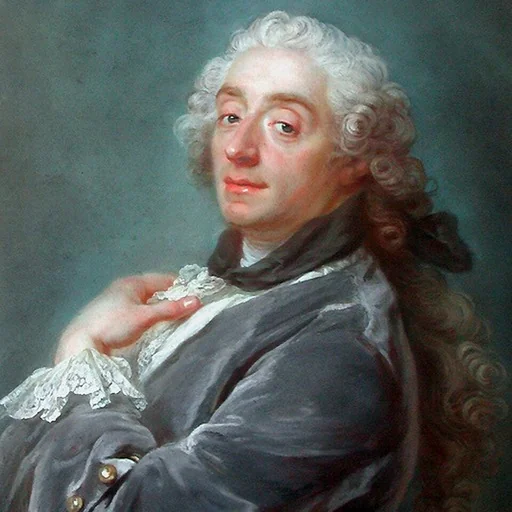
François Boucher was a French painter, draughtsman and etcher, who worked in the Rococo style.

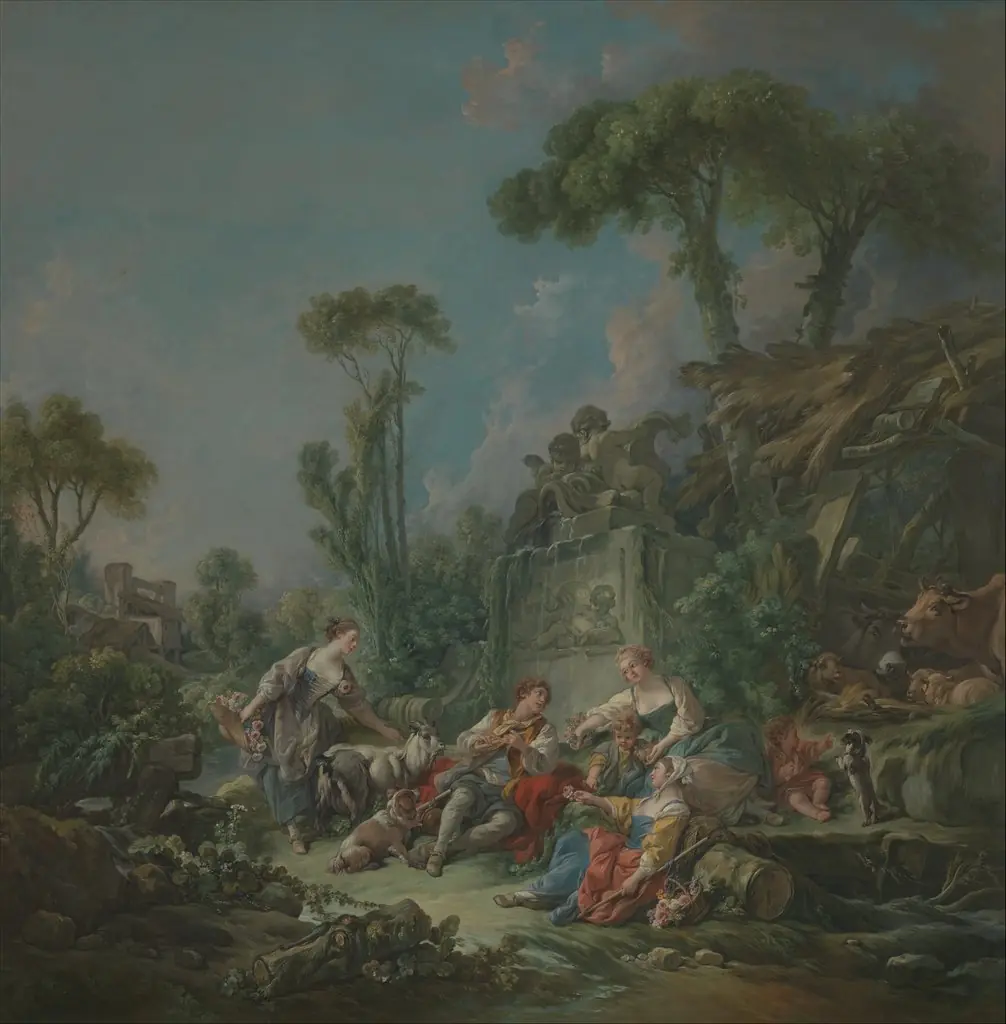
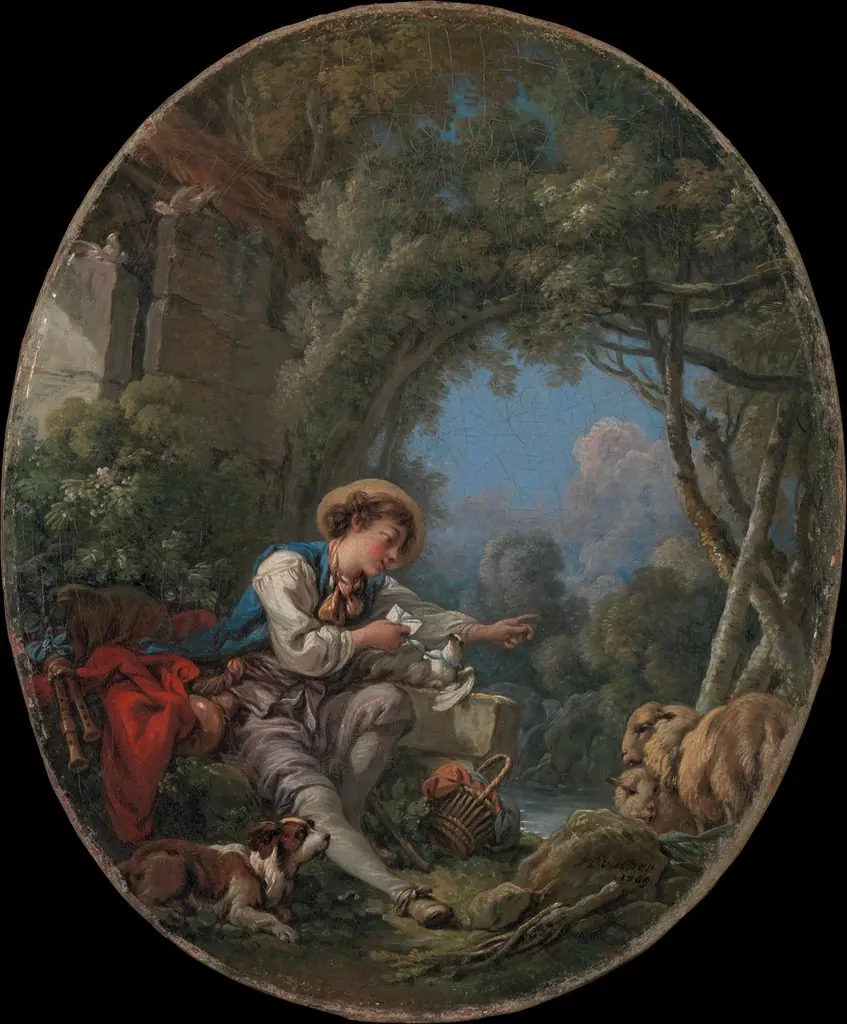
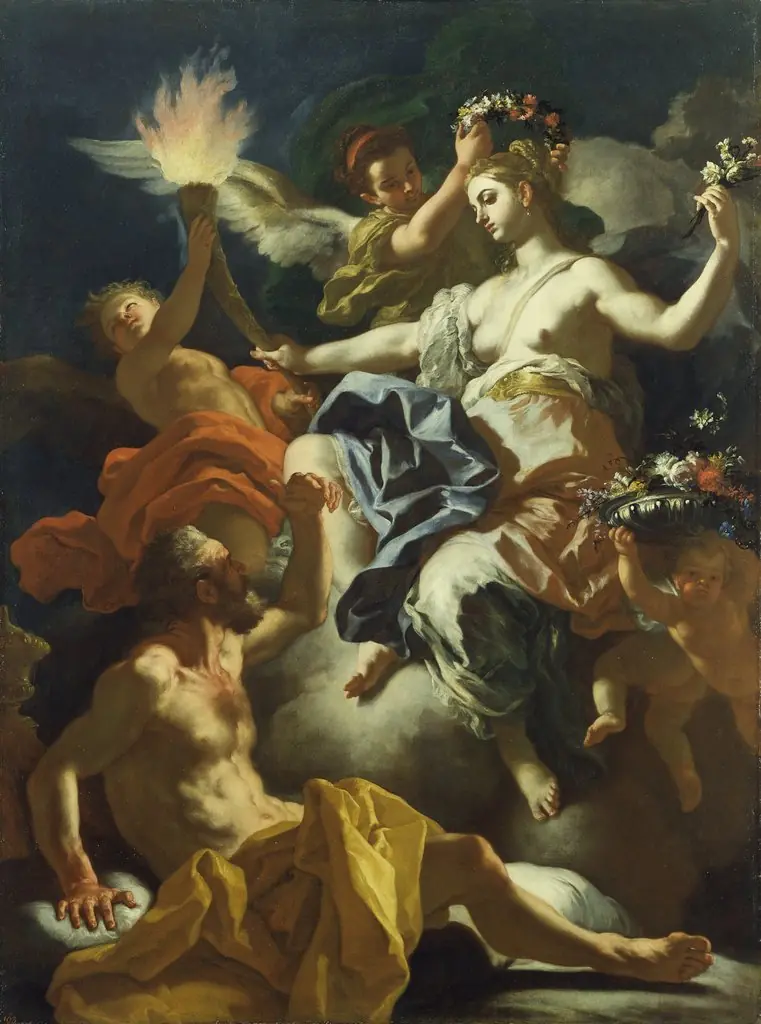 Aurora Taking Leave of Tithonus
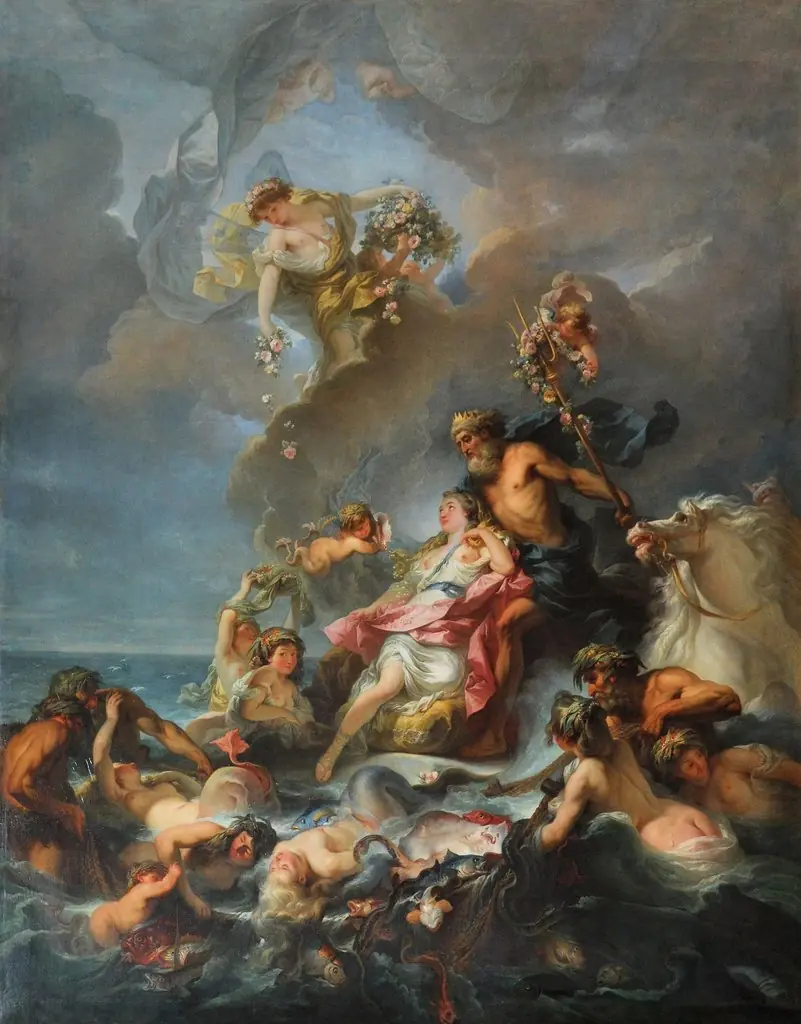 La Pêche, ou Neptune et Amphitrite
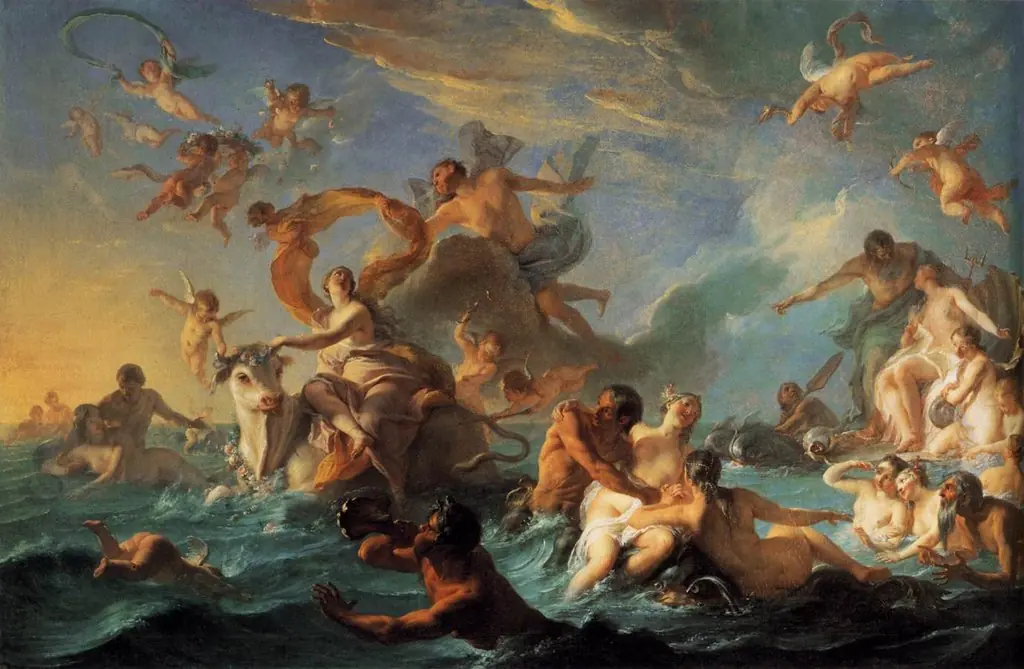 The Rape of Europa
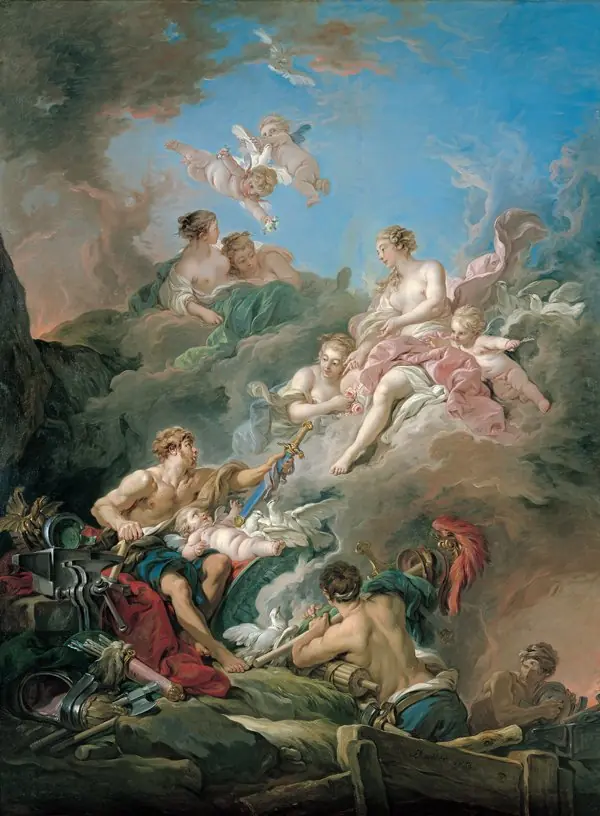 Venus at Vulcan's Forge
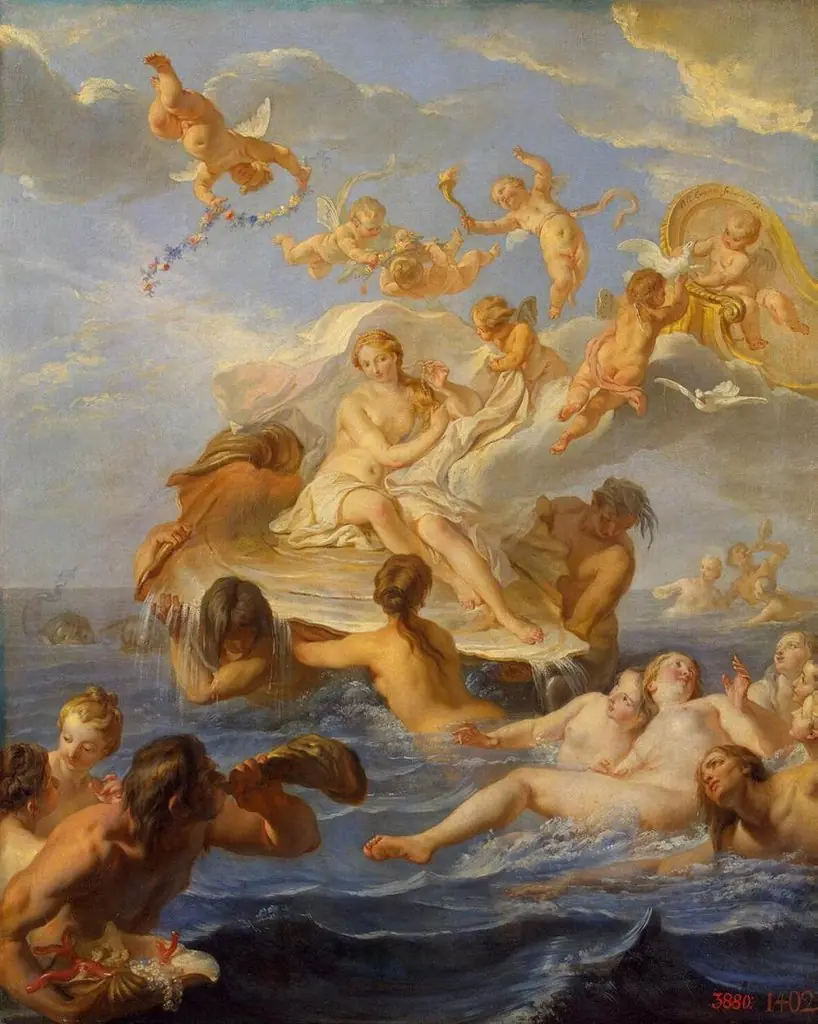 Birth of Venus
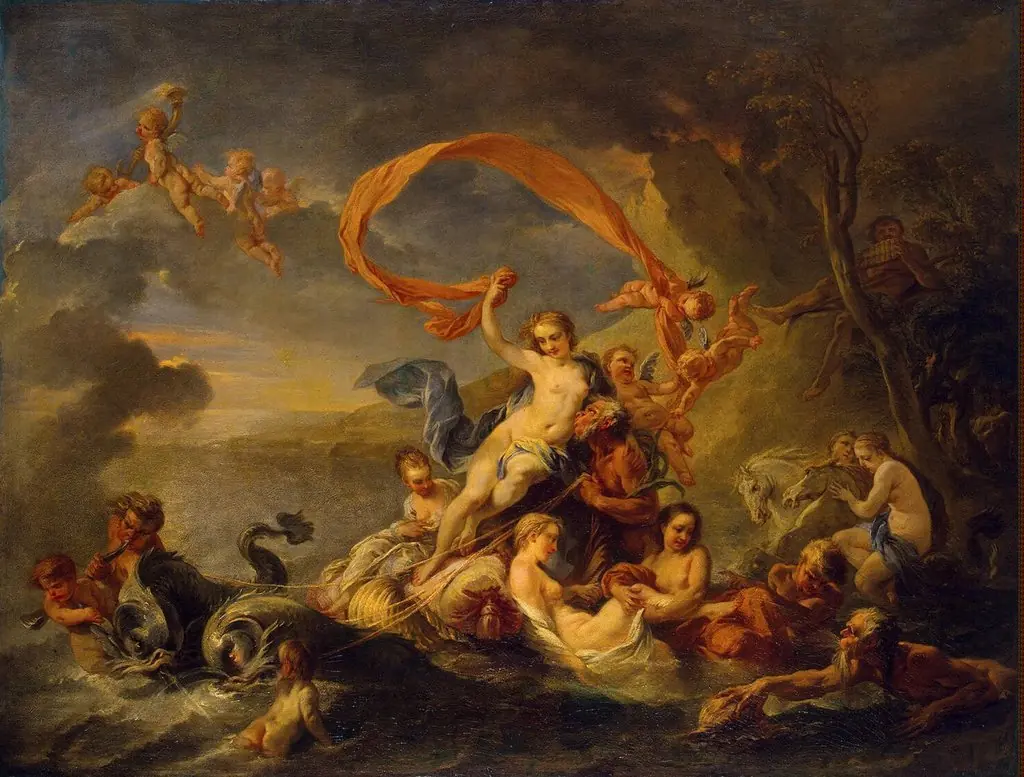 Tiumph of Galatea
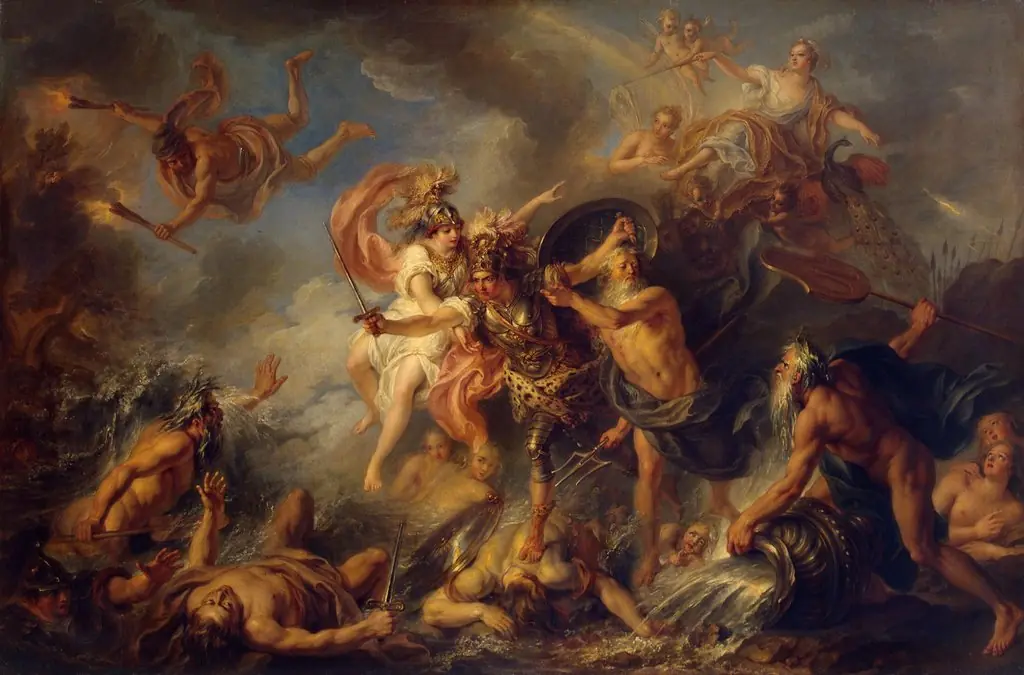 Fury of Achilles
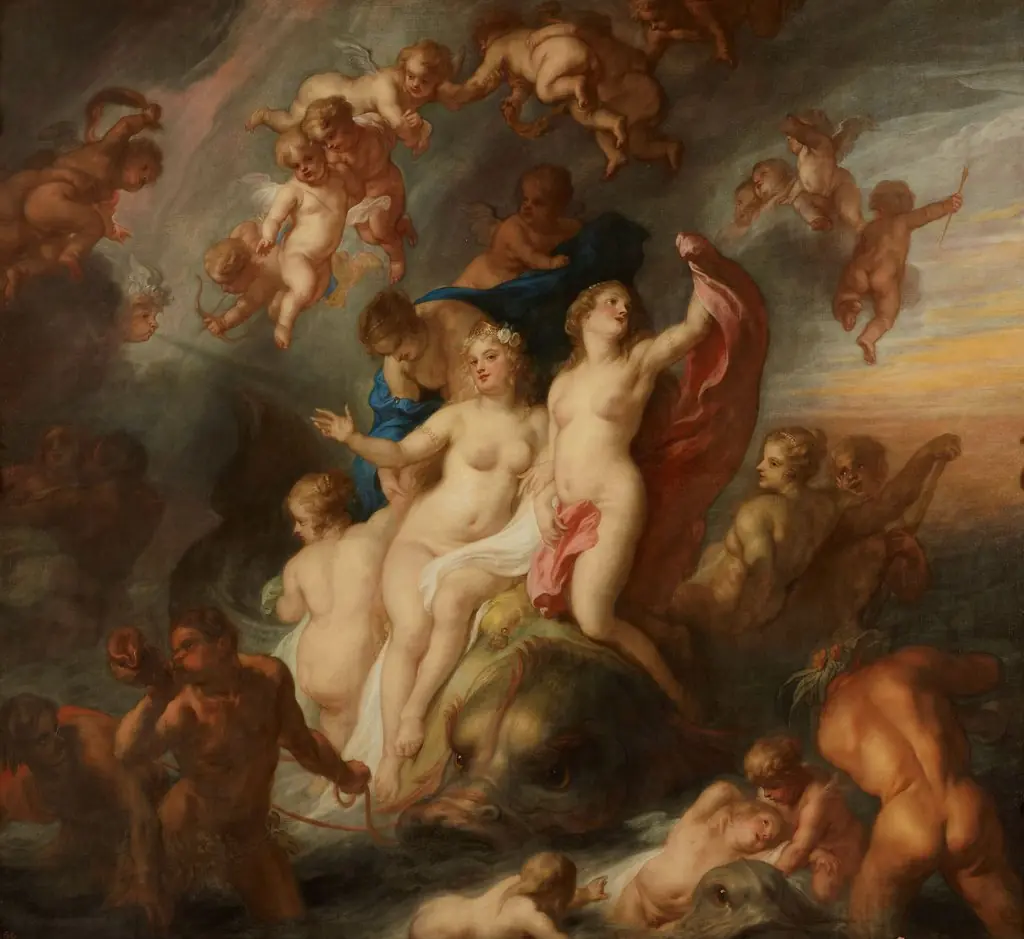 Triumph of Galatea
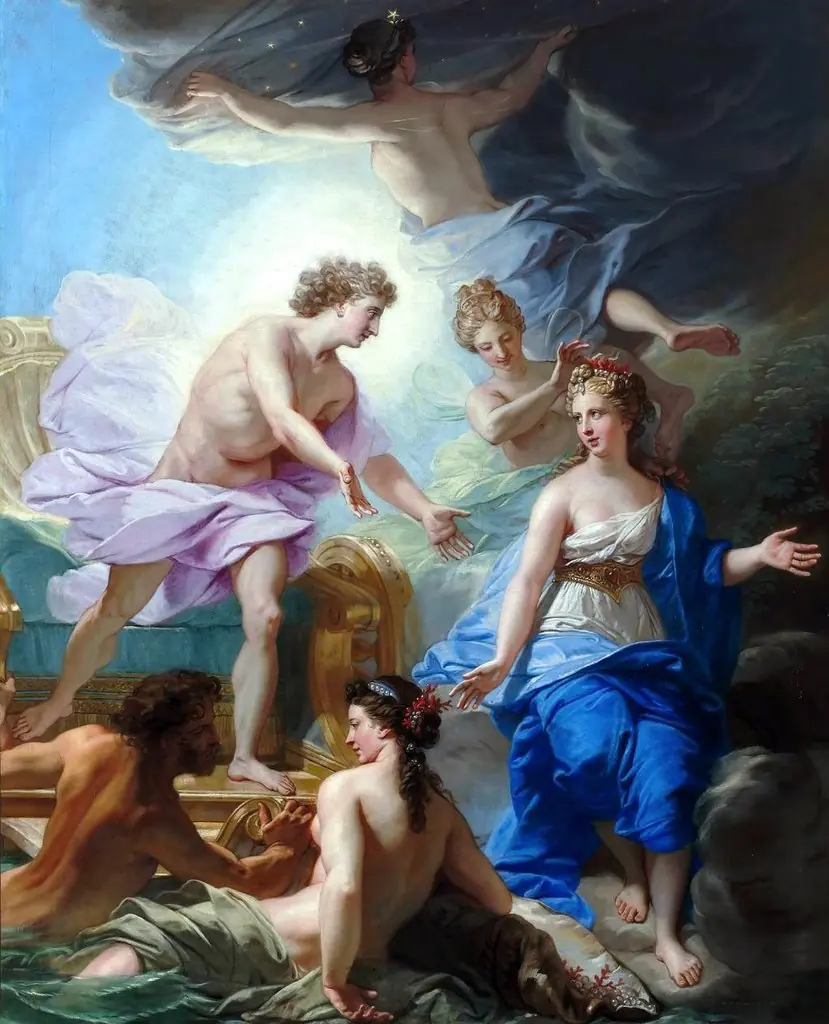 Apollo and Thetis
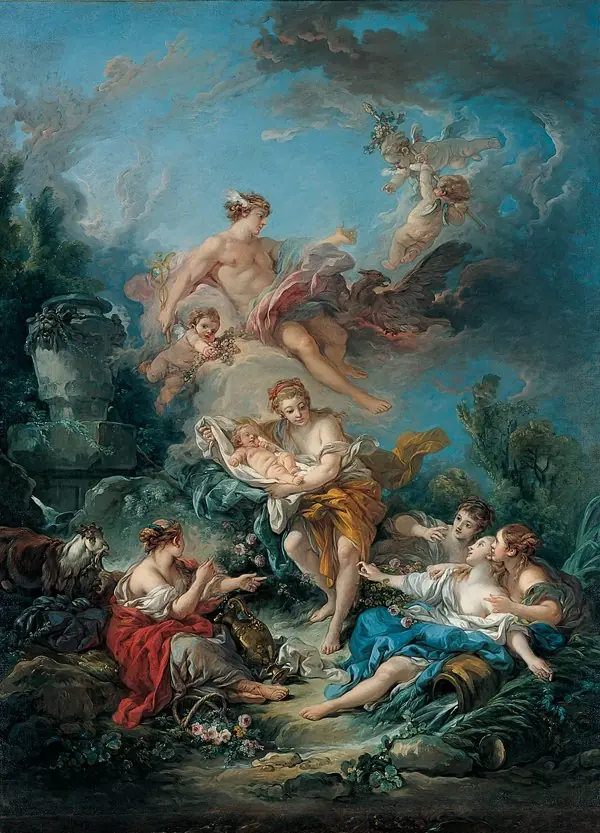 Mercury Confiding the Infant Bacchus to the Nymphs of Nysa
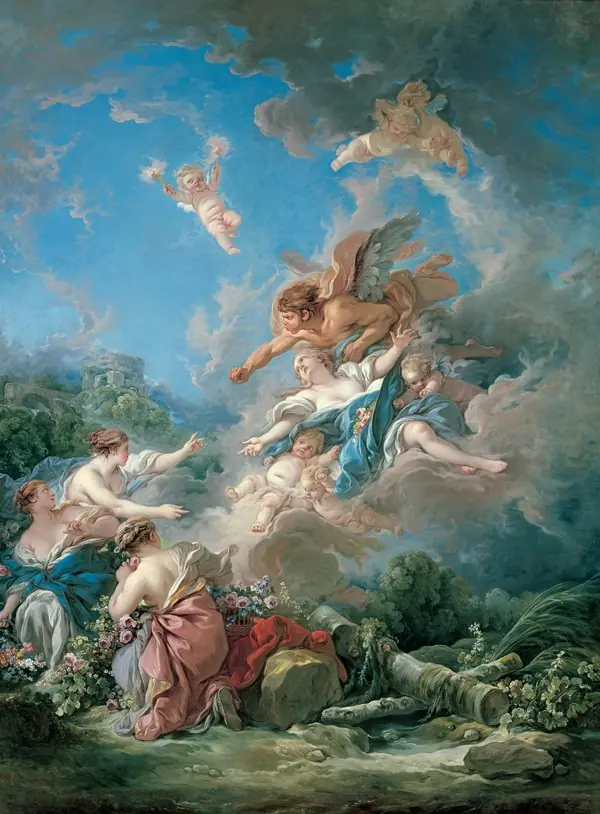 Boreas Abducting Oreithyia
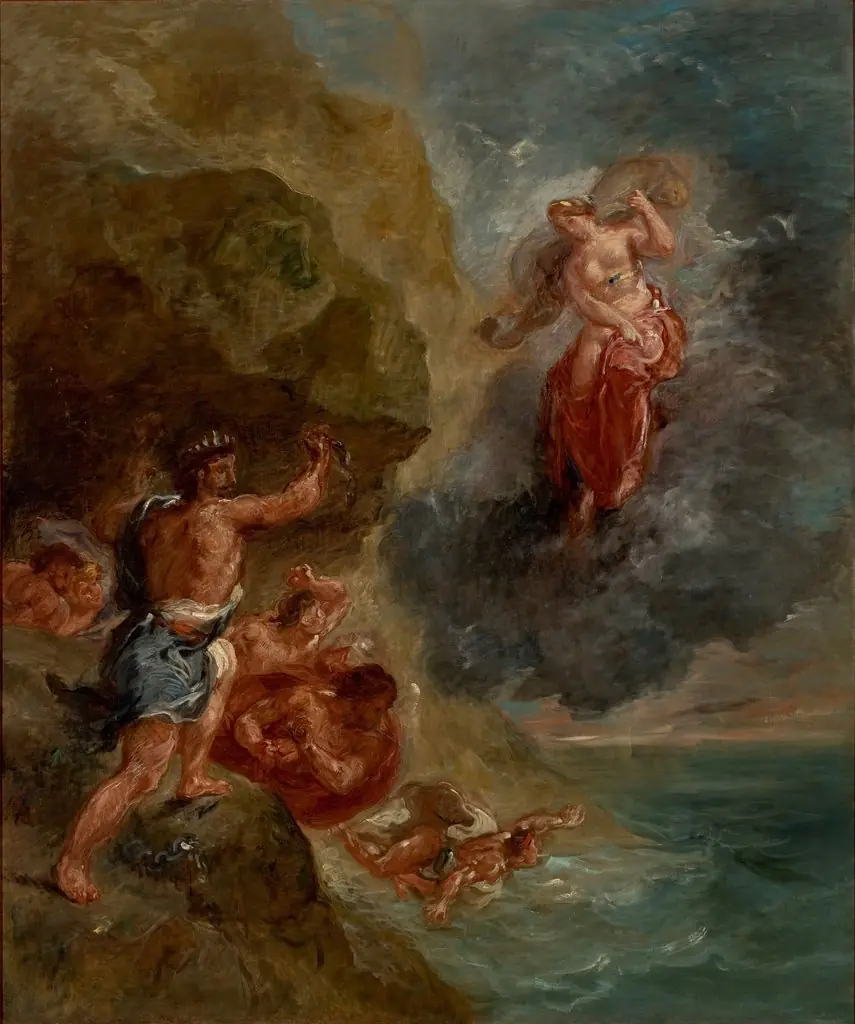 The Winter - Juno beseeches to destroy Eneas' Fleet