Artwork
La Pêche, ou Neptune et Amphitrite
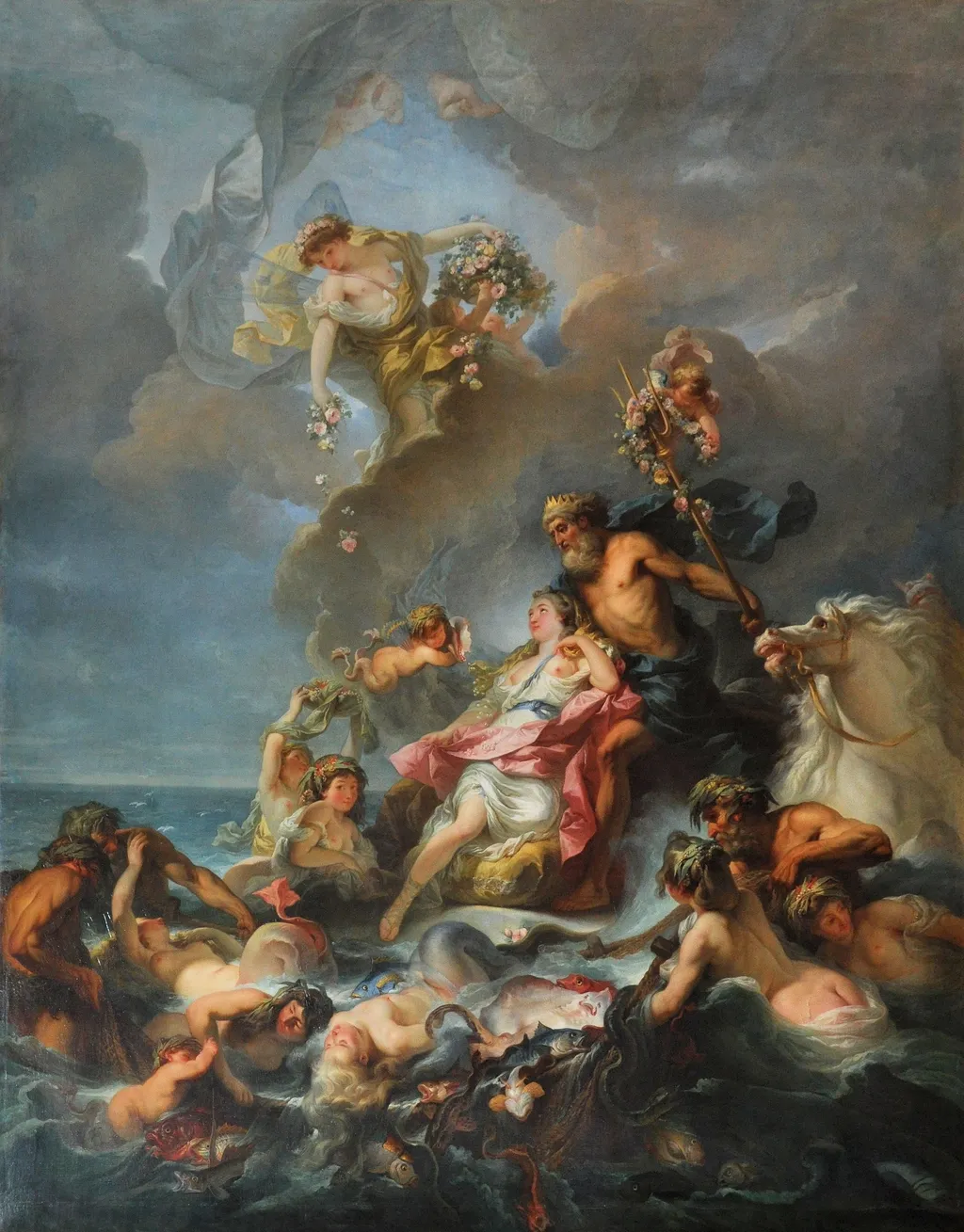
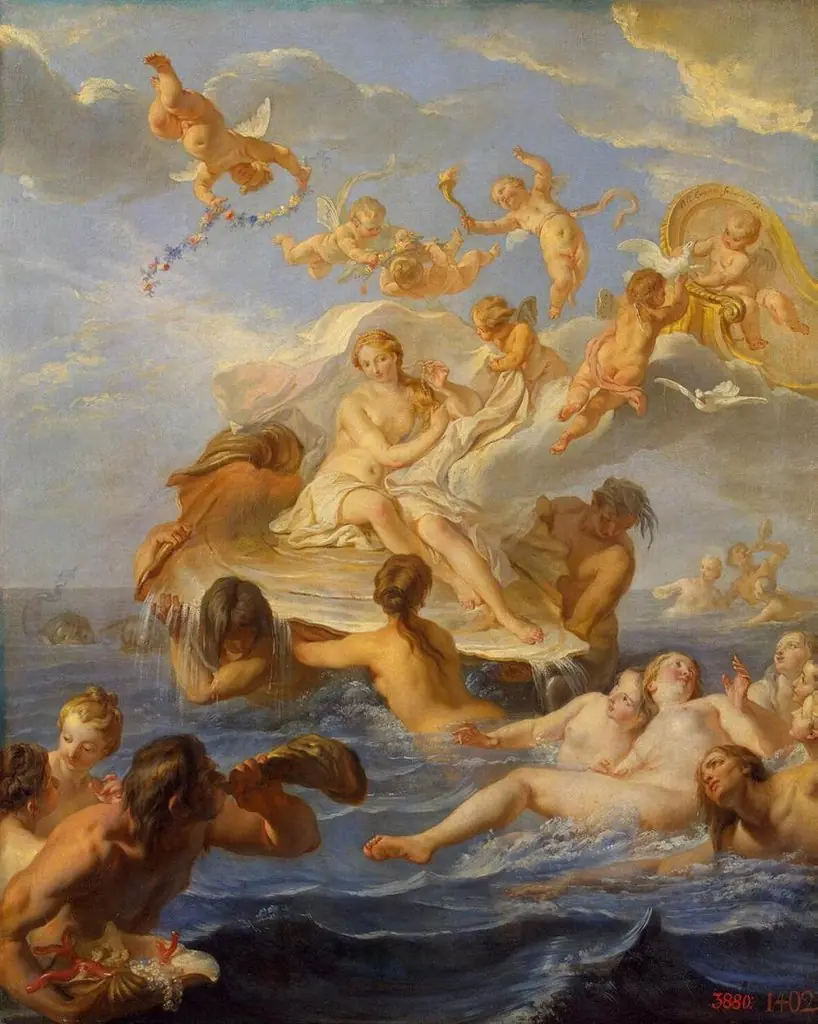
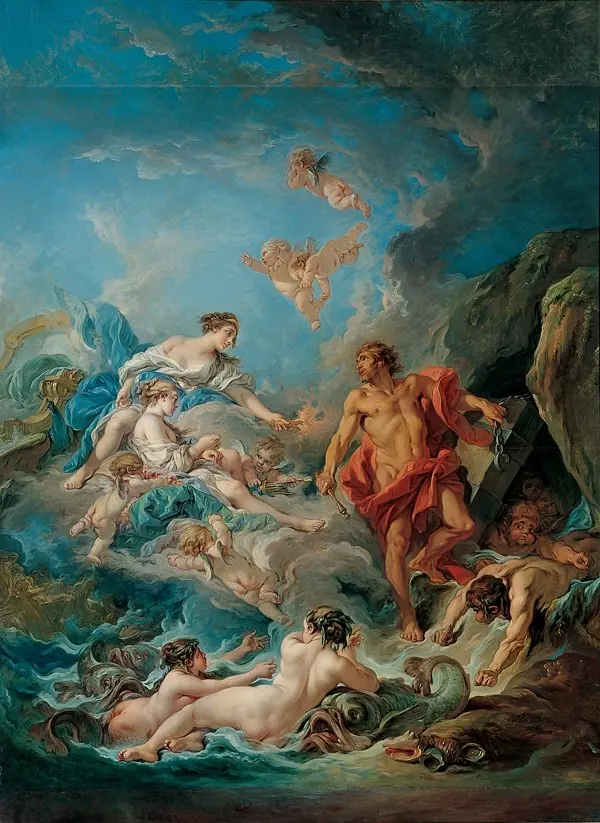
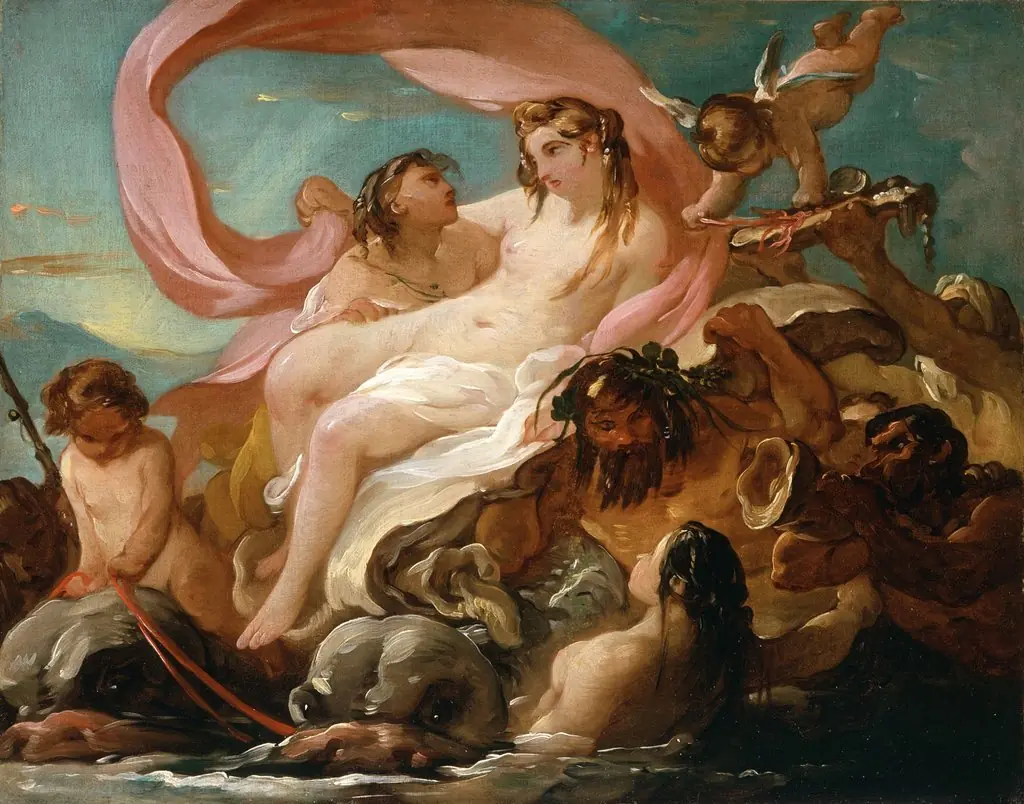
La Pêche, ou Neptune et Amphitrite is an oil painting by the Rococo painting artist Gabriel François Doyen. It dates from 1768 and is held in the collection of the Palace of Versailles.
About this work
Overview
Painted in 1768 by French artist Gabriel François Doyen, *La Pêche, ou Neptune et Amphitrite* is an oil-on-canvas work rooted in mythological subject matter.
Painted in 1768 by French artist Gabriel François Doyen, *La Pêche, ou Neptune et Amphitrite* is an oil-on-canvas work rooted in mythological subject matter. It was produced during the height of the Rococo era and later entered the royal collection at the Palace of Versailles. The painting reflects the period’s fascination with classical narratives, rendered with decorative elegance and fluid movement.
Subject & Meaning
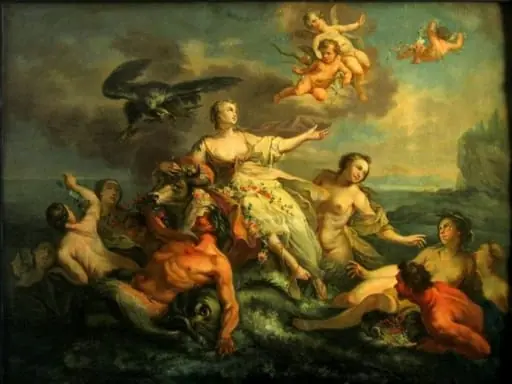
The scene portrays Neptune, god of the sea, and his consort Amphitrite, surrounded by attendants and marine beings. Though titled *The Fishery*, the imagery evokes a ceremonial procession rather than an act of fishing. The figures suggest divine authority and harmony within the oceanic realm, reinforcing the monarchic symbolism favored at Versailles, where mythological themes often paralleled royal power.
Technique & Style
Doyen employs soft modeling and delicate chiaroscuro to give volume to the figures, enhancing their ethereal presence. The palette favors pale blues, pinks, and whites, harmonizing with the Rococo aesthetic. Brushwork is light and fluid, particularly in the drapery of Amphitrite’s gown and the swirling clouds, creating a sense of motion and atmospheric depth without heavy contrast.
History & Provenance
Commissioned during the reign of Louis XV, the painting was acquired for the Palace of Versailles shortly after its completion. It remained in royal collections through the French Revolution and was later cataloged as part of the national heritage. Its presence in Versailles underscores its role in the court’s visual program, aligning with other mythological works intended to glorify the monarchy.
Context
In mid-18th-century France, mythological paintings like this served both decorative and ideological functions. While the Rococo style emphasized grace and playfulness, Doyen’s work subtly reinforced the legitimacy of royal rule by associating it with divine figures. The painting reflects a broader trend among French artists to blend classical antiquity with contemporary courtly ideals.
Legacy
Though less widely known today than works by his contemporaries, Doyen’s painting remains a representative example of French Rococo mythological painting. It continues to be studied for its nuanced integration of classical themes within the aristocratic aesthetic of Versailles, offering insight into how myth was used to articulate power in pre-revolutionary France.
Own this work as a print
Artist & collection
Artist
Gabriel François Doyen (French: ; 20 May 1726 – 13 March 1806) was a French painter of historical and mythological scenes.