Artwork
Ossian Awakening the Spirits on the Banks of the Lora with the Sound of his Harp
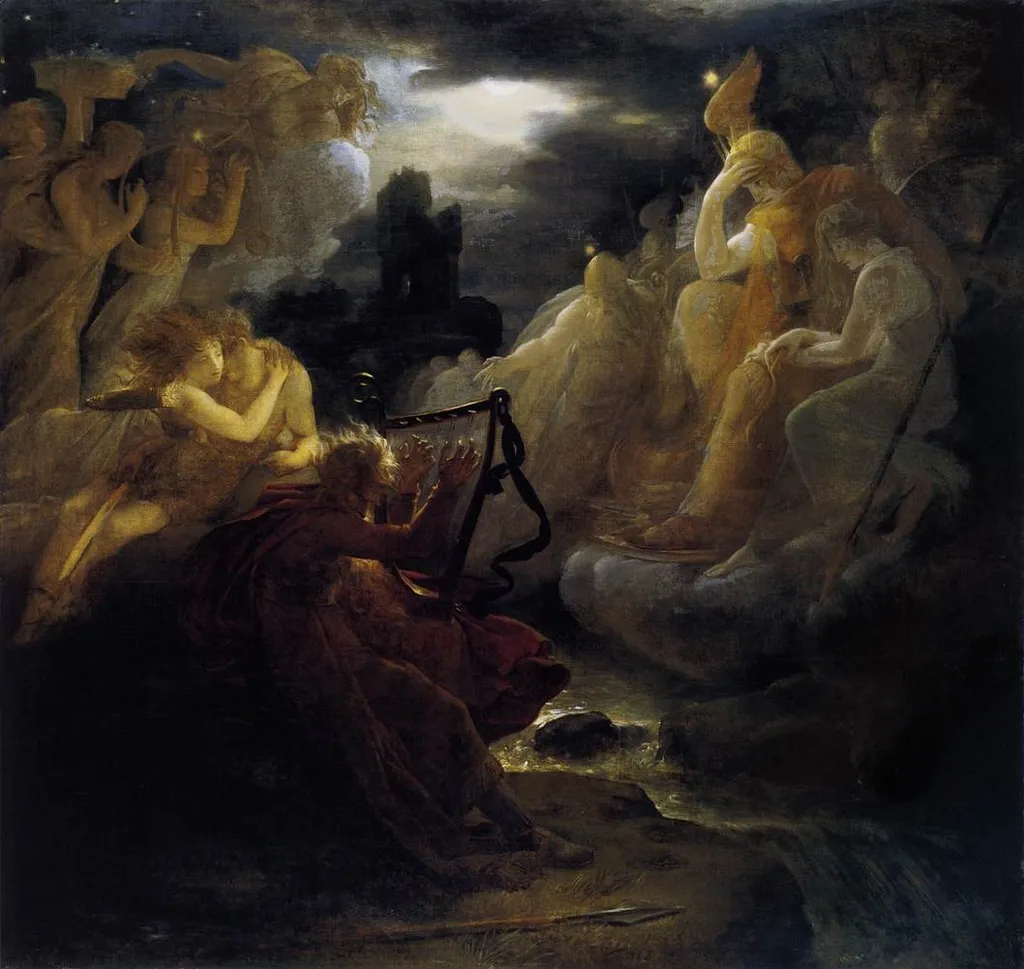
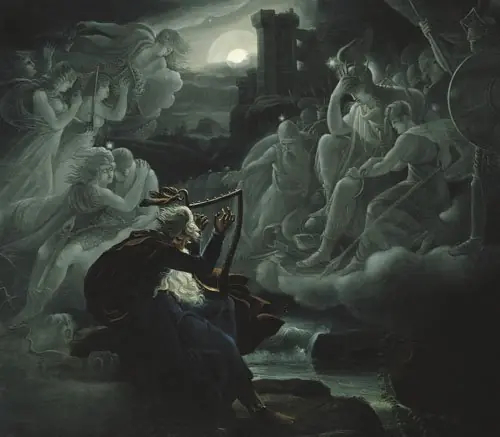
Ossian Awakening the Spirits on the Banks of the Lora with the Sound of his Harp is an oil painting by the French Romanticist artist François Gérard. It dates from 1801 and is held in the collection of the Hamburger Kunsthalle.
About this work
Overview
Created during the rise of Romanticism, the painting reflects a cultural interest in ancient myth and emotional atmosphere over classical restraint.
Painted in 1801 by French artist François Gérard, this oil on canvas work illustrates a scene from the legendary Gaelic bard Ossian, whose poetic tales were widely admired in early 19th-century Europe. Created during the rise of Romanticism, the painting reflects a cultural interest in ancient myth and emotional atmosphere over classical restraint. Gérard, trained by Jacques-Louis David, moved beyond Neoclassical precision toward more evocative, lyrical subjects. The painting now resides in the Hamburger Kunsthalle.
Subject & Meaning
The scene captures Ossian, a blind seer and poet, summoning spectral figures from the misty banks of the River Lora through the resonance of his harp. The spirits, translucent and reaching toward him, suggest the invocation of ancestral souls, blending personal memory with collective myth. The moment conveys a quiet reverence for the past, where music becomes a bridge between the living and the dead, embodying Romanticism’s fascination with the unseen and the sublime.
Technique & Style
Gérard employs soft chiaroscuro to model the figures against a dim, atmospheric landscape, enhancing the ethereal quality of the spirits. Muted earth tones—gray, brown, and muted ochre—dominate the palette, reinforcing the somber, dreamlike mood. The harp, rendered with careful detail, anchors the composition, while the ghostly forms dissolve at their edges, suggesting impermanence. Brushwork is smooth yet suggestive, avoiding sharp definition to preserve the scene’s otherworldly ambiguity.
History & Provenance
Commissioned during Gérard’s early career, the painting predates his appointment as court painter to Napoleon and later the Bourbons. It was likely made for private collectors drawn to literary Romanticism rather than state patronage. The work entered the Hamburger Kunsthalle’s collection in the 19th century, possibly through German collectors interested in French Romantic imagery. Its provenance reflects broader European engagement with Celtic revival themes during the Napoleonic era.
Context
The painting responds to James Macpherson’s disputed translations of Ossian’s poems, which sparked a pan-European fascination with ancient Celtic lore. In France, such themes offered an alternative to classical antiquity, aligning with Romanticism’s turn toward emotion, nature, and the mystical. Gérard’s depiction aligns with contemporaneous works by artists like Girodet and Géricault, who similarly explored supernatural narratives to evoke psychological depth over historical accuracy.
Legacy
Though less celebrated than Gérard’s portraits, this painting exemplifies his ability to merge narrative intensity with atmospheric subtlety. It contributed to the visual vocabulary of Romantic myth-making in France and influenced later depictions of spectral figures in 19th-century art. Its presence in a major German museum underscores its role in cross-national artistic dialogue, where literary myth transcended national boundaries to shape visual culture.
Artist & collection
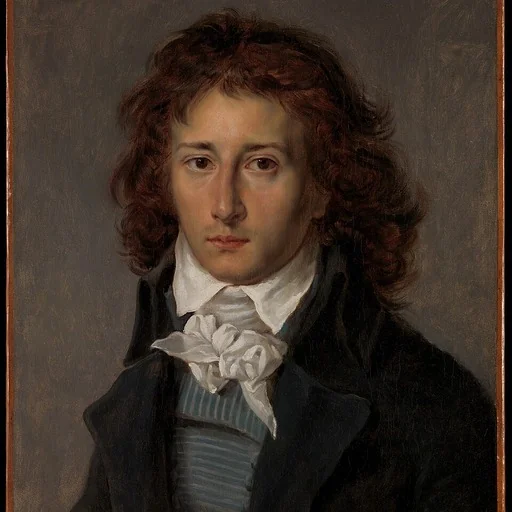
Artist
François Pascal Simon Gérard (French pronunciation: , 4 May 1770 – 11 January 1837), titled as Baron Gérard in 1809, was a French painter.

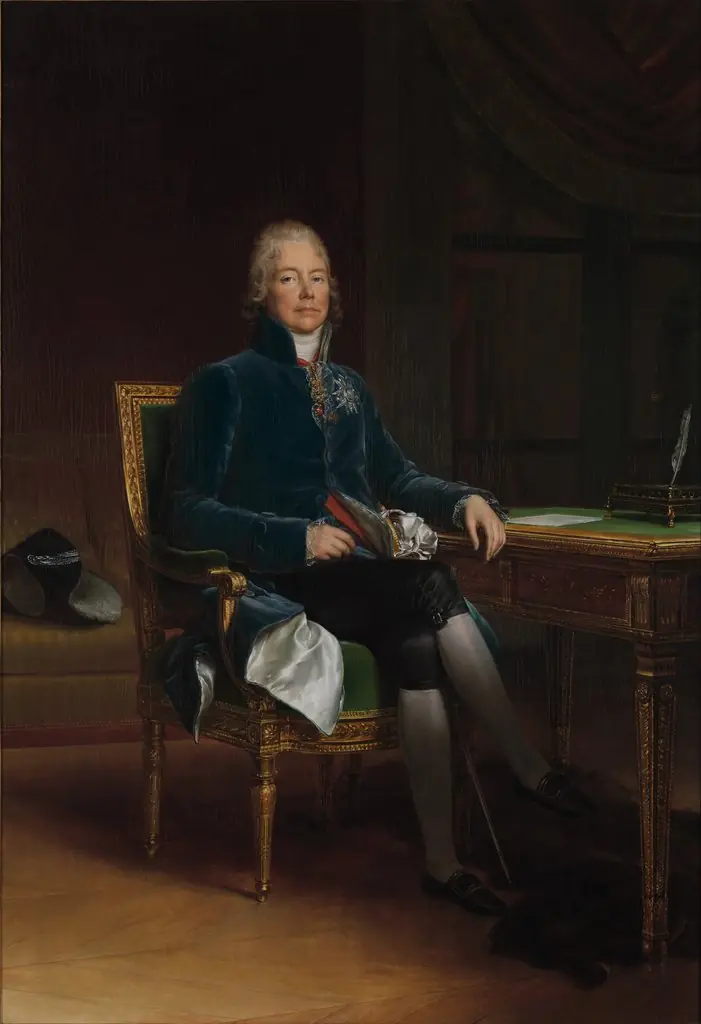 Charles Maurice de Talleyrand Périgord (1754–1838), Prince de Bénévent
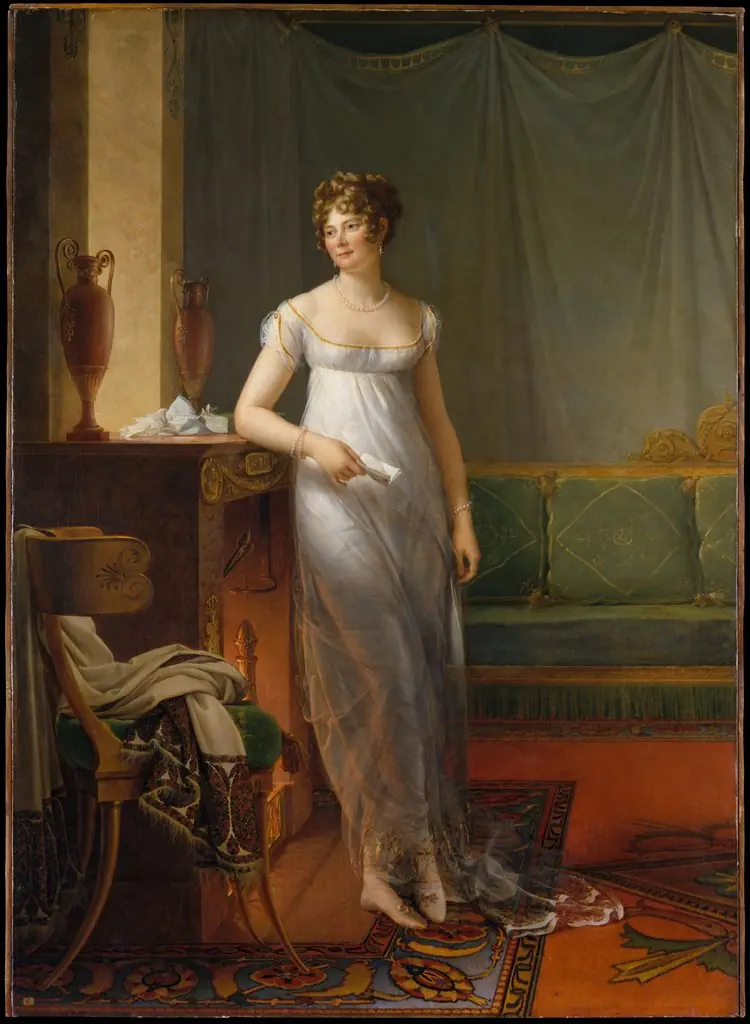 Madame Charles Maurice de Talleyrand Périgord (1761–1835)
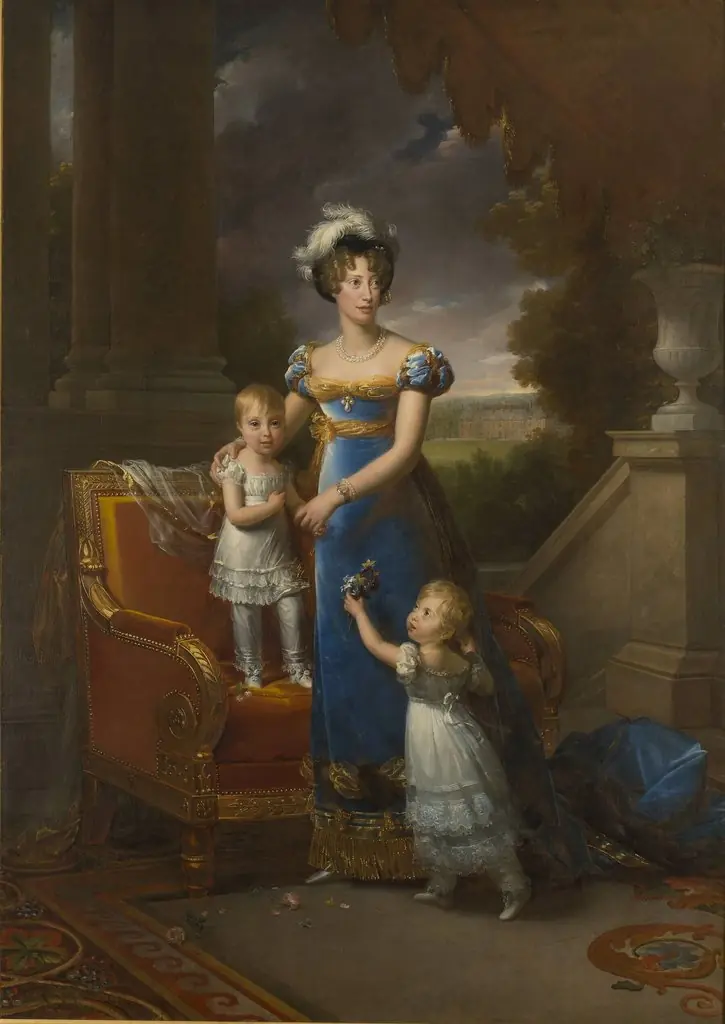 The Duchess of Berry and her Children
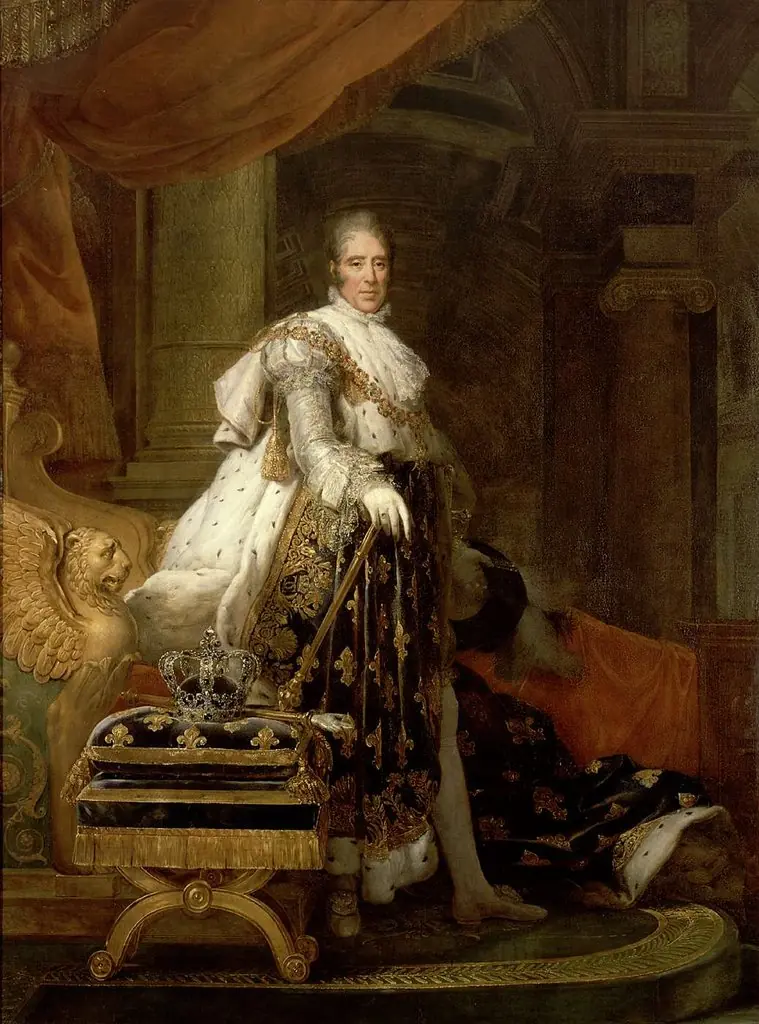 Charles X of France
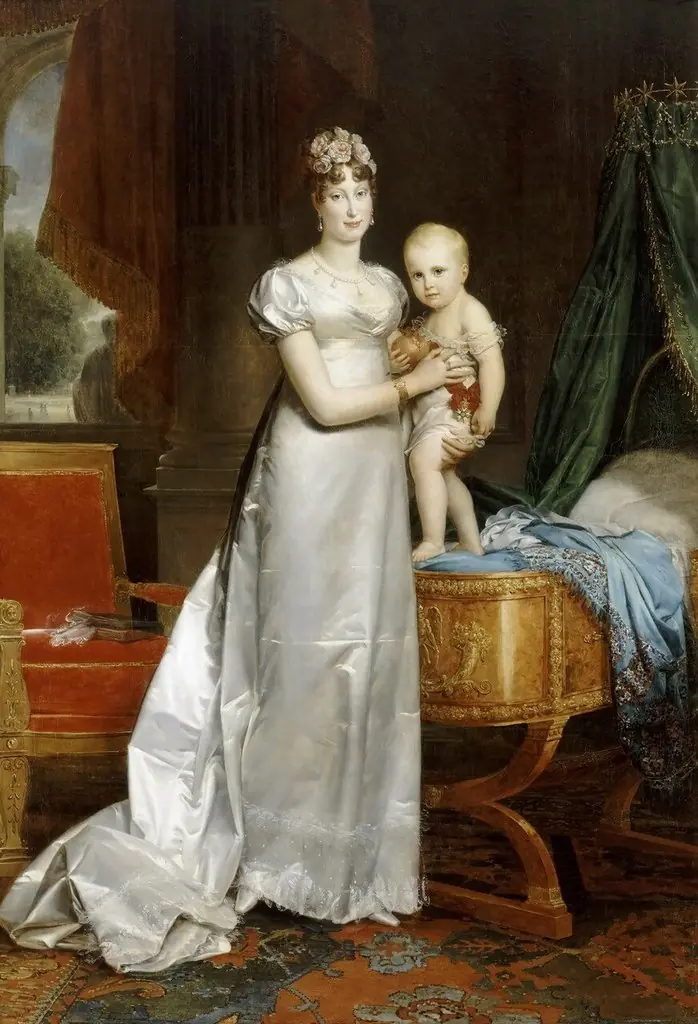 Marie-Louise, Empress of the French, and the Roi de Rome
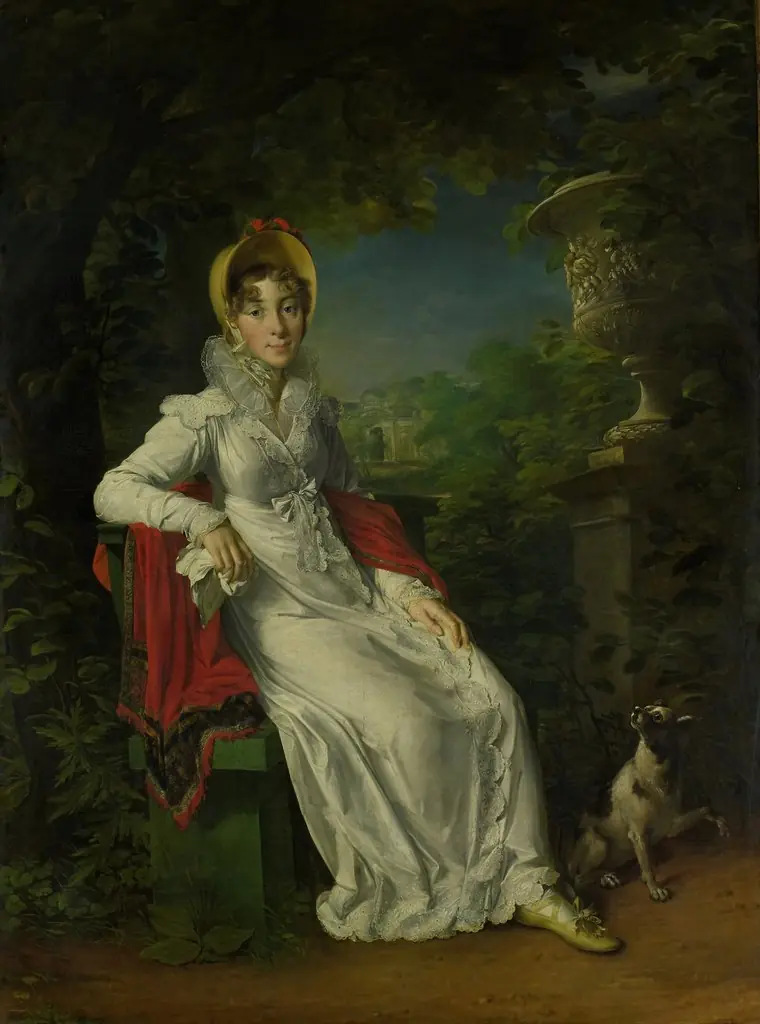 Portrait of Marie Caroline Ferdinande Louise de Naples, Wife of Charles Ferdinand, Duke de Berry, in the Park de Bagatelle in the Bois de Boulogne, Paris
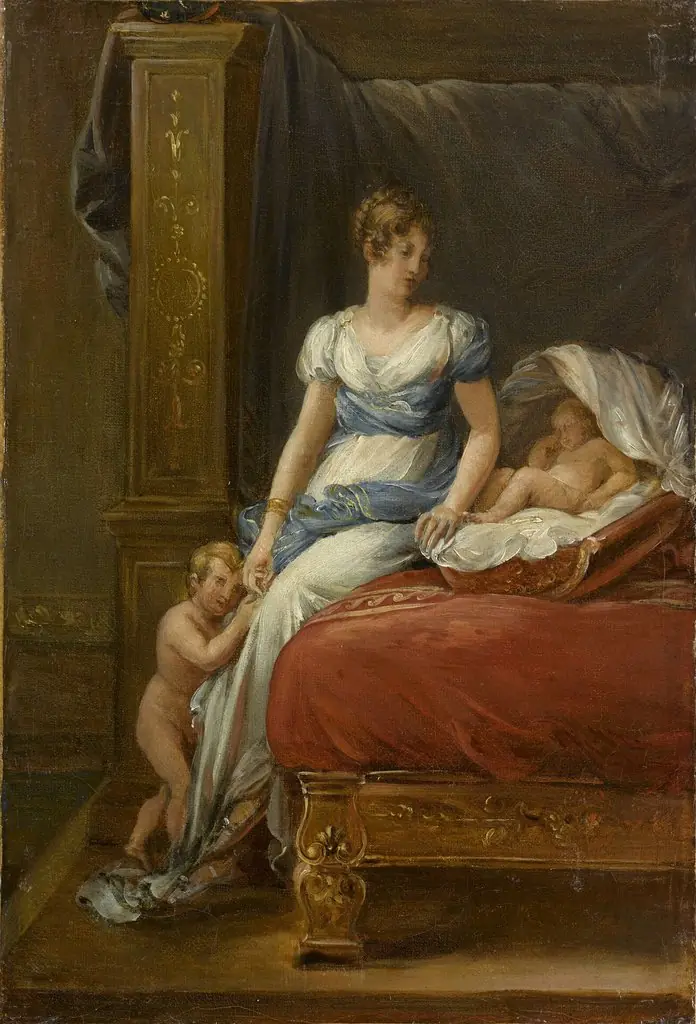 Marie-Annunciade-Caroline Bonaparte, Queen of Naples and her children
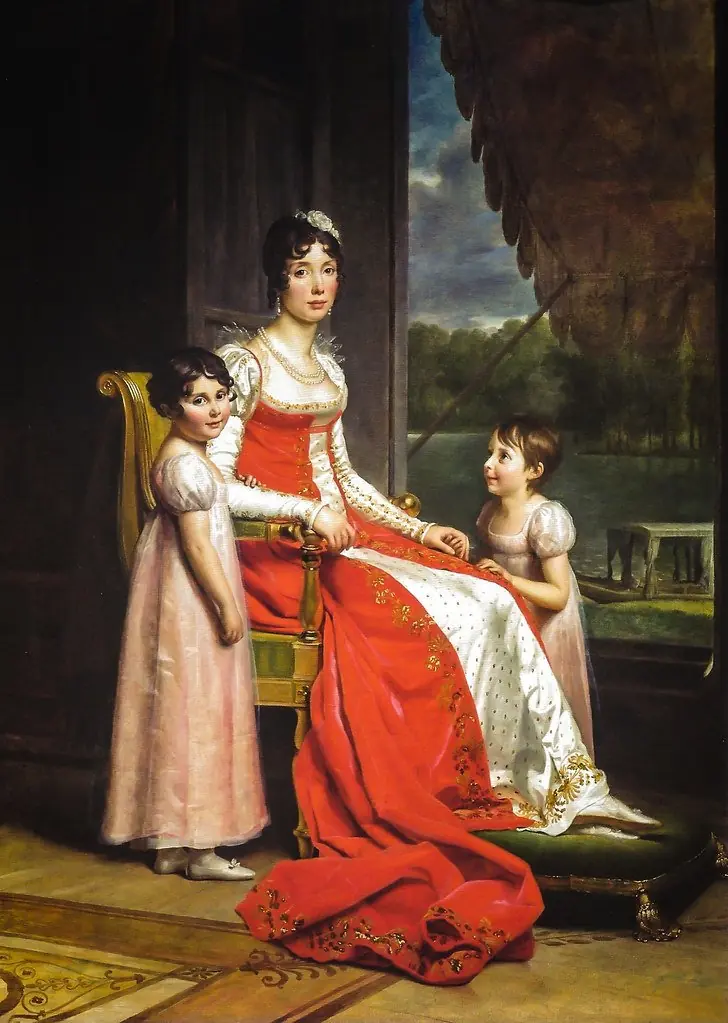 Julie Bonaparte as Queen of Spain with her Daughters, Zénaïde and Charlotte
 Santa Catalina transportada por los ángeles
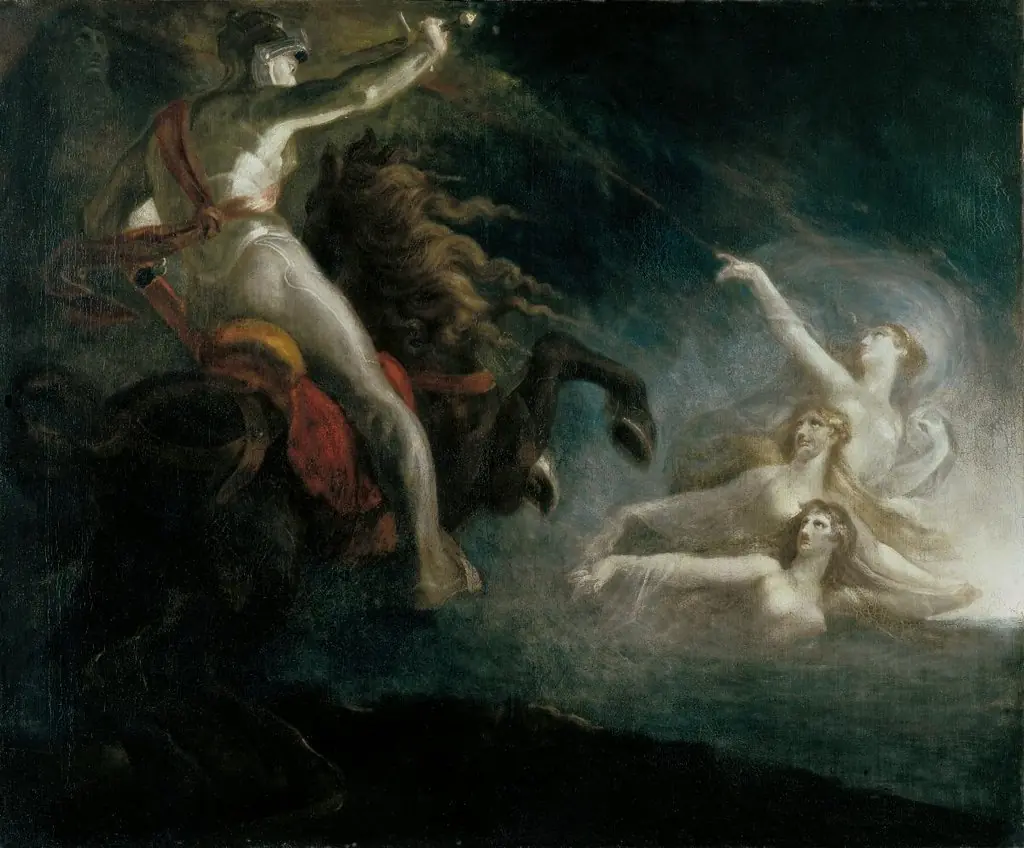 Die Donaunixen prophezeien Hagen den unglücklichen Ausgang von Gunthers Zug
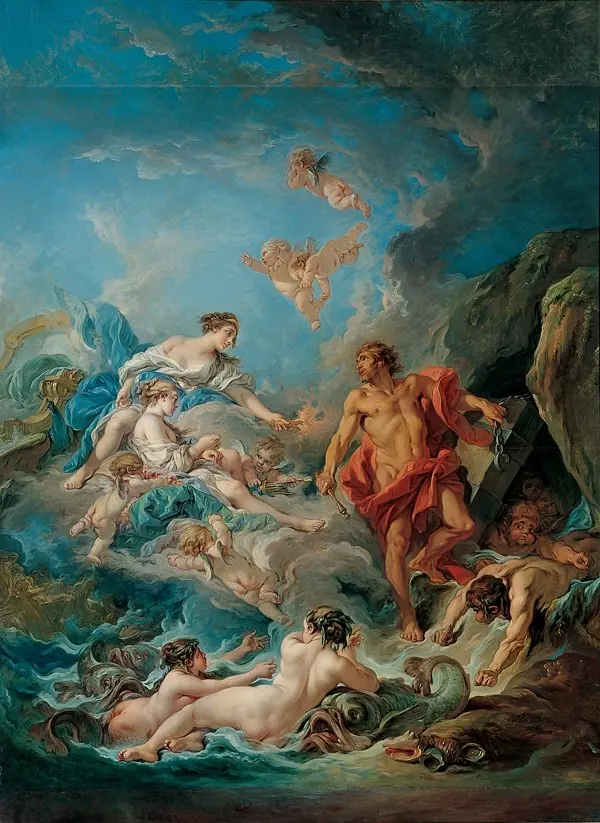 Juno Asking Aeolus to Release the Winds
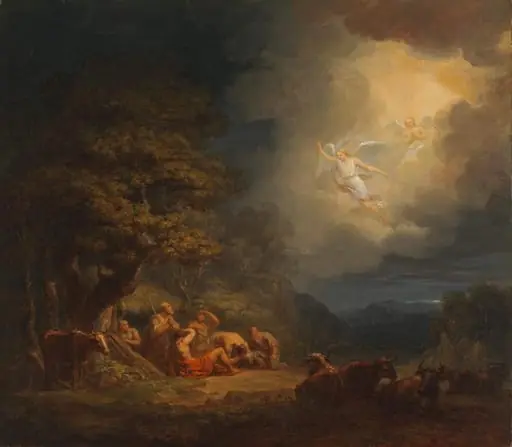 Enkelten ilmestys paimenille
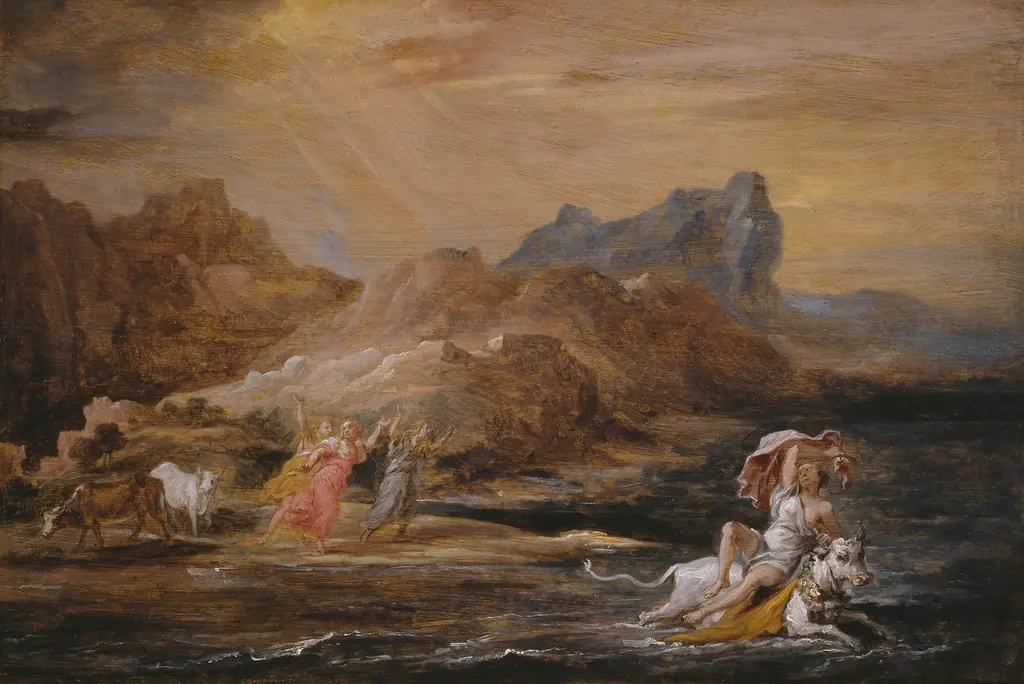 The Rape of Europa
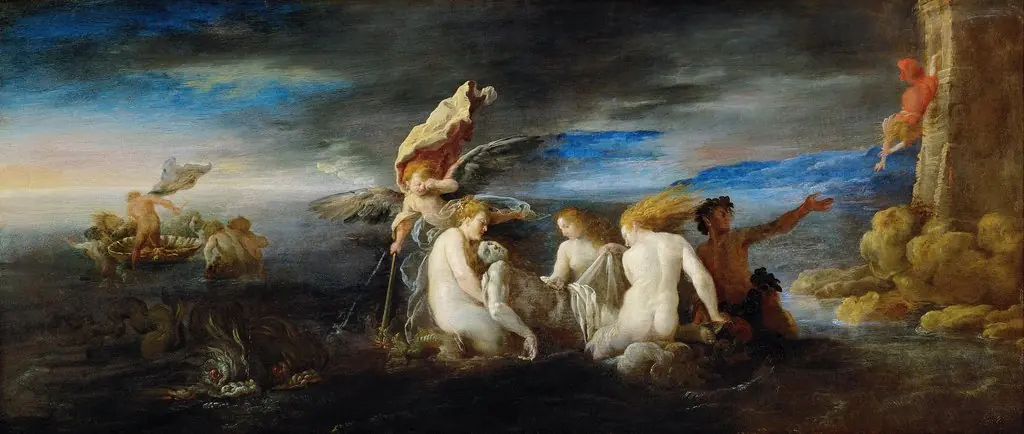 Hero mourns the dead Leander
 The Rape of Proserpine
 Satan and Death with Sin Intervening
 Temptation of Saint Hilarion
 The Fountain of Love
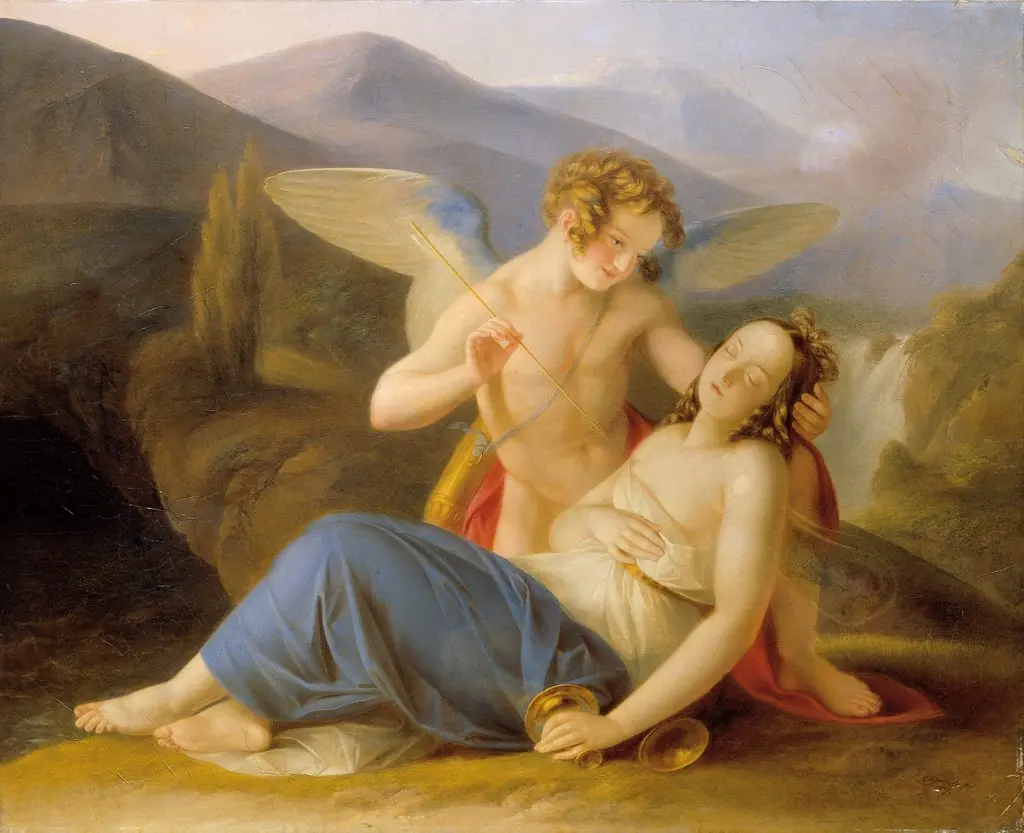 Psyche is awakened from fainting by Cupid's arrow
 The Sorrows of Ossian