Artwork
Santa Catalina transportada por los ángeles
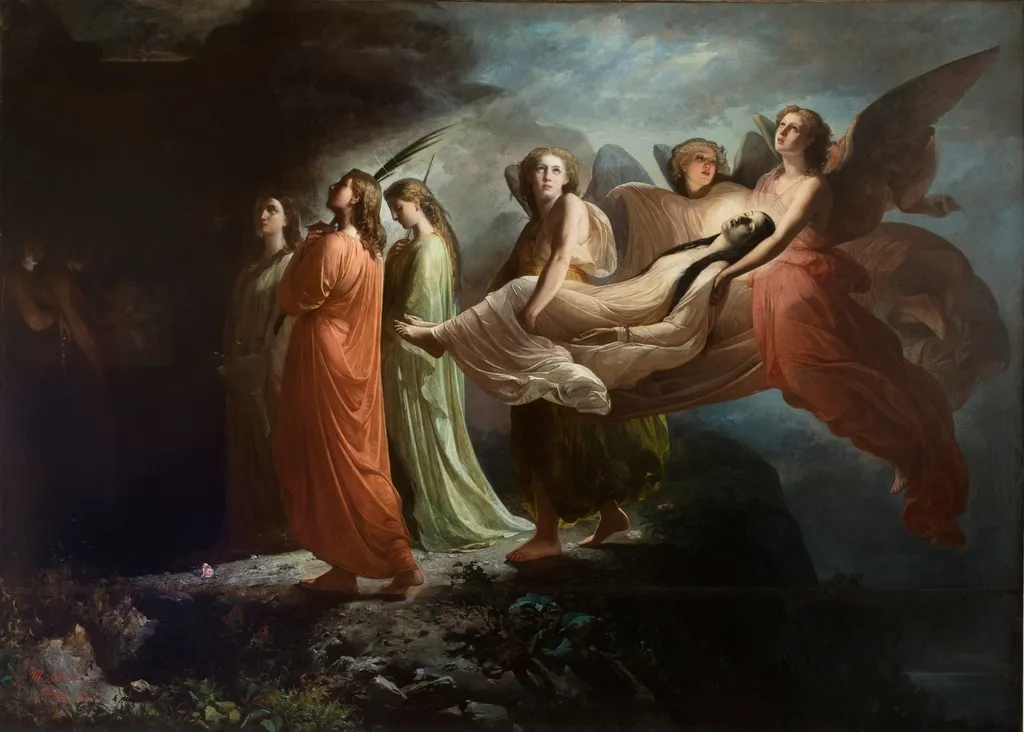
Santa Catalina transportada por los ángeles is an oil painting by Miguel Navarro Cañizares. It dates from 1866 and is held in the collection of the Museo del Prado.
About this work
Overview
Painted in 1866 by Spanish artist Miguel Navarro Cañizares, this oil on canvas depicts the mystical transport of Saint Catherine by celestial beings.
Painted in 1866 by Spanish artist Miguel Navarro Cañizares, this oil on canvas depicts the mystical transport of Saint Catherine by celestial beings. Created during the artist’s time in Latin America, the work entered the Museo del Prado’s collection and reflects a blend of European religious iconography with the painter’s personal stylistic approach, marked by subdued drama and atmospheric lighting.
Subject & Meaning
The painting illustrates the legendary moment when Saint Catherine of Alexandria is carried heavenward by angels, following her martyrdom. The cogwheel, symbol of her torture, and the sword, emblem of her beheading, lie at her side, grounding the scene in her hagiography. The figures’ stillness and the quiet ascent suggest divine grace rather than violent ecstasy, emphasizing spiritual transcendence over physical suffering.
Technique & Style
Navarro Cañizares employs chiaroscuro to model the figures against a shadowed, rocky landscape, creating a luminous contrast that draws attention to the central group. The angels’ calm expressions and the soft glow on the saint’s skin avoid theatricality, favoring quiet reverence. Rich, muted tones in the robes—green, orange, white—anchor the composition while the stormy sky adds tension without disruption.
History & Provenance
Commissioned or created during Navarro Cañizares’s years in Venezuela and Brazil, the painting was later acquired by the Museo del Prado in Madrid. Its journey from Latin America to Spain reflects the transatlantic circulation of religious art in the 19th century. The work remained relatively obscure until its inclusion in the museum’s permanent collection, where it now serves as a rare example of Spanish-trained artists working beyond Europe.
Context
In mid-19th century Spain and its colonies, religious painting persisted as a vehicle for devotional expression despite rising secular trends. Navarro Cañizares, trained in traditional academies, adapted classical composition to local tastes. This work aligns with broader Catholic revival movements, yet its restrained emotion distinguishes it from more exuberant Romantic treatments of sacred themes.
Legacy
Though not widely reproduced or studied, the painting stands as a quiet testament to the persistence of religious imagery in an era of artistic change. Its presence in the Prado underscores the institution’s role in preserving lesser-known works by Spanish artists active abroad. The composition’s restraint and technical precision continue to offer insight into the evolution of devotional art beyond major centers of production.
Own this work as a print
Artist & collection
Artist
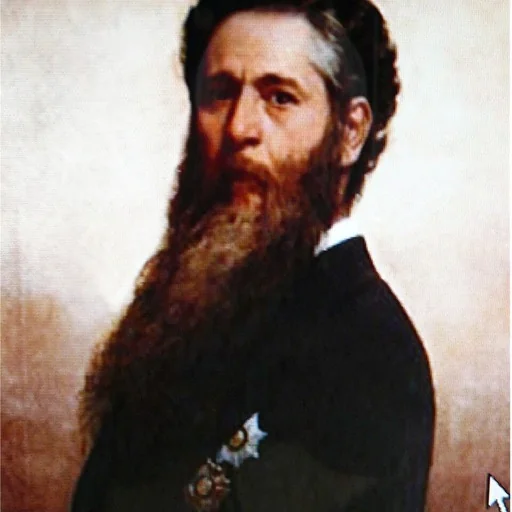
Miguel Navarro Cañizares (c. 1835 – 23 October 1913) was a Spanish painter and art teacher who worked in Venezuela and Brazil.

 Alegoría del Invierno
 Expulsion of Adam and Eve
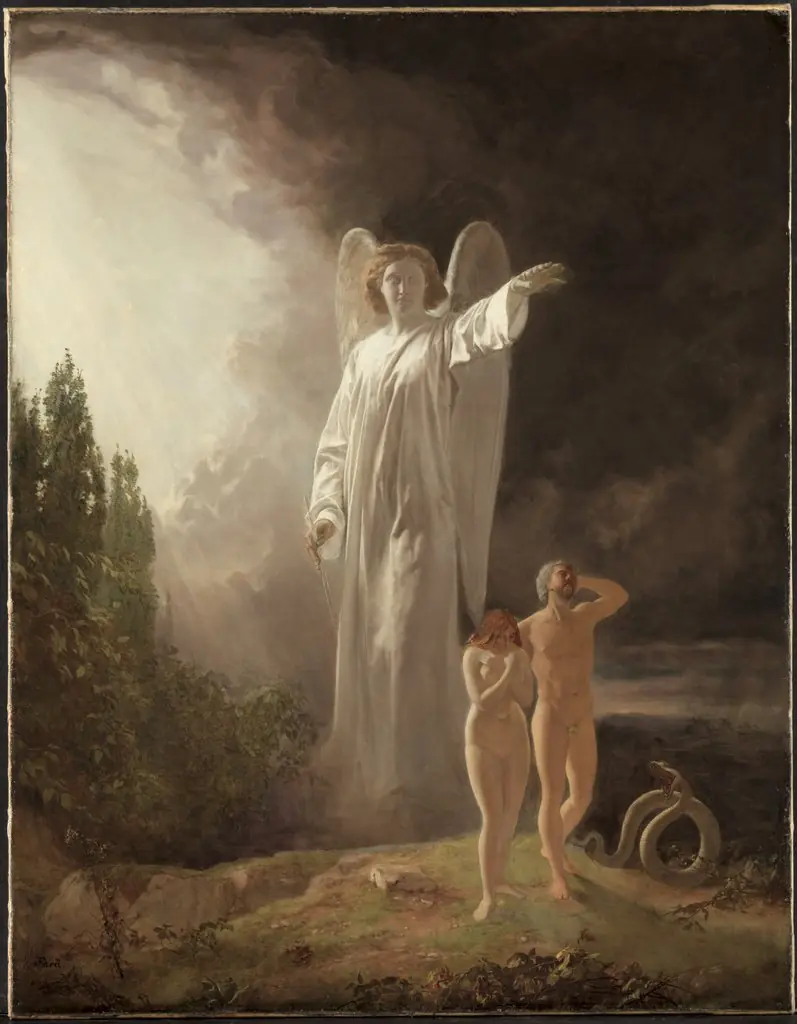 Expulsion of Adam and Eve
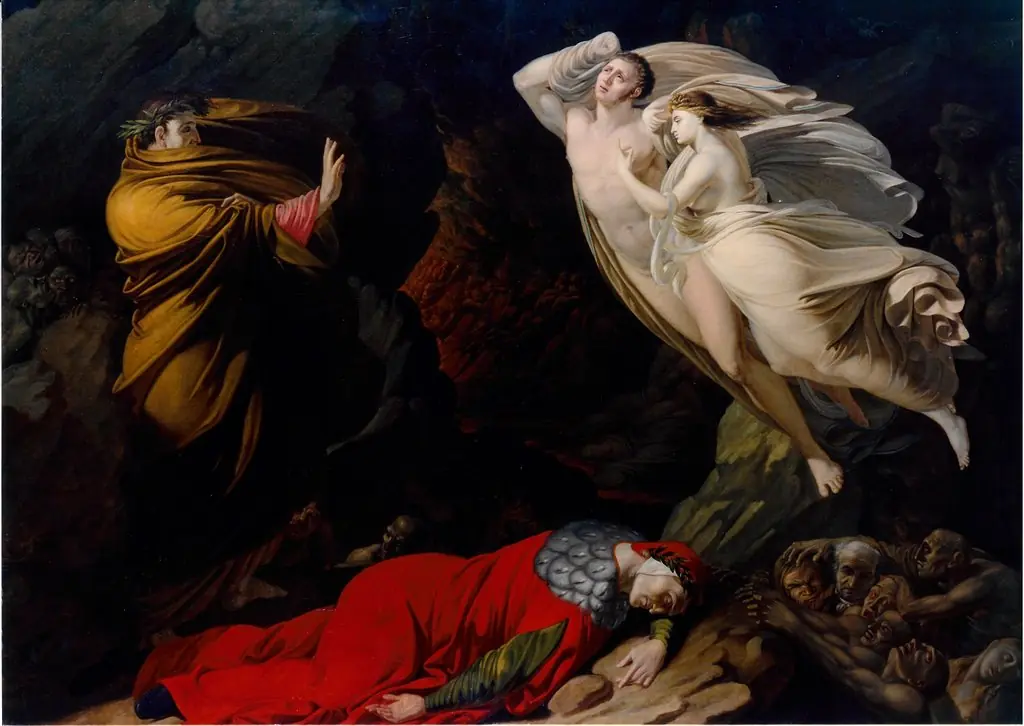 Paolo and Francesca da Rimini in Dante's hell
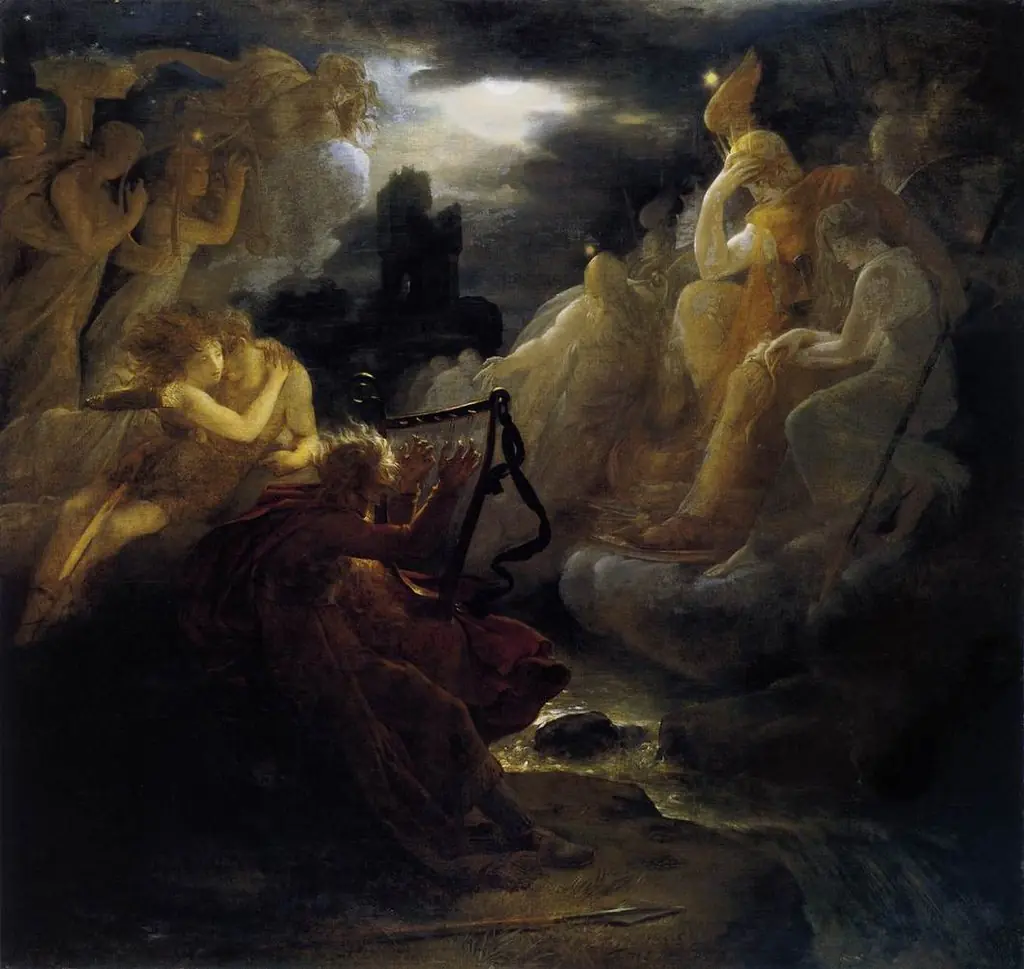 Ossian Awakening the Spirits on the Banks of the Lora with the Sound of his Harp
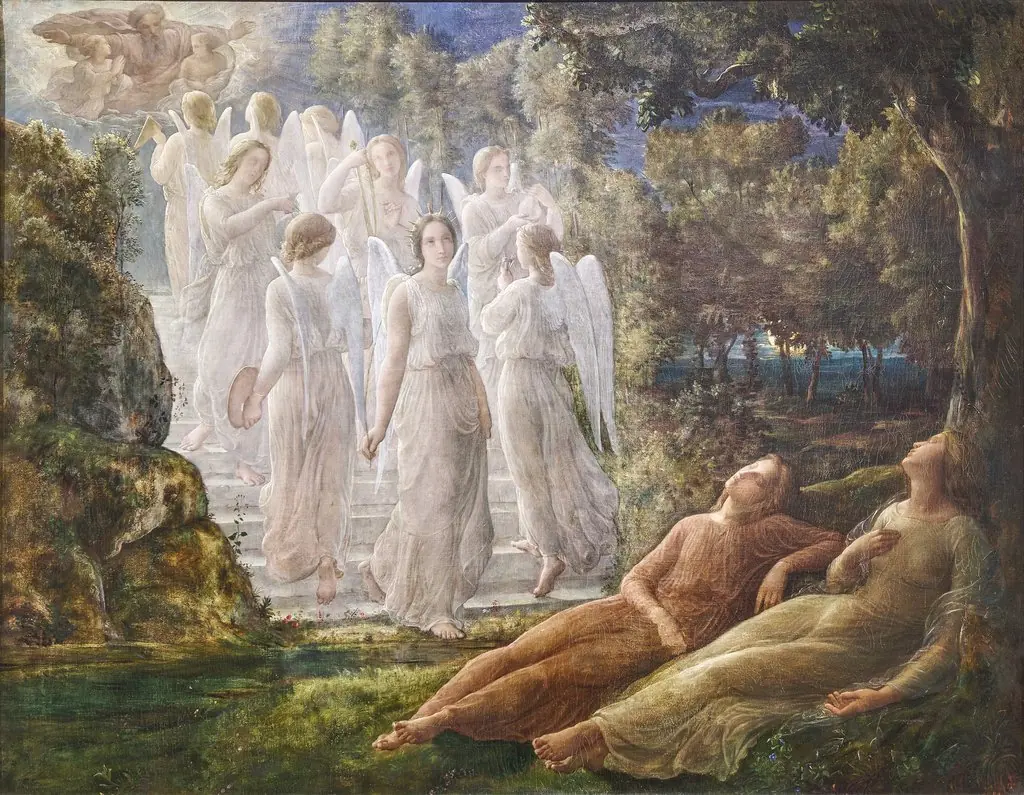 Poem of the Soul - The golden stairs
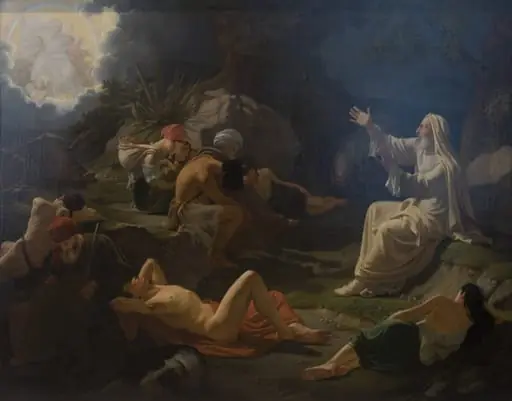 The Vision of the Prophet Ezekiel
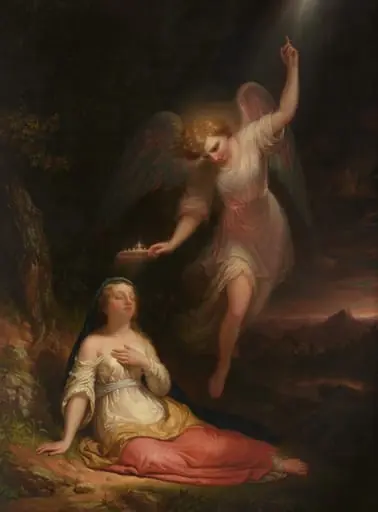 Mercy's Dream
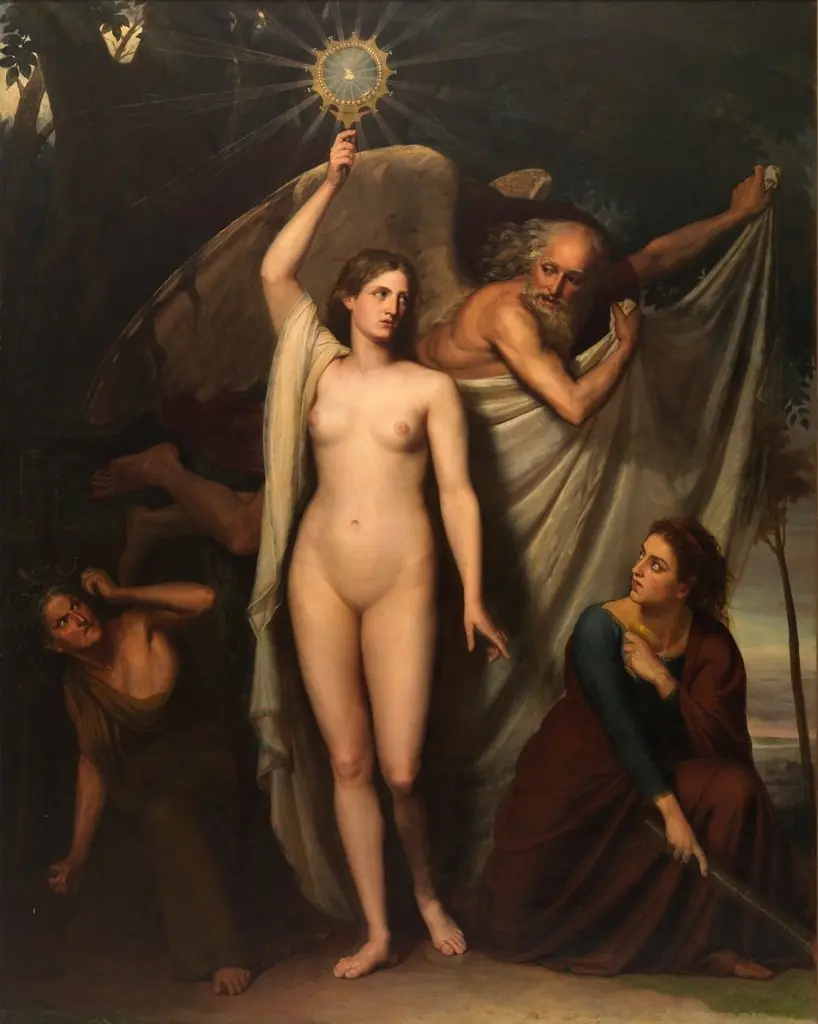 El tiempo descubre la verdad
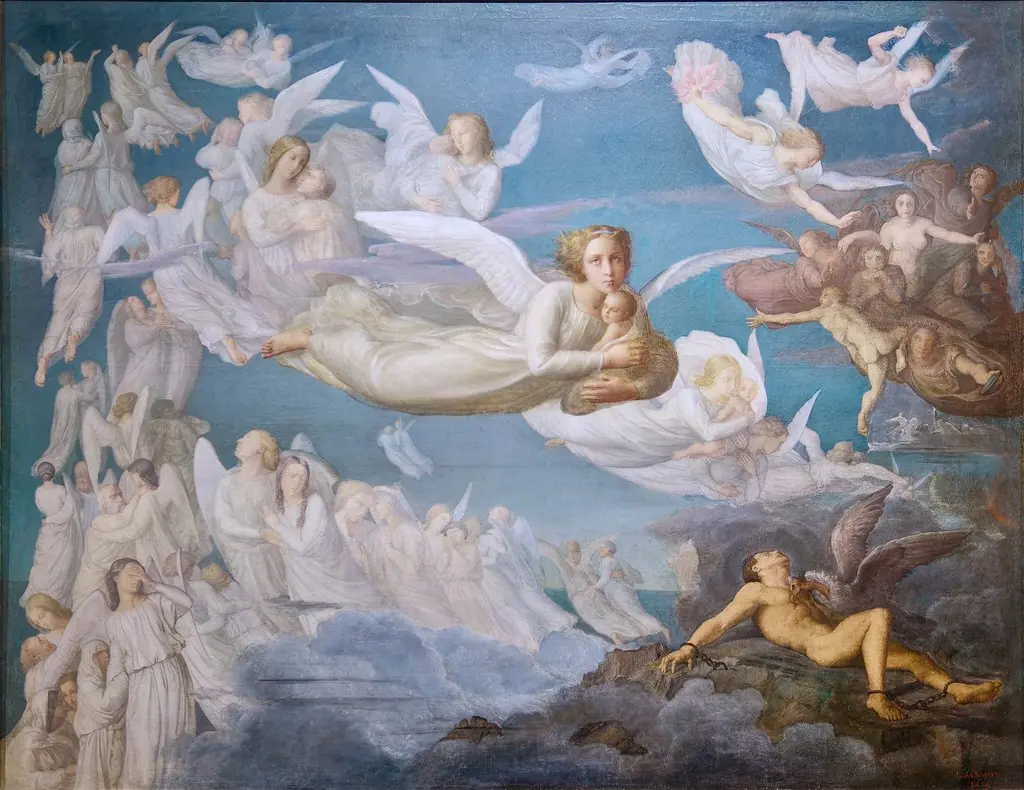 Poem of the Soul - Passage of the soul
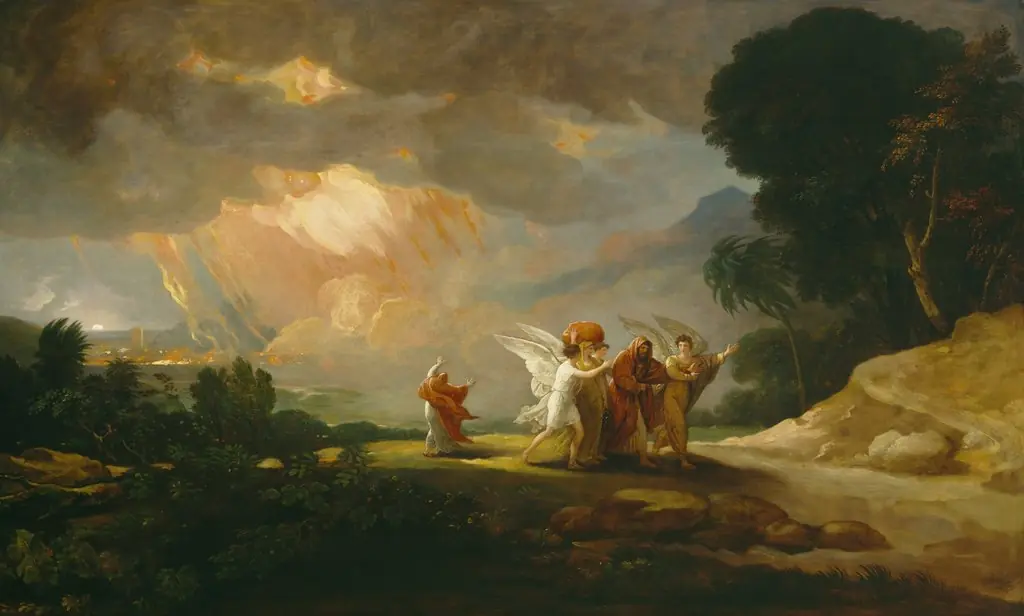 Lot Fleeing from Sodom
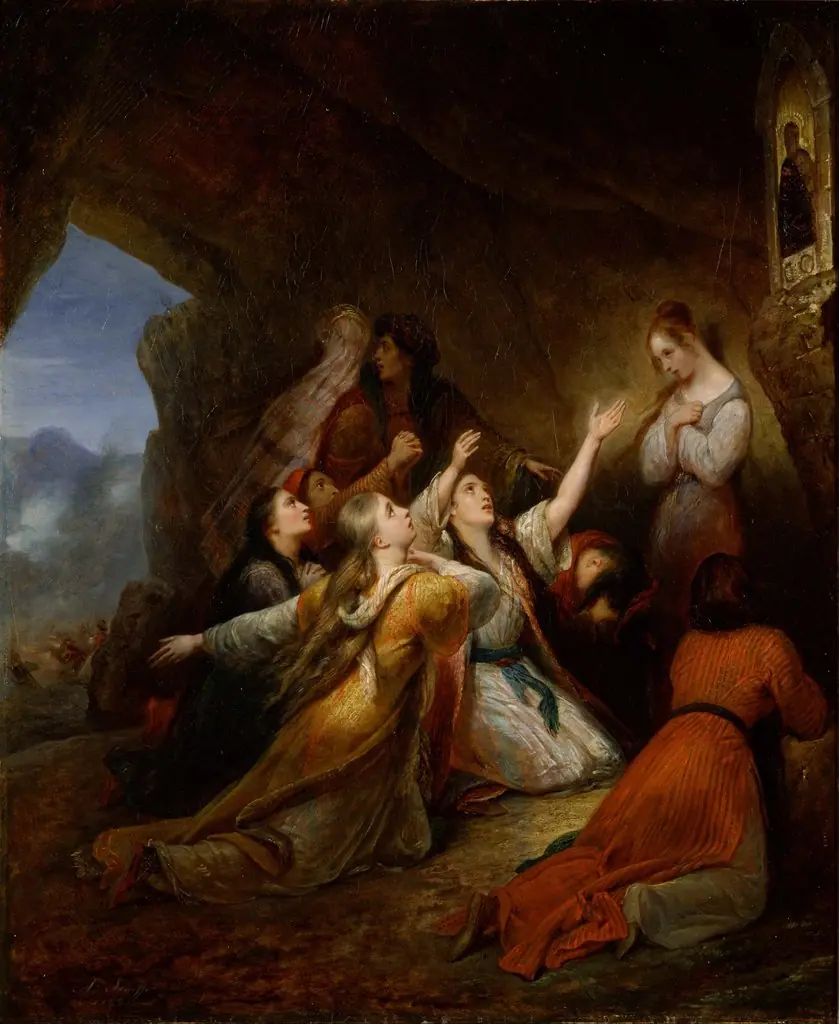 Greek Women Plead for the Virgin's Help