Artwork
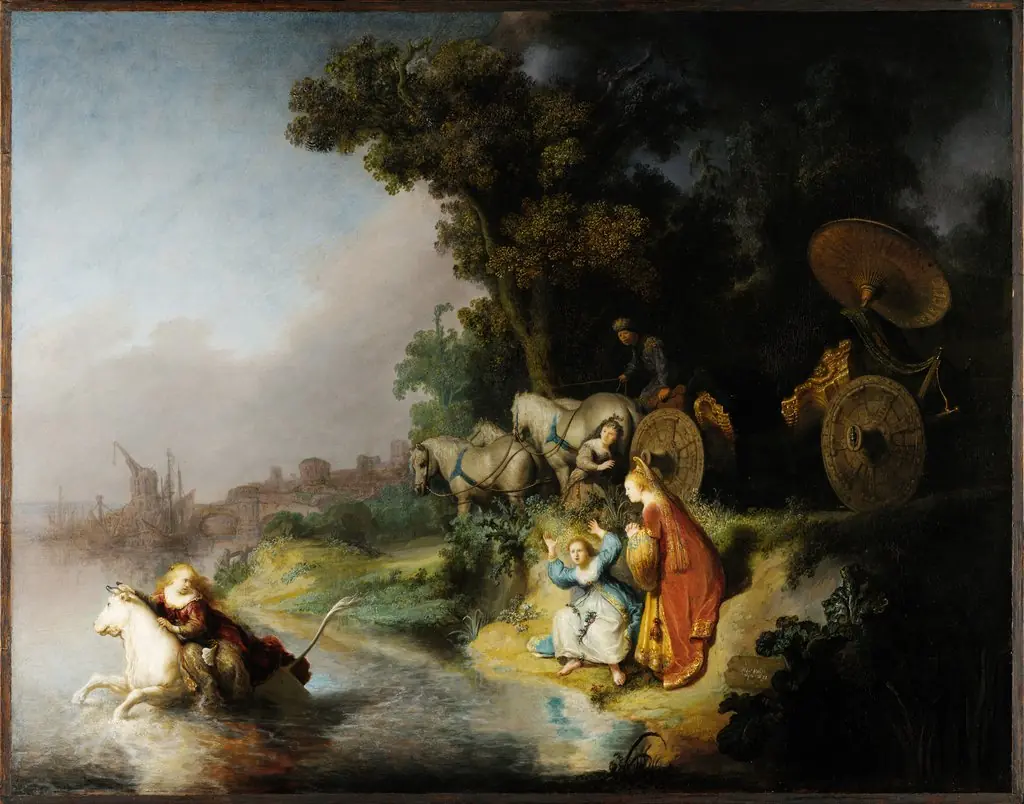
The Rape of Proserpine
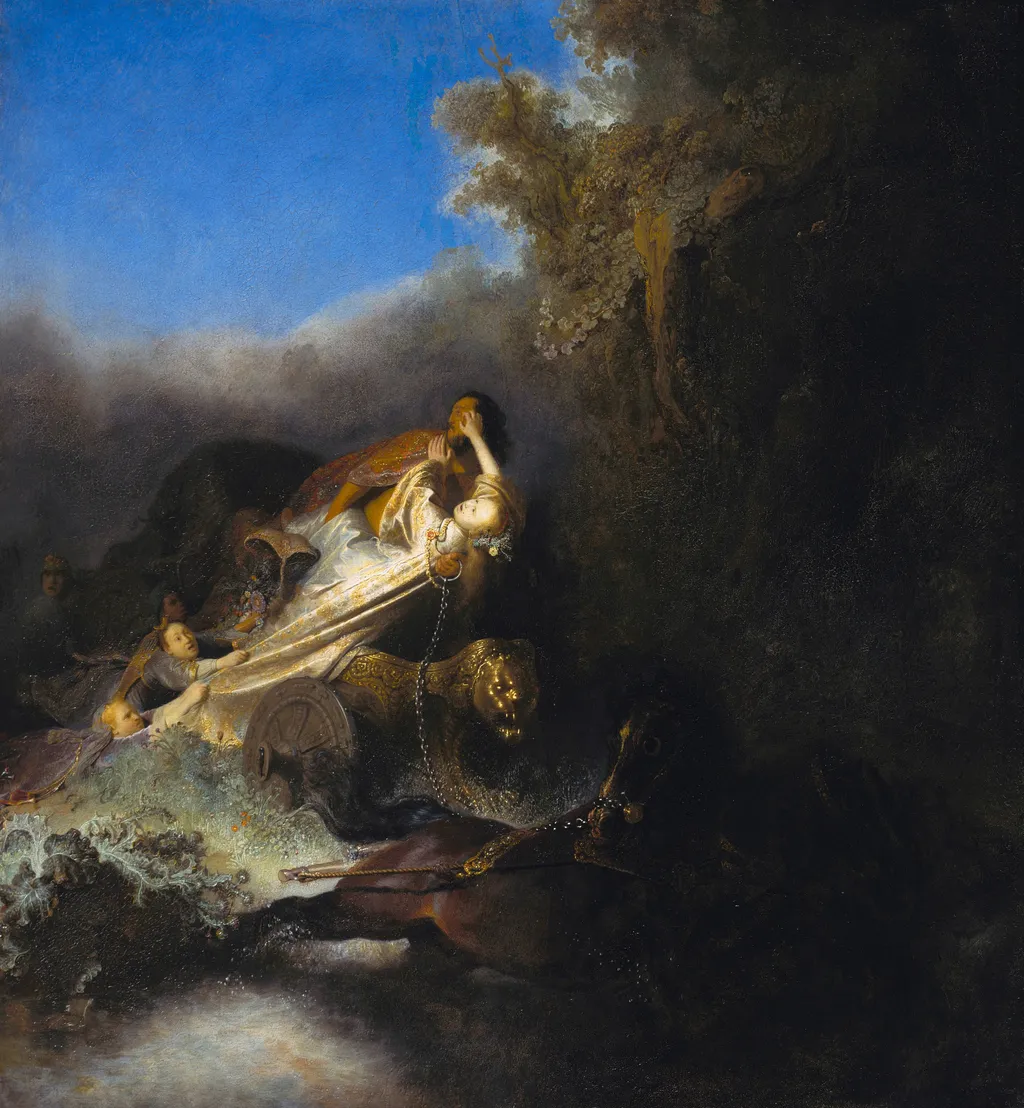
The Rape of Proserpine is an oil painting by the Dutch Golden Age artist Rembrandt. It dates from 1630 and is held in the collection of the Gemäldegalerie Berlin.
About this work
Overview
Rembrandt’s 1630 wood relief entitled *The Rape of Proserpine* portrays a mythological abduction rendered in carved wood. The work belongs to the collection of Berlin’s Gemäldegalerie and exemplifies the artist’s engagement with narrative subjects beyond his more familiar oil paintings and etchings.
Subject & Meaning
The scene illustrates the ancient tale of Proserpina’s seizure by Pluto, the ruler of the underworld. A woman in a white garment is grasped by a figure in a red cloak as they are drawn away in a chariot, while onlookers observe the dramatic moment, echoing the myth’s themes of loss and transition between worlds.
Technique & Style
Carved in wood, the relief employs stark chiaroscuro, with illuminated foreground figures set against a deep, shadowed background. Rembrandt’s handling of light and dark intensifies the composition’s tension, while the limited palette of reds, whites, and earth tones accentuates the central drama.
History & Provenance
Created during Rembrandt’s early mature period, the relief entered the Gemäldegalerie’s holdings in the 20th century, though the precise acquisition path remains undocumented. It stands among the roughly three hundred paintings and a comparable number of prints and drawings produced by the Dutch master throughout his career.
Own this work as a print
Artist & collection
Artist
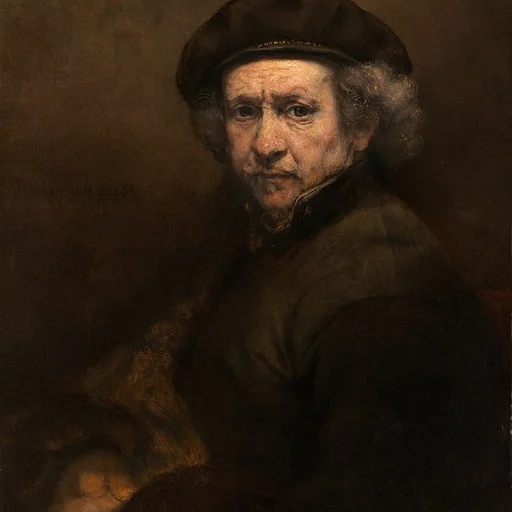
Rembrandt Harmenszoon van Rijn (15 July 1606 – 4 October 1669), known mononymously as Rembrandt, was a Dutch Golden Age painter, printmaker, and draughtsman.

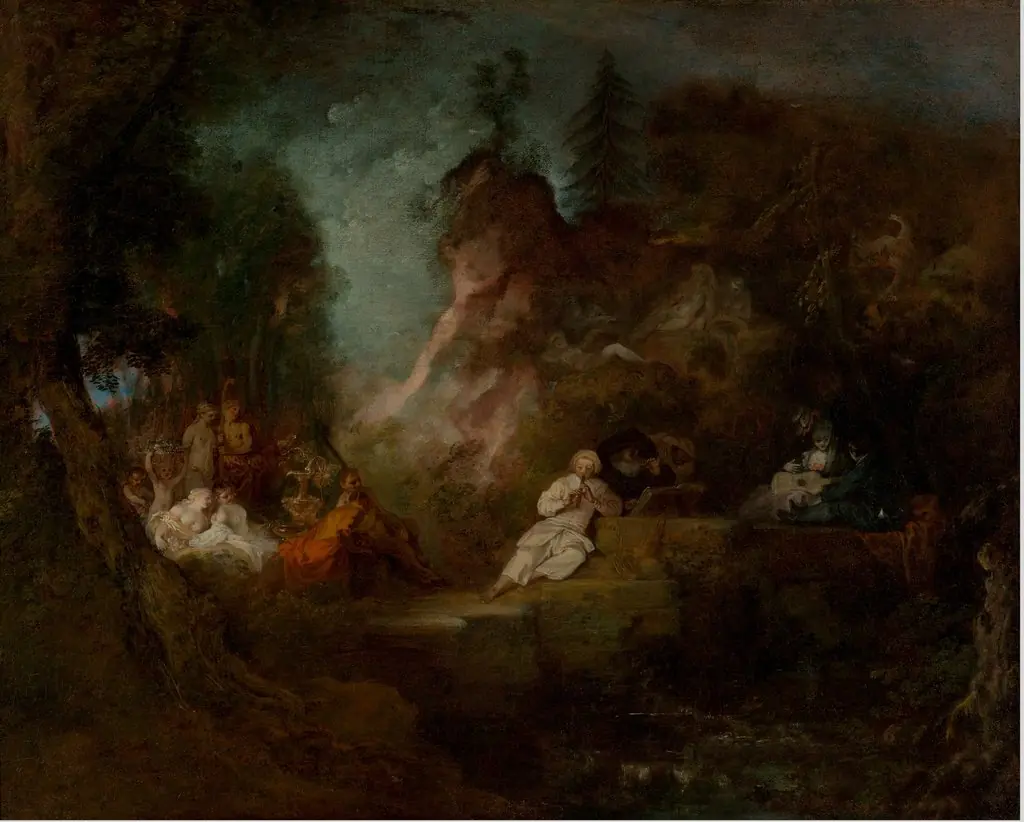 Festivities in Honor of Pan
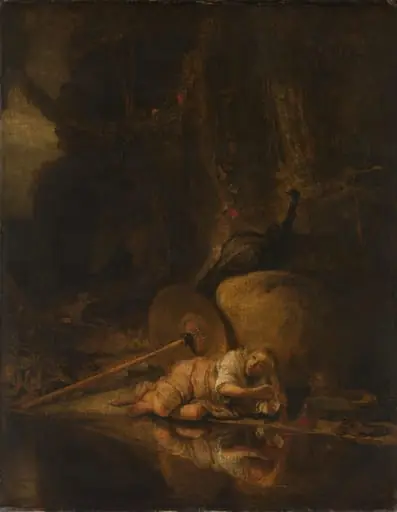 Hera Hiding during the Battle of the Gods and Giants
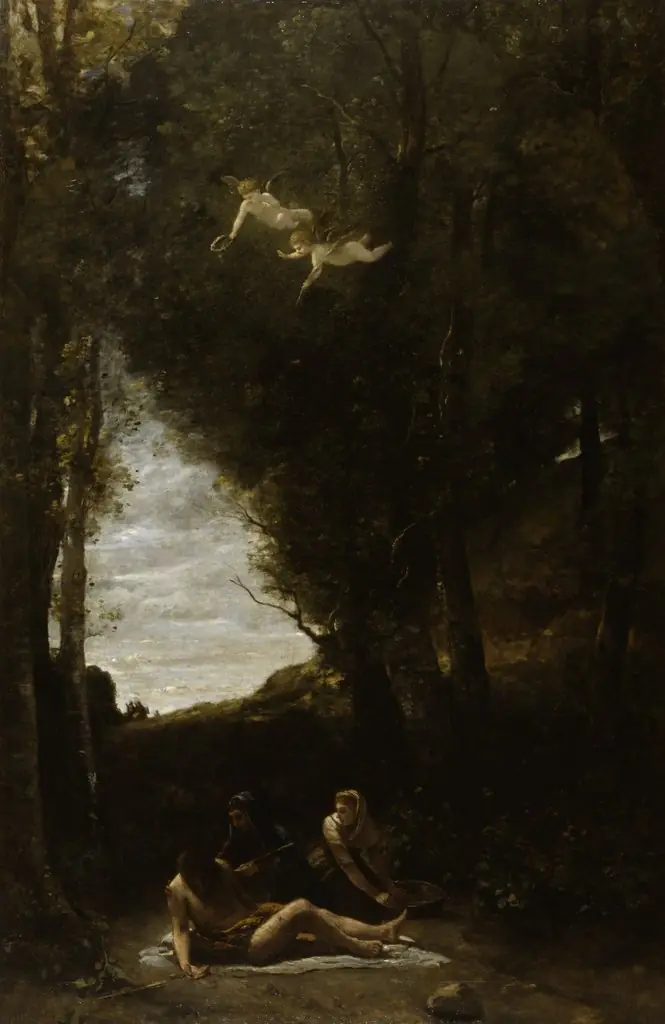 St. Sebastian Succoured by Holy Women
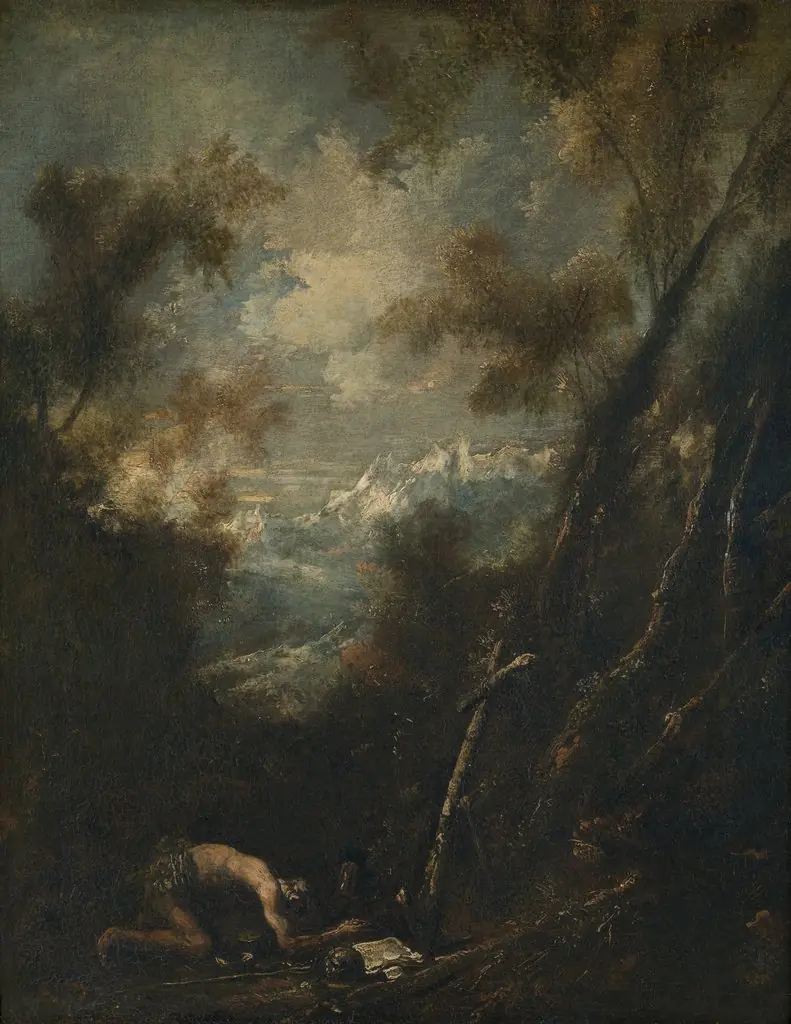 Saint Jerome in a Landscape
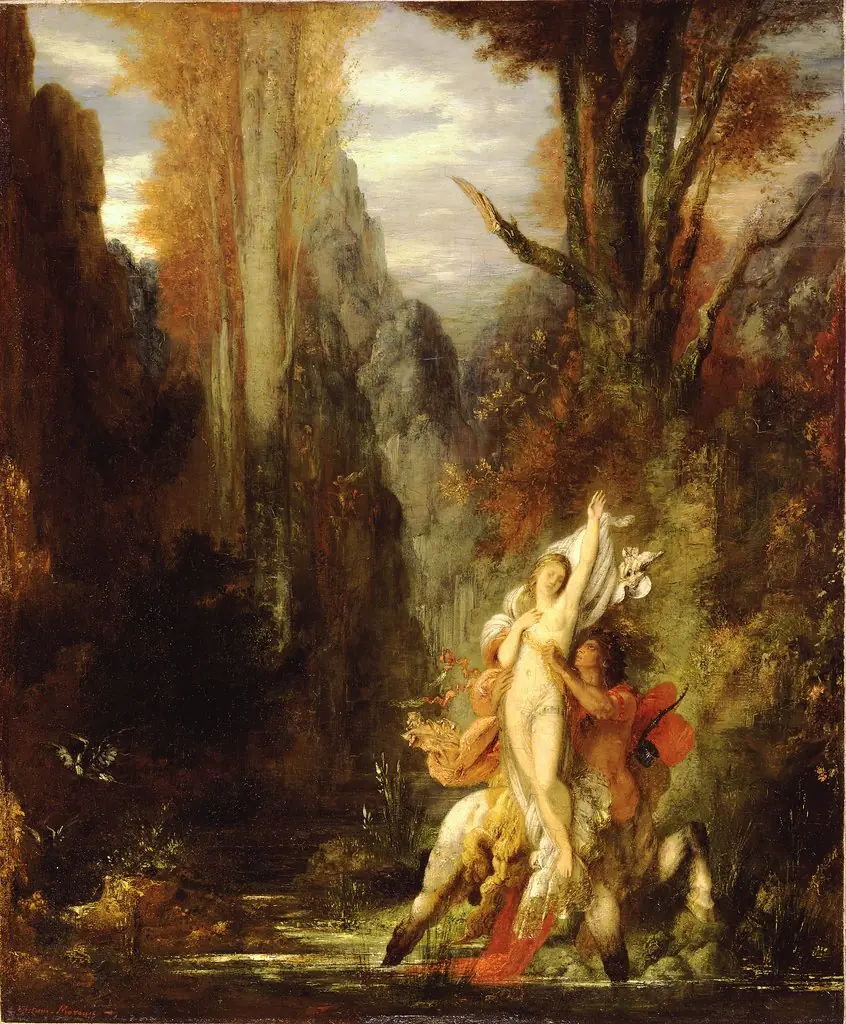 Dejanira (Autumn)
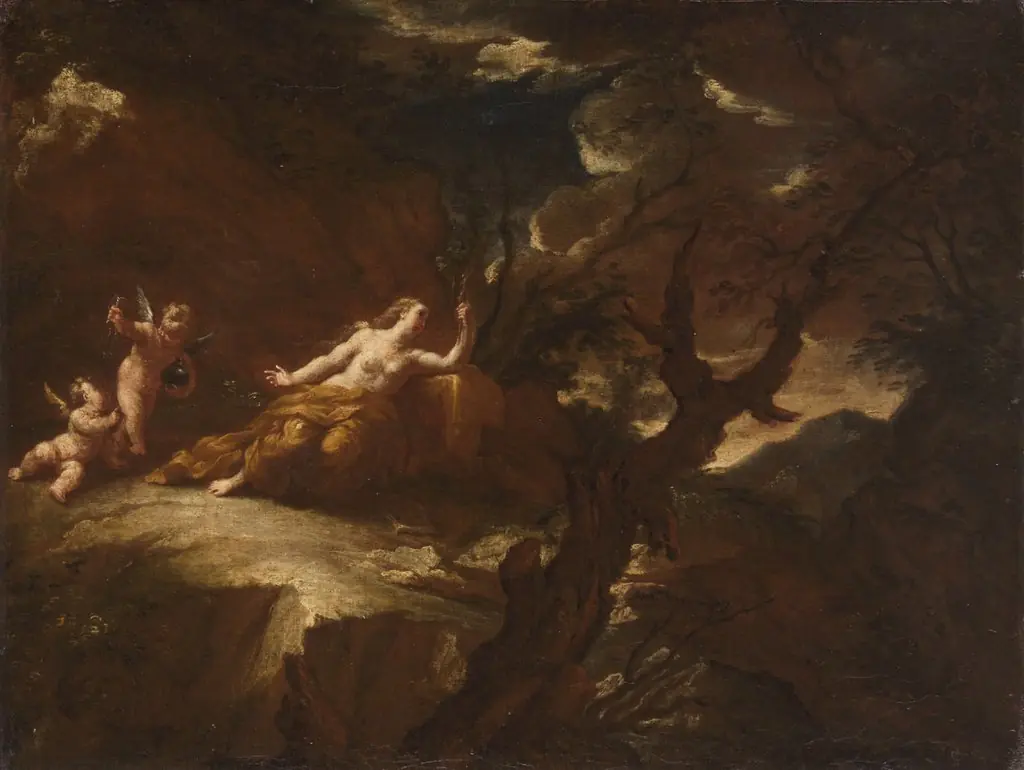 Büßende Maria Magdalena
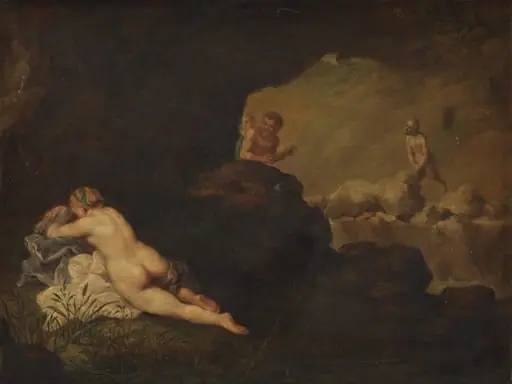 Sleeping Nymph
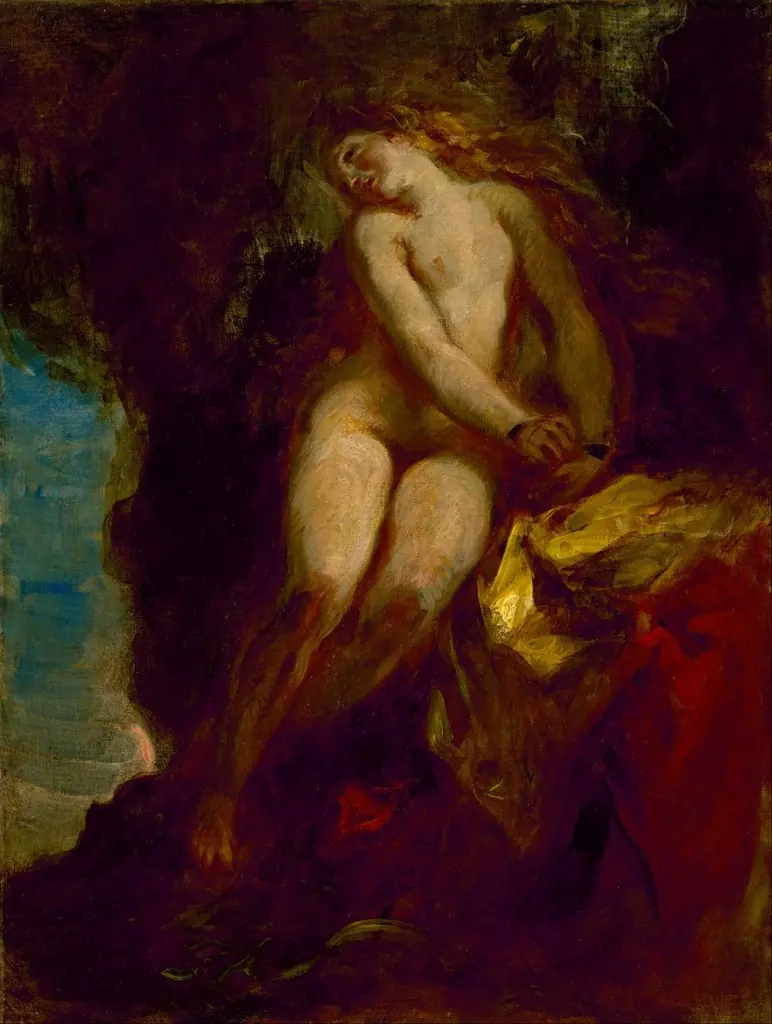 Andromeda
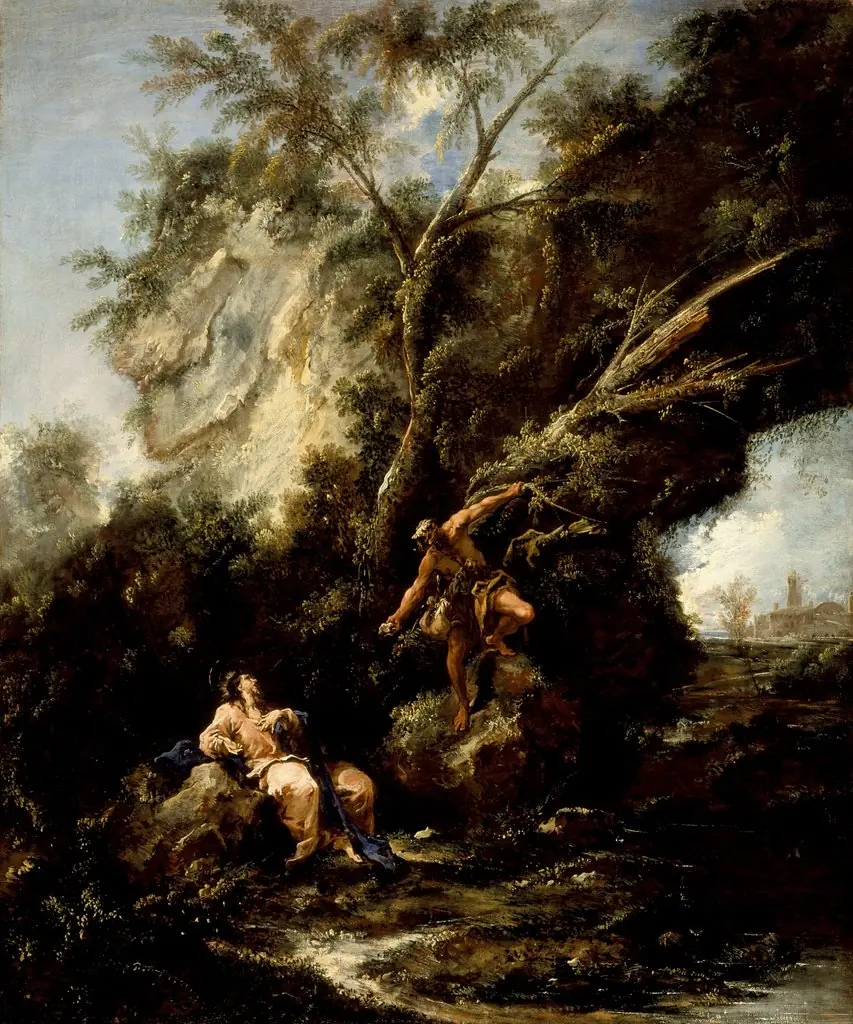 Landscape with the Temptation of Christ
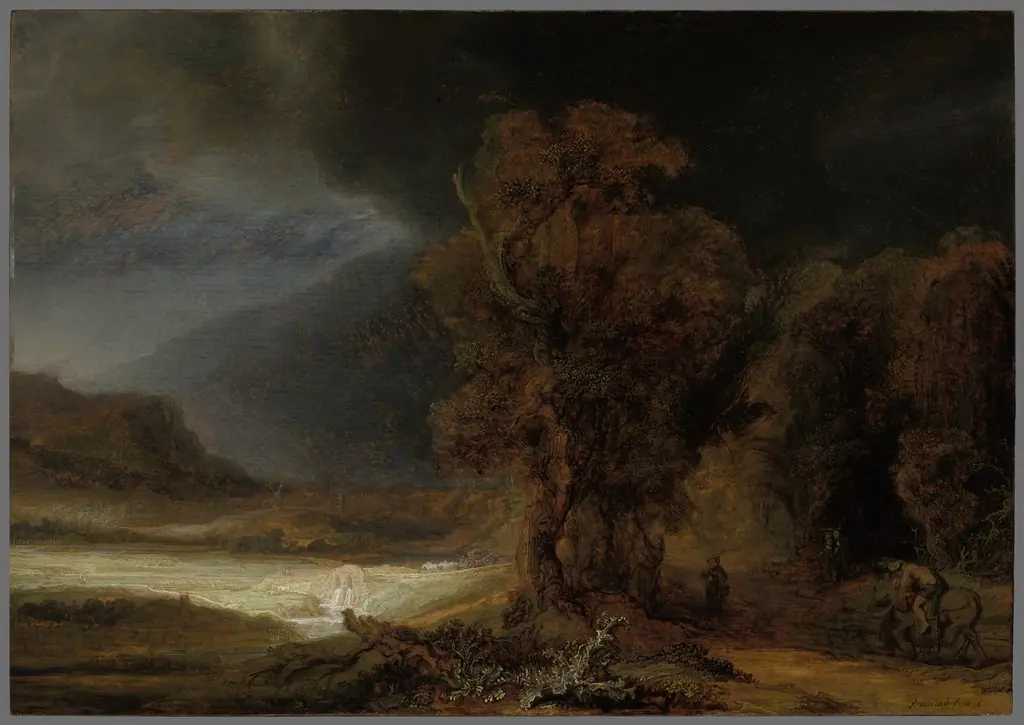 Landscape with the Good Samaritan
 The Abduction of Europa
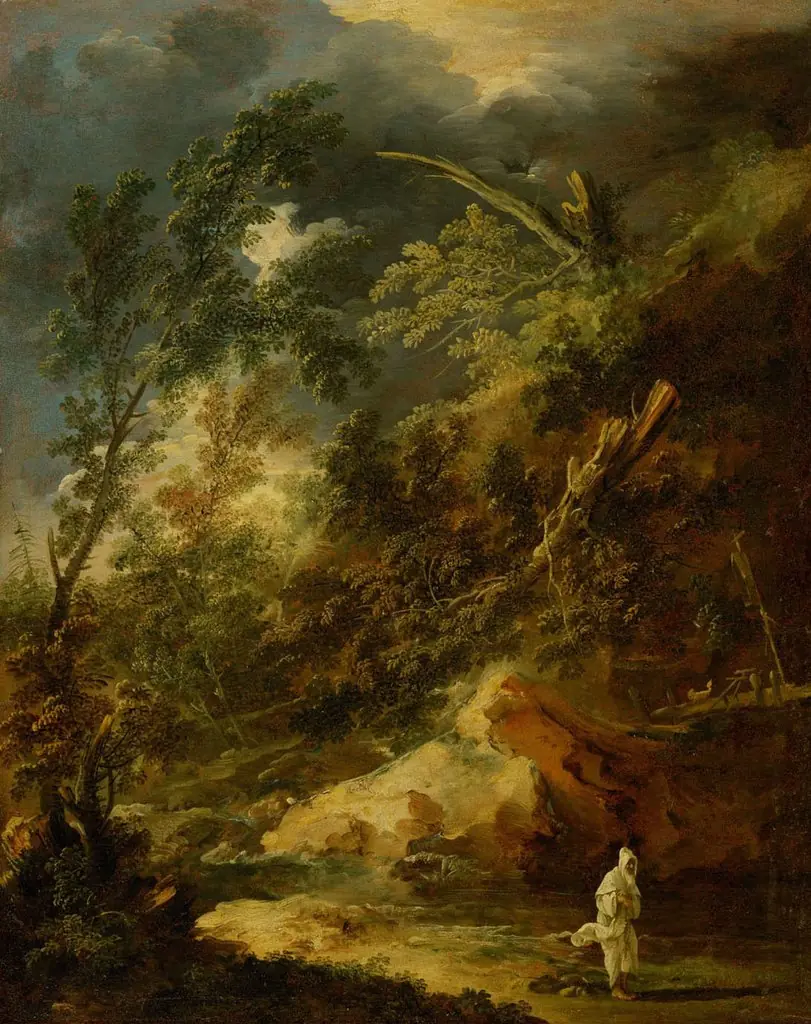 Landschaft mit einem Mönch im Wettersturm