Artwork
Portrait of the painter Redouté
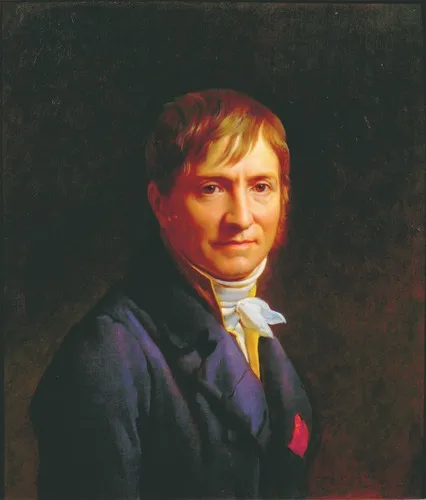
Portrait of the painter Redouté is an oil painting by the Neoclassicist artist François Gérard. It dates from 1805 and is held in the collection of the Royal Museums of Fine Arts of Belgium.
About this work
His attire suggests that he is a gentleman of some means, and the painting's style is reminiscent of the early 19th century.
This painting is a portrait of a man with short, light-brown hair. He is wearing a dark blue jacket over a yellow vest and a white cravat. The background is dark, and the man's face and clothing are illuminated by a light source coming from the left.
The man's expression is neutral, and he is looking directly at the viewer. His attire suggests that he is a gentleman of some means, and the painting's style is reminiscent of the early 19th century.
The level of detail and realism in the painting is impressive, with intricate textures and subtle color variations. The artist's use of chiaroscuro creates a sense of depth and dimensionality, drawing the viewer's eye to the subject's face. To learn more about the artist's technique, look up the term "chiaroscuro".
Overview
Painted in 1805 by François Gérard, this oil portrait captures Pierre-Joseph Redouté, a botanist and illustrator renowned for his floral studies. Executed in the neoclassical tradition, the work reflects Gérard’s refined technique and his position within French artistic circles under Napoleon. The painting resides in the Royal Museums of Fine Arts of Belgium, where it stands as a quiet testament to the intersection of science and art in early 19th-century Europe.
Subject & Meaning
Redouté is depicted as a man of quiet dignity, dressed in a dark blue jacket, yellow vest, and white cravat—attire signaling his professional standing without ostentation. His direct gaze and neutral expression convey composure and intellectual focus. The portrait does not emphasize his botanical achievements but instead presents him as a cultivated gentleman, aligning his identity with the Enlightenment ideal of the refined scholar-artist.
Technique & Style
Gérard employs chiaroscuro to model the figure with subtle gradations of light, enhancing the three-dimensionality of Redouté’s face and clothing. The textures of fabric, skin, and hair are rendered with precision, yet without excessive detail that might distract from the overall harmony. The dark, unobtrusive background isolates the subject, focusing attention on his presence and the quiet elegance of his attire, characteristic of neoclassical portraiture.
History & Provenance
Commissioned during Gérard’s tenure as a leading portraitist in Napoleonic France, the painting was completed before his elevation to baron in 1809. It entered the collection of the Royal Museums of Fine Arts of Belgium through documented acquisitions in the 19th century. Its preservation reflects the enduring interest in figures who bridged scientific illustration and fine art during a period of institutional change in European culture.
Context
In early 19th-century France, botanical illustration was gaining prestige as science became more systematic. Redouté, though primarily known for his watercolors of roses and lilies, was respected enough to be portrayed by a court painter. This portrait situates him within elite artistic networks, suggesting that scientific contributors were increasingly recognized as cultural figures worthy of formal representation.
Legacy
Though Redouté’s botanical works outshone his portrait in public memory, this painting endures as a record of his social presence. Gérard’s restrained approach avoids theatricality, offering a dignified likeness that aligns with the era’s values of restraint and intellectual gravitas. The work remains a quiet anchor in the museum’s collection, linking the worlds of natural science and academic portraiture.
Artist & collection
Artist
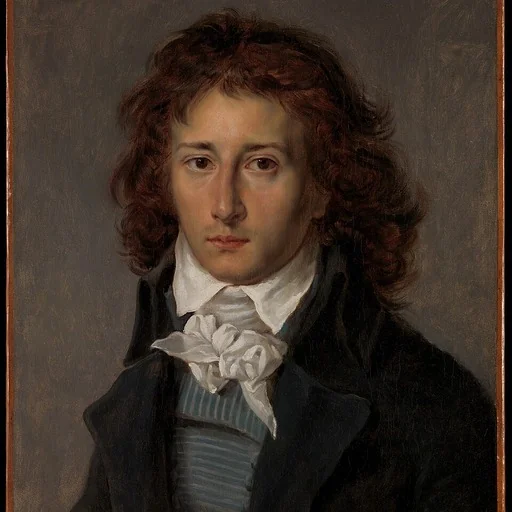
François Pascal Simon Gérard (French pronunciation: , 4 May 1770 – 11 January 1837), titled as Baron Gérard in 1809, was a French painter.

Museum
Royal Museums of Fine Arts of Belgium
Continue through works from the same source collection.
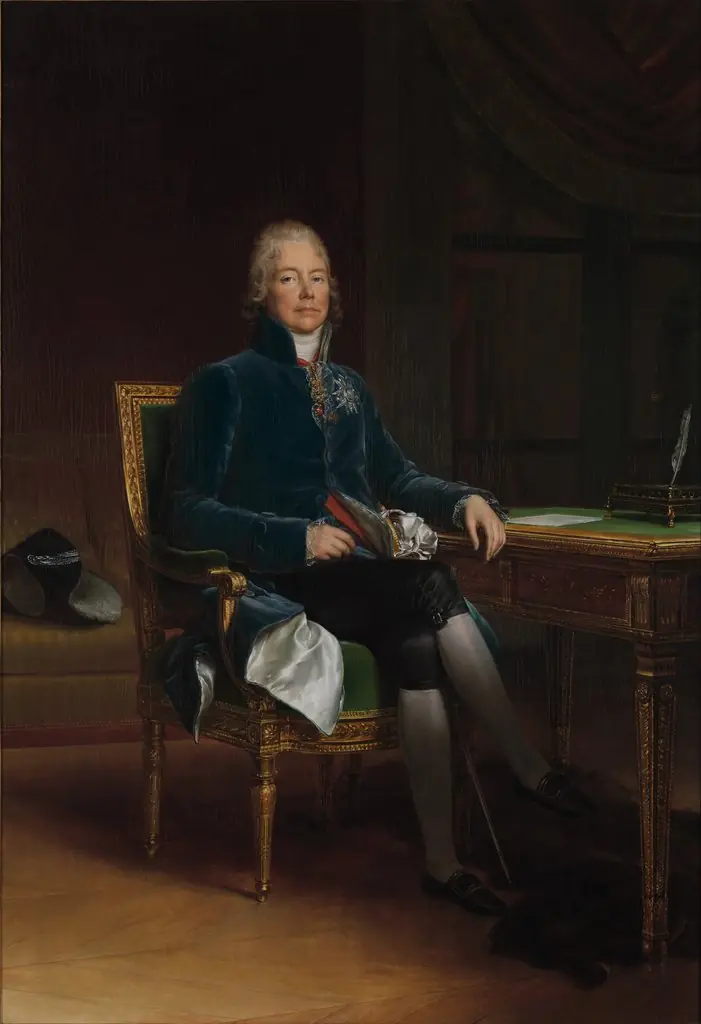 Charles Maurice de Talleyrand Périgord (1754–1838), Prince de Bénévent
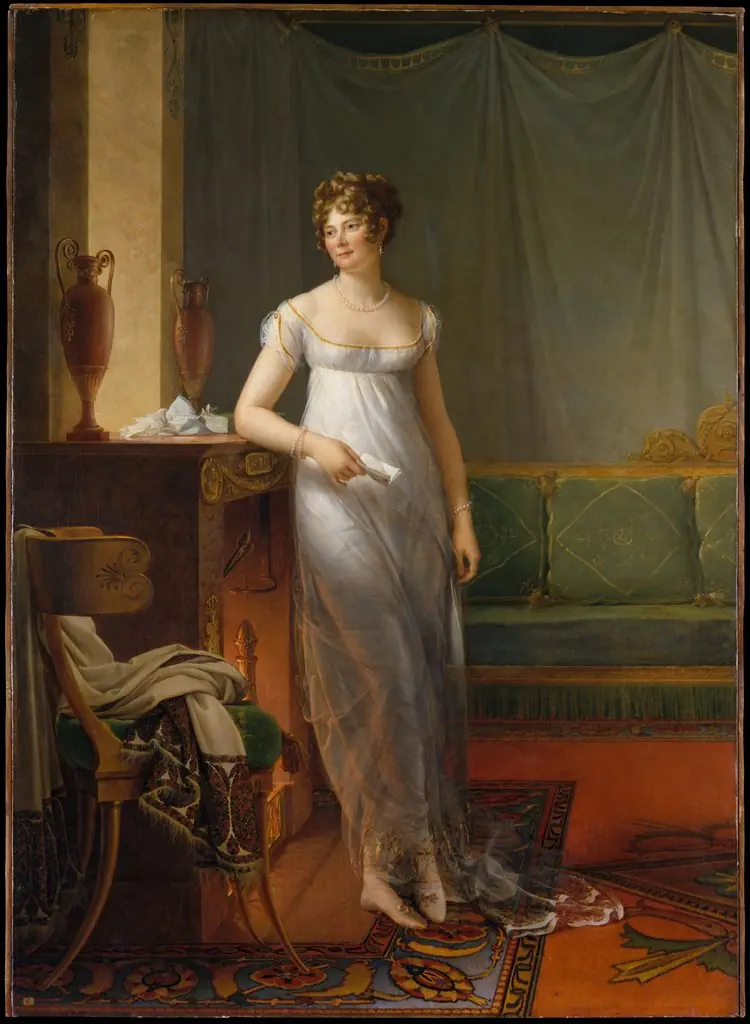 Madame Charles Maurice de Talleyrand Périgord (1761–1835)
 The Duchess of Berry and her Children
 Charles X of France
 Marie-Louise, Empress of the French, and the Roi de Rome
 Portrait of Marie Caroline Ferdinande Louise de Naples, Wife of Charles Ferdinand, Duke de Berry, in the Park de Bagatelle in the Bois de Boulogne, Paris
 Marie-Annunciade-Caroline Bonaparte, Queen of Naples and her children
 Julie Bonaparte as Queen of Spain with her Daughters, Zénaïde and Charlotte
 Bildnis eines Herrn Hirzel in Paris
 Self-Portrait
 Portrait of Guillaume-Jean Constantin
 Der Maler Jacob Philipp Hackert
 Portret de preot
 Kobberstikkeren J.F. Clemens
 Portrait de Samson Nicolas Lenoir dit "le Romain", architecte français (1726-1810)
 Kobberstikkeren J.F. Clemens
 Bust portrait of Charles-Louis Cadet de Gassicourt (1769-1821), pharmacist to Napoleon I
 Portrait of Prince Viktor Kochubey
 Grimod de La Reynière
 Portrait of a Man