Artwork
Portret de preot
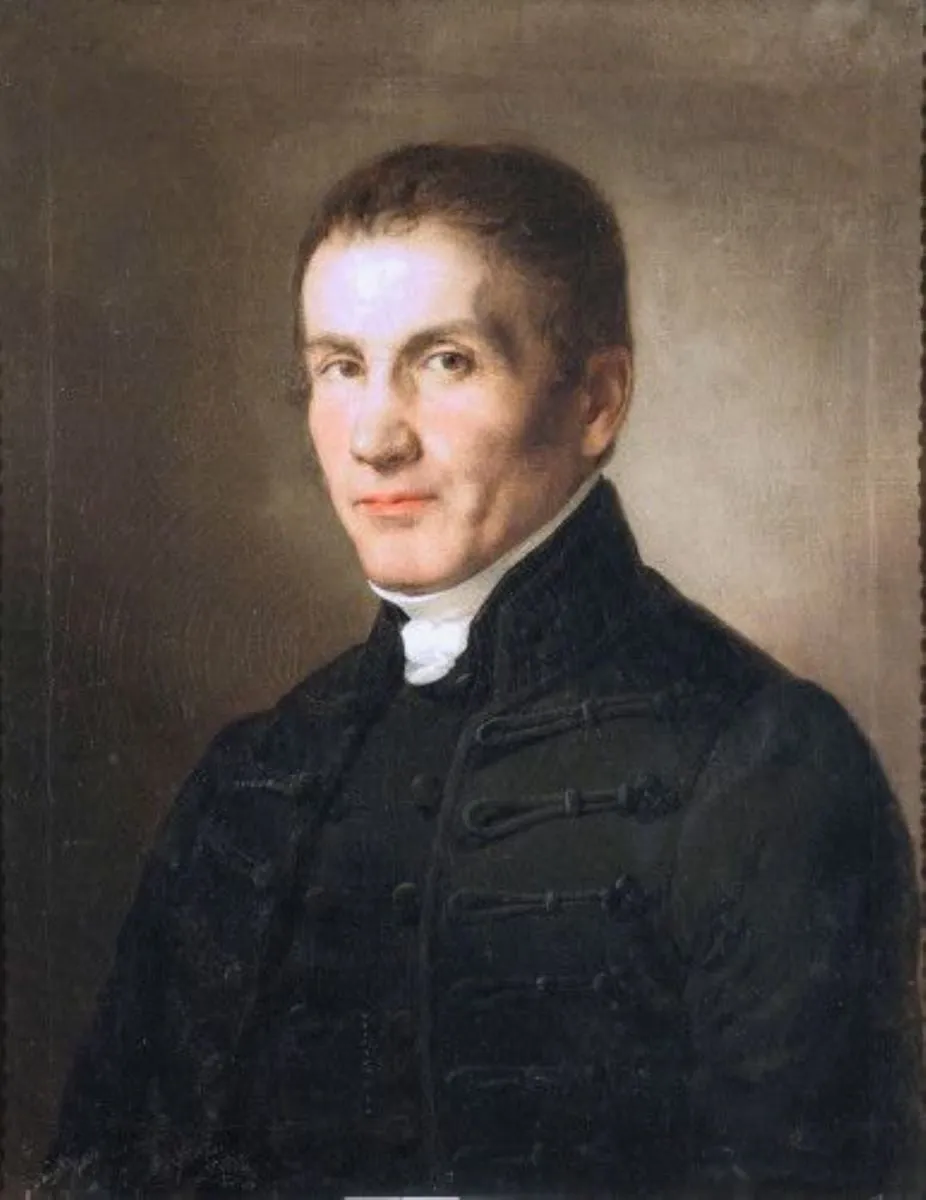
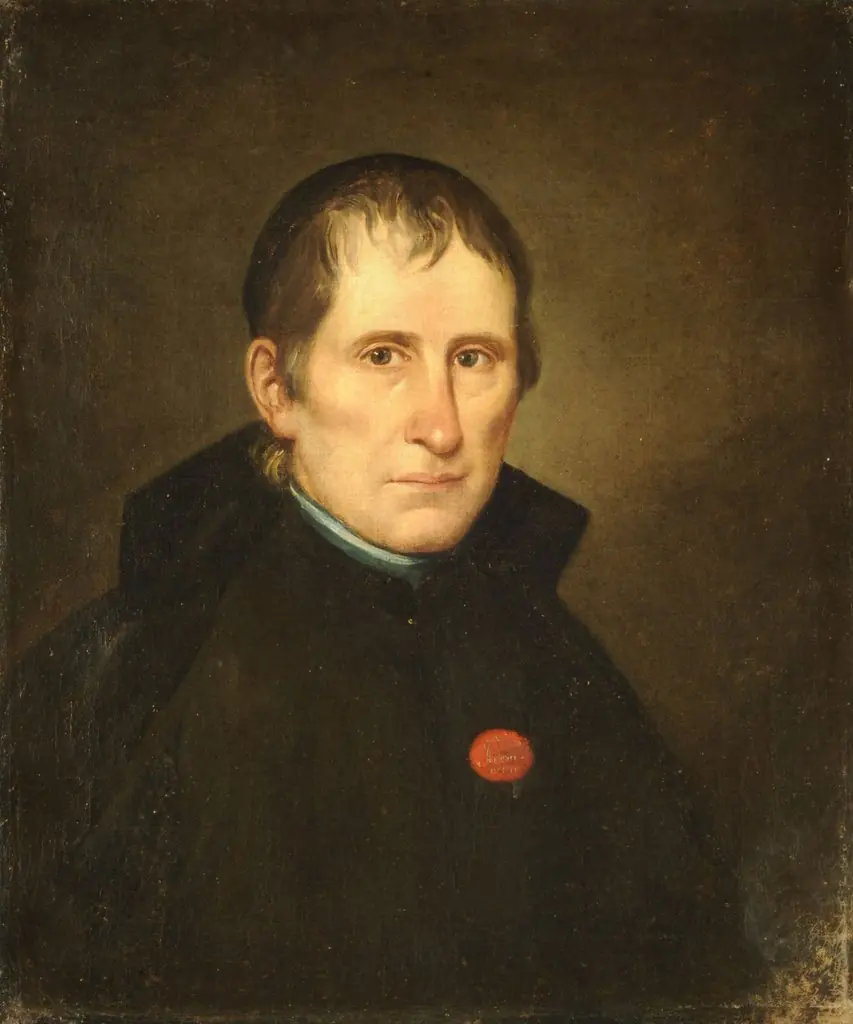
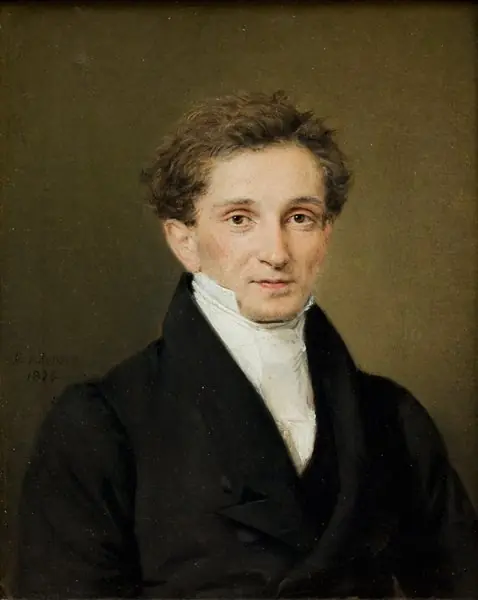
Portret de preot is an unspecified painting by the Academic Art artist Miklós Barabás. It is held in the collection of the Brukenthal National Museum. This portrait presents a clergyman rendered in quiet realism, with attention to the quiet dignity of his presence.
About this work
Overview
The work emphasizes psychological depth over ornamentation, reflecting a tradition of ecclesiastical portraiture focused on inner character.
This portrait presents a clergyman rendered in quiet realism, with attention to the quiet dignity of his presence. Dressed in a black jacket and white collar, he faces the viewer with a calm, unadorned gaze. The muted brown background isolates the figure, reinforcing a sense of stillness. The work emphasizes psychological depth over ornamentation, reflecting a tradition of ecclesiastical portraiture focused on inner character.
Subject & Meaning
The subject is likely a priest, identified by his clerical attire—black jacket and high white collar. His neutral expression and direct gaze suggest contemplation rather than authority or emotion. The absence of symbolic objects or elaborate settings shifts focus to the individual’s demeanor, implying a meditation on faith, solitude, or the weight of spiritual responsibility.
Technique & Style
The artist employs subtle chiaroscuro to model the face and clothing, creating volume through soft transitions between light and shadow. Brushwork is restrained, avoiding dramatic contrasts in favor of nuanced tonal gradations. The texture of fabric and skin is rendered with precision, enhancing the portrait’s quiet realism. The limited palette reinforces the somber mood without distraction.
History & Provenance
The painting’s origin and early ownership are undocumented. It lacks inscriptions or markings that would link it to a specific artist, date, or commission. Its preservation suggests it was valued within a private or ecclesiastical collection, though no public records confirm its path from creation to current location.
Context
Created during a period when portraiture increasingly emphasized psychological insight, this work aligns with broader trends in Northern European art that favored understated realism over grandeur. Clerical subjects were common, often commissioned to reflect piety and personal devotion. The absence of religious iconography signals a shift toward individualized representation.
Legacy
Though not widely exhibited or studied, the portrait exemplifies a quiet tradition of ecclesiastical portraiture that prioritized introspection over spectacle. Its restrained technique and emotional reserve influenced later artists seeking to convey inner life through minimal means. It remains a modest but resonant example of 19th-century observational portraiture.
Artist & collection
Artist
Miklós Barabás made small, detailed portraits in 19th-century Hungary. His brush captured everyday people—farmers at market, children in quiet poses, and sitters in stiff collars. Look at the soft light on the woman’s…

 Don Mariano Somellera
 Portrait of the painter Redouté
 Ekim Lazarev
 Portretul lui Johann Gottlieb Fabritius (În RI: G.J. Fabritius)
 Johannes Søbøtker Hohlenberg, Leder af den danske handelsstation i Serampore nær Calcutta
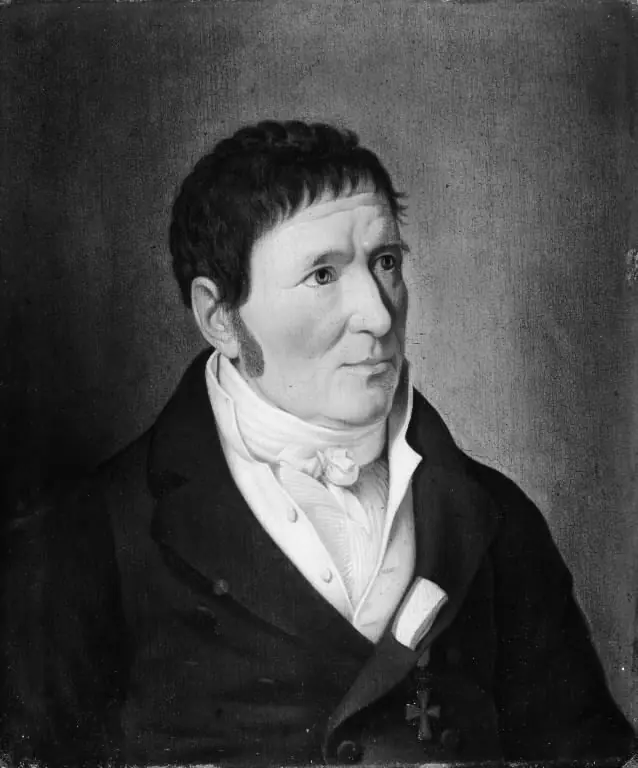 Kobberstikkeren J.F. Clemens
 Kobberstikkeren J.F. Clemens
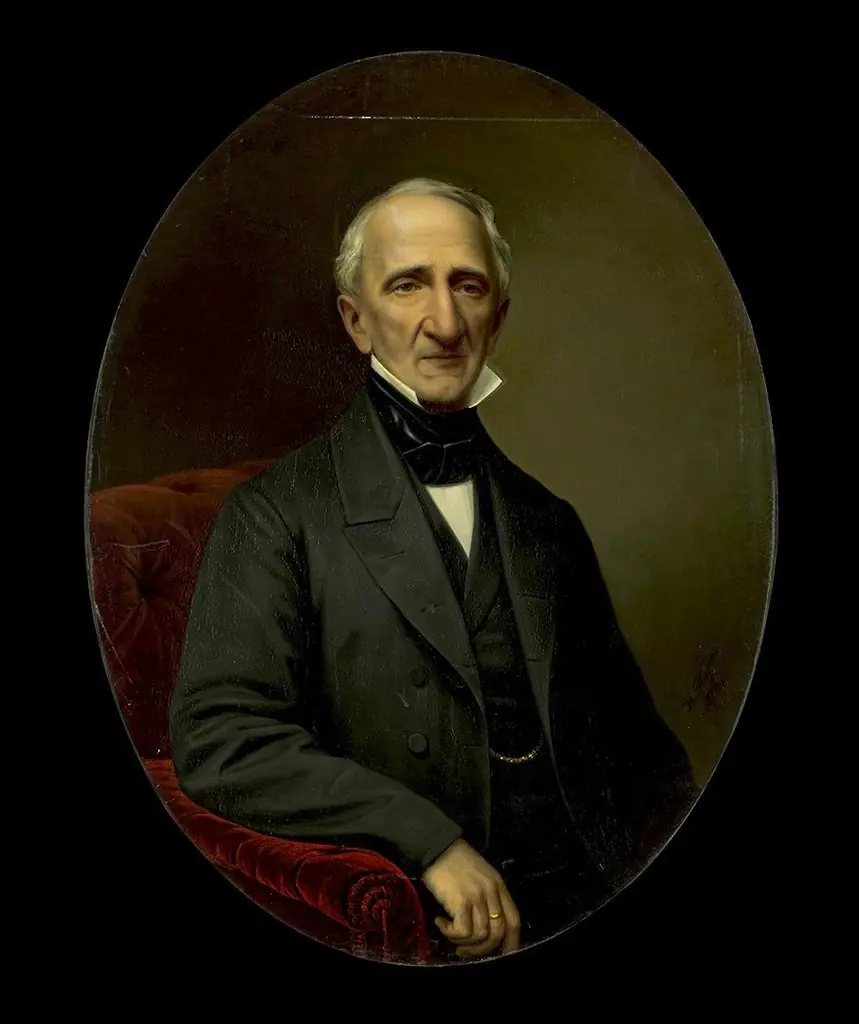 Portrait of H. Lazarev
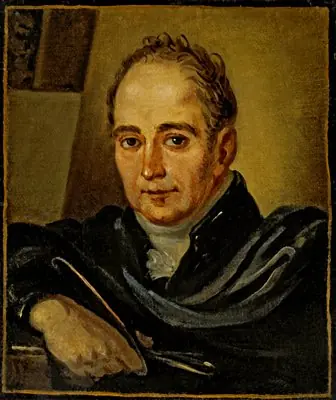 The Portrait of the Painter Vladimir Borovikovsky (study).
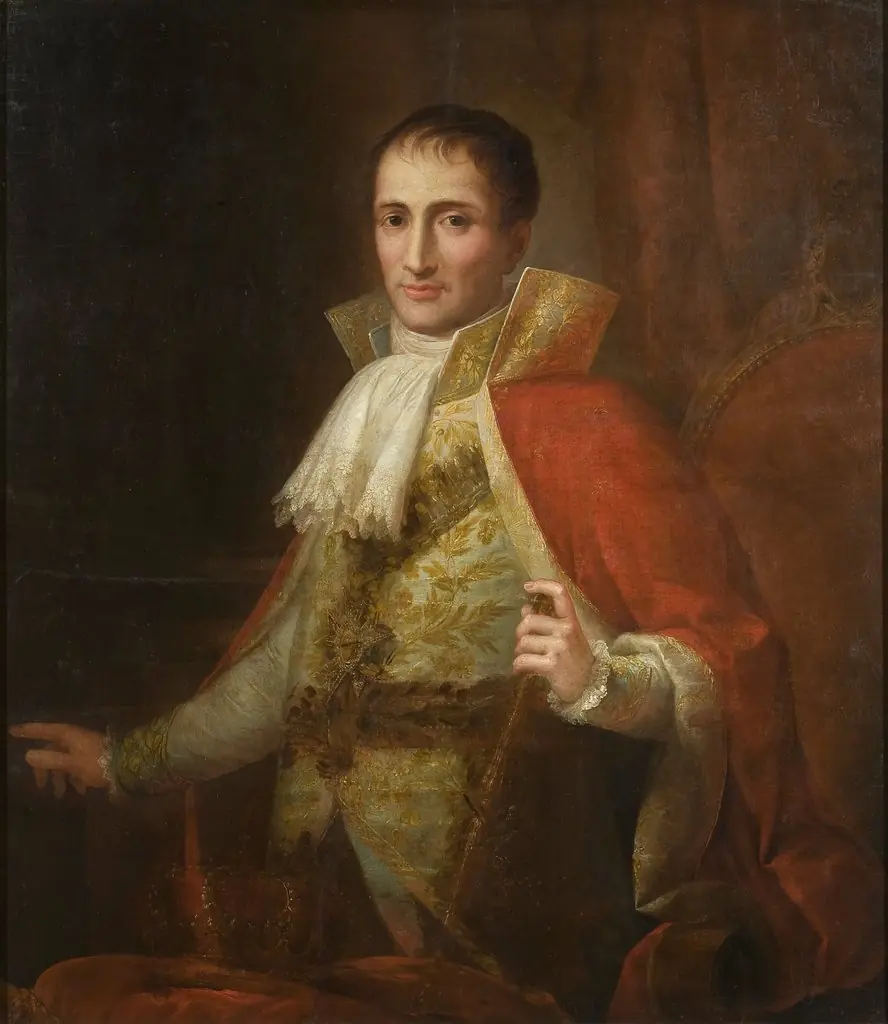 Portrait of King Joseph I
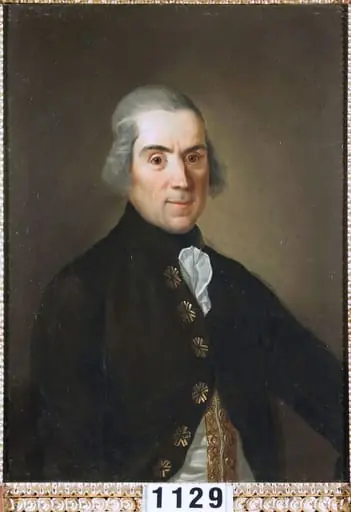 Tâmplarul Wolf
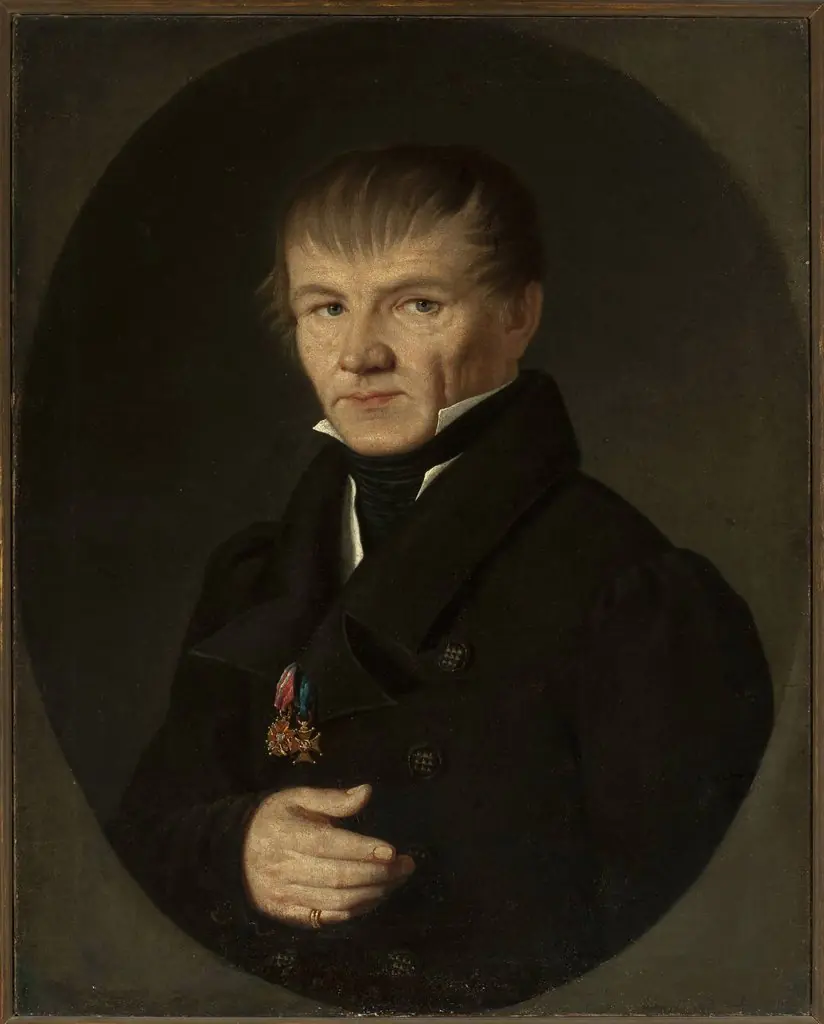 Portrait of a man – Dr. Werner (?)