Artwork
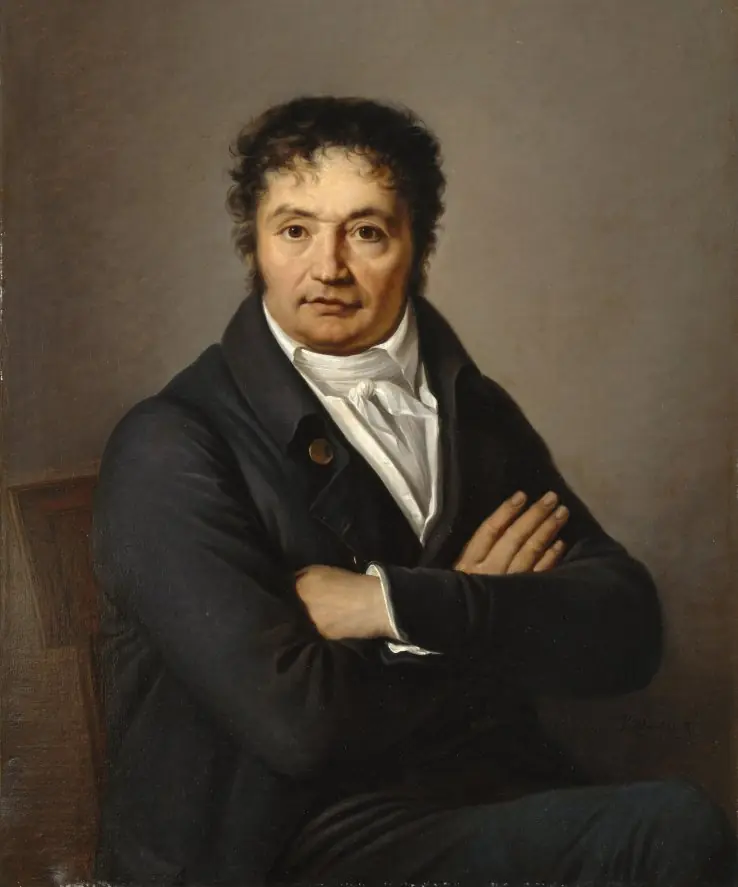
Portrait de Samson Nicolas Lenoir dit "le Romain", architecte français (1726-1810)
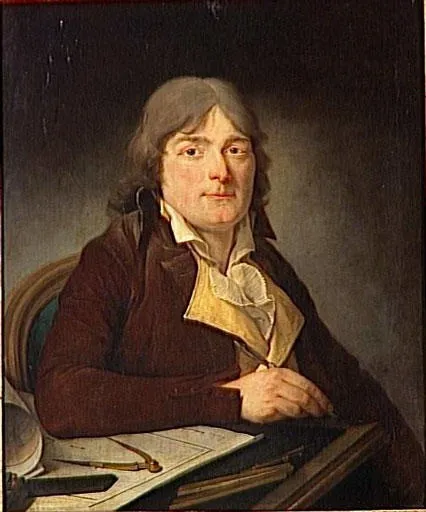
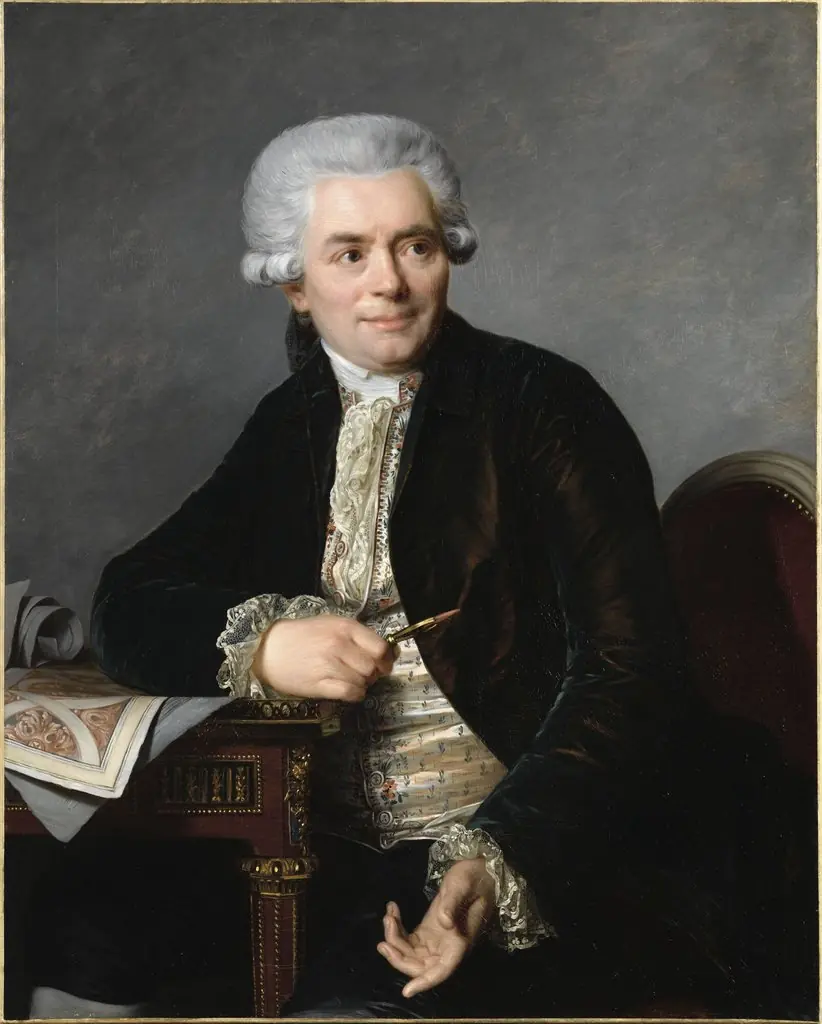
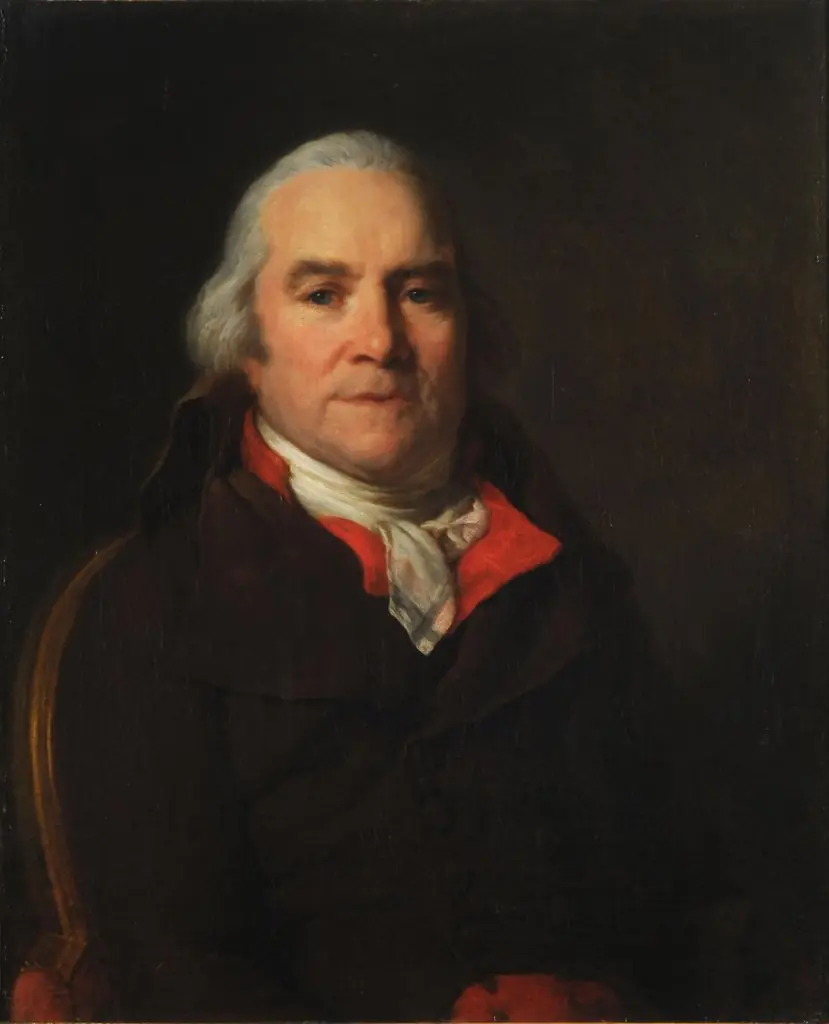
Portrait de Samson Nicolas Lenoir dit "le Romain", architecte français (1726-1810) is an oil painting by the Neoclassicist artist Henri-Pierre Danloux. It dates from 1791 and is held in the collection of the Palace of Versailles. Painted around 1791, this oil portrait depicts Samson-Nicolas Lenoir, a French architect active in the late 18th century.
About this work
Overview
Painted around 1791, this oil portrait depicts Samson-Nicolas Lenoir, a French architect active in the late 18th century.
Painted around 1791, this oil portrait depicts Samson-Nicolas Lenoir, a French architect active in the late 18th century. The work was created by Henri-Pierre Danloux, a Paris-born artist trained under François-André Vincent. Danloux’s style reflects the restrained elegance of Neoclassicism, and the painting is part of the Palace of Versailles collection, where it remains today as a record of intellectual life during the Revolutionary era.
Subject & Meaning
Lenoir, portrayed in middle age, is shown as a man immersed in scholarly labor. His direct gaze and composed posture convey quiet authority, aligning with Enlightenment ideals of reason and professional dignity. The cluttered desk—filled with architectural drawings, books, and instruments—suggests his active engagement in design and planning, positioning him not as a nobleman but as a man of intellect and craft.
Technique & Style
Danloux employs a muted palette dominated by dark tones, with careful attention to texture in fabric and paper. The lighting isolates Lenoir from the shadowed background, enhancing the focus on his face and hands. Brushwork is precise yet unobtrusive, avoiding theatricality. The composition follows Neoclassical principles: balance, clarity, and psychological restraint, emphasizing the sitter’s character over ornamentation.
History & Provenance
The portrait was likely commissioned during Lenoir’s later years, after his involvement in public architectural projects under the Ancien Régime. It entered the Palace of Versailles collection in the 19th century, possibly as part of efforts to document France’s cultural figures. Its preservation reflects its value as a historical document rather than a decorative piece, linking the artist and sitter to the institutional memory of French artistic life.
Context
Created during the French Revolution, the portrait stands apart from the era’s political upheavals, focusing instead on the quiet persistence of intellectual labor. Lenoir, who had worked under royal patronage, was now navigating a transformed society. Danloux, who would soon emigrate to England, captured a moment when architecture and scholarship were seen as enduring pillars of civilization beyond shifting regimes.
Legacy
The portrait endures as a representative example of Neoclassical portraiture in France, illustrating how artists depicted professionals with dignity and psychological depth. It contributes to the understanding of how intellectual identity was visually constructed in the late 18th century, offering insight into the values of a generation that sought to define culture through reason, discipline, and quiet authority.
Artist & collection
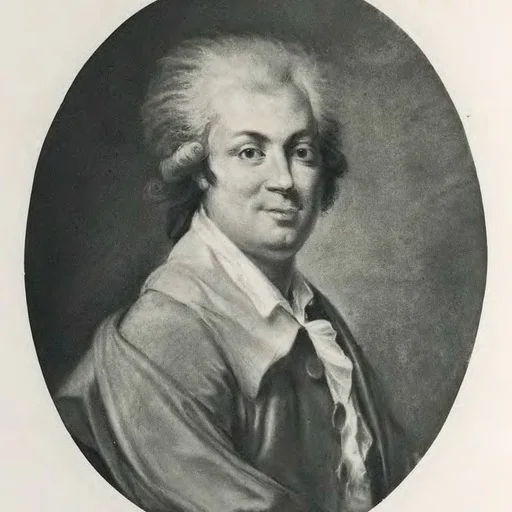
Artist
Henri-Pierre Danloux (24 February 1753 – 3 January 1809) was a French painter and draftsman.

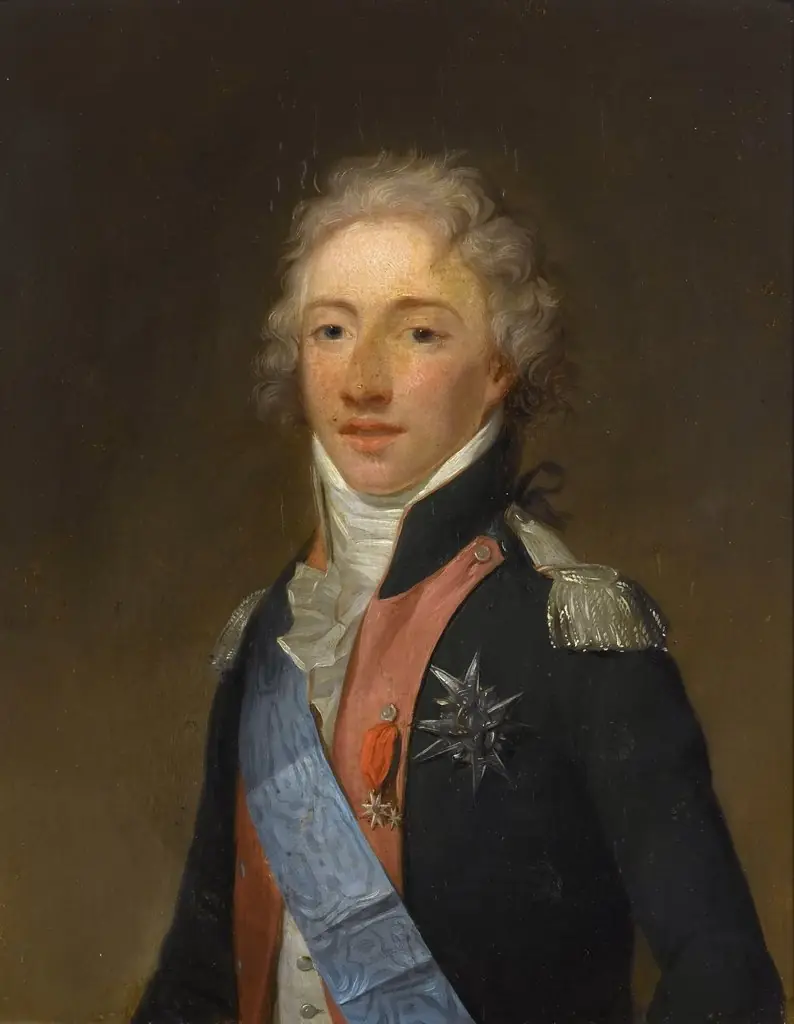 Louis-Antoine d’Artois, duc d’Angoulême (1775-1844)
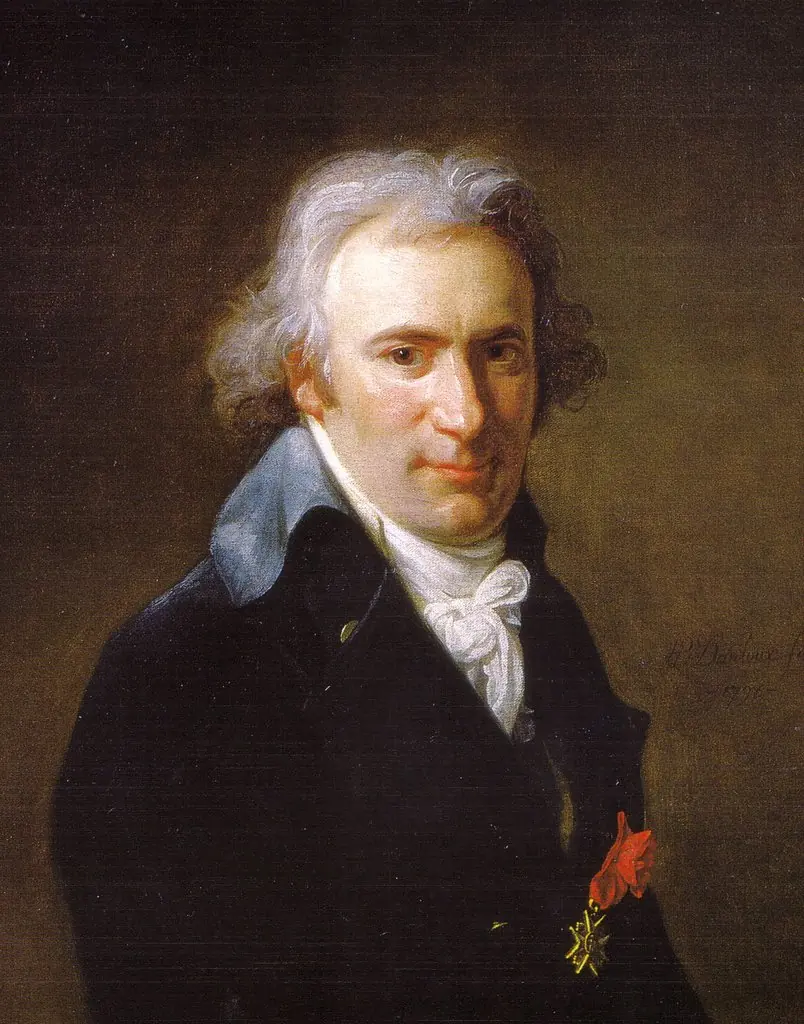 Jean-Baptiste Canthaney, known as Cléry, valet de chambre to Louis XVI (1759-1809)
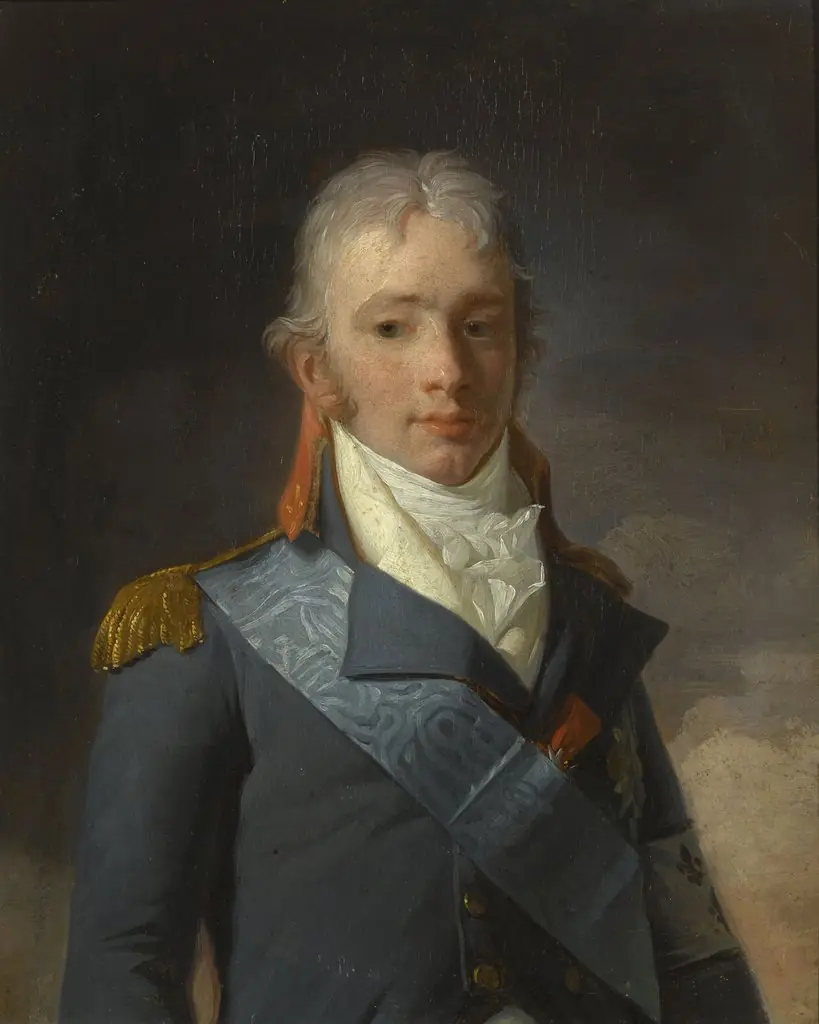 Charles-Ferdinand d'Artois, Duke of Berry
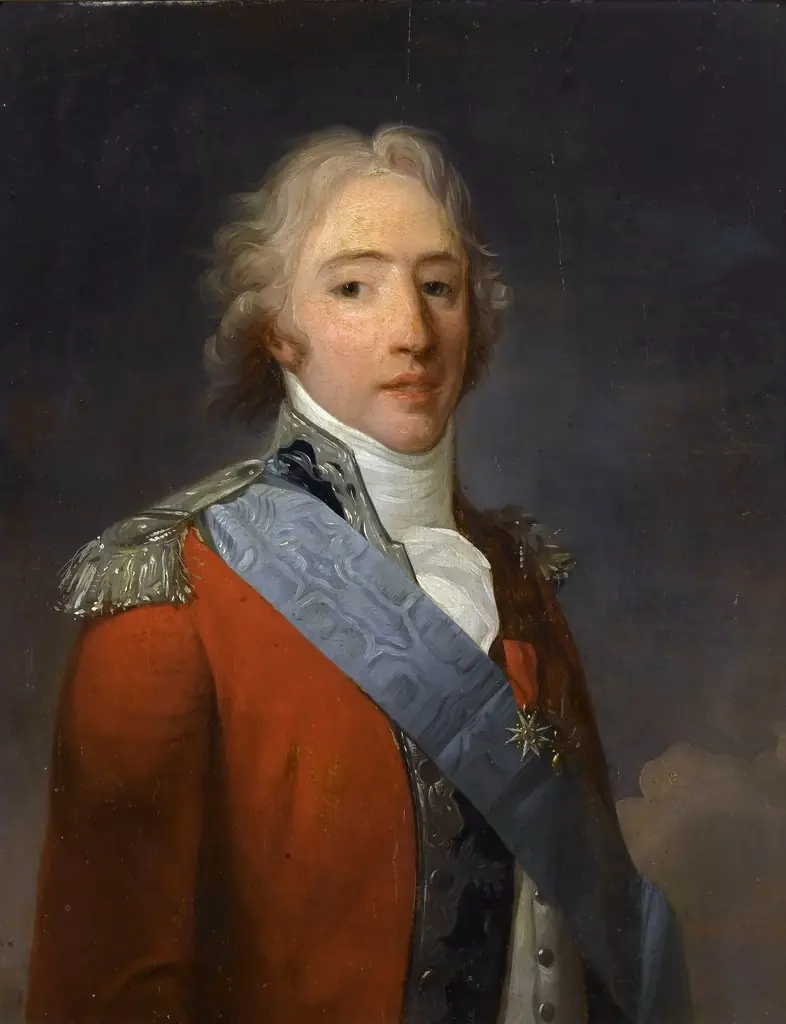 Charles Philippe de France, comte d'Artois (1757-1836)
 Two Figures in Classical Dress
 Hombre de época
 Portrait of a Mother and Daughter
 Woman in Profile, Turned to the Left