Artwork
Eugénie-Bernardine-Désirée Clary, reine de Suède (1781-1860)
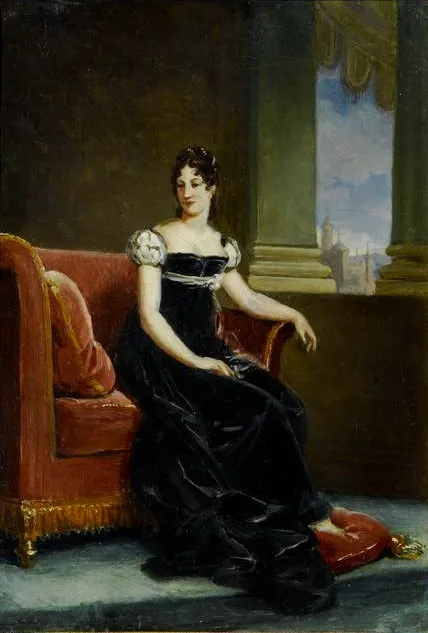
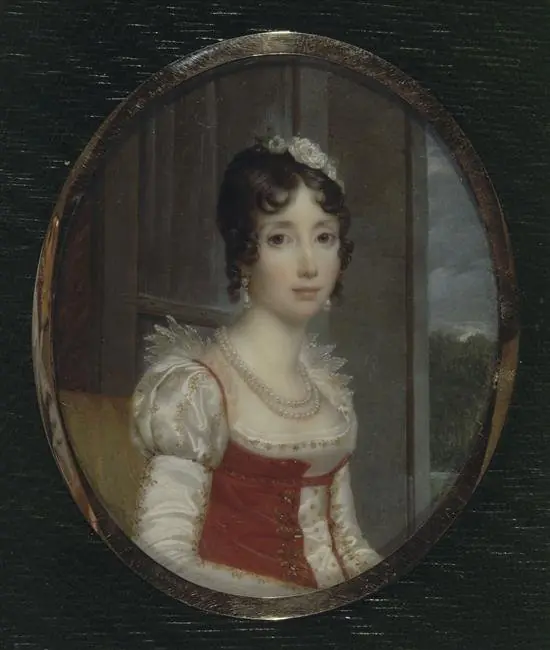
Eugénie-Bernardine-Désirée Clary, reine de Suède (1781-1860) is an oil painting by François Gérard. It dates from 1813 and is held in the collection of the Palace of Versailles.
About this work
Overview
Eugénie-Bernardine-Désirée Clary, reine de Suède (1781-1860) is an 1813 oil painting by François Gérard, portraying Désirée Clary, Queen of Sweden. The work is part of the Palace of Versailles collection.
Subject & Meaning
The subject, Désirée Clary, is depicted in a formal, dignified pose, reflecting her royal status as Queen of Sweden. Her attire, a black dress with white puffy sleeves, and the opulent red chair with gold trim, emphasize her position.
Technique & Style
Gérard's Neoclassical training under Jacques-Louis David is evident in the painting's formal composition and attention to detail. The contrast between the dark background and the subject's attire, along with the natural light from the window, showcases Gérard's mastery of chiaroscuro.
History & Provenance
Painted in 1813 by François Gérard, a prominent court painter to French monarchs including Napoleon and the Bourbons, the portrait is now housed in the Palace of Versailles, highlighting its historical and artistic significance.
Context
Created during the Bourbon Restoration, the painting situates Désirée Clary within the broader European royal connections of the time, reflecting the artistic and political ties between France and Sweden.
Legacy
As part of the Versailles collection, the portrait contributes to the historical record of European royalty and the artistic legacy of François Gérard, illustrating the enduring presence of Neoclassical portraiture in French cultural heritage.
Artist & collection
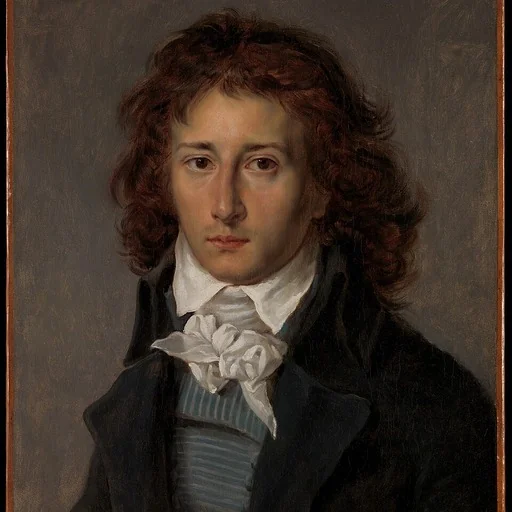
Artist
François Pascal Simon Gérard (French pronunciation: , 4 May 1770 – 11 January 1837), titled as Baron Gérard in 1809, was a French painter.

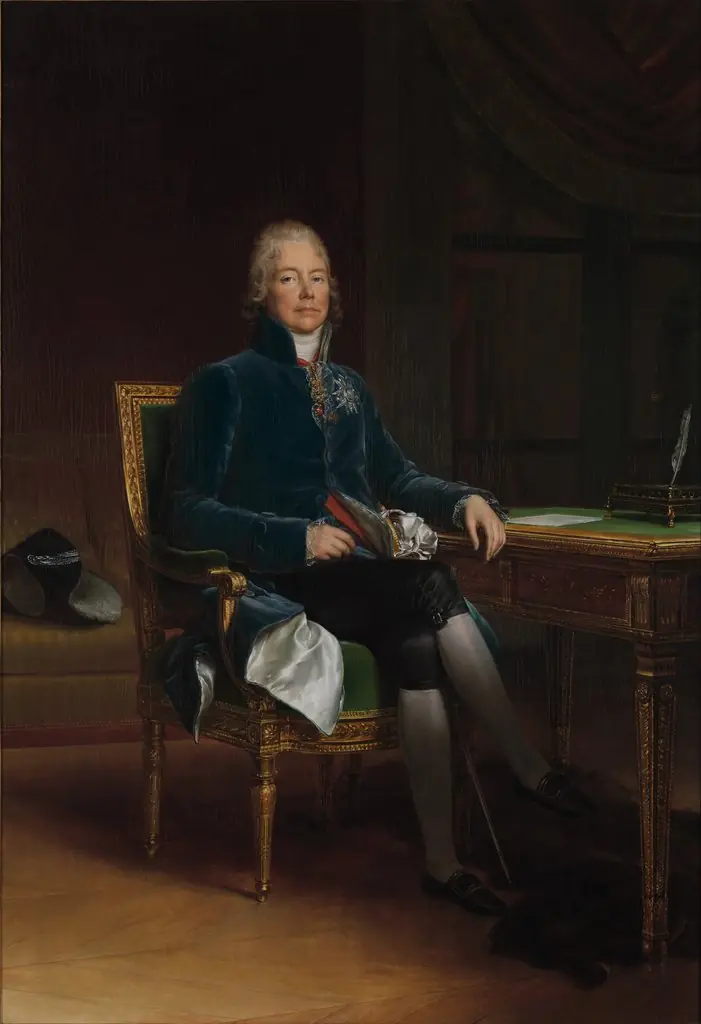 Charles Maurice de Talleyrand Périgord (1754–1838), Prince de Bénévent
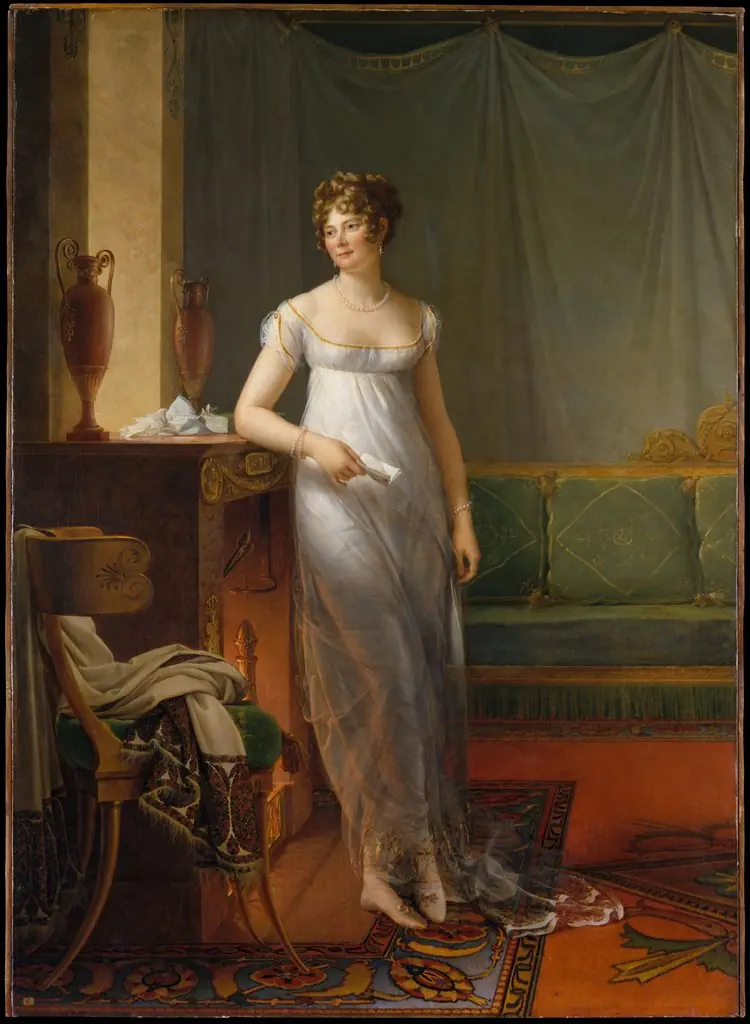 Madame Charles Maurice de Talleyrand Périgord (1761–1835)
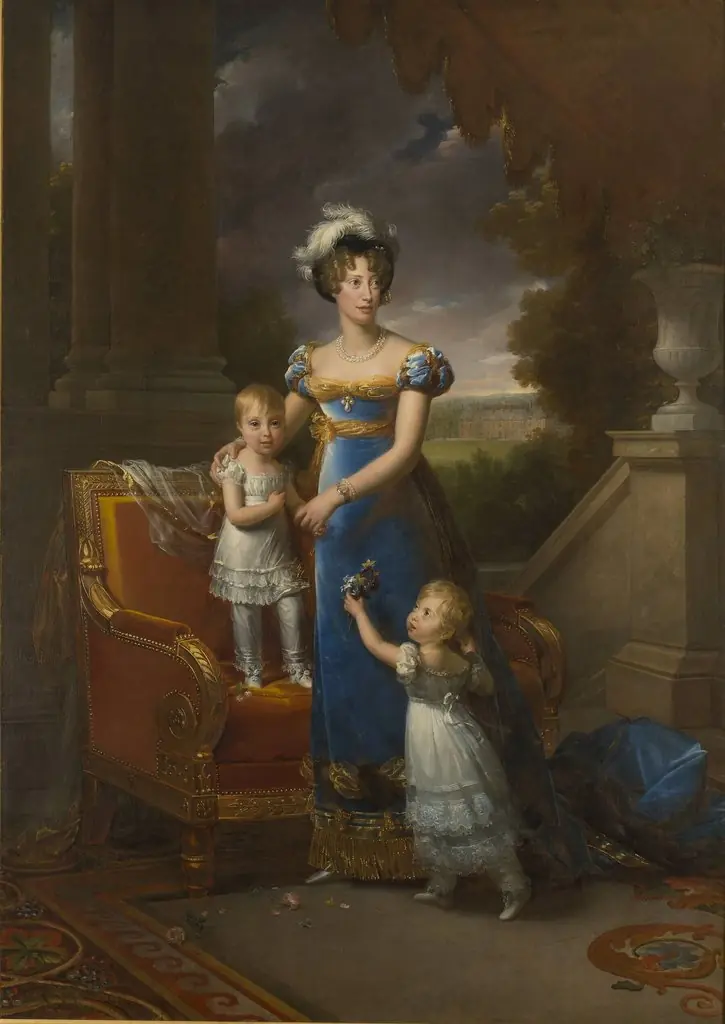 The Duchess of Berry and her Children
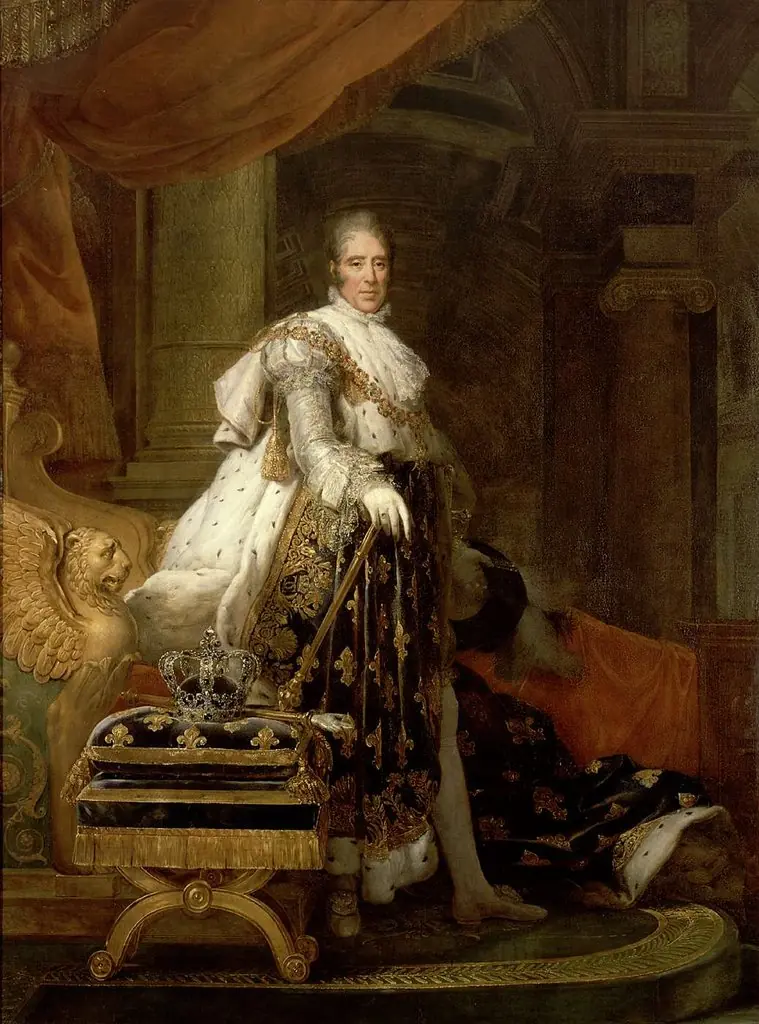 Charles X of France
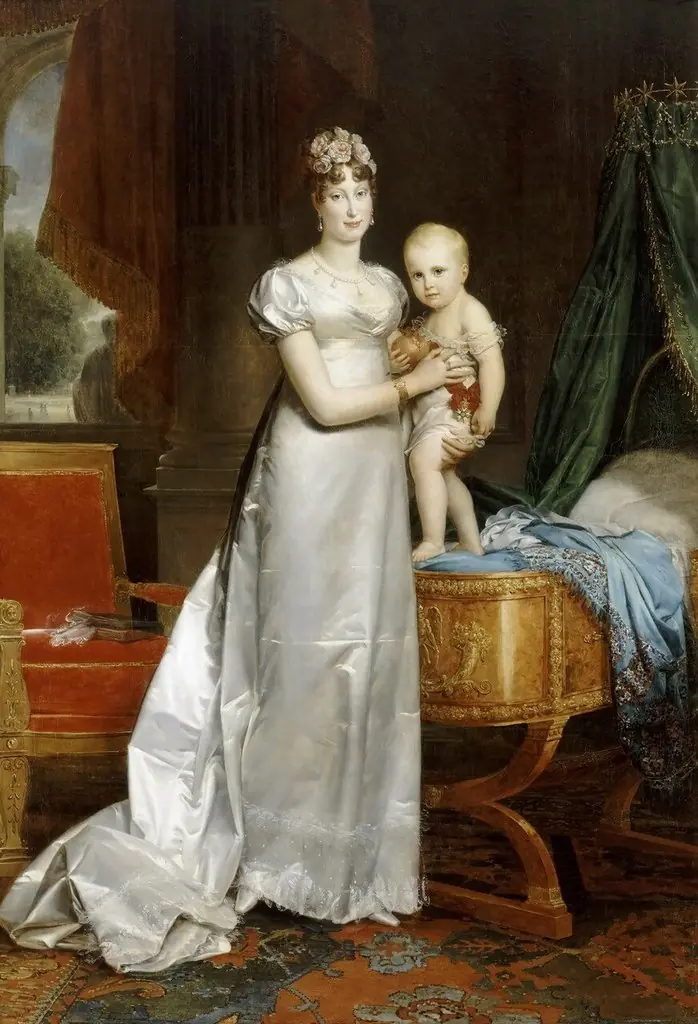 Marie-Louise, Empress of the French, and the Roi de Rome
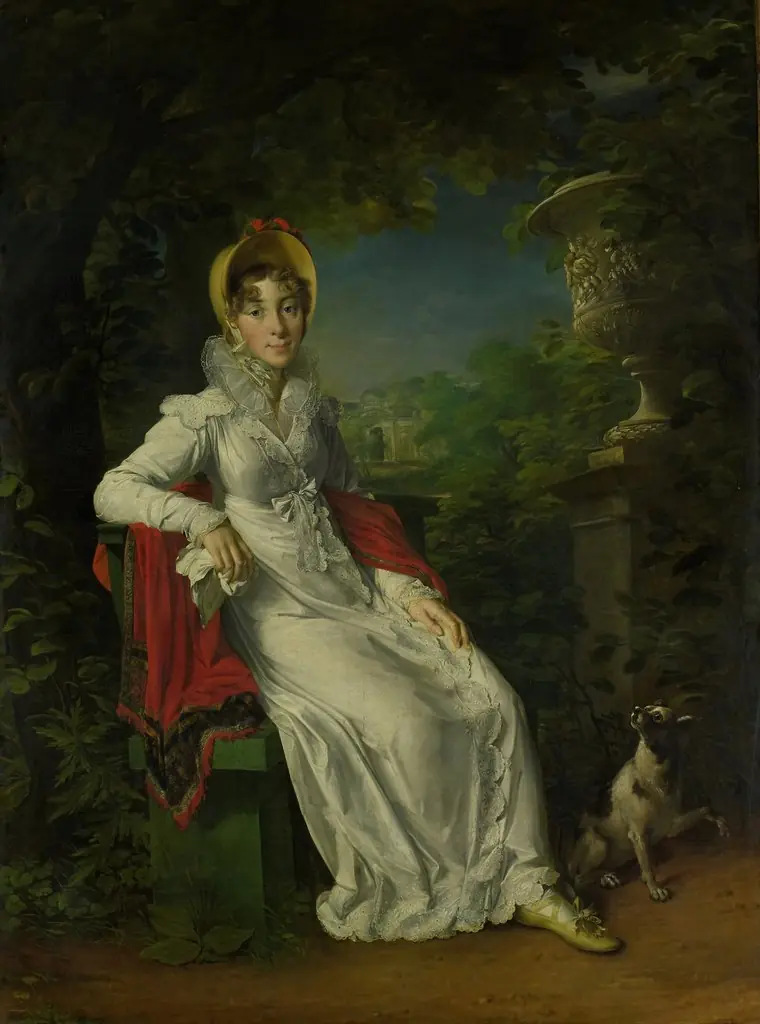 Portrait of Marie Caroline Ferdinande Louise de Naples, Wife of Charles Ferdinand, Duke de Berry, in the Park de Bagatelle in the Bois de Boulogne, Paris
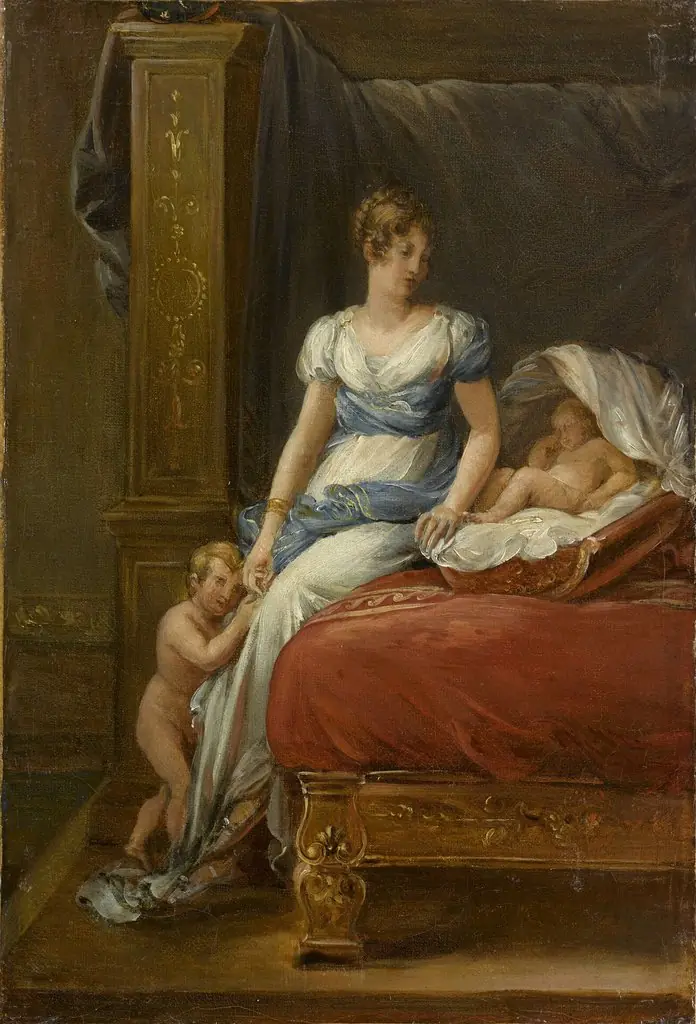 Marie-Annunciade-Caroline Bonaparte, Queen of Naples and her children
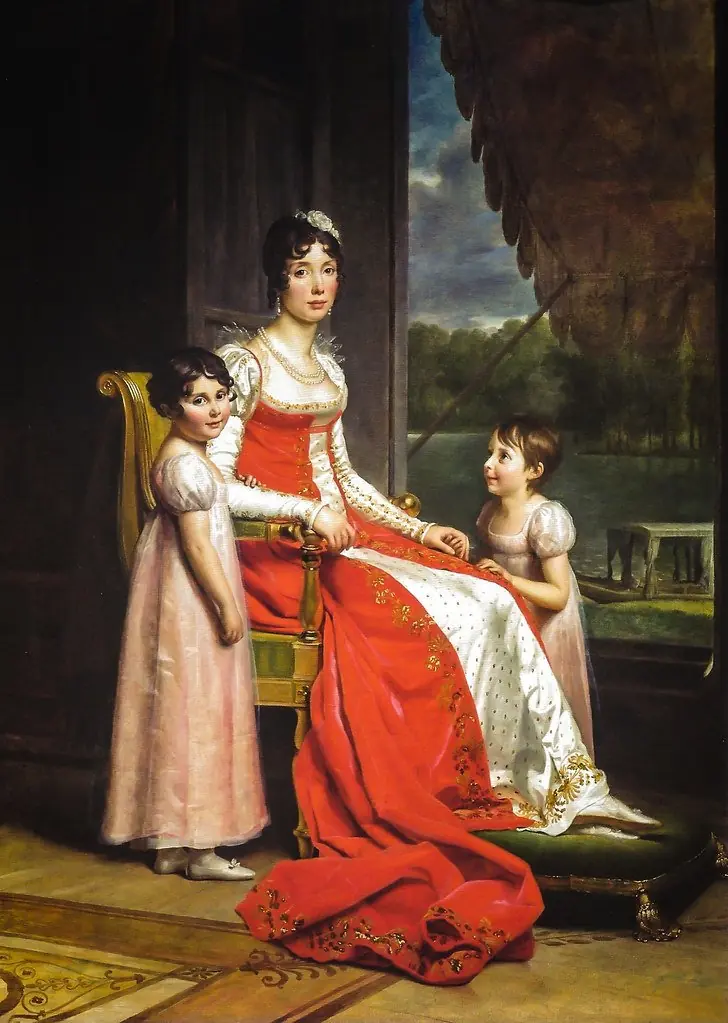 Julie Bonaparte as Queen of Spain with her Daughters, Zénaïde and Charlotte
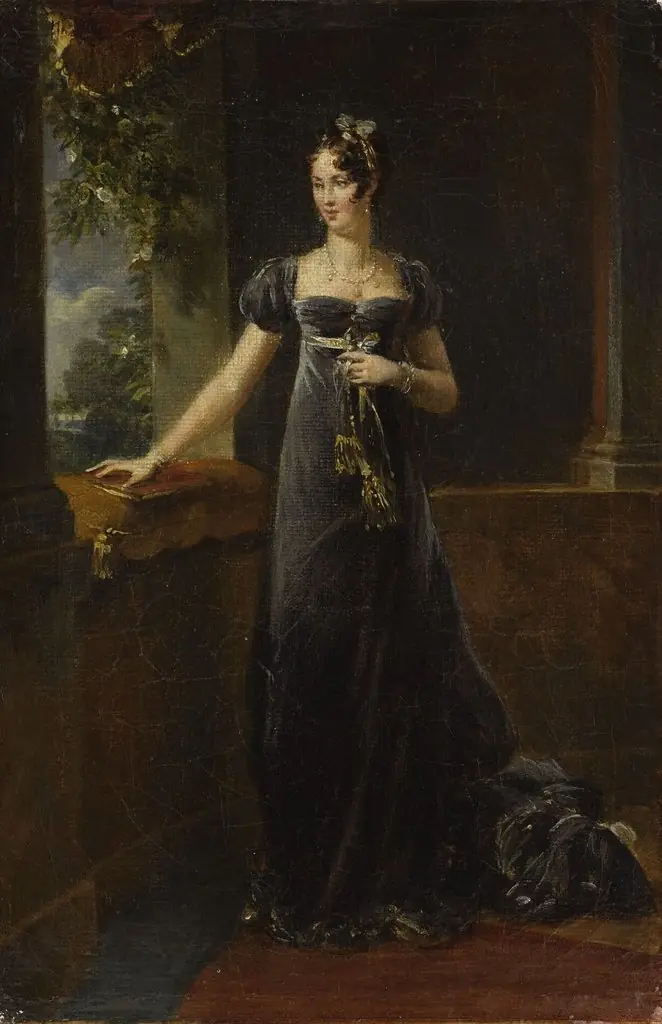 Auguste Amalia von Bayern, Vizekönigin von Italien
 Portrait of Mrs Conyngham
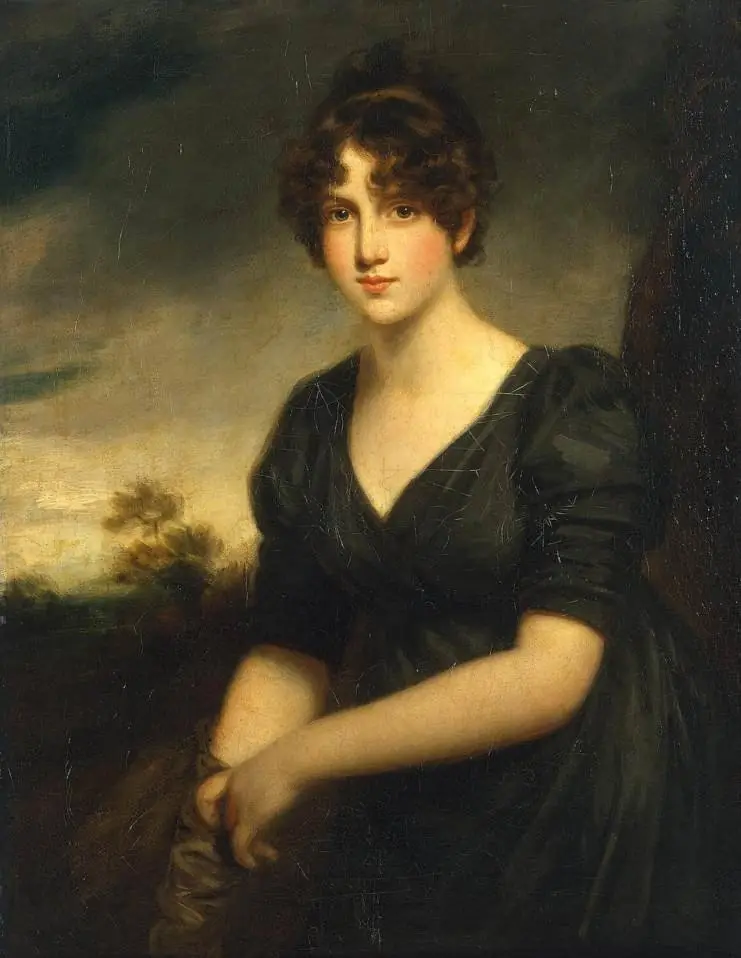 Portrait of a Woman (Miss Frances Winnicobe ?)
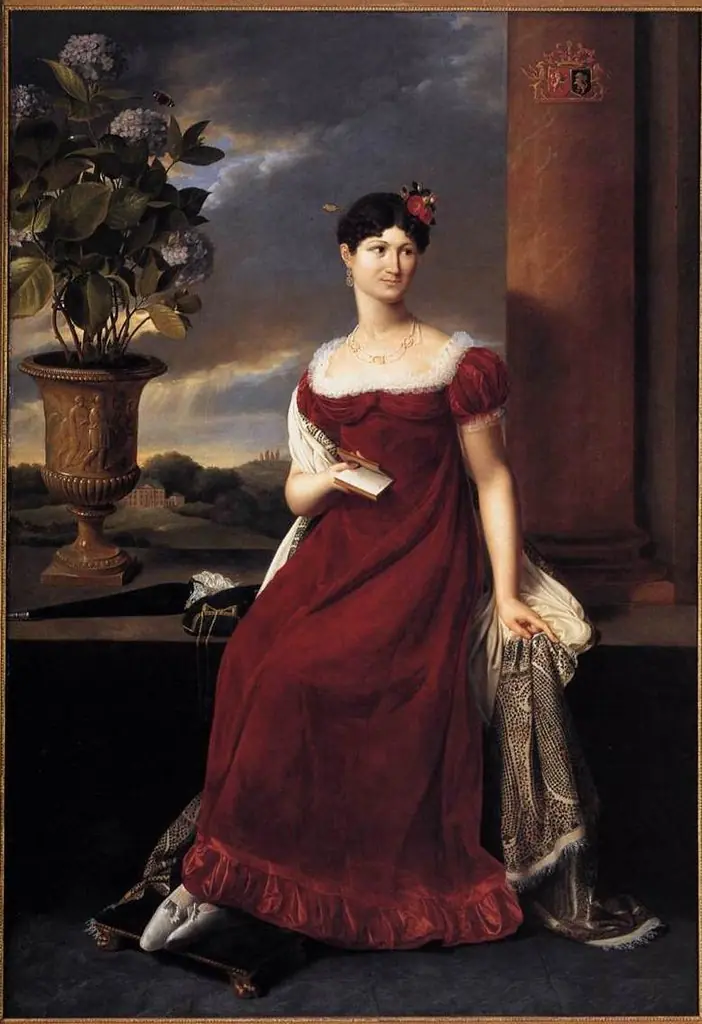 Mary Lodge, Bride of Baron Charles-Louis de Keverberg de Kessel
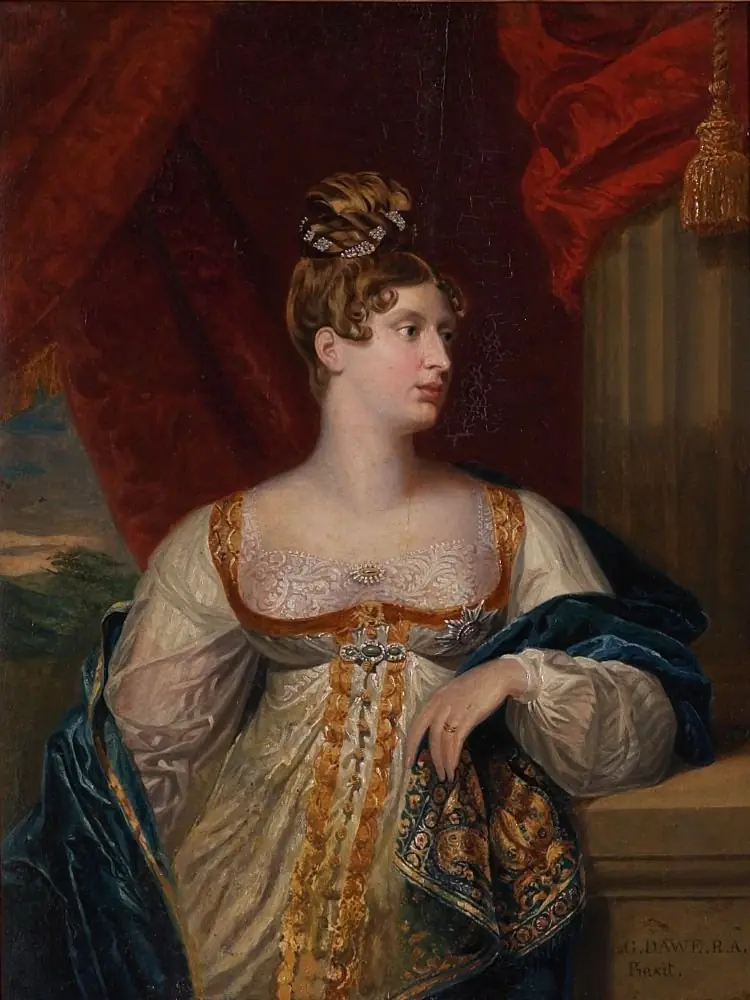 Portrait of Princess Charlotte of Wales
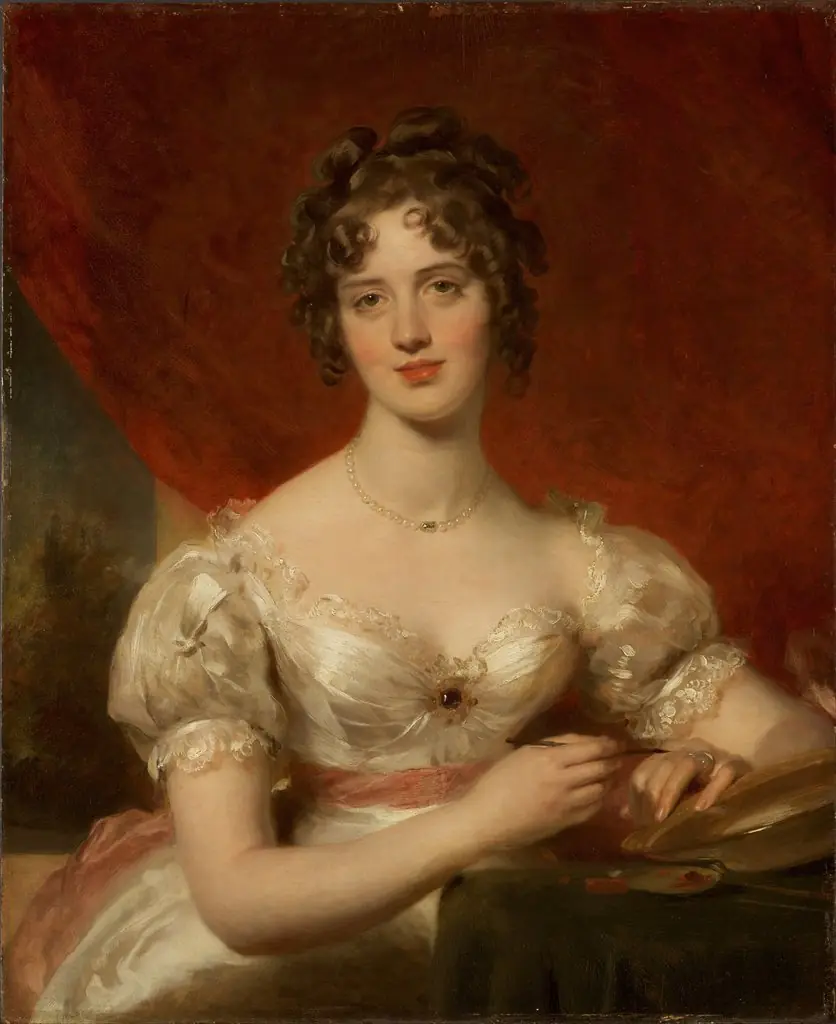 Portrait of Mary Anne Bloxam (later Mrs. Frederick H. Hemming)
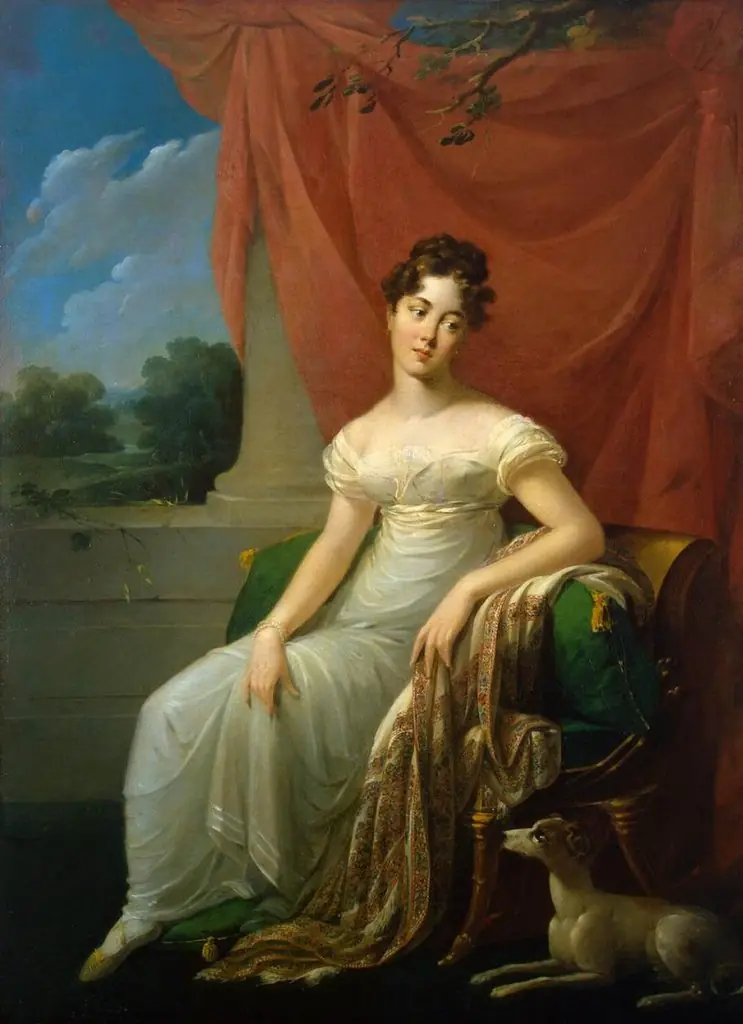 Portrait of Sofia Apraxina
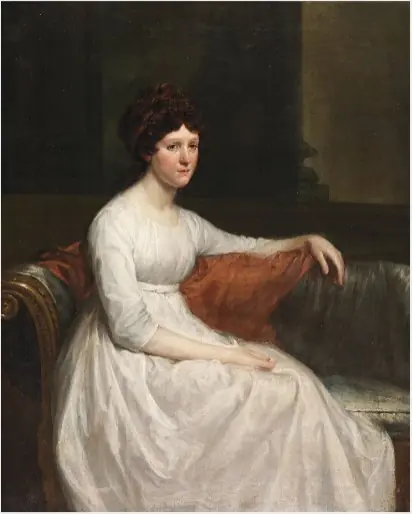 Portrait of Angelina Smith (1770-1808), Daughter of Michael Smith, future 1st Bt
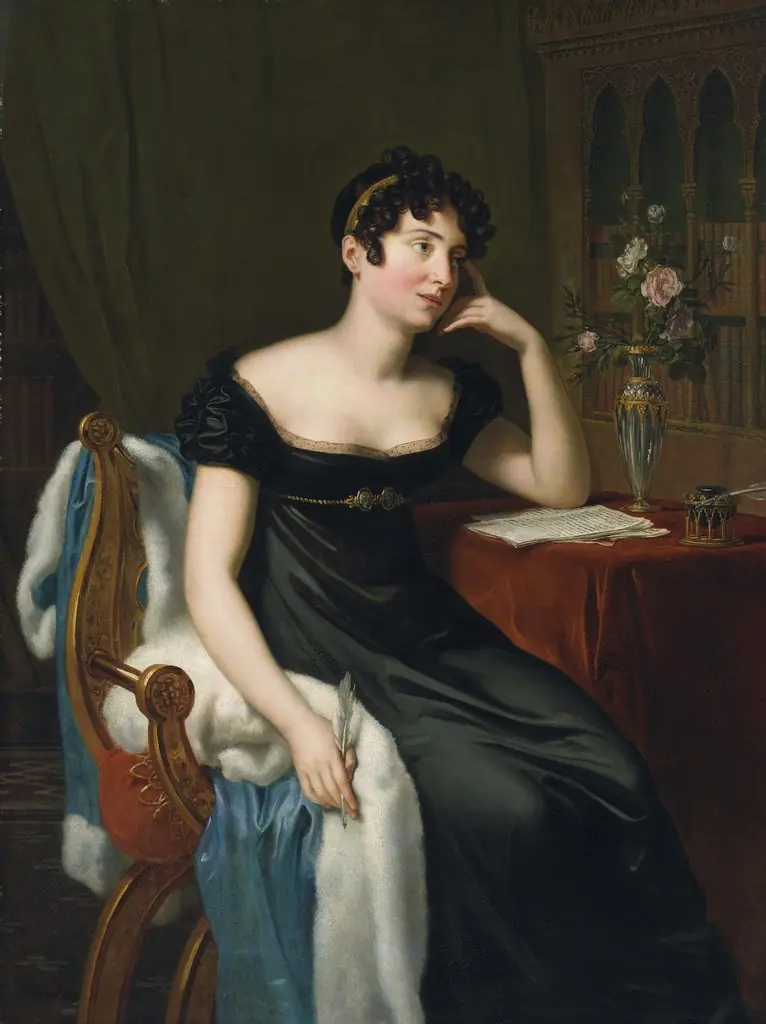 Portrait of Lady Morgan (Sydney Owenson) (1776-1859), Writer
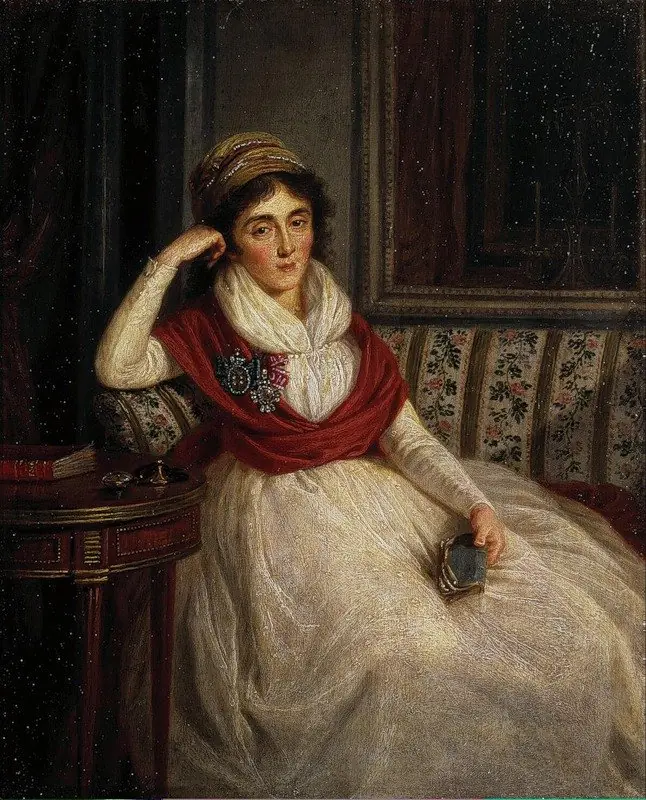 Portrait of Princess Ye. Golenishcheva-Kutuzova
 Porträt der Julie Clary (1771-1845)
 Paulina (1784–1823), First Wife of Sir Codrington Edmund Carrington