Artwork
Portrait of Princess Ye. Golenishcheva-Kutuzova
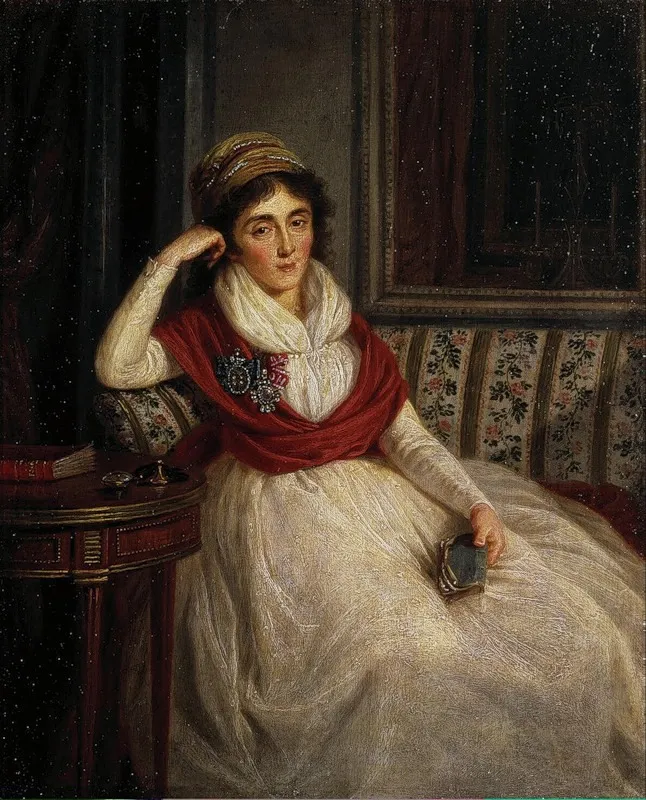
Portrait of Princess Ye. Golenishcheva-Kutuzova is an oil painting by the Neoclassicist artist Ludwig Guttenbrunn. It dates from 1799 and is held in the collection of the Hermitage Museum.
About this work
Overview
Ludwig Guttenbrunn’s 1799 oil portrait presents Princess Ye. Golenishcheva‑Kutuzova seated on an upholstered couch. She wears a white dress accented by a red shawl, a hat, and a chest brooch, while her left hand holds a small dark box. The composition balances the figure against a softly patterned background, conveying a calm, introspective mood.
Subject & Meaning
The work portrays the Russian aristocrat in a dignified yet intimate pose, emphasizing personal refinement rather than overt power. The inclusion of the dark box may hint at a private token or correspondence, reinforcing the sense of quiet contemplation that characterizes the sitter’s demeanor.
Technique & Style
Executed in the neoclassical idiom, the painting employs chiaroscuro to model the figure’s form, creating depth through contrasts of light and shadow. Guttenbrunn’s brushwork renders the textures of fabric and upholstery with precision, while the restrained palette underscores the elegance of the subject.
History & Provenance
Created by the Austrian‑born portraitist active in the late eighteenth century, the canvas entered the State Hermitage Museum’s collection, where it remains part of the institution’s holdings of European portraiture from the period.
Artist & collection
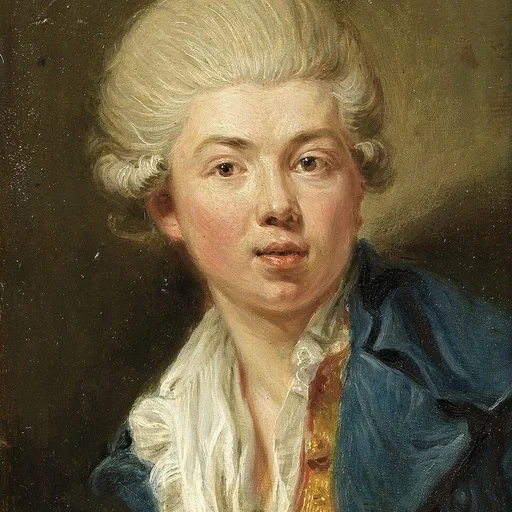
Artist
Ludwig Guttenbrunn (1750 – 15 January 1819) was an artist who worked in the latter part of the 18th century and early 19th century.

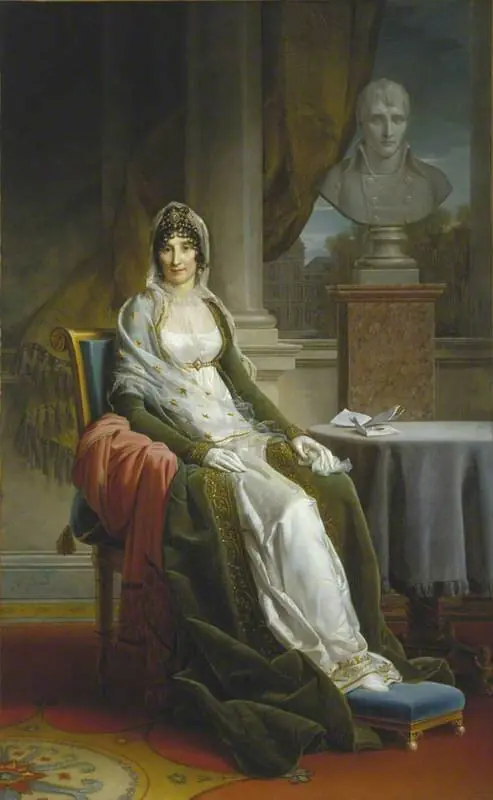 Madame Mère (Maria Laetitia Ramolino Bonaparte, 1750 - 1836)
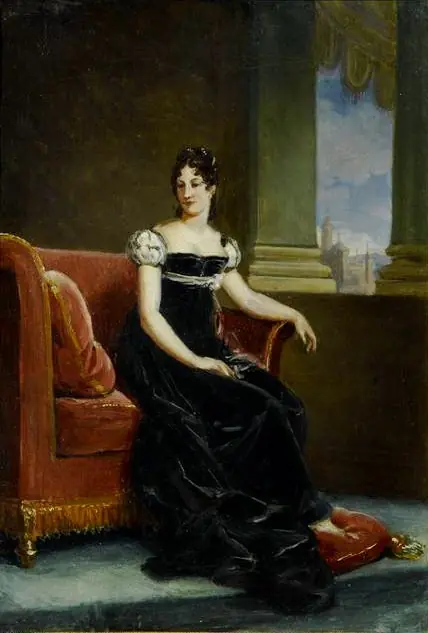 Eugénie-Bernardine-Désirée Clary, reine de Suède (1781-1860)
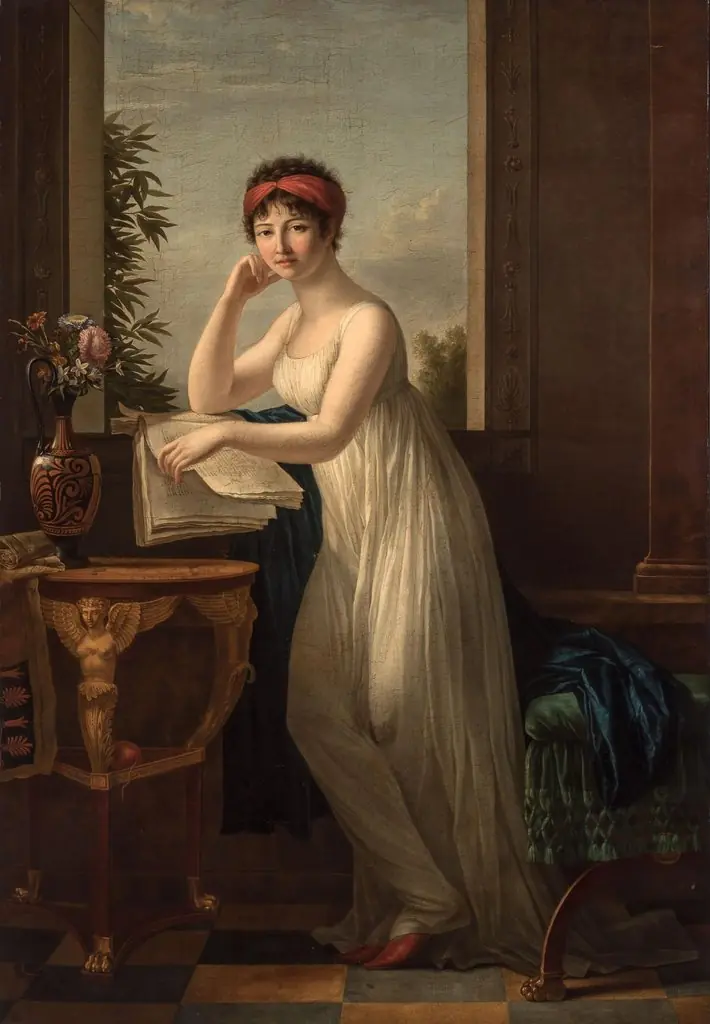 A Young Woman Leaning on the Edge of a Window
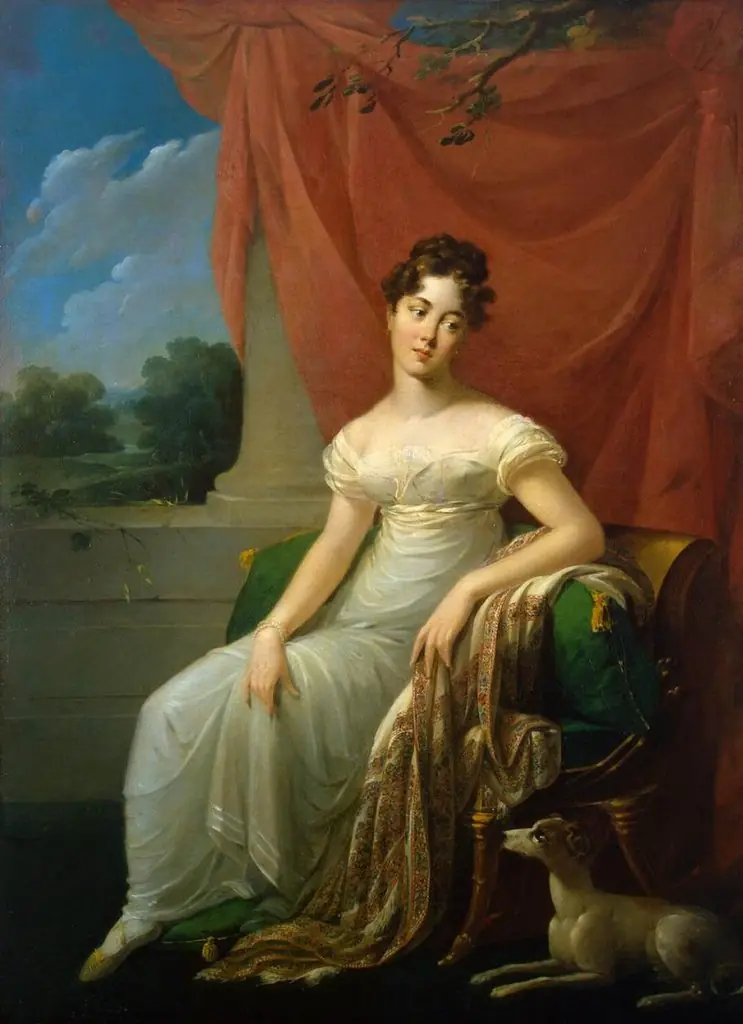 Portrait of Sofia Apraxina
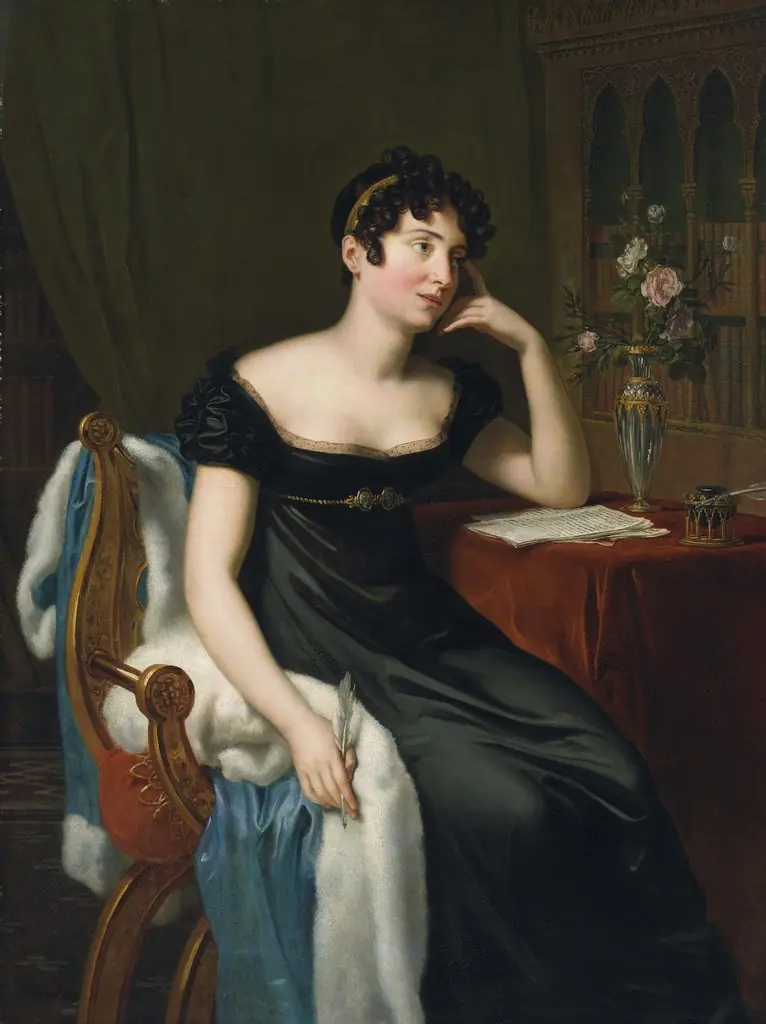 Portrait of Lady Morgan (Sydney Owenson) (1776-1859), Writer
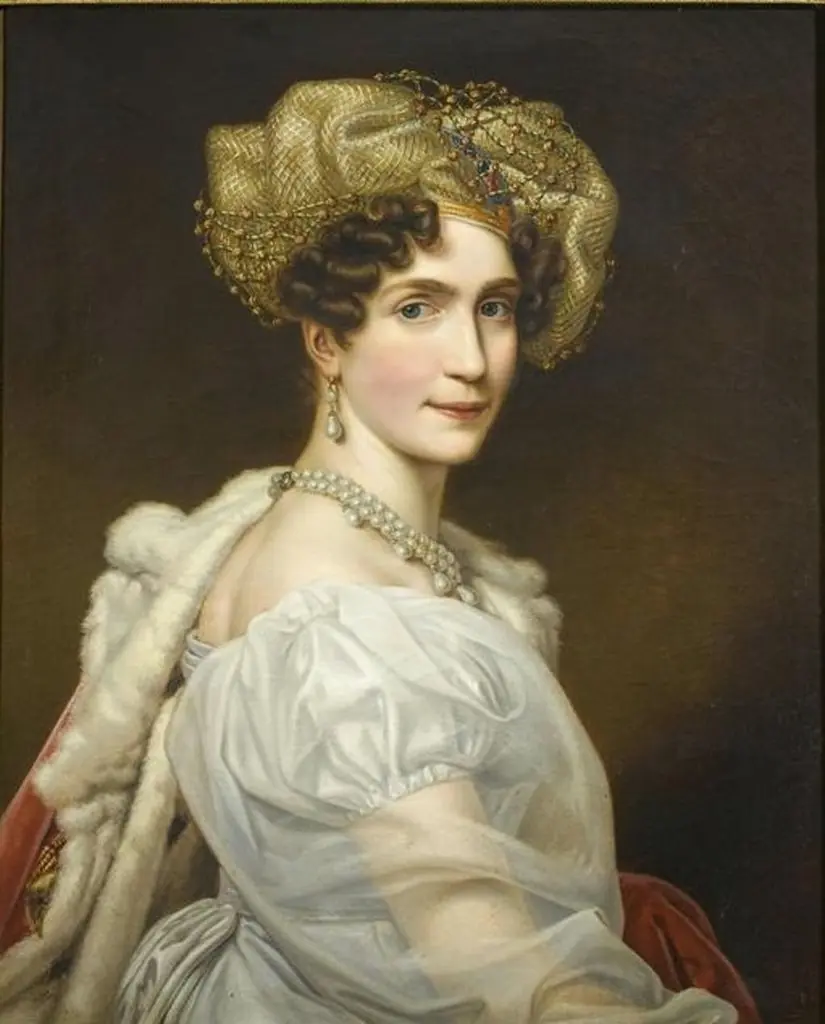 Augusta of Bavaria, Duchess of Leuchtenberg
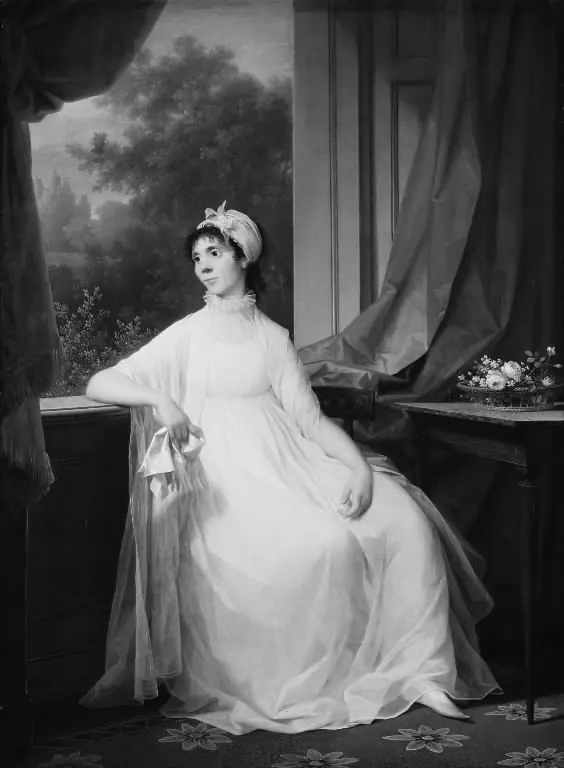 Portrait of Gertrud Hage, née Heitmann
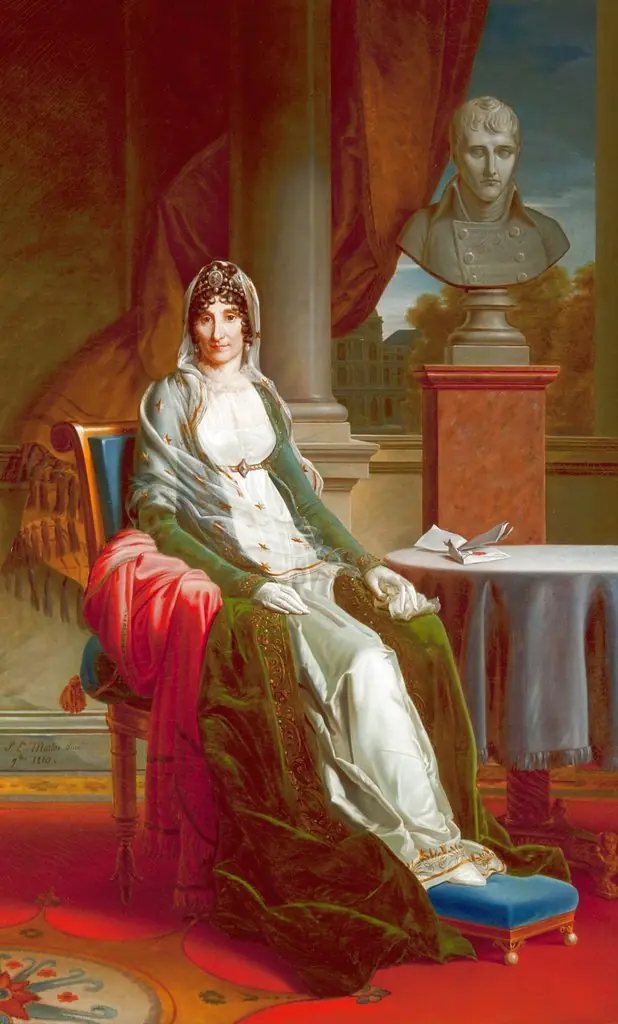 Portrait of Madame Mère
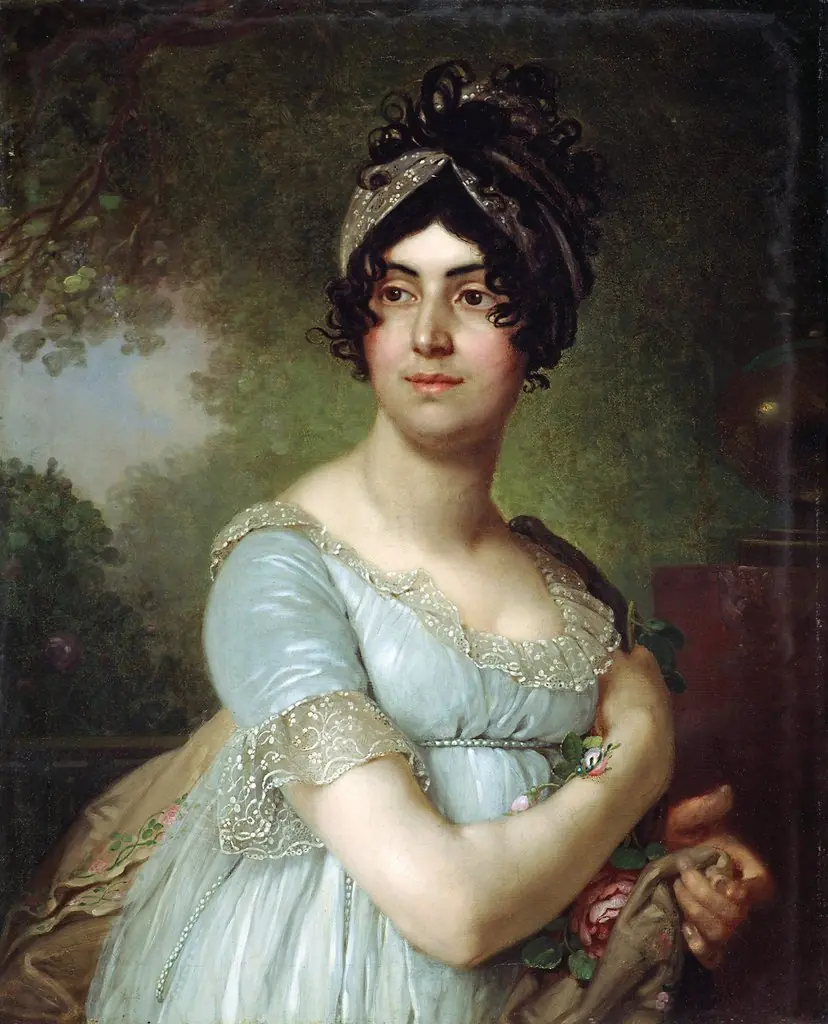 Портрет Д.С. Яковлевой
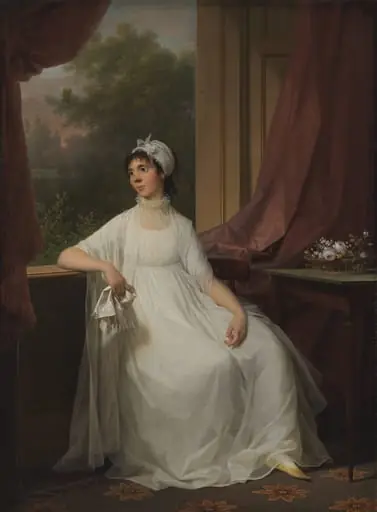 Portrait of Gertrud Hage, née Heitmann
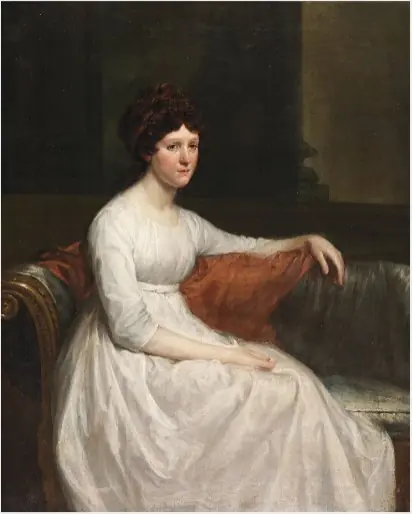 Portrait of Angelina Smith (1770-1808), Daughter of Michael Smith, future 1st Bt
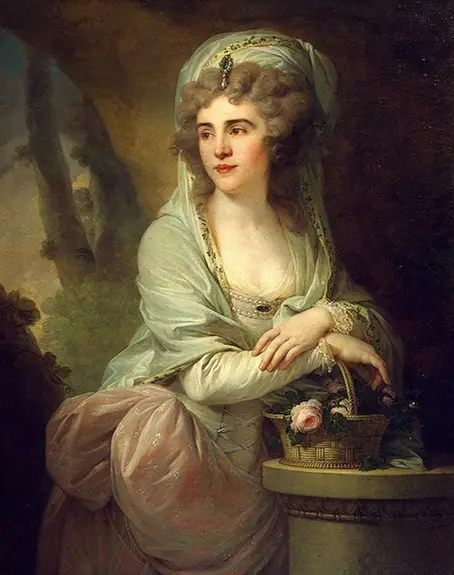 Portrait of Yekaterina Samoilova