Artwork
Ritratto di Giulia Clary e delle figlie Zenaide e Carlotta
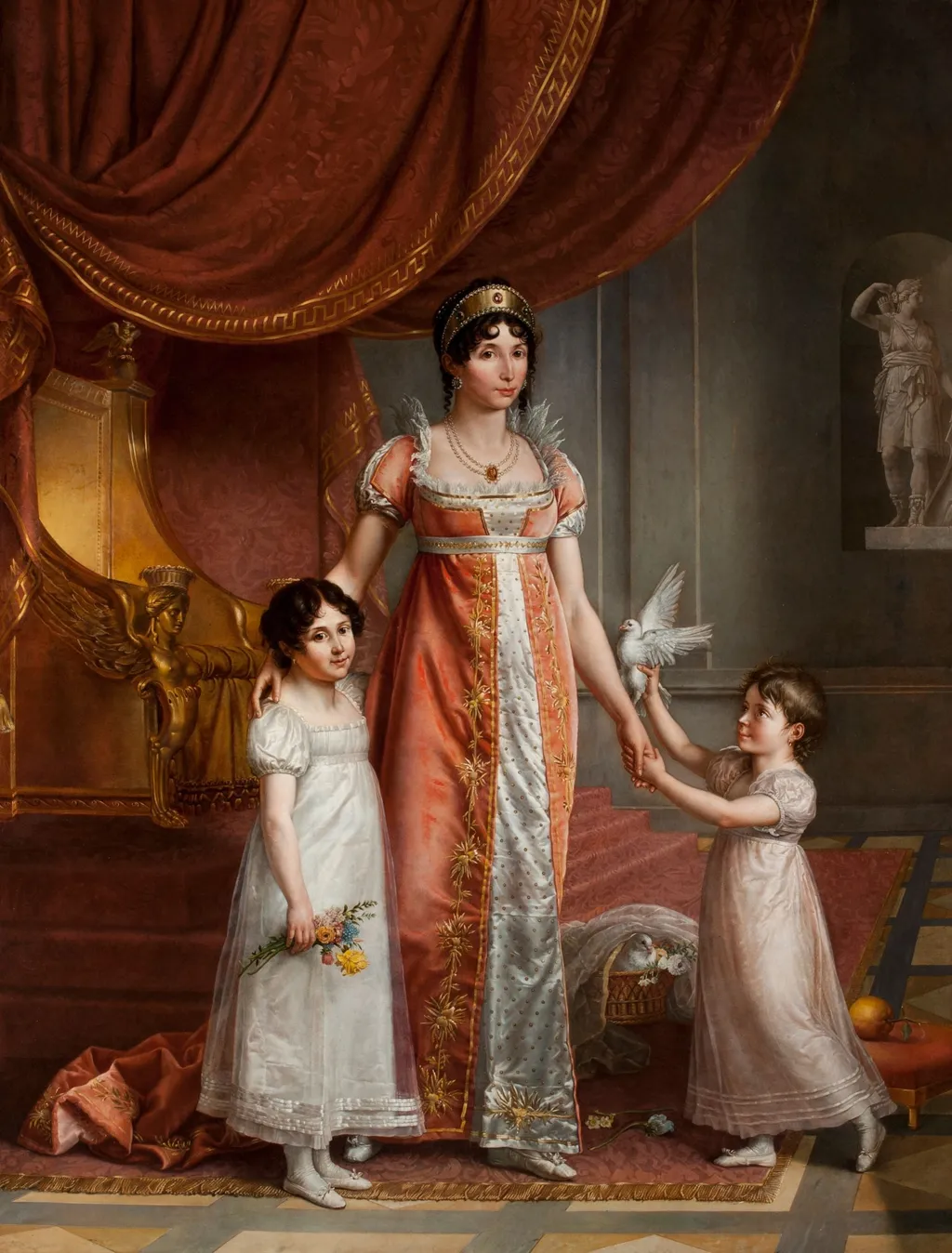
Ritratto di Giulia Clary e delle figlie Zenaide e Carlotta is an oil painting by Jean-Baptiste Wicar. It dates from 1809 and is held in the collection of the Palace of Caserta.
About this work
Overview
Jean-Baptiste Wicar’s 1809 oil portrait presents Julie Clary accompanied by her two daughters, Zénaïde and Carlotta. Executed in a refined Neoclassical manner, the work captures a moment of familial poise within an interior setting, characterized by sumptuous fabrics and a muted yet elegant backdrop. The painting is part of the collection at the Royal Palace of Caserta in southern Italy.
Subject & Meaning
The central figure, Julie Clary, is shown in a salmon‑hued gown trimmed with white and gold, crowned with a delicate diadem, symbolising her status and the Bonapartist connections of her family. Flanking her, the young girls—dressed in simple white garments—hold a bouquet and a small bird, gestures that suggest innocence, fertility, and the continuation of lineage.
Technique & Style
Wicar employs a smooth, polished brushwork typical of early‑19th‑century French portraiture, allowing the luxurious textures of silk and gold embroidery to emerge with subtle chiaroscuro. The background features a deep red drapery and a gilded chair, rendered with restrained detail to keep focus on the figures while providing a sense of depth and spatial hierarchy.
History & Provenance
Completed in 1809, the portrait entered the Bourbon collection and eventually was transferred to the Palace of Caserta, where it remains on public display. Its provenance reflects the diplomatic ties between the Bonaparte family and the Kingdom of Naples, illustrating how portraiture functioned as a visual record of political and familial alliances.
Context
Created during the Napoleonic era, the work aligns with the period’s emphasis on portraying prominent women of the regime in dignified, classical poses. Wicar, a French painter active in Italy, combined French academic training with local tastes, producing a portrait that both honors the sitter’s personal identity and the broader cultural currents of early‑19th‑century Europe.
Own this work as a print
Artist & collection


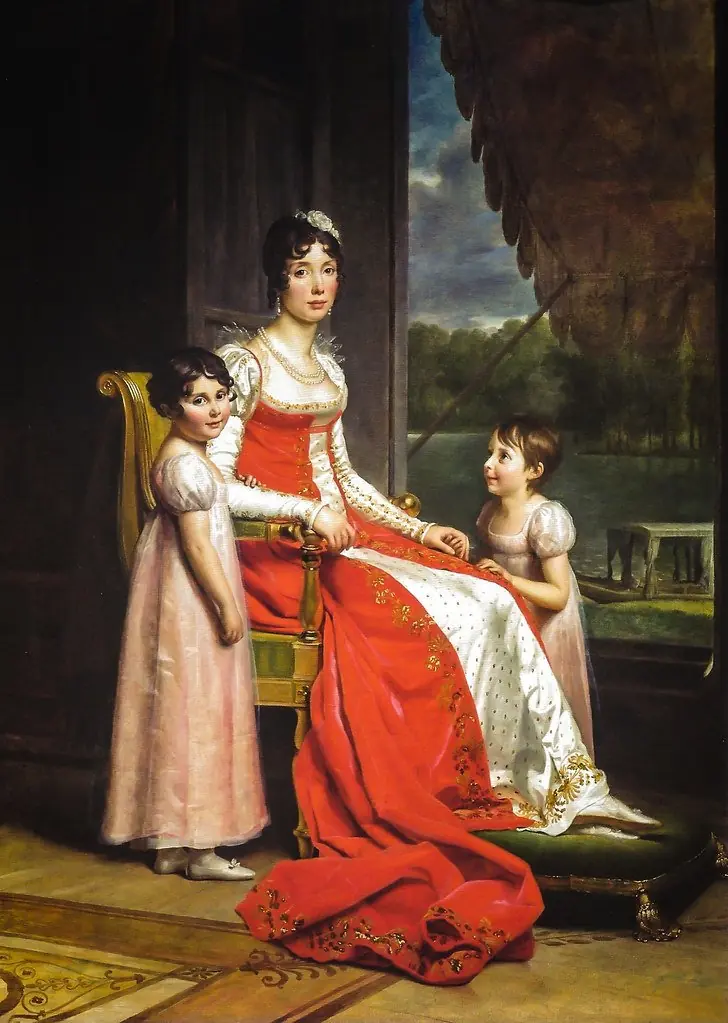 Julie Bonaparte as Queen of Spain with her Daughters, Zénaïde and Charlotte
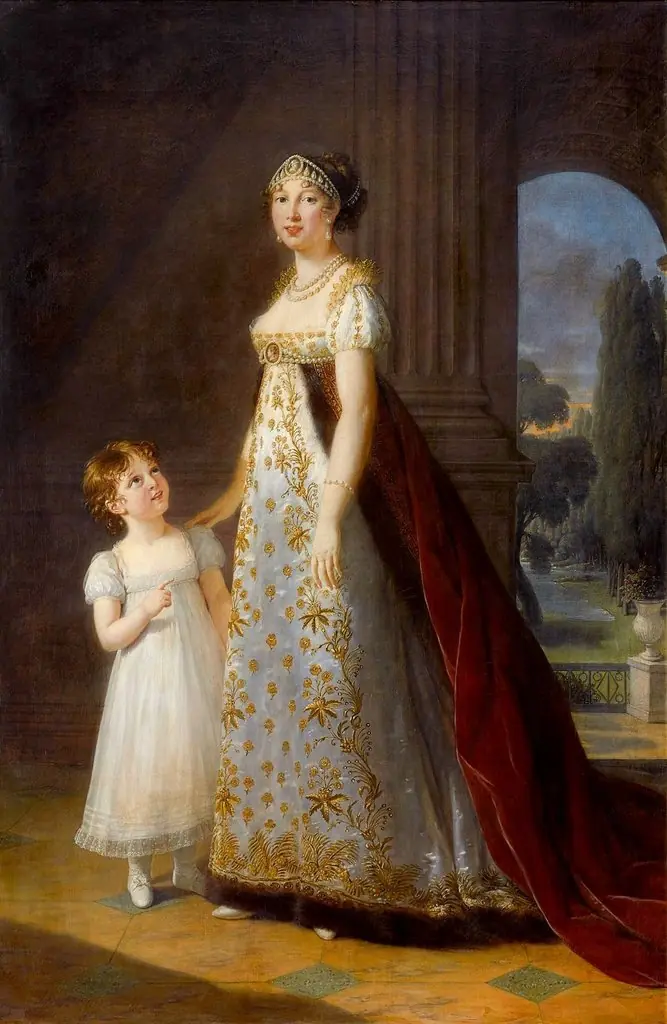 Caroline Murat with her daughter Letizia
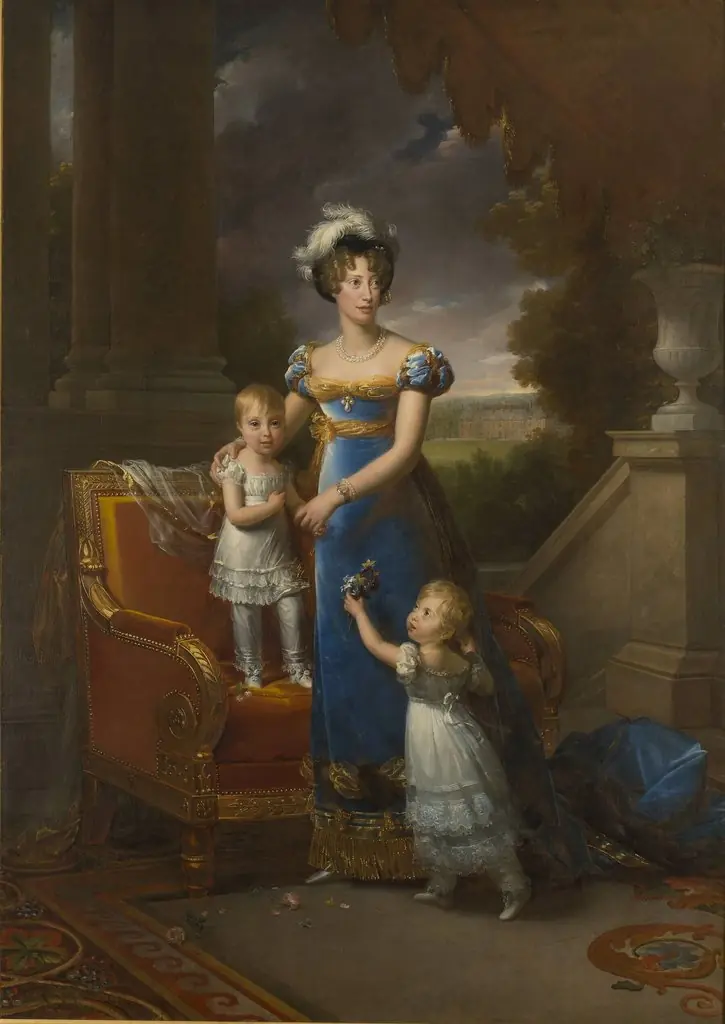 The Duchess of Berry and her Children
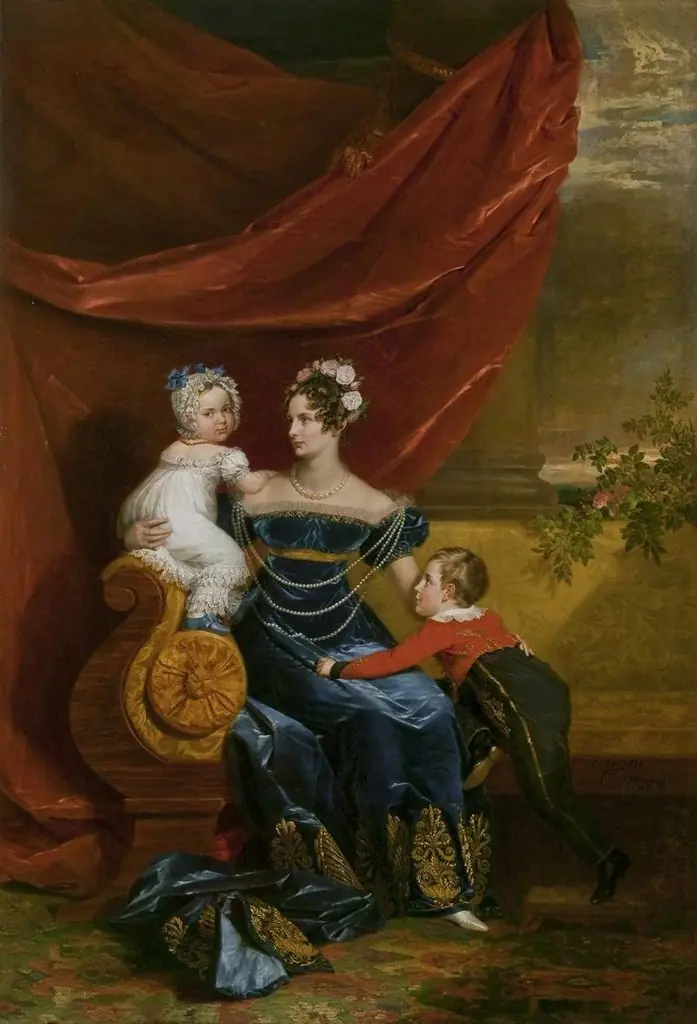 Portrait of Grand Duchess Alexandra Fiodorovna with Children
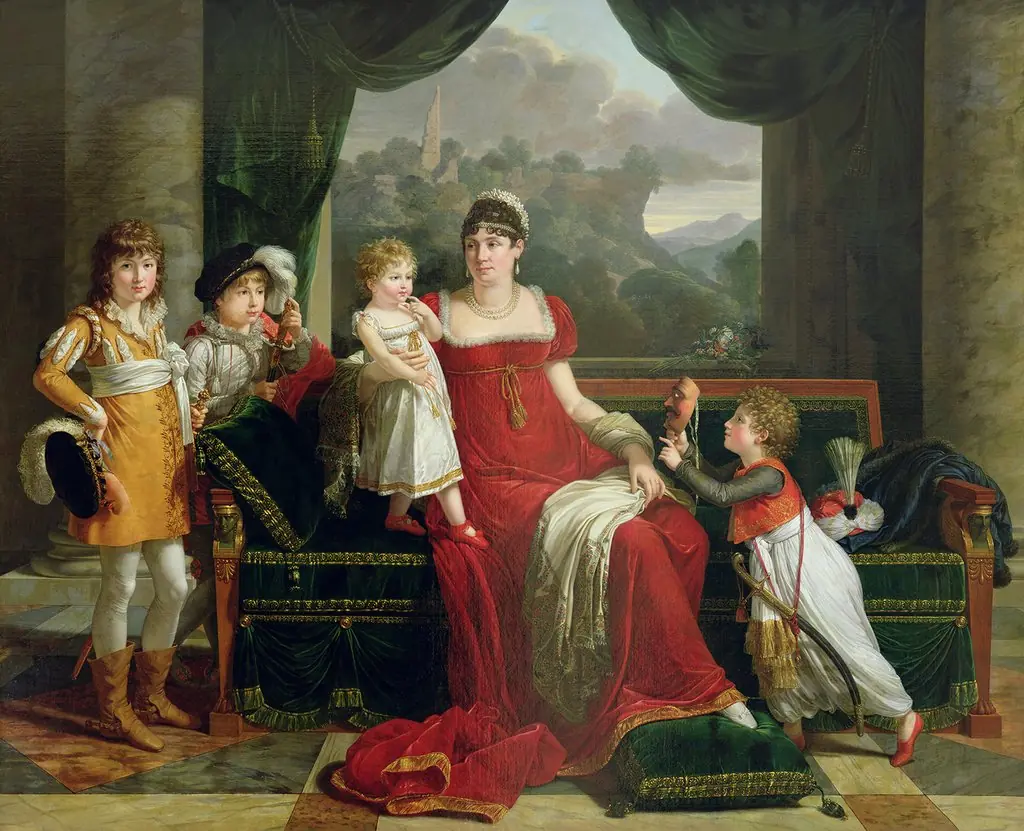 Portrait de la générale Clarke avec ses quatre enfants
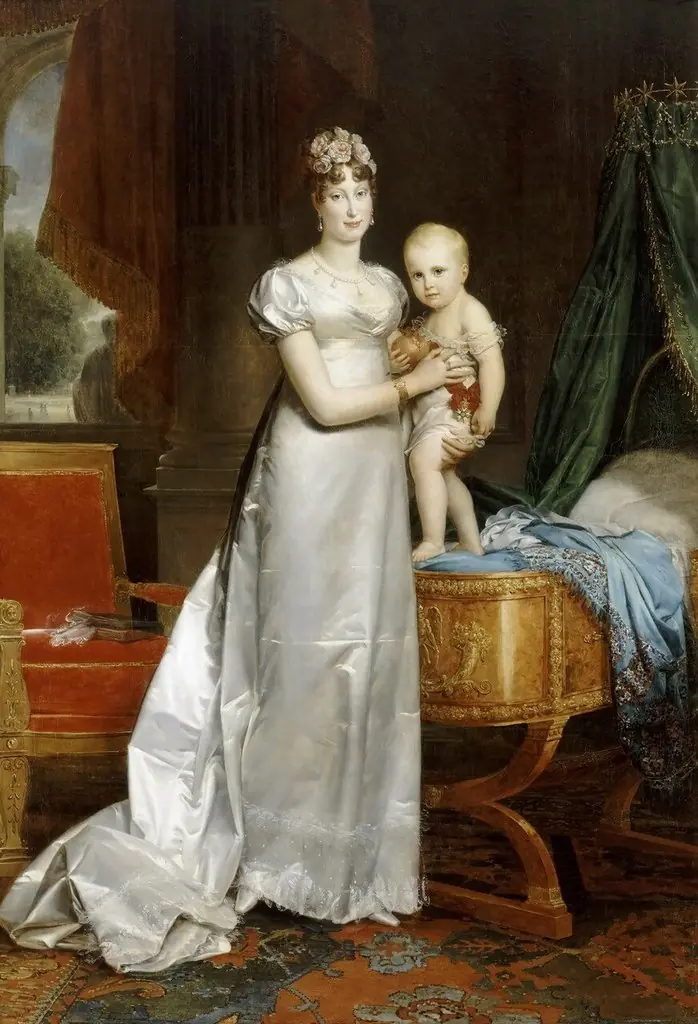 Marie-Louise, Empress of the French, and the Roi de Rome
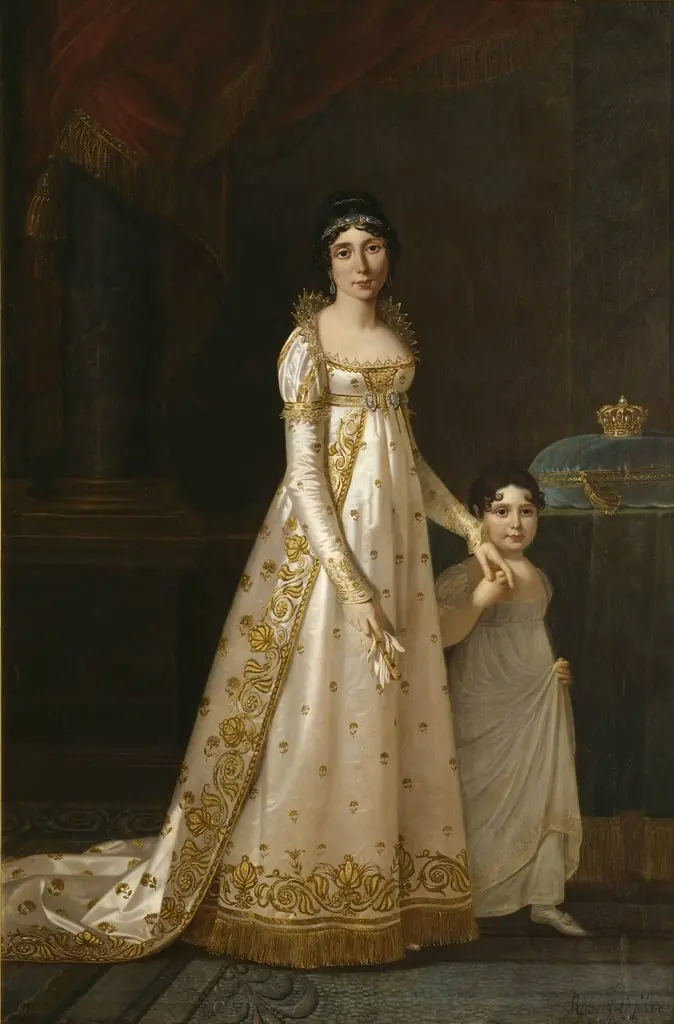 Marie-Julie Clary, Queen of Naples (1777-1845)
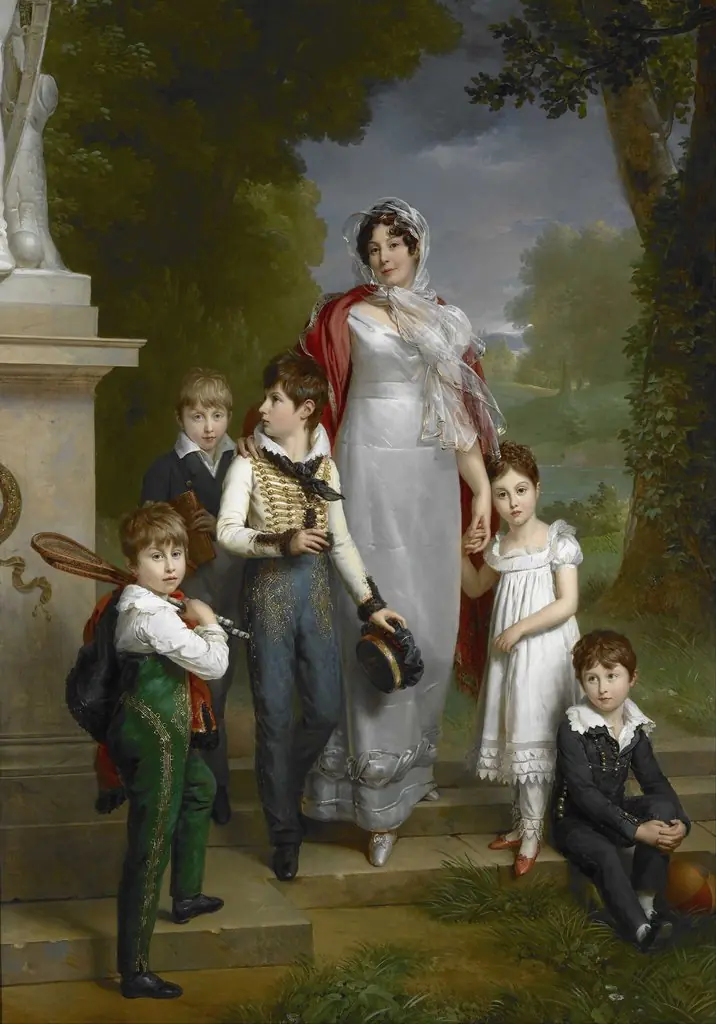 Portrait of Louise-Antoinette-Scholastique Guéhéneuc, Madame la Maréchale Lannes, Duchesse de Montebello, with her Children
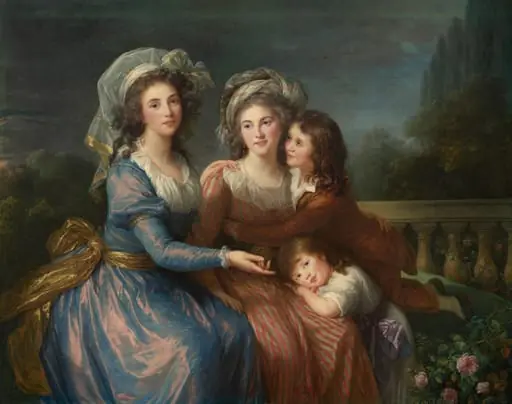 The Marquise de Pezay, and the Marquise de Rougé with Her Sons Alexis and Adrien
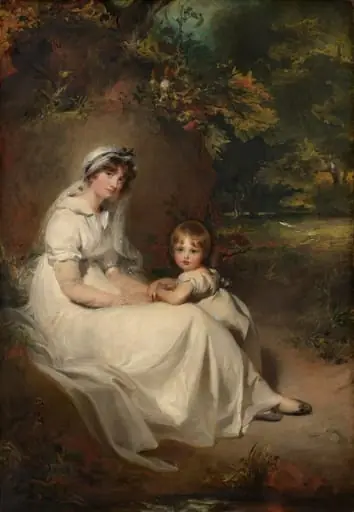 Lady Mary Templetown and Her Eldest Son
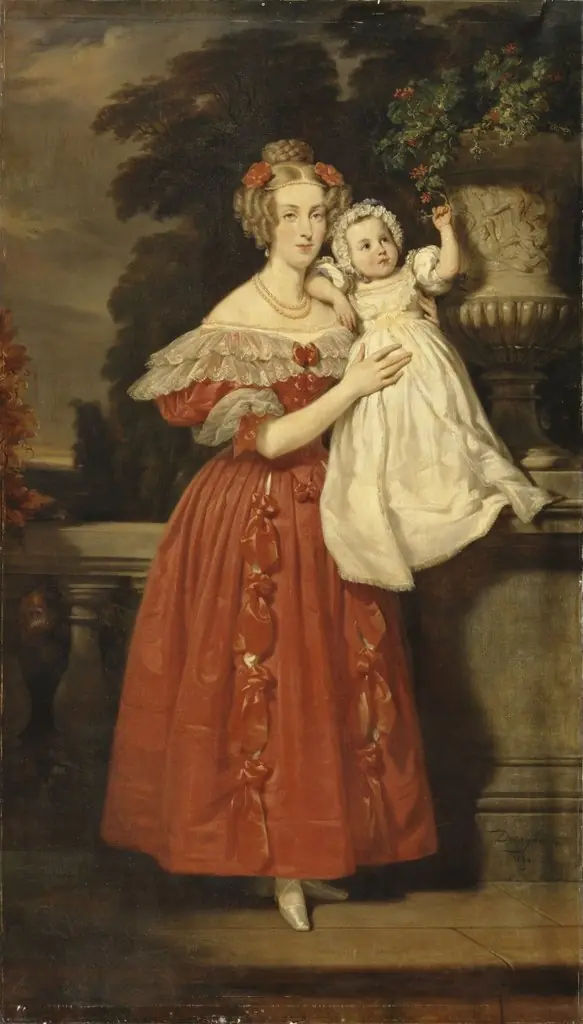 Louise of Orléans, Queen of the Belgians, and her son
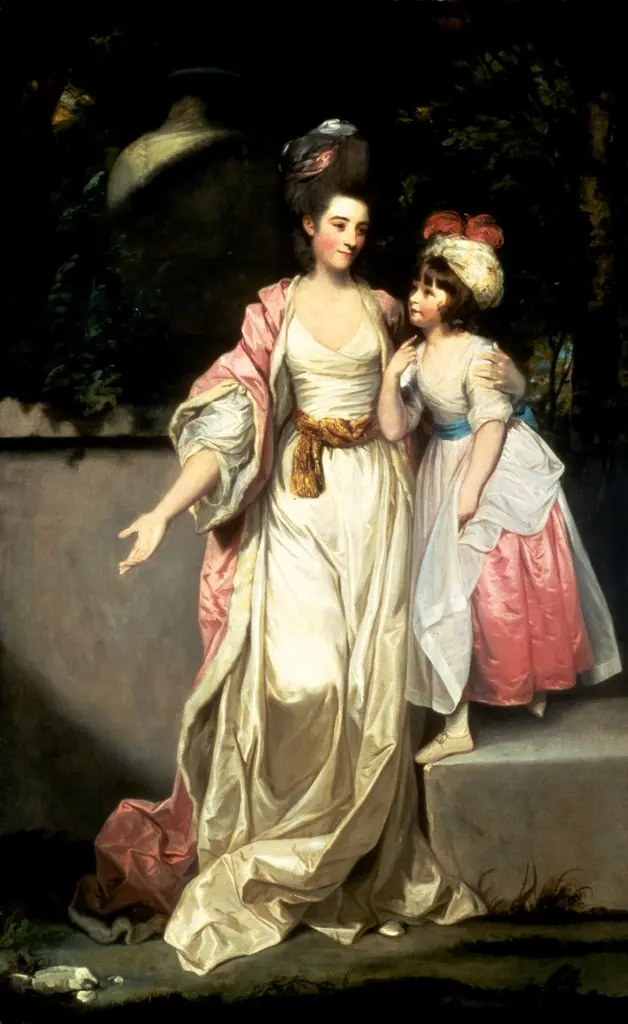 Portrait of Mrs. Jelf Powis and her Daughter