Artwork
Portrait of Laurent-Nicolas de Joubert
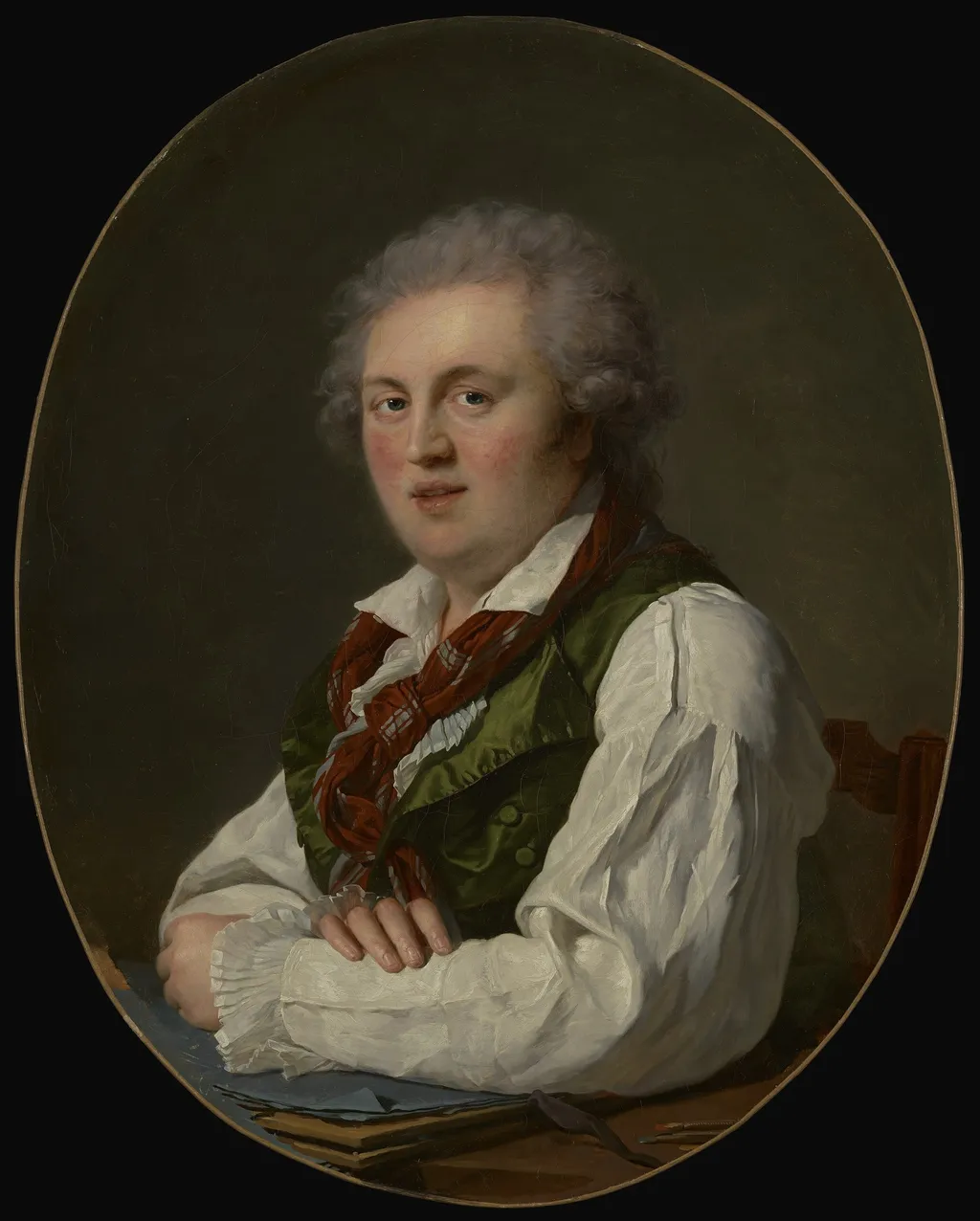
Portrait of Laurent-Nicolas de Joubert is an oil painting by the Rococo painting artist François-Xavier Fabre. It dates from 1794 and is held in the collection of the J. Paul Getty Museum.
About this work
Overview
Paul Getty Museum’s collection and exemplifies the transition from Rococo elegance to the more restrained aesthetics of the Revolutionary era.
Painted in 1794, this oil portrait depicts Laurent-Nicolas de Joubert, a French nobleman, by François-Xavier Fabre. Fabre, trained under Jacques-Louis David and a recipient of the Prix de Rome, completed the work during his early career. The painting is part of the J. Paul Getty Museum’s collection and exemplifies the transition from Rococo elegance to the more restrained aesthetics of the Revolutionary era.
Subject & Meaning
Laurent-Nicolas de Joubert is portrayed seated, arms crossed, conveying composure and quiet authority. His attire—a white shirt, green vest, and red scarf—suggests refined taste without overt display. The books and papers on the table imply intellectual engagement, positioning him as a man of letters and civic standing. The pose and setting reflect Enlightenment ideals of reason and dignity.
Technique & Style
Fabre employs subtle chiaroscuro to model the figure with soft, naturalistic volume. The dark, unobtrusive background isolates the subject, enhancing focus on texture and form. Brushwork is precise yet unobtrusive, particularly in the rendering of fabric and hair. The palette is muted, with restrained contrasts that emphasize restraint over ornamentation, aligning with post-Rococo sensibilities.
History & Provenance
Commissioned during the French Revolution, the portrait preserves the subject’s social identity amid political upheaval. It remained in private hands until entering the Getty’s collection, where it is documented as part of the museum’s 18th-century French portraiture holdings. Its survival through turbulent decades reflects its value as a personal and cultural artifact.
Context
Created in 1794, the portrait emerges during a period when French elites sought to redefine status through understated elegance rather than aristocratic splendor. Fabre, though trained in academic traditions, adapted his style to the era’s shifting values. The work aligns with a broader trend in portraiture that favored introspection and moral gravitas over theatrical display.
Legacy
The portrait stands as a representative example of early Revolutionary-era French portraiture, illustrating how artistic conventions evolved in response to social change. While not widely reproduced, it contributes to scholarly understanding of how individuals navigated identity during a time of political transformation, preserving a quiet moment of personal dignity.
Artist & collection
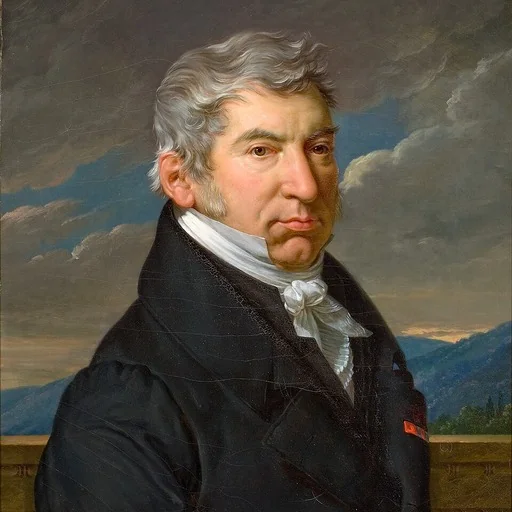
Artist
François-Xavier Fabre (French pronunciation: ; 1 April 1766 – 16 March 1837) was a French painter of historical subjects.

 Portrait of John Henry, 2nd Marquis of Lansdowne
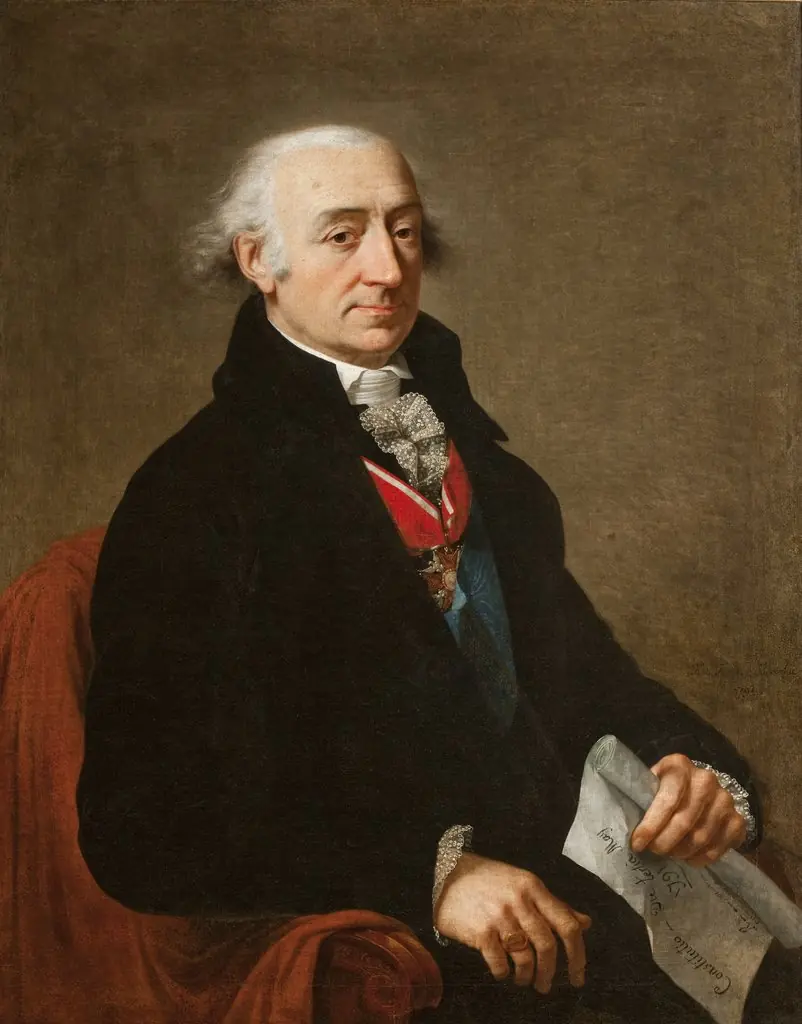 Portrait of Stanisław Małachowski (1736–1809)
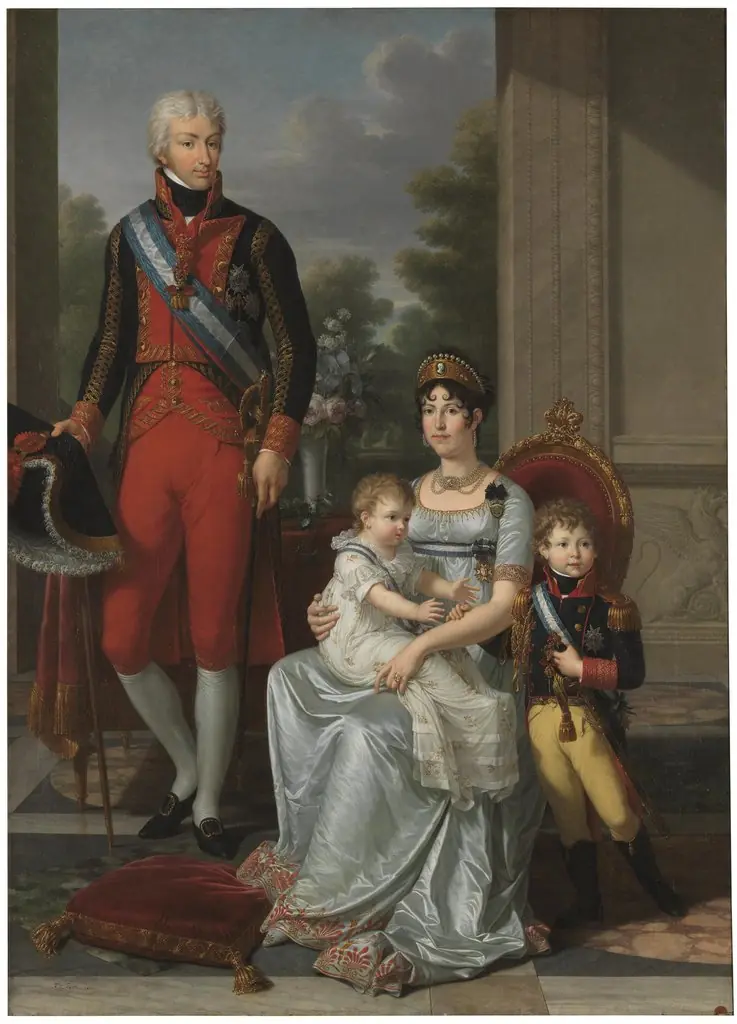 The Etrurian Royal Family
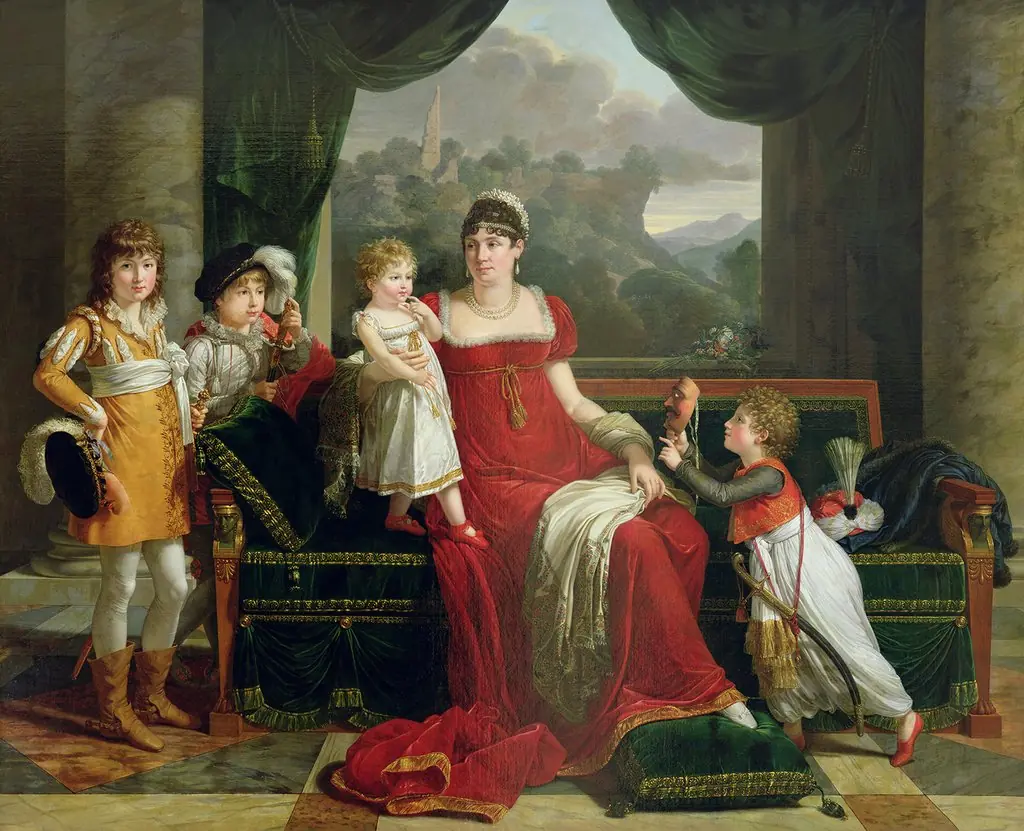 Portrait de la générale Clarke avec ses quatre enfants
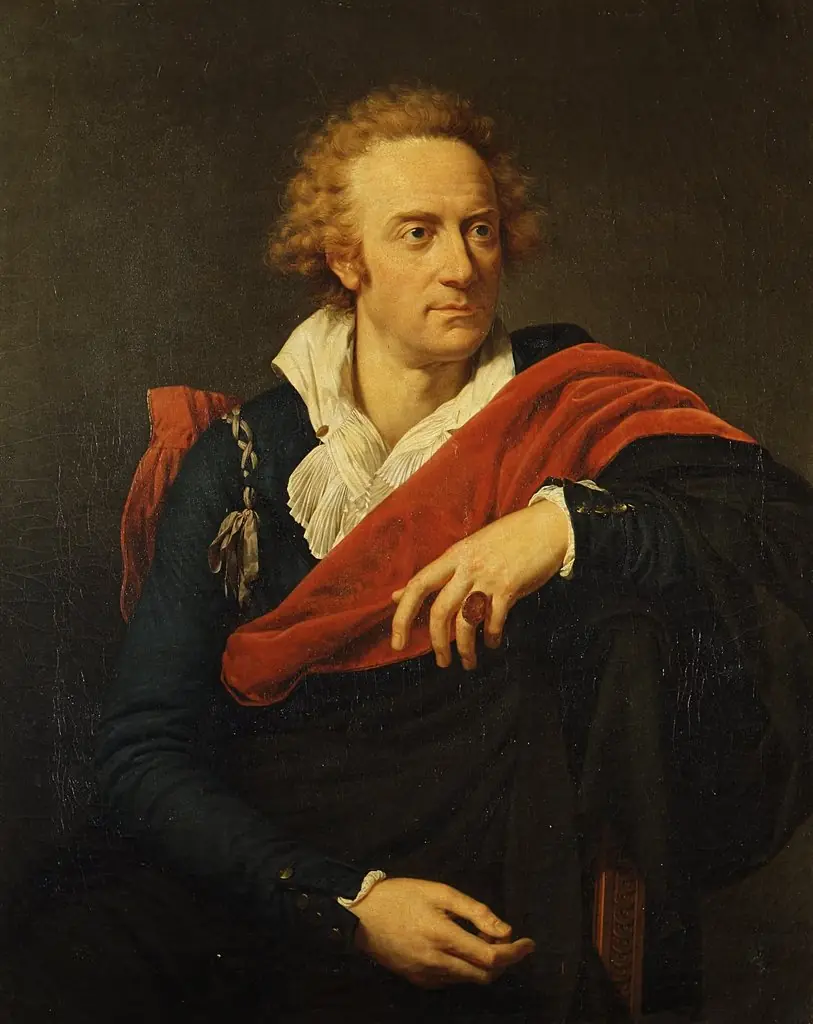 Portrait of Vittorio Alfieri
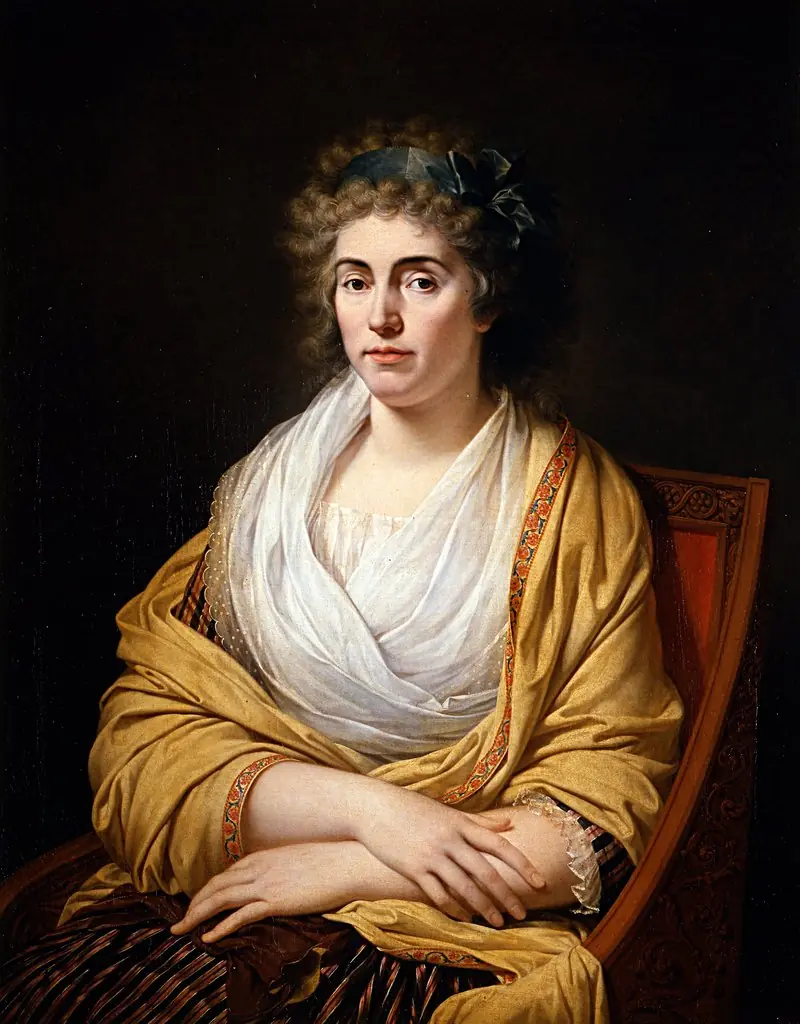 Portrait of Louise, wife of Bonnie Prince Charlie
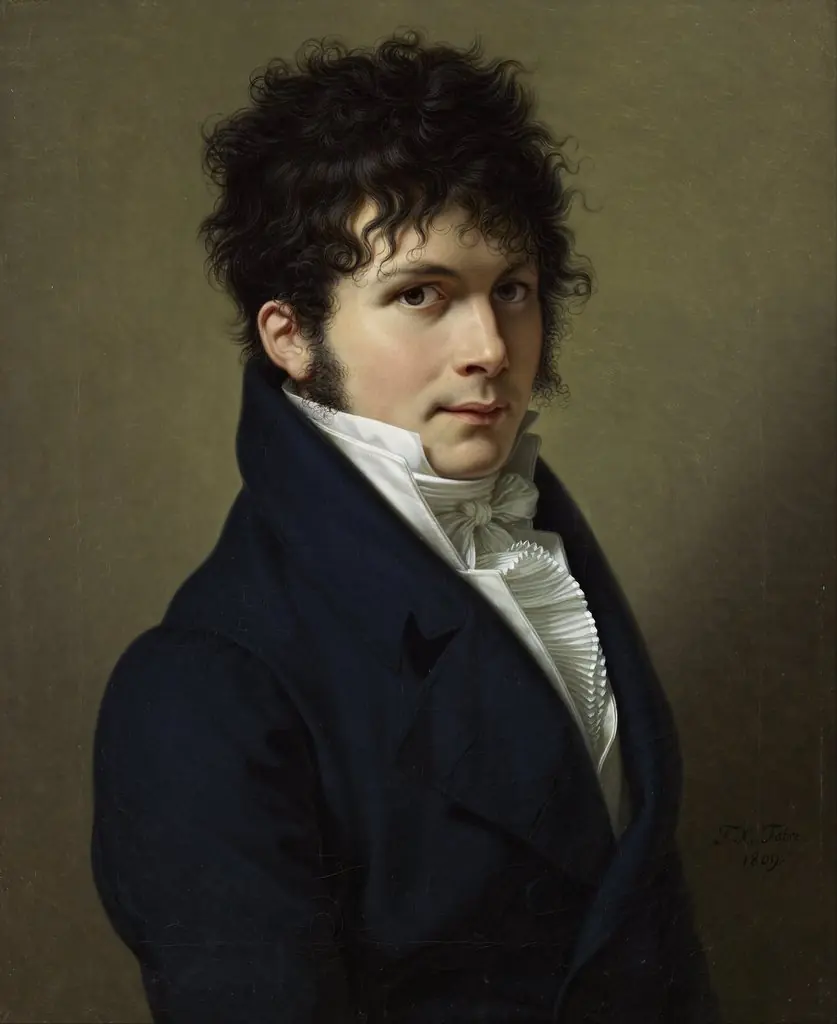 Portrait of a Man
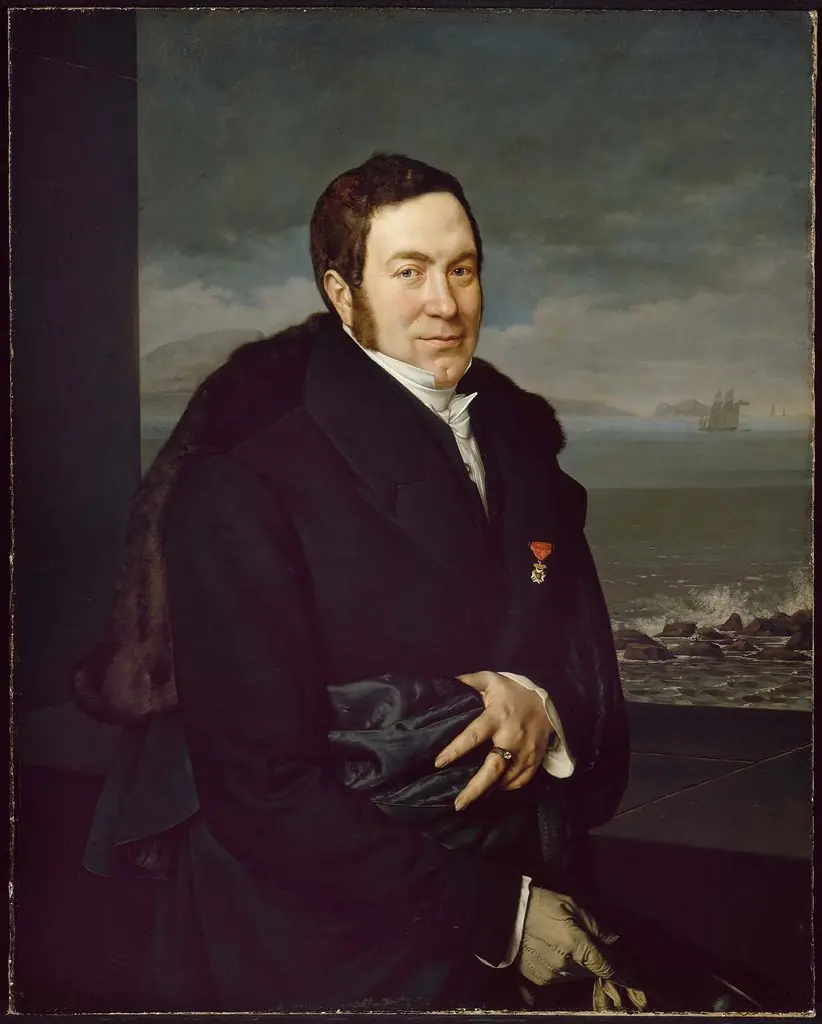 Portrait of a Man (Rosario Persico?)
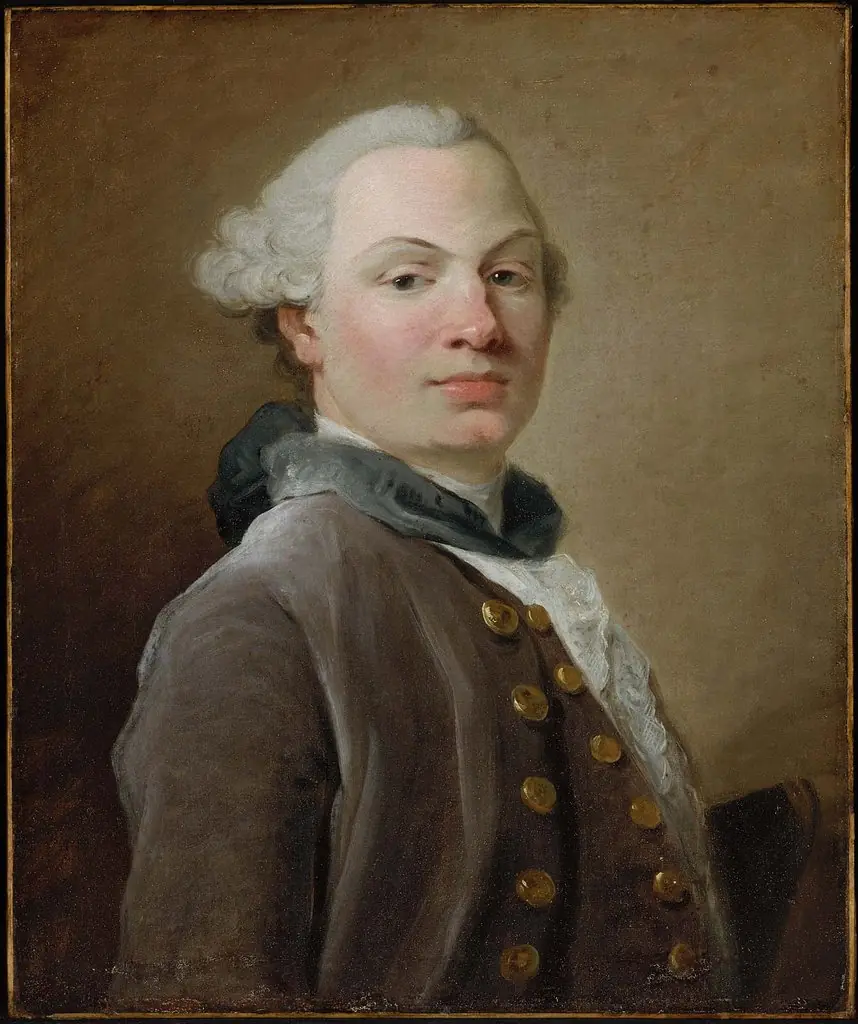 Portrait of a Man
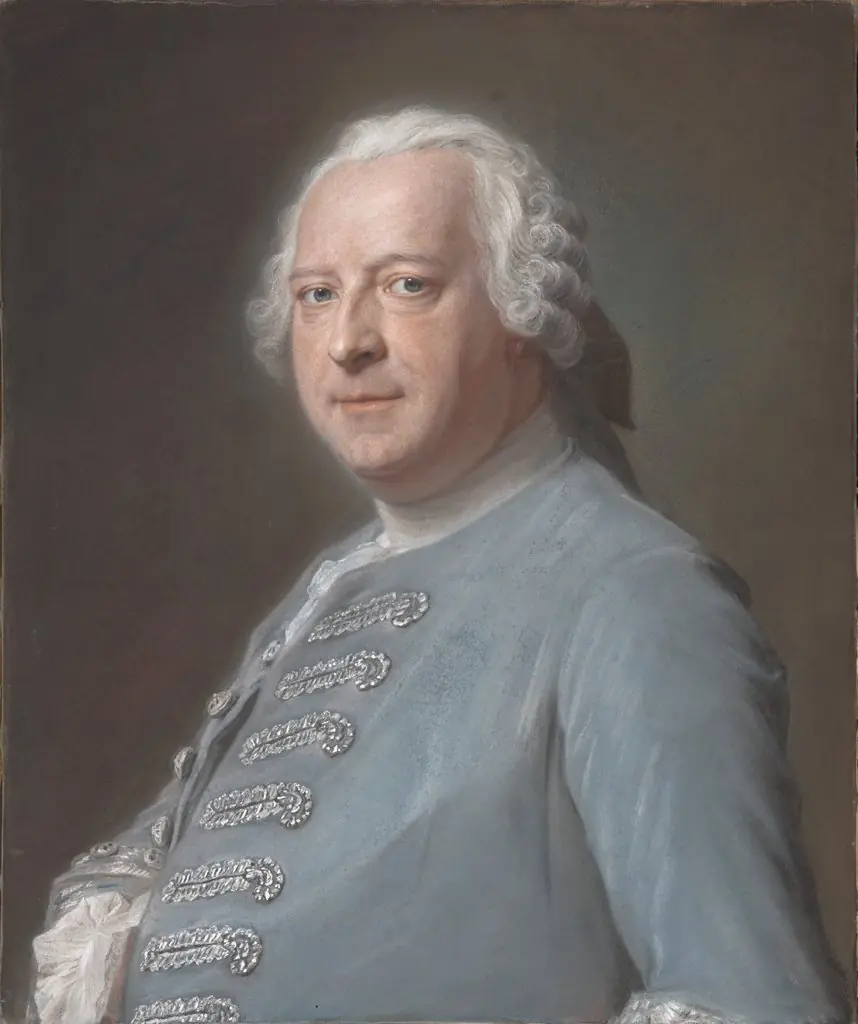 Jean Charles Garnier d'Isle (1697–1755)
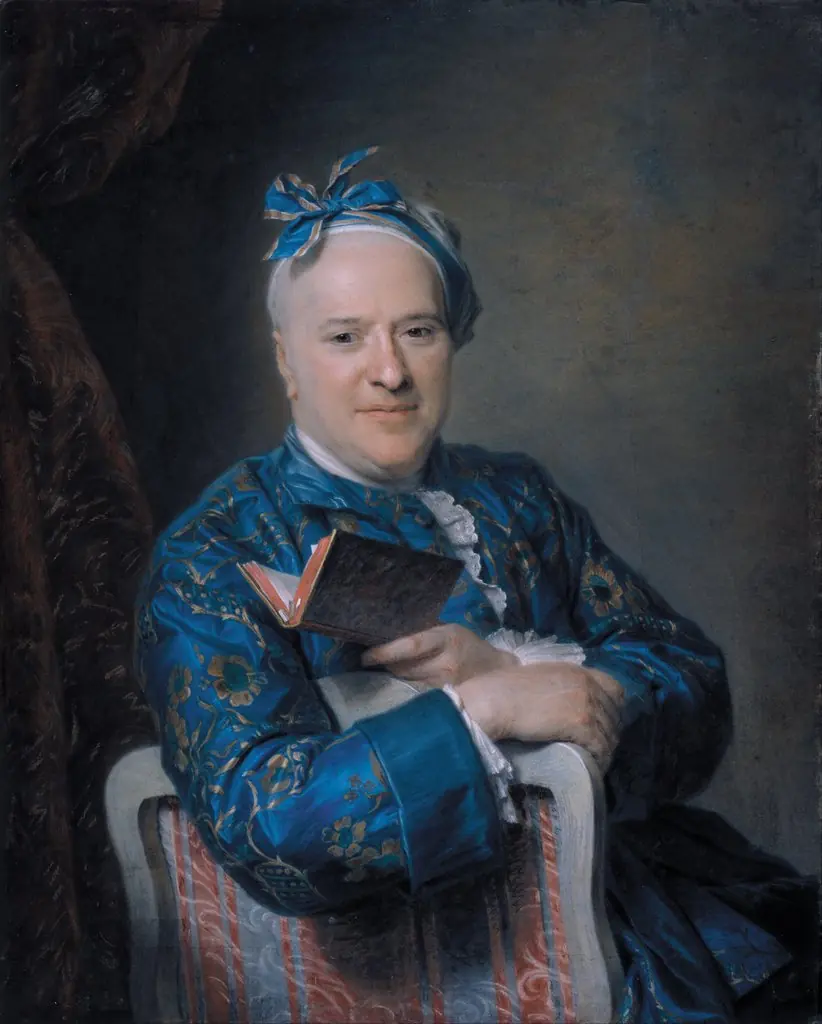 Portrait of Pierre-Louis Laideguive
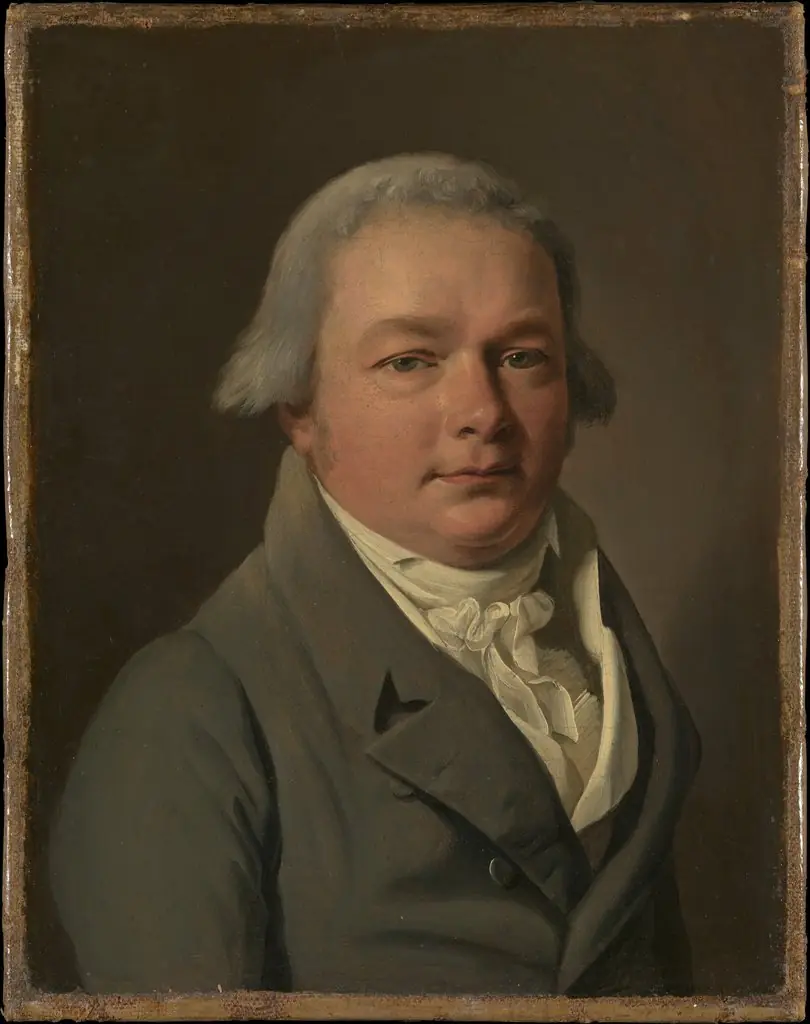 Portrait of a Man
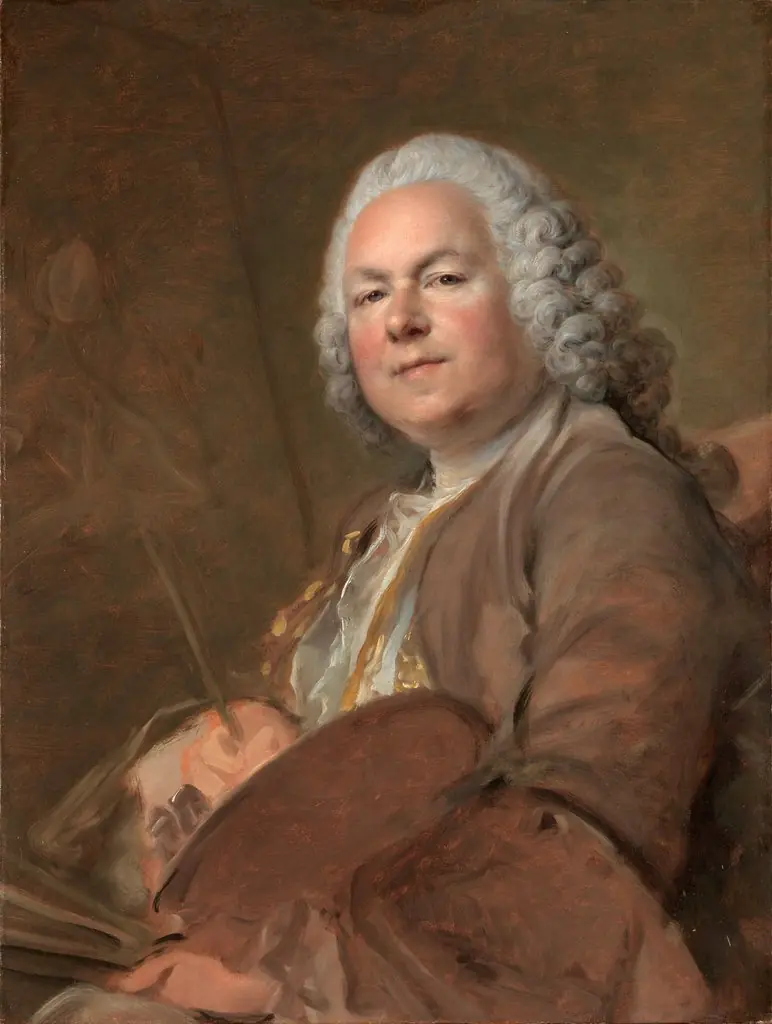 Jean Marc Nattier (1685–1766)
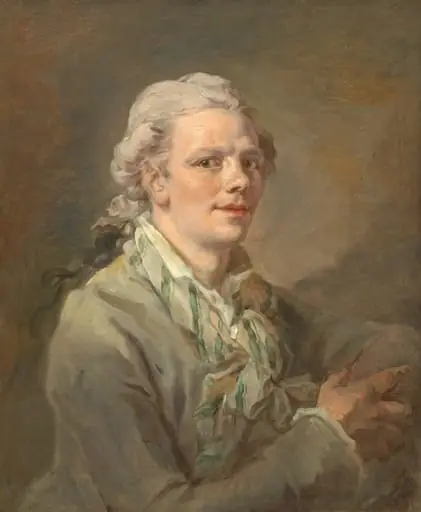 Portrait of a Young Man
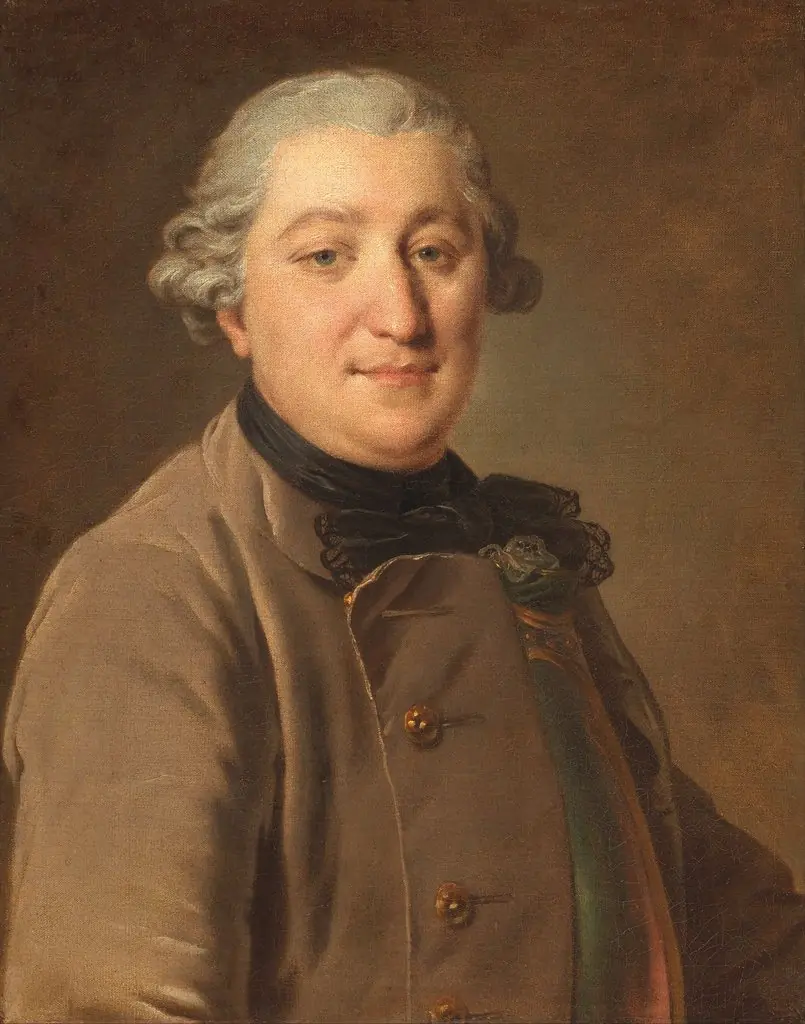 Portrait of Count Ivan G. Orlov
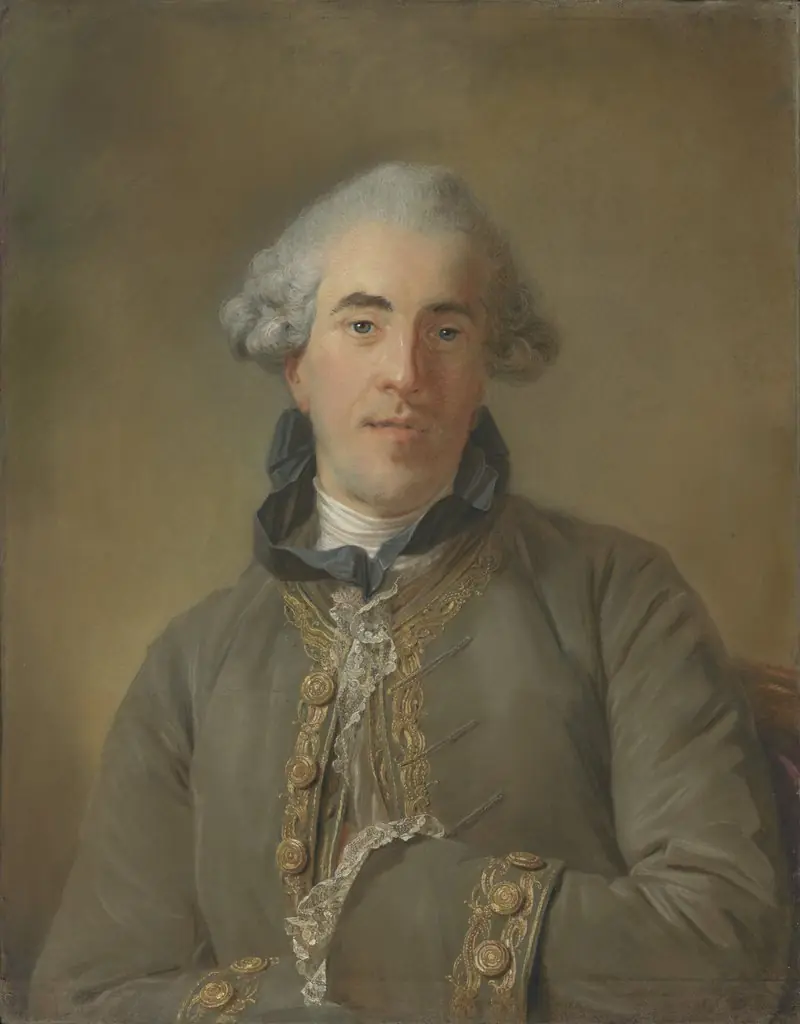 Portrait of Théophile Van Robais
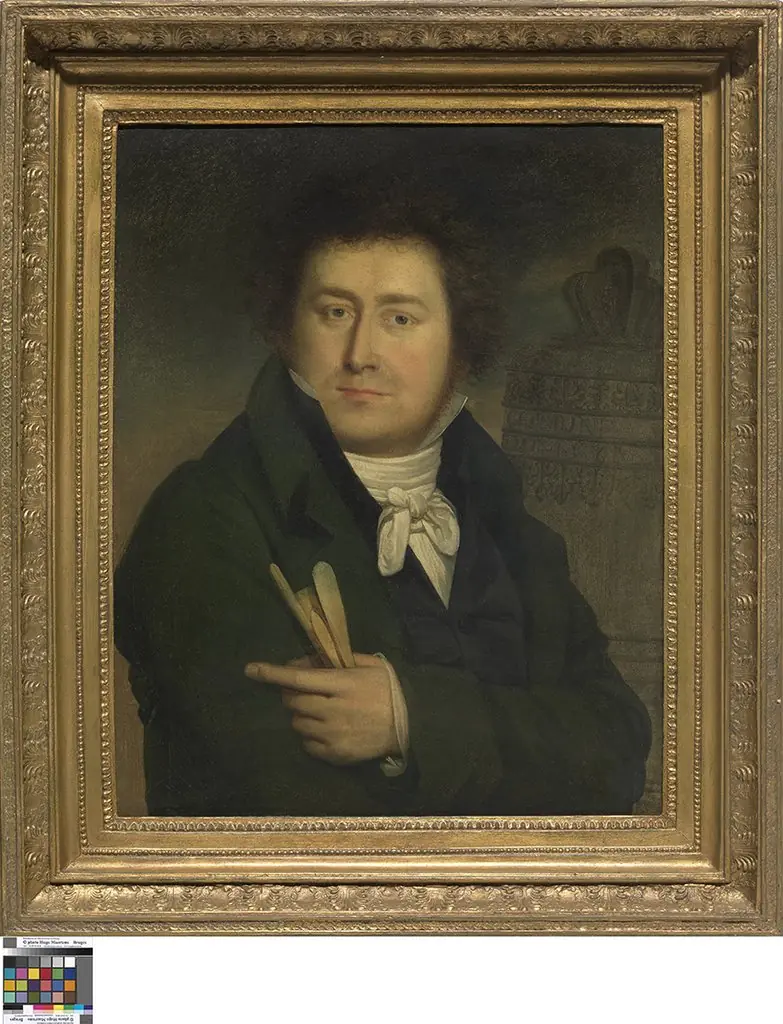 Portret van Jacobus Dumery
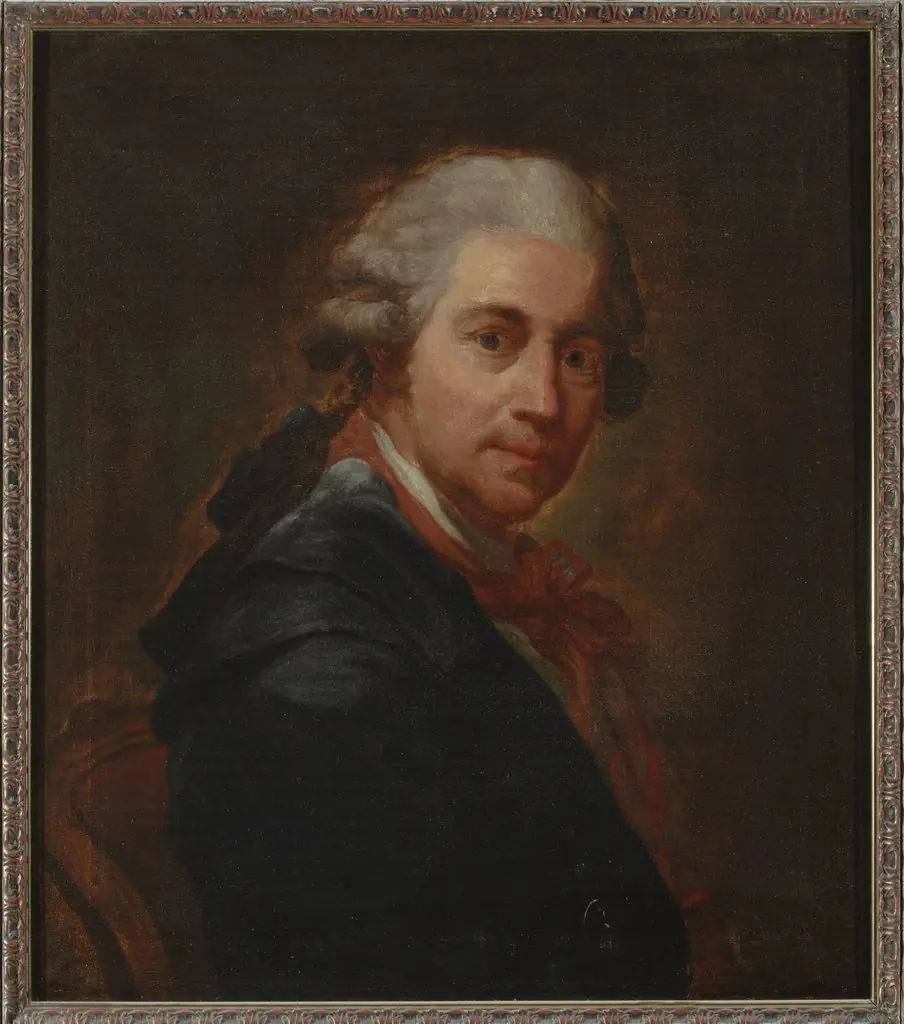 Self-portrait of Bacciarelli in a redingote
 Self-Portrait
 Portrait of José Nicolás de Azara