Artwork
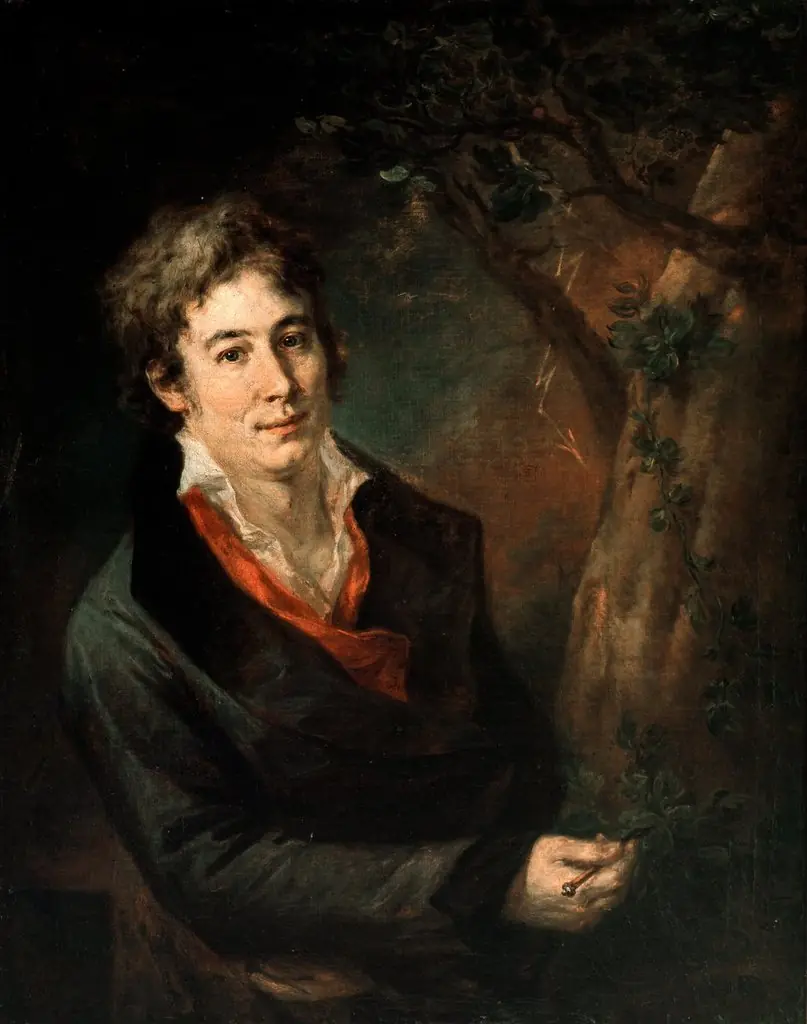
Portrait of Michał Bogoria Skotnicki (1775–1808)
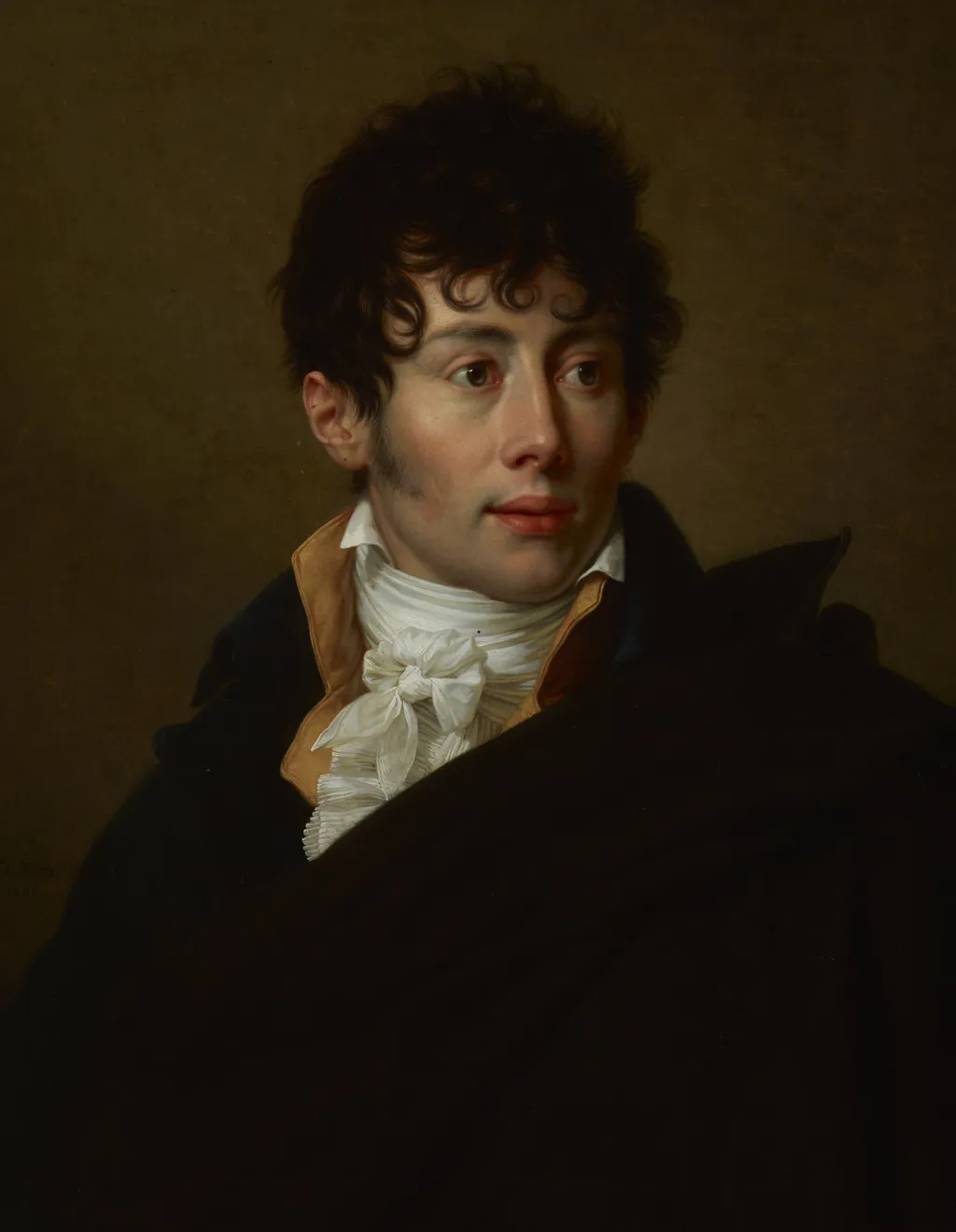
Portrait of Michał Bogoria Skotnicki (1775–1808) is an oil painting by François-Xavier Fabre. It dates from 1806 and is held in the collection of the National Museum in Kraków.
About this work
Overview
Painted in 1806 by French artist François-Xavier Fabre, this oil portrait captures Michał Bogoria Skotnicki, a Polish nobleman. Fabre, trained in the neoclassical tradition under Jacques-Louis David and a Prix de Rome laureate, completed the work during his years in Florence, where he had settled after the French Revolution. The painting is now part of the National Museum in Kraków’s collection.
Subject & Meaning
The direct yet reserved gaze implies introspection, aligning with Enlightenment ideals of rational self-possession common among European elites of the period.
Michał Bogoria Skotnicki is portrayed with quiet dignity, his dark curls and composed expression suggesting intellectual seriousness. His attire—a black coat, white shirt, and prominent neck bow—reflects early 19th-century aristocratic dress, signaling status without ostentation. The direct yet reserved gaze implies introspection, aligning with Enlightenment ideals of rational self-possession common among European elites of the period.
Technique & Style
Fabre employs chiaroscuro to model the subject’s face and clothing with subtle gradations of light and shadow, lending volume and realism. The muted brown background isolates the figure, focusing attention on his form. Fine brushwork renders textures—fabric, hair, skin—with precision, while the restrained palette enhances the portrait’s solemn tone. The composition follows neoclassical principles of balance and clarity, avoiding theatricality.
History & Provenance
After winning the Prix de Rome in 1787, Fabre spent much of his career in Italy, becoming a member of the Florentine Academy and marrying the widow of playwright Vittorio Alfieri. The portrait of Skotnicki was likely commissioned during Fabre’s Florentine period, possibly through Polish diplomatic or cultural connections. It entered the National Museum in Kraków in the 19th century, where it remains today.
Context
This portrait emerged during a time of political upheaval in Europe, as Polish nobility navigated the partitions of their homeland. Fabre, a Frenchman working in Italy, represented a transnational artistic network. Skotnicki’s depiction reflects the cosmopolitan identity of the Polish elite, who often engaged with French and Italian cultural circles despite their nation’s diminished sovereignty.
Legacy
The portrait stands as a quiet example of neoclassical portraiture outside France’s major centers. It illustrates how artists like Fabre carried stylistic traditions across borders, adapting them to local patrons. While not widely known, it contributes to the understanding of how European elites used portraiture to assert identity amid shifting political landscapes in the early 1800s.
Own this work as a print
Artist & collection
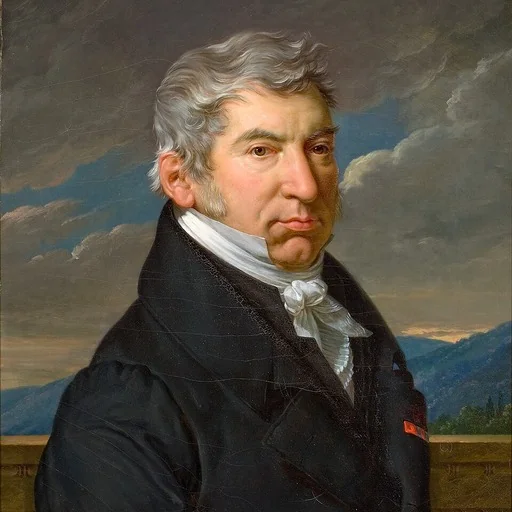
Artist
François-Xavier Fabre (French pronunciation: ; 1 April 1766 – 16 March 1837) was a French painter of historical subjects.

 Portrait of John Henry, 2nd Marquis of Lansdowne
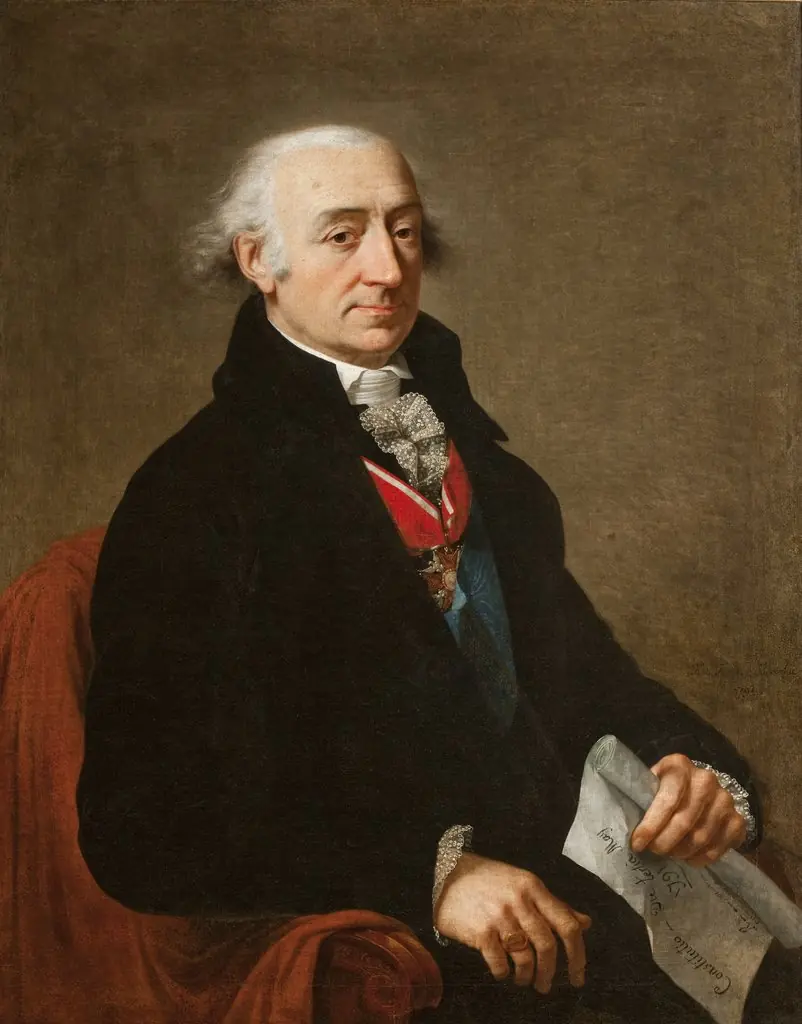 Portrait of Stanisław Małachowski (1736–1809)
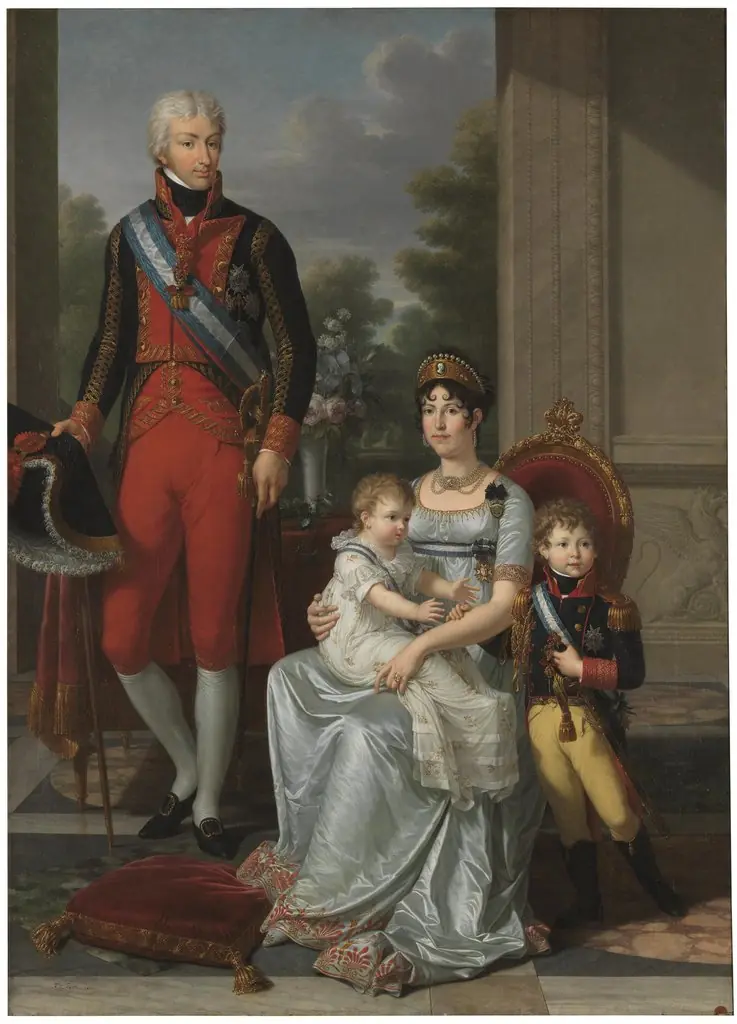 The Etrurian Royal Family
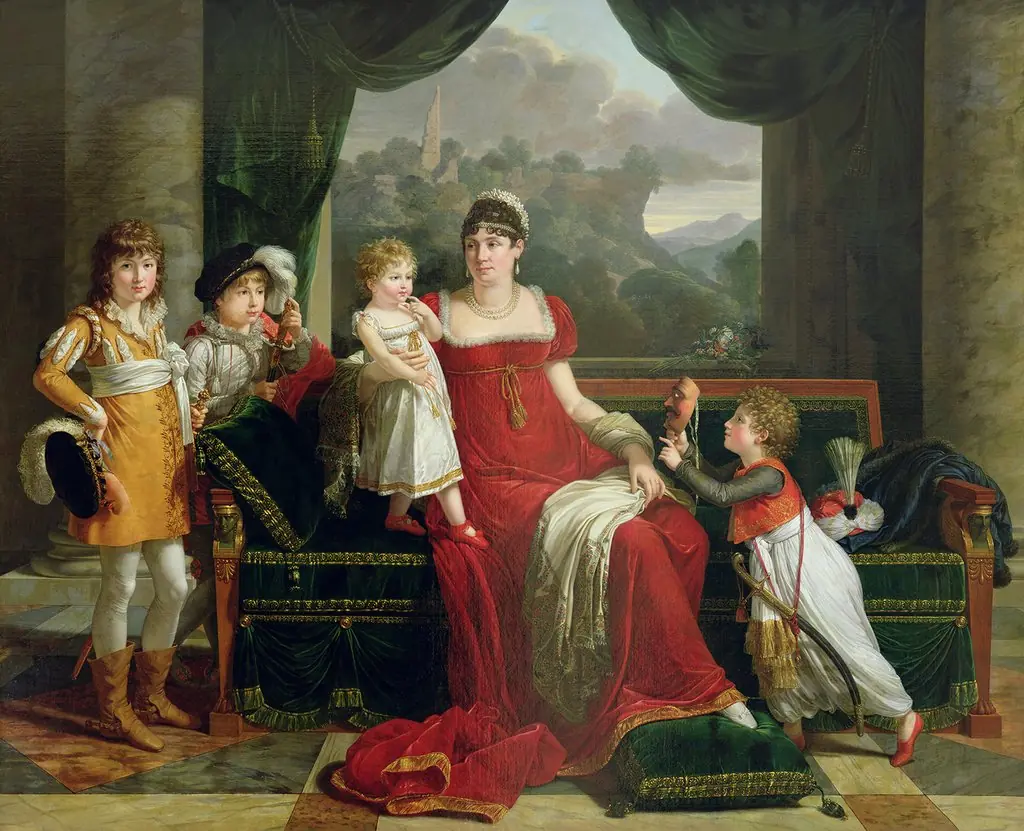 Portrait de la générale Clarke avec ses quatre enfants
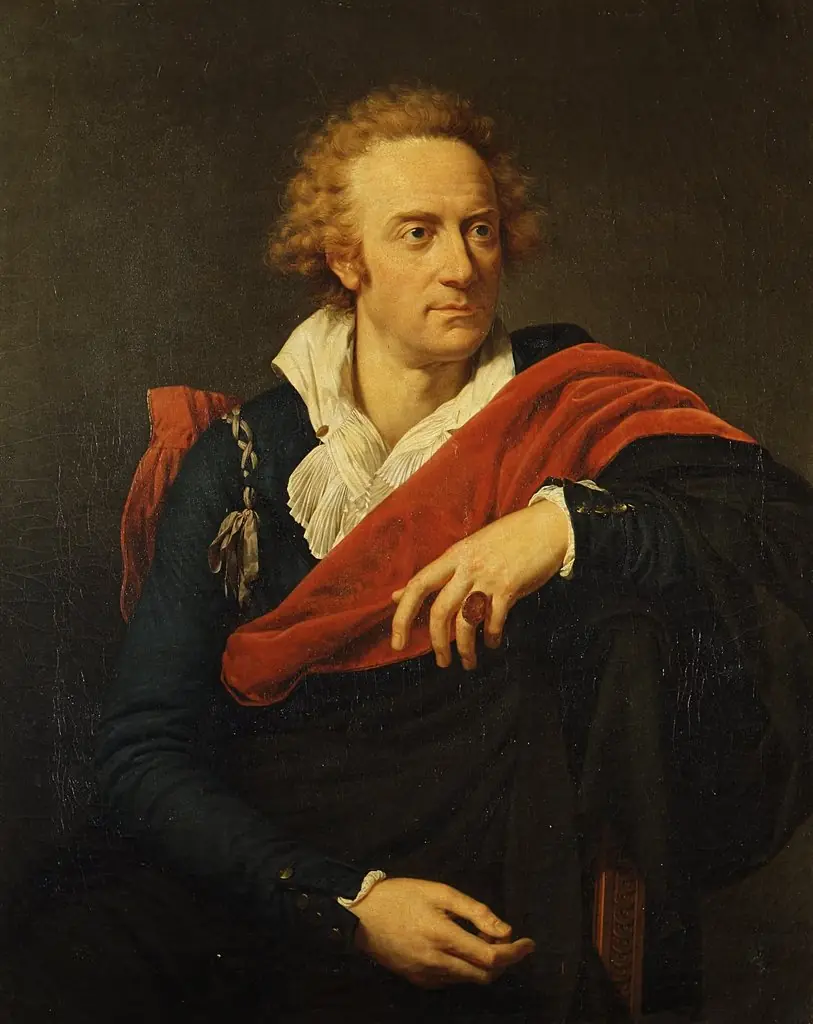 Portrait of Vittorio Alfieri
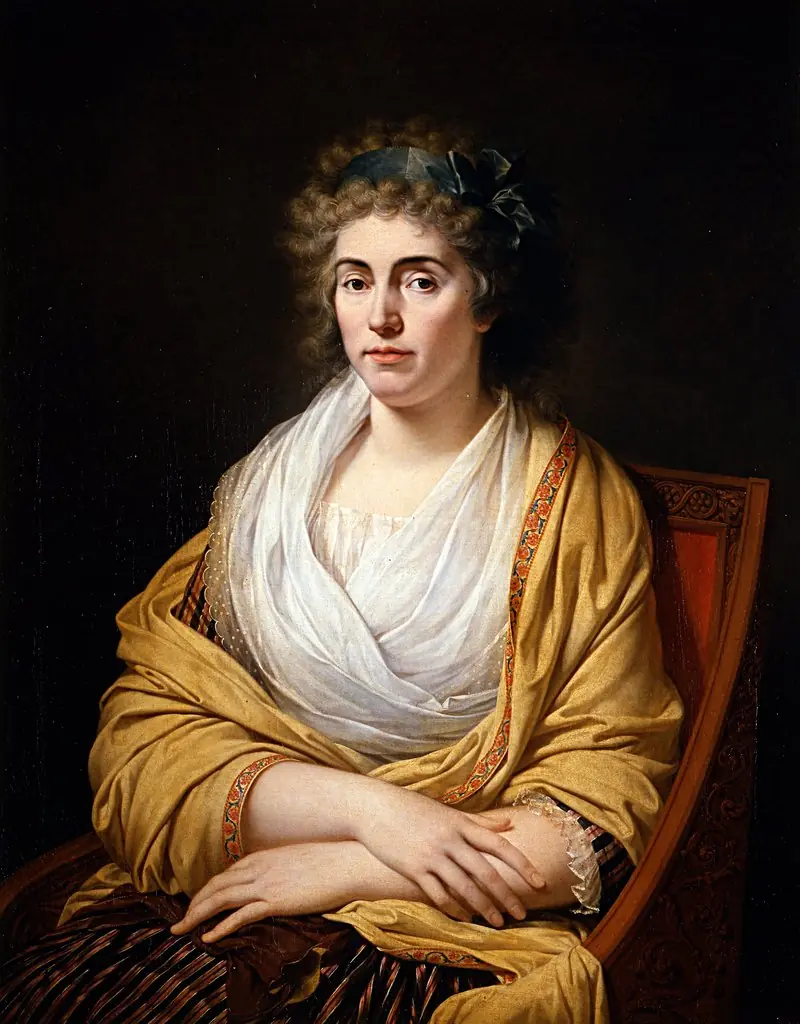 Portrait of Louise, wife of Bonnie Prince Charlie
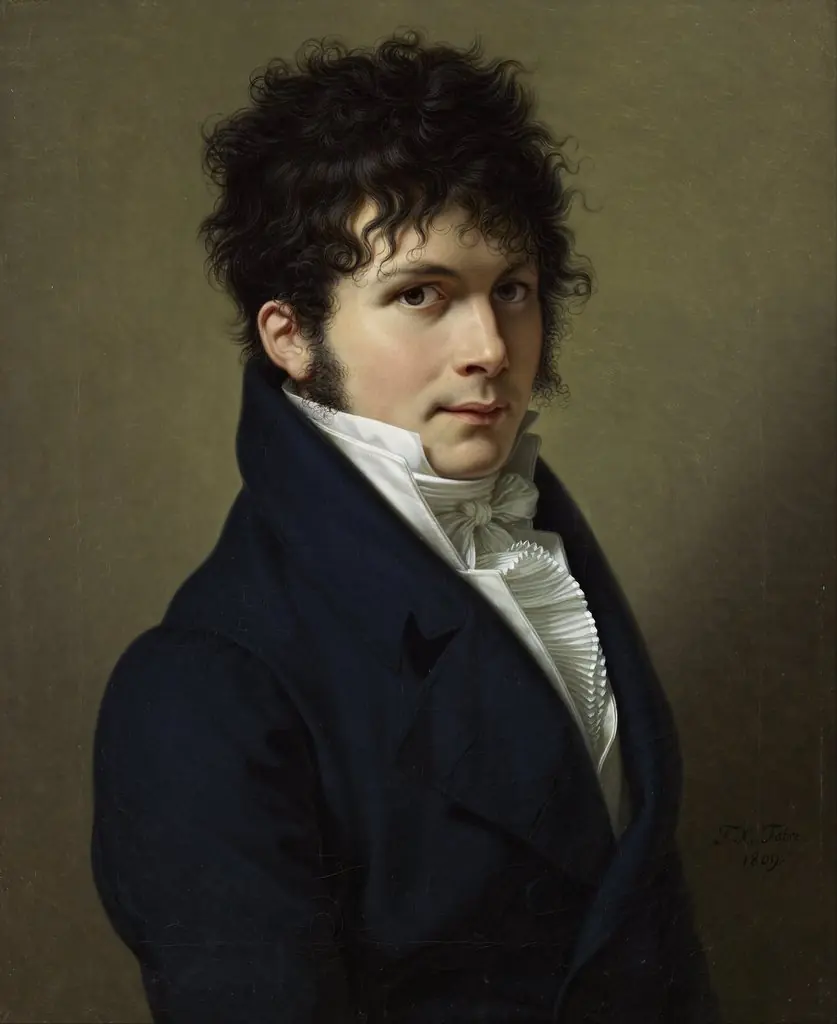 Portrait of a Man
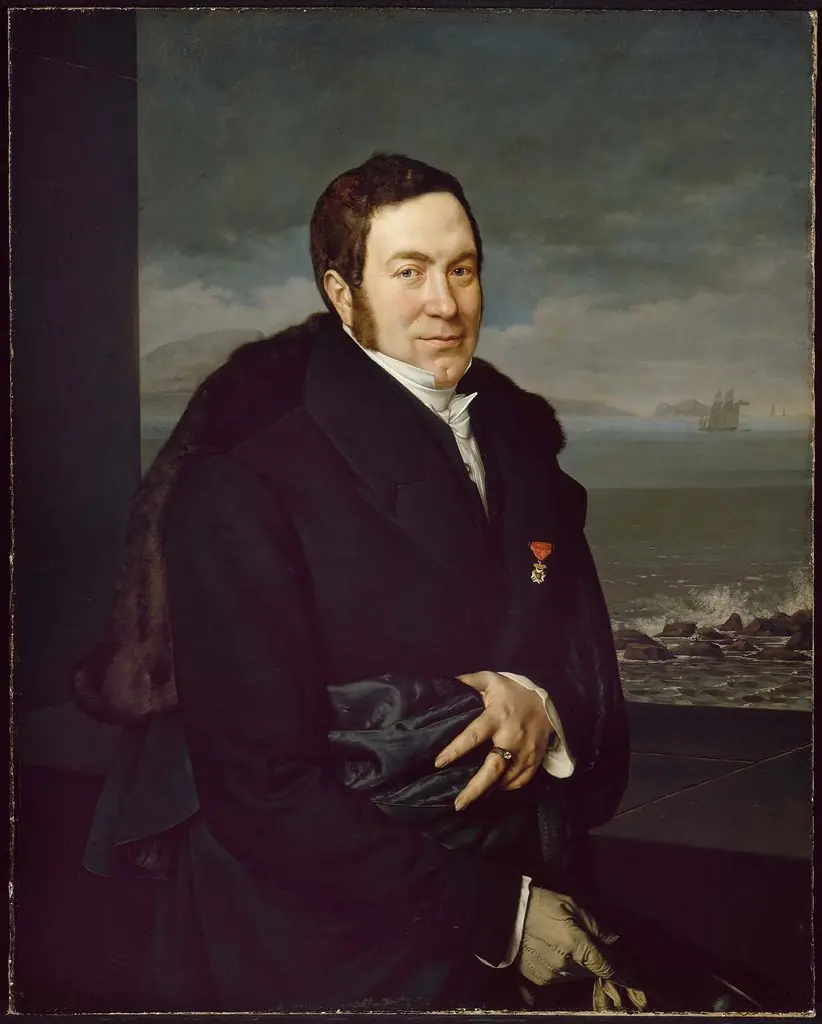 Portrait of a Man (Rosario Persico?)
 Nicolas Louis Faret
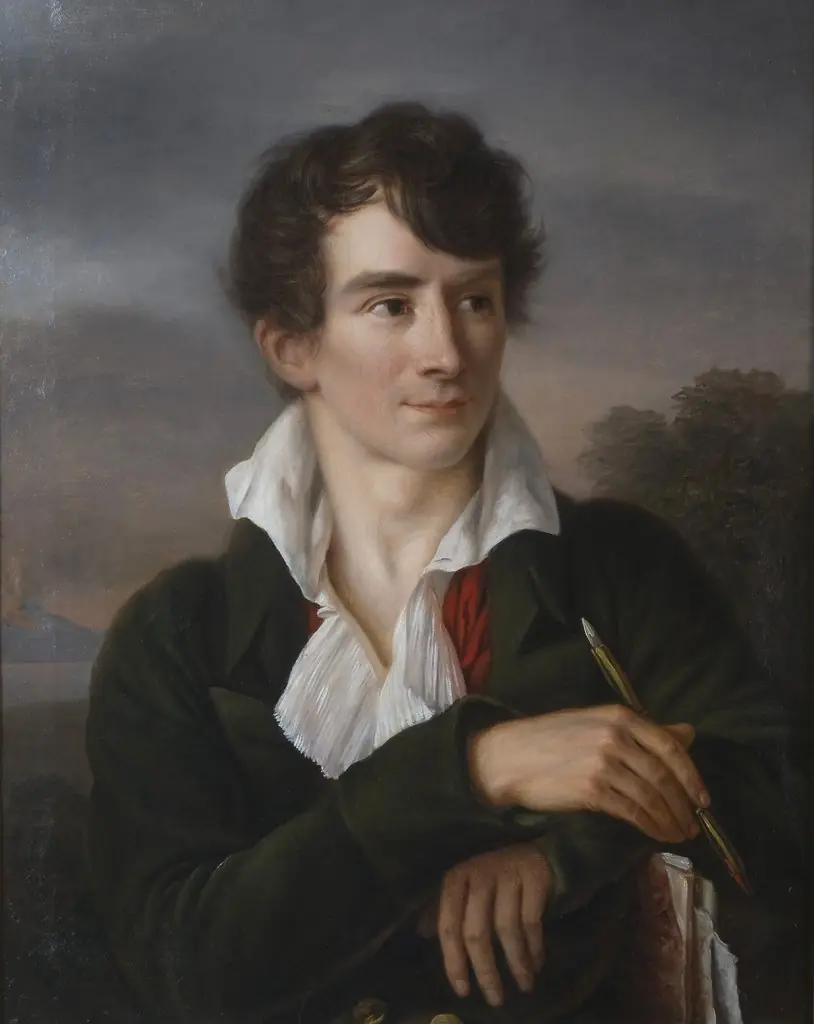 Portrait of Antoine-Denis Chaudet
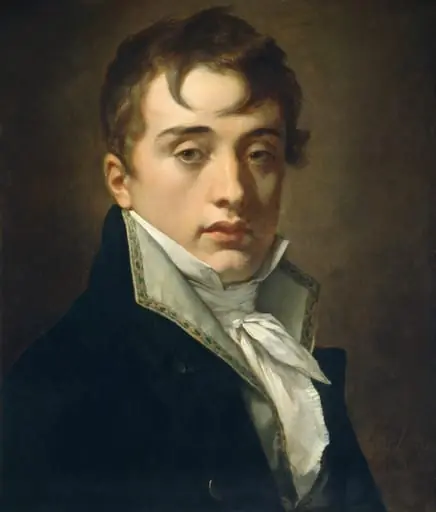 David Johnston
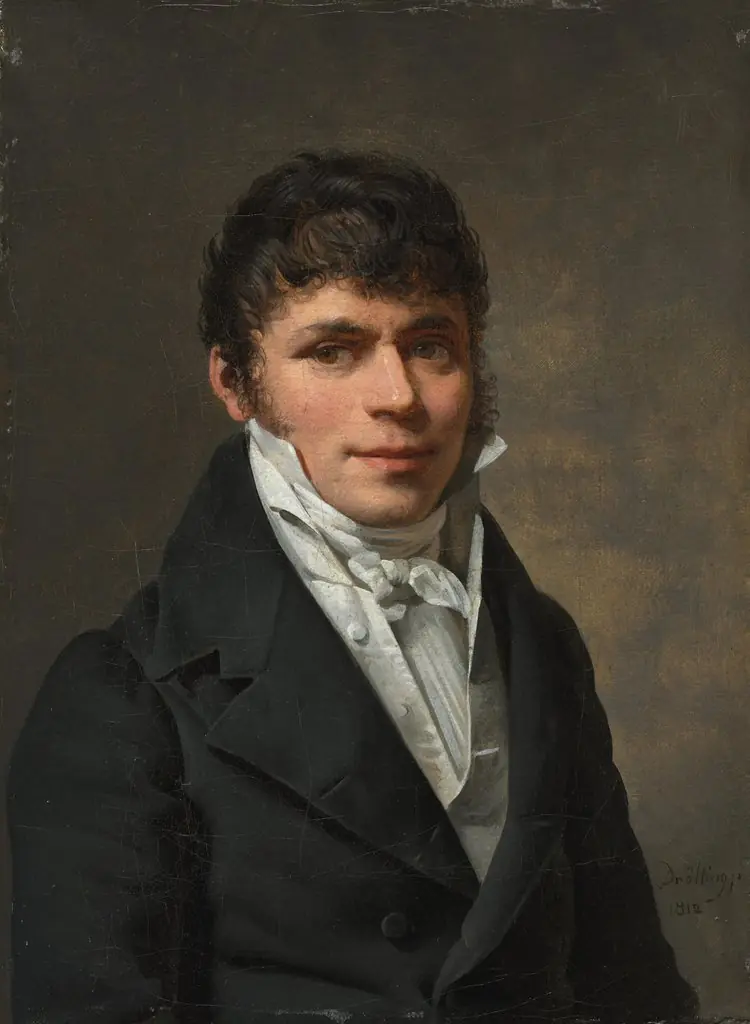 Nicolas Louis Faret and Madame Nicolas Louis Faret
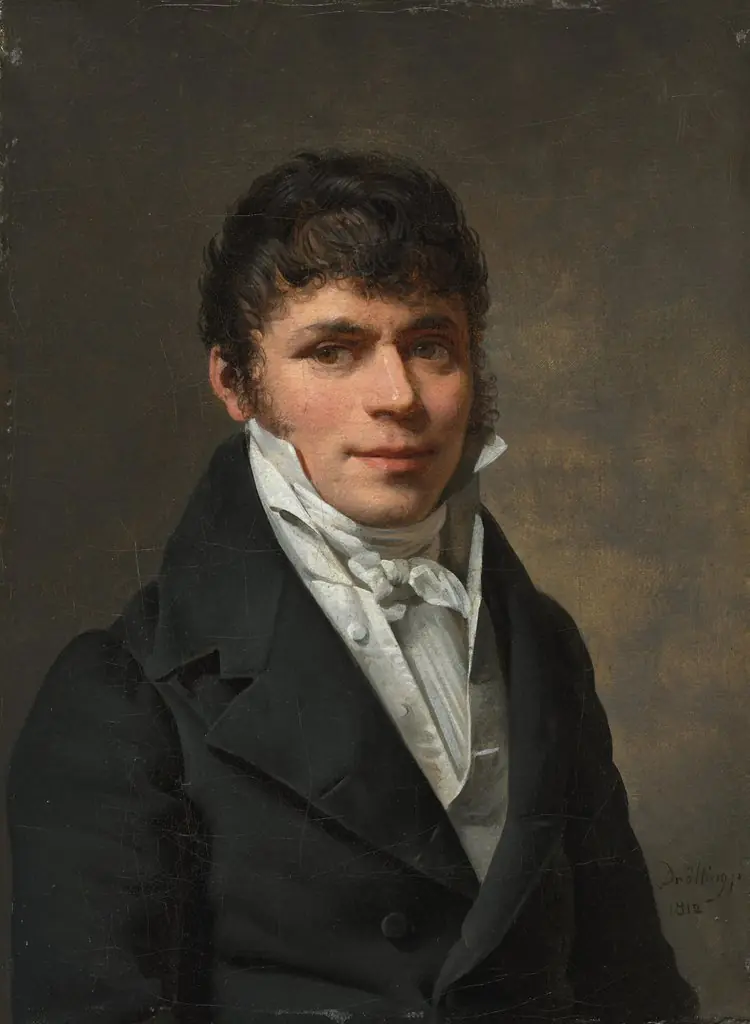 Nicolas Louis Faret
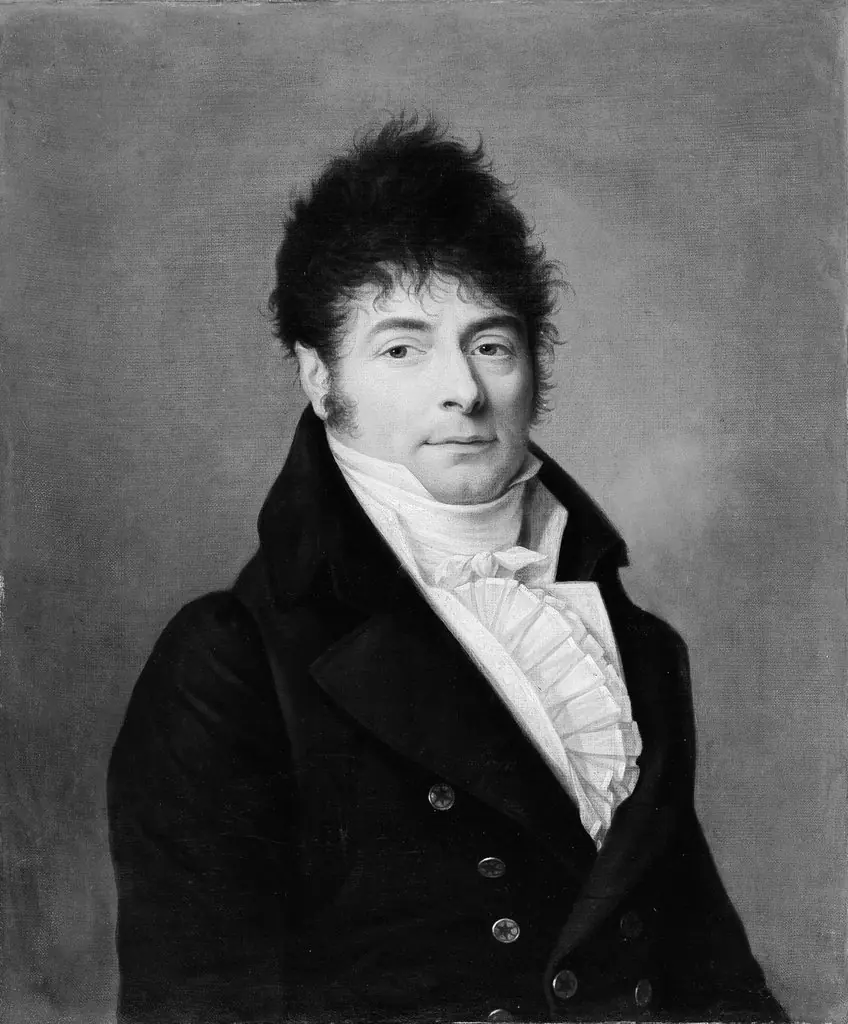 Portrait of a Man in a Blue Coat
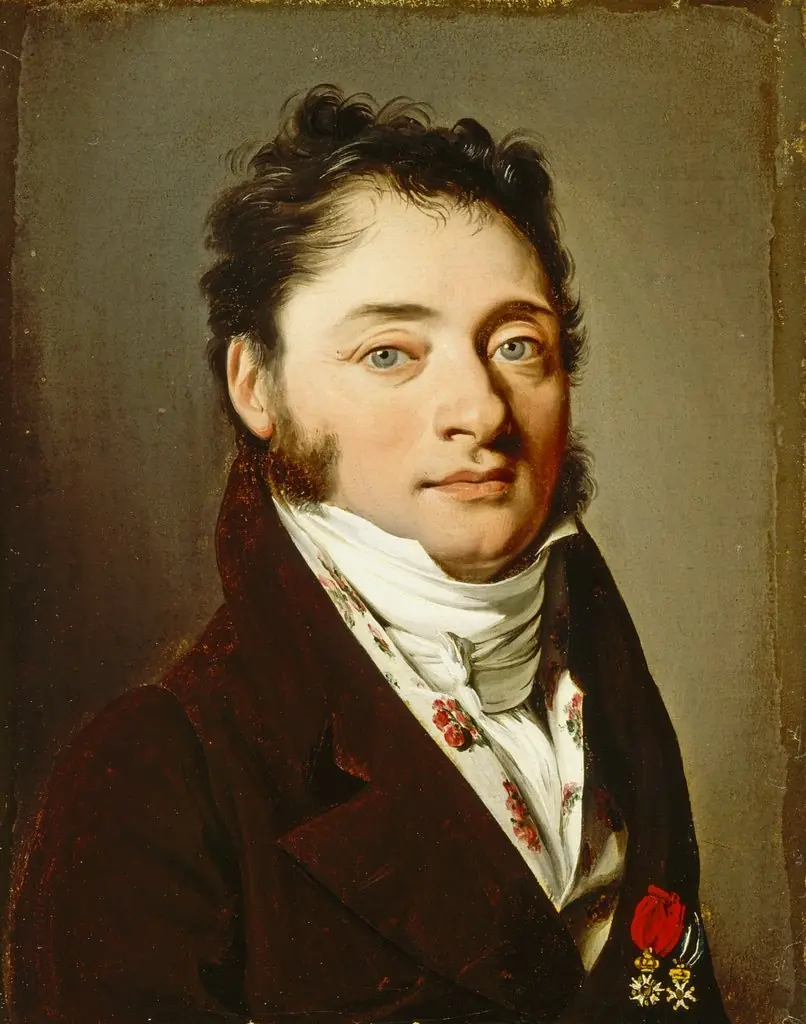 Portrait of a Gentleman
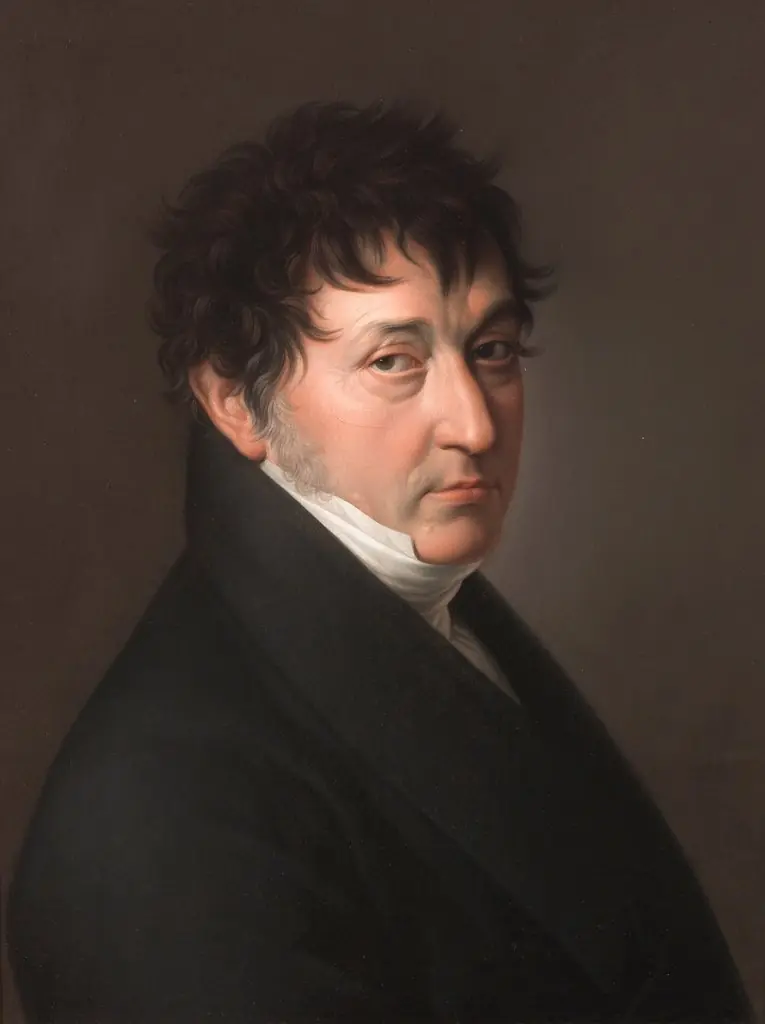 Self-portrait
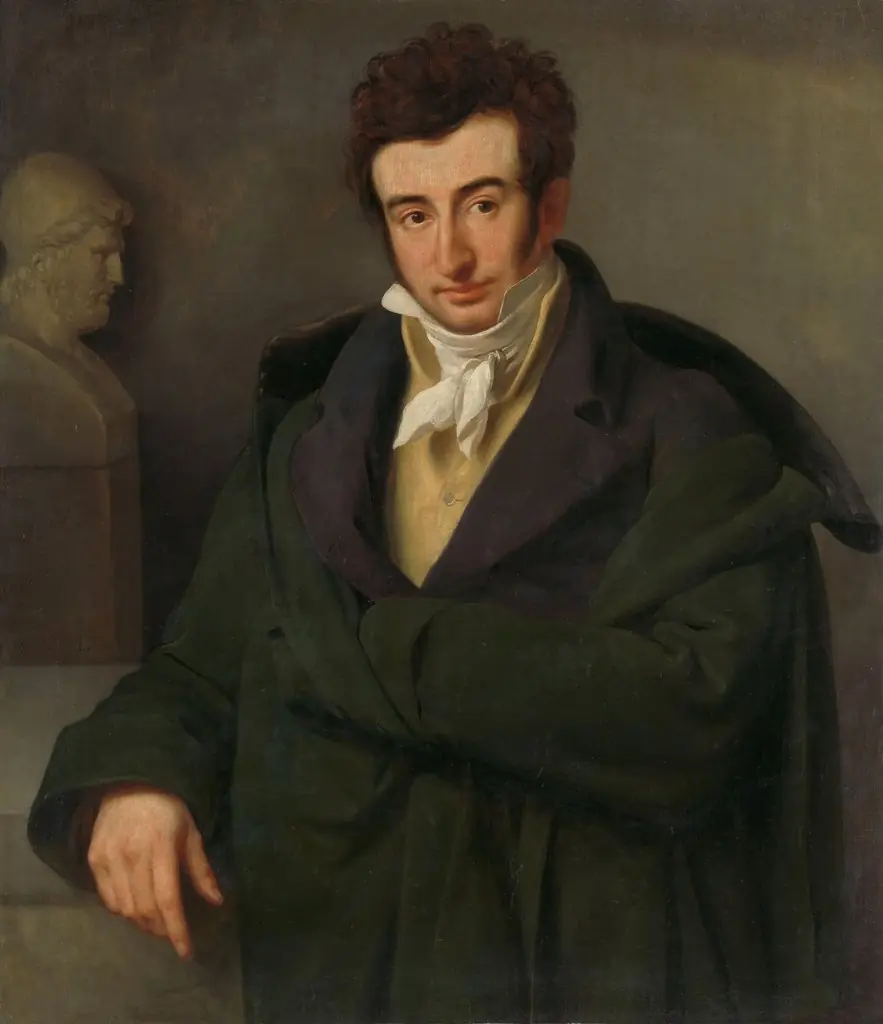 Portrait of Paulus Joseph Gabriël
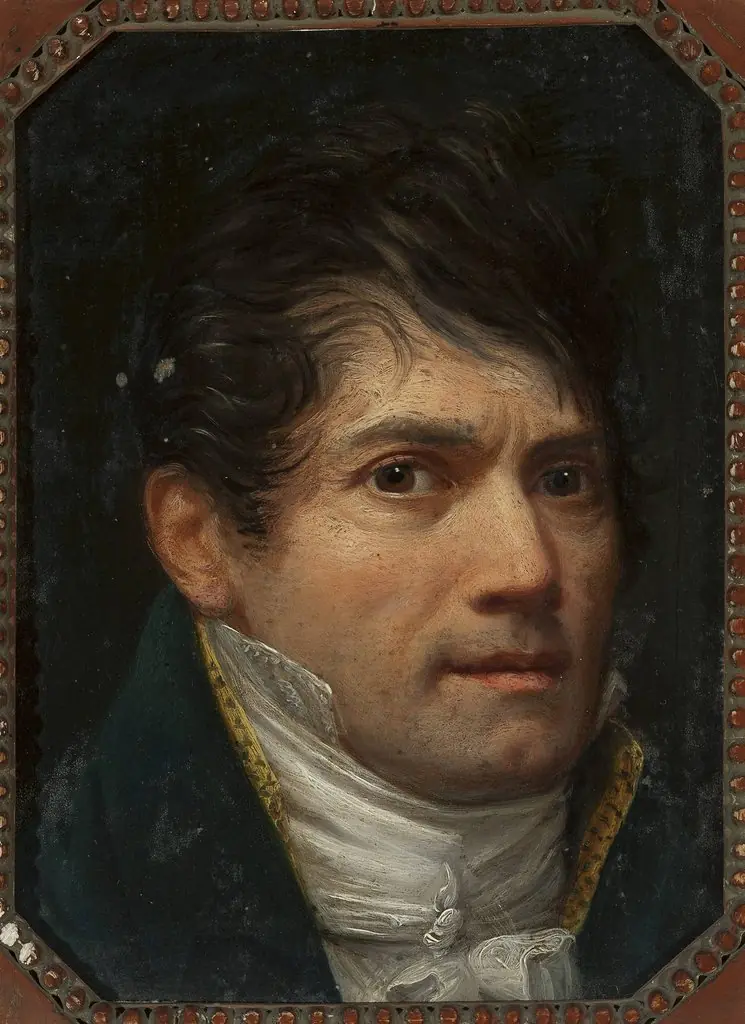 Portrait of a man
 Portrait of Ugo Foscolo, italian poet (1778-1827)