Artwork
Holy Women at Christ's Tomb
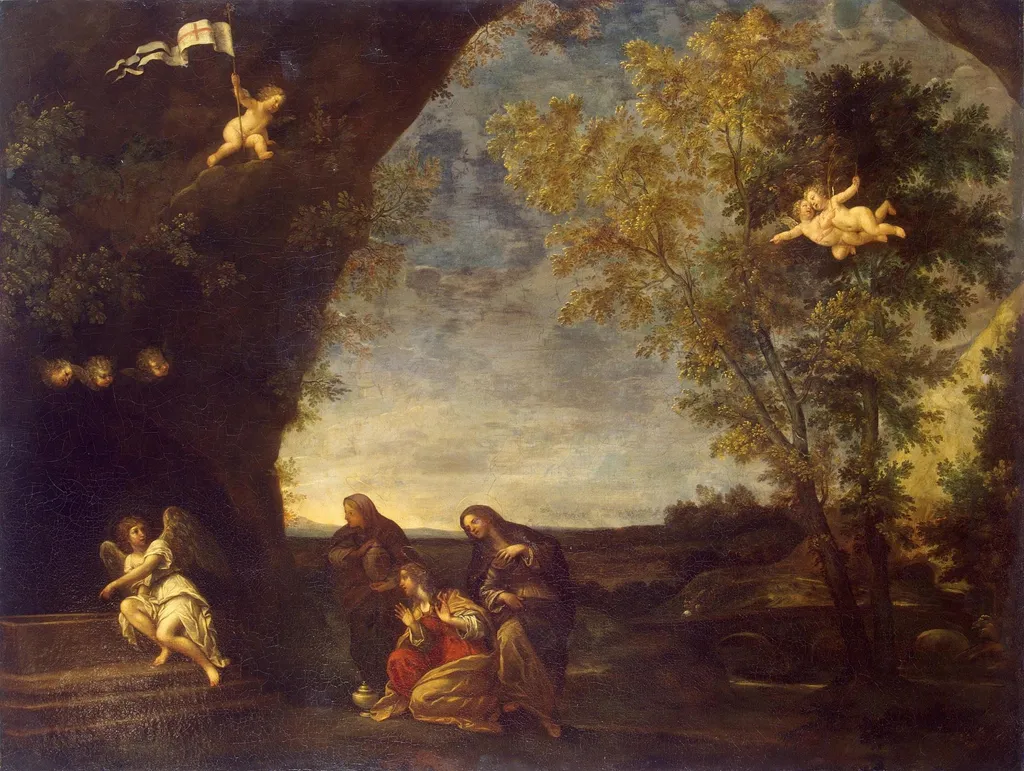
Holy Women at Christ's Tomb is an oil painting by the Early Baroque Italian artist Francesco Albani. It dates from 1642 and is held in the collection of the Hermitage Museum.
About this work
Overview
Francesco Albani’s 1642 oil on canvas, Holy Women at Christ’s Tomb, resides in the State Hermitage Museum. The composition presents three female figures gathered beside an open tomb, one of them kneeling in prayer. The setting is a tranquil landscape with muted foliage and a softly clouded sky, establishing a calm, reflective atmosphere.
Subject & Meaning
The work portrays the biblical episode of the women who visited Jesus’ tomb after his crucifixion. Their modest attire and gentle gestures convey devotion and sorrow, while the central kneeling figure emphasizes prayerful contemplation. The painting invites viewers to reflect on themes of loss, hope, and the anticipation of resurrection.
Technique & Style
Albani employs a delicate palette, contrasting warm hues of the robes with the cooler tones of the sky and trees. His brushwork is refined and smooth, lending subtle modeling to the figures. The use of chiaroscuro creates modest depth, guiding attention toward the central group and enhancing the scene’s quiet intimacy.
History & Provenance
Created in 1642, the painting entered the collection of the State Hermitage Museum, where it remains on display. Its acquisition reflects the museum’s 18th‑century interest in Baroque religious works, particularly those by Italian masters such as Albani.
Context
Albani, a Bolognese painter associated with the classical tradition of the Carracci school, often depicted mythological and religious subjects with lyrical grace. Holy Women at Christ’s Tomb exemplifies his later period, when he favored serene compositions and subtle emotional expression over dramatic Baroque excess.
Own this work as a print
Artist & collection

Artist
Francesco Albani or Albano was an Italian Baroque painter of Albanian descent who was active in Bologna, Rome, Viterbo (1609–1610), Mantua (1621–1622) and Florence (1633).

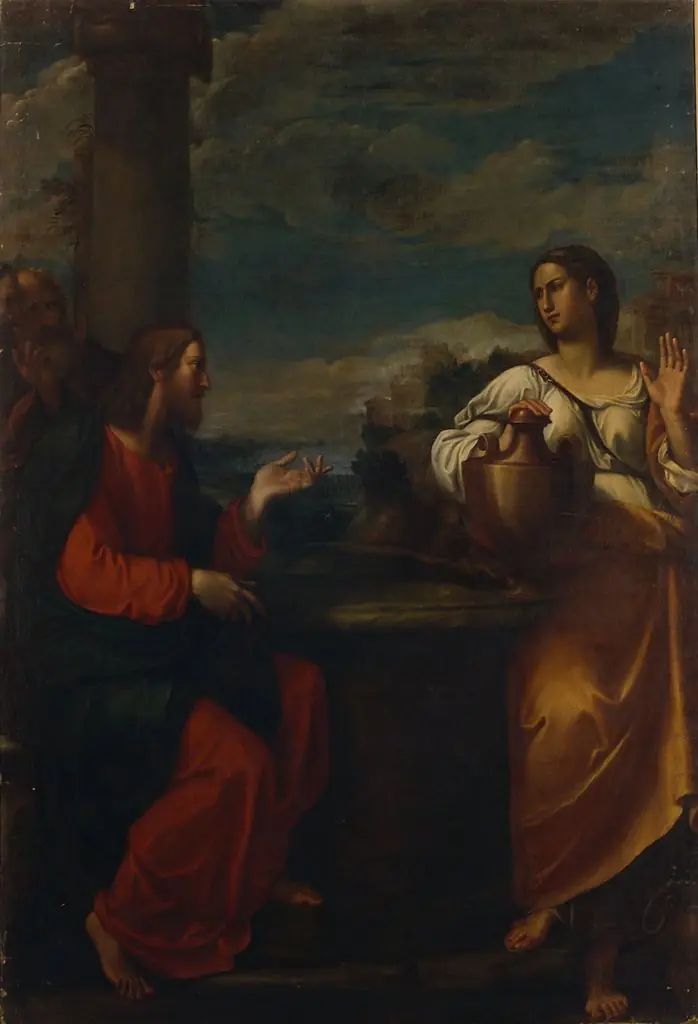
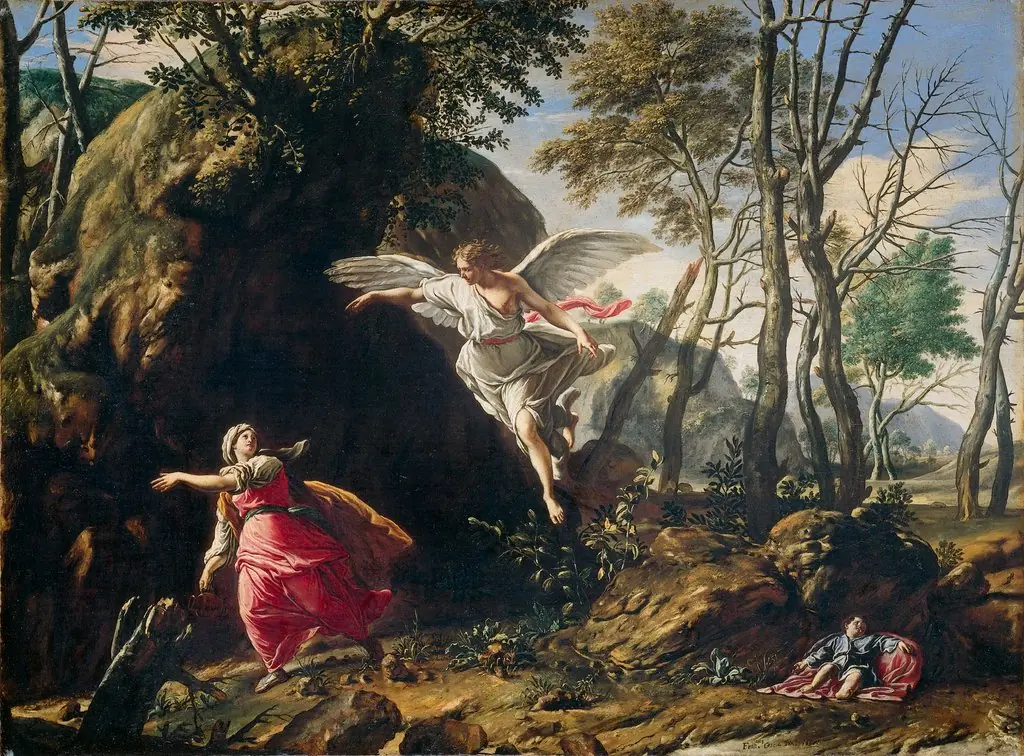 Hagar and Ishmael in the Desert
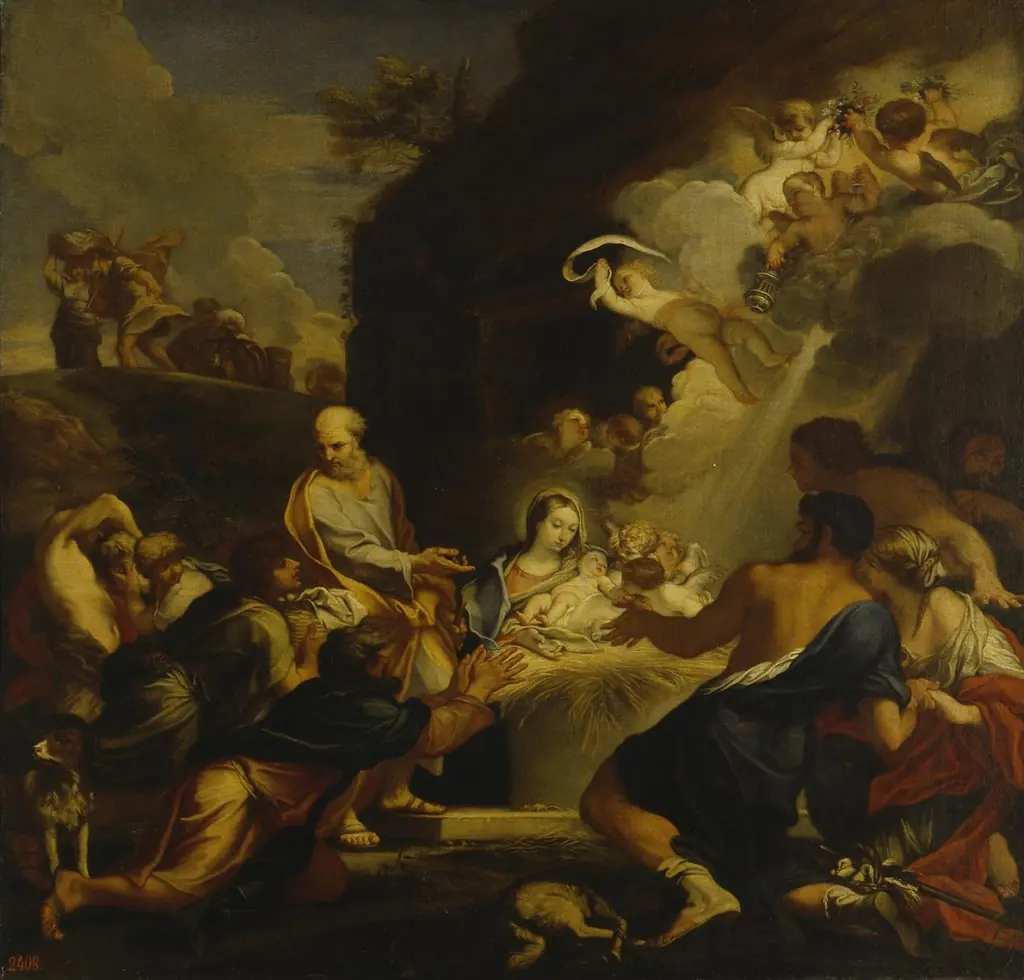 Adoration of the Shepherds
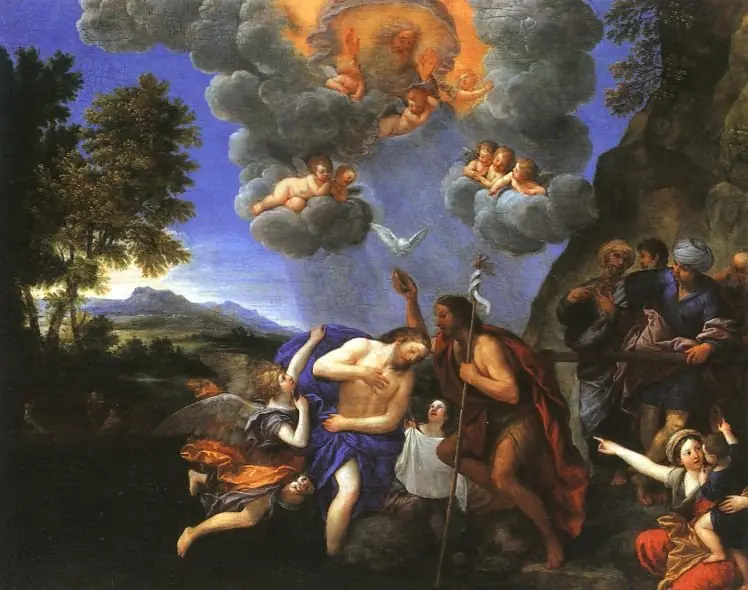
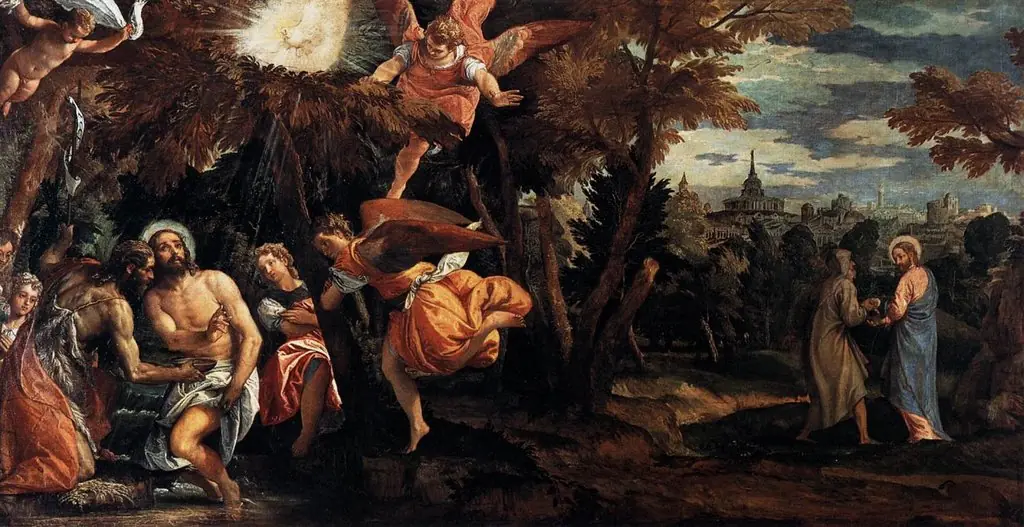 Baptism and Temptation of Christ
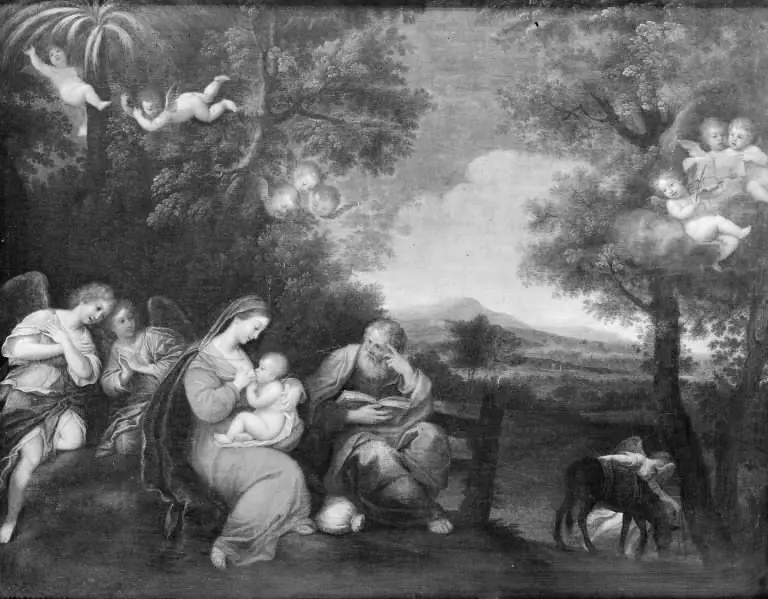
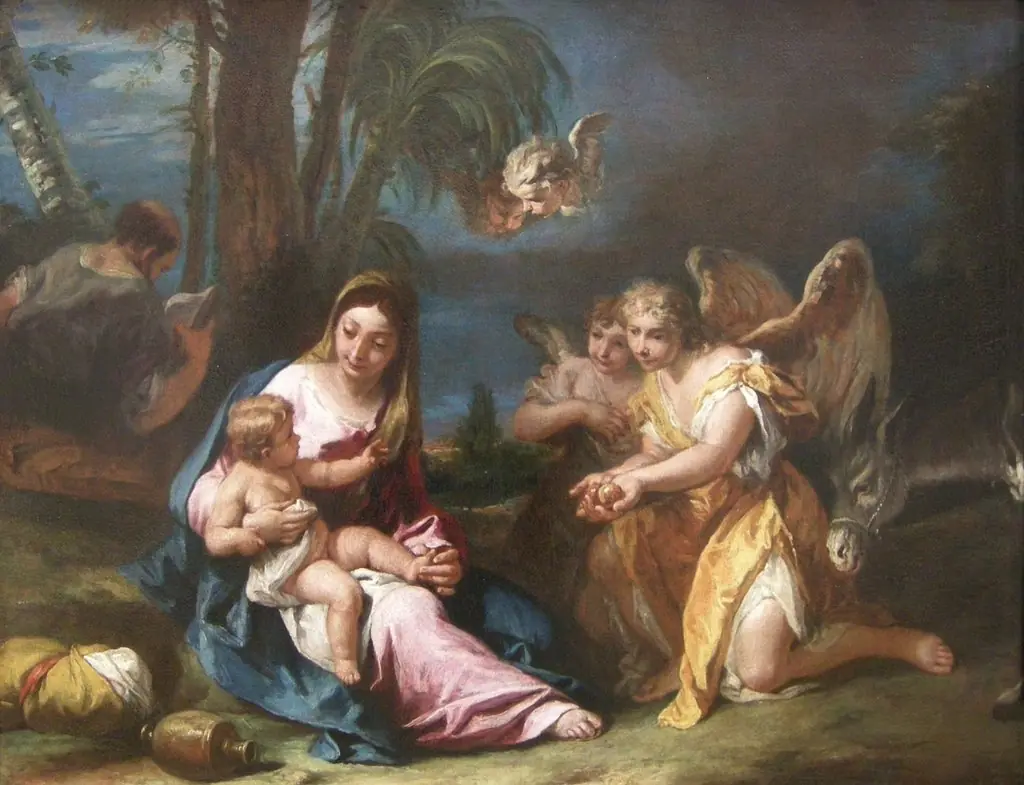 The Rest on The Flight into Egypt
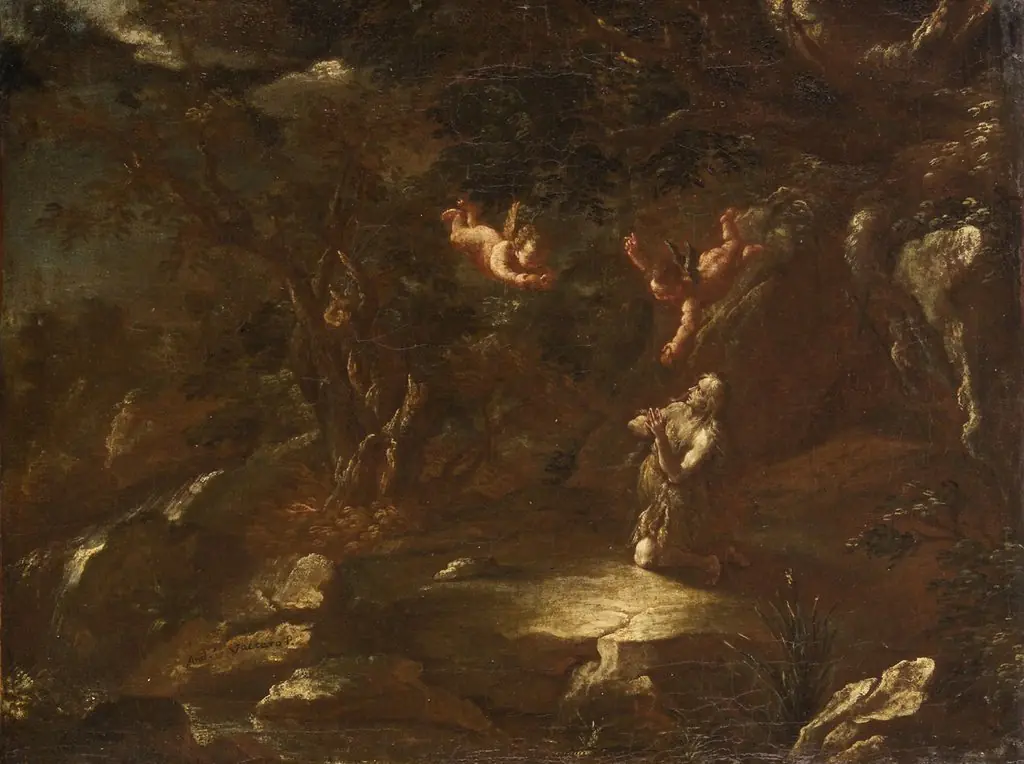 Hl. Maria Aegyptiaca
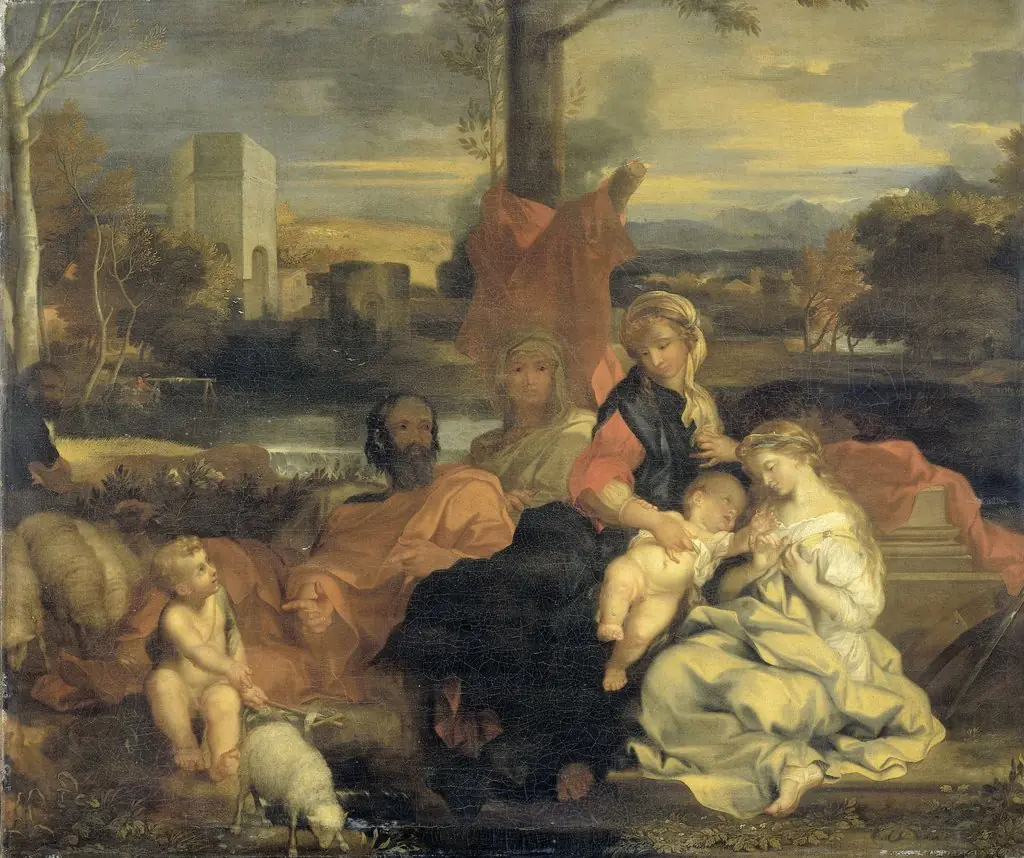 The Mystic Marriage of St Catherine
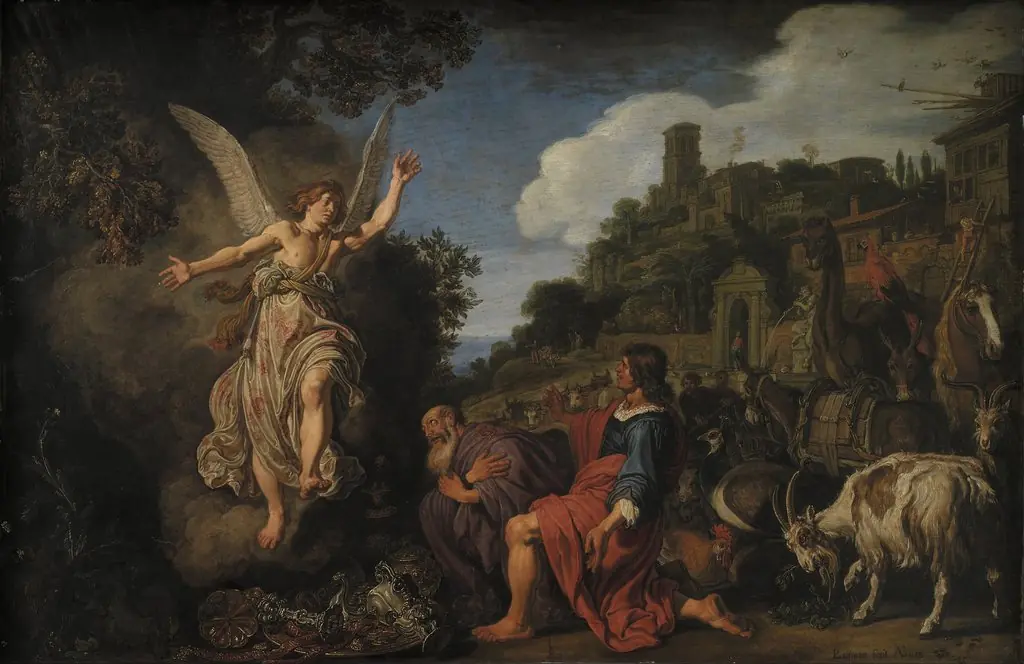 The Angel Raphael Takes Leave of Old Tobit and his Son Tobias
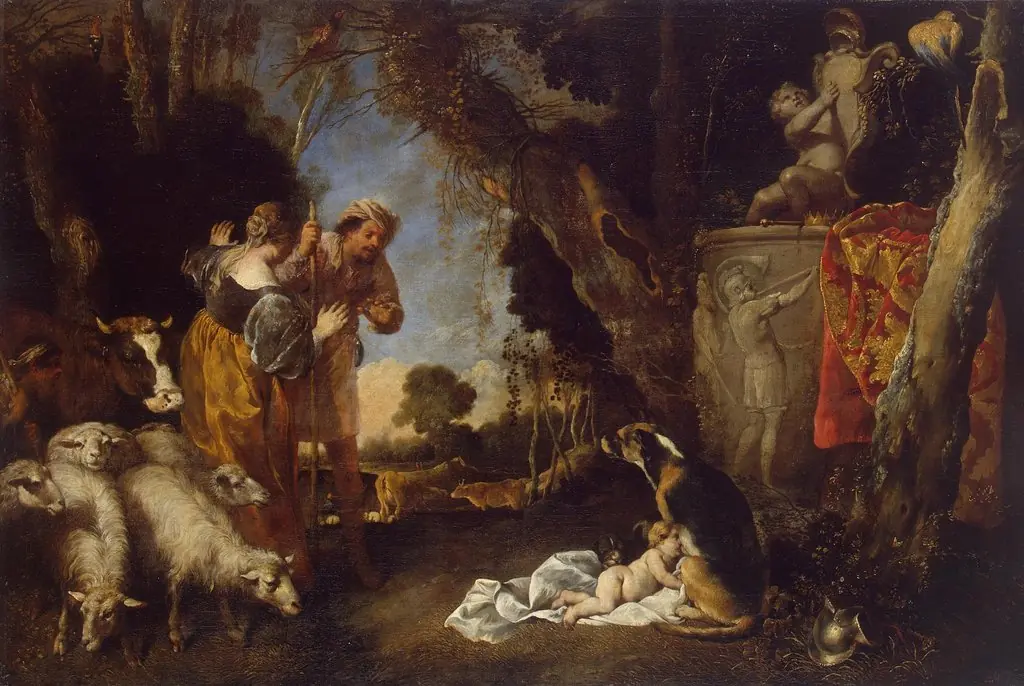 Childhood of King Cyrus
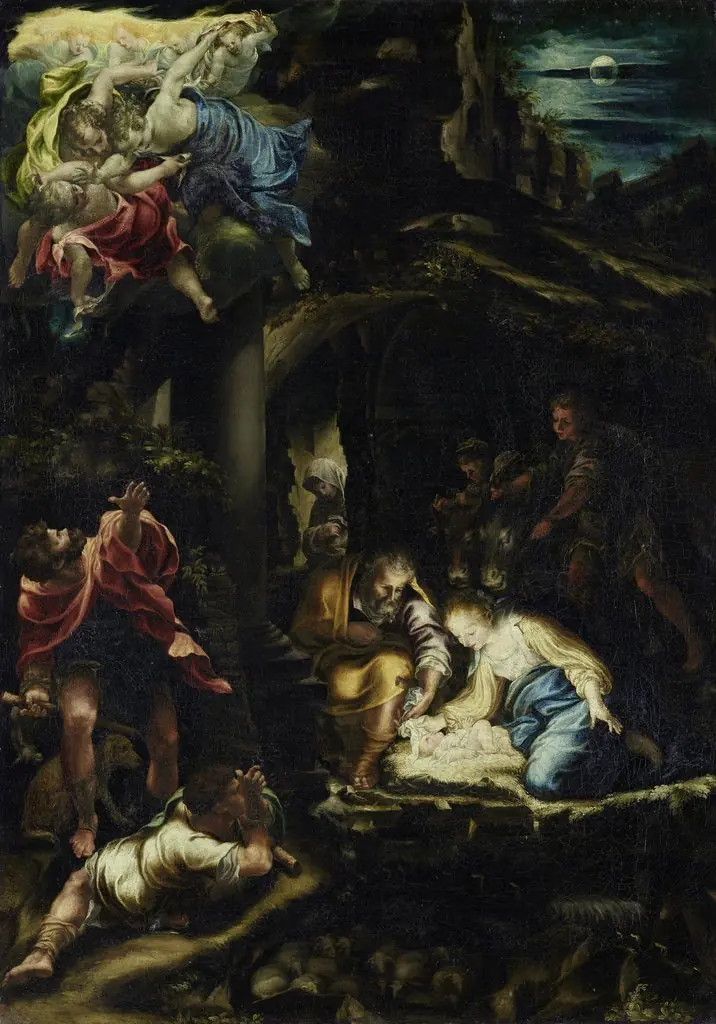 The Adoration of the Shepherds
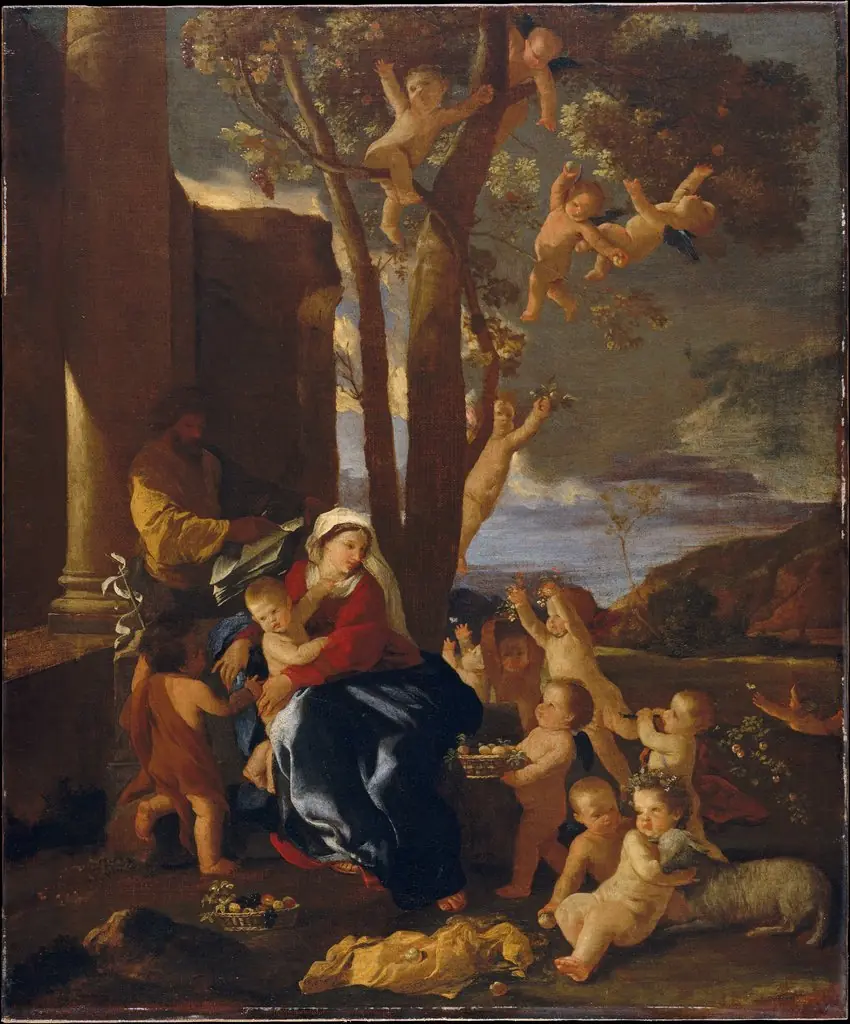 The Rest on the Flight into Egypt
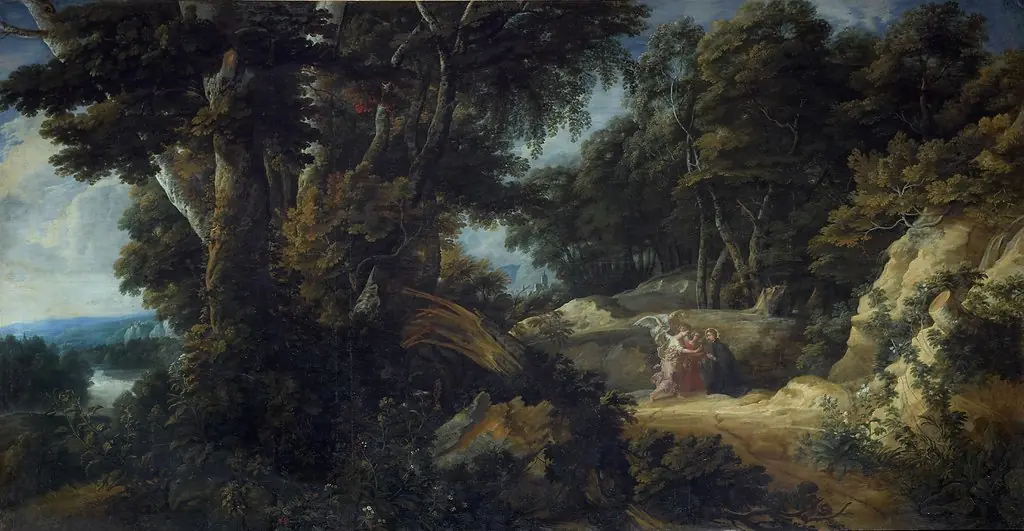 Extensive forest landscape with St. Stanisław Kostka
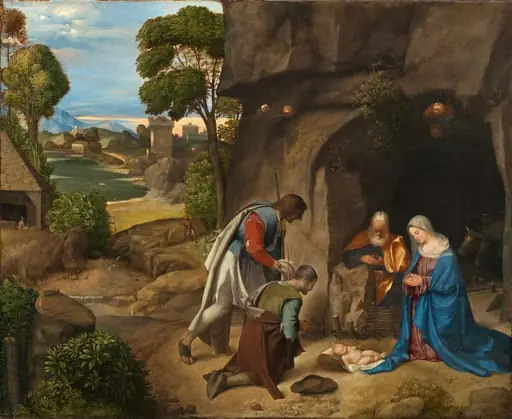 The Adoration of the Shepherds