Artwork
The Affectionate Brothers (The Lamb Children)
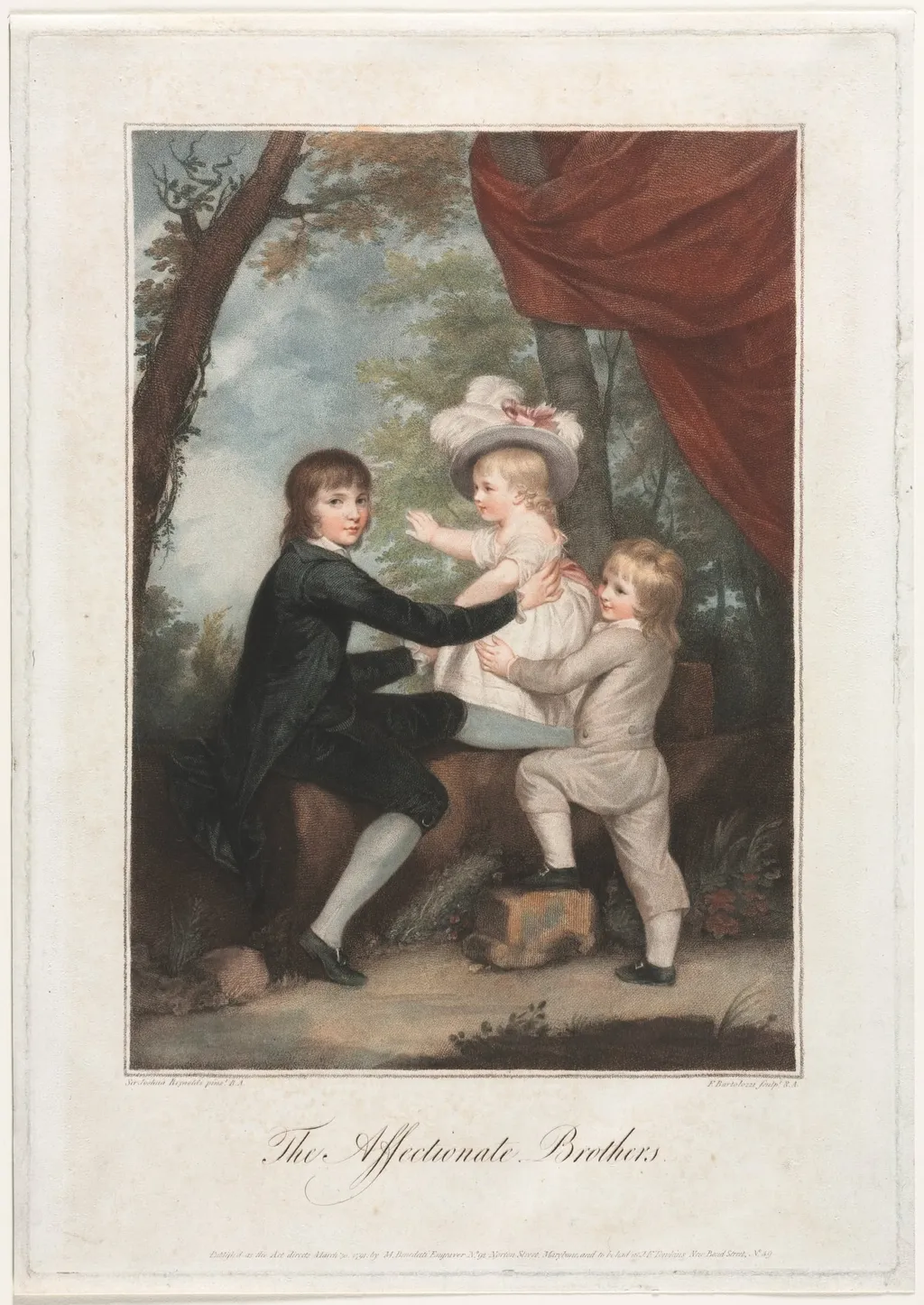
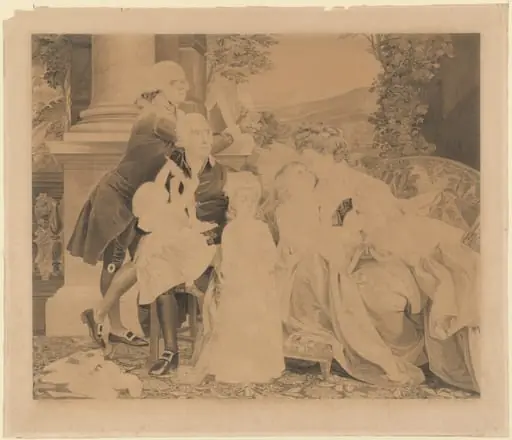
The Affectionate Brothers (The Lamb Children) is a print by the Romanticist artist Francesco Bartolozzi. It dates from 1791 and is held in the collection of the Cleveland Museum of Art.
About this work
Overview
Though often referred to as The Lamb Children, the work is formally titled The Affectionate Brothers.
Created in 1791 by Francesco Bartolozzi, this print depicts three siblings in a natural setting. Though often referred to as The Lamb Children, the work is formally titled The Affectionate Brothers. It is part of the collection at The Cleveland Museum of Art and exemplifies the reproductive engraving practices common in late 18th-century Europe, translating painted compositions into widely distributed prints.
Subject & Meaning
The scene portrays three children in a tender, intimate moment: the eldest, dressed in dark clothing, cradles the youngest, who wears a white dress and broad hat; the middle child, also in white, reaches toward the infant. The gesture suggests familial affection, with no overt narrative or allegory. The composition emphasizes emotional connection rather than symbolic meaning, reflecting a growing cultural interest in domestic sentiment during the period.
Technique & Style
Bartolozzi executed this work as a stipple engraving, using fine dots to model form and texture. The technique produces soft gradations of tone, ideal for rendering skin and fabric with delicacy. The background features lightly etched trees and a hazy sky, enhancing the gentle mood. The style aligns with the Rococo-influenced aesthetic of the time, prioritizing grace and emotional nuance over dramatic contrast.
History & Provenance
The print was made in 1791 as part of Bartolozzi’s prolific output for British patrons and publishers. It likely originated from a now-lost painting, as Bartolozzi frequently reproduced works by contemporaries. The Cleveland Museum of Art acquired it as part of its broader collection of European prints, where it remains a representative example of 18th-century reproductive artistry.
Context
In the late 1700s, images of children in natural settings gained popularity across Europe, reflecting Enlightenment ideals of innocence and the emotional value of family life. Bartolozzi’s print aligns with this trend, though it avoids overt moralizing. Its production as a print allowed such imagery to circulate beyond elite circles, reaching middle-class households interested in refined, sentimental subjects.
Legacy
Bartolozzi’s stipple technique influenced generations of engravers, particularly in Britain and Italy. While The Affectionate Brothers is not widely studied as a standalone work, it contributes to the understanding of how domestic themes were visually disseminated in the pre-photographic era. The print endures as a quiet testament to the era’s evolving attitudes toward childhood and familial bonds.
Artist & collection

Artist
Francesco Bartolozzi (21 September 1727 – 7 March 1815) was an Italian engraver, whose most productive period was spent in London. He is noted for popularizing the "crayon" method of engraving.

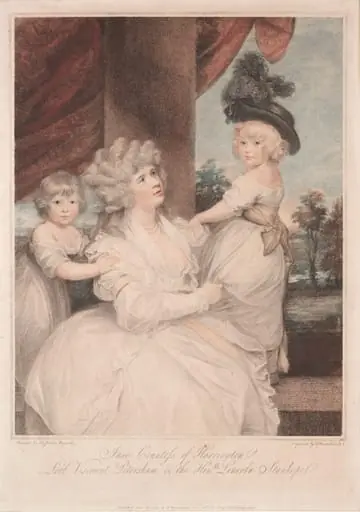 Jane, Countess of Harrington and Her Children
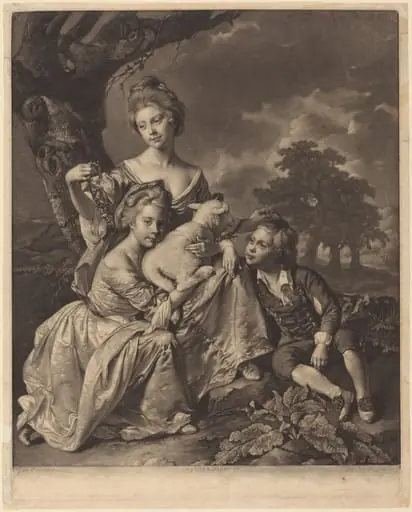 The Wright Family (The Bradshaw Children)
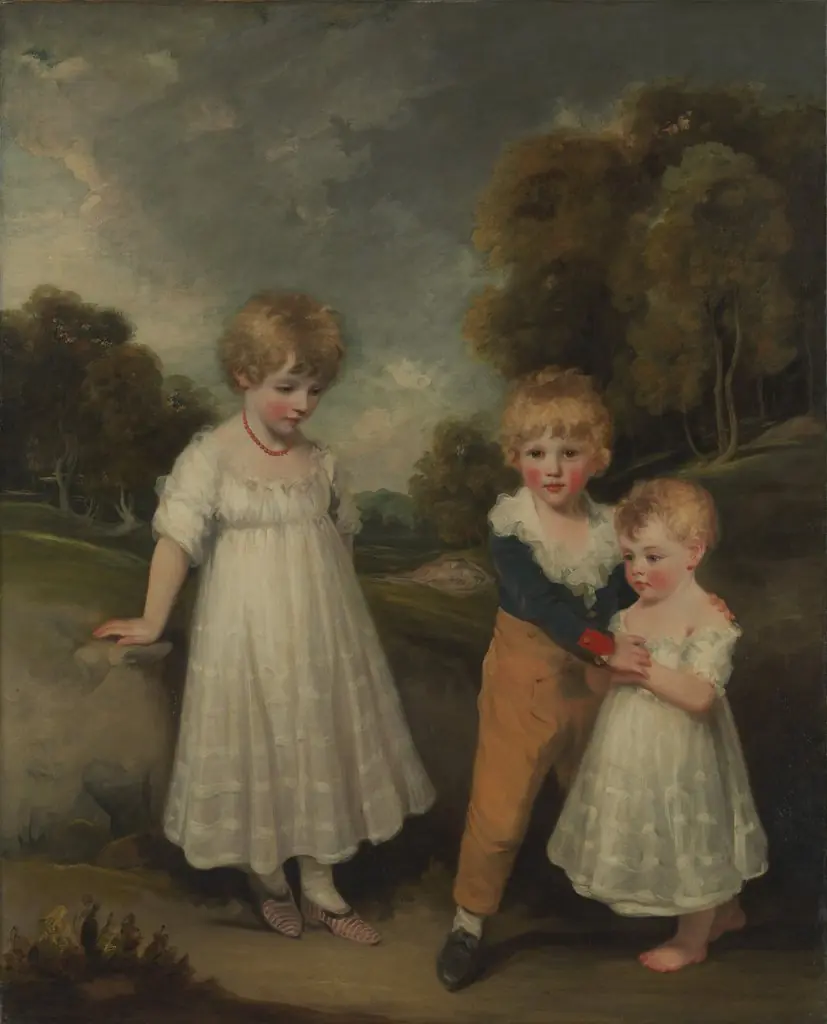 The Sackville Children
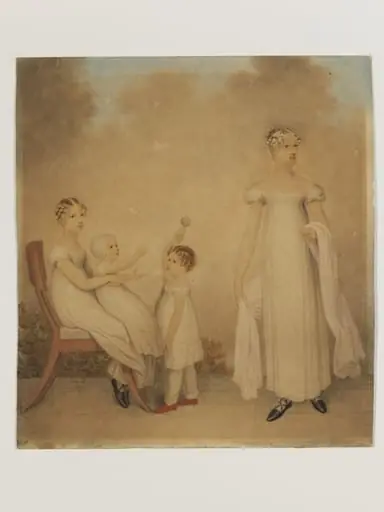 Four children of the Ackland family
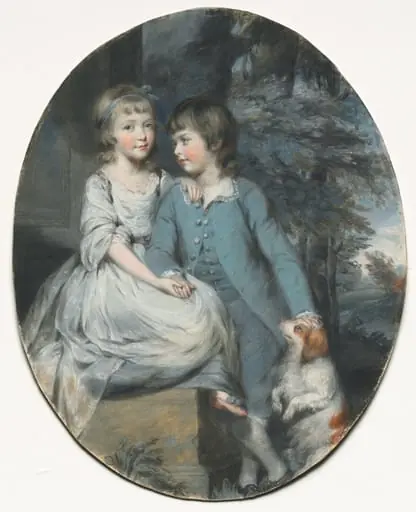 Cropley Ashley-Cooper (Later 6th Earl of Shaftesbury) with His Sister Mary Anne Ashley-Cooper, Later Lady Sturt of Crichel
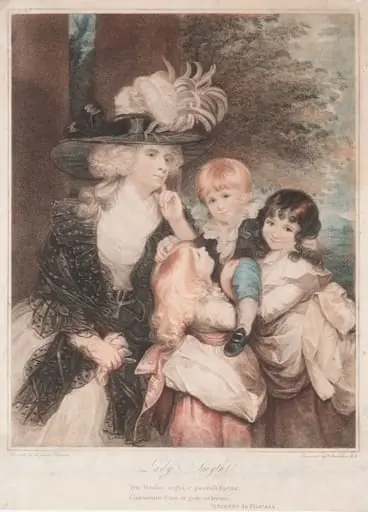 Lady Smith and Her Children
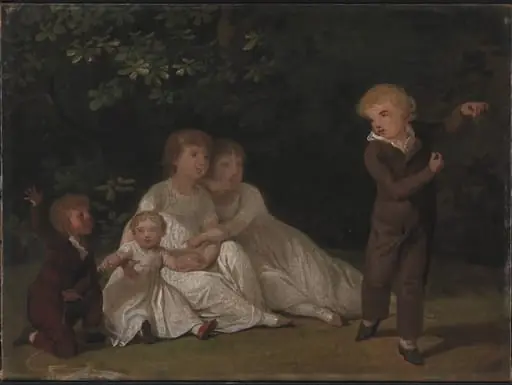 The Artist's Five Children in a garden. Study
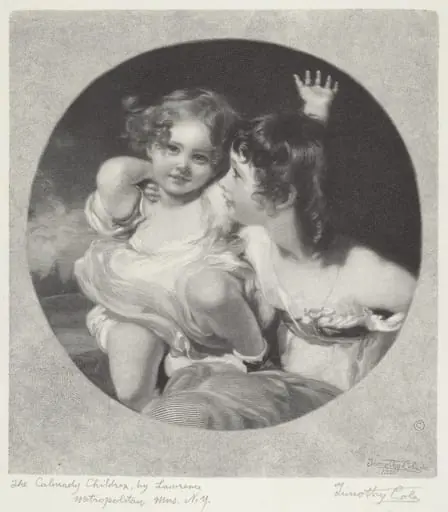 The Calmady Children
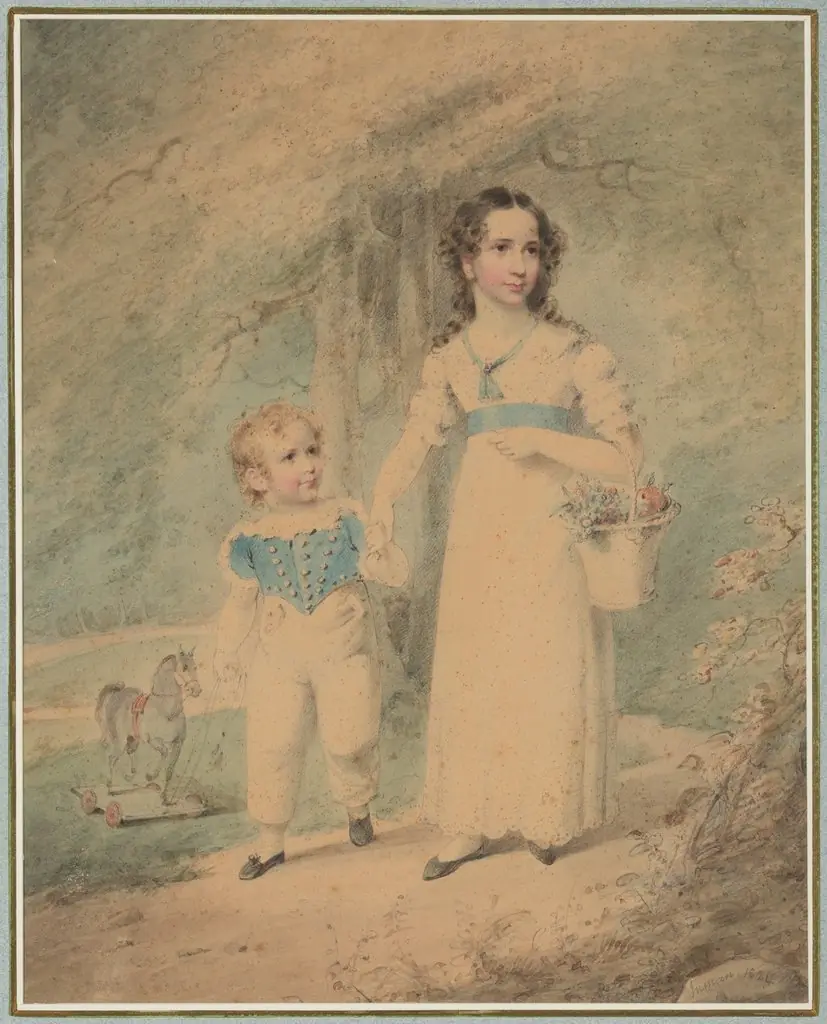 Children in the Park
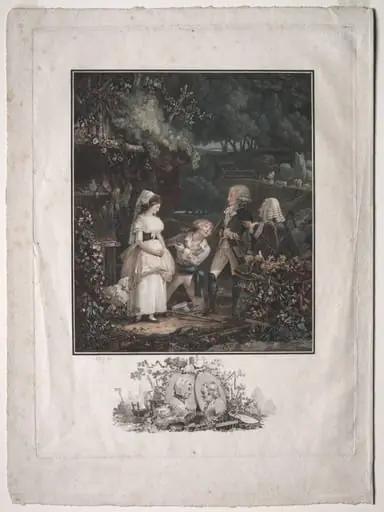 Annette and Lubin
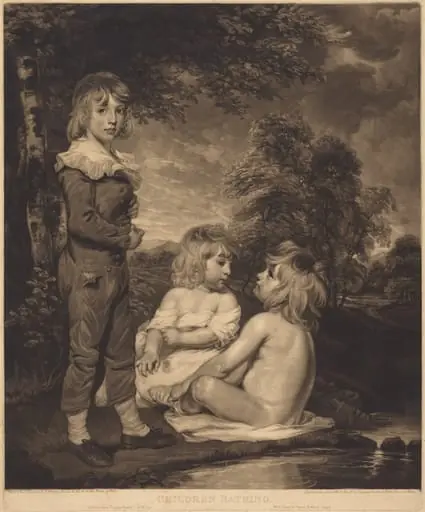 Children Bathing (The Hoppner Children)
 The Copley Family