Artwork
Die Kinder der Niobe
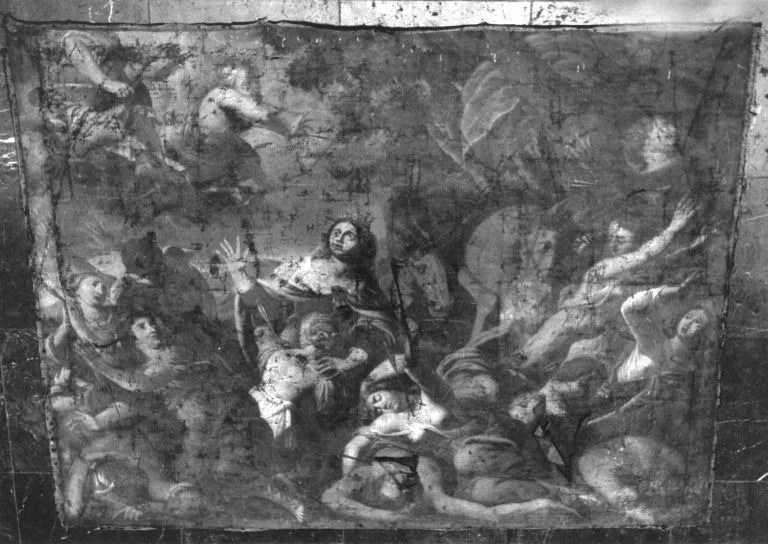
Die Kinder der Niobe is an unspecified painting by the Dutch Golden Age artist Jacob Potma. It dates from 1647 and is held in the collection of the Bavarian State Painting Collections.
About this work
Overview
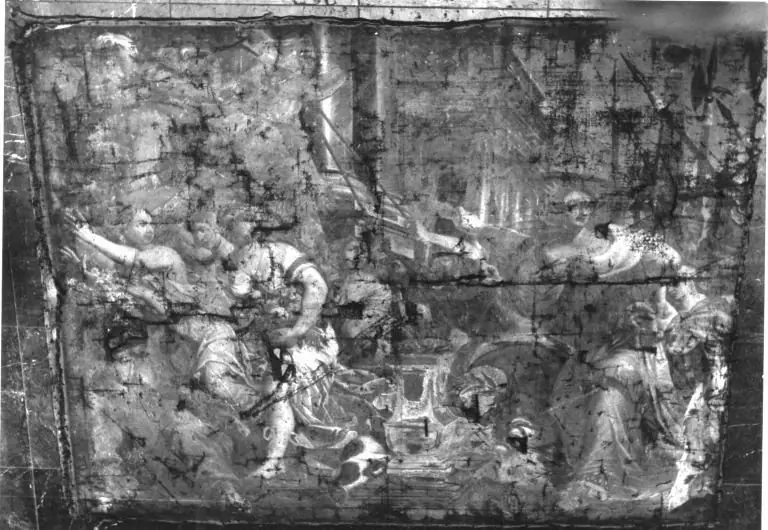
Jacob Potma’s 1647 canvas titled Die Kinder der Niobe belongs to the collection of Munich’s Alte Pinakothek. The work depicts a tumultuous gathering of figures rendered in a dramatic play of light and darkness, characteristic of mid‑seventeenth‑century Baroque sensibilities.
Subject & Meaning
The central motif draws on the myth of Niobe, whose children were slain for her hubristic pride. In the painting, a composed female figure stands amid a mass of contorted bodies, suggesting the calm of the mother juxtaposed with the violent loss of her offspring.
Technique & Style
Potma employs a stark chiaroscuro, allowing illuminated forms to emerge from an indeterminate, shadowy backdrop. The figures, mostly nude or scantily clad, are rendered with muscular tension and twisted poses, enhancing the sense of movement and emotional upheaval.
History & Provenance
Created in 1647, the painting entered the Alte Pinakothek’s holdings at an unspecified later date, where it has remained part of the museum’s Baroque collection, representing the Dutch‑German artistic exchange of the period.
Context
The work reflects the broader seventeenth‑century fascination with classical mythology as moral exempla. Its dramatic composition aligns with contemporary treatments of tragic narratives, echoing the influence of Caravaggisti and Northern Baroque artists.
Artist & collection

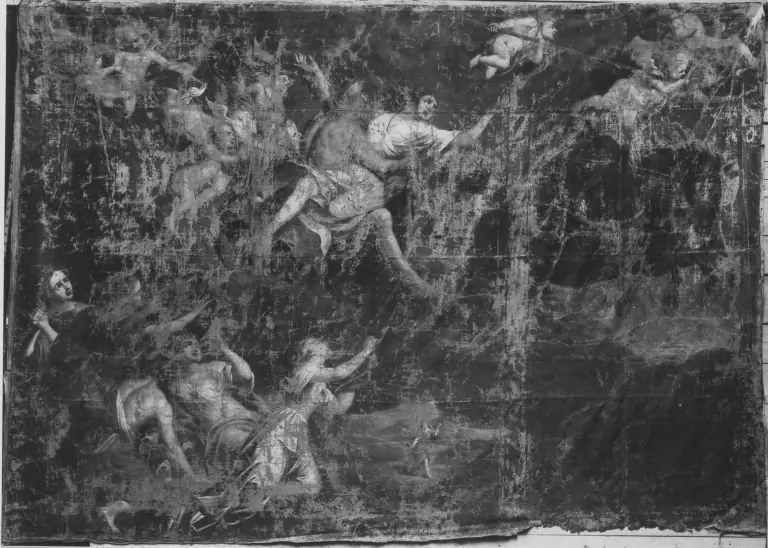 Pluto entführt Proserpina (zugeschrieben)
 Löwenjagd (Kopie nach)
 Wunder und Martyrium des hl. Johannes Evangelist
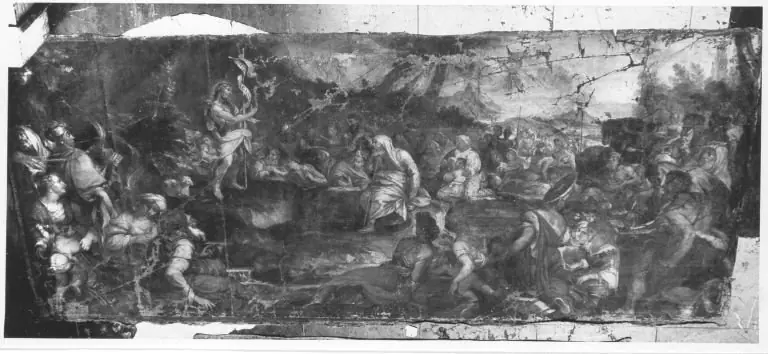 Predigt Johannes des Täufers
 Bear Family with Snake
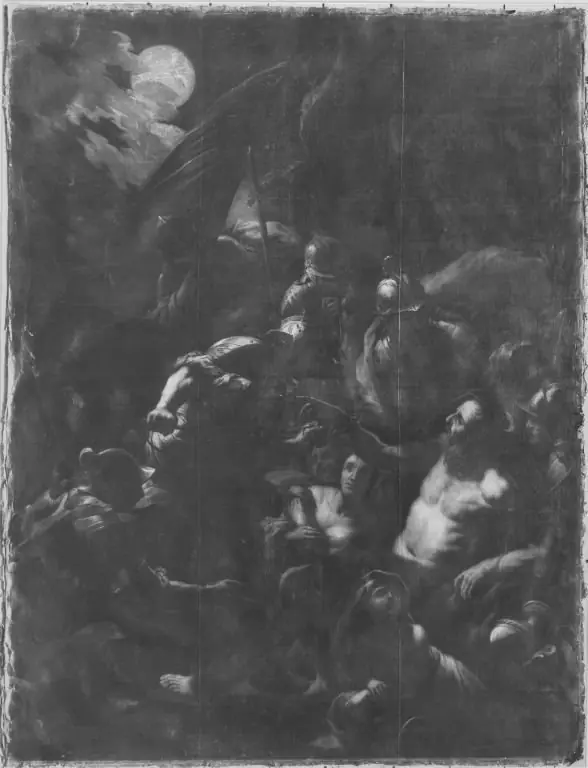 Arrest of Simson
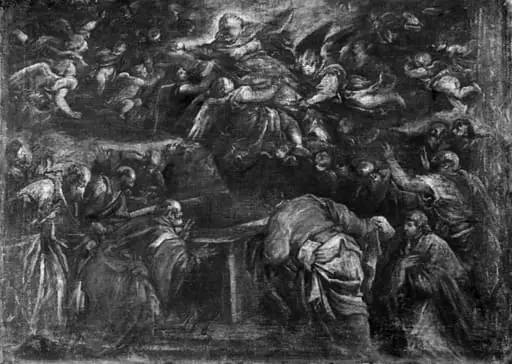 The Ascension of the Virgin
 The Ascension of the Virgin
 Allegorie auf das Beilager des Kurfürsten Johann Wilhelm
 Die Sintflut
 Die Sintflut (zugeschrieben)