Artwork
Self-portrait
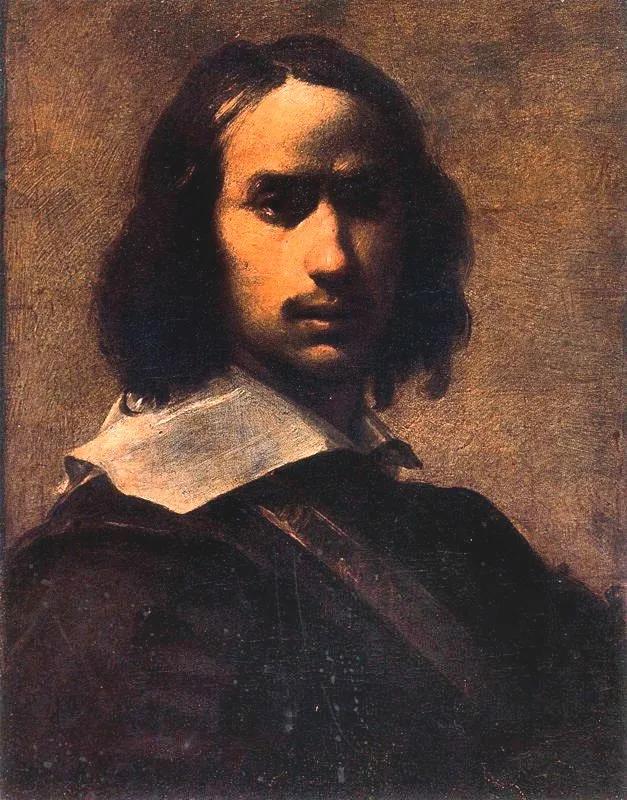
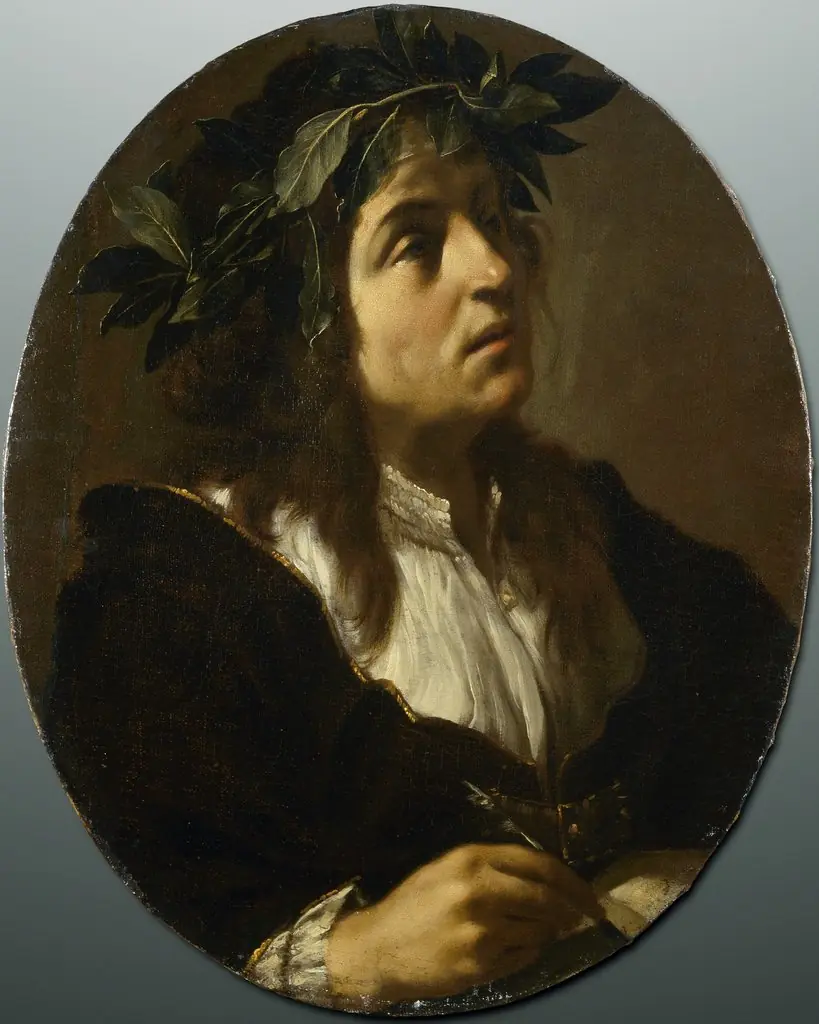
Self-portrait is an unspecified painting by the Early Baroque Italian artist Francesco Cairo. It dates from 1630 and is held in the collection of the Uffizi Gallery.
About this work
Overview
Recognized for his refined technique and intimate scale, he was honored with knighthood in Turin, an acknowledgment of his standing among court artists.
Francesco Cairo, an Italian painter active in the early 17th century, produced this self-portrait circa 1630 during his time in Lombardy and Piedmont. Recognized for his refined technique and intimate scale, he was honored with knighthood in Turin, an acknowledgment of his standing among court artists. The work resides in the Uffizi Gallery, reflecting its enduring significance in the study of Baroque portraiture.
Subject & Meaning
The portrait presents Cairo gazing directly at the viewer, his expression composed and unadorned. Dressed in a dark jacket with a crisp white collar, he projects the dignity of a professional artist rather than a nobleman. The absence of symbolic props or elaborate setting emphasizes personal presence over status, suggesting an introspective assertion of identity through artistry.
Technique & Style
Cairo employs subtle chiaroscuro to model the contours of his face, creating a quiet sense of volume without theatricality. The muted background isolates the figure, focusing attention on the texture of skin and fabric. His brushwork is precise yet restrained, avoiding the dramatic contrasts typical of high Baroque, instead favoring a controlled, almost intimate realism.
History & Provenance
Painted during the height of Cairo’s career, the work likely served as a personal statement or professional calling card. It entered the Medici collection in Florence, eventually finding a permanent home in the Uffizi. Its survival and preservation reflect its value as a rare example of a regional artist’s self-representation from a period dominated by grander religious commissions.
Context
While most Baroque painters focused on altarpieces for churches and courts, Cairo cultivated a parallel practice in smaller, secular works. This self-portrait aligns with a growing trend among artists to assert individual identity, even in regions where religious patronage prevailed. His position as a knighted court painter gave him the autonomy to explore personal themes alongside official duties.
Legacy
Cairo’s self-portrait stands as a quiet testament to the evolving role of the artist in early Baroque Italy. It contributes to a broader understanding of how regional painters, outside major centers like Rome or Venice, developed distinctive visual languages. The work remains a key reference for studying self-representation beyond the conventions of aristocratic portraiture.
Artist & collection
Artist
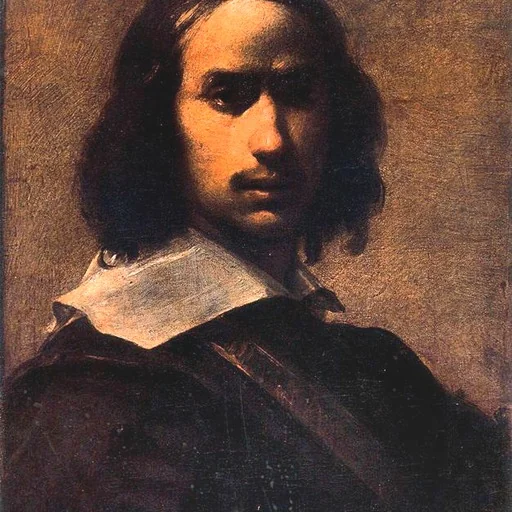
Francesco Cairo (26 September 1607 – 27 July 1665), also known as Francesco del Cairo, was an Italian Baroque painter active in Lombardy and Piedmont.

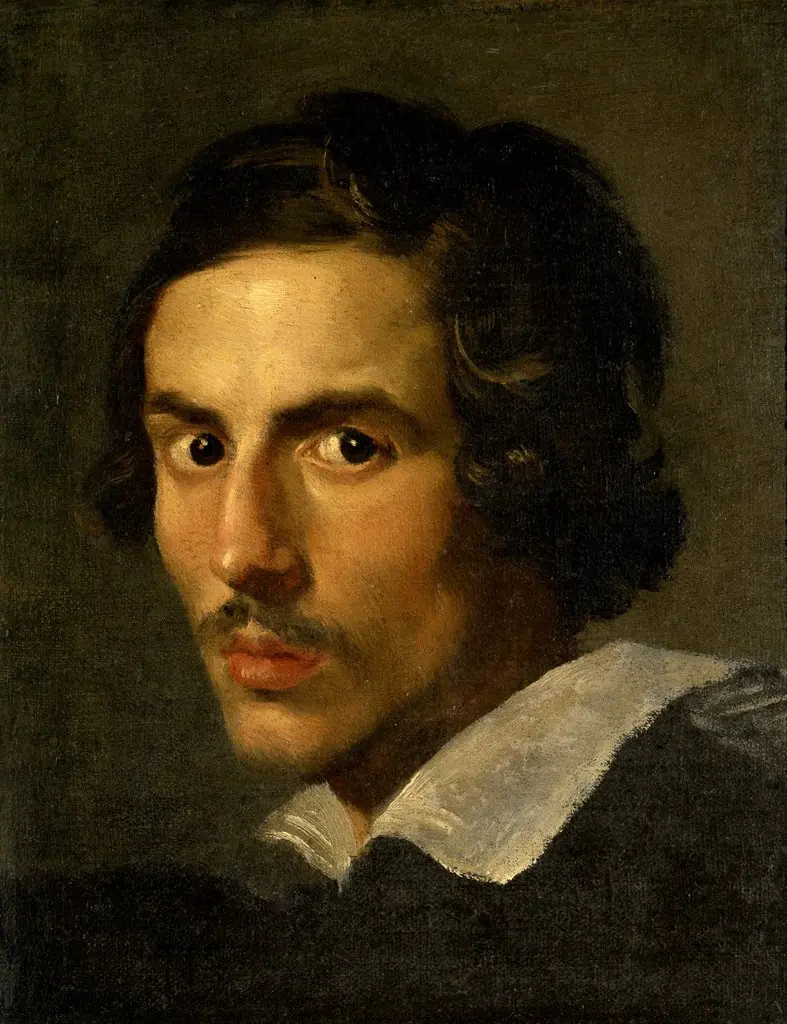 Self Portrait of Gianlorenzo Bernini as young man (1623)
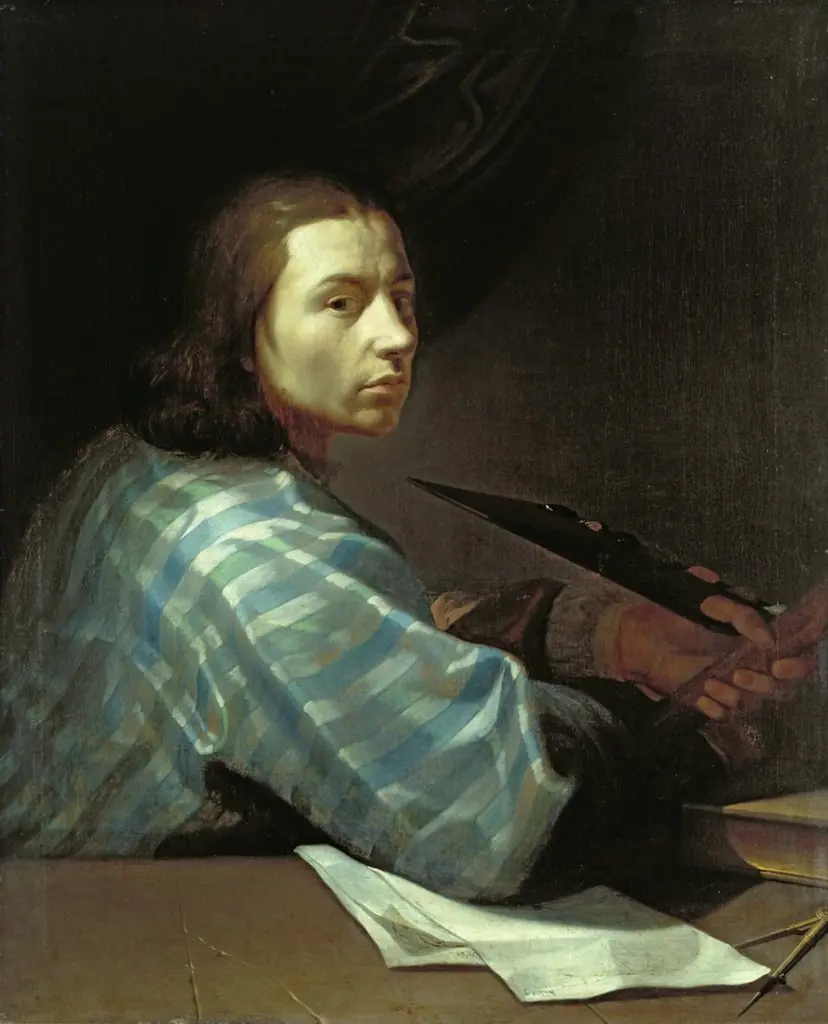 Self-portrait
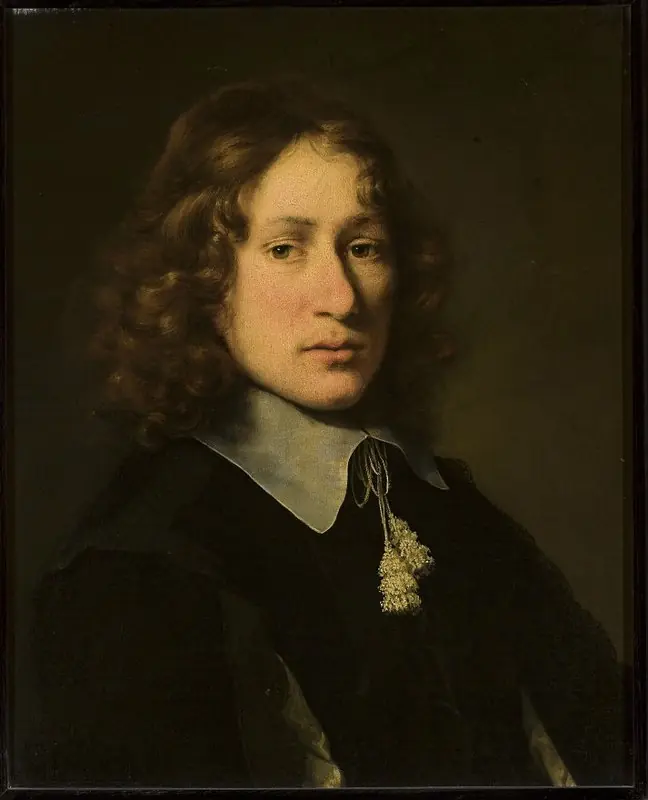 Portrait of a man
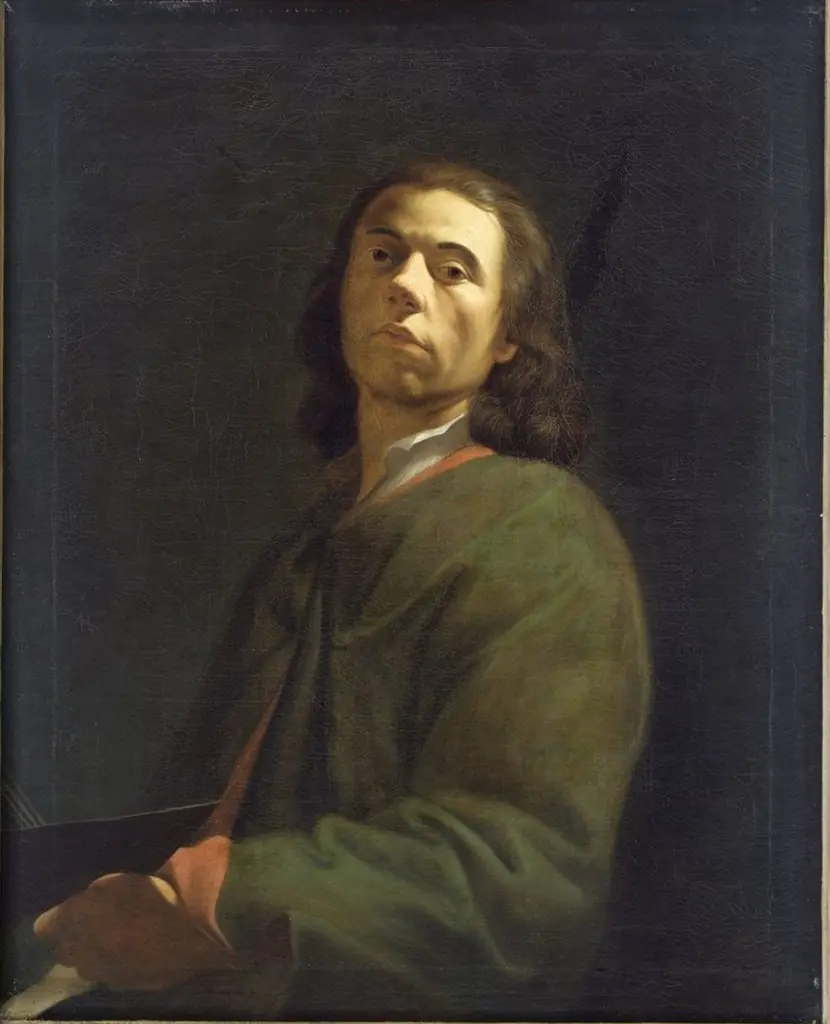 Self-portrait in green dressing gown
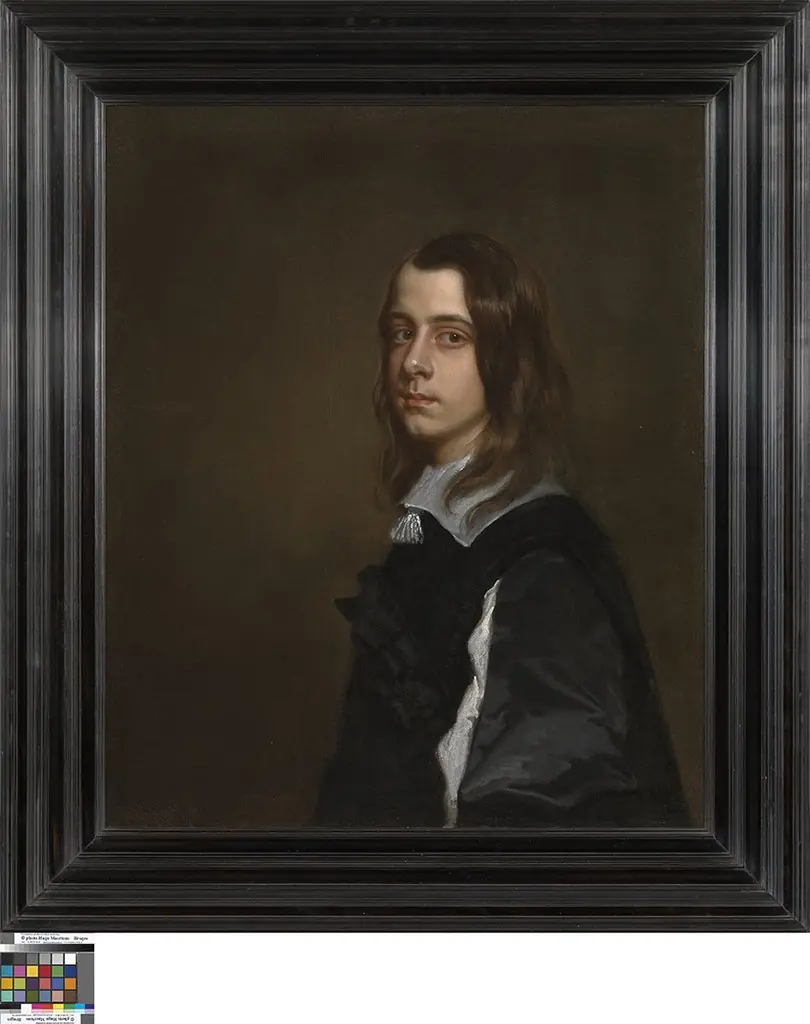 Portrait of Samuel Crew
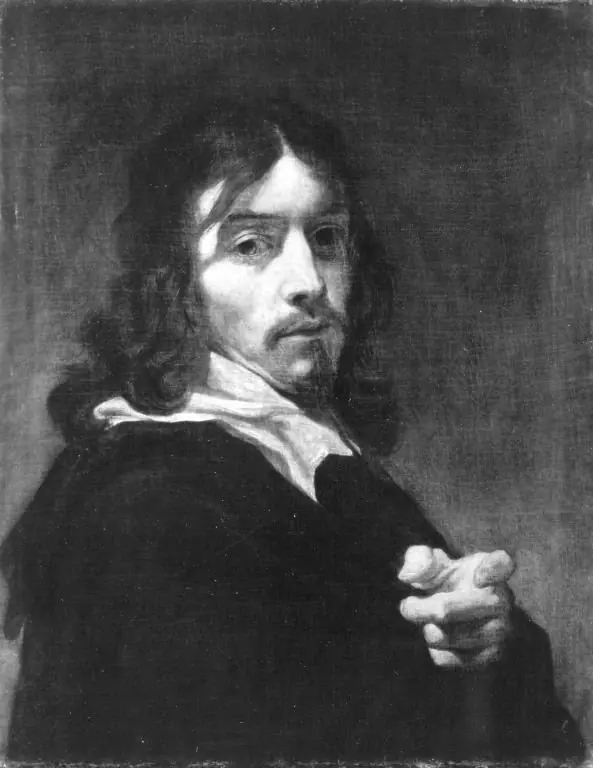 Portrait of Georg Pfründt (1603-1663)
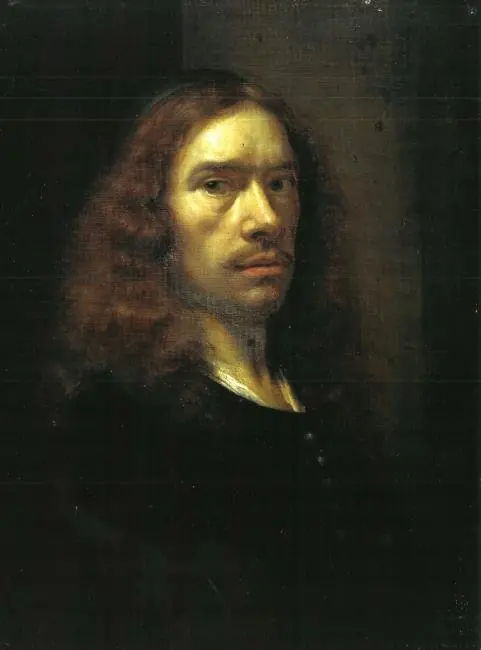 Self-portrait
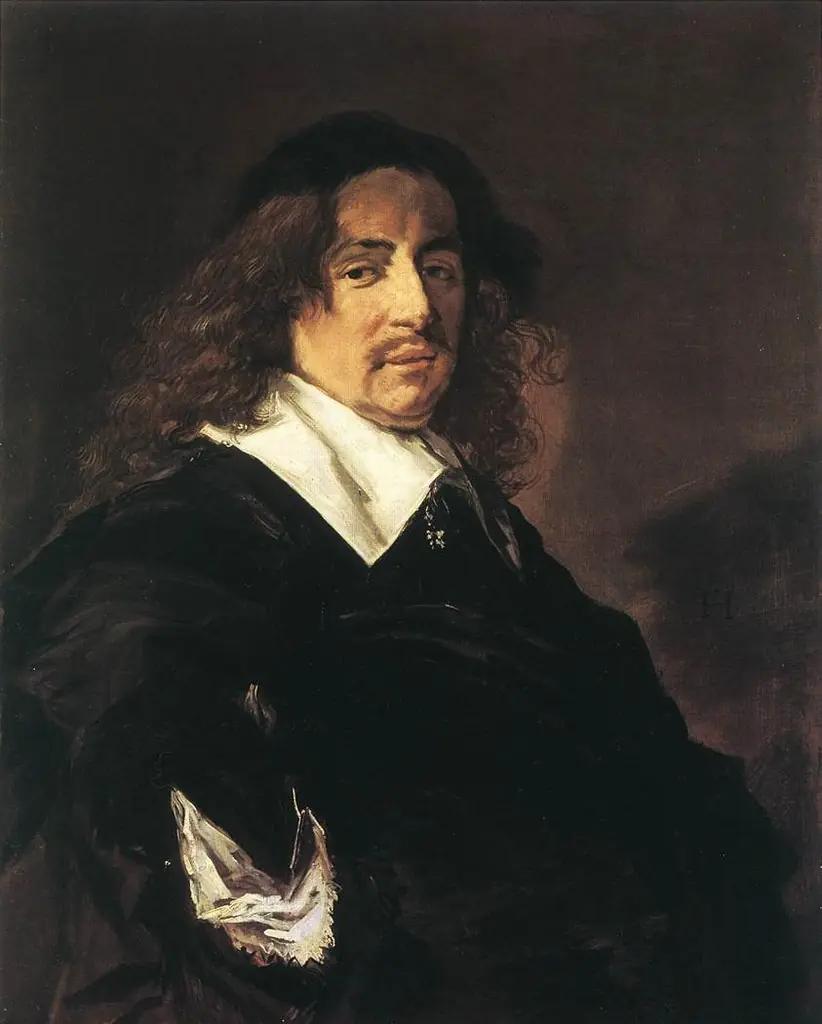 Portrait of a man with long hair and a mustache
 Retrato de Homem
 Self-portrait
 Saint James the Less
 Self-portrait