Artwork
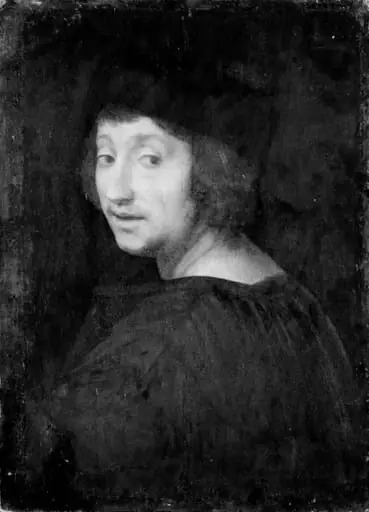
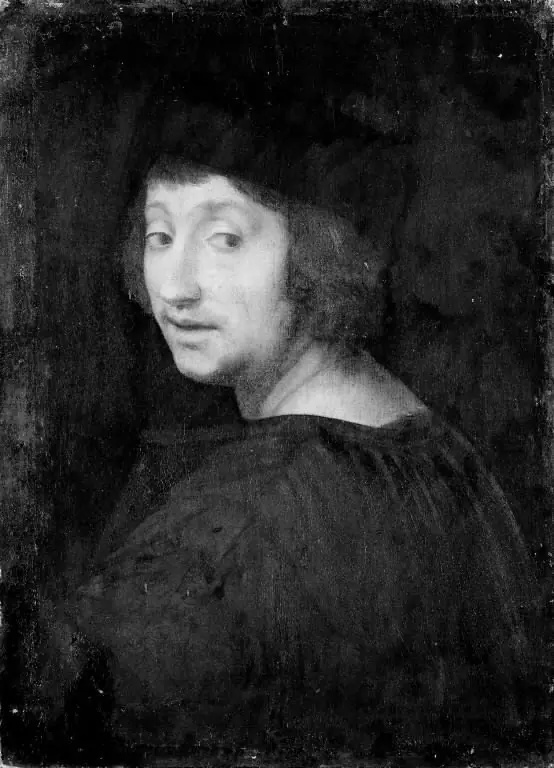
Retrato de Homem
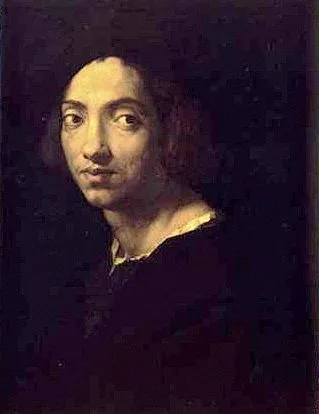
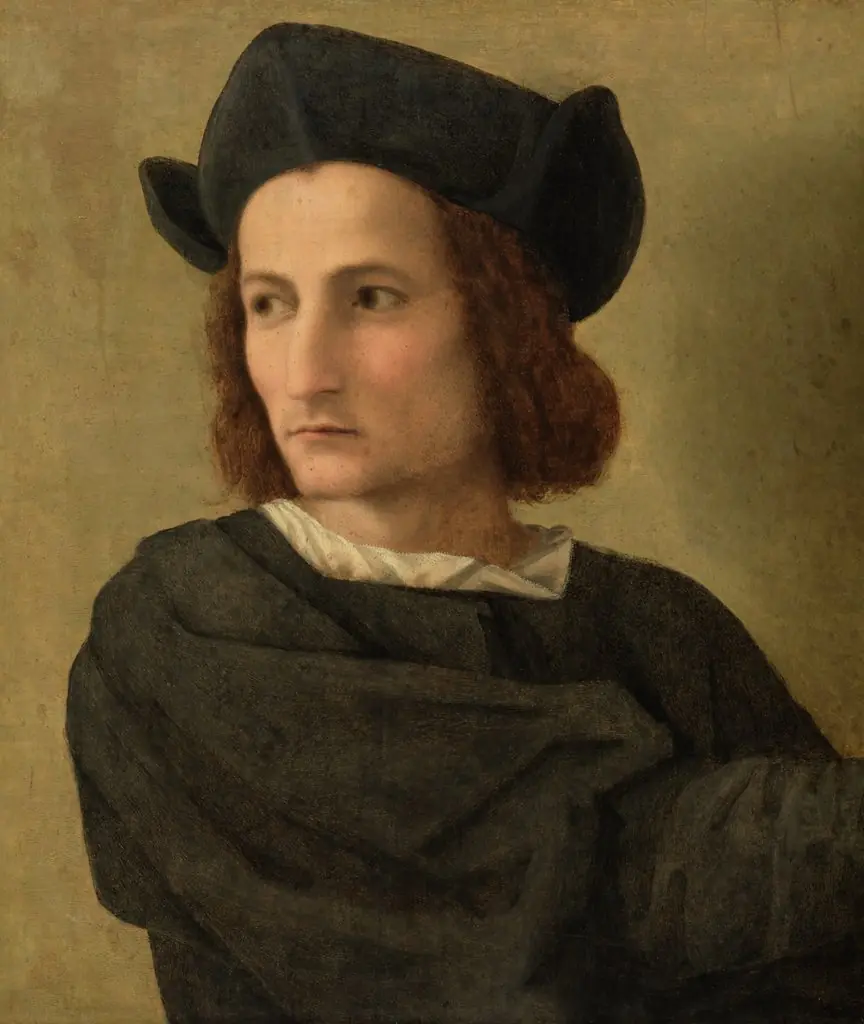
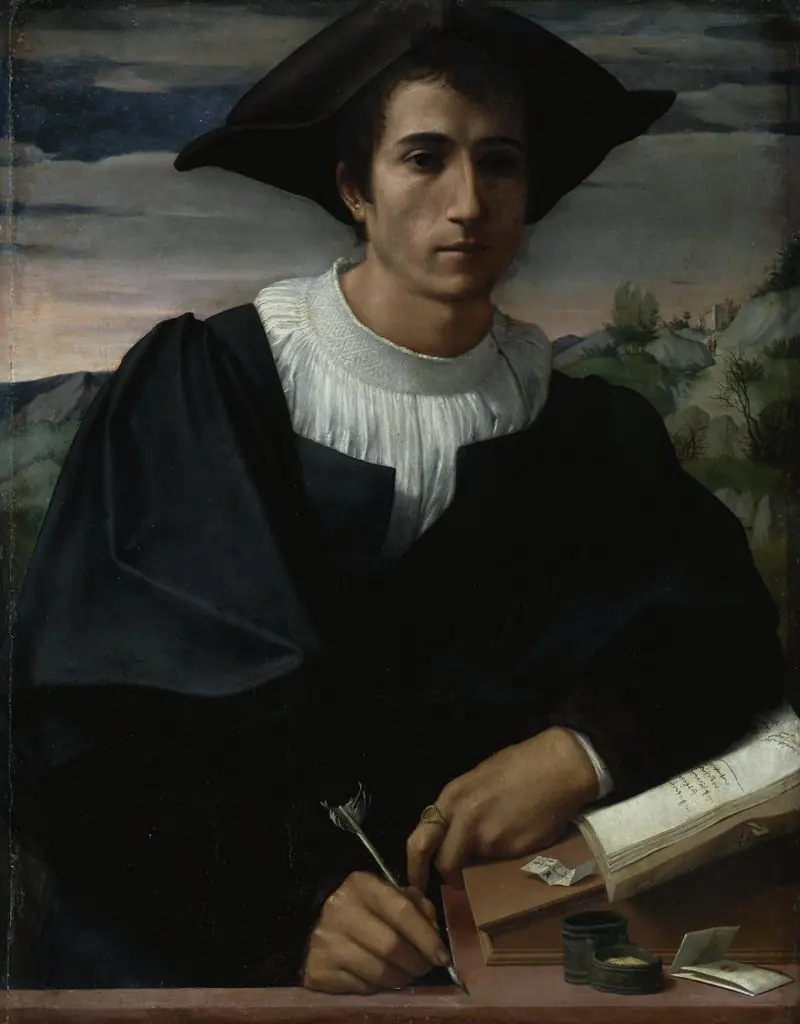
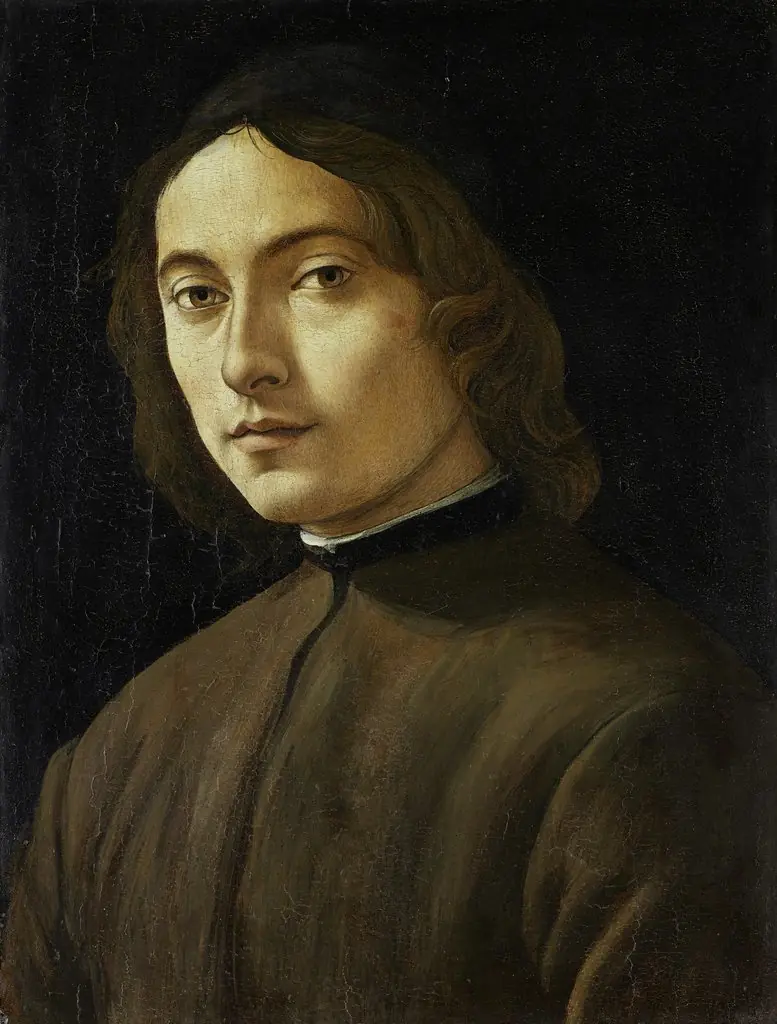
Retrato de Homem is an oil painting by the Early Renaissance artist Franciabigio. It dates from 1501 and is held in the collection of the National Museum of Ancient Art.
About this work
Overview
Retrato de Homem is a portrait painting executed in oil paint by Franciabigio, an Italian artist of the Florentine Renaissance, dated to 1501. It is currently part of the collection at the National Museum of Ancient Art.
Subject & Meaning
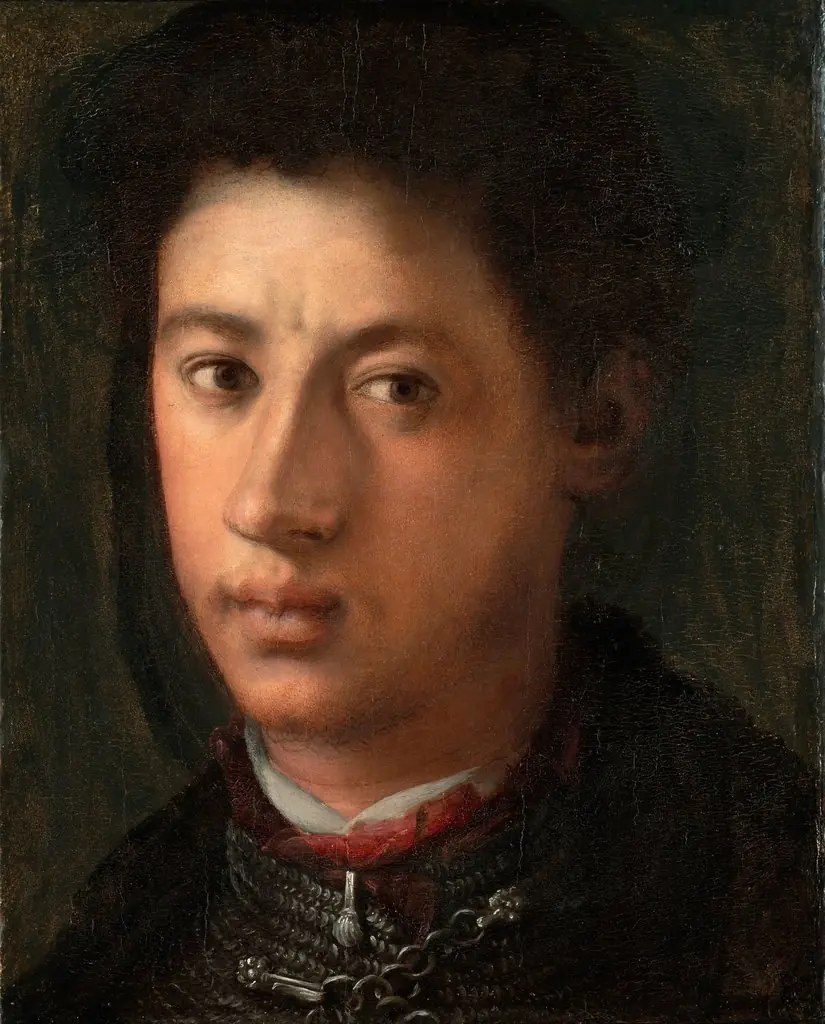
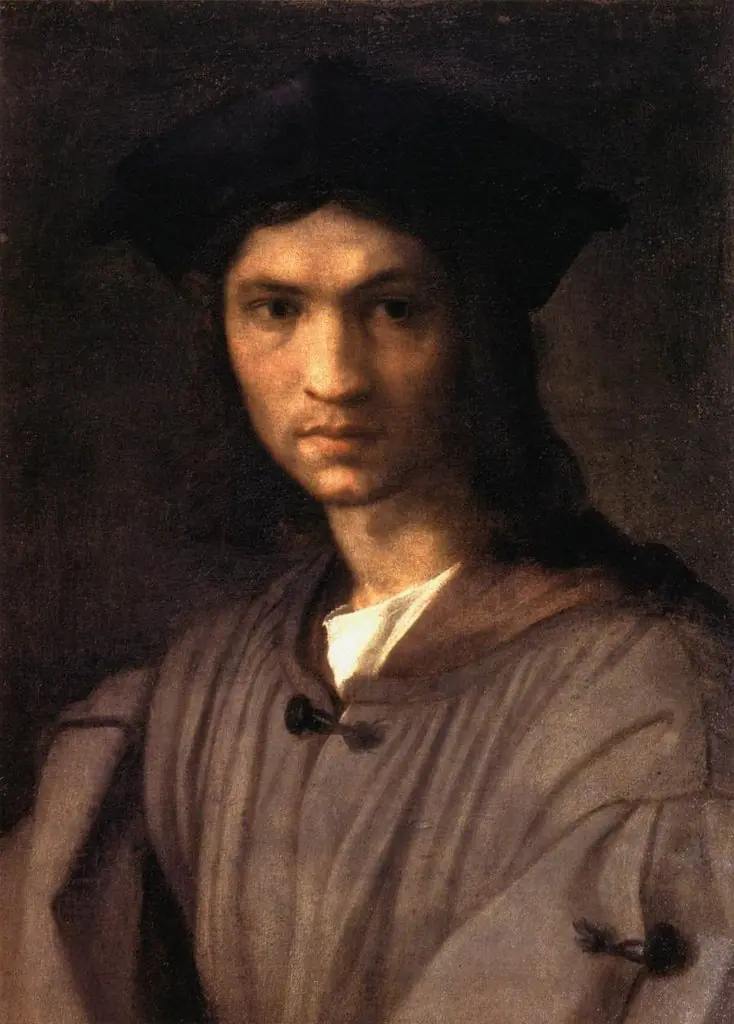
The painting portrays a single male figure with a serious demeanor, directly engaging the viewer with his gaze. His attire consists of a dark shirt accented with a white collar, set against a somber, dark background that emphasizes his presence.
Technique & Style
Franciabigio employed chiaroscuro, a characteristic technique of the early Renaissance, to achieve profound depth and contrast within the composition, accentuating the subject's form against the dark, shadowy backdrop.
History & Provenance
Created in 1501, Retrato de Homem is associated with the early Renaissance movement. Its current location is the National Museum of Ancient Art, though the full provenance history prior to its museum acquisition is not detailed here.
Context
As a work of the Florentine Renaissance, Retrato de Homem reflects the period's emphasis on individual portraiture and the application of innovative lighting techniques to convey emotional depth and realism.
Legacy
While specific influences or direct artistic legacies of Retrato de Homem are not highlighted in available information, it contributes to the broader understanding of early Renaissance portraiture techniques and the oeuvre of Franciabigio.
Artist & collection
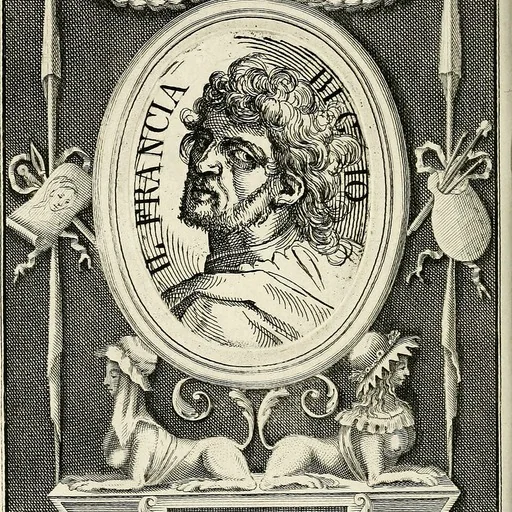
Artist
Franciabigio (1482 – 24 January 1525) was an Italian painter of the Florentine Renaissance. His true name may have been Francesco di Cristofano; he is also referred to as either Marcantonio Franciabigio or Francia Bigio.