Artwork
Portrait of Samuel Crew
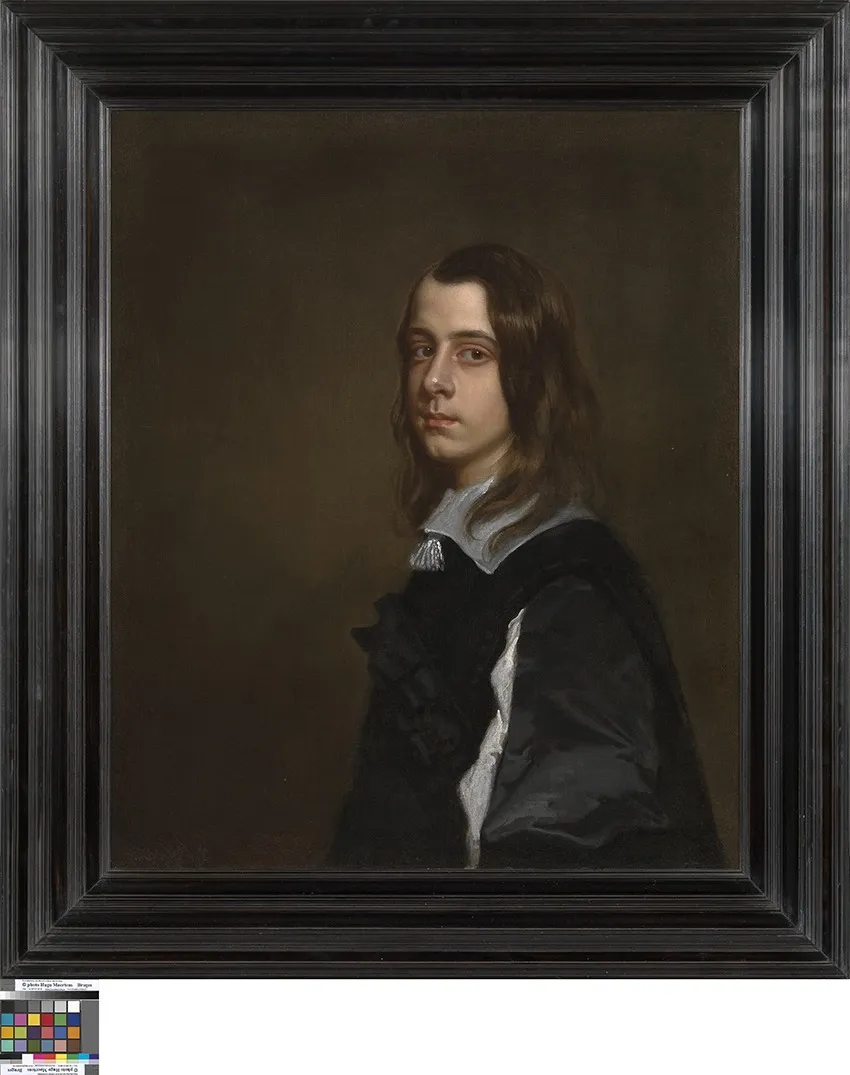
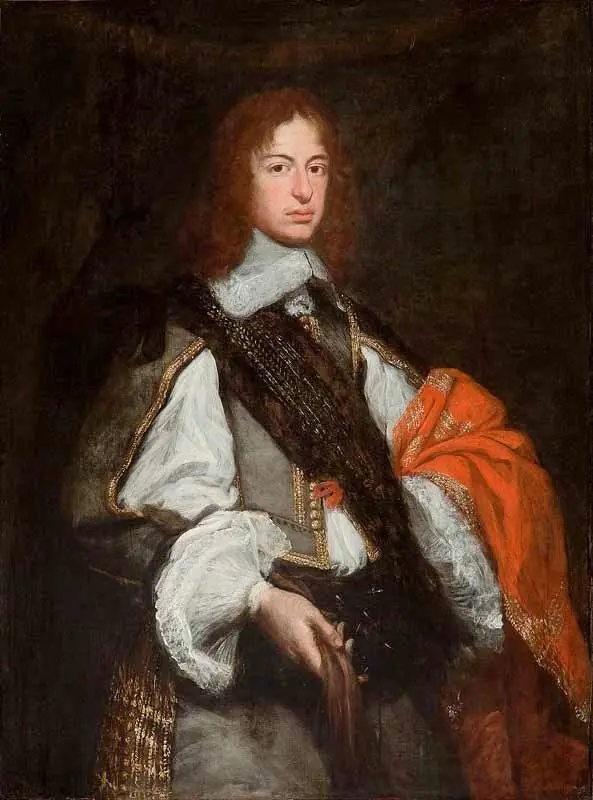
Portrait of Samuel Crew is an oil painting by the Barbizon school artist Peter Lely. It dates from 1650 and is held in the collection of the Groeningemuseum.
About this work
Overview
This oil portrait, dated around 1650, captures Samuel Crew, a young man of noble standing, painted by Sir Peter Lely, a Dutch-born artist who became the principal portraitist at the English court. The work is part of the Groeningemuseum’s collection and reflects the refined conventions of 17th-century portraiture in England, where Lely established his reputation after relocating from the Netherlands.
Subject & Meaning
Samuel Crew, depicted as a teenager, is shown with a composed, neutral expression and a direct yet distant gaze. His attire—a dark jacket, white ruffled collar, and tasseled detail—signals aristocratic status and fashionable dress of the period. The portrait functions less as a personal likeness and more as a statement of social identity, aligning the sitter with the ideals of courtly refinement.
Technique & Style
Lely employs chiaroscuro to model the figure with subtle gradations of light and shadow, enhancing the three-dimensionality of the face and clothing. The solid brown background isolates the subject, focusing attention on his form and texture. Brushwork is controlled and precise, emphasizing fabric folds and the sheen of the collar, typical of Lely’s polished, courtly style.
History & Provenance
The painting entered the Groeningemuseum’s holdings through documented acquisitions in the 19th or early 20th century. Though Lely was knighted by Charles II in 1680, this portrait predates his formal royal appointment, suggesting it was commissioned during his early years in England, likely by Crew’s family to affirm their social standing.
Context
Lely worked in a period when English portraiture was shifting from the dramatic intensity of Van Dyck to a more elegant, standardized form. This portrait reflects that transition, blending Dutch realism with the courtly grace favored by the Stuart elite. The Barbizon school reference is incorrect; Lely was not associated with 19th-century French landscape painters.
Legacy
Though not among Lely’s most celebrated works, this portrait exemplifies his ability to convey status through restrained elegance. It contributes to the broader understanding of how aristocratic youth were represented in mid-17th-century England, preserving the visual language of gentility during a time of political and cultural change.
Artist & collection
Artist
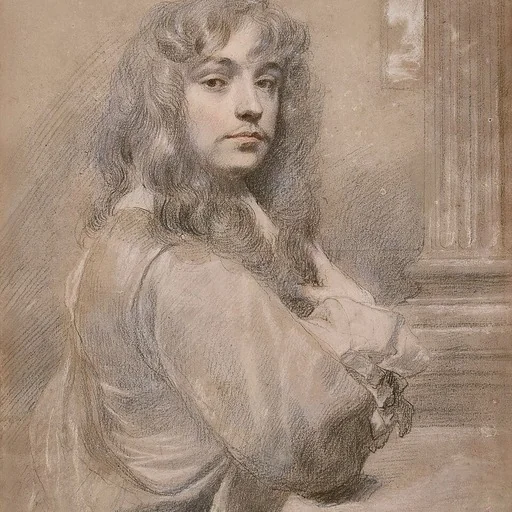
Sir Peter Lely (Dutch: ; 14 September 1618 – 30 November 1680) was a painter of Dutch origin whose career was nearly all spent in England, where he became the dominant portrait painter to the court.

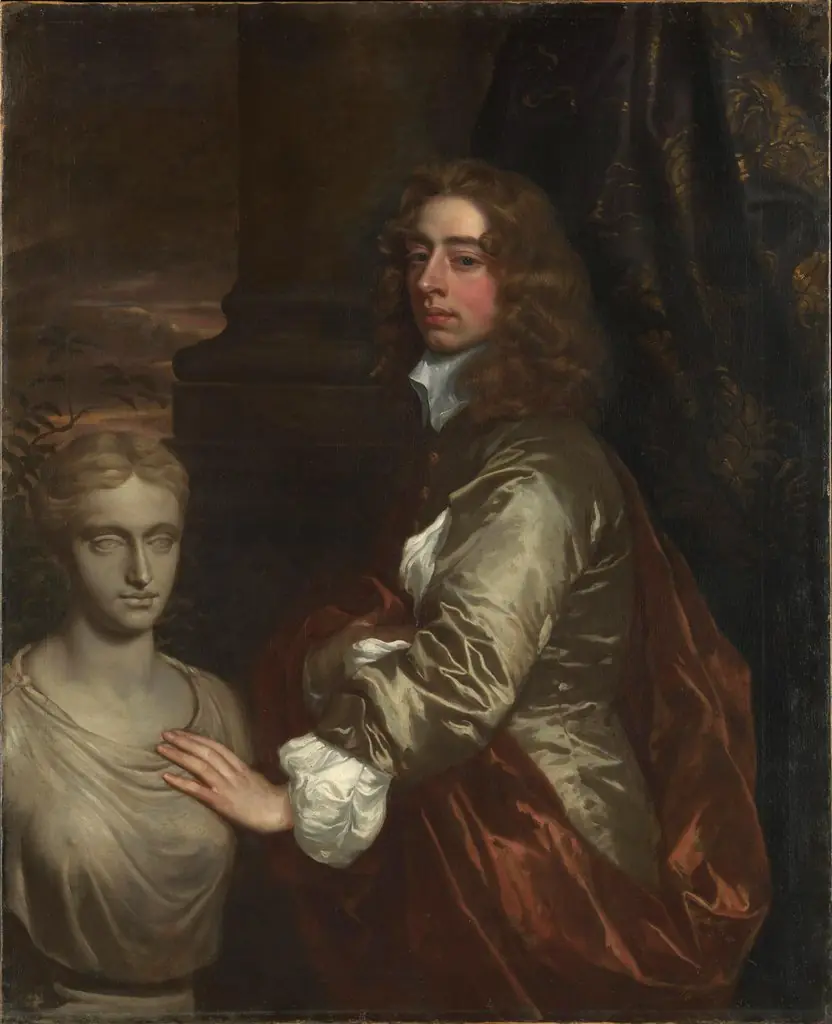 Sir Henry Capel (1638–1696)
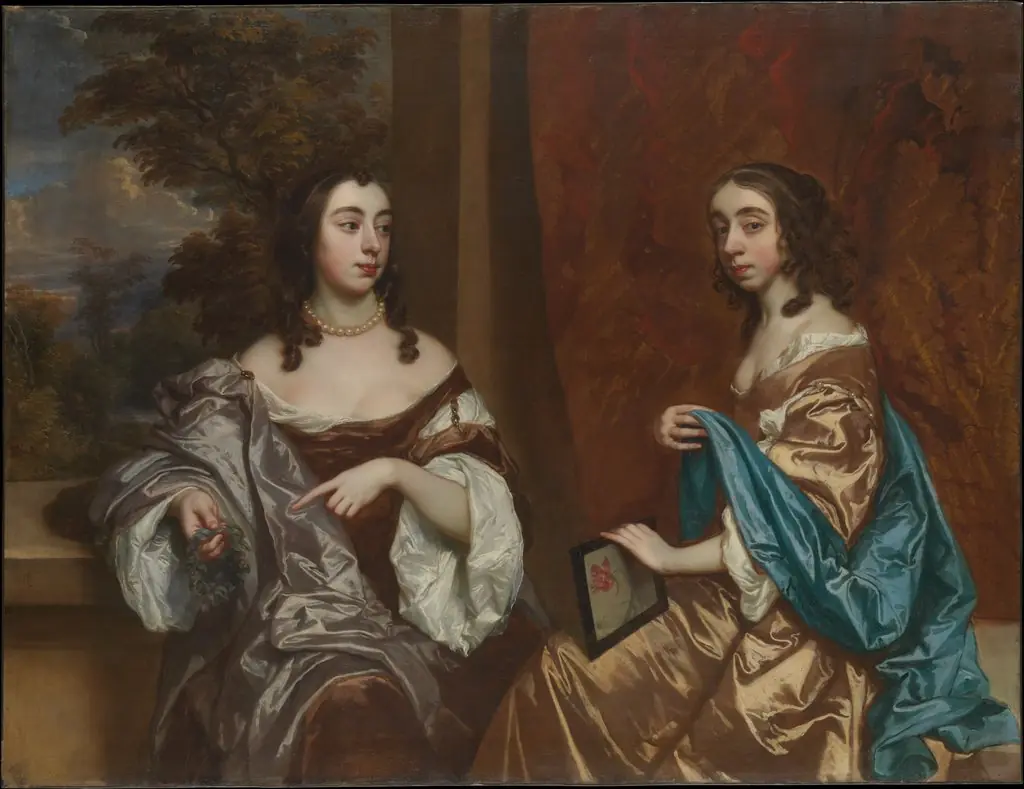 Mary Capel (1630–1715), Later Duchess of Beaufort, and Her Sister Elizabeth (1633–1678), Countess of Carnarvon
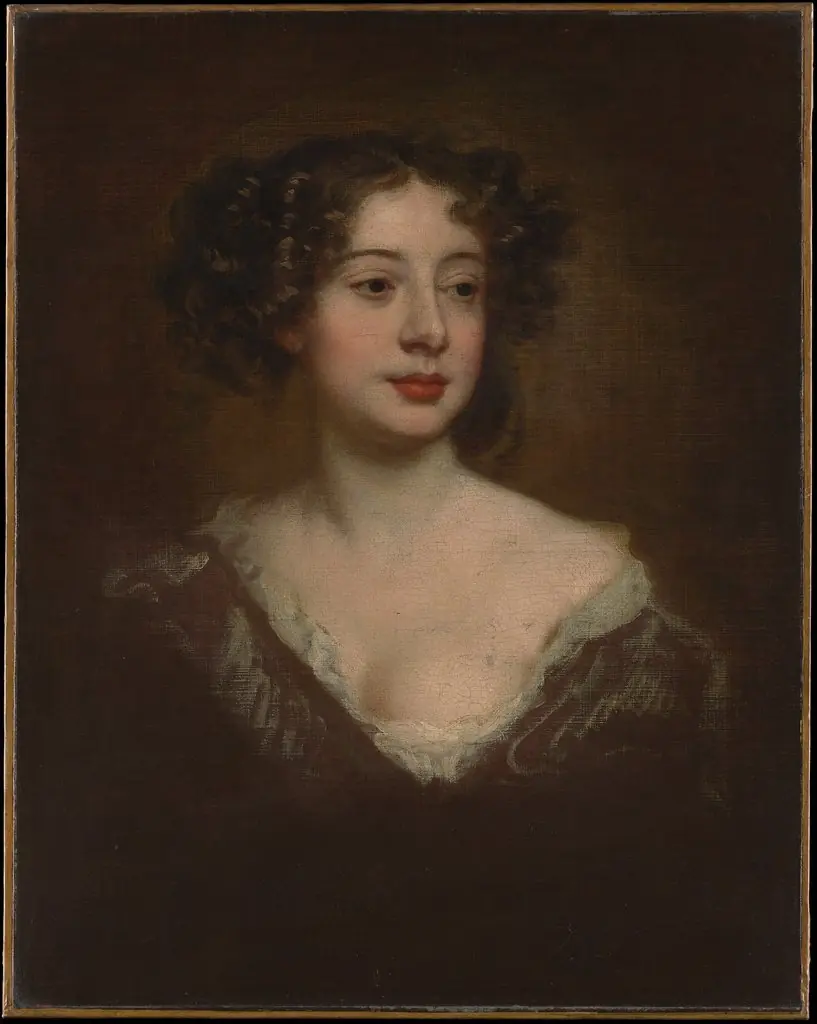 Study for a Portrait of a Woman
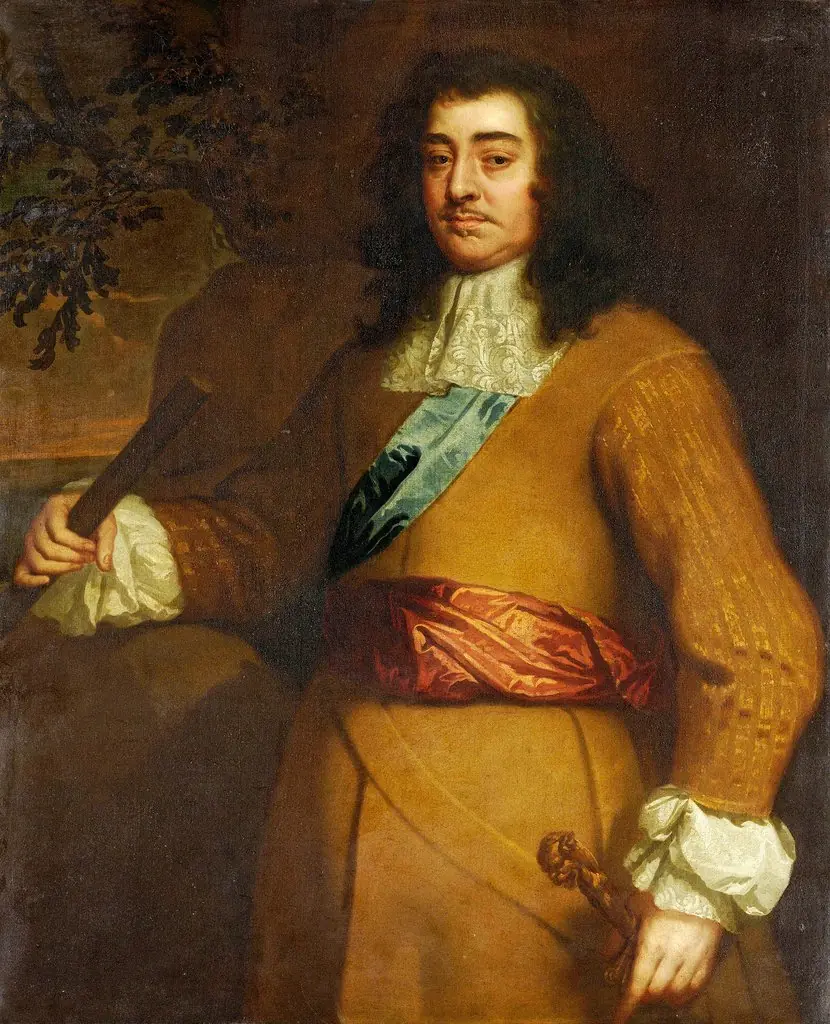 Portrait of George Monck, 1st Duke of Albemarle, English Admiral and Statesman
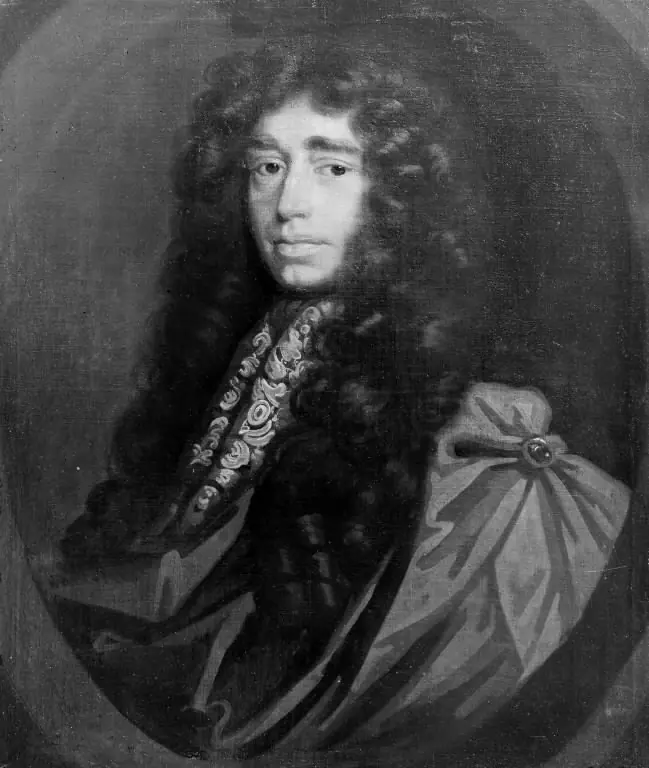 Portrait of a Man
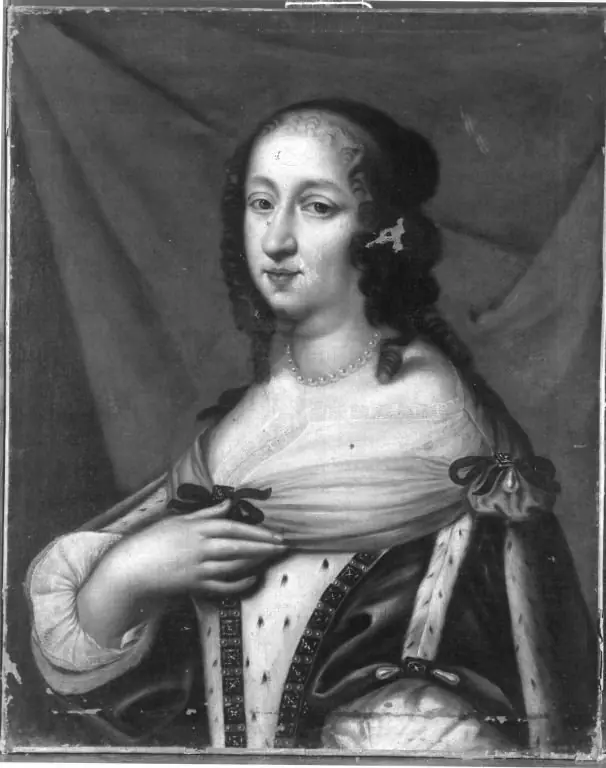 Portrait of a Woman
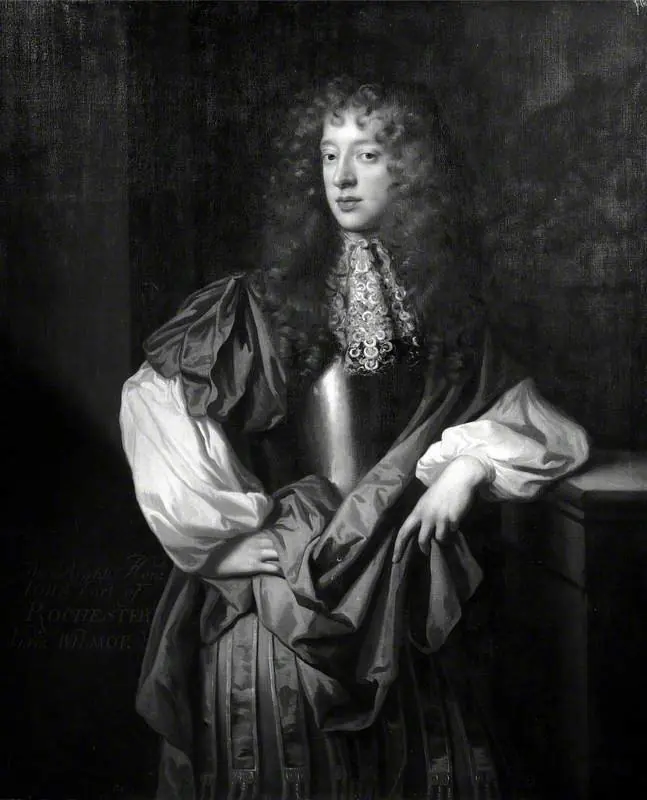 John Wilmot (1647–1680), 2nd Earl of Rochester
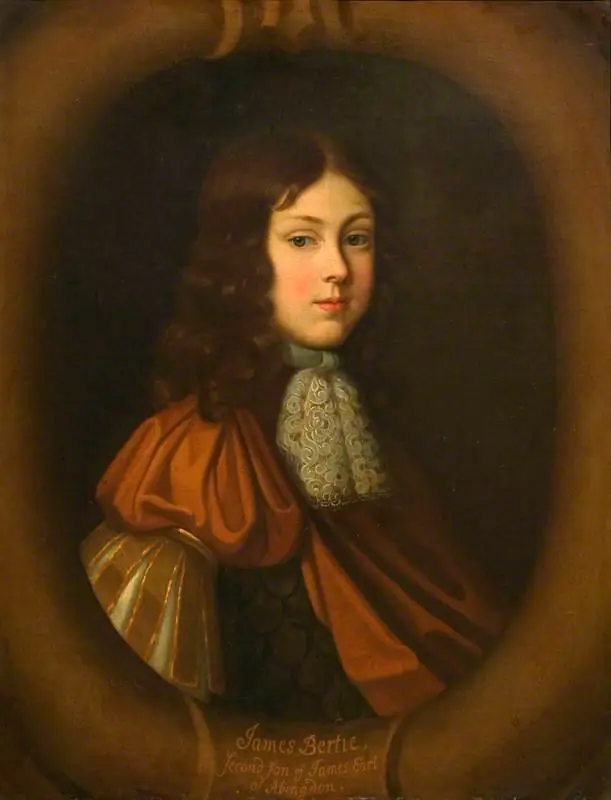 James Bertie (1653–1699), 2nd Son of James, Earl of Abingdon
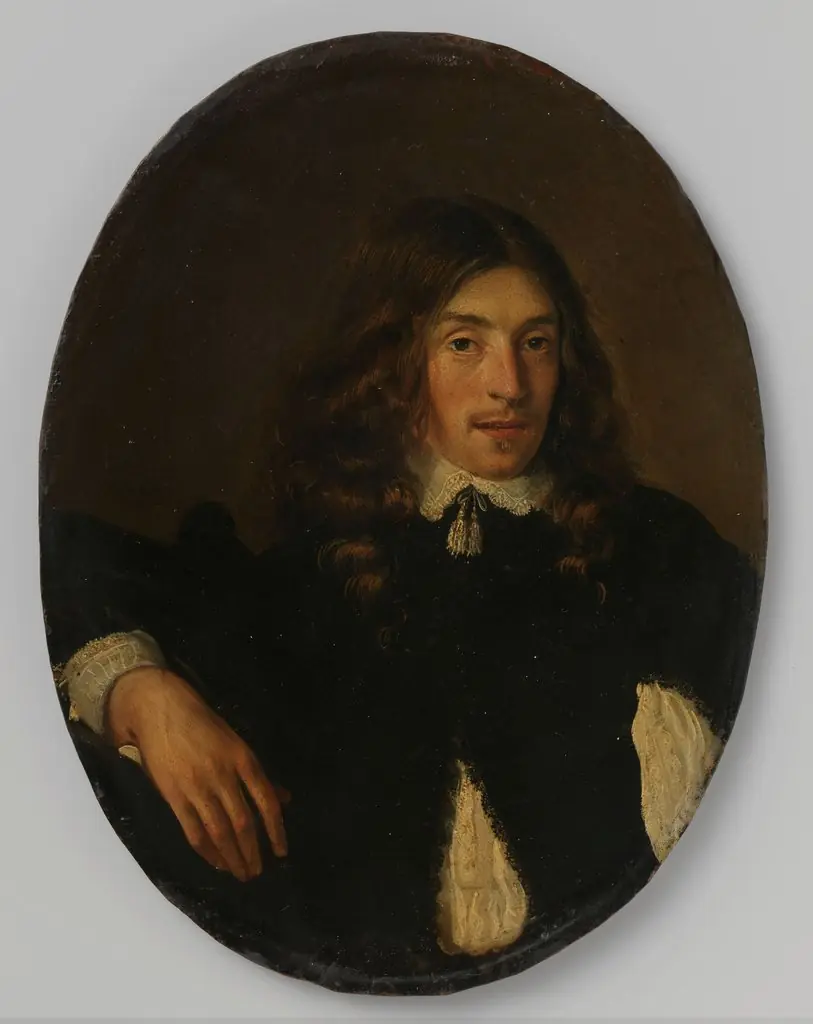 Portrait of a young man
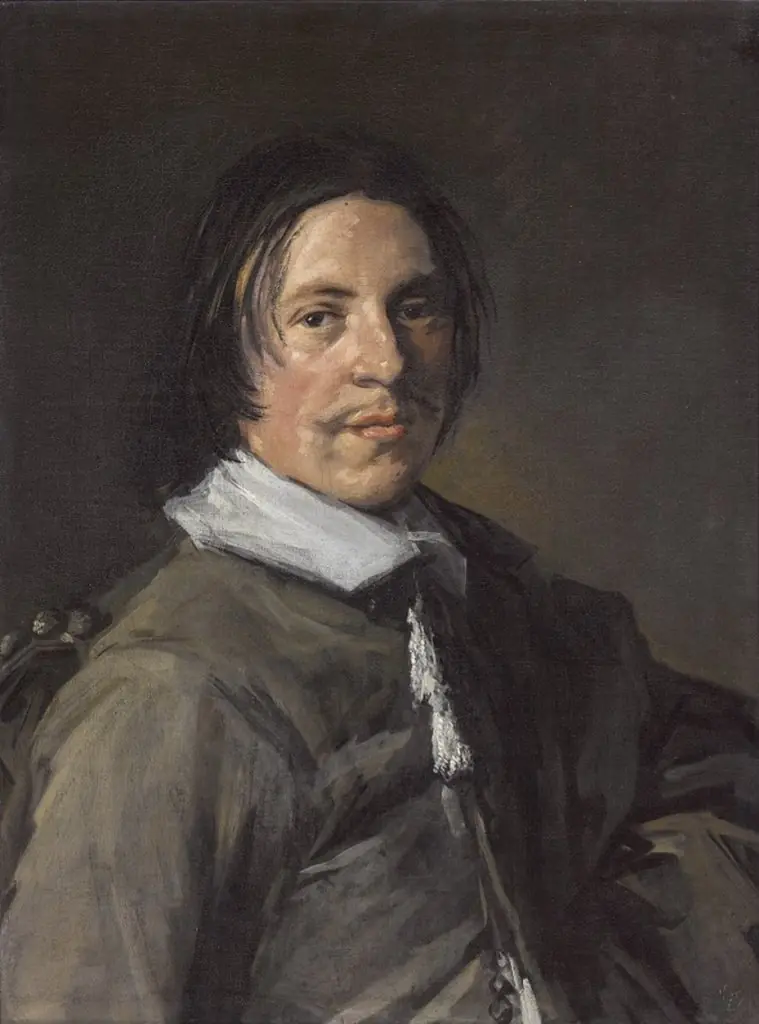 Portrait of Vincent Laurensz van der Vinne
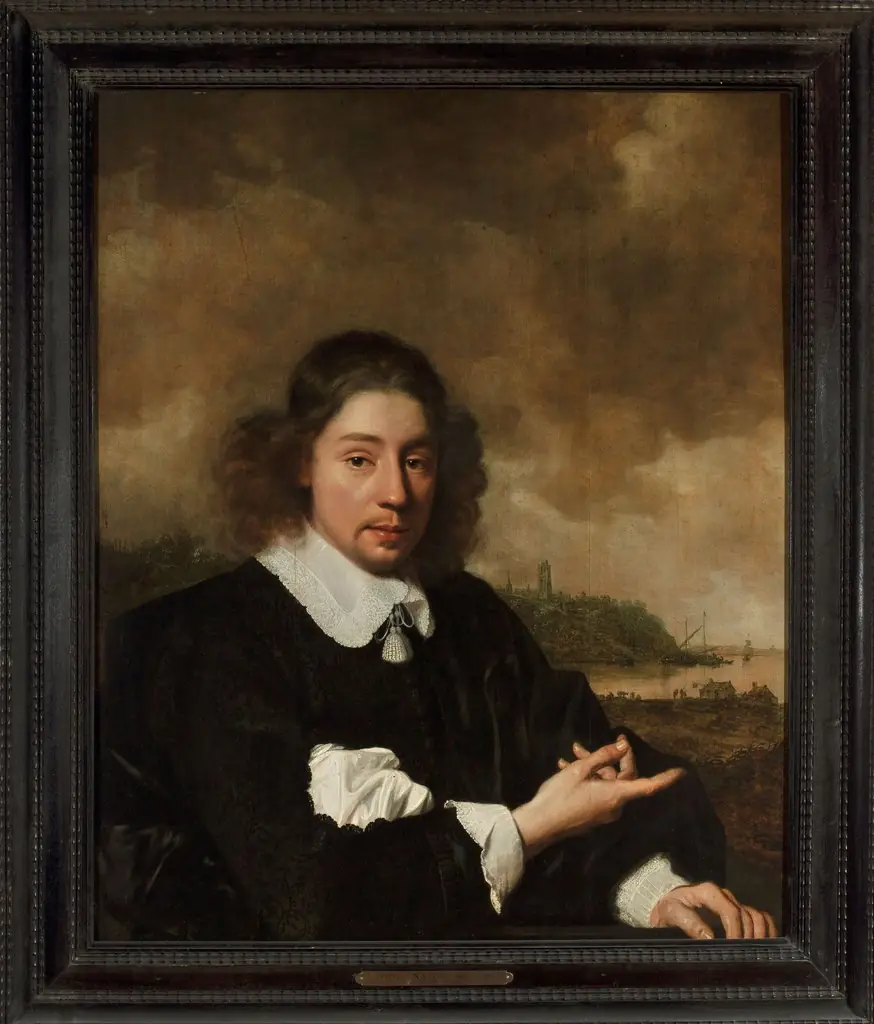 Portrait of a Man
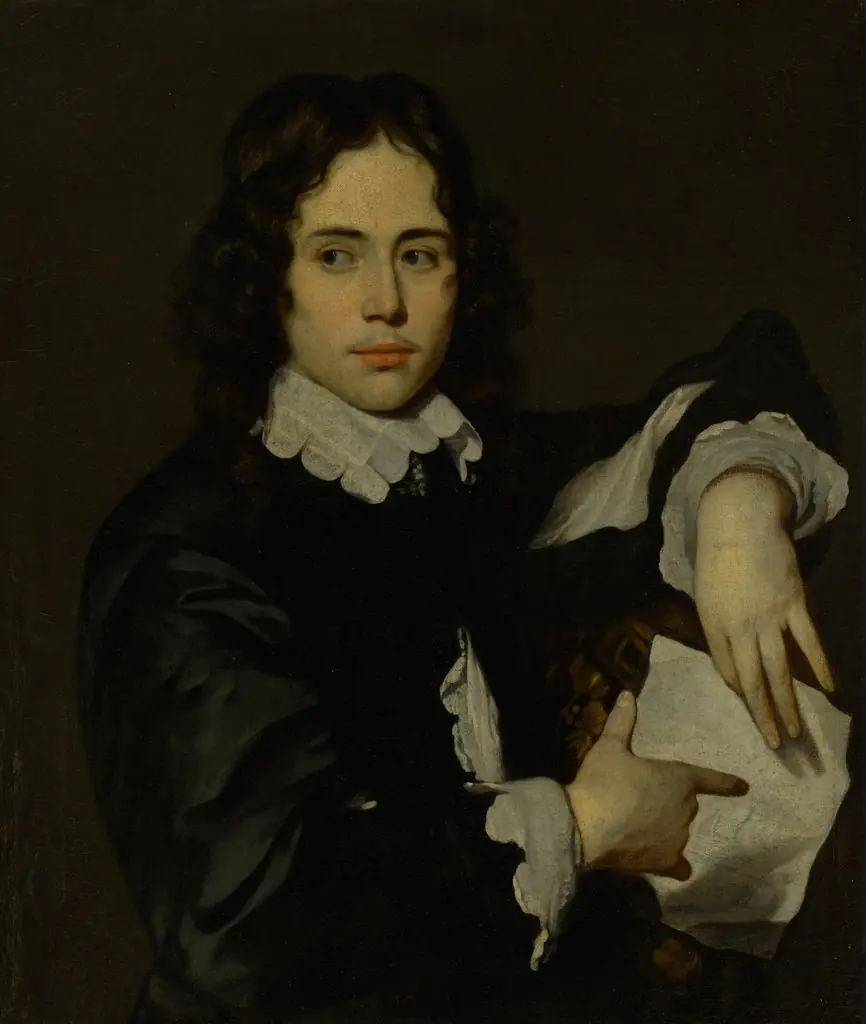 Portrait of a Young Man
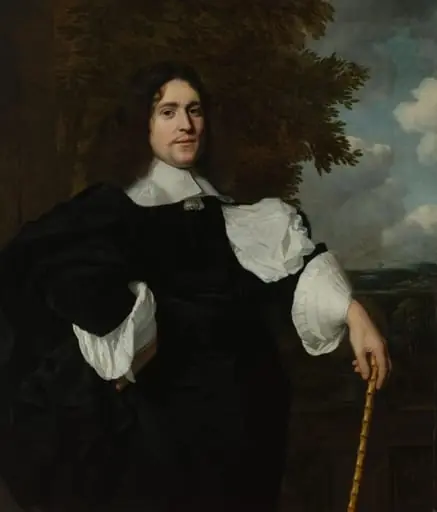 Jacobus Trip (1627-70), Armaments Dealer of Amsterdam and Dordrecht
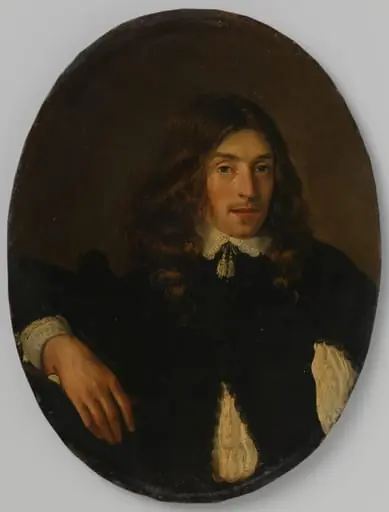 Portrait of a Young Man
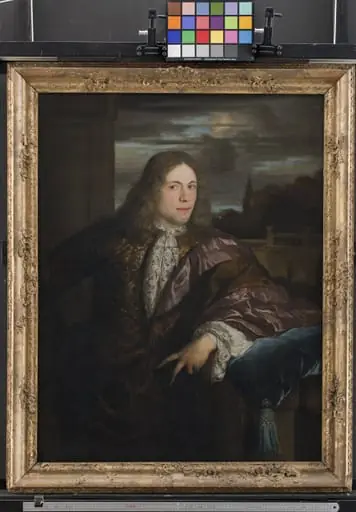 Portrait of a Young Gentleman
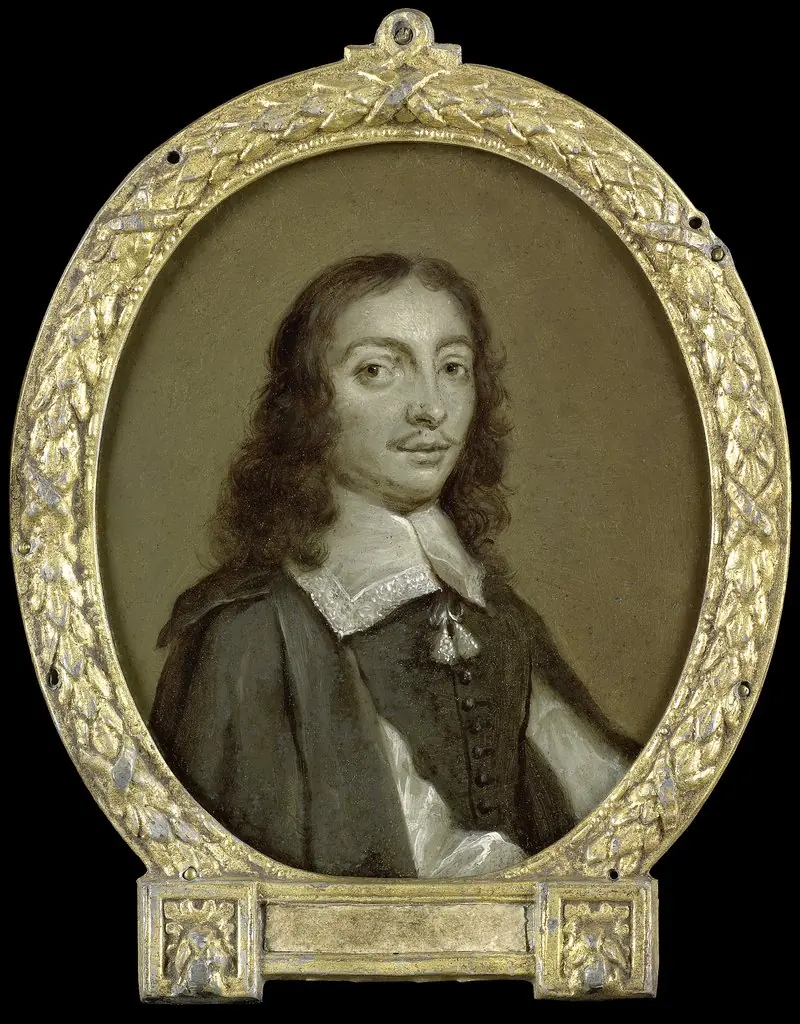 Portrait of Frans Godin, Poet in Brussels
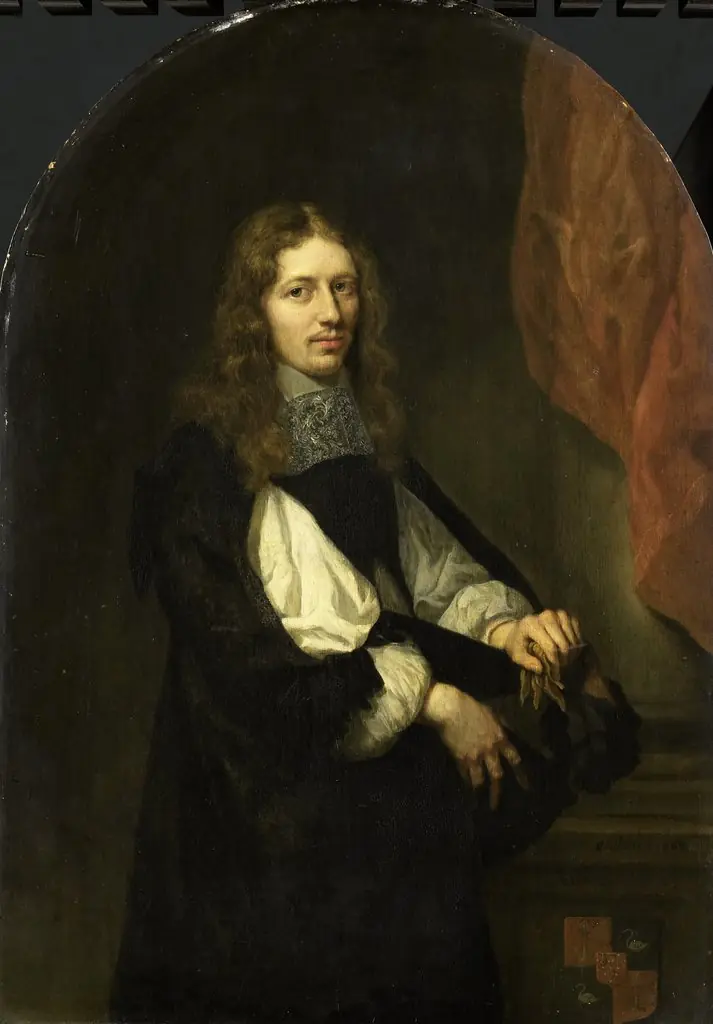 Portrait of Pieter de Graeff (1638-1707), lord of Zuid-Polsbroek, Purmerland, and Ilpendam. Alderman of Amsterdam
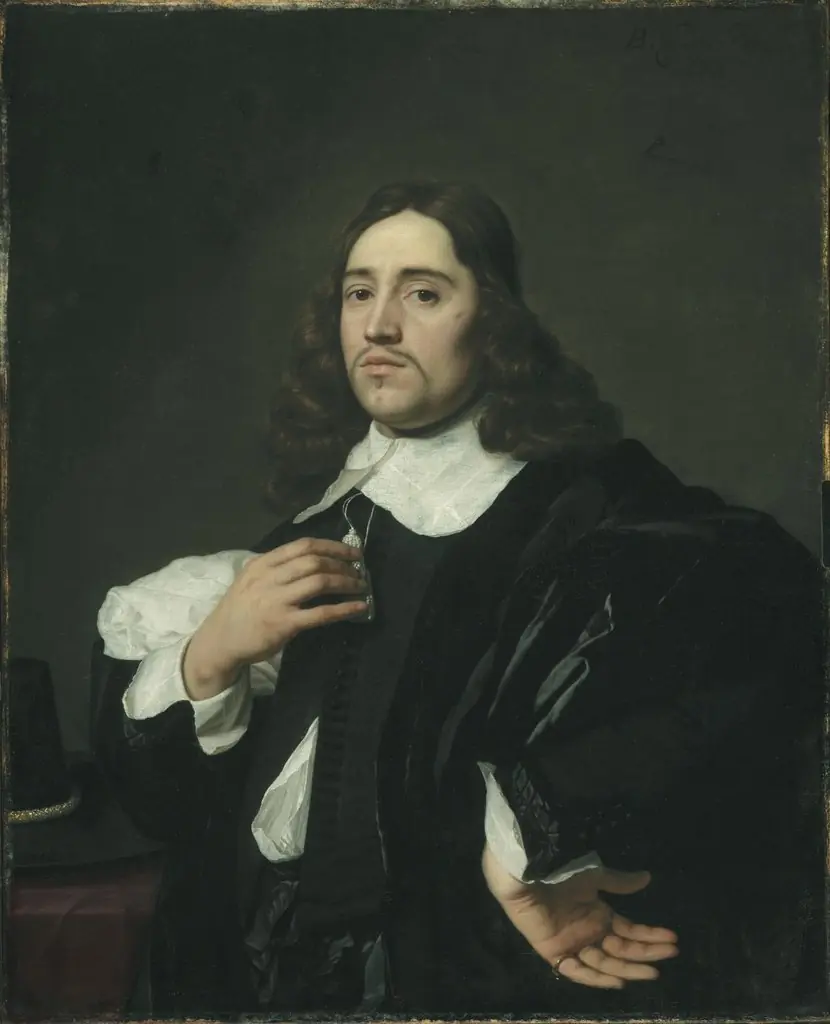 Portrait of a Gentleman (hand on hip)
 Portrait of Francesco de' Medici (1614-1634)
 Steffan Wolters