Artwork
St Catherine of Alexandria
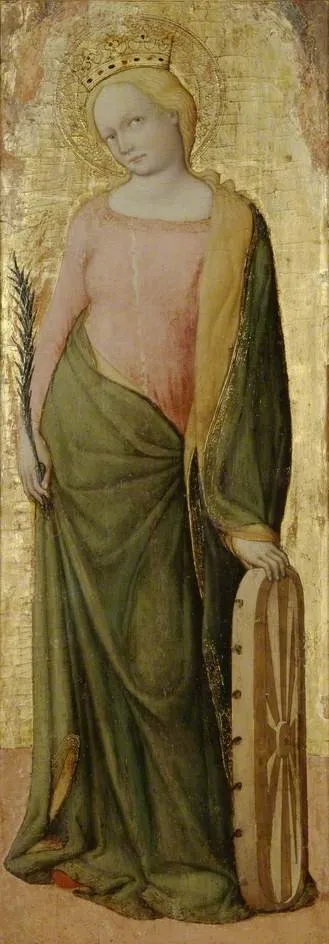
St Catherine of Alexandria is an unspecified painting by Francesco de' Franceschi. It dates from 1473 and is held in the collection of the Ashmolean Museum.
About this work
Overview
De' Franceschi, known for ecclesiastical commissions, worked within the Venetian artistic sphere, showing affinities with contemporaries like Michele Giambono.
Painted around 1473 by Francesco de' Franceschi, an Italian artist active in the mid-to-late 15th century, this work depicts Saint Catherine of Alexandria. De' Franceschi, known for ecclesiastical commissions, worked within the Venetian artistic sphere, showing affinities with contemporaries like Michele Giambono. The painting resides in the Ashmolean Museum, where it stands as a representative example of devotional art from the Italian Renaissance.
Subject & Meaning
The figure is Saint Catherine, a Christian martyr traditionally linked to intellectual virtue and divine endurance. Her attributes—the spiked wheel, symbolizing the instrument of her intended execution, and the palm frond, emblem of martyrdom—identify her within hagiographic convention. The crown signifies her royal lineage and spiritual sovereignty. The inclusion of the plant may allude to resurrection or the flourishing of faith amid persecution.
Technique & Style
De' Franceschi employs a flattened spatial composition typical of late Gothic traditions, with attention to decorative detail in the garments and halos. The palette favors rich, saturated hues—green, gold, and pink—applied with careful layering. While the background is uniformly gilded, the figure’s drapery suggests subtle modeling, hinting at emerging Renaissance interest in volume, though without full chiaroscuro development.
History & Provenance
The painting’s early history is undocumented, but its style and materials align with Venetian workshop practices of the 1470s. It entered the Ashmolean Museum’s collection in the 19th century, likely through a private donation or acquisition. Its preservation reflects its status as a well-crafted devotional object, though it was never widely reproduced or cited in major treatises of the period.
Context
During the 1470s, depictions of Saint Catherine were common in northern Italian altarpieces, particularly in regions with strong Dominican or Augustinian influence. Her cult emphasized learning and steadfast faith, appealing to educated patrons. De' Franceschi’s version reflects a transitional phase between Gothic iconography and early Renaissance naturalism, shaped by local Venetian aesthetics rather than Florentine innovations.
Legacy
Though not among the most celebrated works of its era, the painting contributes to understanding regional variations in Renaissance religious art. It illustrates how smaller workshops sustained traditional iconography while absorbing subtle stylistic shifts. Its continued presence in a major museum underscores its value as a document of devotional practice and artisanal skill in 15th-century Italy.
Artist & collection
Artist
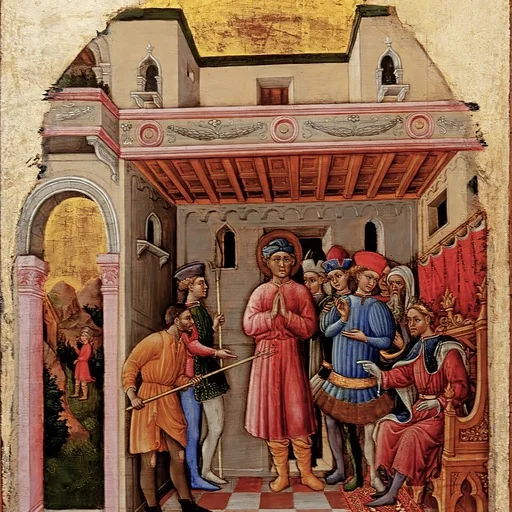
Francesco de' Franceschi (fl. 1443 – 1468) was an Italian Renaissance painter. His exact dates of birth and death are not known. Not much is known about Francesco de' Franceschi's except through his works. He primarily…

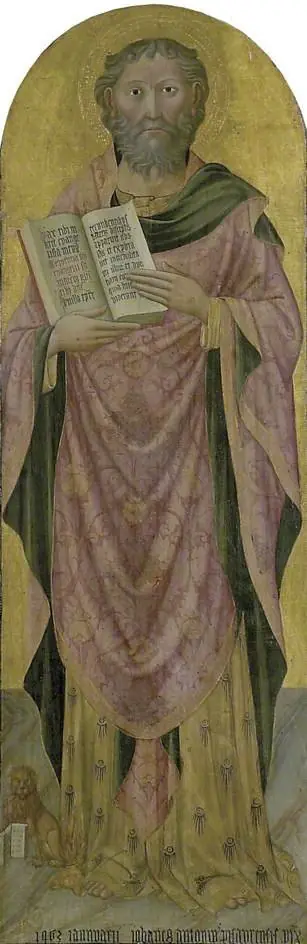 St Mark
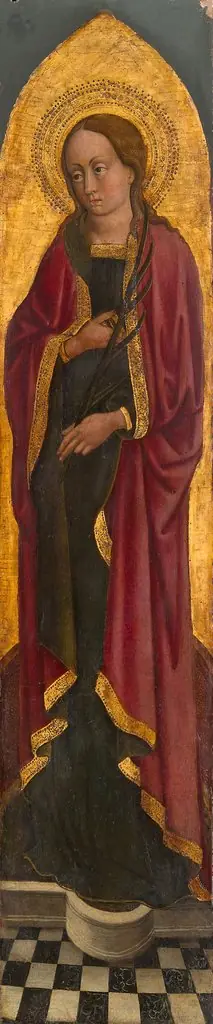 Saint Giustina of Padua from an Augustinian altarpiece
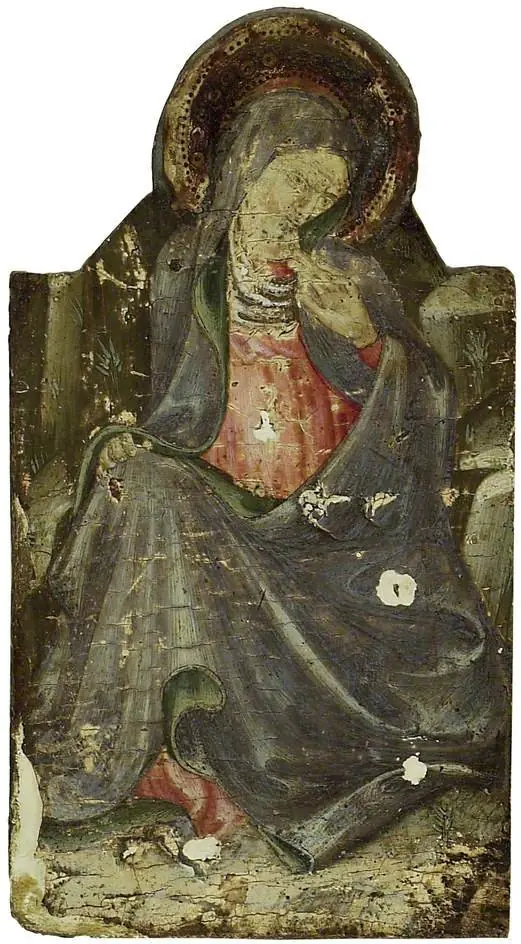 The Virgin
 Saint Peter
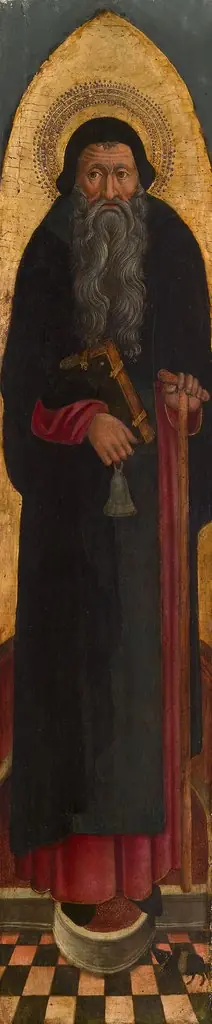 Saint Anthony Abbot from an Augustinian altarpiece
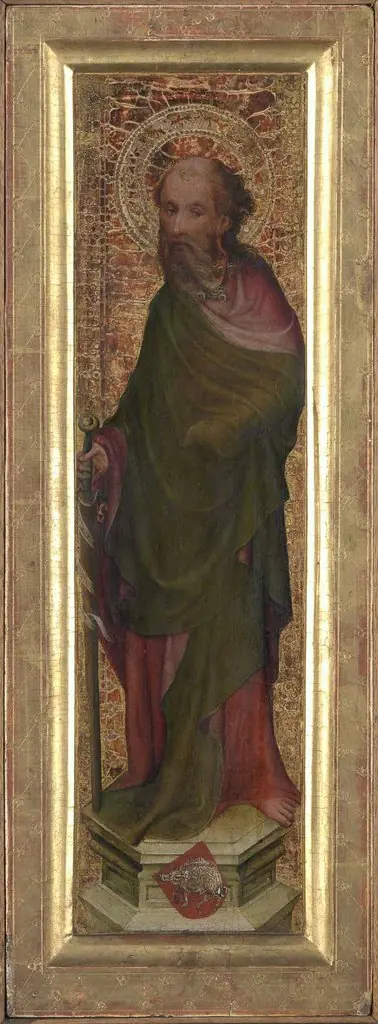 Hl. Paulus Rückseite: Hl. Reinoldus
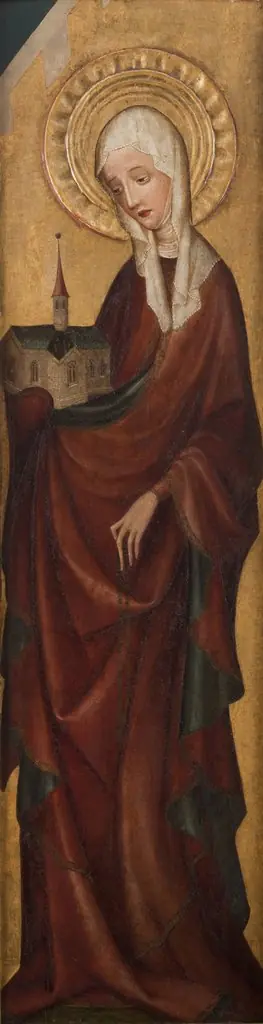 St Hedwig of Silesia. The wing from the altar retable from Trzebunia
 St Peter.
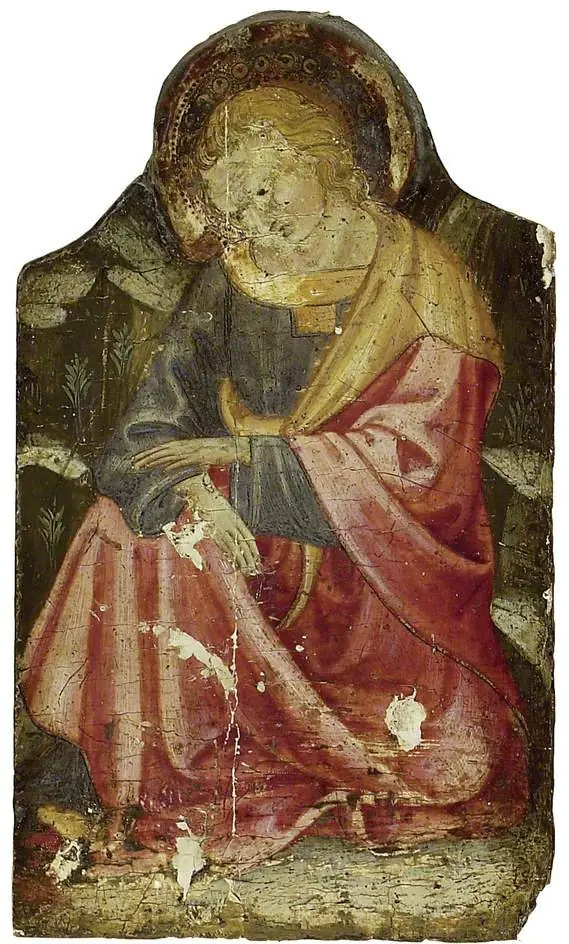 St John the Evangelist
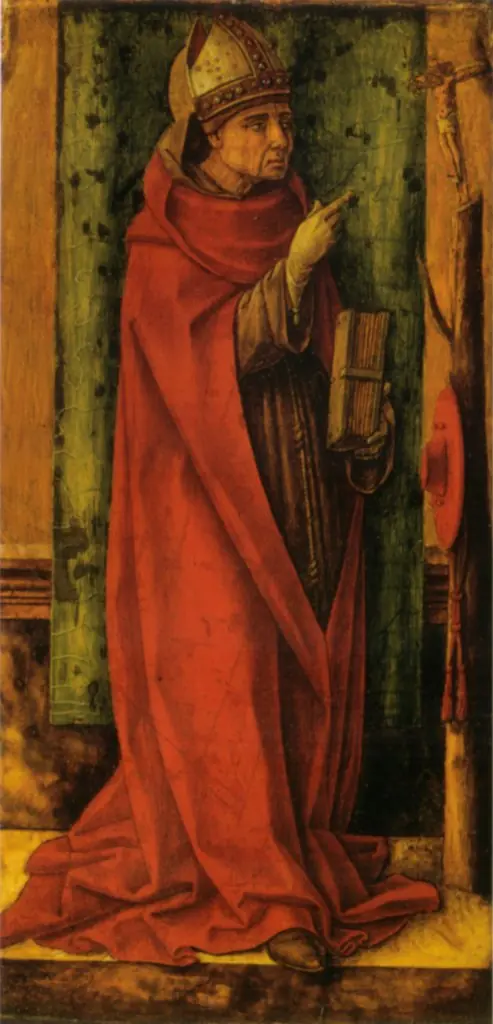 Bonaventure
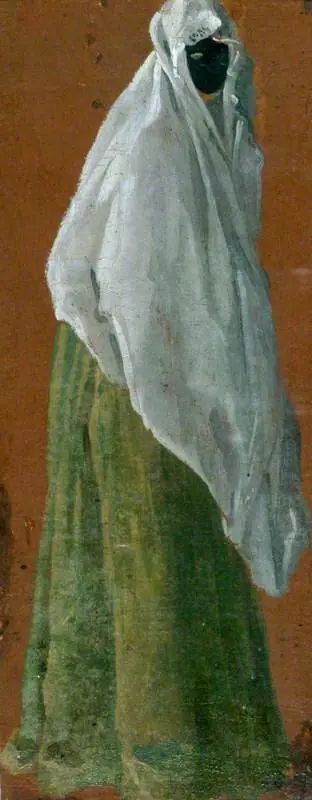 A Masked Lady
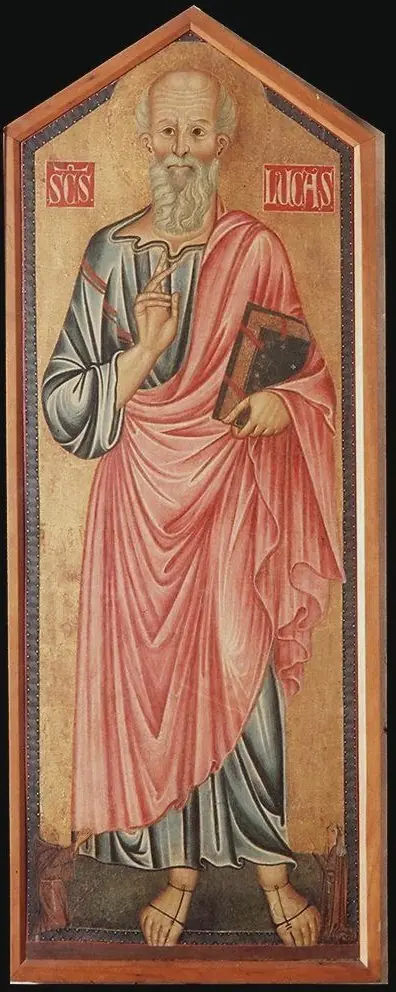 Saint Luke