Artwork
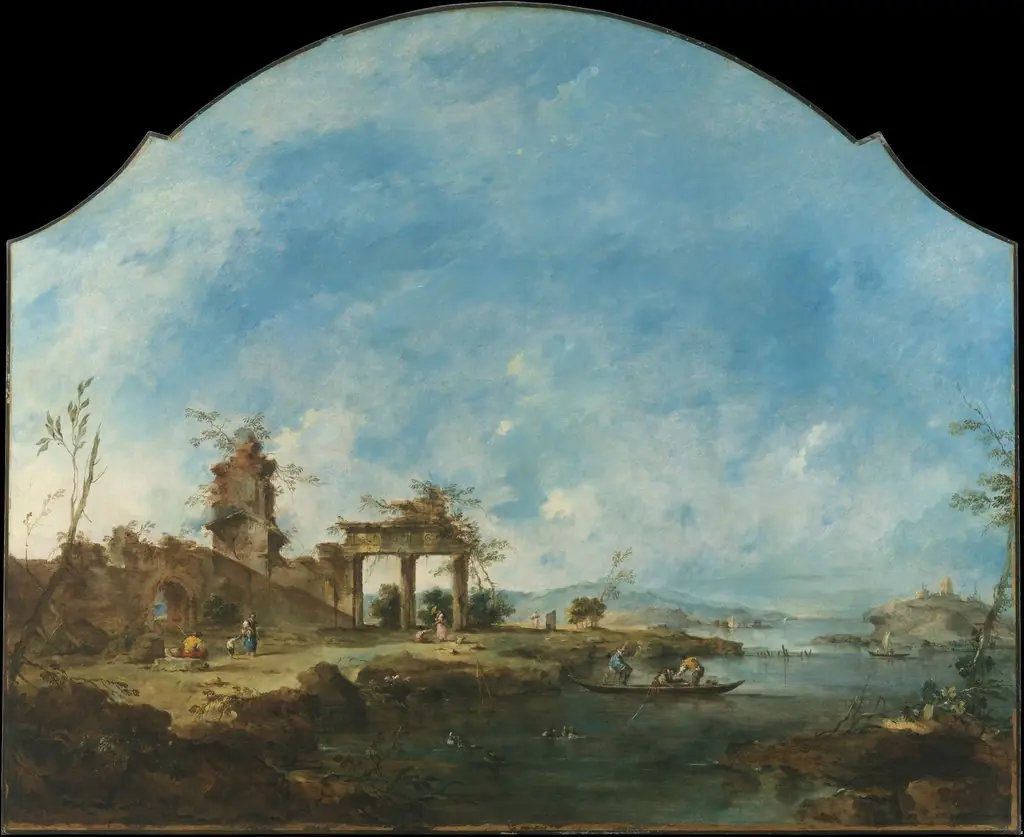
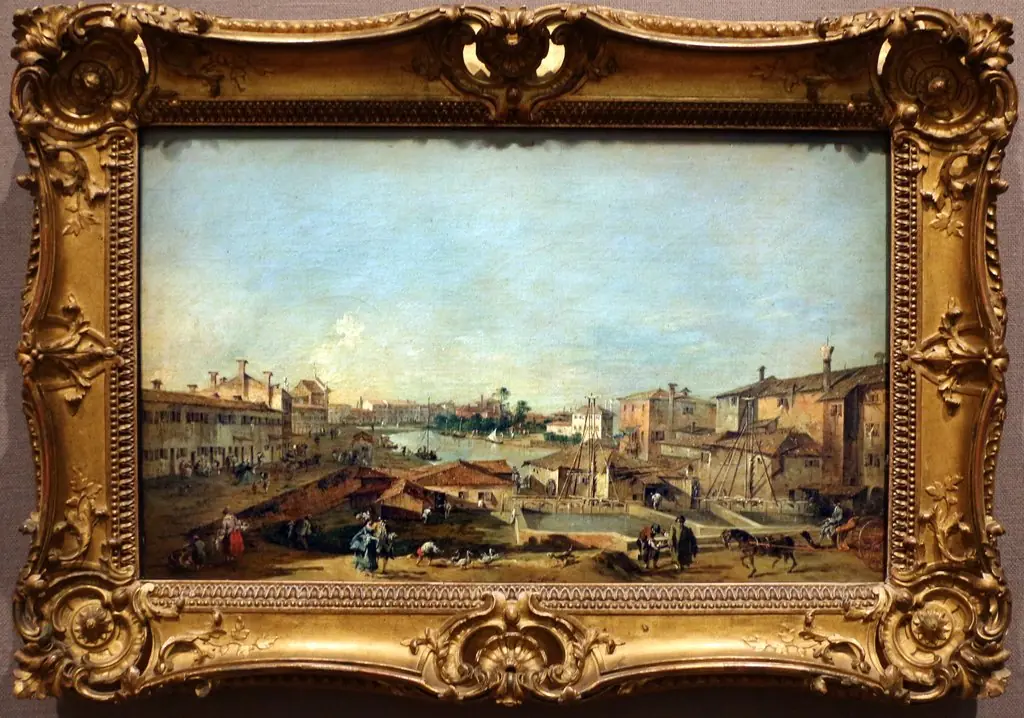
The lock at Dolo on the Brenta: Capriccio
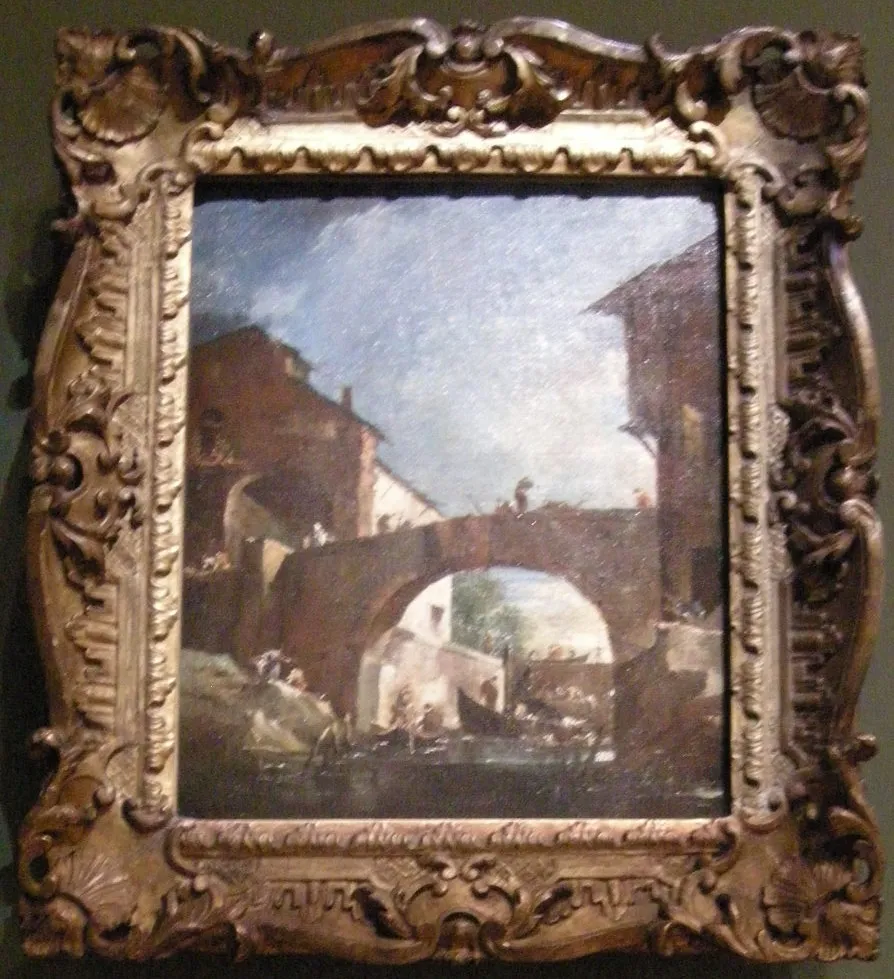
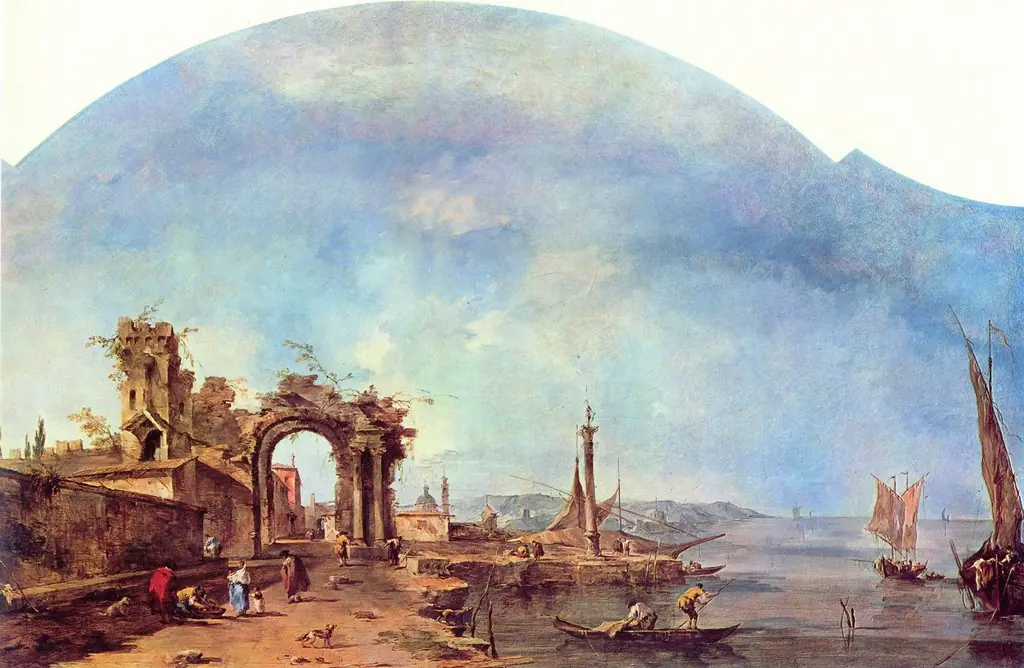
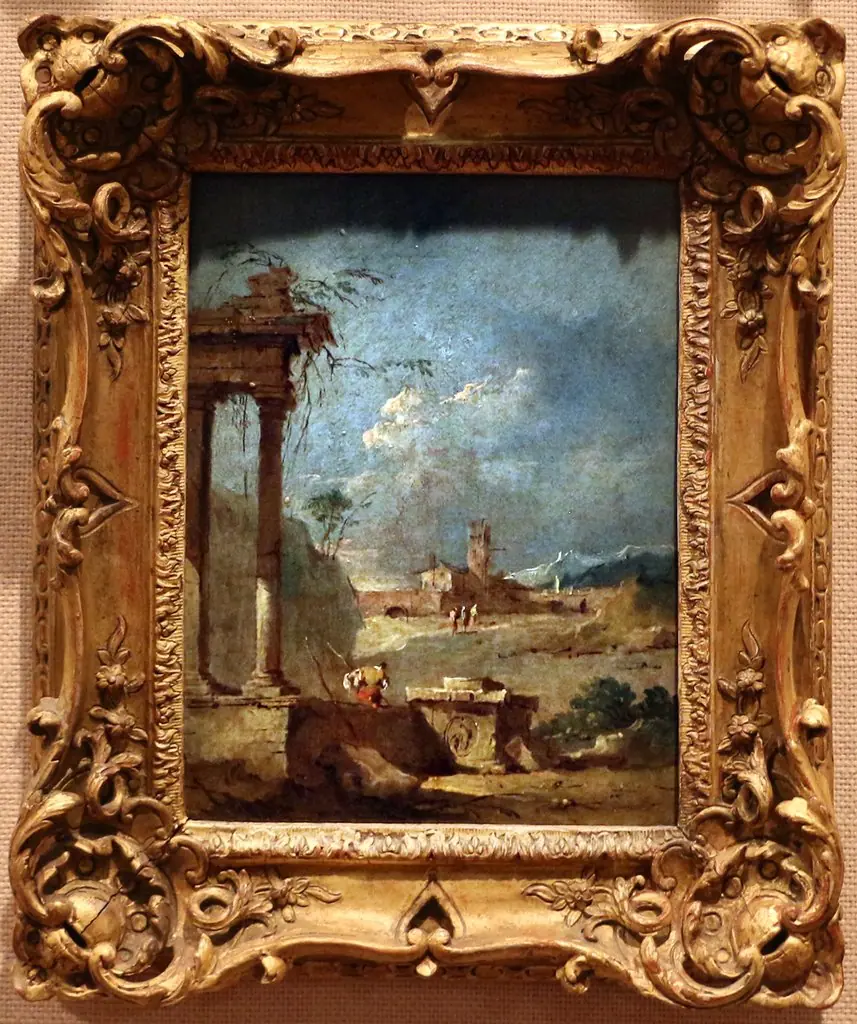
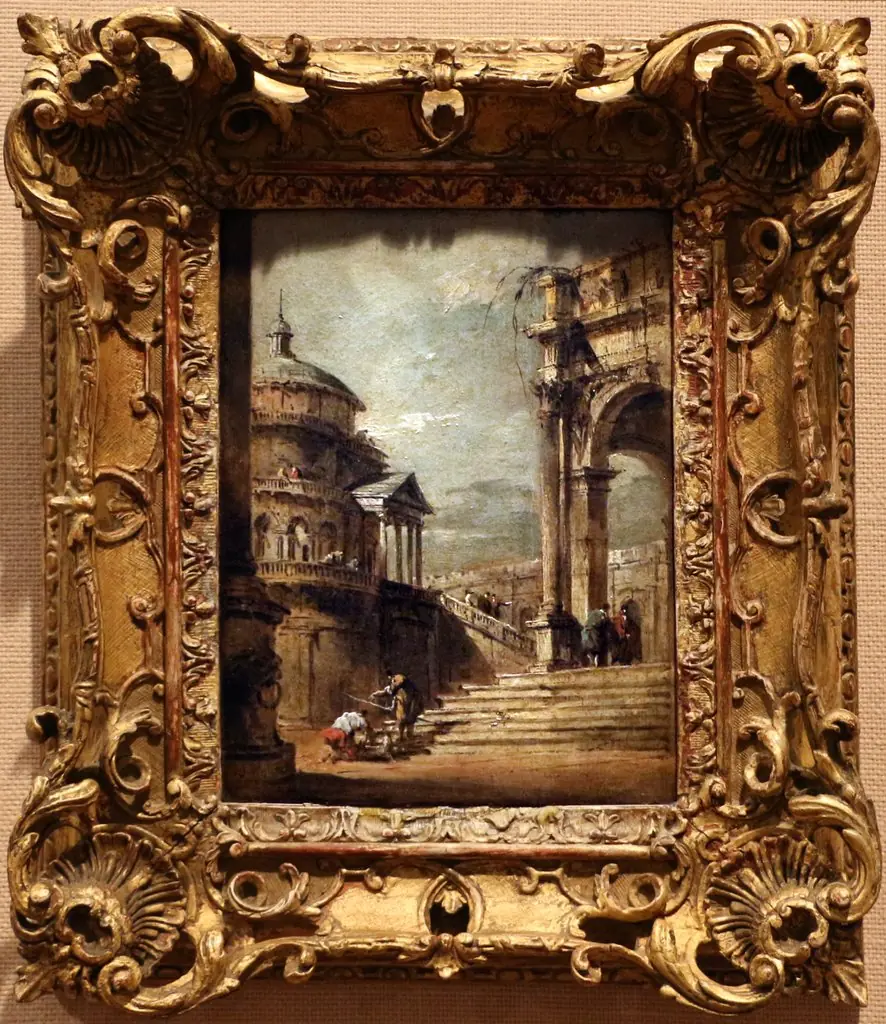
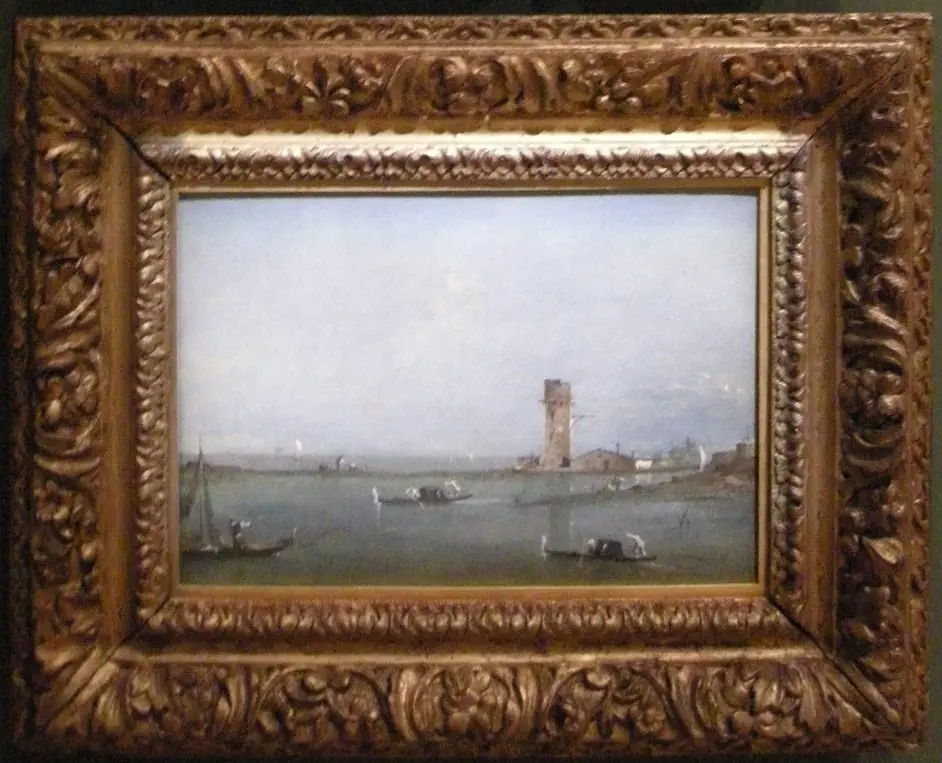
The lock at Dolo on the Brenta: Capriccio is an oil painting by Francesco Guardi. It dates from 1790 and is held in the collection of the National Gallery of Victoria.
About this work
The painting is titled The lock at Dolo on the Brenta: Capriccio.
It was created by Francesco Guardi in 1780.
The artist was Italian and worked with oil paint, which was a common medium at the time.
This fact is interesting because oil paint allowed for rich colors and details.
You can learn more about the artist's style and techniques at the National Gallery of Victoria.
Overview
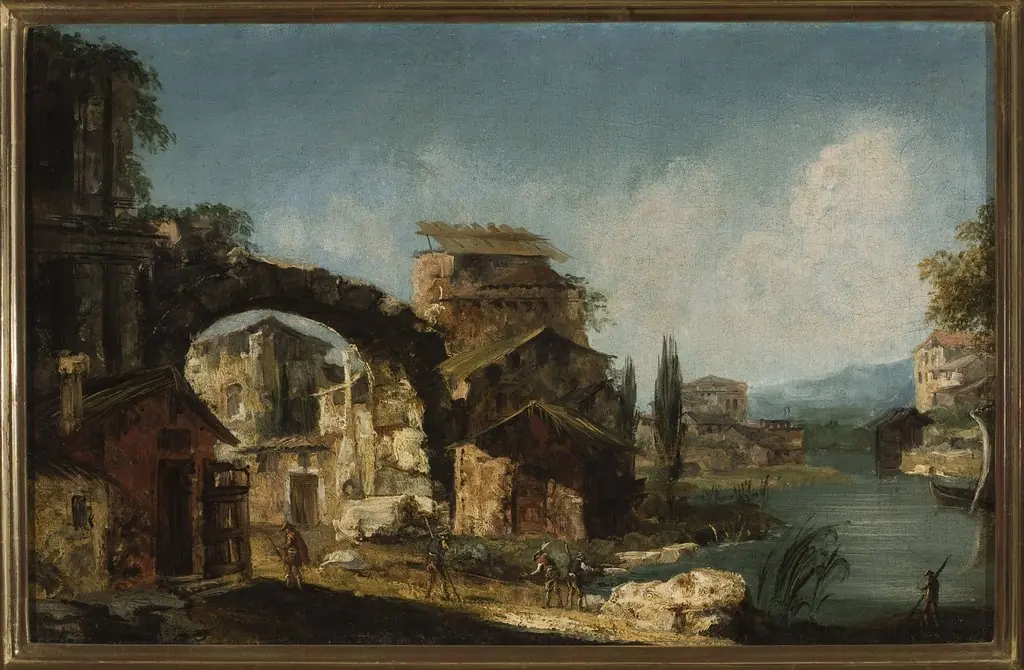
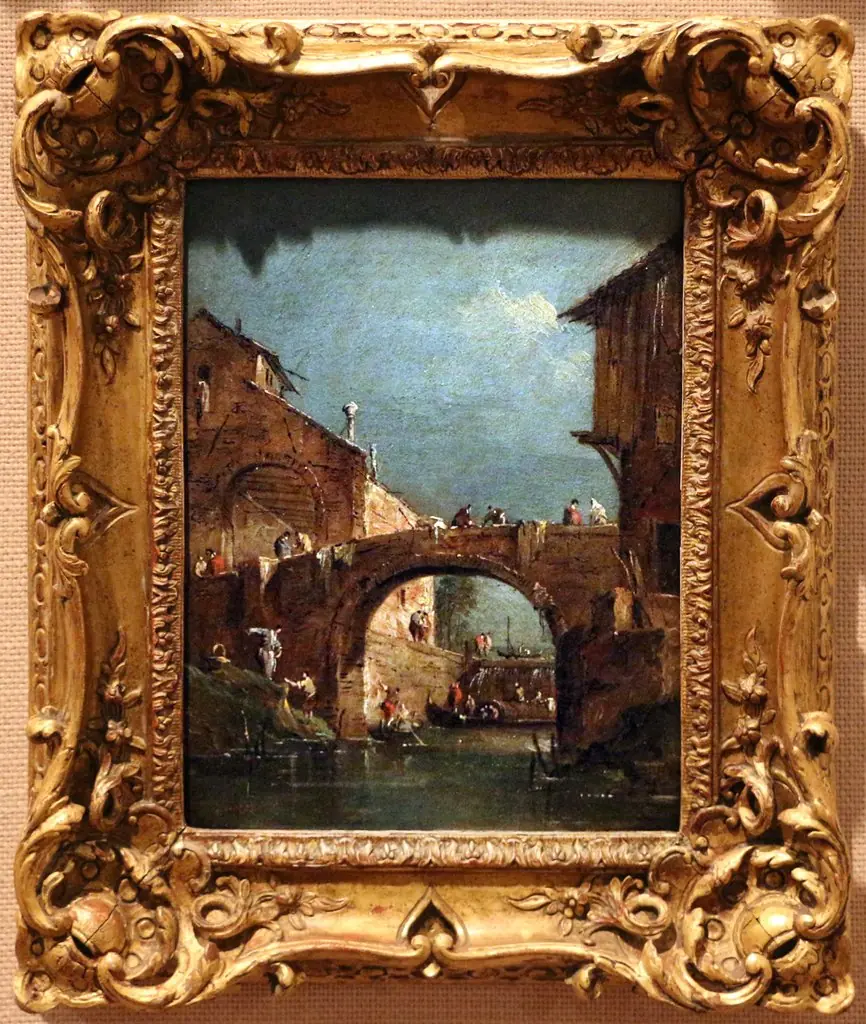
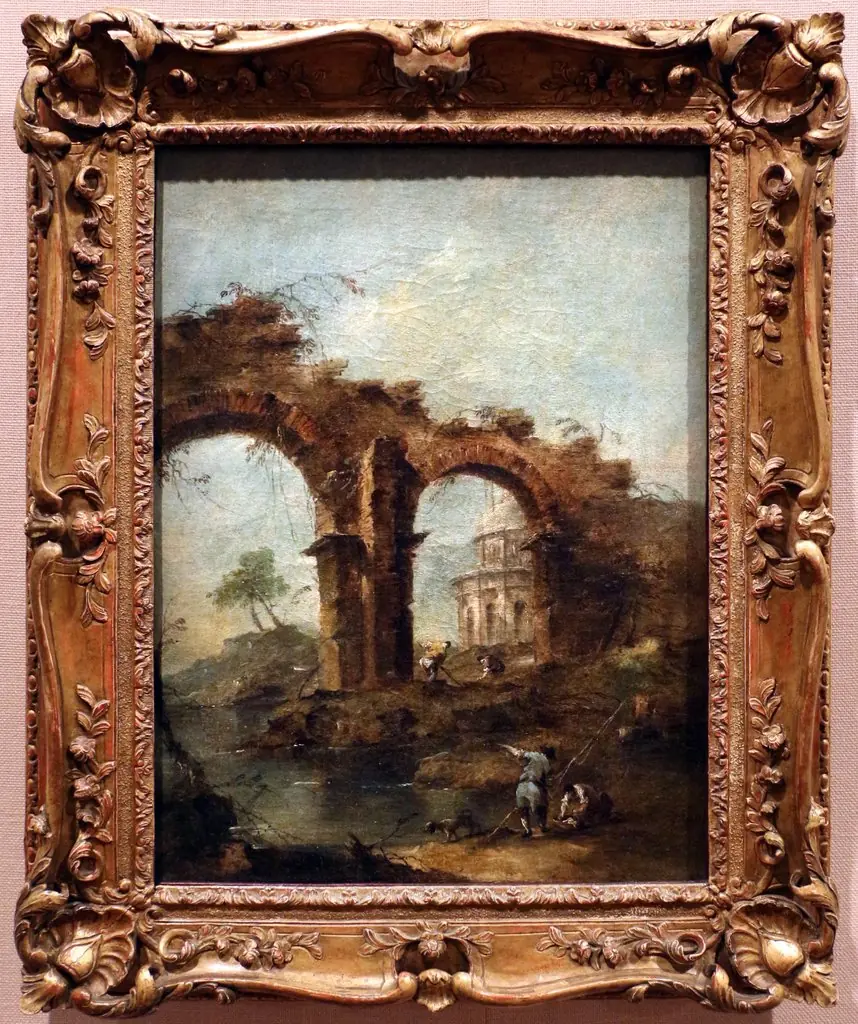
This work exemplifies his mature style, blending observed architecture with imaginative elements, characteristic of the capriccio tradition.
Francesco Guardi, an 18th-century Venetian artist, painted *The Lock at Dolo on the Brenta: Capriccio* around 1780 in oil on canvas. Though trained in religious subjects alongside his brother, he turned to landscape and urban views after the 1760s. This work exemplifies his mature style, blending observed architecture with imaginative elements, characteristic of the capriccio tradition. The painting resides in the National Gallery of Victoria’s collection.
Subject & Meaning
The scene depicts a lock on the Brenta River near Dolo, a key transit point for goods and travelers between Venice and the mainland. Guardi does not render it strictly topographically; instead, he reimagines the setting with altered perspectives and added figures, blending reality with invention. The capriccio format allowed him to evoke the atmosphere of Venetian waterways without strict documentary accuracy.
Technique & Style
Guardi’s brushwork is loose and atmospheric, contrasting with the precise lines of earlier vedutisti like Canaletto. He used thin, layered oil paint to suggest light and movement, with dabs and strokes conveying texture rather than detail. The sky and water are rendered with fluid washes, while architectural elements are suggested rather than meticulously defined, emphasizing mood over precision.
History & Provenance
Painted in the final decade of Guardi’s life, this work reflects his late-period experimentation with light and composition. It entered the National Gallery of Victoria’s collection in the 20th century, likely through a private acquisition or donation. Its presence in Melbourne underscores the global reach of Venetian art from this era, though its specific provenance before the 1900s remains undocumented in public records.
Context
In late 18th-century Venice, tourism and trade along the Brenta Canal were central to the city’s economy. Artists like Guardi catered to visitors seeking evocative images of the region, even as Venice’s political power waned. Capriccios offered romanticized alternatives to strict topography, appealing to collectors who valued emotional resonance over factual accuracy in their souvenirs.
Legacy
Guardi’s expressive approach influenced later generations of landscape painters who prioritized atmosphere over detail. His capriccios, including this one, helped redefine veduta as a vehicle for personal vision rather than mere record. Though less celebrated in his time than Canaletto, his work is now recognized for its poetic sensitivity and contribution to the evolution of modern painting.
Artist & collection
Artist
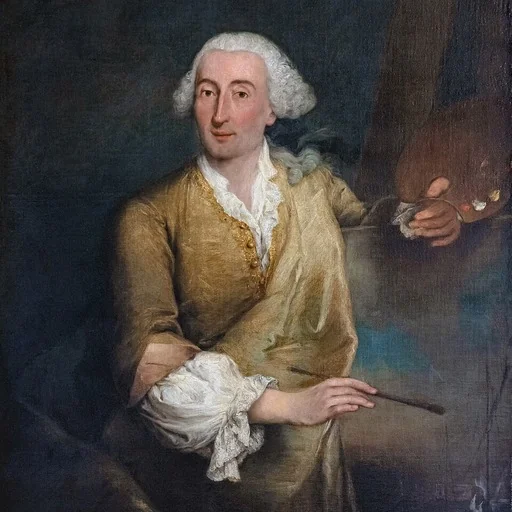
Francesco Lazzaro Guardi (Italian pronunciation: ; 5 October 1712 – 1 January 1793) was an Italian painter, nobleman, and a member of the Venetian School.