Artwork
The Mortification
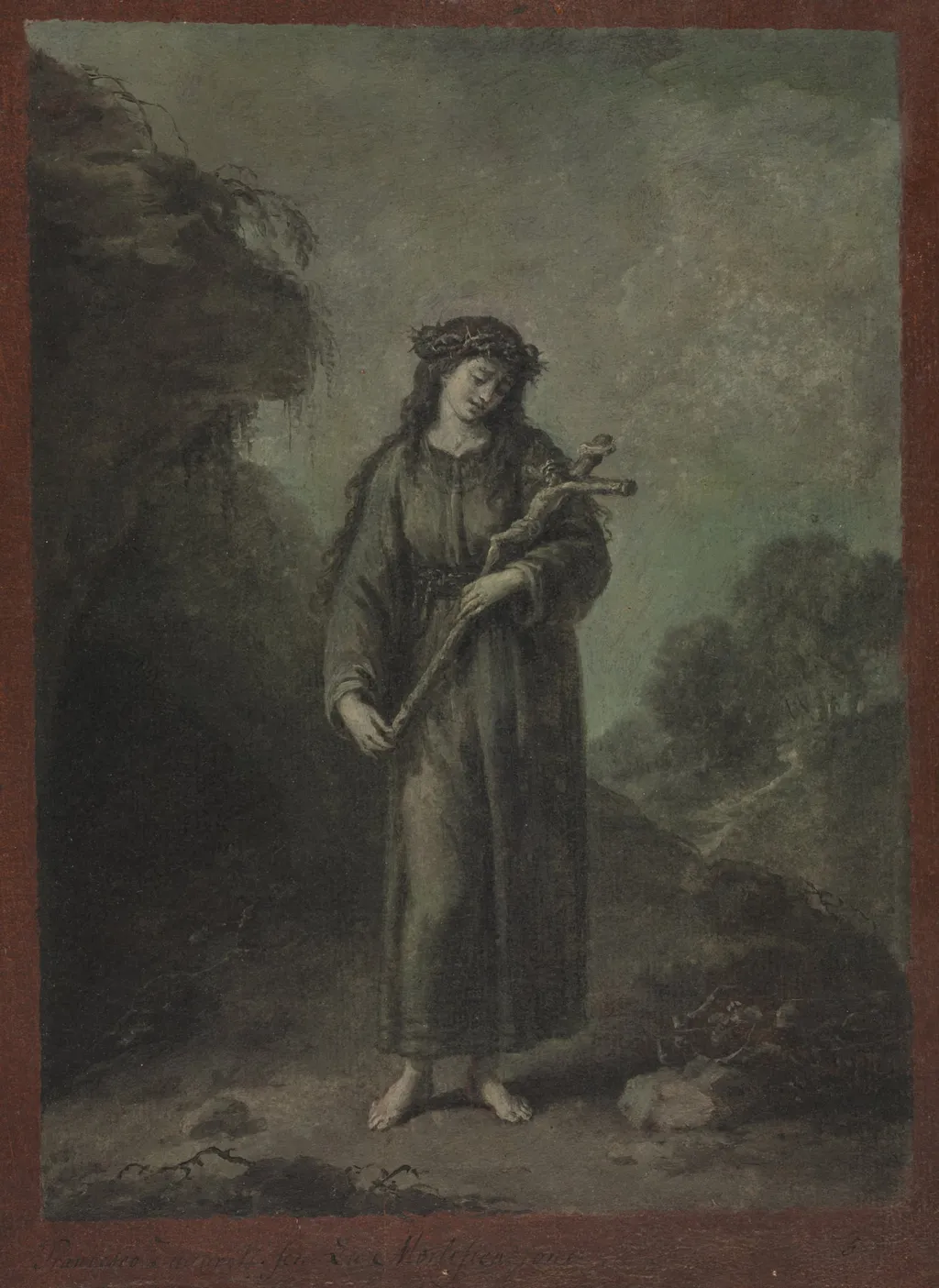
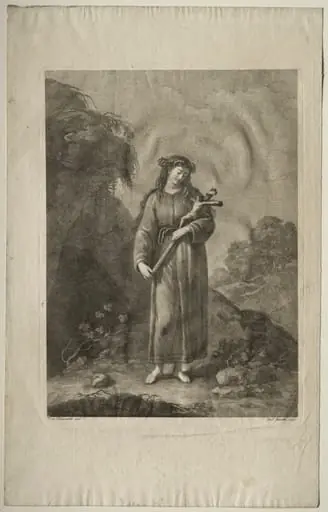
The Mortification is a drawing by the Romanticist artist Francesco Zuccarelli. It dates from 1763 and is held in the collection of the Cleveland Museum of Art.
About this work
Overview
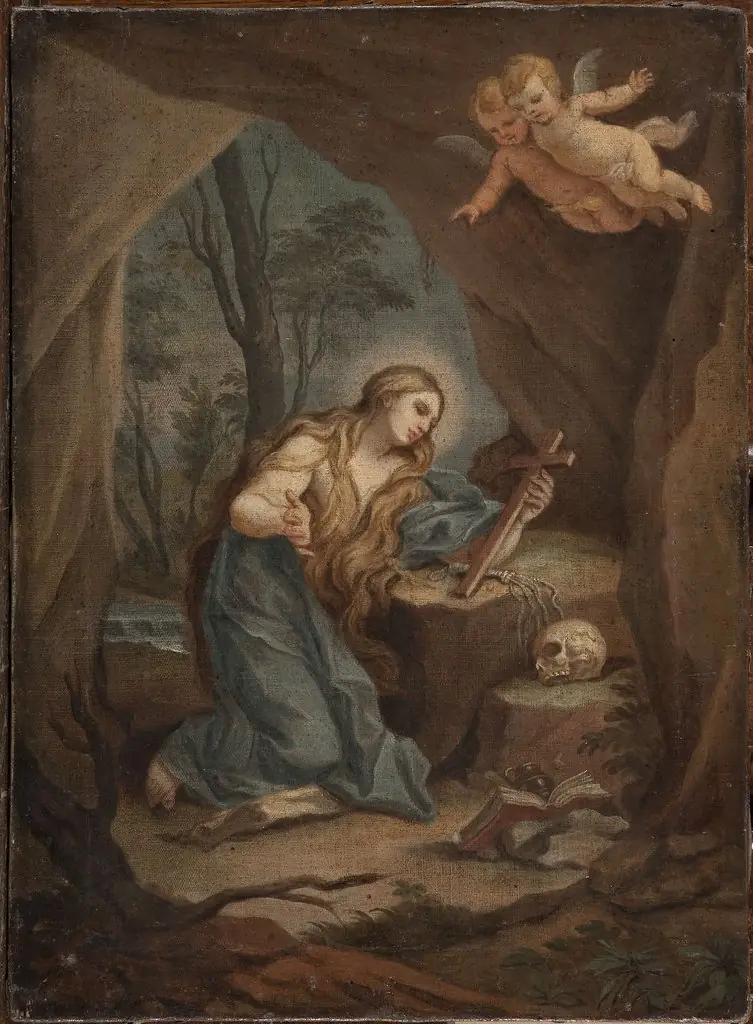
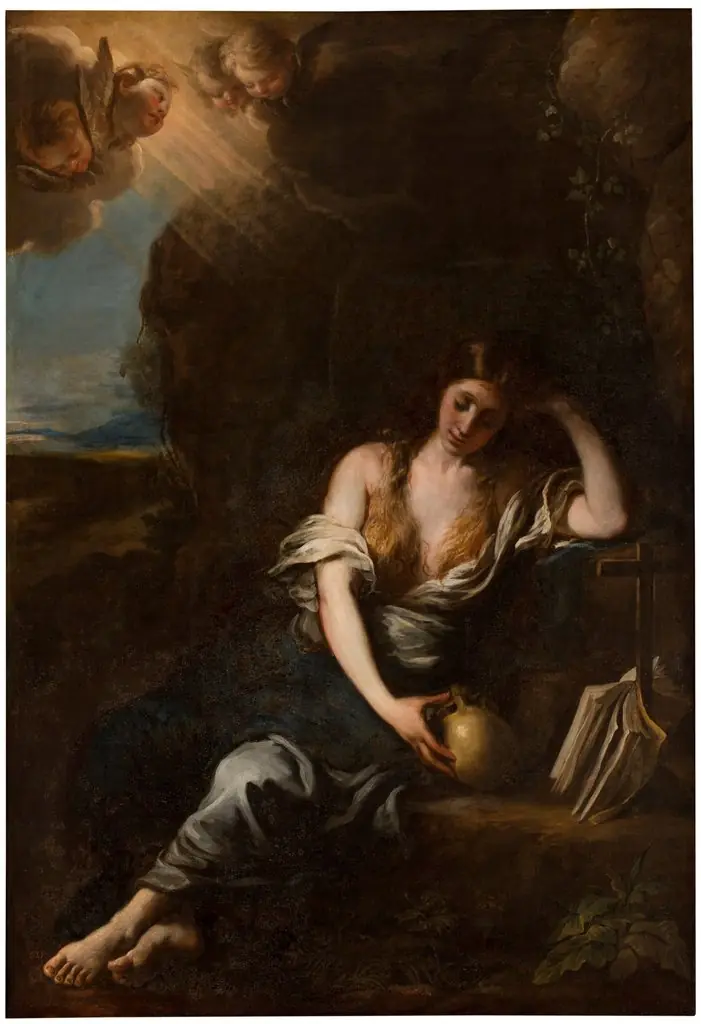
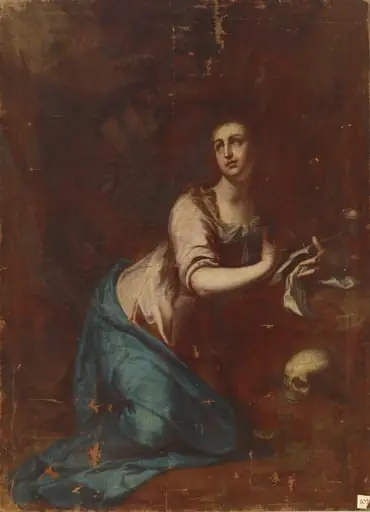
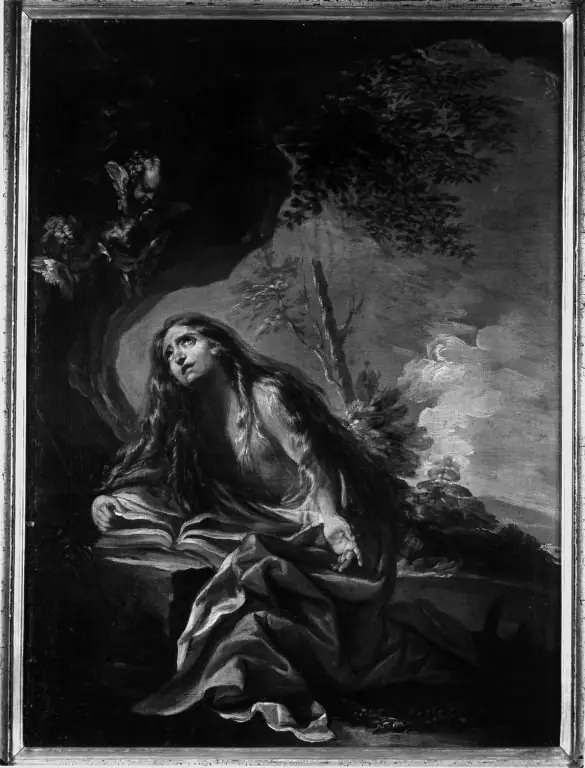
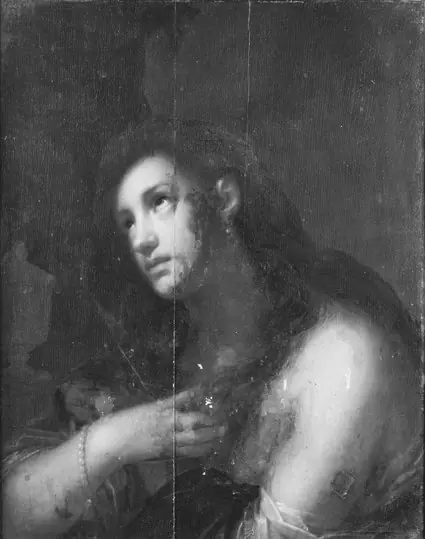
The Mortification, a drawing by Francesco Zuccarelli, dates to 1763. While the artist is renowned for landscapes, this work diverges with a solitary, contemplative figure, reflecting a somber, introspective theme.
Subject & Meaning
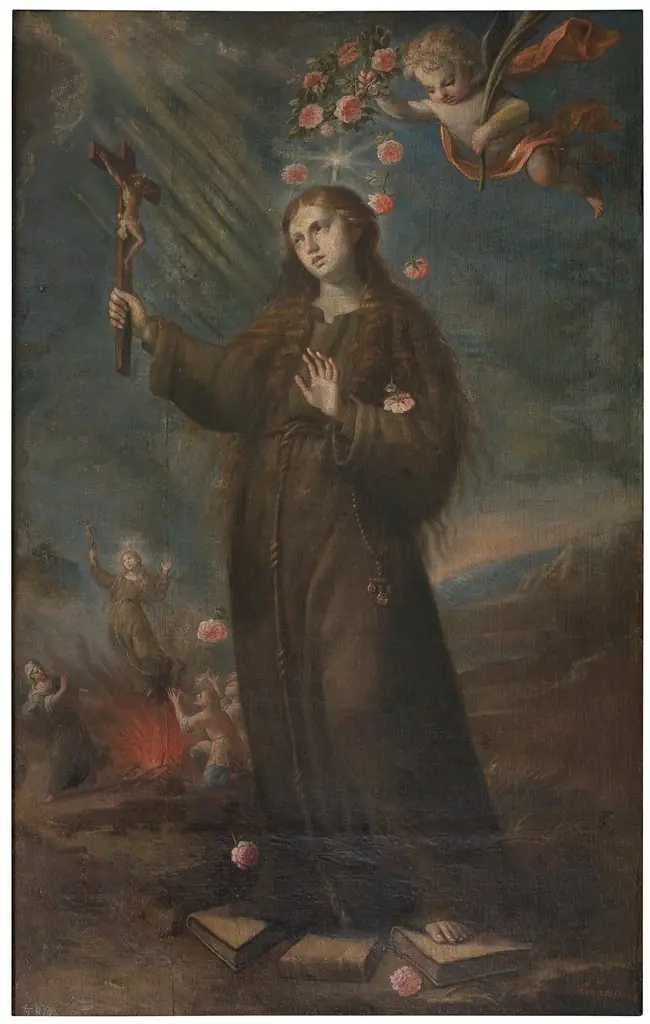
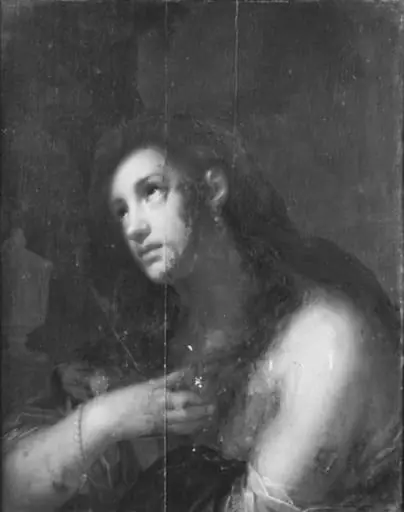
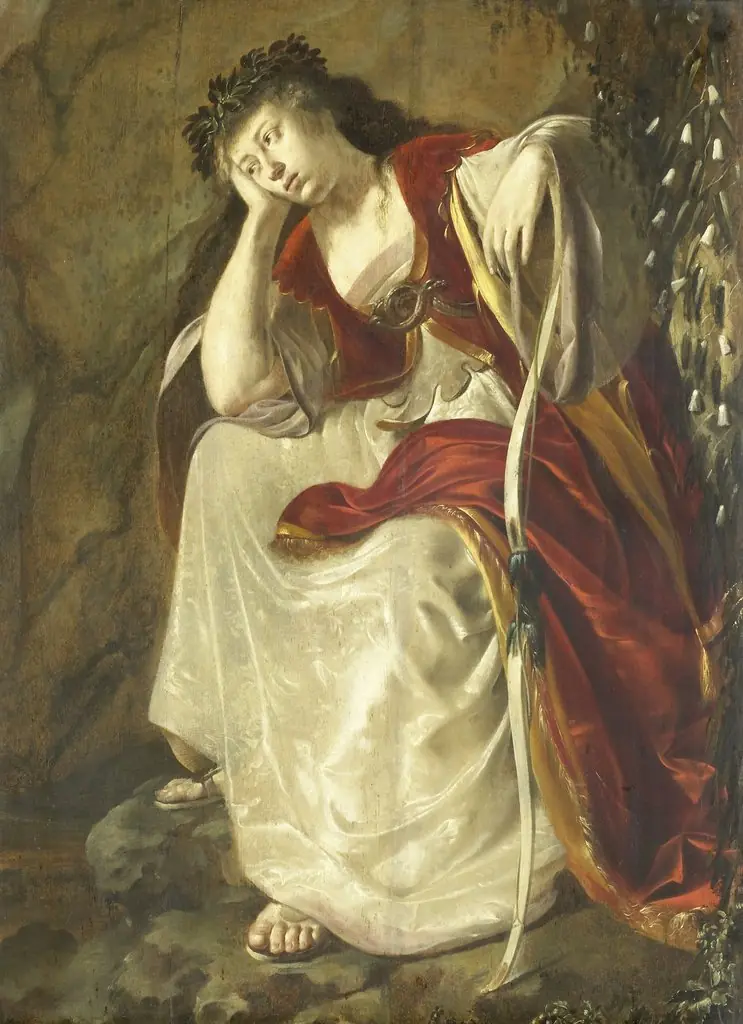
A lone figure, clad in a dark robe and crowned with thorns, holds a cross-shaped object in a serene, outdoor setting. The pose and bare feet convey quiet suffering, suggesting a devotional or penitential subject.
Technique & Style
Soft lighting and muted, greenish hues dominate the composition, creating a dreamy, serious atmosphere. The style, while rooted in Zuccarelli's late Baroque/Rococo background, anticipates elements of Romanticism with its emphasis on emotional introspection.
History & Provenance
Created in 1763 by Francesco Zuccarelli, an Italian artist prominent in Venice and later popular in England. The work is currently part of the Cleveland Museum of Art's collection.
Context
Though Zuccarelli was primarily a landscape artist, The Mortification reflects a broader 18th-century interest in expressive, emotionally charged subjects. Its themes and style bridge late Baroque sensibilities with burgeoning Romantic ideals.
Legacy
The Mortification is notable for its early exploration of introspective, emotionally intense themes that would become hallmarks of Romanticism. It showcases Zuccarelli's versatility beyond landscape painting.
Artist & collection
Artist
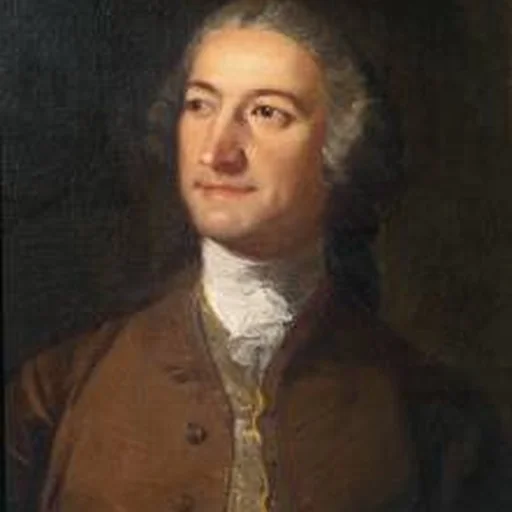
Giacomo Francesco Zuccarelli (commonly known as Francesco Zuccarelli, Italian pronunciation: ; 15 August 1702 – 30 December 1788) was an Italian artist of the late Baroque or Rococo period.

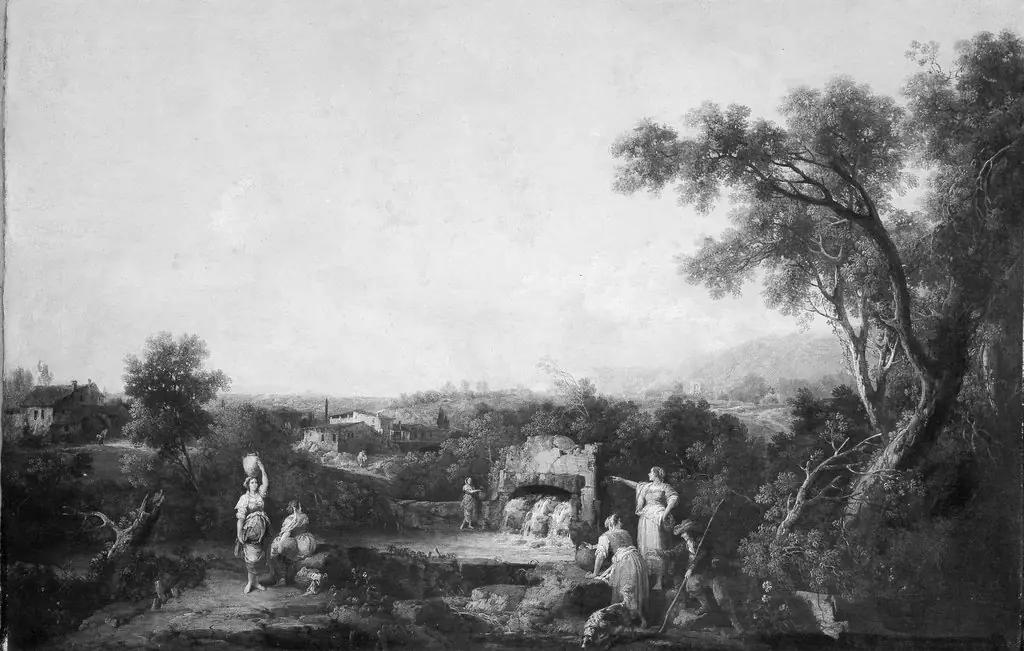 Landscape with Peasants at a Fountain
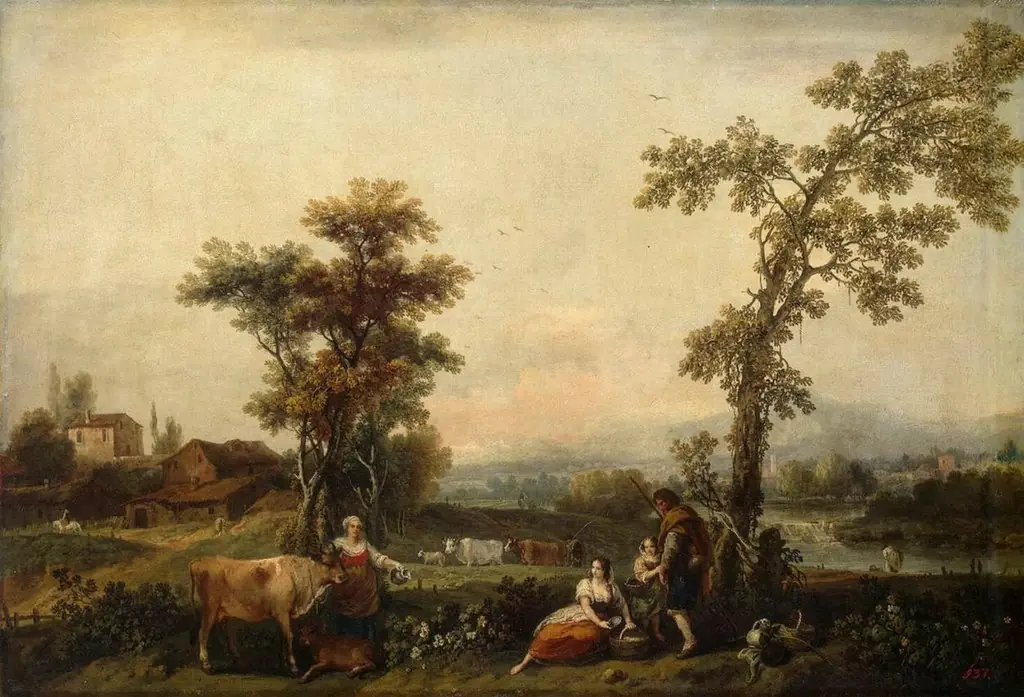 Landscape with a Woman Leading a Cow
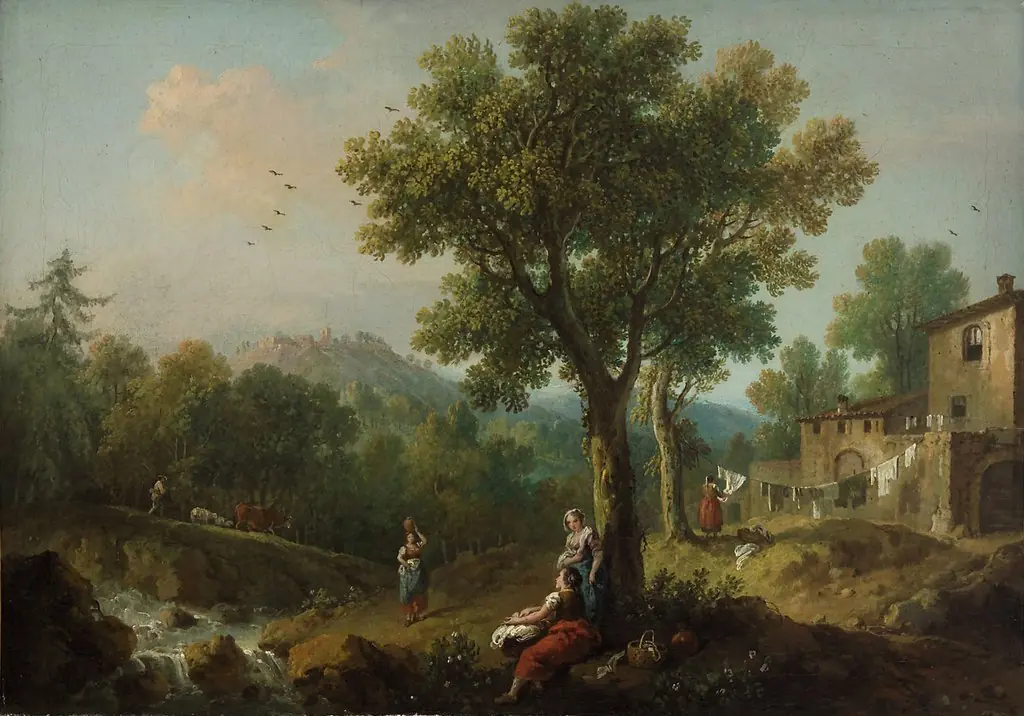 Landschaft mit Wäscherinnen
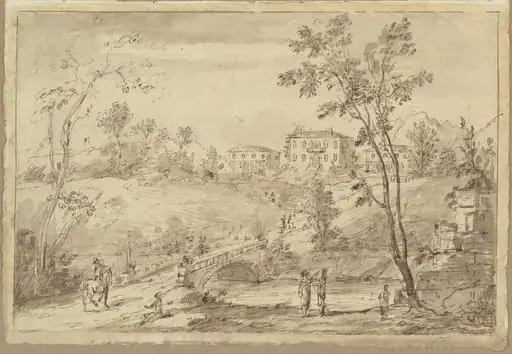 Landscape with a Bridge
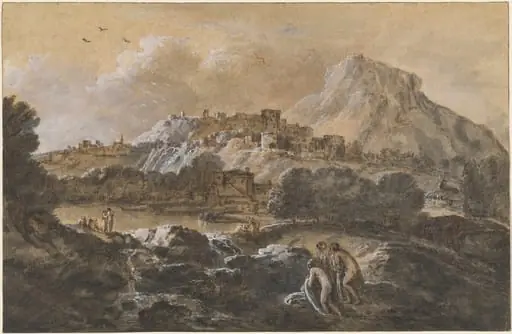 Mountainous River Landscape with Bathers
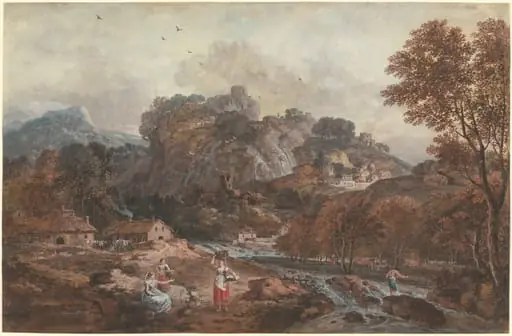 Mountain Landscape with Washerwomen and a Fisherman
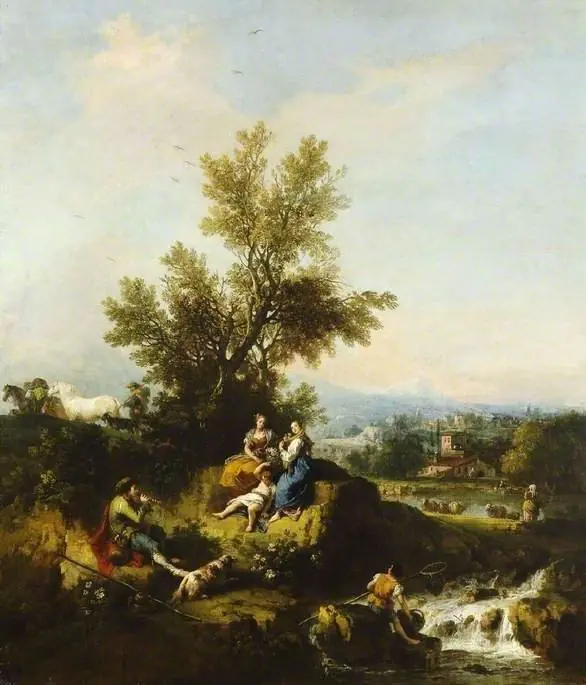 Italianate wooded river landscape with a piping shepherd, two women and a child
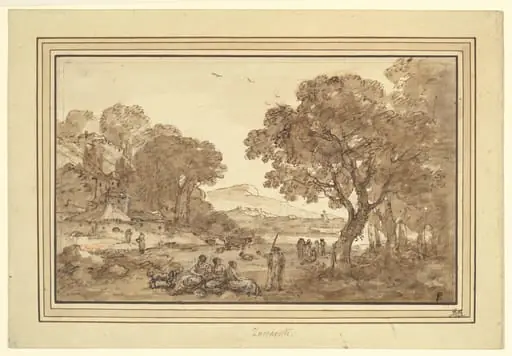 Landscape with Shepherds