Artwork
Vrouwenfiguur, misschien Erminia uit Torquato Tasso, La Gerusalemme Liberata
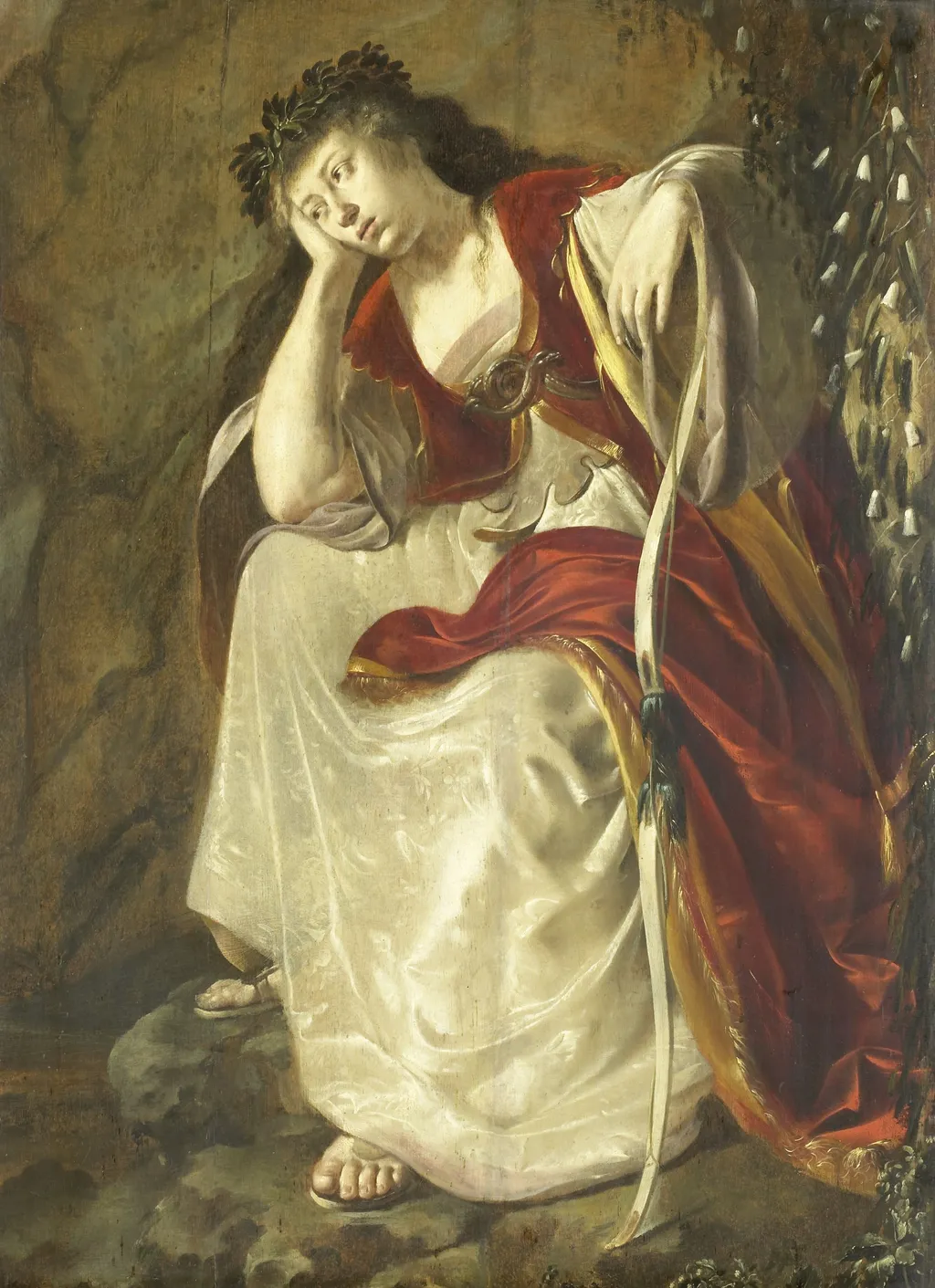
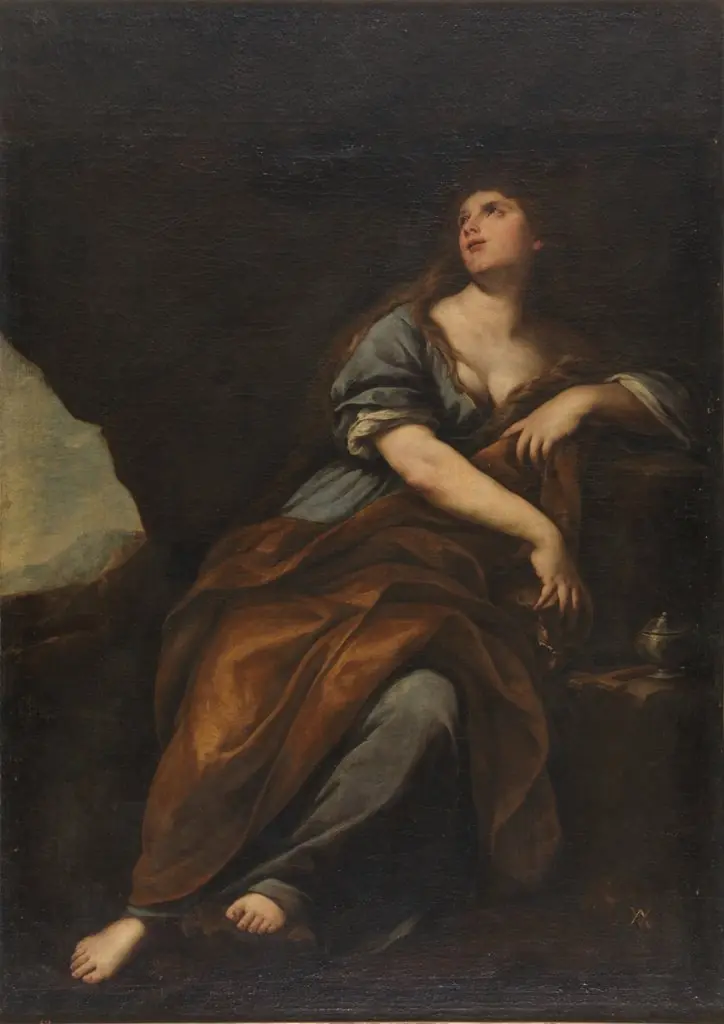
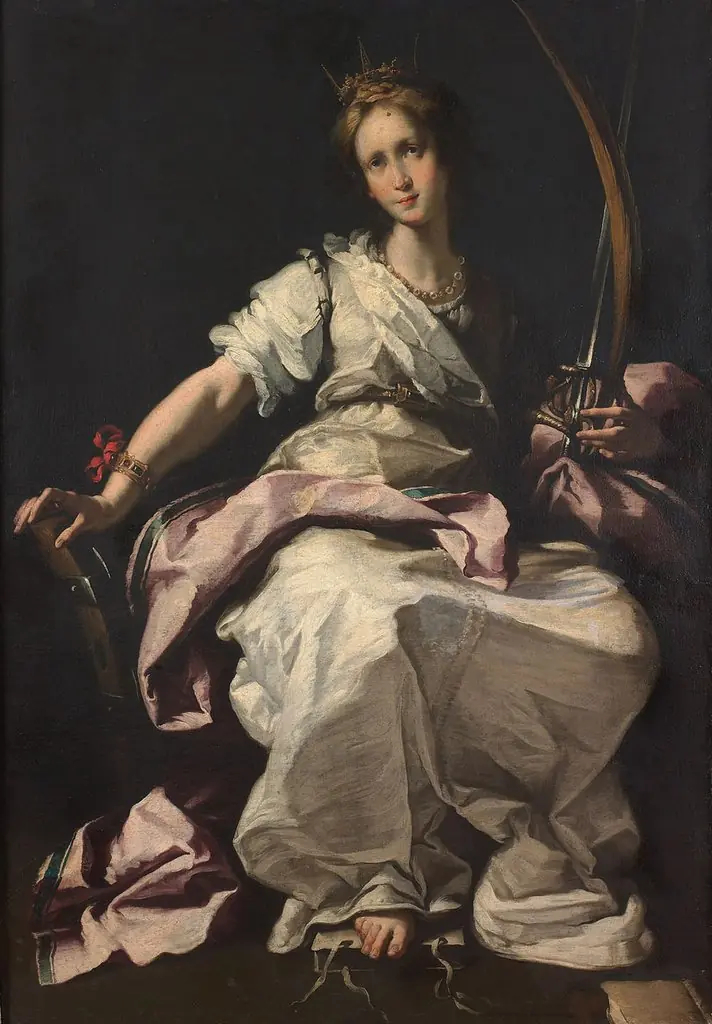
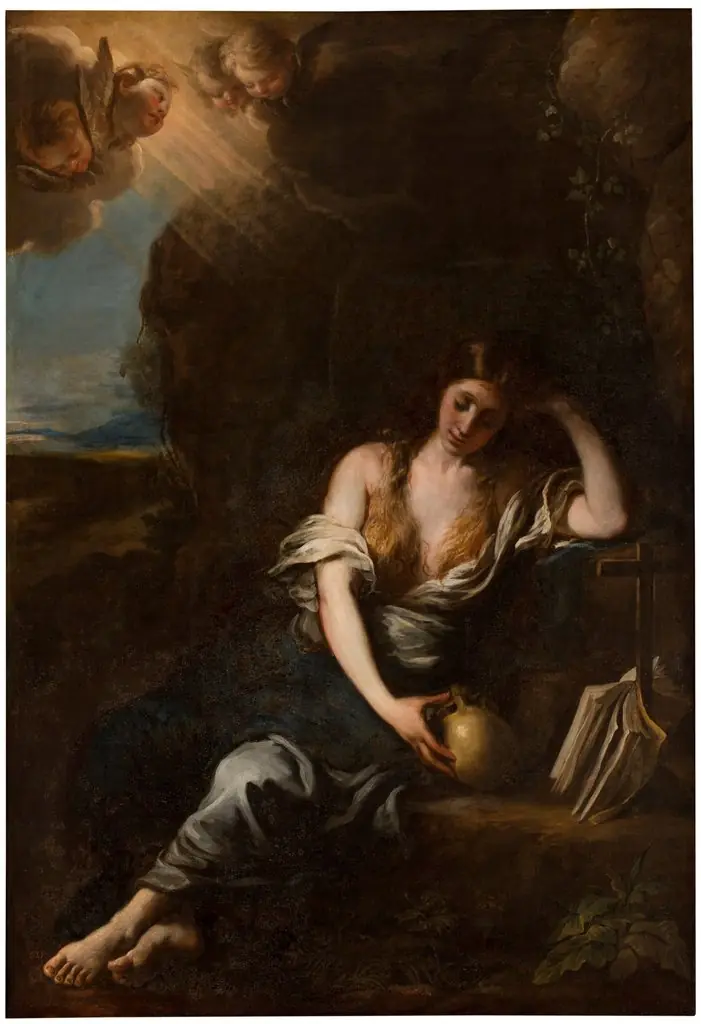
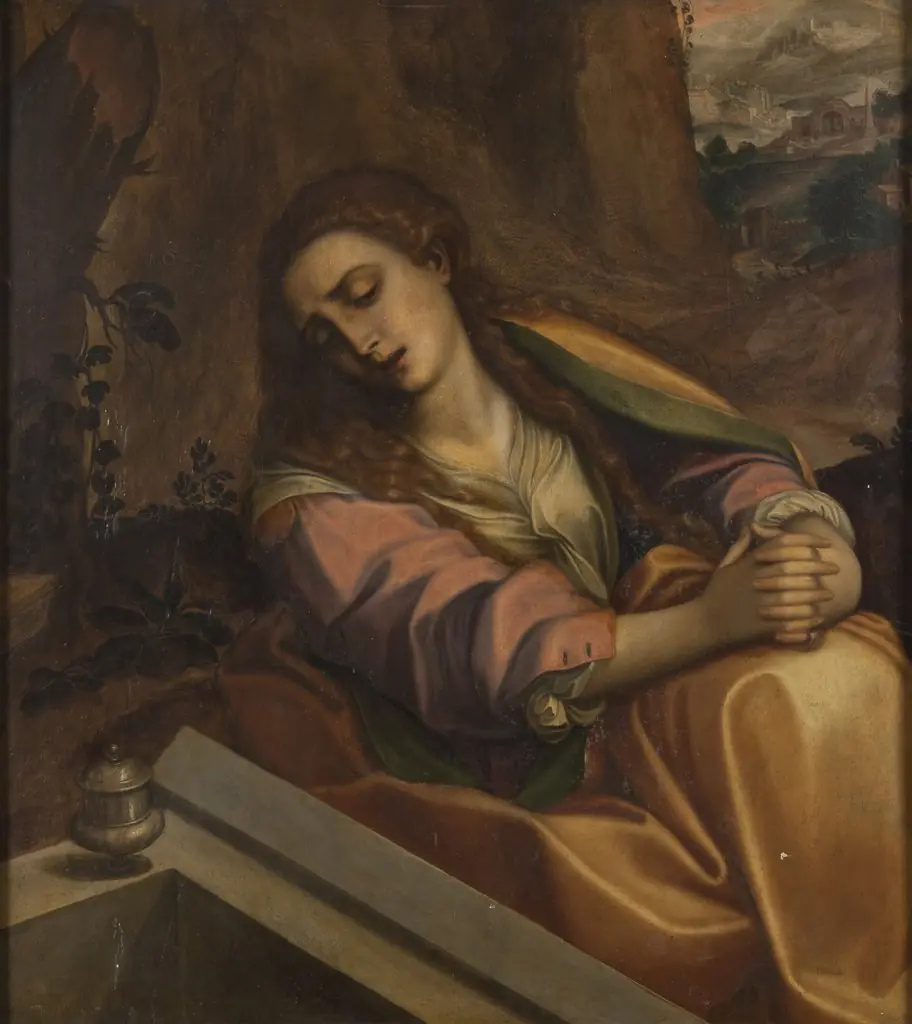
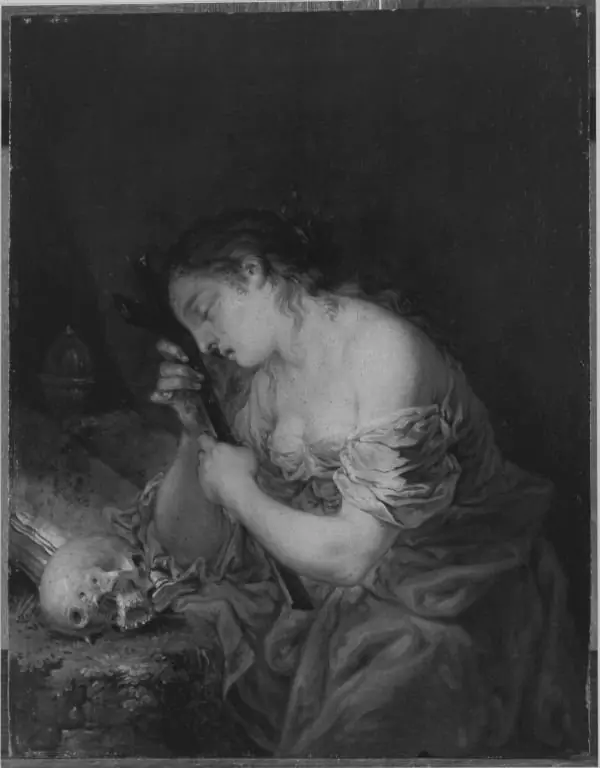
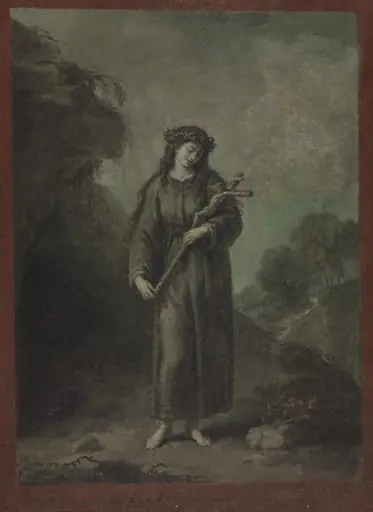
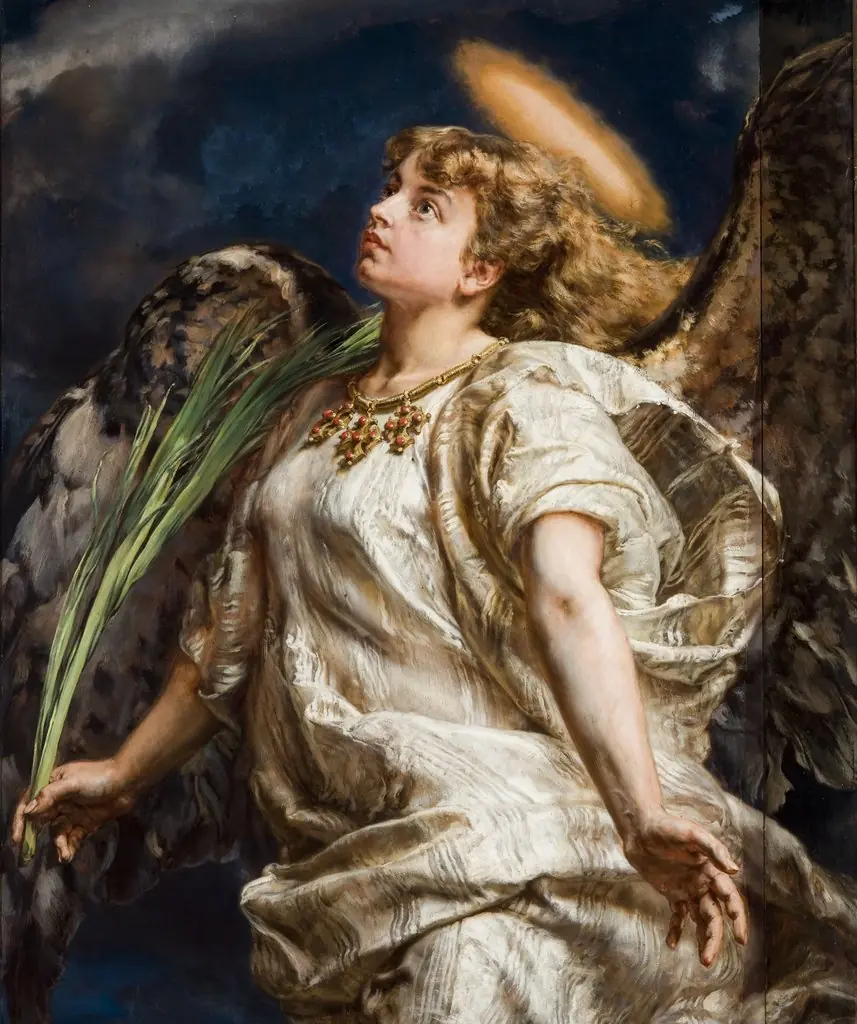
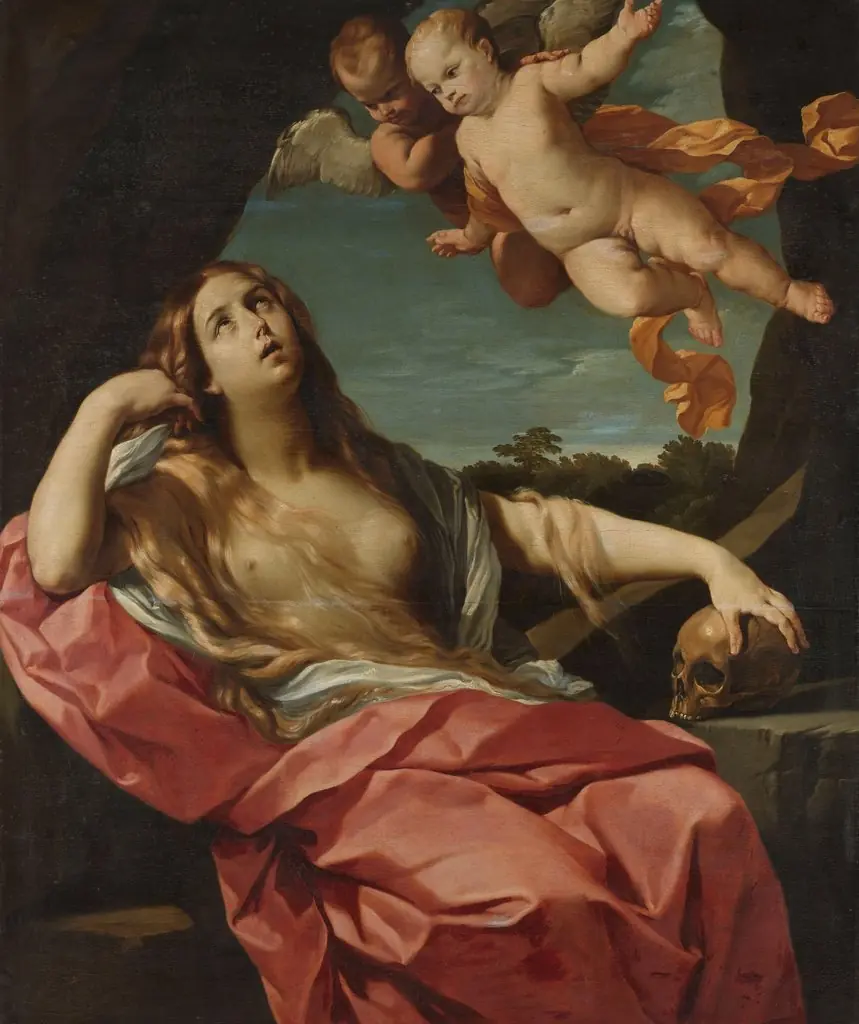
Vrouwenfiguur, misschien Erminia uit Torquato Tasso, La Gerusalemme Liberata is an oil painting by the Dutch Golden Age artist Unknown. It dates from 1660 and is held in the collection of the Rijksmuseum. The oil painting portrays a solitary female figure seated upon a rugged outcrop.
About this work
Overview
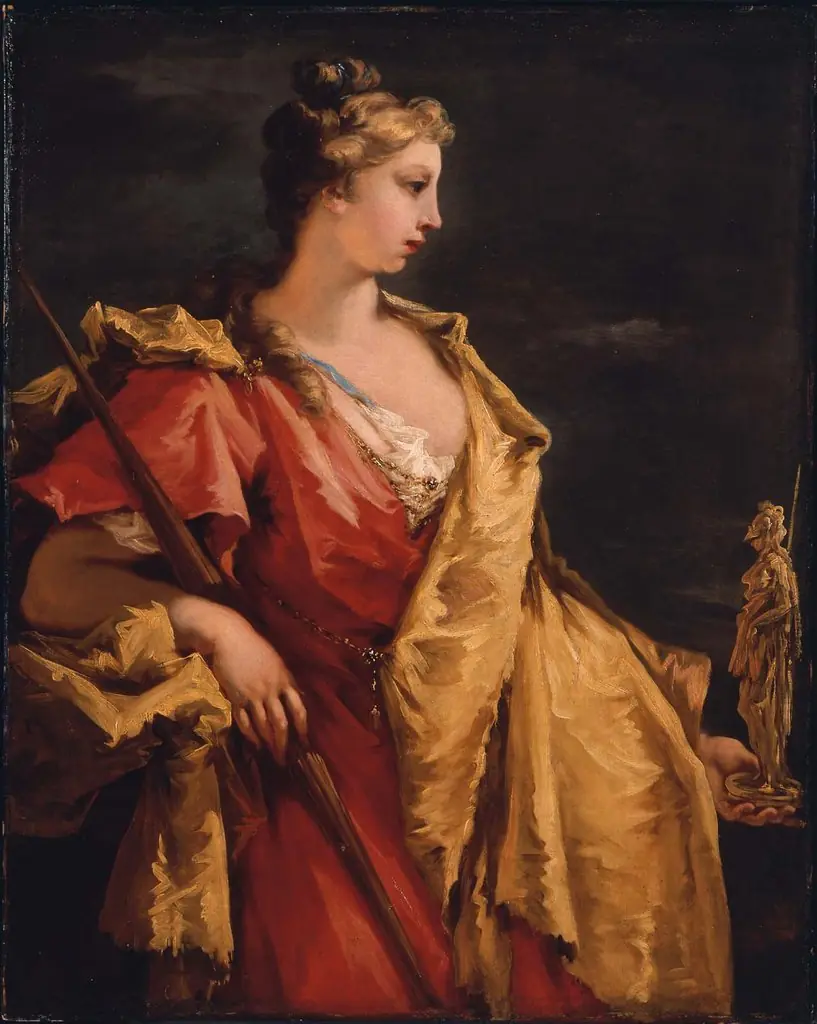
The oil painting portrays a solitary female figure seated upon a rugged outcrop. She is clad in a flowing white garment accented by a red and gold sash, and a laurel wreath crowns her head. In her left hand she supports a bow and a quiver of arrows, while her right elbow rests on her knee and her chin leans on her right hand, creating a contemplative pose.
Subject & Meaning
The attire and accessories suggest the sitter may be Erminia, a character from Torquato Tasso’s epic poem La Gerusalemme Liberata. Erminia, a warrior‑like heroine, is often depicted with martial symbols such as a bow, linking the figure’s presence to themes of love, exile, and heroic longing within the literary narrative.
Technique & Style
Executed in oil, the work employs chiaroscuro to model the figure against the dark rock, enhancing three‑dimensionality. Visible impasto adds texture to the drapery and the surrounding stone, while the subtle gradations of light convey depth and a tactile sense of surface.
History & Provenance
The painting is catalogued under the title Vrouwenfiguur, misschien Erminia uit Torquato Tasso, La Gerusalemme Liberata. Its provenance, dating, and previous owners are not recorded in the available documentation, leaving its origin and acquisition history uncertain.
Context
Allegorical representations of literary figures were common in European art, especially during periods when poets such as Tasso were celebrated. The inclusion of classical motifs like the laurel wreath and the martial accouterments aligns the work with the broader tradition of visualizing poetic heroines.
Legacy
As an example of allegorical painting, the work illustrates the interplay between literature and visual art, offering insight into how 17th‑century artists interpreted and visualized poetic narratives for contemporary audiences.
Artist & collection

 Domestic Scene
 Giacomo and Cardinal Marco, investing Andrea, Abbot of San Zeno, with his Benefice
 The Nymph of Fontainebleau
 Portrait of a Woman
 Madonna and Child with Saints in the Enclosed Garden
 Venus and Minerva
 Family Group of Four on Sofa
 Wall painting from Room H of the Villa of P. Fannius Synistor at Boscoreale