Artwork
Untitled
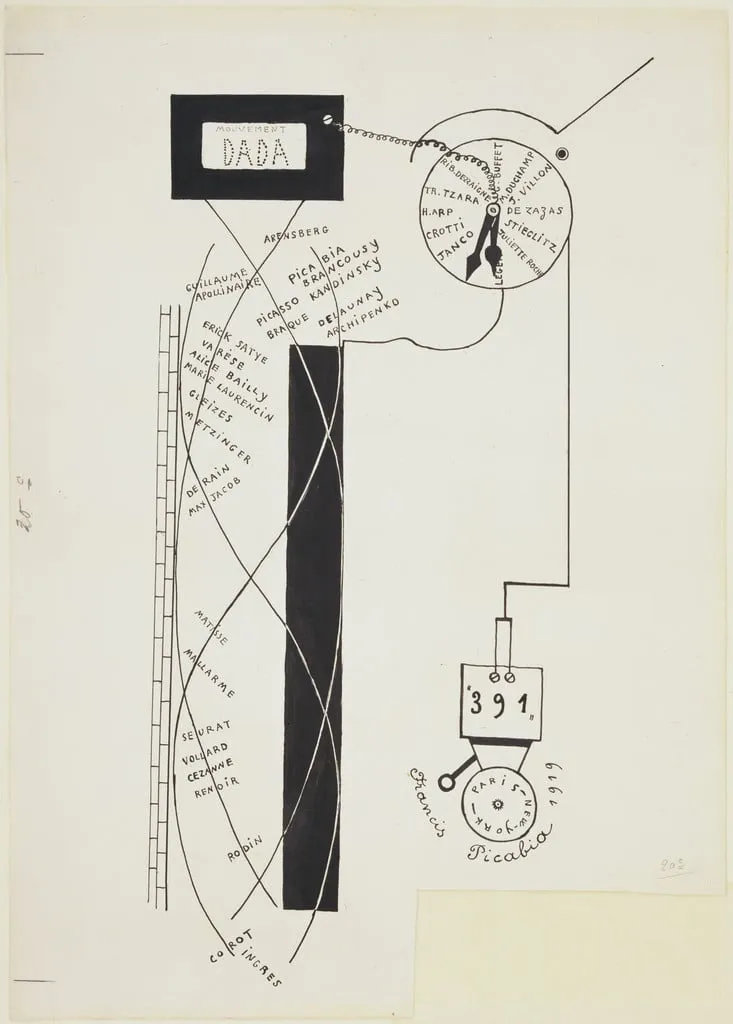
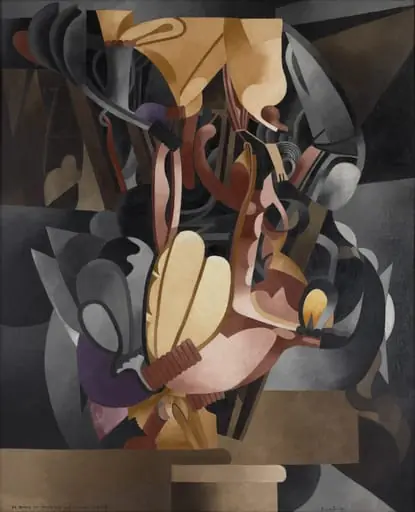
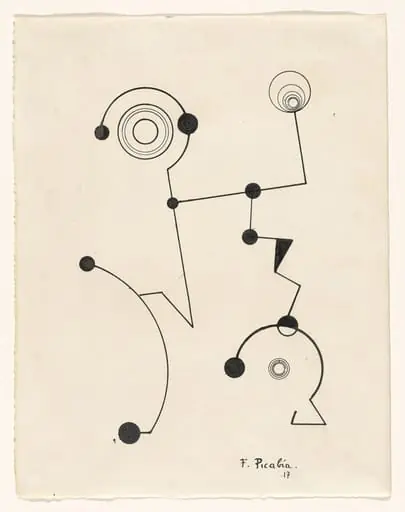
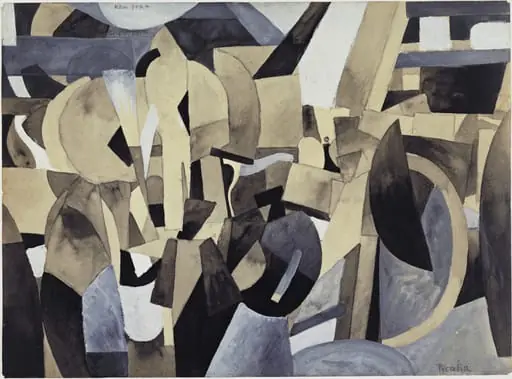
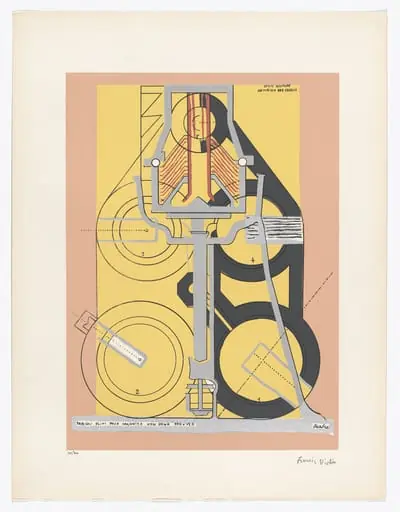
Untitled is a graphite drawing by Francis Picabia. It dates from 1919 and is held in the collection of the Museum of Modern Art.
About this work
Overview
The piece resists singular interpretation, functioning more as a visual ledger of intellectual and artistic associations than a defined image.
Created in 1919, this ink and pencil drawing by Francis Picabia belongs to a series of abstract works produced during his Dada phase. Executed on paper, it eschews traditional representation in favor of a dense network of lines, shapes, and textual fragments. The piece resists singular interpretation, functioning more as a visual ledger of intellectual and artistic associations than a defined image.
Subject & Meaning
The drawing incorporates names of contemporaries—Picasso, Apollinaire, and others—scattered haphazardly around abstract forms. These figures, linked by intersecting lines and symbolic elements like a dial and the label '391' (a reference to Picabia’s journal), suggest a map of artistic networks rather than a portrait. The arrangement implies collaboration, rivalry, and the chaotic energy of the avant-garde scene, not orderly homage.
Technique & Style
Picabia employed rapid, gestural ink lines and pencil marks to construct an intricate, non-hierarchical composition. Forms are simplified into geometric planes with stark contrasts between dark shapes and empty space. The absence of perspective and the deliberate disarray of elements reflect Dada’s rejection of conventional aesthetics, prioritizing spontaneity and conceptual disruption over technical polish.
History & Provenance
The work entered The Museum of Modern Art’s collection as part of its broader acquisition of early 20th-century Dada materials. Its origins trace to Picabia’s New York period, where he engaged with expatriate artists and intellectuals. Though unsigned and undated on the surface, its style and content align with other works from 1919, a year marked by his intense exploration of mechanized abstraction and textual collage.
Context
Produced during Picabia’s transition from Cubist experimentation to full Dada engagement, the drawing responds to the cultural upheaval of postwar Europe. It mirrors the fragmentation of identity and communication in modern life, echoing the era’s interest in mechanization and the breakdown of traditional authority. The inclusion of '391'—the title of his own journal—positions the work as both personal manifesto and public commentary.
Legacy
This drawing exemplifies Picabia’s role in redefining the boundaries of drawing as a conceptual medium. Its influence extends to later generations of artists who embraced textual collage, networked imagery, and anti-art gestures. Though not widely exhibited, it remains a key document in understanding how Dadaists used visual language to interrogate creativity, connection, and meaning in a fractured world.
Artist & collection
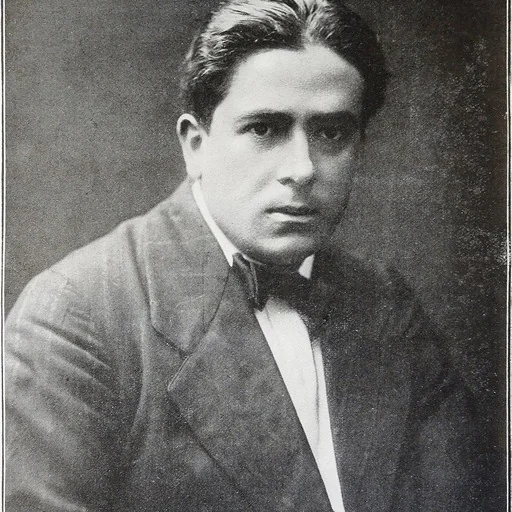
Artist
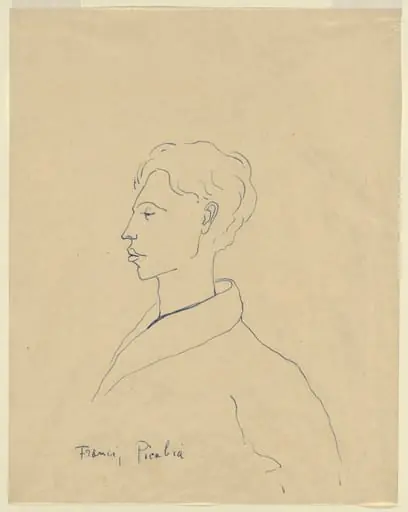
Francis Picabia (French: : born Francis-Marie Martinez de Picabia; 22 January 1879 – 30 November 1953) was a French avant-garde painter, writer, filmmaker, magazine publisher, poet, and typographist closely associated with Dada.