Artwork
Merz 3 Portfolio: Plate 1
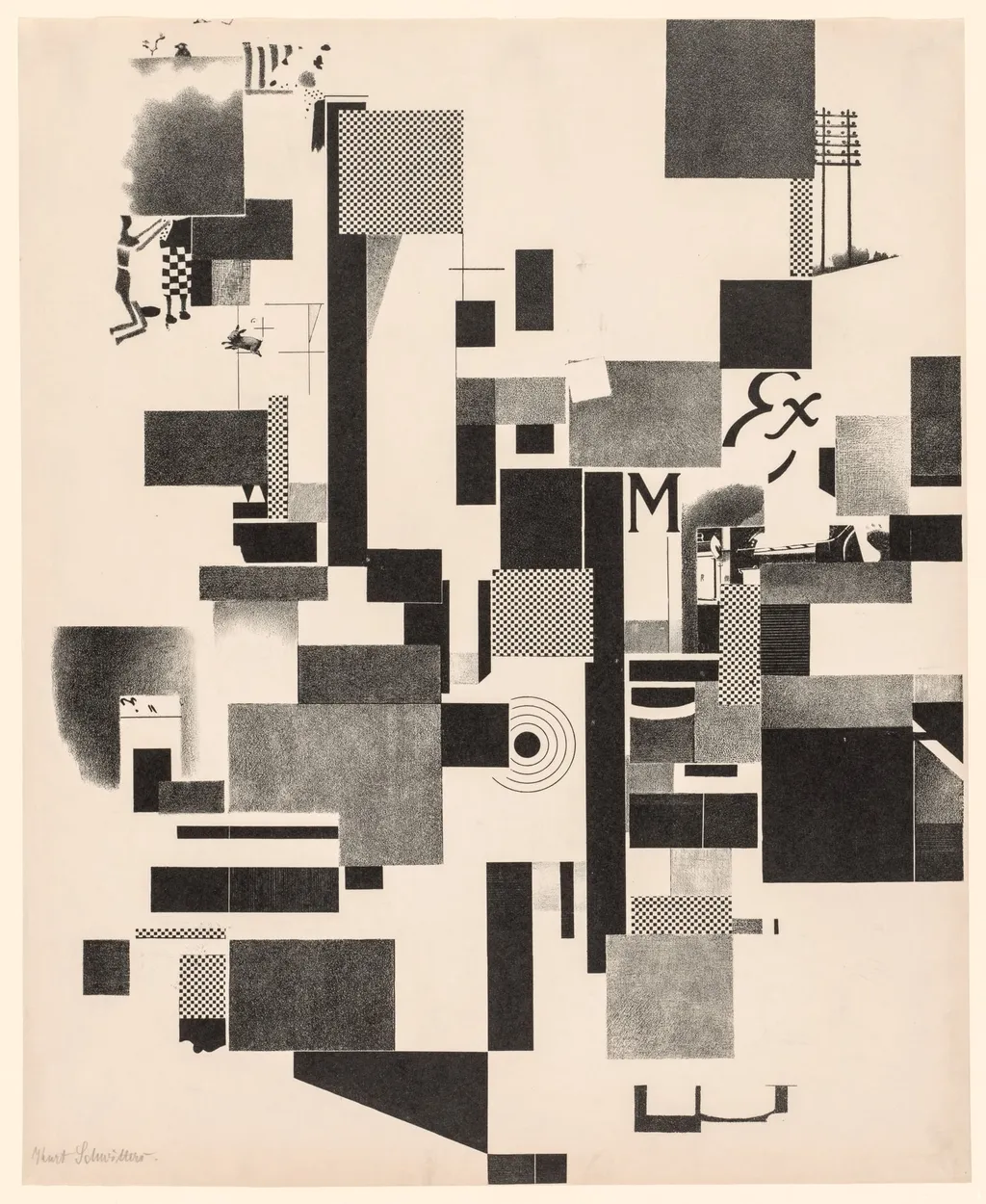
Merz 3 Portfolio: Plate 1 is a print by Kurt Schwitters. It dates from 1923 and is held in the collection of the Cleveland Museum of Art.
About this work
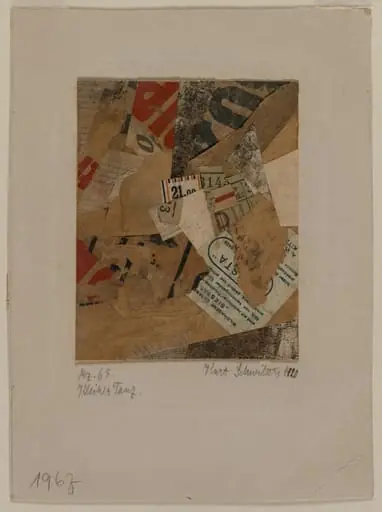
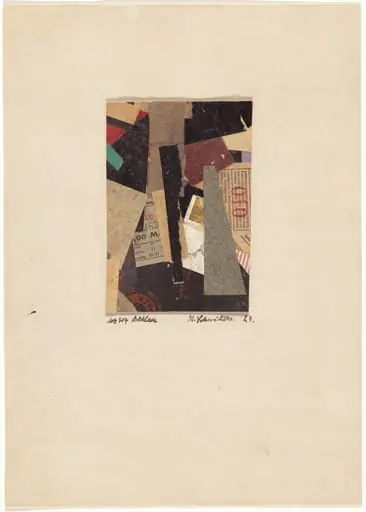
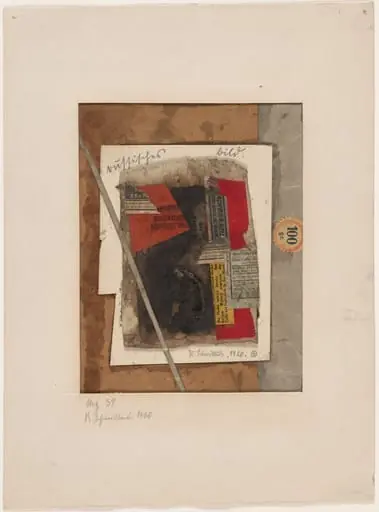
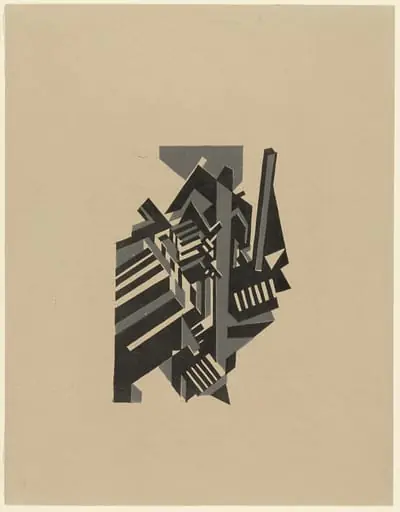
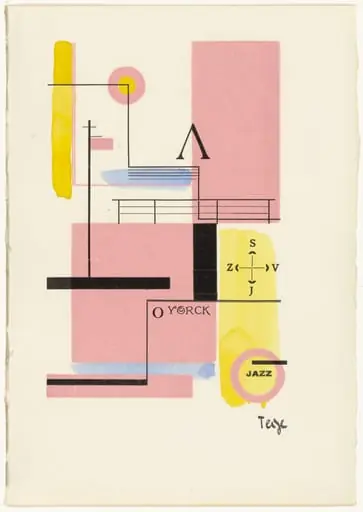
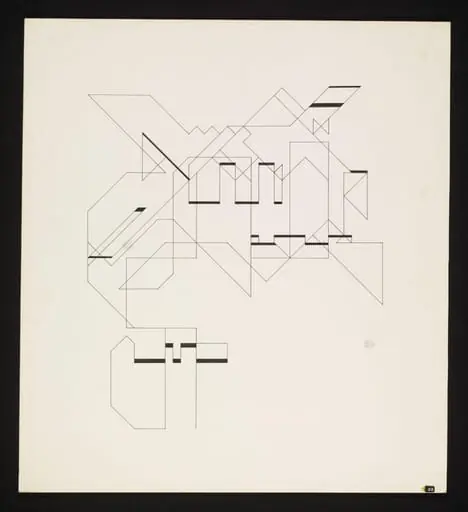
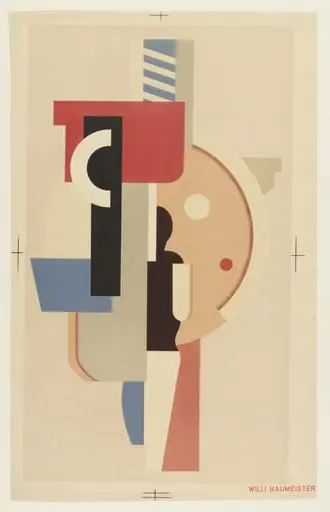
You see a patchwork of torn paper, old ticket stubs, scraps of newspaper, and rough brushstrokes stuck to a flat surface.
You see a patchwork of torn paper, old ticket stubs, scraps of newspaper, and rough brushstrokes stuck to a flat surface. The colors are dull—brown, gray, and faded white—with no clear picture or face.
This is not a painting in the usual sense. Kurt Schwitters made this in 1923 as part of a personal art experiment he called "Merz." He used trash and paper bits from the street, turning the junk of daily life in Germany into art.
His work grew from Dada, a reaction to the chaos and war. He built something new from broken things.
Look next at the artist: Kurt Schwitters (German, 1887–1948).
(Word count: 102)
Overview
Merz 3 Portfolio: Plate 1 is a print made by Kurt Schwitters in 1923 as part of his Merz art experiment, characterized by the use of discarded materials.
Technique & Style
The work is a lithograph created using salvaged printed materials from the Molling printing plant, which were still wet with oily ink, and transferred to a lithographic stone, resulting in a patchwork composition.
Subject & Meaning
The print features a collage of torn paper, ticket stubs, and newspaper scraps in muted colors, reflecting Schwitters' transformation of urban detritus into art, and his Dada-influenced rejection of traditional art forms.
Context
Schwitters' Merz series emerged from the Dada movement, a reaction against the chaos of World War I, and his work reflects this spirit of rebellion and reappropriation.
Artist & collection
Artist
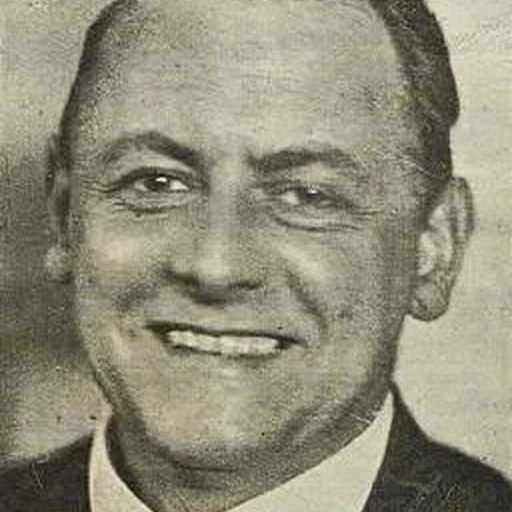
Kurt Hermann Eduard Karl Julius Schwitters (20 June 1887 – 8 January 1948) was a German artist.