Artwork
Standing Female Figure (decorative panel)
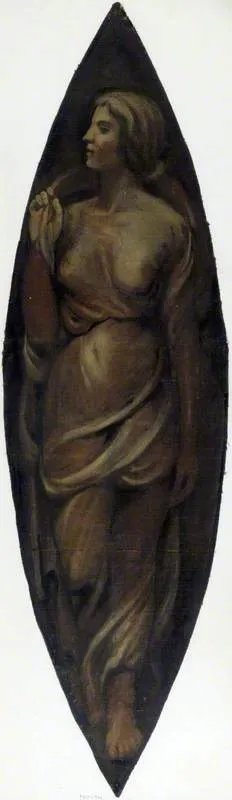
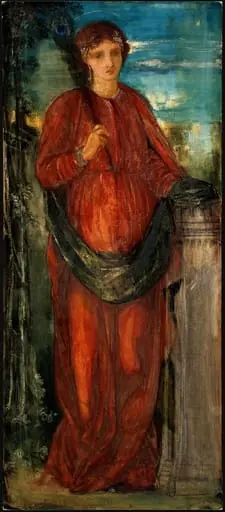
Standing Female Figure (decorative panel) is an oil painting by Francis Wollaston Moody. It dates from 1865 and is held in the collection of the Victoria and Albert Museum.
About this work
Overview
The work reflects mid-Victorian tastes for allegorical and idealized forms, blending classical restraint with contemporary decorative sensibilities.
Created around 1865, this oil painting by Francis Wollaston Moody is a decorative panel depicting a solitary female figure. It is part of the Victoria and Albert Museum’s collection, where it is displayed in a tall, narrow frame that enhances its vertical emphasis. The work reflects mid-Victorian tastes for allegorical and idealized forms, blending classical restraint with contemporary decorative sensibilities.
Subject & Meaning
The figure stands in a poised, static stance, draped in a white garment that suggests purity or ethereal presence. Her raised left arm and averted gaze invite contemplation rather than narrative. Though no specific myth or story is identified, the composition evokes classical ideals of grace and serenity, aligning with 19th-century artistic trends that favored symbolic rather than literal representation.
Technique & Style
Moody employed oil paint to achieve subtle tonal transitions and soft textures, particularly in the folds of the drapery. The smooth rendering of the figure’s skin contrasts with the more loosely handled background, directing focus to the form. The elongated format and minimal setting reflect a decorative intent, prioritizing formal harmony over spatial depth or environmental detail.
History & Provenance
The painting entered the Victoria and Albert Museum’s collection in the late 19th century, likely acquired as part of the museum’s broader effort to document British decorative arts. Its attribution to Moody, a lesser-known artist of the period, suggests it was valued for its aesthetic qualities rather than its creator’s prominence. No earlier ownership records are widely documented.
Context
Produced during a time when British artists increasingly turned to classical and allegorical subjects for decorative purposes, this work reflects the influence of the Aesthetic Movement. It aligns with contemporaneous efforts to elevate everyday interiors through art that emphasized beauty, simplicity, and refined form over storytelling or moral instruction.
Legacy
Though Moody’s oeuvre remains obscure, this panel endures as an example of how Victorian decorative painting bridged fine art and interior design. It contributes to scholarly understanding of how idealized female figures were used in domestic and institutional settings to convey cultural ideals of elegance and restraint during the mid-19th century.
Artist & collection

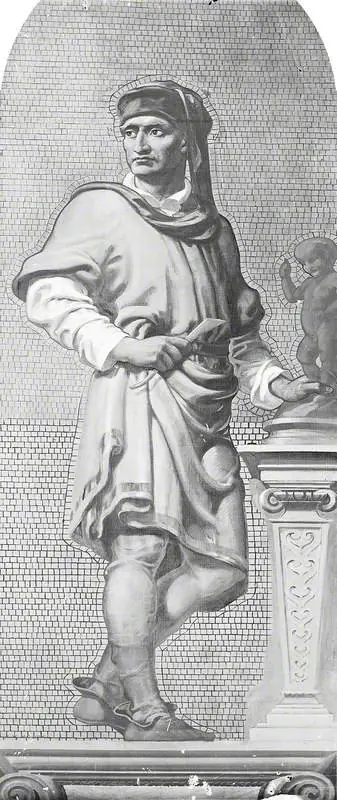 Luca della Robbia (1400–1481) (design for a mosaic in the Victoria and Albert Museum) (detail)
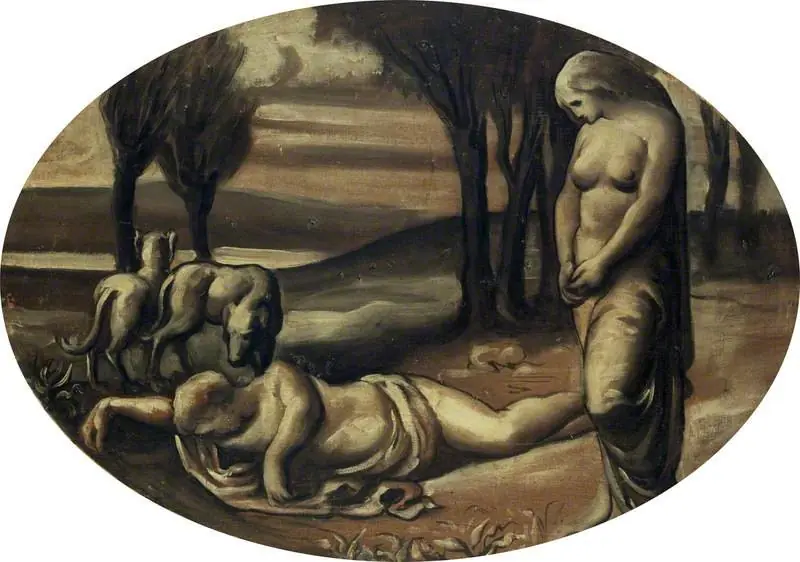 Pyramus and Thisbe (decorative panel)
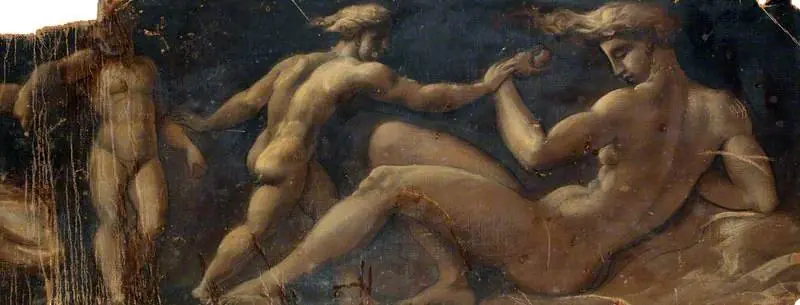 Reclining Figure (decorative panel)
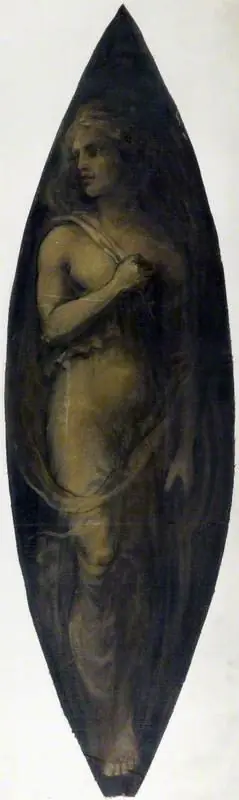 Standing Female Figure (decorative panel)
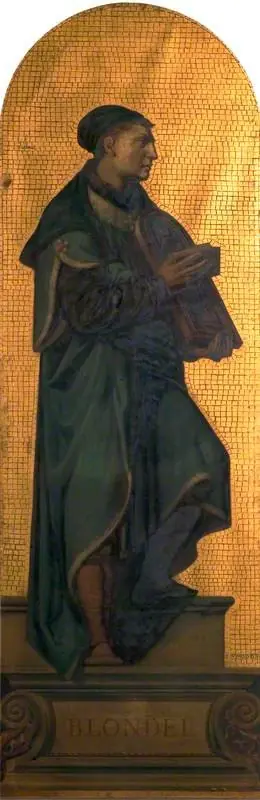 Lancelot Blondeel (1498–1561) (design for a mosaic in the Victoria and Albert Museum)
 Raphael (1483–1520) (design for a mosaic in the Victoria and Albert Museum)
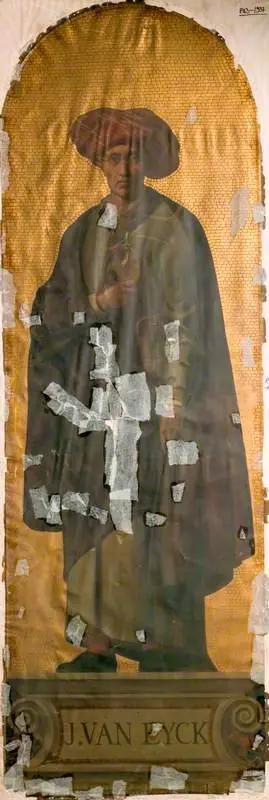 Jan van Eyck (c.1385–1441) (design for a mosaic in the Victoria and Albert Museum) (formerly attributed to Agnes Sutherland)
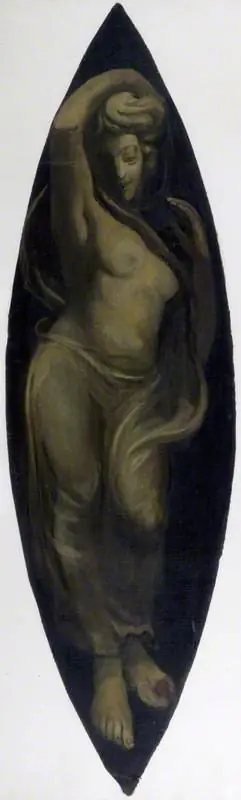 Standing Female Figure (decorative panel)
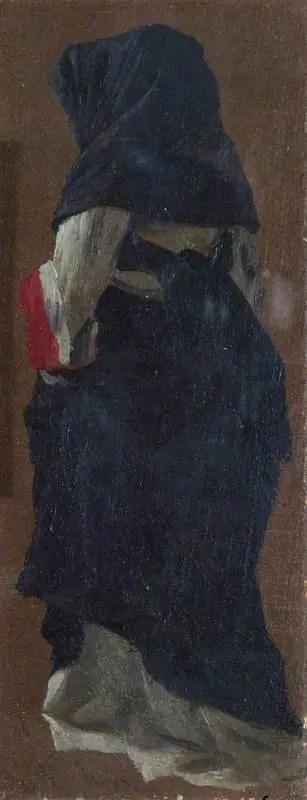 A Lady Seen from Behind
 A Lady Seen in Profile, Holding a Fan
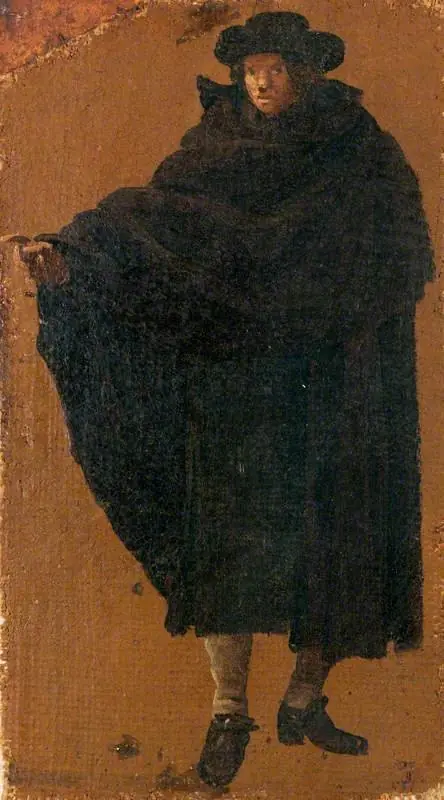 A Man in a Dark Cloak
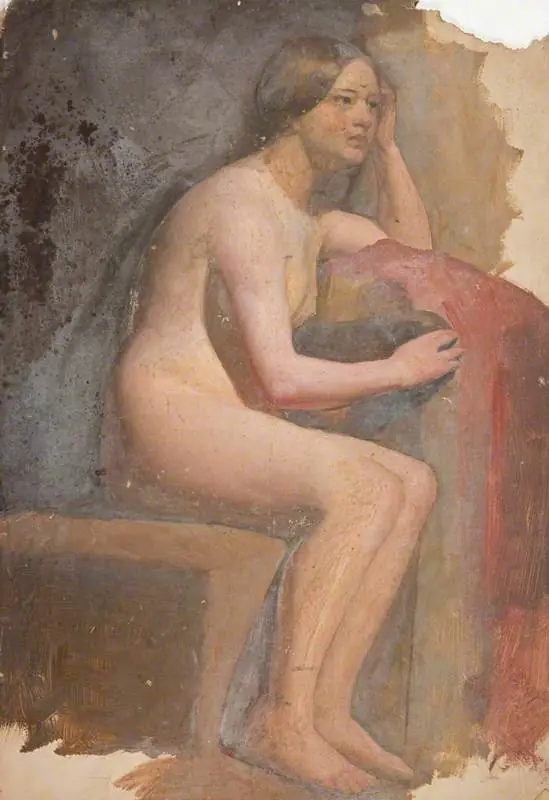 Life Study: Standing Female Nude
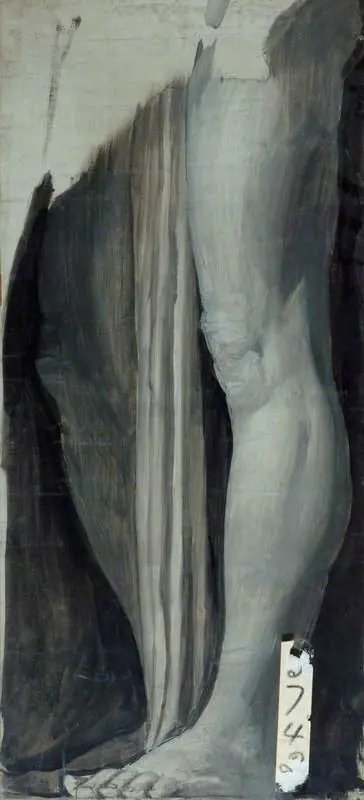 Lower Limbs of a Figure (cartoon for the south wall, dining room, Dorchester House)
 Saint Barbara
 Limbs of Left Figure (cartoon for the south wall, dining room, Dorchester House)
 Saint Andrew