Artwork
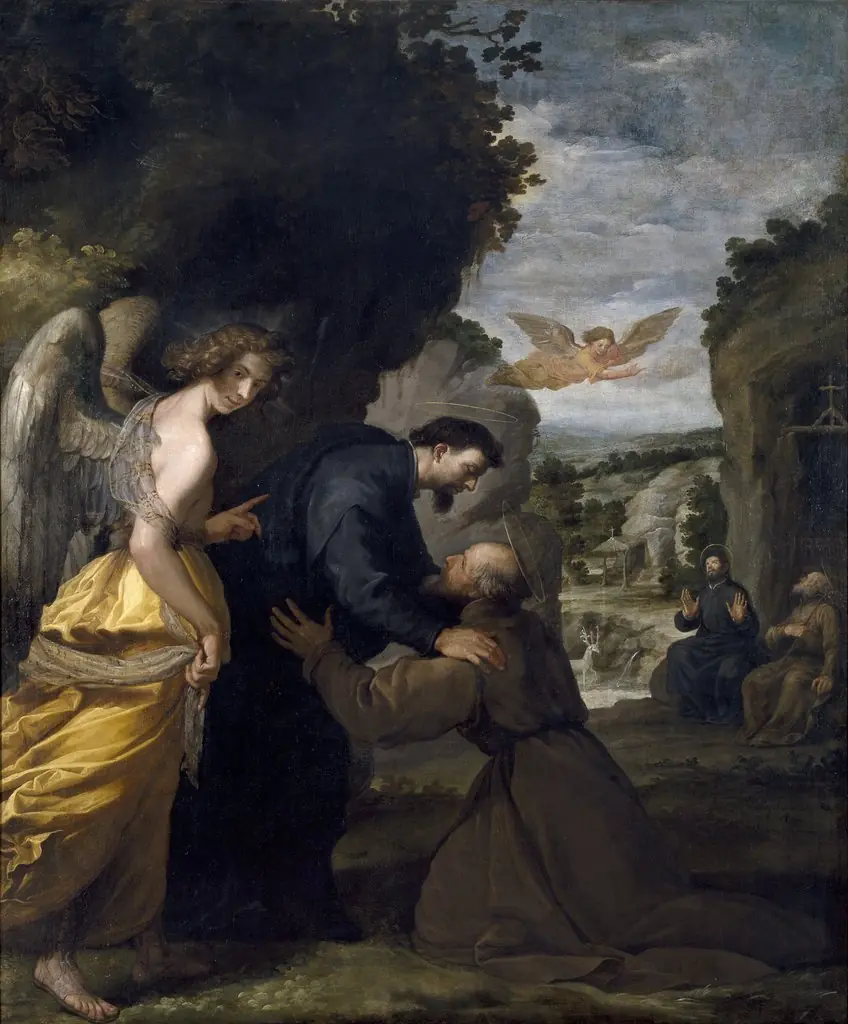
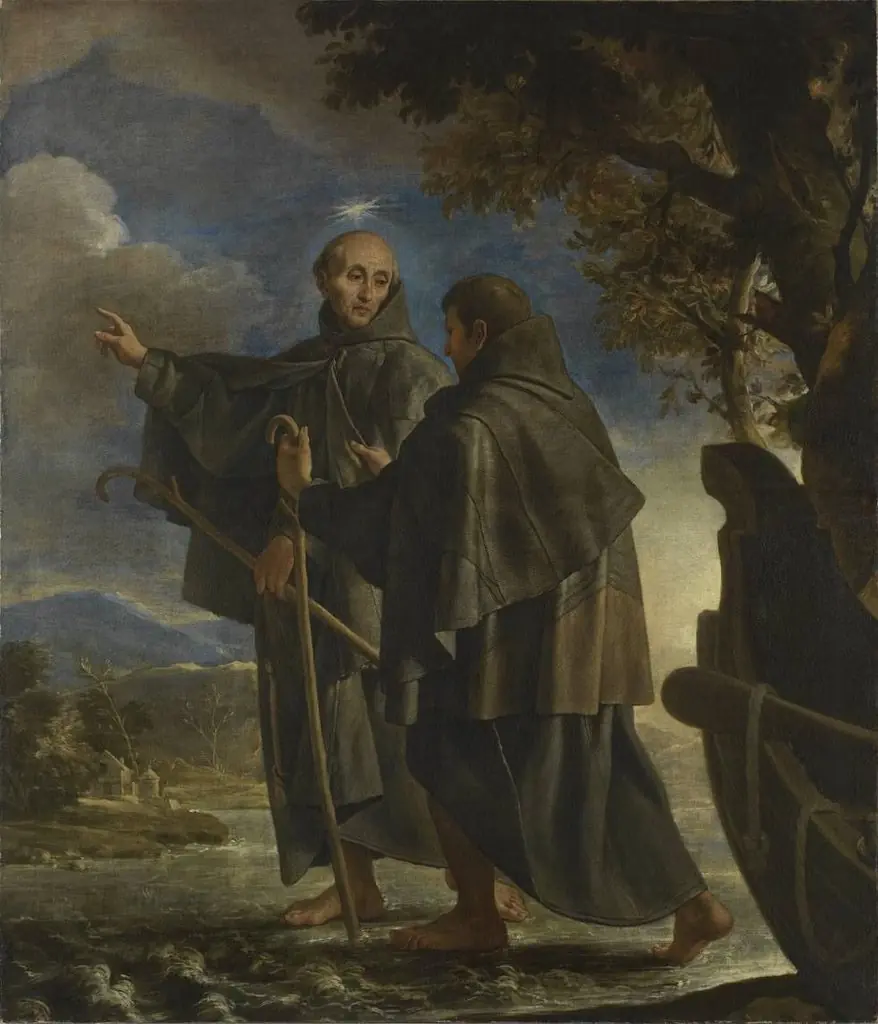
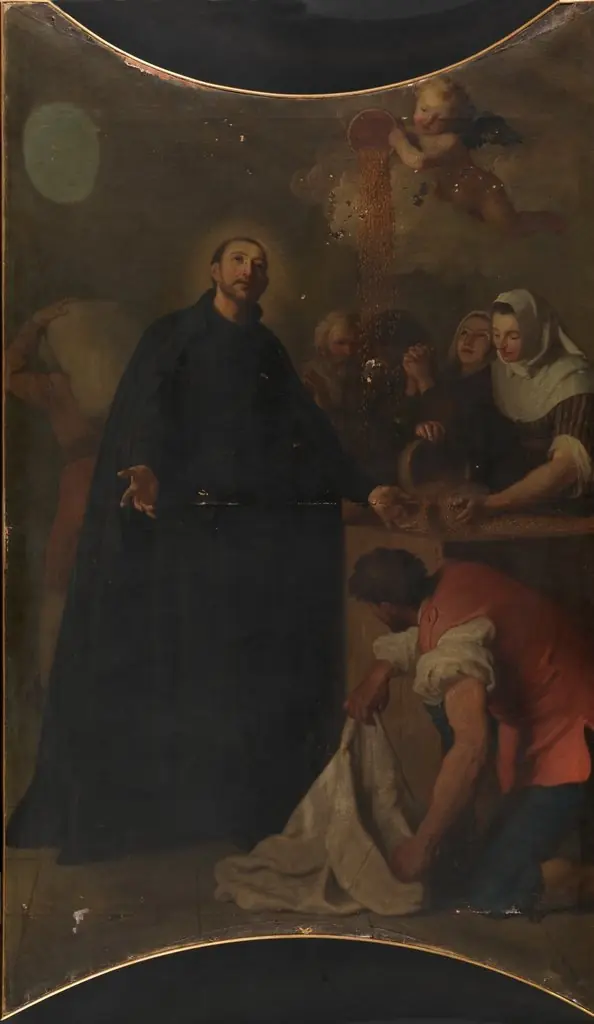
Milagro de san Francisco de Regis
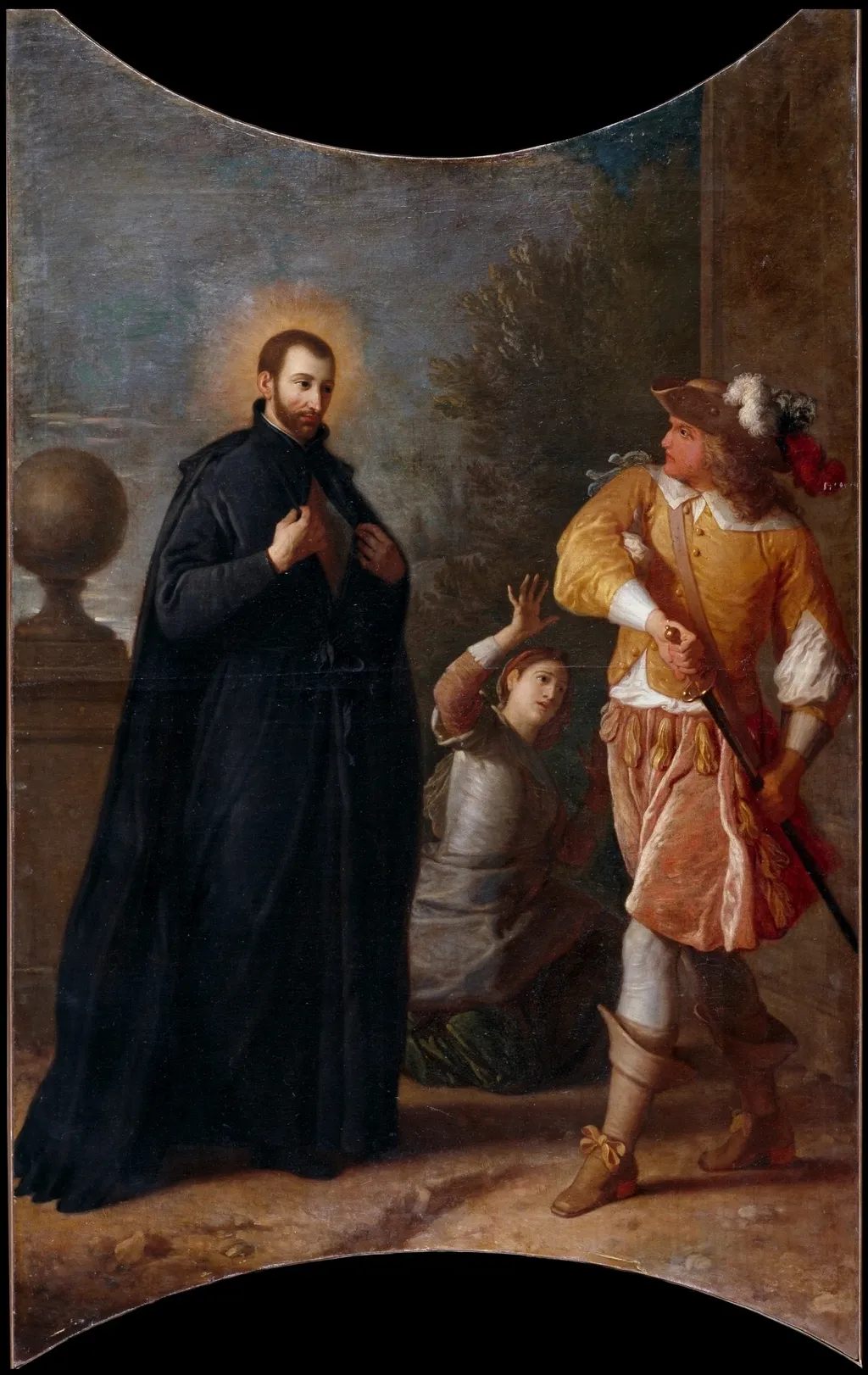
Milagro de san Francisco de Regis is an oil painting by the French Classical Baroque artist Michel Ange Houasse. It dates from 1702 and is held in the collection of the Museo del Prado.
About this work
Overview
Milagro de san Francisco de Regis is a 1702 oil painting by French artist Michel Ange Houasse, blending French Classical and Flemish Baroque styles. It depicts a religious scene featuring Saint Francis Regis, characterized by refined yet dramatic elements typical of the era.
Subject & Meaning
The painting centers on Saint Francis Regis, identifiable by his halo and long black robe, praying with clasped hands. Surrounding figures include a man in yellow and pink attire holding a sword and a kneeling woman with raised hands, set against a natural and architectural backdrop, conveying an atmosphere of reverence and devotion.
Technique & Style
Houasse's work exhibits a blend of French Classical restraint and Flemish Baroque dynamism, evident in the composition, use of color, and dramatic lighting, which together create a sense of solemnity.
History & Provenance
Created in 1702, the painting is now part of the Museo del Prado's collection. Houasse later worked at the court of Philip V of Spain from 1715 onwards, though this piece predates his Spanish court period.
Context
Painted during the French Classical Baroque period, the work reflects Houasse's early style before his court appointment in Spain, where he would further integrate Flemish influences into his French training.
Legacy
As part of the Prado's collection, *Milagro de san Francisco de Regis* contributes to the museum's holdings of early 18th-century European religious art, offering insight into Houasse's development and the artistic exchanges of his time.
Artist & collection
Artist
Michel Ange Houasse (1680–1730) was a French painter, most of whose career was spent at the court of Philip V of Spain, who summoned him to the court in Madrid in 1715 whilst he was still Philip of Anjou.

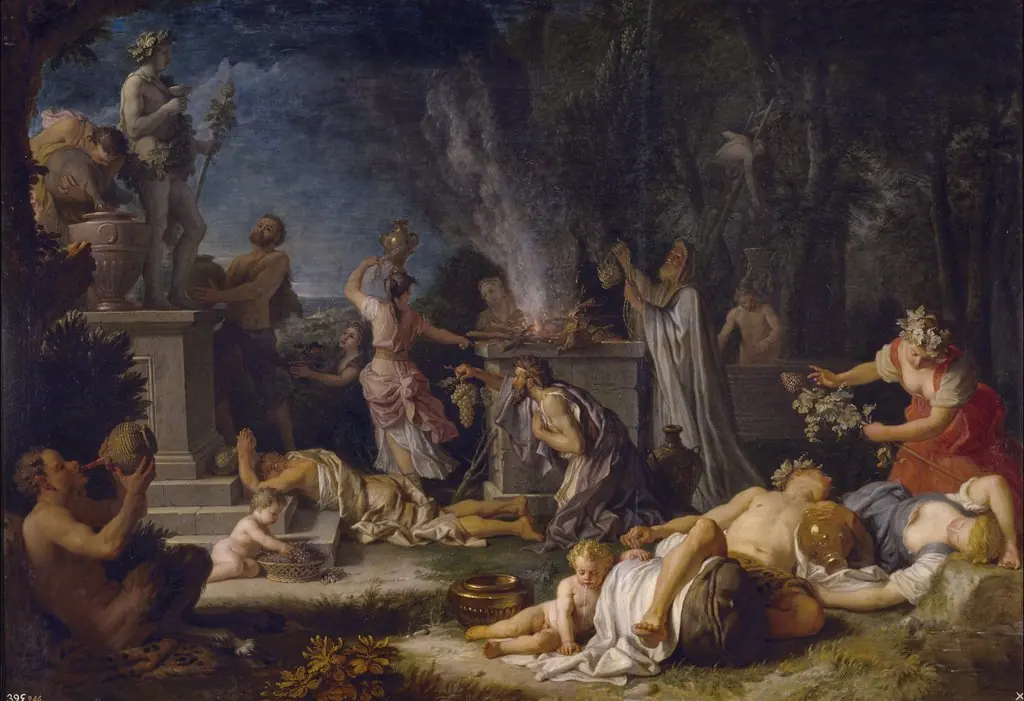 Offering to Bacchus
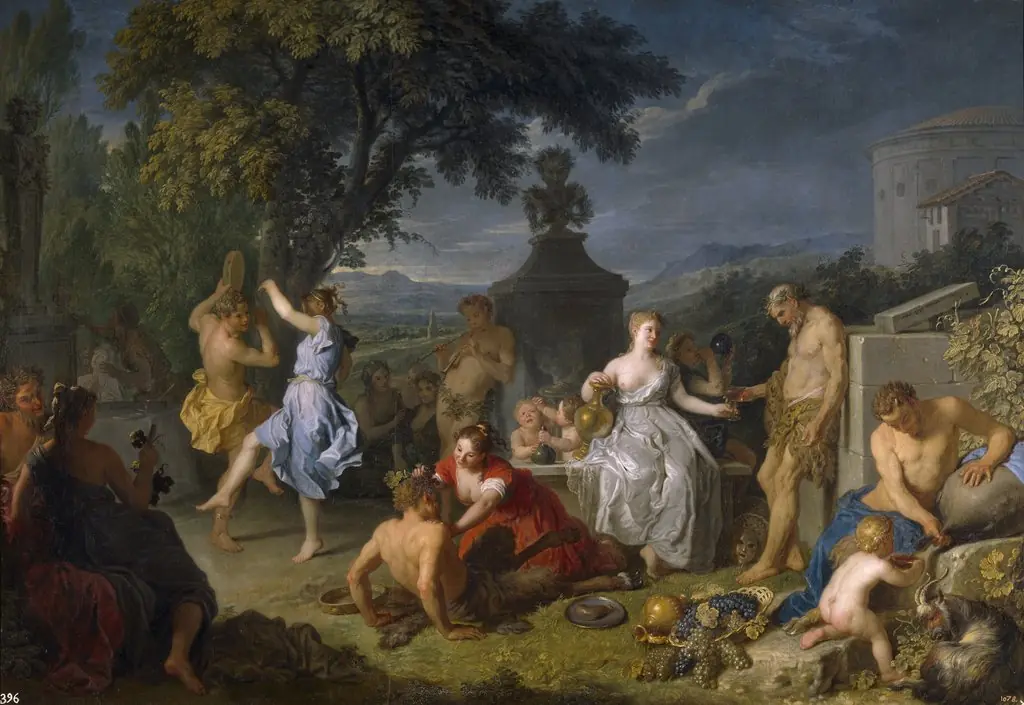 Bacchanal
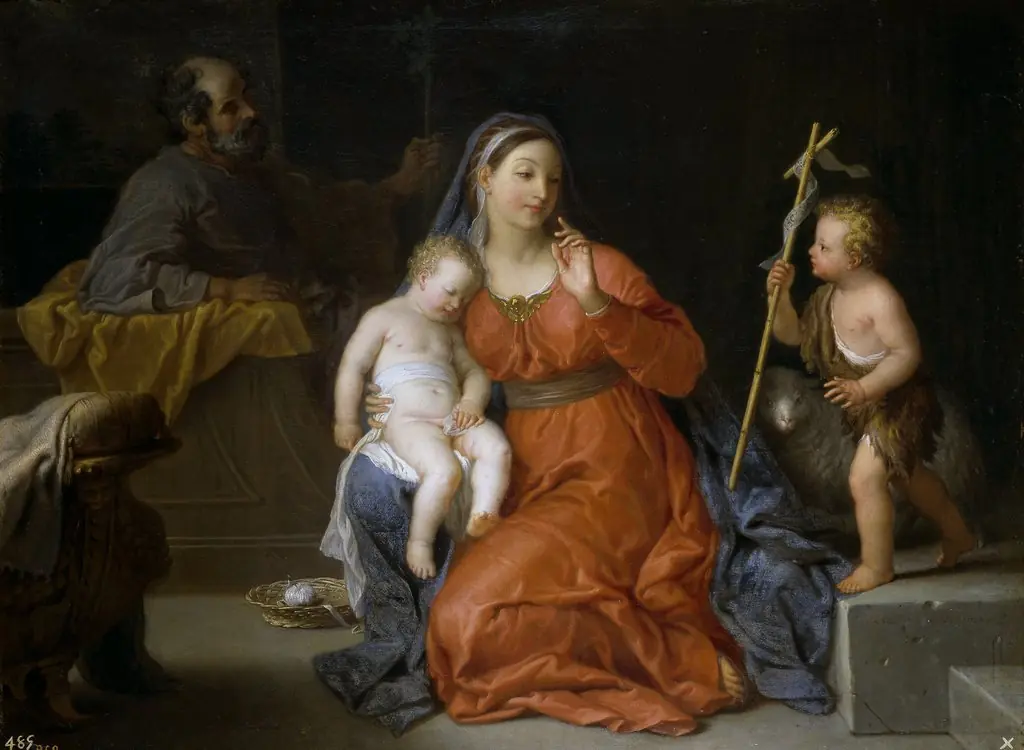 The Holy Family with the Infant Saint John the Baptist
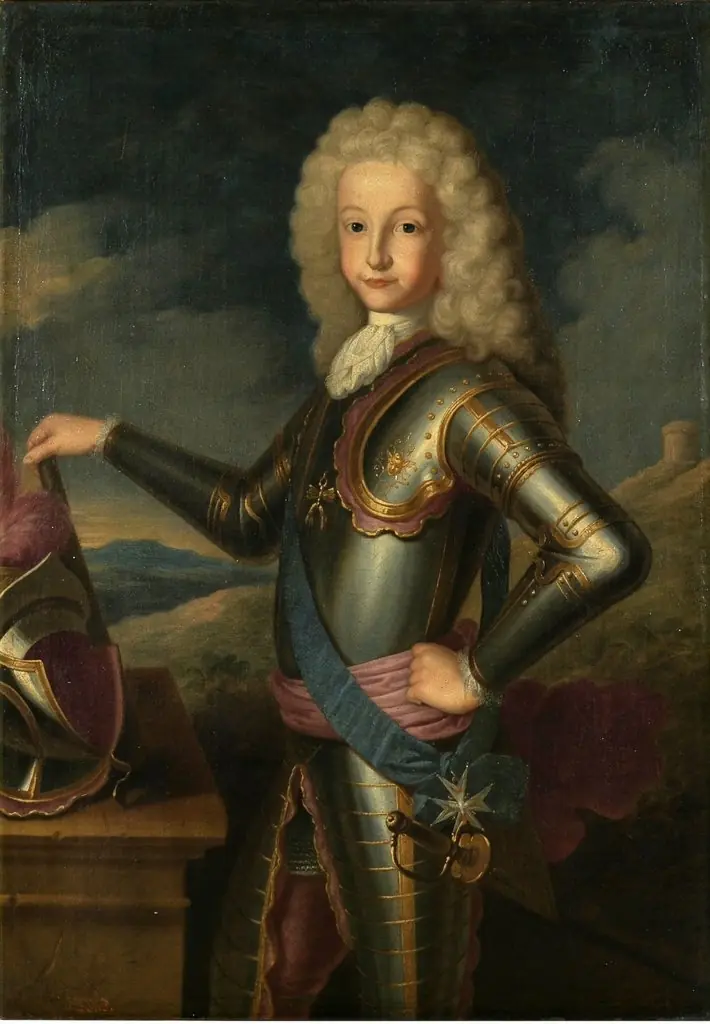 Luis I con armadura a los 10 años
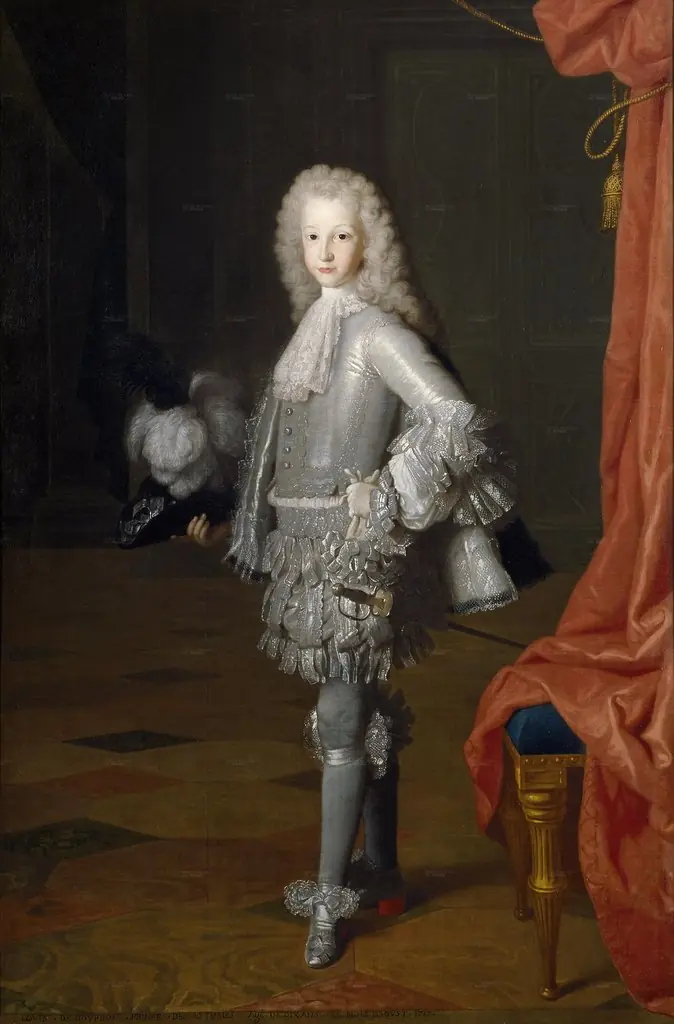 Louis I, Prince of Asturias
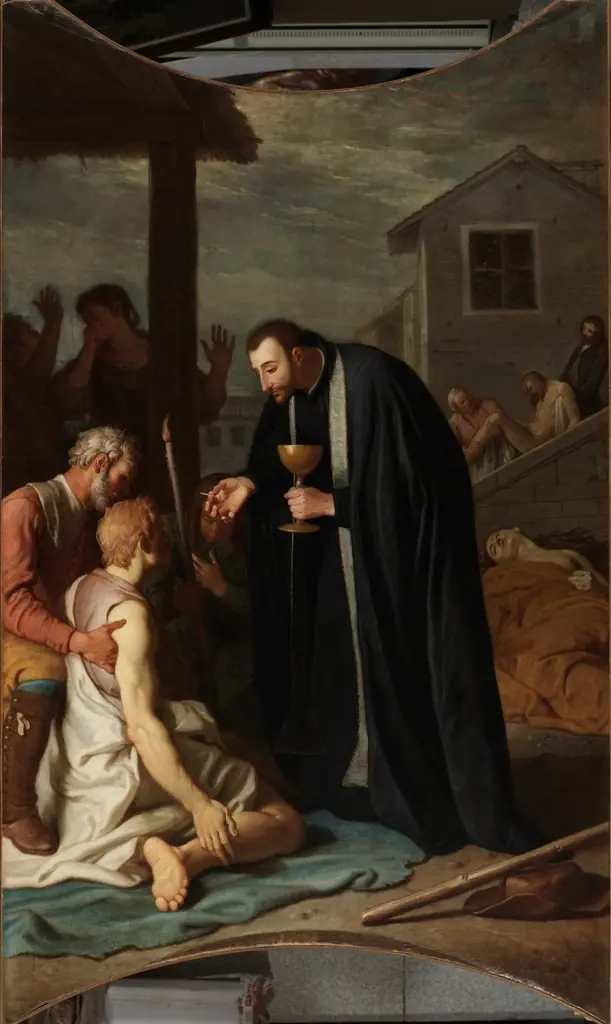 San Francisco de Regis dando la comunión a un tullido
 Multiplicación del trigo en la ciudad de Puy por san Francisco de Regis
 Aparición de san Francisco de Regis a la madre Momplaisant