Artwork
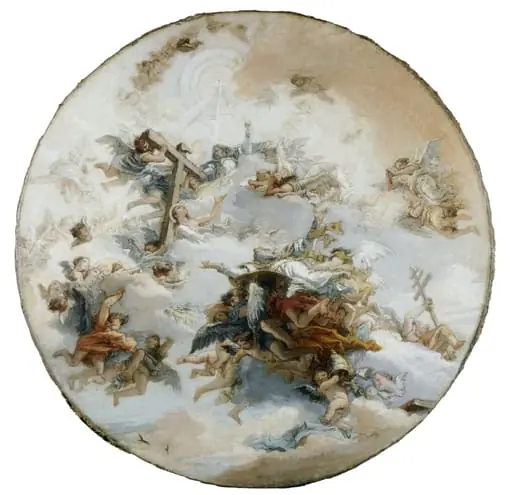
The Eternal Father, sketch
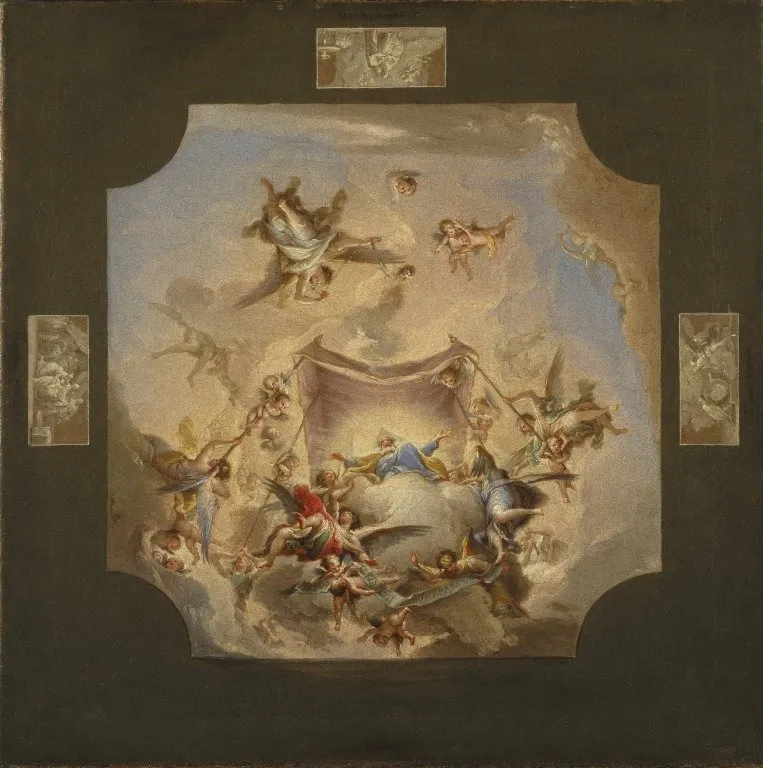
The Eternal Father, sketch is an oil painting by Francisco Bayeu. It is held in the collection of the Brooklyn Museum.
About this work
Overview
Created in 1796, this oil sketch by Spanish painter Francisco Bayeu depicts a dynamic, aerial composition filled with numerous figures. Central to the scene is a large cloth hoisted aloft by several attendants, surrounded by both winged angels and human figures. The palette is restrained, dominated by muted browns, blues and yellows, while chiaroscuro enhances the sense of depth.
Subject & Meaning
The work illustrates a celestial gathering, likely referencing a theological theme of divine presence or the Holy Trinity, suggested by the title’s reference to an eternal father. The interplay of angels and mortals, all converging around the lifted cloth, conveys a sense of reverence and spiritual ascent.
Technique & Style
Executed in oil on canvas, Bayeu employs a loose, sketchy handling that captures movement and energy. The figures are rendered with fluid lines, and the muted tonal scheme reflects the Neoclassical preference for restrained color. Light and shadow are used to model forms, creating a three‑dimensional effect within the bustling composition.
History & Provenance
The sketch entered the Brooklyn Museum’s collection, where it remains on view. Bayeu, active in the late eighteenth century, was known for religious and historical subjects, and this piece exemplifies his work in preparatory studies for larger commissions.
Context
Bayeu worked within the Spanish Neoclassical tradition, a period that emphasized clarity, order, and classical references while still accommodating dramatic religious narratives. His familial ties to other painters and his experience with frescoes informed his compositional choices, evident in the vigorous arrangement of figures in this preparatory oil sketch.
Artist & collection
Artist
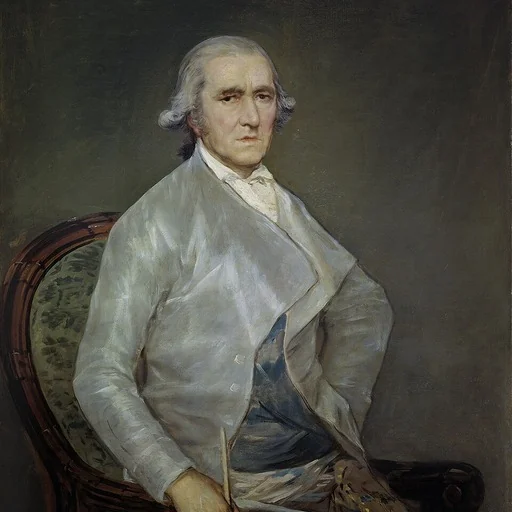
Francisco Bayeu y Subías (9 March 1734 – 4 August 1795) was a Spanish painter who painted in the Neoclassic style and specialised in religious and historical themes.

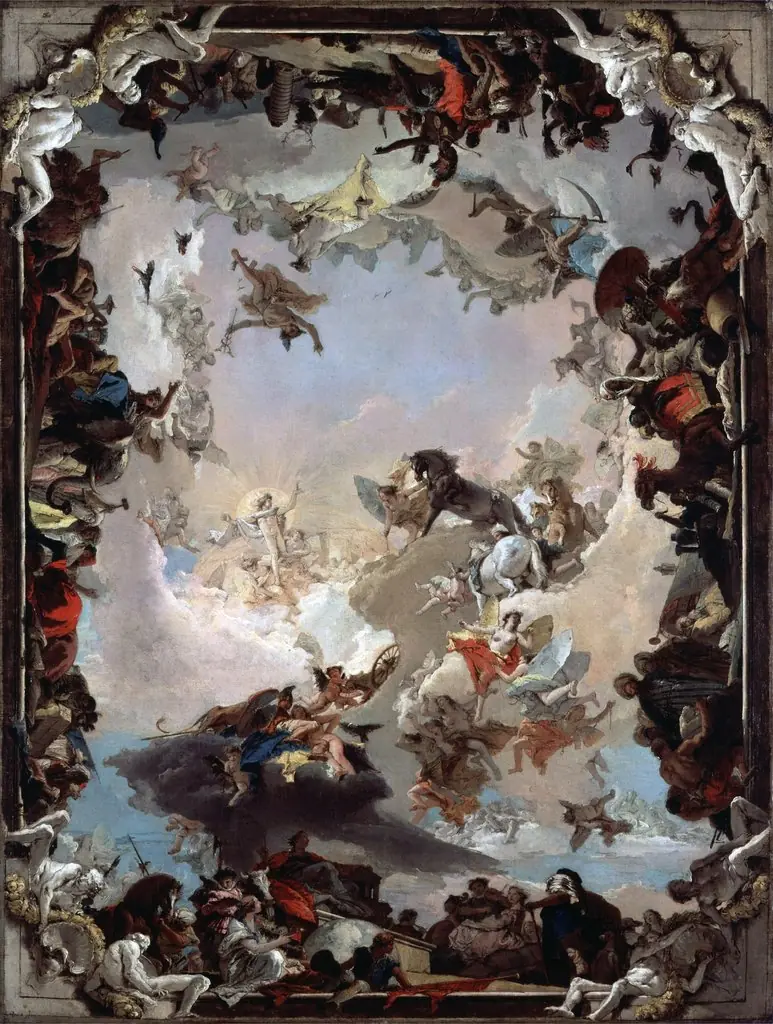 Allegory of the Planets and Continents
 St Leo in Glory (sketch for the ceiling of the church of San Lio, Venice)
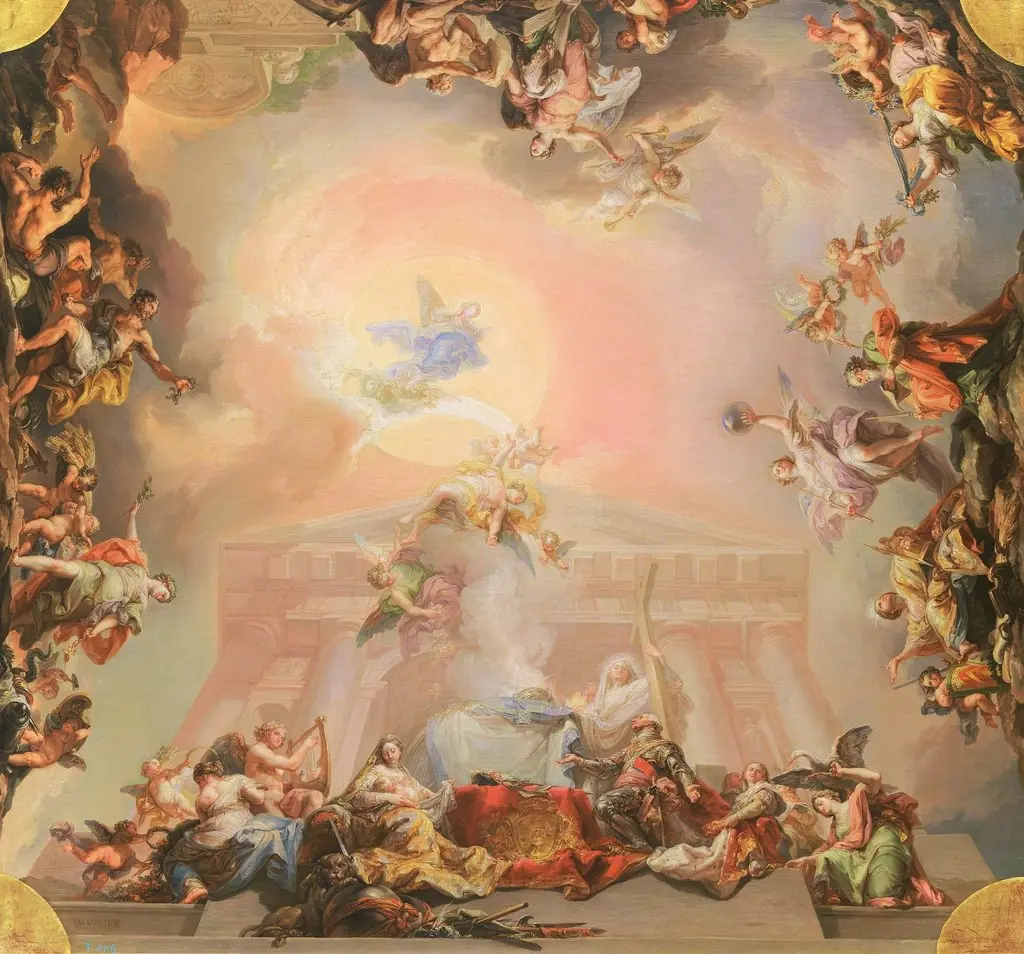 Sketch for Allegory of the Institution of the Order of Charles III
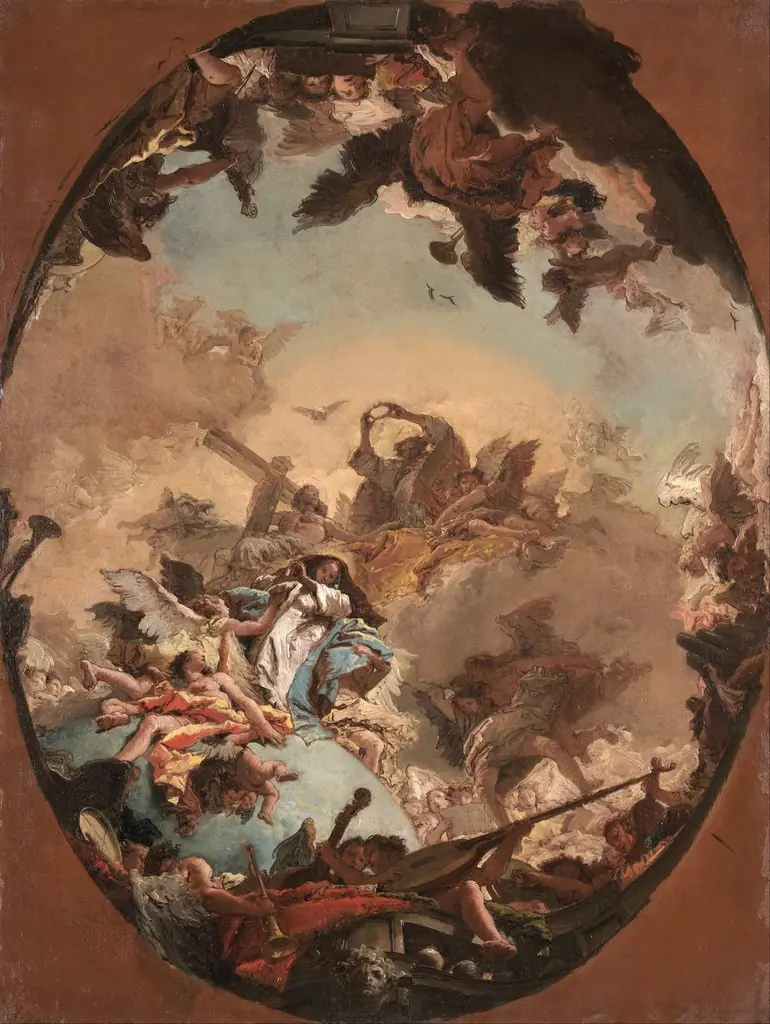 The Coronation of the Virgin
 Wealth and Benefits of the Spanish Monarchy under Charles III
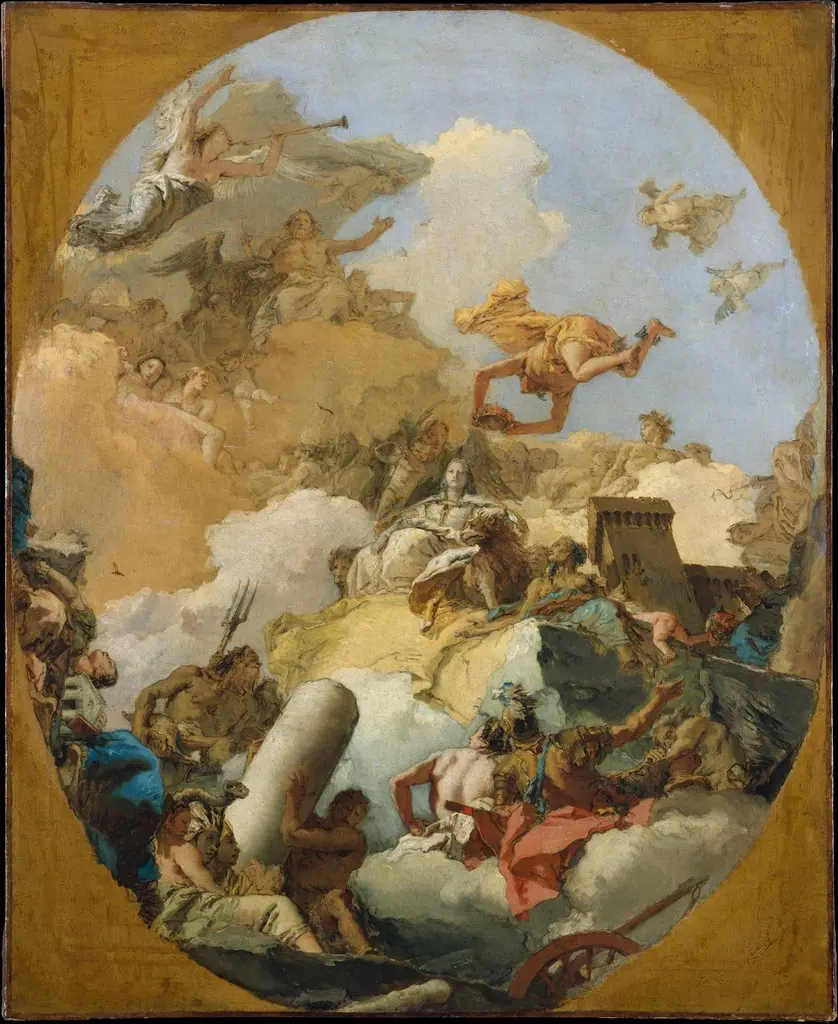 The Apotheosis of the Spanish Monarchy
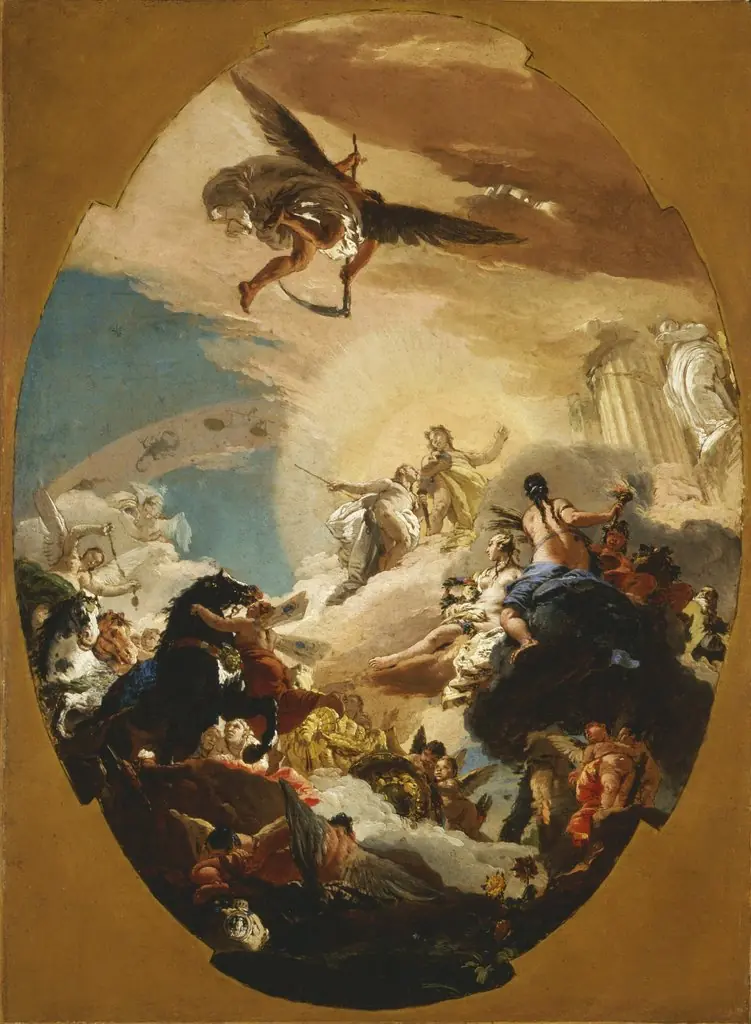 Apollo and Phaëthon
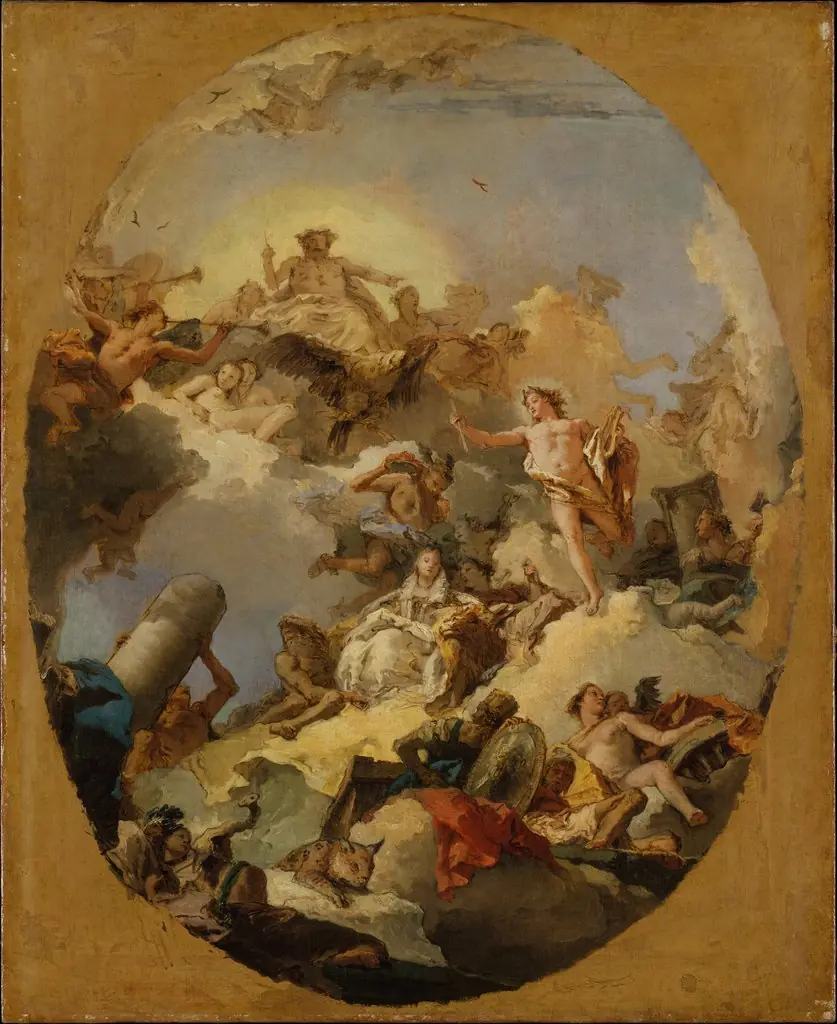 The Apotheosis of the Spanish Monarchy
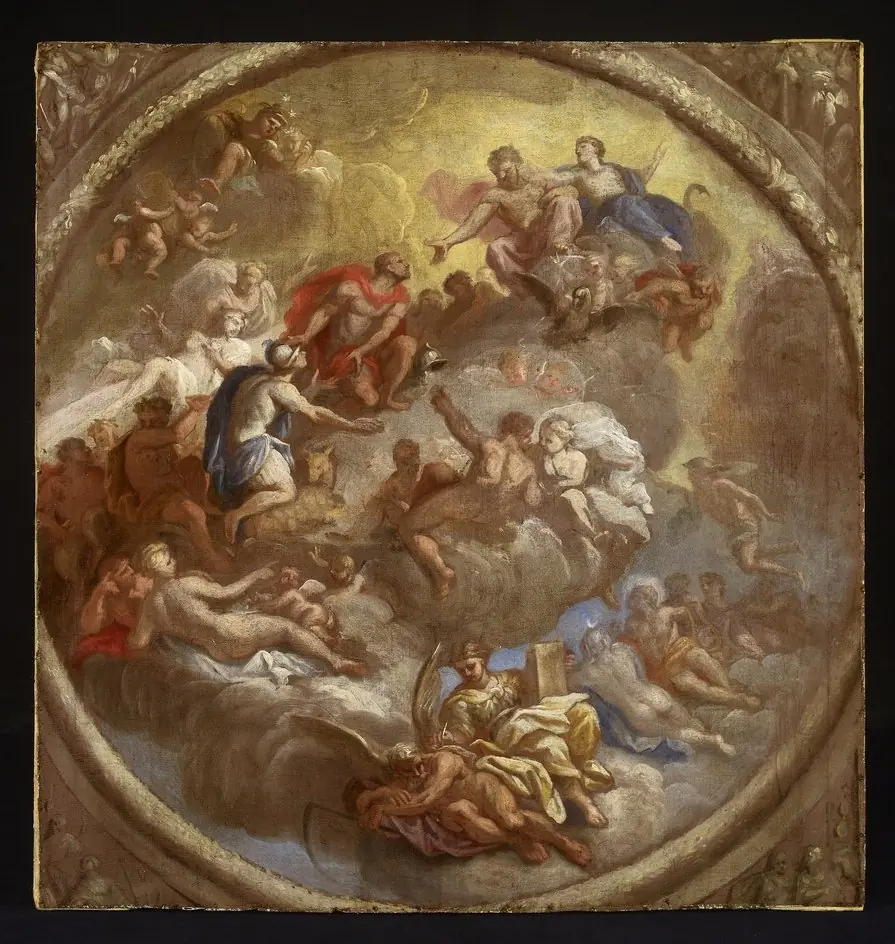 Sketch for a Ceiling Design
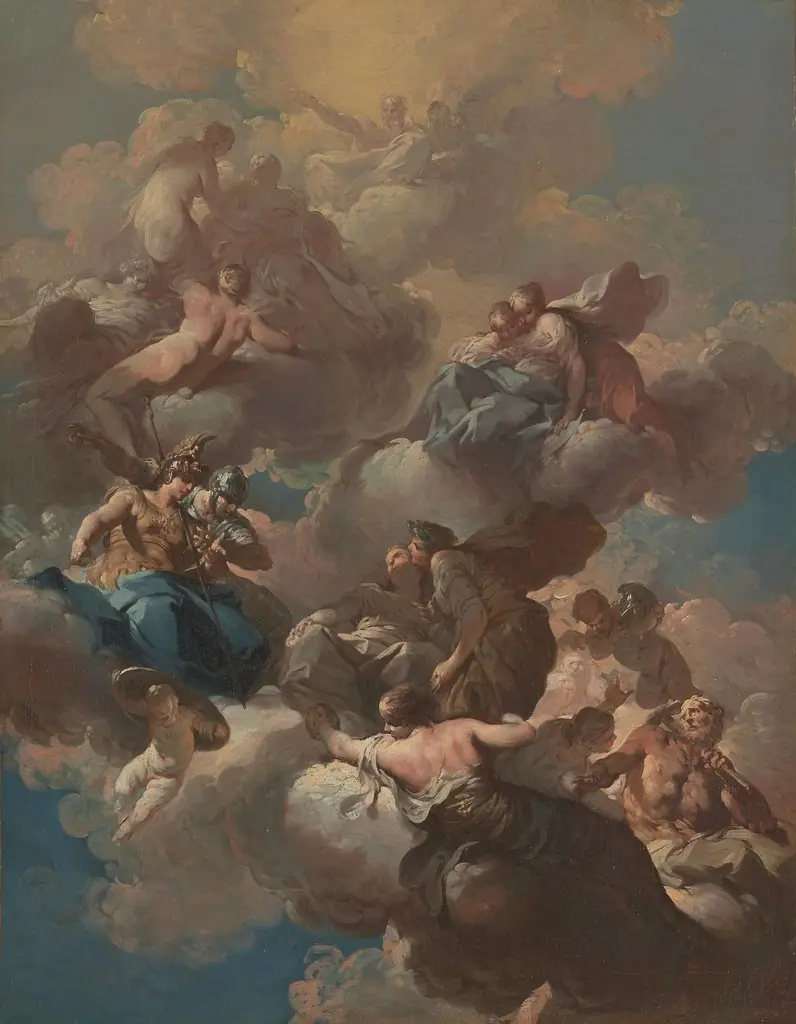 Sketch for a Ceiling Fresco
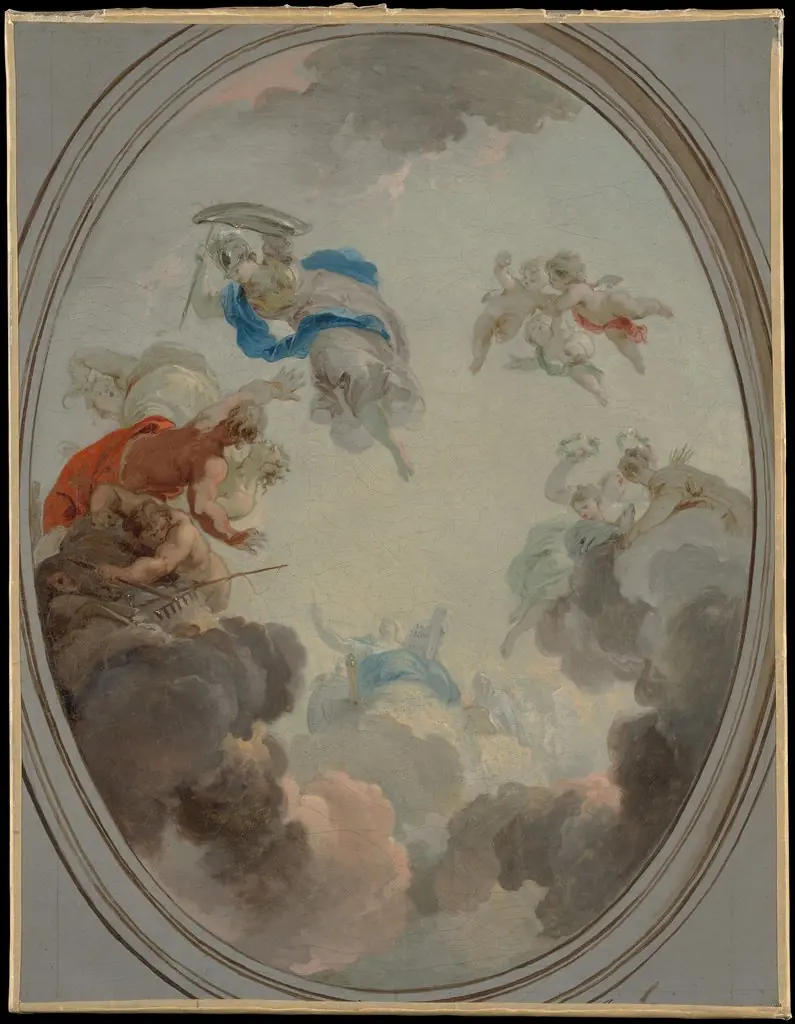 Allegory of Government: Wisdom Defeating Discord
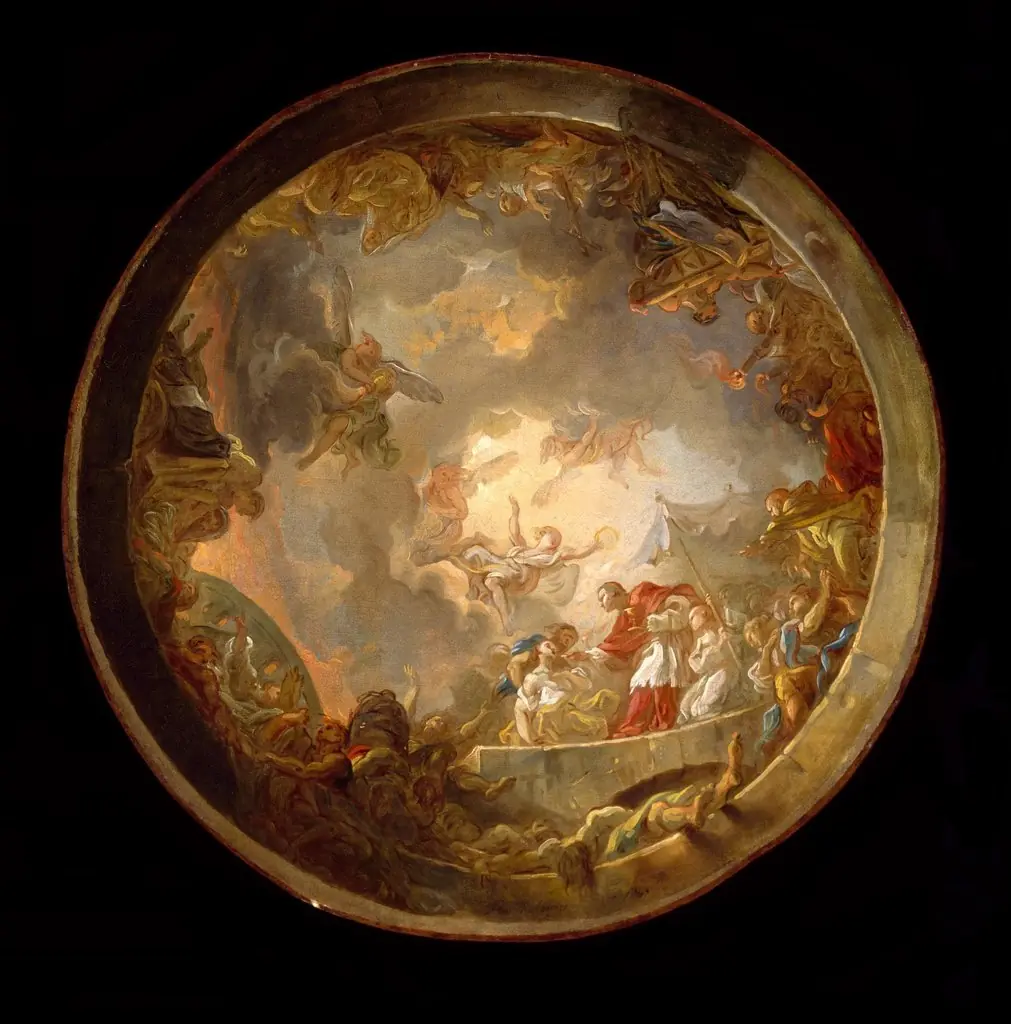 Saint Carlo Borromeo Attending to the Plague Victims